Front Yard Landscaping Ideas to Boost Curb Appeal

Front Yard Landscaping Ideas to Boost Curb Appeal
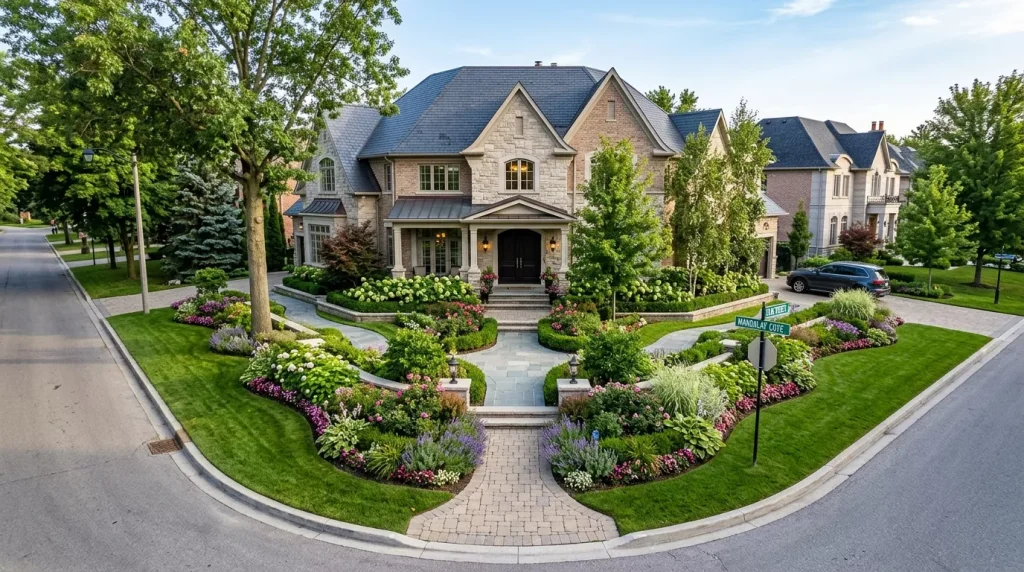
If you’ve ever pulled into your driveway and thought, “This yard could really use some love,” you’re not alone. Front yard landscaping ideas are searched by millions of homeowners every year — and for good reason. Your front yard is the first thing guests, neighbors, and potential buyers see. It sets the tone for your entire home.
The good news? You don’t need a massive budget or a professional landscaper to create something beautiful. With the right plan, a little patience, and some creativity, even a neglected patch of lawn can become a standout curb appeal showstopper.
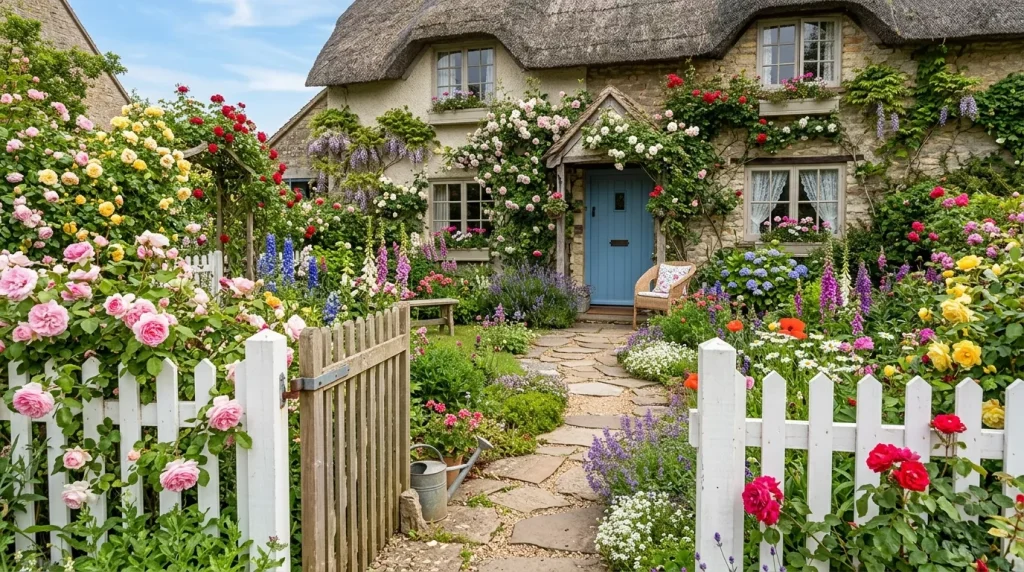
Whether you’re working with a small urban lot, a sloping yard, or a wide-open suburban lawn, this guide covers practical, inspiring ideas that actually work in the real world.
Why Front Yard Landscaping Matters More Than You Think

A well-designed front yard does more than look pretty. Studies consistently show that quality landscaping can increase a home’s value by 5% to 15%. That’s a serious return on a relatively modest investment.
Beyond money, landscaping improves your day-to-day life. Walking up to a home surrounded by healthy plants, clean edging, and thoughtful design just feels different. It lifts your mood. It makes your home feel like a sanctuary before you even open the front door.

And if you’re thinking about selling? Buyers make emotional decisions in the first 30 seconds of seeing a property. Your front yard plants that seed — positively or negatively.
Front Yard Landscaping Ideas for Every Style and Budget
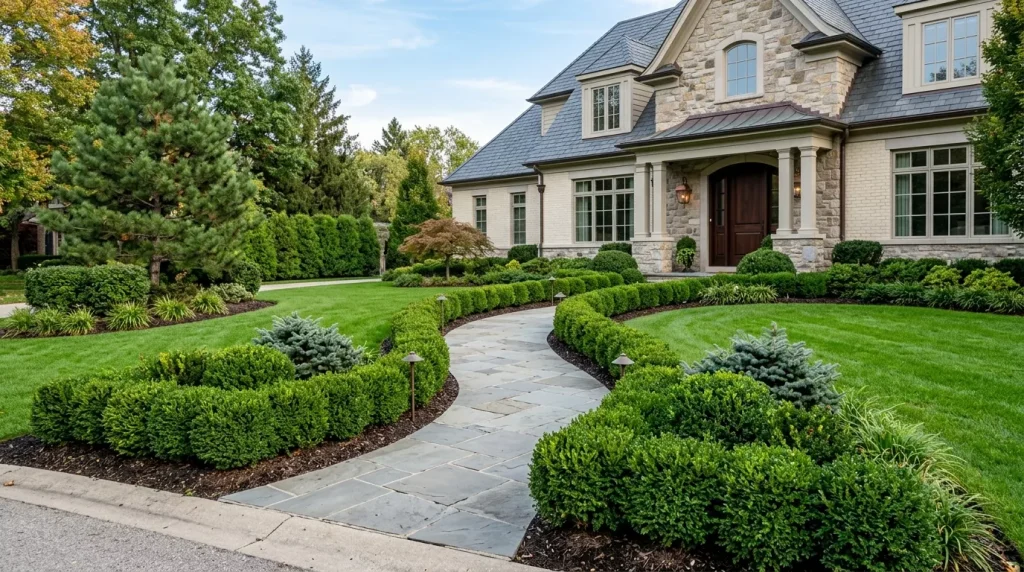
1. Define Your Pathway with Purpose
One of the most impactful (and often overlooked) changes you can make is upgrading your front walkway. A plain concrete path is functional, but a pathway lined with ornamental grasses, flowering perennials, or low boxwood hedges transforms a simple route into a welcoming journey.

Try these walkway border ideas:
- Lavender plants for fragrance and color
- Dwarf mondo grass for a clean, modern look
- River rock edging for a low-maintenance finish
- Solar-powered lanterns to add charm after dark
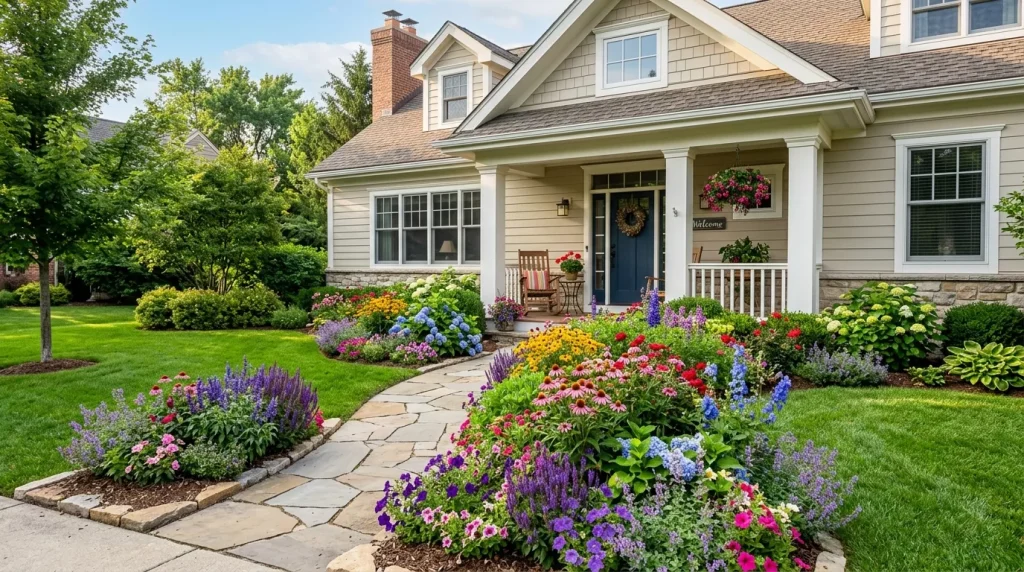
The path itself can be upgraded with flagstone, brick pavers, or stepping stones set into ground cover for a cottage garden feel.

2. Choose a Focal Point Plant or Feature
Every memorable front yard has an anchor — something your eye immediately travels to. This could be a striking specimen tree like a Japanese maple, a beautifully shaped ornamental pear, or even a bold sculptural element like a large ceramic planter.

If you’re not a tree person, a layered garden bed with height variation works just as well. Place taller shrubs or ornamental trees at the back, mid-height flowering perennials in the middle, and low-growing ground covers at the front. This “thriller, filler, spiller” approach creates depth and visual interest without feeling cluttered.
3. Front Yard Landscaping Ideas with Low Maintenance in Mind

Not everyone has hours to spend pruning and watering every week. If you fall into that category, a low-maintenance front yard landscape is the smart play. The secret is working with your climate rather than against it.

Low-maintenance landscaping options:

- Native plants — adapted to your local soil and rainfall, need less fertilizer and water
- Mulched garden beds — suppress weeds and retain moisture
- Ornamental grasses — incredibly hardy, move beautifully in the wind, minimal care
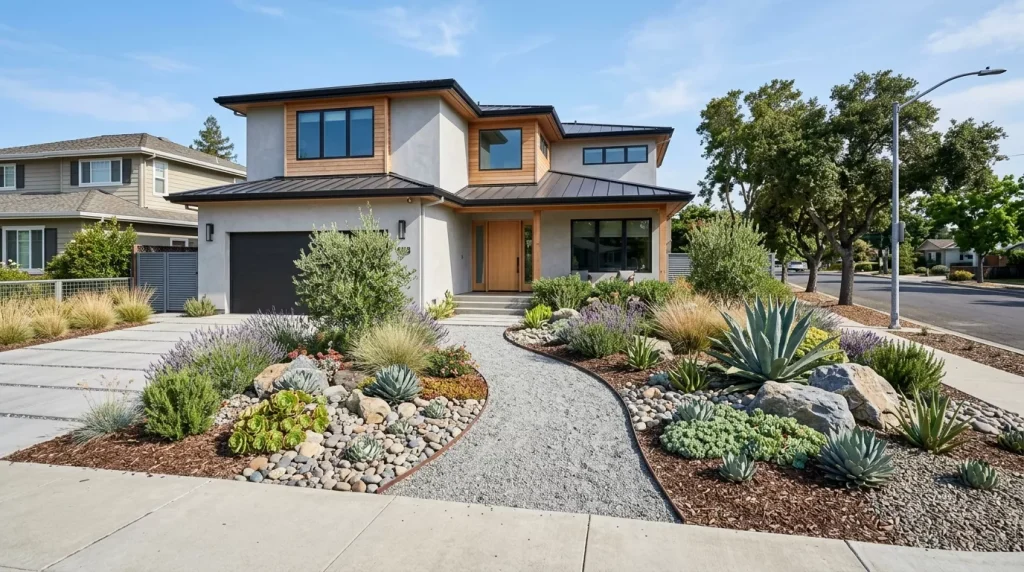
- Succulents and sedums — drought-tolerant and visually striking
- Ground covers like creeping thyme or ajuga — crowd out weeds naturally

Replacing large sections of traditional lawn with mulch beds, gravel, or native plantings is not just trendy — it’s genuinely practical and increasingly popular for water conservation.

4. Work With Color — Seasonally
A front yard that looks great in June but dead in October is a missed opportunity. With a bit of planning, you can have year-round color and interest.
| Season | Plant Suggestions |
|---|---|
| Spring | Tulips, daffodils, bleeding heart, cherry blossom |
| Summer | Black-eyed Susan, coneflower, salvia, roses |
| Fall | Ornamental kale, asters, chrysanthemums, burning bush |
| Winter | Evergreen shrubs, red-twig dogwood, hellebores, holly |
The key is layering plants with different bloom times so something is always in season. Even a few well-chosen plants in each seasonal slot keeps your yard looking alive and intentional all year long.

5. Frame the House with Foundation Plantings
Foundation plantings are the shrubs and plants placed along the base of your home. Done right, they soften the hard line between building and ground, add warmth, and make the entire structure look more grounded and intentional.
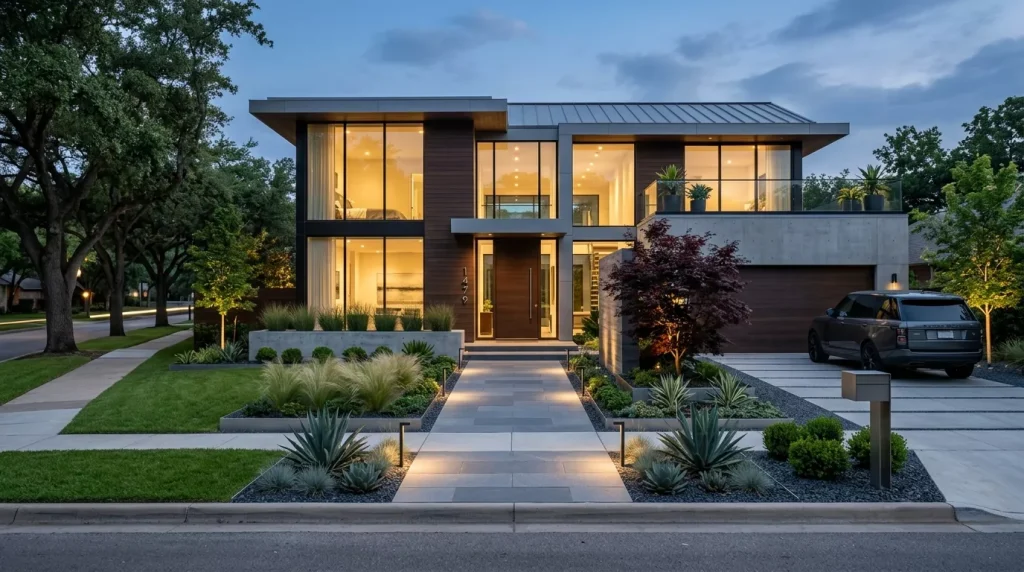
Classic foundation planting combinations:
- Knockout roses + boxwood hedge + ornamental grass
- Hydrangeas + hostas + ferns (for shadier spots)
- Dwarf conifers + creeping juniper + ornamental grasses
- Holly shrubs + camellia + liriope border
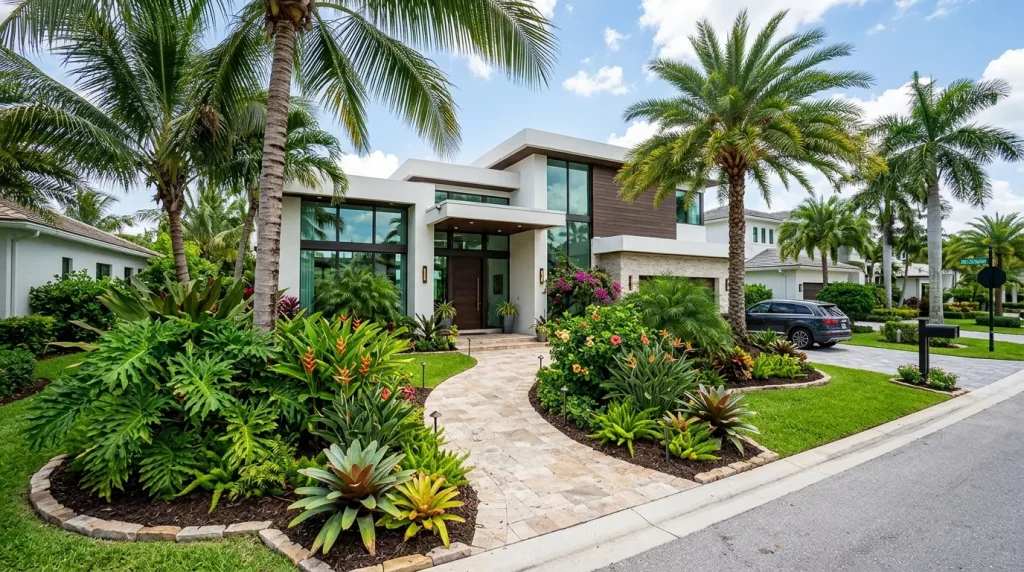
Avoid planting too close to your home’s foundation. Leave at least 18–24 inches of clearance to allow for air circulation and prevent moisture buildup against the structure.

6. Add Hardscape Elements That Complement Nature
Hardscaping — the non-plant elements of your yard — plays a huge role in tying everything together. Think stone, brick, wood, gravel, and metal used thoughtfully alongside your plants.
Hardscape ideas for the front yard:
- A small stone retaining wall to define garden beds
- Decorative gravel or pea gravel in place of mulch
- A reclaimed wood or wrought iron mailbox post
- A simple stone bench tucked beside the walkway
- A birdbath or small water feature as a focal point
Hardscape elements require far less upkeep than plants and hold their visual impact in every season. They’re particularly useful in climates with harsh winters when most plants go dormant.
7. Think Vertical — Maximize Small Spaces
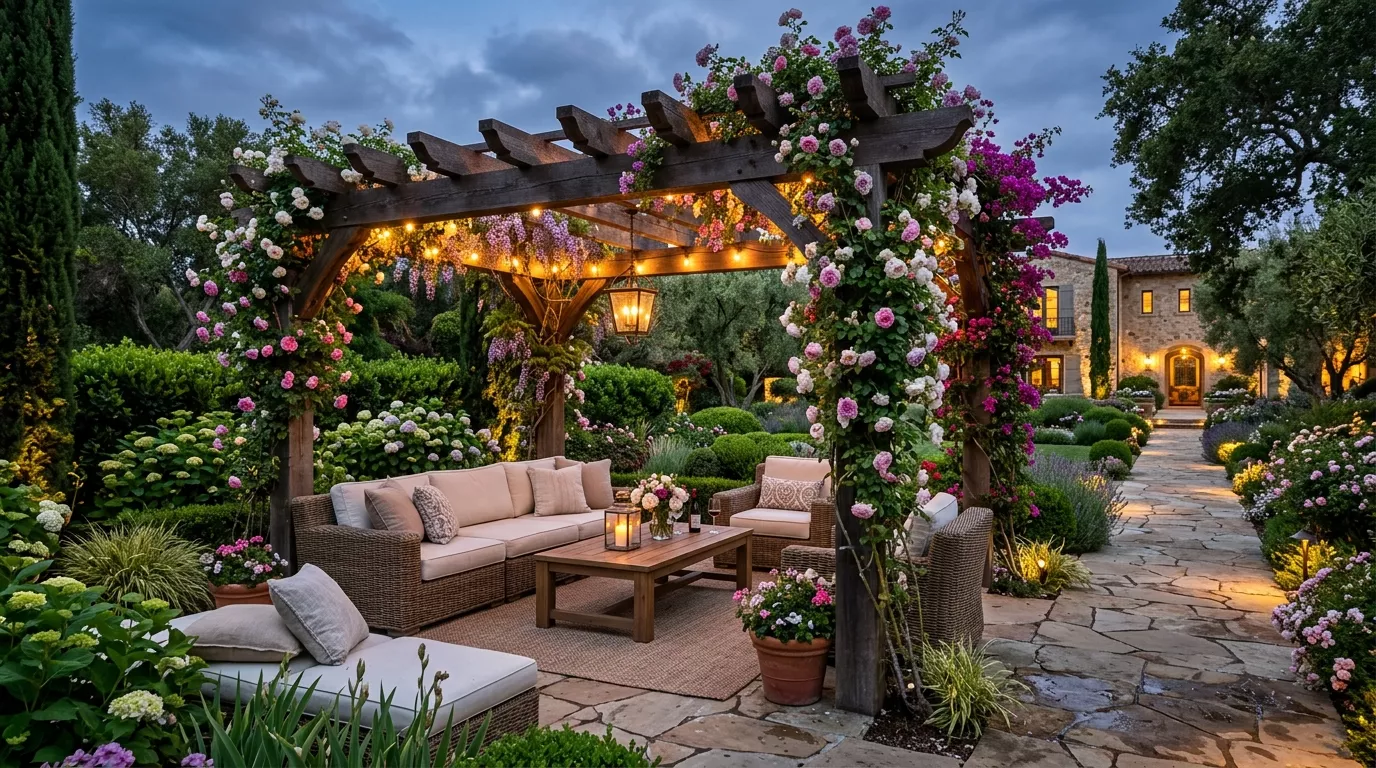
If your front yard is compact, vertical landscaping is your best friend. A climbing rose trained over an arbor, a trellis with clematis or wisteria, or even a tall, narrow evergreen can draw the eye upward and make a small space feel larger and more dynamic.
Container gardening is another underused strategy for small front yards. Large planters flanking your front door with seasonal arrangements are inexpensive to swap out and create a high-impact greeting without requiring a single inch of ground space.
Step-by-Step Guide: Planning Your Front Yard Landscape from Scratch
Starting from zero? Here’s a clear, practical process to follow:
Step 1: Assess What You Have Walk around your front yard and note what’s already there — trees, shrubs, existing garden beds, the grade of the land, sun and shade patterns. Take photos at different times of day.
Step 2: Define Your Style Do you want something formal and structured? Loose and cottage-style? Clean and modern? Tropical? Knowing your style upfront keeps you from making expensive mistakes at the nursery.
Step 3: Set a Realistic Budget Landscaping can range from a few hundred dollars (DIY planting) to tens of thousands (full hardscape installations). Decide your number before you fall in love with anything.
Step 4: Sketch a Simple Plan You don’t need CAD software. A rough sketch of your lot — noting the house, driveway, walkway, and any existing trees — gives you a working map to plan against.
Step 5: Select Plants Based on Conditions Match plants to your actual sunlight, soil type, and hardiness zone — not just what looks good online. A plant that needs full sun in a shaded yard will always struggle.
Step 6: Start with Bones, Add Detail Later Plant your structural elements first (trees, large shrubs, hardscape). Then layer in mid-size perennials. Then ground covers and seasonal color. This hierarchy keeps your yard from looking busy and helps plants establish properly.
Step 7: Mulch, Edge, and Maintain A fresh layer of mulch and clean edging will make even a simple landscape look professionally done. Maintain it regularly — even the best plants lose their appeal in an unkempt setting.
Pros and Cons of DIY Front Yard Landscaping
| Pros | Cons | |
|---|---|---|
| Cost | Significant savings vs. hiring out | Risk of costly plant mistakes |
| Flexibility | Work at your own pace | Can take much longer to complete |
| Learning | Build real skills and knowledge | Steep learning curve initially |
| Customization | Complete creative control | Easy to get overwhelmed with choices |
| Satisfaction | Deep sense of ownership | Physical labor can be demanding |
Comparison: Lawn vs. No-Lawn Front Yards
| Feature | Traditional Lawn | No-Lawn Design |
|---|---|---|
| Water Use | High | Low–Medium |
| Maintenance | Weekly mowing required | Seasonal pruning only |
| Cost (Ongoing) | Fertilizer, weed control, mowing | Minimal after establishment |
| Curb Appeal | Classic, expected | Distinctive, modern |
| Wildlife Value | Low | High (native plantings) |
| Best For | Families with kids/pets | Busy homeowners, drought zones |
Common Mistakes to Avoid
Even well-intentioned landscaping can go wrong. Here are the pitfalls homeowners fall into most often:
1. Planting too close together. Plants need room to grow. Crowded plants compete for resources, block airflow, and create disease problems. Always check mature spread before planting.
2. Ignoring your hardiness zone. A plant that thrives in Georgia will freeze out in Minnesota. Know your USDA hardiness zone and shop accordingly.
3. Skipping soil preparation. Most landscaping failures start underground. Amend your soil before planting — especially if it’s heavily clay-based or sandy.
4. Over-designing with too many plant varieties. A yard with 25 different species in a small bed looks chaotic. Repetition creates rhythm and cohesion. Fewer varieties, more plants of each.
5. Neglecting irrigation planning. If you don’t have a plan for watering — especially during establishment — even the best plants will struggle.
6. Choosing plants purely for looks. Aesthetics matter, but so does function. A gorgeous plant that’s invasive, aggressive, or toxic to pets is a problem waiting to happen.
Pro Tips for a Stunning Front Yard
- Layer your lighting. Pathway lights at ground level combined with uplighting on trees or focal plants creates a dramatic nighttime effect.
- Use odd numbers. Plant in groups of 3, 5, or 7 rather than even numbers — it looks more natural and visually balanced.
- Embrace negative space. A well-maintained lawn or clean gravel area gives the eye a place to rest and makes your plantings stand out more.
- Edge every season. Clean, sharp edges between lawn and bed make everything look intentional and cared for.
- Go with natives first. Native plants are more forgiving, more wildlife-friendly, and honestly more resilient than most exotic species.
- Think about fragrance. Plants like lavender, mock orange, and gardenias near the front door create a sensory welcome you can’t put a price on.
Conclusion: Your Front Yard Deserves Better — Start Today
Front yard landscaping ideas don’t have to be overwhelming or expensive. The best yards aren’t the most elaborate ones — they’re the ones that feel intentional, cared for, and in harmony with the home they surround.
Start small if you need to. Improve the walkway. Plant a focal tree. Swap tired shrubs for something seasonal and colorful. Lay down fresh mulch and edge the beds cleanly. Each step forward builds momentum, and before long you’ll have a front yard that genuinely makes you proud every time you come home.
Ready to get started? Pick one idea from this guide and take one action this weekend. Even a single afternoon of effort can completely change the look and feel of your home’s exterior. Your dream front yard is closer than you think.
Frequently Asked Questions (FAQs)
Q1: What is the best low-maintenance front yard landscaping idea?
Replacing turf with native plant beds, ornamental grasses, and mulched garden areas is one of the best low-maintenance approaches. Native plants are adapted to your local climate, require minimal watering after establishment, and are naturally resistant to local pests and diseases.
Q2: How do I landscape my front yard on a tight budget?
Start with plants grown from seed or divided from existing gardens (neighbors are often happy to share). Focus first on mulching, edging, and removing overgrown plants — this costs almost nothing and makes an immediate difference. Buy plants at end-of-season sales when prices drop significantly.
Q3: What plants are best for front yard curb appeal?
For year-round impact, consider knockout roses, ornamental grasses, black-eyed Susans, Japanese maple trees, boxwood hedges, and hydrangeas. Combine plants with different bloom times and textures for a yard that looks interesting in every season.
Q4: How do I landscape a front yard with no grass?
Replace lawn areas with native ground covers like creeping thyme, ajuga, or clover. Use decomposed granite or pea gravel in high-traffic or hard-to-grow areas. Add raised planting beds, defined pathways, and structural shrubs to create a no-lawn design that looks intentional rather than neglected.
Q5: How much does front yard landscaping typically cost?
DIY landscaping with plants and mulch can cost as little as $200–$500 for a basic refresh. Mid-range projects with new pathways, irrigation, and quality plants typically run $2,000–$8,000. Full professional installations with hardscape, trees, and irrigation systems can range from $10,000 to $30,000 or more depending on lot size and scope.
Q6: When is the best time of year to landscape a front yard?
Early fall is actually the best time to plant most trees, shrubs, and perennials in most climates — the soil is still warm but heat stress is reduced. Spring is also excellent. Summer planting is possible but requires more diligent watering during establishment.
Q7: How do I make my small front yard look bigger?
Use vertical elements like tall, narrow trees or trellises with climbing plants to draw the eye upward. Keep ground-level plantings low and avoid overcrowding. Light colors in plants and hardscape elements reflect light and make spaces feel more open. A winding or diagonal path can also make a small yard feel more expansive than it is.