Jon Voight Biography: Amazing Career And Life Story

Introduction: A True Hollywood Original
When you think about actors who have truly shaped American cinema over the past six decades, Jon Voight stands out as a genuine original. This talented performer didn’t just act in movies he created characters that stayed with audiences long after the credits rolled.
Born at a time when Hollywood was changing dramatically, Jon Voight managed to carve out a space that was entirely his own. He brought intensity, vulnerability and raw authenticity to every role he played. From struggling young actor to Academy Award winner, his journey represents the American dream in its purest form.
What makes Jon Voight particularly fascinating is his ability to remain relevant across multiple generations. He’s worked with legendary directors from the 1960s and collaborated with modern filmmakers in recent years. His career spans an era when movies moved from classical Hollywood to the digital age.
This article explores the complete story of Jon Voight, his childhood, breakthrough moments, personal struggles, family dynamics and enduring influence on entertainment. Whether you’re a longtime fan or discovering his work for the first time, you’ll gain fresh insights into what makes this actor truly exceptional.
Early Life: The Foundation of a Future Star
Childhood in Yonkers
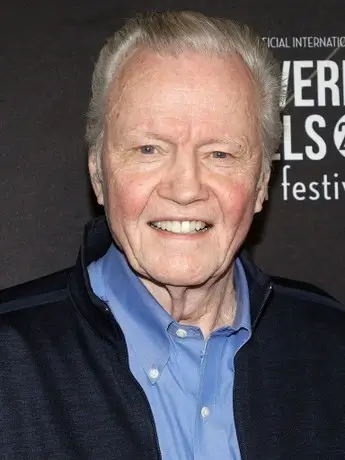
Jon Voight was born on December 29, 1938, in Yonkers, New York. His full name is Jonathan Vincent Voight and he grew up in a working class neighborhood that taught him the value of hard work and determination.
His father, Elmer Voight, was a professional golfer who later became a golf course owner. His mother, Barbara, was a homemaker who encouraged creativity in her children. Growing up in this environment, young Jon learned discipline from his father’s athletic dedication and artistic sensitivity from his mother’s nurturing approach.
The Voight household valued both sports and culture. Jon had two brothers and the family maintained strong connections to their Czech and Slovak heritage. This cultural background would later influence how Jon approached his craft, bringing a European sensibility to American storytelling.
Educational Journey
Jon Voight attended Archbishop Stepinac High School in White Plains, New York. During these formative years, he discovered his passion for performance. He participated in school plays and quickly realized that acting allowed him to express emotions he couldn’t articulate otherwise.
After high school, he enrolled at The Catholic University of America in Washington, D.C. This decision proved pivotal. The university had a respected drama program that provided rigorous training in classical theater techniques. Jon immersed himself in studying great plays, voice work and movement.
During his college years, he performed in numerous stage productions. Each role taught him something new about character development and audience connection. His professors recognized his natural talent and encouraged him to pursue acting professionally.
He graduated in 1960 with a degree in art but his heart belonged entirely to theater. The combination of academic training and practical experience gave him a solid foundation for the competitive entertainment industry.
Breaking Into Show Business
The Struggling Actor Years
Like most aspiring actors, Jon Voight faced rejection and uncertainty after college. He moved to New York City with big dreams but limited resources. The early 1960s were tough times for newcomers in the theater world.
He worked various odd jobs to pay rent while auditioning constantly. He waited tables, worked as a delivery person and took whatever employment he could find. These experiences kept him grounded and gave him material he’d later draw upon for character work.
The audition process was brutal. He faced hundreds of rejections before landing small roles. But each “no” made him more determined. He studied other actors, attended acting workshops and constantly refined his technique.
Theater Breakthrough
Jon Voight’s persistence paid off when he started getting cast in off Broadway productions. These smaller venues allowed him to take risks and develop his craft without the pressure of mainstream attention.
His stage work caught the attention of casting directors and critics. He appeared in several notable productions throughout the mid 1960s, earning respect within the theater community. His performances showed remarkable range; he could play comedy one night and intense drama the next.
One of his significant early stage roles was in “The Sound of Music” on Broadway, where he replaced the original lead. This exposure brought him to wider attention and proved he could handle demanding roles in major productions.
Television Appearances
As his reputation grew, Jon Voight started landing television work. He appeared in popular shows of the era, including “Gunsmoke” and “Naked City.” These guest spots provided valuable screen experience and steady income.
Television work in the 1960s was different from today. Shows were often performed live or with minimal editing. This environment suited Jon’s theater background perfectly. He brought theatrical intensity to the small screen, making even minor characters memorable.
These early TV roles also taught him how to work quickly and efficiently. Unlike theater, where actors had weeks of rehearsal, television demanded immediate results. This adaptability would serve him well throughout his career.
The Breakthrough: Midnight Cowboy
Landing the Role of Joe Buck
In 1969, Jon Voight’s career changed forever when he was cast as Joe Buck in “Midnight Cowboy.” Director John Schlesinger saw something special in the young actor, a combination of innocence and desperation that the role required.
The character of Joe Buck was complex: a naive young man from Texas who moves to New York City hoping to make money as a male escort. The role demanded vulnerability, sexuality and emotional depth. Jon understood that this character represented broken American dreams.
Landing this part wasn’t easy. Many established actors wanted the role but Schlesinger believed Jon brought authenticity that bigger names couldn’t match. The director’s instinct proved correct.
Creating an Iconic Performance
Jon Voight’s preparation for “Midnight Cowboy” was intense. He researched street life in New York, observing people who lived on the margins of society. He wanted Joe Buck to feel completely real, not like an actor playing poverty.
His performance captured something essential about American masculinity and its vulnerabilities. Joe Buck’s cowboy costume and swagger masked deep insecurity and loneliness. Jon played these layers beautifully, never letting the character become a caricature.
The chemistry between Jon Voight and co-star Dustin Hoffman created movie magic. Their relationship between two struggling men forming an unlikely friendship touched audiences deeply. Both actors brought complete commitment to these difficult roles.
Cultural Impact and Recognition
“Midnight Cowboy” became a cultural phenomenon. It was the first X rated film to win the Academy Award for Best Picture, a testament to its artistic merit despite controversial content.
Jon Voight received his first Academy Award nomination for Best Actor. At just 30 years old, he had arrived as a serious dramatic actor. Critics praised his fearless performance and emotional honesty.
The film addressed themes rarely explored in mainstream cinema: poverty, sexuality, exploitation and male friendship. Jon’s performance helped make these topics accessible to wider audiences. His work proved that popular entertainment could tackle serious subjects.

Career Highlights Through the Decades
The 1970s: Establishing Stardom
Following “Midnight Cowboy,” Jon Voight became one of Hollywood’s most sought after leading men. He chose roles carefully, looking for characters with psychological complexity.
In 1972, he starred in “Deliverance,” a survival thriller that showcased his physical and emotional range. The film featured the famous dueling banjos scene and intense action sequences. Jon’s character faced moral dilemmas that tested his humanity.
His performance in “Coming Home” (1978) earned him the Academy Award for Best Actor. He played a paralyzed Vietnam War veteran with sensitivity and power. The role required him to use a wheelchair throughout filming and he approached this challenge with complete dedication.
This performance demonstrated Jon’s commitment to authentic representation. He spent time with actual disabled veterans, learning their experiences and perspectives. His portrayal avoided sentimentality while showing genuine compassion.
The 1980s: Continued Excellence
The 1980s brought Jon Voight diverse opportunities. He appeared in “The Champ” (1979), a remake that showcased his ability to convey paternal love and personal failure. His scenes with child actor Ricky Schroder were emotionally powerful.
He also starred in “Runaway Train” (1985), playing an escaped convict in a thrilling action drama. This role showed his capacity for playing darker, more dangerous characters. The physical demands were significant but Jon handled them convincingly.
During this period, he balanced commercial projects with artistic challenges. He appeared in both blockbusters and independent films, refusing to be typecast. This versatility kept his career fresh and interesting.
The 1990s: Television Success
Jon Voight embraced television work during the 1990s, recognizing that quality storytelling existed across all media. He appeared in several acclaimed TV movies and miniseries.
His role in the TV series “The Fixer” earned him a Golden Globe Award. He also appeared in other television projects that showcased his range and continued relevance.
In theaters, he appeared in “Heat” (1995), working alongside Al Pacino and Robert De Niro. Though his role was smaller, he held his own among these legendary performers. The film demonstrated his ability to elevate any project he joined.
The 2000s and Beyond: Reinvention
Jon Voight experienced a career resurgence in the 2000s. He appeared in “Pearl Harbor” (2001), “Transformers” (2007) and other major productions. These blockbusters introduced him to younger audiences who might not know his earlier work.
He also took on television work in shows like “24” and “Ray Donovan,” the latter earning him a Golden Globe Award for Best Supporting Actor. His role as Mickey Donovan showed he could play complicated, morally ambiguous characters with depth and humor.
His later career proves that talent and dedication transcend age. He continues working regularly, choosing projects that challenge him and entertain audiences.
Awards and Recognition
| Award | Category | Project | Year | Result |
|---|---|---|---|---|
| Academy Awards | Best Actor | Midnight Cowboy | 1970 | Nominated |
| Academy Awards | Best Actor | Coming Home | 1979 | Won |
| Golden Globe | Best Actor / Drama | Coming Home | 1979 | Won |
| Golden Globe | Best Supporting Actor | Ray Donovan | 2014 | Won |
| BAFTA Awards | Best Actor | Coming Home | 1979 | Nominated |
| Emmy Awards | Outstanding Lead Actor | The Fixer | 1999 | Nominated |
| Cannes Film Festival | Best Actor | Coming Home | 1978 | Won |
This table represents just a fraction of Jon Voight’s recognition. Throughout his career, he’s received numerous nominations and awards from critics’ associations, film festivals and industry organizations.
His achievements span multiple decades and different types of media. Few actors can claim such sustained excellence across such a long period. The recognition reflects both his talent and his consistent commitment to quality work.

Personal Life and Family
Marriages and Relationships
Jon Voight married actress Lauri Peters in 1962 but the marriage was brief and ended in divorce. This early relationship taught him lessons about balancing personal life with demanding career requirements.
His second marriage to actress Marcheline Bertrand in 1971 produced two children who would become famous in their own right. This relationship was passionate but ultimately complicated. The couple separated in 1976 and divorced in 1980.
The dissolution of his marriage to Marcheline Bertrand affected Jon deeply. Like many divorced parents, he struggled to maintain close relationships with his children while building his career. These challenges were compounded by the public nature of their lives.
Children: James Haven and Angelina Jolie
Jon Voight has two children with Marcheline Bertrand: James Haven, born in 1973 and Angelina Jolie, born in 1975. Both children followed their parents into entertainment, though with different levels of public attention.
His relationship with his children, particularly Angelina Jolie, has been complex and publicly documented. After his divorce, there were periods of estrangement that lasted years. These difficulties were painful for everyone involved.
Angelina Jolie became one of the world’s biggest movie stars, winning an Academy Award and becoming known for both her acting and humanitarian work. The father daughter relationship experienced significant strain, with public statements from both sides revealing deep hurt.
In recent years, Jon Voight has spoken about his desire for reconciliation and his pride in his children’s accomplishments. Family relationships are complicated for everyone and the Voight family’s challenges simply played out in public view.
His son James Haven has worked in film production and acting, maintaining a lower public profile than his sister. Jon has expressed love and support for both his children, despite the difficulties they’ve experienced.
Personal Interests and Beliefs
Jon Voight is known for his strong political views, which have become more publicly expressed in recent years. He has been vocal about his conservative beliefs and support for various political causes and candidates.
He maintains interests beyond acting, including golf a passion he inherited from his father. He’s also interested in history, particularly American history and has participated in documentaries and educational programming.
His Catholic upbringing continues to influence his worldview and personal philosophy. He has spoken about faith and its importance in his life, though he acknowledges his own imperfections and struggles.
Acting Style and Methodology

Approach to Character Development
Jon Voight’s acting style combines method acting techniques with classical training. He believes in thorough character research and emotional preparation. Before filming begins, he typically spends considerable time understanding his character’s psychology and motivations.
He’s known for staying in character between takes on some projects, maintaining the emotional state required for difficult scenes. This commitment helps him deliver authentic performances that resonate with audiences.
His preparation often includes physical transformation. Whether learning to use a wheelchair convincingly or adopting specific mannerisms, he approaches every role with dedication to authenticity.
Emotional Authenticity
What distinguishes Jon Voight from many actors is his willingness to show vulnerability. His characters feel real because he’s not afraid to look weak, confused or broken. This emotional honesty creates powerful connections with viewers.
He accesses deep emotions without overplaying them. His performances feel lived in rather than performed. This subtlety comes from years of experience and a natural instinct for truth in acting.
Directors praise his ability to find emotional truth in every scene. He brings ideas to the table but also listens to direction and collaborates effectively. This combination of confidence and flexibility makes him valuable on any project.
Physical Performance
Jon Voight uses his entire body to create characters. His posture, walk and gestures communicate as much as his dialogue. This physical awareness comes from his theater training, where actors must project to the back row.
He’s performed many of his own stunts throughout his career, believing that physical authenticity enhances emotional truth. While stunt doubles handled the most dangerous work, Jon pushed himself physically to give realistic performances.
His voice work deserves special mention. He can adjust his accent, tone and speaking rhythm to suit different characters. This vocal flexibility adds another layer to his character portrayals.
Impact on Film Industry
Influence on Acting Standards
Jon Voight arrived in Hollywood during a transformative period. The old studio system was ending and a new generation of actors brought different approaches to their craft. He was part of this revolution.
His performances in films like “Midnight Cowboy” and “Coming Home” helped establish new standards for emotional realism in cinema. He proved that male actors could show vulnerability without losing their masculine appeal.
Younger actors cite him as an influence, particularly his fearlessness in tackling difficult roles. He showed that commercial success and artistic integrity weren’t mutually exclusive.
Breaking New Ground
Jon Voight’s career includes several groundbreaking projects. “Midnight Cowboy” addressed topics that mainstream Hollywood typically avoided. His willingness to take such risks opened doors for other actors and filmmakers.
His portrayal of a disabled veteran in “Coming Home” brought attention to issues facing Vietnam War veterans. The film contributed to public conversations about how America treated its returning soldiers.
Throughout his career, he’s chosen projects that challenge audiences to think differently. While not every film succeeded commercially, his commitment to meaningful storytelling never wavered.
Longevity and Adaptation
Few actors maintain successful careers spanning six decades. Jon Voight’s ability to evolve with changing industry trends demonstrates remarkable adaptability. He embraced television when many film actors avoided it, recognizing that quality storytelling transcends medium.
He’s worked with multiple generations of filmmakers, from directors who started in classical Hollywood to those raised on digital technology. This adaptability keeps his work relevant to contemporary audiences.
His recent success in shows like “Ray Donovan” proves that older actors can play complex, vital characters. He’s helping change industry attitudes about age and casting.
Jon Voight Filmography Highlights
Essential Films
- Midnight Cowboy (1969): The film that made him a star, showing his ability to play naive vulnerability with complete conviction.
- Deliverance (1972): A survival thriller that tested his physical and emotional limits, creating one of cinema’s most intense experiences.
- Coming Home (1978): His Oscar winning performance as a paralyzed veteran remains a masterclass in subtle, powerful acting.
- The Champ (1979): A heart breaking portrayal of a flawed father trying to do right by his son.
- Runaway Train (1985): An intense action drama showcasing his ability to play darker, more dangerous characters.
- Heat (1995): A smaller role in an ensemble cast but he made every scene count.
- Mission Impossible (1996): Showing his versatility in a blockbuster action franchise.
- Pearl Harbor (2001): Playing President Franklin D. Roosevelt in a major historical drama.
- Transformers (2007): Introducing himself to a new generation in a massive commercial success.
Television Work
- The Fixer (1999): A TV movie that earned him a Golden Globe nomination.
- 24 (2006): A memorable arc in this ground breaking action series.
- Ray Donovan (2013 2020): Perhaps his greatest late career role, earning a Golden Globe and introducing him to streaming audiences.
Legacy and Cultural Significance
Lasting Influence
Jon Voight’s contributions to American cinema extend beyond his individual performances. He represents a bridge between different eras of filmmaking, carrying forward traditions while embracing innovation.
His work in films addressing social issues helped cinema become a vehicle for important conversations. Movies like “Coming Home” weren’t just entertaining, they challenged viewers to think about uncomfortable topics.
Young actors study his performances to learn about emotional truth and character commitment. Film schools include his work in curriculum because his techniques demonstrate fundamental principles of great acting.
Cultural Icon Status
Jon Voight has become more than just an actor; he’s a cultural reference point. His most famous roles are embedded in popular culture, referenced in other films, television shows and media.
His distinctive voice and appearance make him instantly recognizable. Even people who haven’t seen his films often know who he is, a testament to his cultural penetration.
He represents a certain type of American masculinity: strong but vulnerable, confident but flawed. This complexity makes his screen presence compelling across different types of stories.
Recognition by Peers
Fellow actors speak highly of Jon Voight’s professionalism and talent. He’s known as a generous scene partner who elevates everyone around him.
Directors appreciate his preparation and willingness to collaborate. He brings ideas without being difficult, respects the filmmaker’s vision while contributing his own insights.
Industry organizations have honored him with lifetime achievement recognitions, acknowledging his sustained excellence and significant contributions to cinema.
Challenges and Controversies
Professional Setbacks
Not every project Jon Voight chose succeeded. Like all long career actors, he’s appeared in films that flopped critically and commercially. These failures taught valuable lessons about script selection and career management.
Some roles didn’t showcase his talents effectively, leading to criticism from reviewers. However, he approached even less successful projects with professionalism and commitment.
Career ups and downs are normal in entertainment. Jon’s ability to recover from setbacks and continue finding quality work demonstrates resilience and adaptability.
Personal Struggles
Jon Voight has been open about personal challenges, including the pain of family estrangement. These difficulties played out publicly, creating additional stress and scrutiny.
He’s acknowledged mistakes in his personal life, showing vulnerability and self awareness. This honesty about imperfection makes him more relatable as a public figure.
Balancing fame, family responsibilities and personal needs challenged him throughout his career. His experiences reflect common human struggles, simply magnified by celebrity status.
Political Outspokenness
In recent years, Jon Voight’s vocal political positions have sometimes overshadowed his artistic work. His strong conservative views have drawn both support and criticism.
While some appreciate his willingness to express controversial opinions, others believe his political statements have affected how audiences perceive his work. This tension between private beliefs and public persona affects many celebrities.
Regardless of political agreement or disagreement, his right to express personal views reflects American democratic values. His activism demonstrates engagement with important issues, even when positions prove divisive.
Professional Insights and Wisdom
Advice for Aspiring Actors
Throughout his career, Jon Voight has shared insights about acting craft. He emphasizes the importance of thorough preparation and emotional honesty. He believes actors must be willing to look foolish during the discovery process.
He stresses that rejection is part of the profession. Every actor faces countless “no” responses before finding success. Persistence and belief in one’s talent matter more than immediate results.
He advises young performers to study great acting watch classic films, attend theater, analyze performances. Understanding what makes excellent acting excellent helps develop one’s own skills.
On Career Longevity
Jon often discusses the importance of staying relevant without compromising artistic integrity. He believes actors must adapt to industry changes while maintaining their core values and standards.
He emphasizes continuous learning. Even after decades of experience, he approaches each role as a new challenge requiring fresh preparation and discovery.
He also highlights the importance of physical and mental health. A long career requires taking care of oneself, managing stress, staying physically fit and maintaining emotional balance.
Reflections on Success
Jon Voight defines success broadly, not just by awards or box office numbers. He values the respect of peers, the satisfaction of good work and the impact of meaningful storytelling.
He acknowledges that fame brings both opportunities and challenges. While celebrity opens doors, it also creates pressures and expectations that can be difficult to manage.
He expresses gratitude for his career opportunities while recognizing luck played a role alongside talent and hard work. This balance of confidence and humility characterizes his perspective on his achievements.
Conclusion: A Career Worth Celebrating
Jon Voight’s journey through Hollywood represents more than just one actor’s success story. His career reflects how American cinema evolved over six decades, from the revolutionary films of the late 1960s to today’s streaming dominated entertainment landscape.
What makes Jon Voight truly exceptional isn’t just his Oscar win or his iconic performances. It’s his consistent commitment to truthful storytelling, his willingness to take risks and his ability to bring humanity to every character he plays.
His personal life reminds us that even successful, talented people face challenges in relationships and family dynamics. His openness about these struggles, while sometimes painful to witness, shows admirable honesty.
From a professional standpoint, Jon Voight demonstrates what sustained excellence looks like. He didn’t peak early and fade away. Instead, he built a career that spans generations, constantly finding new ways to challenge himself and engage audiences.
His influence on acting standards and his contributions to important films ensure his legacy will endure long after his final performance. Young actors will study his work for decades, learning from his emotional authenticity and technical skill.
In my opinion, Jon Voight represents the best of what American actors can achieve. He took his natural talent, developed it through rigorous training and experience and applied it to projects that mattered. He didn’t just entertain he made people think and feel deeply.
Whether you know him from “Midnight Cowboy,” “Coming Home” or “Ray Donovan,” Jon Voight has likely touched your life through his art. That’s the mark of a true artist creating work that transcends the moment and becomes part of our shared cultural experience.
His story proves that dedication, talent and resilience can overcome obstacles and create something lasting. For anyone pursuing their dreams, Jon Voight’s career offers both inspiration and practical lessons about what it takes to succeed at the highest levels while maintaining artistic integrity.
Frequently Asked Questions
What is Jon Voight’s most famous movie role?
Jon Voight is best known for playing Joe Buck in “Midnight Cowboy,” the role that launched his career and earned his first Academy Award nomination. His performance as a paralyzed veteran in “Coming Home” is also highly celebrated and won him the Oscar for Best Actor.
How is Jon Voight related to Angelina Jolie?
Jon Voight is Angelina Jolie’s father. He was married to actress Marcheline Bertrand and they had two children together: Angelina Jolie and James Haven. Their relationship has experienced periods of estrangement but remains an important connection for both.
Has Jon Voight won an Academy Award?
Yes, Jon Voight won the Academy Award for Best Actor for his performance in “Coming Home” in 1979. He has also received multiple Oscar nominations throughout his career, including for “Midnight Cowboy” and “Runaway Train.”
What is Jon Voight doing now?
Jon Voight continues acting in both film and television projects. He recently completed a seven season run on the acclaimed series “Ray Donovan,” which earned him a Golden Globe Award. He remains active in the entertainment industry and appears in various productions.
What acting method does Jon Voight use?
Jon Voight combines method acting techniques with classical theatre training. He emphasizes thorough character research, emotional authenticity and physical transformation. His approach involves deep preparation before filming and maintaining emotional truth throughout performances.
Why did Jon Voight and Angelina Jolie have a falling out?
The relationship between Jon Voight and Angelina Jolie has been complicated, with periods of estrangement following his divorce from her mother. Both have made public statements about their difficulties, which involved family dynamics, personal differences and the challenges of growing up with divorced parents in the public eye.
Disclaimer
This article is intended for informational and educational purposes only. All information is based on publicly available sources and is believed to be accurate at the time of publication; no guarantee of completeness or current accuracy is made. All trademarks, names and media references belong to their respective owners and this content does not provide medical, legal or professional advice.