The Perfect Storm 2000 Movie Guide: Ultimate Review and Cast Breakdown

Introduction: When Nature Becomes the Ultimate Villain
Have you ever watched a movie that made you genuinely afraid of the ocean? The Perfect Storm from 2000 does exactly that. This isn’t your typical disaster film with over the top special effects and unrealistic scenarios. Instead, it’s a heartbreaking true story about brave fishermen who sailed directly into what meteorologists called the storm of the century.
Released during the summer of 2000, this Wolfgang Petersen masterpiece captured audiences worldwide with its raw depiction of nature’s fury. The film grossed over 328 million dollars globally and remains one of the most realistic portrayals of maritime disasters ever created.
What makes this movie special isn’t just the spectacular visual effects or the star studded cast. It’s the emotional weight of knowing these events actually happened. Real families lost real loved ones during the Halloween Storm of 1991 and this film serves as both entertainment and memorial.
The True Story Behind The Perfect Storm
The Halloween Storm of 1991
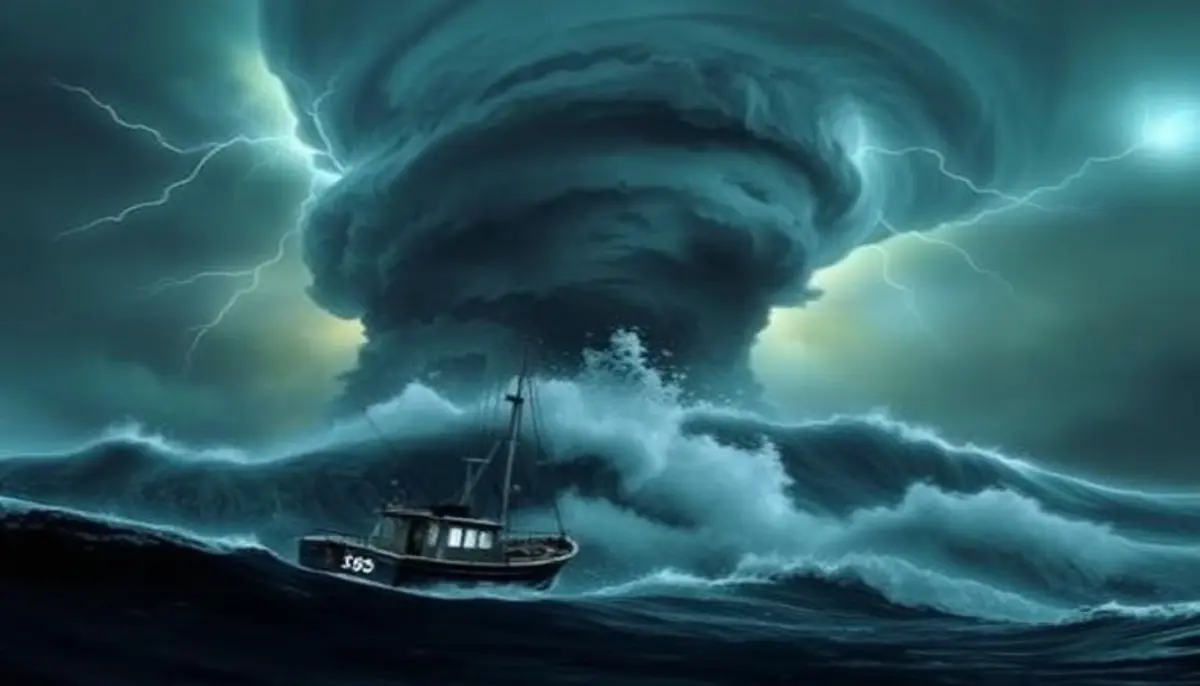
The events depicted in The Perfect Storm happened in late October 1991. Three weather systems collided over the Atlantic Ocean, creating what meteorologists described as a once in a century phenomenon. A strong hurricane merged with a cold front and a high pressure system, generating waves reaching heights of 100 feet.
The fishing vessel Andrea Gail, a 72 foot sword fishing boat from Gloucester, Massachusetts, found itself trapped in this meteorological nightmare. Captain Frank William Billy Tyne Jr. and his crew of five experienced fishermen were heading home after a disappointing fishing season when they encountered the storm.
Communication with the Andrea Gail was lost on October 28, 1991. Despite extensive search and rescue operations, neither the boat nor any crew members were ever recovered. The Coast Guard searched over 186,000 square miles of ocean but found only minimal debris.
Why This Storm Was Different
What made the 1991 Halloween Storm particularly deadly was its unexpected formation. Modern weather forecasting couldn’t predict how these three systems would interact. The result was a superstorm with characteristics meteorologists had never witnessed before.
The storm caused massive damage along the entire Eastern Seaboard. Coastal communities experienced flooding, property destruction and dangerous conditions. Several other vessels were damaged or destroyed, though the loss of the Andrea Gail remains the most tragic maritime casualty from this event.
Complete The Perfect Storm Cast Breakdown and Character Analysis
George Clooney as Captain Billy Tyne
George Clooney delivered one of his finest dramatic performances as the determined and stubborn Captain Billy Tyne. At the time of filming, Clooney was transitioning from television stardom to serious film actor and this role proved he could carry a major motion picture.
Captain Tyne in the film is portrayed as a skilled fisherman facing financial pressures and professional pride. His decision to push through dangerous weather conditions drives the tragic narrative. Clooney brought depth to this character, showing both his strengths as a leader and his fatal flaw of refusing to turn back.
The real Billy Tyne was a respected captain in the Gloucester fishing community. Clooney’s portrayal captures the essence of a man who lived for the sea and the complicated relationship fishermen have with their dangerous profession.
Mark Wahlberg as Bobby Shatford
Mark Wahlberg plays Bobby Shatford, the youngest crew member with dreams beyond fishing. Bobby’s relationship with his girlfriend Christina provides the emotional heart of the story. Wahlberg brings vulnerability and authenticity to the role, making Bobby the character audiences connect with most deeply.
The real Robert Bobby Shatford was only 30 years old when he perished aboard the Andrea Gail. His girlfriend Christina Cotter cooperated with filmmakers to ensure accurate representation of their relationship. Wahlberg’s performance honors Bobby’s memory while creating a compelling cinematic character.
Diane Lane as Christina Cotter
Diane Lane portrays Christina with heartbreaking sincerity. Her scenes waiting for Bobby’s return capture the anxiety experienced by fishing families every time their loved ones head to sea. Lane’s performance earned critical praise for its emotional authenticity.
Christina represents all the partners and families who live with constant fear whenever boats leave harbor. Lane doesn’t overplay the drama but instead delivers a nuanced performance that feels genuine and deeply moving.
John C. Reilly as Dale Murph Murphy
John C. Reilly brings both humor and heart as Murph, a family man working to support his son. His character provides comic relief in early scenes but transforms into one of the most tragic figures as the storm intensifies. Reilly’s ability to balance comedy and drama shines throughout the film.
The real Dale Murphy was a devoted father who took fishing jobs to provide for his family. Reilly captures this dedication while also showing the personal sacrifices these men made for their profession.
William Fichtner as David Sully Sullivan
William Fichtner plays Sully, Murph’s friend and occasional antagonist aboard the Andrea Gail. The tension between Murph and Sully adds interpersonal conflict beyond the natural disaster. Fichtner’s intensity brings edge to the crew dynamics.
John Hawkes as Mike Bugsy Moran
John Hawkes delivers a memorable performance as Bugsy, the crew member dealing with personal demons. His character adds depth to the crew’s collective story, showing that each man aboard carried his own burdens beyond the physical dangers of fishing.
Allen Payne as Alfred Pierre
Allen Payne portrays Alfred Pierre, the Jamaican crew member who represents the diverse backgrounds of commercial fishing crews. His character reminds viewers that these dangerous jobs attract people from various cultures and circumstances.
Director Wolfgang Petersen’s Vision
Wolfgang Petersen, the German filmmaker behind Das Boot, brought his expertise in maritime filmmaking to The Perfect Storm. Petersen understood how to create claustrophobic tension aboard vessels and how to film water convincingly.
Petersen chose to focus on human stories rather than just spectacle. While the storm sequences are visually stunning, the director ensures audiences care deeply about each character before the disaster strikes. This emotional investment makes the eventual tragedy far more impactful.
The director also made controversial decisions about depicting the final moments aboard the Andrea Gail. Since nobody survived to tell what happened, Petersen and screenwriter Bill Wittliff created dramatized scenarios based on expert consultation with fishermen and maritime professionals.
The Perfect Storm Movie Visual Effects and Technical Achievement
Creating the Storm
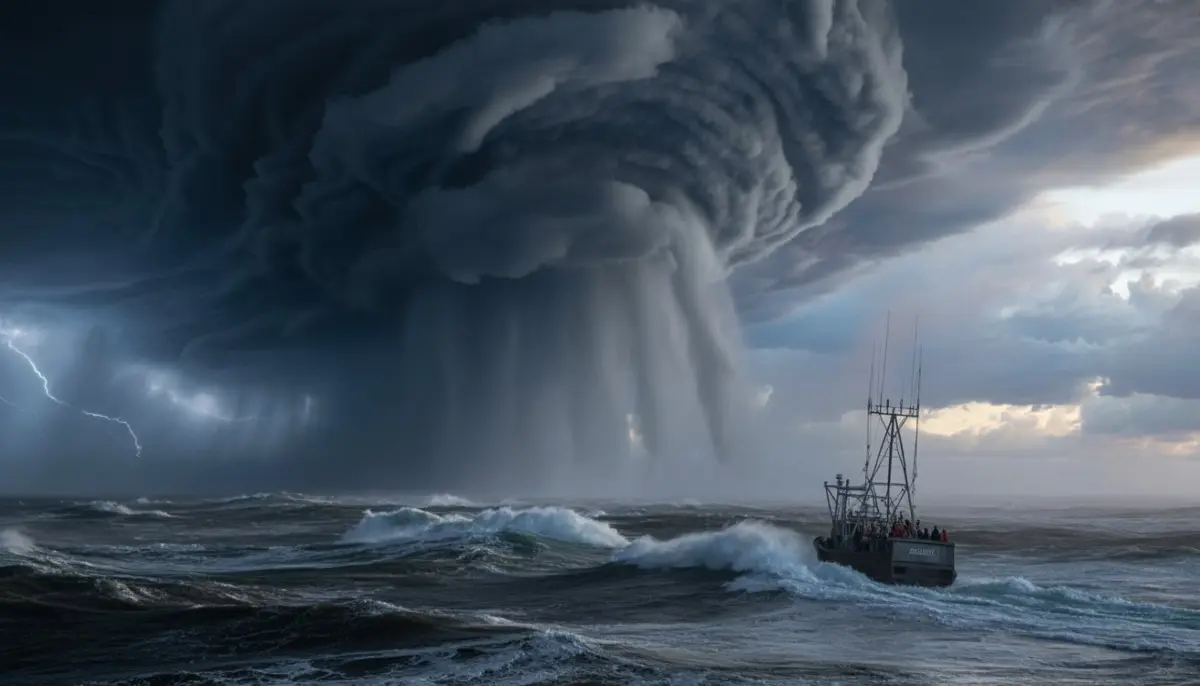
The Perfect Storm featured ground breaking visual effects for its time. Industrial Light and Magic created realistic water simulations that set new standards for digital effects. The combination of practical water tanks, detailed miniatures and computer generated imagery resulted in some of the most convincing ocean scenes ever filmed.
The production built a 72 foot replica of the Andrea Gail and subjected it to massive water cannons and mechanical wave machines. Actors endured physically demanding conditions to capture authentic reactions to being tossed around by violent seas.
Computer generated waves were painstakingly designed to move and behave like real ocean water. The effects team studied countless hours of storm footage to understand how water moves during extreme weather conditions.
Sound Design Excellence
The film’s sound design deserves special recognition. The roar of wind, the crash of waves and the creaking of stressed metal create an immersive audio experience. Wearing headphones while watching this movie genuinely feels like being caught in a storm.
The sound team won Academy Award nominations for their work, though they ultimately didn’t take home the trophy. Still, their contribution to the film’s realism cannot be overstated.
Critical and Commercial Reception
Box Office Performance
The Perfect Storm opened at number one during its release weekend in June 2000, earning 41.3 million dollars domestically. The film maintained strong performance throughout its theatrical run, ultimately grossing 182.6 million domestically and 328.7 million worldwide.
These impressive numbers proved audiences craved well crafted disaster films based on true events. The movie competed against other summer blockbusters but carved out its own audience through strong word of mouth and critical support.
Critical Response
Film critics generally praised The Perfect Storm for its technical achievements and emotional storytelling. Review aggregators showed positive ratings, with particular praise for the visual effects, performances and Petersen’s direction.
Some critics noted the film takes liberties with the true story, particularly in depicting events nobody witnessed. However, most agreed these dramatic choices served the emotional truth of the story even if not historically precise.
Roger Ebert gave the film three stars, praising its visual spectacle while noting some character development felt rushed. Other prominent critics highlighted George Clooney’s performance as a career defining moment.
The Perfect Storm Cast and Crew Comparison
| Category | Details | Impact |
|---|---|---|
| Director | Wolfgang Petersen | Brought maritime expertise from Das Boot |
| Lead Actor | George Clooney | Career transformation from TV to film star |
| Supporting Cast | Mark Wahlberg, Diane Lane, John C. Reilly | Ensemble chemistry elevated material |
| Visual Effects | Industrial Light & Magic | Academy Award nominated, ground breaking water simulation |
| Budget | $120 million | One of most expensive films of 2000 |
| Box Office | $328.7 million worldwide | Commercial success exceeded expectations |
| Runtime | 130 minutes | Well paced despite lengthy duration |
| Rating | PG 13 | Accessible to broad audiences despite intense content |
Themes and Deeper Meanings
Man Versus Nature
The central theme explores humanity’s relationship with nature’s power. These fishermen possessed skill, experience and modern technology, yet none of it mattered against the storm’s fury. The film reminds viewers that nature remains ultimately unconquerable.
This theme resonates particularly strongly in our current era of climate change and extreme weather events. The Perfect Storm serves as a cautionary tale about respecting natural forces beyond human control.
Pride and Decision Making
Captain Billy Tyne’s pride drives much of the tragedy. His determination to return home with a profitable catch clouds his judgment about turning back from dangerous weather. This character flaw makes him tragically human rather than simply heroic.
The film explores how professional pressure and personal pride can lead to fatal decisions. Many real life maritime disasters involve similar circumstances where experienced captains push too hard against obvious dangers.
Economic Desperation
The Perfect Storm subtly addresses economic pressures facing commercial fishermen. These men risk their lives not for adventure but to pay bills and support families. The fishing industry’s economic realities force workers into dangerous situations.
This socioeconomic context adds layers to the story beyond simple disaster narrative. The film acknowledges these men didn’t have abundant career options and fishing represented their best path to financial stability.
Accuracy Versus Dramatic License
What the Film Got Right
The Perfect Storm accurately depicts the Halloween Storm’s basic facts its formation, intensity and the loss of the Andrea Gail. The film correctly shows the fishing industry’s culture, the tight knit Gloucester community and the dangerous nature of sword fishing.
Technical details about commercial fishing operations appear authentic. The equipment, procedures and maritime terminology demonstrate extensive research. Fishermen who viewed the film generally praised its accurate portrayal of their profession’s realities.
Dramatic Liberties
The film’s most controversial aspect involves depicting the Andrea Gail’s final hours. Since the boat and crew were never recovered, nobody knows exactly what happened. Petersen and the writers created dramatic scenarios based on expert speculation.
Some family members of actual crew members objected to certain characterizations. The film’s portrayal of relationships and personal conflicts came from interviews and research but necessarily included fictionalized elements.
The rescue sequences involving other vessels and helicopters accurately depict real Coast Guard operations during the storm but compress timelines for dramatic purposes.
Behind the Scenes Production Challenges
Filming The Perfect Storm presented enormous technical challenges. Creating realistic ocean conditions on soundstages required massive water tanks and sophisticated mechanical systems. Actors spent weeks getting soaked and tossed around by powerful water effects.
George Clooney reportedly hated the physical demands of filming storm sequences. The constant wetness, cold temperatures and violent movements made for miserable working conditions. Several cast members suffered minor injuries from the intense practical effects.
The production shot in multiple locations including Gloucester Massachusetts, California soundstages and actual ocean filming off the coast. Coordinating these various shooting locations while maintaining visual consistency challenged the production team.
Creating the Andrea Gail replica involved extensive research into the actual vessel’s specifications. Builders studied photographs and consulted with people familiar with the boat to ensure accuracy. The replica needed to be both seaworthy for actual ocean filming and durable enough for brutal water tank sequences.
Cultural Impact and Legacy
The Perfect Storm renewed interest in maritime disaster stories and inspired numerous documentaries about the Halloween Storm. The film brought national attention to the dangers commercial fishermen face and the Gloucester fishing community’s resilience.
Memorial services and tributes to the Andrea Gail crew gained prominence following the film’s release. The movie ensured their story wouldn’t be forgotten and highlighted broader issues facing the fishing industry.
The film’s technical achievements influenced subsequent disaster movies. Its realistic water effects set new standards that filmmakers continue building upon. Many modern maritime films cite The Perfect Storm as inspiration for their visual approach.
Comparing to Other Maritime Disaster Films
The Perfect Storm stands alongside other great maritime disaster films like Titanic, Poseidon Adventure and Master and Commander. However, its commitment to realism distinguishes it from more fantastical disaster movies.
Unlike Titanic’s focus on romance within disaster, The Perfect Storm centers primarily on the working class experience and professional maritime culture. The film doesn’t need a love story to create emotional investment because the real stakes feel sufficiently compelling.
Compared to older disaster films, The Perfect Storm benefits from modern effects technology while maintaining classic storytelling principles. It proves you don’t need aliens, monsters or elaborate conspiracies to create tension when nature itself provides sufficient danger.
The Gloucester Fishing Community
Gloucester Massachusetts has served as a major fishing port for centuries. The community’s identity revolves around its maritime heritage and the dangerous work that sustains local economy. The loss of the Andrea Gail deeply impacted this tight knit town.
The film captures Gloucester’s atmosphere authentically the bars where fishermen gather, the families waiting anxiously at harbor and the memorial ceremonies honoring lost sailors. This cultural specificity grounds the story in reality.
The famous Fisherman’s Memorial statue in Gloucester honors all fishermen lost at sea. Following the Andrea Gail tragedy, this memorial took on renewed significance for the community. The film features this statue, connecting the specific story to broader fishing industry history.
Personal Opinion and Final Thoughts
Having watched The Perfect Storm multiple times over the years, I’m struck by how well it holds up two decades later. The visual effects remain impressive despite technological advances and the emotional core still resonates powerfully.
What makes this movie special is its refusal to provide easy answers or Hollywood endings. There’s no miraculous rescue, no last minute salvation. The film respects the reality of what happened while crafting compelling drama from tragic circumstances.
George Clooney’s performance deserves particular recognition. He makes Captain Billy Tyne simultaneously admirable and frustratingly stubborn. You understand his decisions while recognizing their fatal flaws. That complexity elevates the material beyond simple disaster spectacle.
The Perfect Storm succeeds as both entertainment and memorial. It reminds viewers about the real people who risk everything in dangerous professions most of us never think about. Every time we eat seafood, somebody risked their life to catch it.
If you haven’t watched this film, approach it with patience. The first hour builds character relationships and establishes the fishing world before the storm sequences begin. That groundwork makes the eventual disaster far more emotionally devastating.
The movie also serves as a time capsule for early 2000s filmmaking practical effects combined with then cutting edge CGI, earnest storytelling without excessive cynicism and faith that audiences would embrace serious drama amid summer blockbuster season.
For disaster movie fans, The Perfect Storm remains essential viewing. It proves the genre can deliver both spectacular visuals and genuine emotional depth when filmmakers commit to honoring true stories. The film respects its real life subjects while crafting compelling cinema.
Twenty plus years after release, The Perfect Storm endures as a powerful reminder of nature’s awesome and terrifying power. It’s a film that makes you grateful for dry land and deeply respectful of anyone who makes their living on the ocean. That lasting impact defines truly great filmmaking.
FAQs The Perfect Storm 2000
Is The Perfect Storm 2000 based on a true story?
Yes, The Perfect Storm depicts real events from October 1991 when the fishing vessel Andrea Gail disappeared during an unprecedented storm. While some dramatic elements were fictionalized, the core tragedy and storm circumstances are factual.
Who were the real crew members of the Andrea Gail?
The Andrea Gail crew consisted of Captain Billy Tyne, Bobby Shatford, Dale Murphy, David Sullivan, Michael Moran and Alfred Pierre. All six men perished when the boat disappeared during the Halloween Storm.
Did they ever find the Andrea Gail wreckage?
No, despite extensive searches covering over 186,000 square miles, the Andrea Gail was never recovered. Only minimal debris was found. The exact location where the vessel sank remains unknown.
How accurate are the storm scenes in The Perfect Storm movie?
The storm sequences are highly realistic based on meteorological data about the Halloween Storm. However, since nobody witnessed the Andrea Gail’s final moments, those specific scenes represent educated speculation rather than documented fact.
What awards did The Perfect Storm win?
The film received Academy Award nominations for Best Visual Effects and Best Sound. While it didn’t win Oscars, the technical achievements were widely recognized and praised by industry professionals.
Where can I watch The Perfect Storm 2000?
The Perfect Storm is available through various streaming platforms, digital rental services and physical media formats. Availability varies by region and current licensing agreements.
Disclaimer
This article is provided for informational and entertainment purposes only. All content is based on publicly available information about the film and historical events. While efforts have been made to ensure accuracy, readers should conduct their own research for critical decisions. This content is not affiliated with the film’s producers, distributors or any official entities. Views and opinions expressed are those of the author and do not constitute professional advice of any kind.