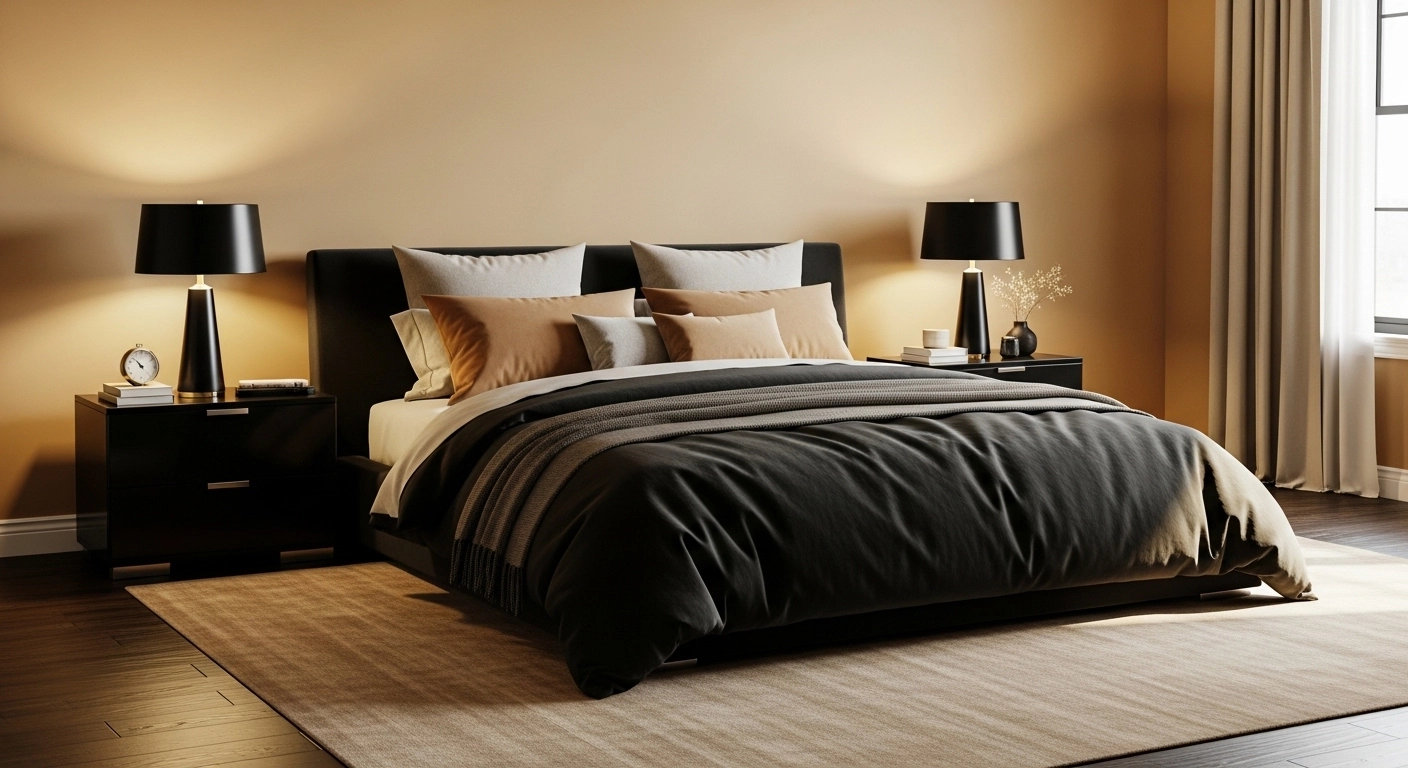
15 Clean Room Ideas That Make Your Home Feel Brand New

Introduction
Does your room feel like it’s always messy? Do you spend hours cleaning only to have it look cluttered again the next day? Are you tired of the stress that comes with a messy space?
You’re not alone. Keeping a room clean can feel like an endless battle. Clutter accumulates, dust settles, and before you know it, you’re overwhelmed.
Here’s the truth: a clean room isn’t just about appearances — it’s about peace of mind. A clean, organized space reduces stress, improves focus, and makes you feel calmer just walking into it.
The good news? You don’t need to spend hours every day to have a clean room. With the right strategies — quick resets, smart organization, efficient cleaning routines — you can maintain a clean space with minimal effort.
In this guide, I’ll share 15 clean room ideas to help you create and maintain a space you’ll love.
Let’s get started.
1. The 10-Minute Daily Reset
A room doesn’t get messy overnight — it’s the accumulation of small things left undone. A 10-minute daily reset prevents mess from piling up.
How to do it: Set a timer for 10 minutes each evening. Return items to their homes — put away clothes, clear surfaces, fluff pillows, toss trash. Do it consistently, and your room will always look presentable.
Why it works: Small daily efforts prevent overwhelming cleaning sessions. Ten minutes a day keeps clutter from accumulating.
2. Declutter Before You Clean
You can’t clean clutter. Surfaces covered in stuff make cleaning impossible. Decluttering first is essential.
How to do it: Before you wipe any surface, clear it. Put items away, toss trash, return things to their homes. Then clean the empty surface. You’ll clean faster and the room will stay cleaner longer.
Why it works: Cleaning around clutter is inefficient. Clearing first makes cleaning easier and more effective.
3. Work Top to Bottom
Cleaning in the wrong order means redoing work. Dust and dirt fall down, so start at the top.
How to do it: Start with ceiling fans and light fixtures. Work down to shelves, countertops, furniture. Finish with floors. This way, dust falls down and gets cleaned up at the end.
Why it works: Gravity pulls dust downward. Cleaning top to bottom means you’re not re-cleaning surfaces that got dusty from above.

4. Use a Cleaning Caddy
Walking back and forth for supplies wastes time and energy. A cleaning caddy keeps everything you need at your fingertips.
How to do it: Fill a caddy with your essential cleaning supplies — all-purpose cleaner, glass cleaner, microfiber cloths, scrub brush, gloves. Carry it from room to room.
Why it works: Having supplies ready eliminates the excuse to stop mid-cleaning. You can clean continuously without interruptions.
5. Make Your Bed First Thing
Making your bed takes two minutes but sets the tone for the entire day. It’s a small win that creates momentum.
How to do it: Pull up your comforter, fluff pillows, arrange throws. Do it right after you get up. A made bed instantly makes the room look 50% cleaner.
Why it works: Your bed is the largest surface in the room. When it’s made, the whole room feels more put together.
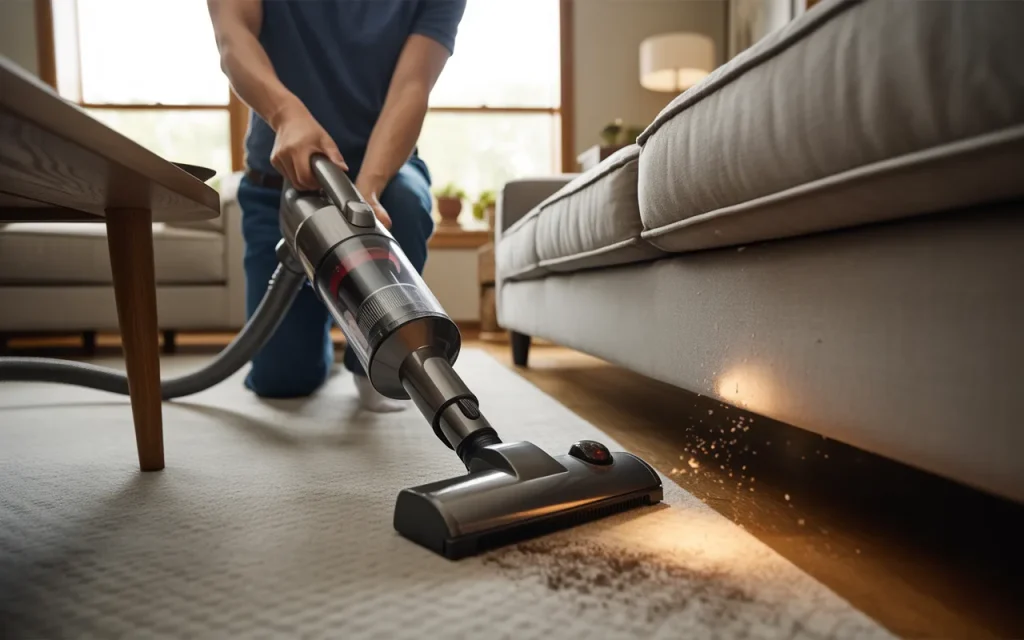
6. Clear Surfaces Completely
Cluttered surfaces create visual noise. Clearing them creates instant calm.
How to do it: Keep nightstands, dressers, and desks as clear as possible. Limit decor to a few intentional pieces. Everything else should have a home elsewhere.
Why it works: Clear surfaces are easier to clean and create a sense of order. Your eyes can rest without visual clutter.
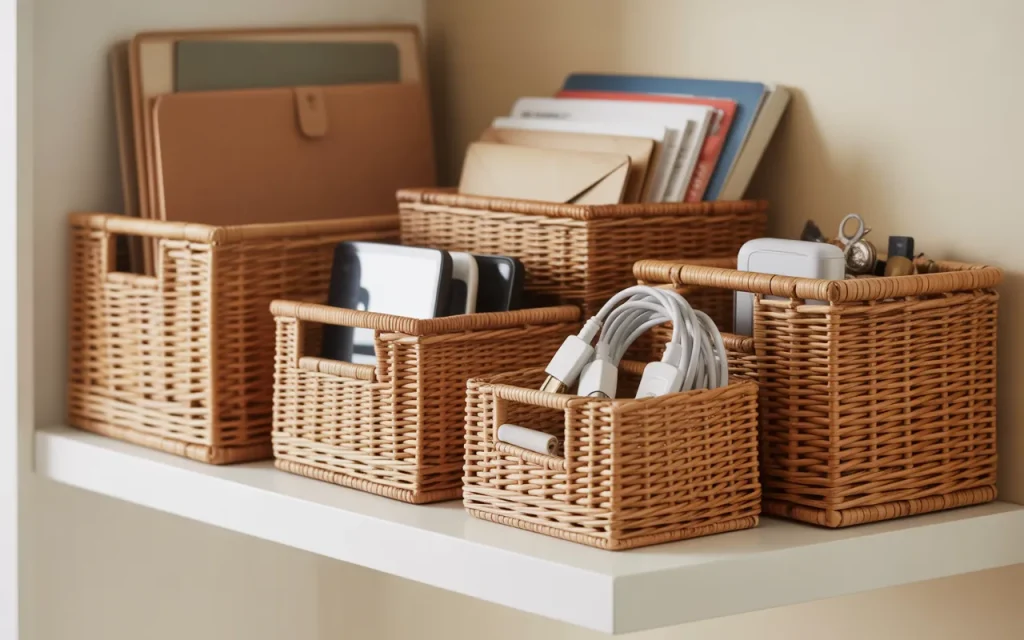
7. Use Storage Baskets
Baskets are your secret weapon against clutter. They contain items quickly and look intentional.
How to do it: Use baskets for items that don’t have a home — remotes, chargers, mail, blankets. Place them on shelves, under tables, or in corners. Choose baskets that match your style.
Why it works: Baskets hide clutter while keeping items accessible. They’re quick and easy to use.
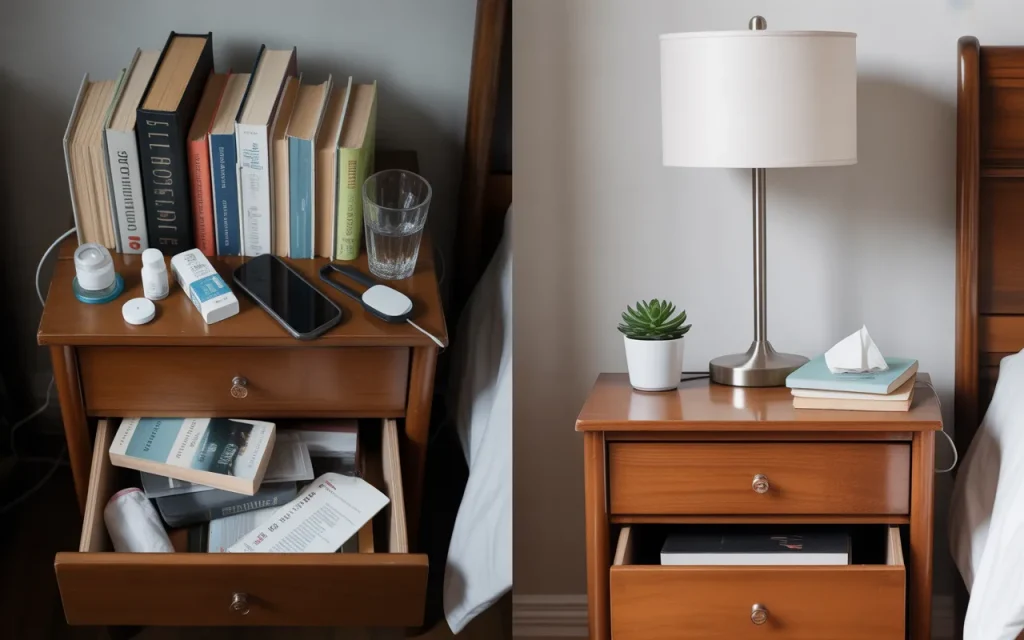
8. Clean One Room at a Time
Trying to clean the whole house at once is overwhelming. Focusing on one room at a time is manageable and satisfying.
How to do it: Choose one room. Finish it completely before moving to the next. Break larger rooms into zones — one wall, one corner at a time.
Why it works: Completing one room gives you a sense of accomplishment. It’s motivating to see a finished space.
9. Vacuum Floors Regularly
Floors show dirt quickly. Regular vacuuming keeps them looking fresh and prevents buildup.
How to do it: Vacuum high-traffic areas daily or every other day. Vacuum entire room weekly. Use attachments for edges and under furniture.
Why it works: Regular vacuuming prevents dirt from embedding in carpets and floors. It also keeps dust from circulating in the air.

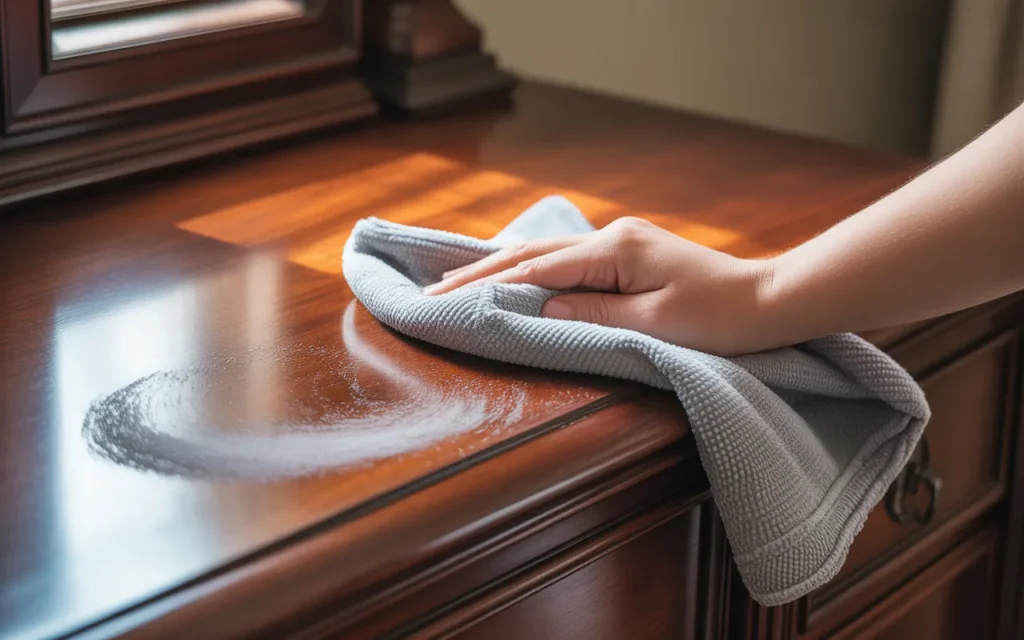
10. Wipe Surfaces Daily
Dust and grime accumulate quickly. A daily wipe down prevents buildup and keeps surfaces fresh.
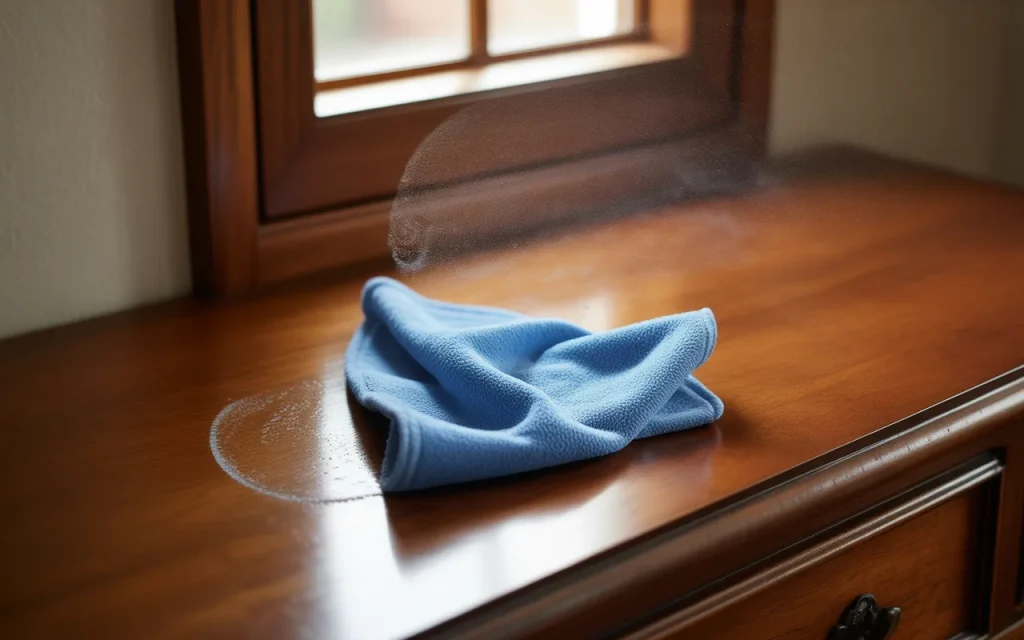
How to do it: Keep a microfiber cloth handy. Quickly wipe down surfaces — nightstands, dressers, desktops — each day. It takes seconds but makes a big difference.
Why it works: Daily maintenance prevents the need for deep cleaning. Surfaces stay fresh with minimal effort.
11. Create a Home for Everything
Items without homes end up on floors and surfaces. Everything needs a designated spot.
How to do it: Assign a home for every item in the room. If an item doesn’t have a home, create one — a drawer, a basket, a shelf. When you use something, return it to its home.
Why it works: When everything has a place, putting things away is automatic. There’s no decision-making about where things go.
12. Use the One-Touch Rule
Touching an item multiple times wastes time and energy. Put things away immediately.
How to do it: When you pick something up, put it away immediately. Don’t set it down “for now” — that’s how clutter accumulates. One touch, done.
Why it works: The one-touch rule prevents “clutter piles” from forming. Items go directly to their homes, not to surfaces.
13. Deep Clean on Schedule
Surface cleaning maintains, but deep cleaning restores. Schedule deep cleaning sessions to prevent buildup.
How to do it: Schedule deep cleaning monthly or seasonally. Move furniture, wash curtains, clean baseboards, wash windows. Use a checklist so you don’t miss anything.
Why it works: Deep cleaning removes dirt that regular cleaning misses. It keeps your room truly clean, not just surface-level clean.
14. Use the Two-Minute Rule
If a task takes less than two minutes, do it immediately. This prevents small tasks from piling up.
How to do it: See a piece of trash? Throw it away. Spill something? Wipe it up. Item out of place? Put it back. Two minutes or less — just do it.
Why it works: Small tasks are easy to ignore, but they add up. Doing them immediately prevents accumulation.
15. Involve the Whole Family
If you’re the only one cleaning, it’s exhausting. Sharing the load makes cleaning faster and easier.
How to do it: Assign age-appropriate tasks to family members. Make it a routine — 10 minutes after dinner, everyone tidies up. Clean together, finish together.
Why it works: Shared responsibility means less work for everyone. It also teaches kids valuable life skills.
Cleaning Method Comparison Table
| Method | Best For | Time Required | Frequency |
|---|---|---|---|
| Daily Reset | Maintenance | 10 minutes | Daily |
| Deep Clean | Thorough cleaning | 1-2 hours per room | Monthly/Seasonal |
| Surface Wipe | Dust removal | 5 minutes | Daily |
| Declutter Session | Organization | 15-30 minutes | Weekly |
| Vacuuming | Floor care | 5-10 minutes | 2-3 times/week |
Common Mistakes to Avoid
Mistake 1: Cleaning Around Clutter
Trying to clean when surfaces are covered with stuff is inefficient. You’ll move items, clean around them, then put them back on a dirty surface.
How to fix: Declutter first. Clear surfaces completely. Then clean. Then return only the items that belong there.
Mistake 2: Using the Wrong Tools
Paper towels leave lint. The wrong cleaner can damage surfaces. Not having supplies handy means stopping mid-task.
How to fix: Use microfiber cloths for dusting. Use appropriate cleaners for each surface. Keep supplies in a caddy so they’re always ready.
Mistake 3: No System
Cleaning randomly without a system is inefficient. You might miss areas or redo work.
How to fix: Clean top to bottom. Work left to right. Have a checklist for deep cleaning. Develop a routine that works for you.
Mistake 4: Letting Things Pile Up
Ignoring small messes until they become big ones is overwhelming. A pile of mail, a stack of clothes, a collection of trash — all are easier to handle when they’re small.
How to fix: Address small messes immediately. Use the two-minute rule. Do a daily 10-minute reset.
Mistake 5: Perfectionism
Waiting until you have time to do a “perfect” clean means things never get cleaned at all.
How to fix: Done is better than perfect. A quick clean is better than no clean. Focus on progress, not perfection.
Before & After: Transforming a Messy Room
Before:
James’s bedroom was a disaster. Clothes covered the floor. Surfaces were piled with mail, books, and random items. He couldn’t find anything. He felt stressed just walking in. He avoided the room altogether.
The Problem:
No system, no routine, no homes for items. Clutter had accumulated until it felt overwhelming. James didn’t know where to start.
The Changes:
- Started with a 15-minute declutter session — cleared the floor
- Added a laundry basket for dirty clothes
- Added a basket for mail and papers
- Cleared nightstand and dresser surfaces
- Made bed every morning
- Started a 10-minute daily reset before bed
- Created a home for every item
After:
James’s room is now clean and peaceful. The daily reset takes 10 minutes and keeps clutter from accumulating. He can find things. He feels calm walking into his room. He finally enjoys being there.
Budget vs. Luxury: Cleaning Supplies on Any Budget
Budget-Friendly Options:
- Microfiber Cloths: Reusable, effective, cheap — $5-10 for a pack
- All-Purpose Cleaner: DIY with vinegar and water — $2-5
- Baskets: Thrifted or discount store finds — $5-15 each
- Cleaning Caddy: Basic plastic caddy — $5-15
- Vacuum: Basic stick vacuum — $50-150
Splurge-Worthy Investments:
- Cordless Vacuum: Lightweight, convenient — $200-500
- Quality Baskets: Woven or decorative baskets — $20-50 each
- Professional Cleaning Service: For deep cleans — $100-200 per visit
- Steam Cleaner: Chemical-free deep cleaning — $100-300
- Organized Storage System: Custom shelving or drawer organizers — $100-500
Room Type Guide: Cleaning by Room
Bedroom:
- Focus: Make bed daily, clear surfaces, put away clothes, vacuum weekly
- Deep clean: Wash bedding weekly, dust surfaces, clean under bed
Living Room:
- Focus: Fluff pillows, clear coffee table, put away items, vacuum high-traffic areas
- Deep clean: Dust shelves, clean upholstery, vacuum under furniture
Kitchen:
- Focus: Clear counters, wash dishes, wipe surfaces, sweep floor
- Deep clean: Clean appliances, wipe cabinets, mop floor, clean sink
Bathroom:
- Focus: Wipe counters, clean mirror, put away products, sweep floor
- Deep clean: Scrub toilet, clean shower, wash bath mats, clean grout
Frequently Asked Questions
Q: How do I start cleaning a room that’s completely overwhelming?
A: Start small. Clear one surface. Make the bed. Collect trash. Don’t try to do everything at once. Break it into manageable tasks.
Q: How often should I deep clean a room?
A: Once a month is ideal for most rooms. High-traffic rooms may need more frequent deep cleaning. Use deep cleaning to do tasks you skip in daily cleaning.
Q: What’s the fastest way to clean a room?
A: Set a timer for 15 minutes. Start with trash, then put things away, then wipe surfaces, then floors. A focused 15 minutes can transform a room.
Q: How do I keep my room clean once it’s clean?
A: Daily maintenance is key. Make your bed. Clear surfaces. Do a 10-minute reset each evening. Put things away immediately. Small daily habits prevent clutter from returning.
Q: What cleaning supplies do I really need?
A: Microfiber cloths, all-purpose cleaner, glass cleaner, scrub brush, vacuum, mop. That’s enough for most cleaning tasks.
Q: How do I clean a room with limited time?
A: Prioritize what matters most. Make the bed. Clear surfaces. Vacuum high-traffic areas. A quick clean is better than no clean.
Conclusion
A clean room isn’t about perfection — it’s about peace. It’s about walking into a space that feels calm, organized, and welcoming. It’s about not wasting time searching for things you can’t find.
You don’t need to spend hours every day to have a clean room. Small habits — making your bed, clearing surfaces, a 10-minute daily reset — add up to a big difference.
Start today. Pick one idea from this guide. Implement it for a week. Notice how it feels. Then add another. Before you know it, you’ll have a system that keeps your room clean with minimal effort.
Ready to create your clean room? Start today — make your bed, clear one surface, set a 10-minute timer. Your peaceful space is waiting.