Did MTV Shut Down? Truth Behind the 2026 Channel Closures

The Viral Rumor That Broke the Internet
If you scrolled through TikTok or Instagram on New Year’s Eve 2025, you probably saw something shocking. Thousands of posts declared that MTV was ending forever. Celebrities shared tearful goodbyes. Fans posted nostalgic memories. AI generated videos showed cartoon characters crying over the network’s supposed death.
There was just one massive problem with all of this.
MTV didn’t completely shut down.
Yet millions of people genuinely believed the iconic music television network had broadcast its final show at midnight on December 31, 2025. The confusion became so widespread that even industry insiders seemed uncertain about what was actually happening.
This wasn’t just a small misunderstanding. It revealed something troubling about how we consume information in today’s digital world.
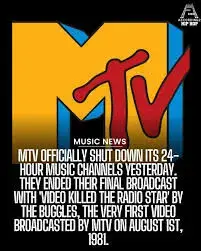
What Actually Happened With MTV
Let me be crystal clear right from the start: MTV as a brand and primary channel is still broadcasting. The main MTV channel never went dark. You can turn on your television right now and find it playing the same reality shows it always does.
So what caused all this panic about MTV shutting down?
In October 2025, Paramount announced plans to close several specialized music only channels. These were MTV branded channels that aired nothing but music videos twenty four hours a day. They existed in specific international markets, not in the United States.
The channels that ended operations on December 31, 2025 included MTV Music, MTV 80s, MTV 90s, Club MTV and MTV Live. These closures affected viewers in the United Kingdom, Australia, Poland, France and Brazil.
The main MTV channel in all these countries remained operational and continues broadcasting into 2026.
In the United States, MTV continues broadcasting without any interruption whatsoever. Even the American music focused channels like MTV Classic and MTV2 remain available on cable systems today.
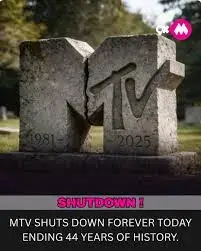
The Channels That Actually Closed
| Channel Name | Primary Content | Countries Affected | Launch Year | Closure Date |
|---|---|---|---|---|
| MTV Music | 24 hour music videos | UK, Australia | 2011 | Dec 31, 2025 |
| MTV 80s | 1980s music videos | UK, Europe | 2013 | Dec 31, 2025 |
| MTV 90s | 1990s music videos | UK, Europe | 2013 | Dec 31, 2025 |
| Club MTV | Electronic dance music | UK, Australia | 2014 | Dec 31, 2025 |
| MTV Live | Live performances | Multiple regions | 2015 | Dec 31, 2025 |
| Main MTV | Reality shows and entertainment | Still Broadcasting | 1981 | Still Active |
This table makes it obvious: only the supplemental music channels are closed. The flagship MTV network that everyone knows continues operating normally.
Final Destination 2000 Cast Review and Movie Guide
Why Everyone Thinks MTV Shut Down
The story of how false information about MTV ending spread so quickly tells us everything about modern media consumption.
The Headline Problem
When news outlets reported Paramount’s announcement back in October 2025, the headlines contained three explosive words together: “MTV,” “shutting down” and “New Year’s Eve.”
Most people never read past the headline. They saw those words, assumed the main channel was ending and immediately shared the shocking news with their friends.
The actual details explaining these were only supplemental channels in specific countries got buried in the first or second paragraph. But in our fast scrolling world, nobody reads that far anymore.
People see a headline, make an assumption and hit share within seconds.
Social Media Made Everything Worse
TikTok and Instagram news aggregators picked up the misleading headlines. These accounts prioritize engagement over accuracy. They posted dramatic announcements about MTV shutting down without any context or clarification.
Users trusted these sources because they had verified checkmarks or millions of followers. They reshared the content thousands of times. Each share reinforced the false narrative that MTV was ending completely.
The algorithm loved it. Emotional content about beloved brands dying gets massive engagement. So the platforms kept pushing these posts to more and more people.
Nostalgia Created the Perfect Storm
MTV holds a special place in pop culture history. For multiple generations, it defined their teenage years. When people saw news about MTV ending, they reacted with pure emotion rather than logic.
Nobody wanted to believe MTV could disappear but the nostalgia made the story feel important enough to share immediately. Fact checking became an afterthought.
People wanted to be part of the conversation. They wanted to share their memories before it was too late. So they posted tributes, shared videos and mourned something that wasn’t actually dying.
The Misinformation Kept Going
Here’s the really wild part: even after midnight on New Year’s Eve proved MTV was still broadcasting, people continued posting tributes.
The false narrative had too much momentum. Users had already written their emotional posts and created their content. They published it anyway, regardless of what reality showed them.
Some incredibly elaborate AI generated videos appeared days after the supposed MTV shutdown. These showed famous MTV personalities mourning the network’s death. The videos went viral despite being completely disconnected from facts.
This is the world we live in now. Truth matters less than engagement.
Gladiator Movie Review: Powerful Film Breakdown
MTV’s Real Status in 2026
Let’s be absolutely clear about where things actually stand right now in 2026.
MTV operates globally as a major cable network. In the United States, it remains one of the most recognizable brands in entertainment television. The channel airs primarily reality programming, with shows like “Ridiculousness” dominating the schedule for hours at a time.
The network’s focus shifted away from music videos decades ago. This isn’t breaking news. MTV started moving toward original programming back in the 1990s. By the early 2000s, reality shows had become the primary content strategy.
Does this mean MTV “died” years ago in spirit? Many longtime fans would absolutely argue yes. The channel that launched careers and defined youth culture through music videos is fundamentally different from what exists today.
But is MTV shutting down as a broadcast entity? Absolutely not.
Financial Performance
MTV continues generating significant revenue for Paramount. Reality programming attracts large audiences and costs far less to produce than scripted content or licensing thousands of music videos. From a business perspective, MTV remains profitable.
The merger between Paramount and Skydance that was completed in 2025 led to cost cutting measures across multiple properties. Closing low performing international music channels made financial sense. These niche offerings attracted limited viewership and generated minimal advertising revenue.
Why pay for international broadcast licenses and satellite time for channels that barely anyone watches anymore?
What’s Coming Next
David Ellison, who leads Skydance, has publicly expressed interest in revitalizing the MTV brand. Industry reports suggest discussions about transforming MTV into a streaming service that could compete with modern music platforms.
This potential evolution would bring MTV full circle back to its roots as a music focused brand. But instead of cable television, it would live on streaming platforms where younger audiences actually spend their time.
Whether this happens remains to be seen. But the conversation shows that MTV’s leadership recognizes the brand has value beyond endless reality TV marathons.
The Perfect Storm 2000 Movie Guide: Ultimate Review and Cast Breakdown
The Real Story Behind MTV Music Channels Ending
While the main MTV network survived perfectly fine, real closures did actually occur. Let’s look at what genuinely went dark on December 31, 2025.
MTV Music in the United Kingdom
This channel launched in 2011 as a return to MTV’s original concept. It played music videos continuously without any interruption from reality programming. The channel served viewers who wanted the classic MTV experience that disappeared from the main network decades ago.
In a symbolic gesture that made longtime fans emotional, MTV Music in the United Kingdom signed off by playing “Video Killed the Radio Star” by The Buggles. This was the exact same song that opened MTV’s very first broadcast in the United States back in 1981.
That choice acknowledged the end of an era for music focused television in a poetic way.
The Decade Specific Channels
MTV 80s and MTV 90s catered to viewers with nostalgia for specific time periods. These channels played videos exclusively from their respective decades, creating curated experiences for different age groups.
Both channels built loyal followings among older viewers who grew up during those eras. But they struggled to attract the younger demographics that advertisers actually want to reach.
Without advertising revenue, these channels couldn’t justify their operational costs.
Club MTV and MTV Live
These specialized channels focused on electronic dance music and live performances respectively. They filled very specific niches but never achieved mainstream popularity outside hardcore music fans.
Club MTV tried to capture the festival culture that dominates modern music scenes. MTV Live attempted to recreate the concert experience through broadcast television.
Both were interesting concepts that simply couldn’t compete with YouTube, streaming services and actual live events.
Regional Variations
The MTV shutdown affected different channels in different countries based on local market conditions. Australia lost several MTV branded music stations. Poland, France and Brazil each saw their own combination of closures.
The decisions reflected what was actually happening in each region. In some countries, MTV’s music channels faced heavy competition from local broadcasters and streaming services. In others, cable television itself was declining so rapidly that specialty channels made no financial sense.
Each market had its own story but the outcome was the same: music only MTV channels were ending worldwide.
How MTV Changed Over the Decades
Understanding why people believed MTV shut down completely requires looking at how dramatically the channel transformed since its launch.
The Golden Era (1981 1992)
When MTV launched on August 1, 1981, it genuinely revolutionized how people experienced music. That first video, “Video Killed the Radio Star,” proved prophetic in ways nobody could have predicted.
During this period, MTV played music videos nearly twenty four hours daily. The channel created stars, broke new artists and influenced fashion trends worldwide. Shows like “Headbangers Ball” and “Yo! MTV Raps” became cultural touchstones that defined entire musical movements.
MTV’s influence extended far beyond just music. The network shaped youth culture, language and style in profound ways. Artists needed strong visual concepts to succeed because MTV exposure could literally make or break careers overnight.
If MTV didn’t play your video, you didn’t exist to millions of potential fans.
The Reality TV Revolution (1992 2005)
Everything changed when “The Real World” premiered in 1992. This reality show proved incredibly popular and much cheaper to produce than licensing endless music videos.
MTV gradually increased reality programming throughout the 1990s. Shows like “Jackass,” “Cribs,” and “Punk’d” dominated schedules that used to belong to music videos. Music content moved to late night time slots that fewer people watched.
By the early 2000s, MTV had essentially abandoned its original format during prime viewing hours. The channel rebranded itself as a general entertainment network for young adults rather than specifically music television.
The name “Music Television” became increasingly ironic.
The Modern Era (2006 Present)
Current MTV bears almost no resemblance to its original concept. Reality shows fill the vast majority of the schedule. “Ridiculousness,” a show about viral videos, sometimes airs for literally eight hours continuously.
Music content exists mainly through award shows and occasional specials. The MTV Video Music Awards remains a major cultural event but the channel itself rarely plays the actual videos it celebrates during the ceremony.
This transformation explains why so many viewers felt MTV “died” long before any actual shutdown rumors appeared. The network they loved had already disappeared years or even decades ago.
When people mourned MTV ending, they were really mourning something that ceased to exist around 2000.
What This Means for MTV’s Future
The confusion about MTV shutting down actually reveals an interesting truth that Paramount should pay attention to: many people desperately want the old MTV back.
The overwhelming response to rumors about MTV ending showed genuine affection for what the channel once represented. Thousands of people took time to write tributes, share memories and express real sadness about losing something they valued.
But here’s the twist that makes this whole situation fascinating: most of these people hadn’t actually watched MTV in years. They were mourning a version of MTV that already disappeared decades ago.
The Nostalgia Market Is Real
There’s clearly a massive appetite for the classic MTV experience. Shortly after the shutdown rumors spread, grassroots websites appeared that hosted thousands of music videos from past decades. These sites recreated the old MTV format where you don’t choose what plays next you just watch what’s on, like actual television.
This grassroots effort demonstrates what fans actually want. Not modern MTV with its endless reality programming but the original concept of non stop music videos in a curated flow that mimics traditional broadcasting.
Streaming Opportunities Nobody’s Capturing
If MTV’s current ownership recognizes this opportunity, they could fill a genuine gap in the streaming market. YouTube offers music videos but lacks the curated, television style experience that made MTV special. Spotify focuses purely on audio. TikTok features short clips rather than full music videos.
A proper MTV streaming service could offer continuous music video channels organized by genre or era. It could include original music programming and documentaries about music history. Live concert streams would attract massive audiences. Classic MTV shows from the archives have enormous nostalgic value for millions of viewers.
Integration with modern social features would appeal to younger viewers who never experienced original MTV.
This would allow MTV to reclaim genuine relevance in music culture without abandoning its profitable cable reality programming. They could operate both simultaneously.
The Bigger Lesson About Misinformation
Beyond MTV’s specific situation, this entire episode teaches critical lessons about information consumption in 2026.
We live in an environment where false narratives spread exponentially faster than truth. Headlines get shared without any verification. Emotional reactions completely override critical thinking. And once misinformation gains momentum, correcting it becomes nearly impossible.
The fact that millions believed MTV shut down when they could verify it wasn’t true simply by turning on their television shows how detached we’ve become from basic fact checking habits.
This matters far beyond entertainment news. If people can’t correctly determine whether a television channel is still broadcasting something easily verifiable in thirty seconds how can we expect them to navigate complex political, health or scientific information?
The MTV confusion might seem trivial compared to serious issues but it’s a symptom of much larger problems in how we process information today.
My Honest Take on the MTV Situation
After researching this entire MTV shutdown saga and seeing how it unfolded, I believe the channel stands at a genuine crossroads.
MTV hasn’t shut down but it desperately needs reinvention. The current model of endless reality programming that barely connects to music wastes decades of brand equity. Why settle for being just another reality TV network when you built something genuinely culturally significant?
The passionate response to shutdown rumors proved people still deeply care about MTV’s legacy. That emotional connection has real value. Smart leadership would harness it rather than let it fade completely into irrelevance.
However, I’m genuinely concerned about how easily misinformation spread in this case. This wasn’t a complex issue requiring expert analysis or deep investigation. This was a simple question with a simple answer: is a TV channel broadcasting or not?
Yet millions got it wrong. And they stayed wrong even after multiple corrections appeared.
We must collectively improve as media consumers. Reading past headlines matters enormously. Checking multiple sources prevents embarrassing mistakes. Verifying information before sharing it stops misinformation from spreading. These basic practices would eliminate most viral falsehoods we see daily.
The MTV confusion might seem like harmless entertainment gossip but it reveals fundamental problems in how we engage with information.
As for MTV itself, I genuinely hope leadership is paying close attention to what happened. When people mourned your supposed death, they weren’t mourning what you currently are. They were mourning what you used to be. That should absolutely guide your next chapter.
There’s clearly a market for music focused MTV content. The question is whether current management has the vision to capture it.
What Lies Beneath 2000 Movie: Complete Review Guide and Cast Analysis
MTV: Complete Biography and History
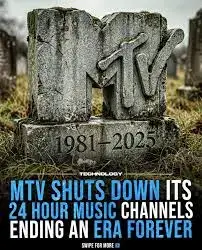
The Birth of a Cultural Revolution
MTV launched on August 1, 1981, at exactly 12:01 AM Eastern Time with words that would define a generation: “Ladies and gentlemen, rock and roll.”
The first music video broadcast was “Video Killed the Radio Star” by The Buggles. This choice proved both ironic and remarkably prescient about the media revolution MTV would spark.
The network was founded by Warner Communications and American Express as part of their Warner Amex Satellite Entertainment Company. The original concept was brilliantly simple but genuinely revolutionary: create a television channel dedicated exclusively to music videos, targeting audiences aged 12 to 34.
Nobody had ever attempted anything quite like this before. Music videos existed but were primarily promotional tools shown sporadically. MTV would make them the entire content strategy twenty four hours daily.
The Pioneering Years (1981 1985)
MTV’s early years faced significant challenges that threatened the entire experiment. Many cable systems didn’t carry the channel initially because operators didn’t believe anyone would watch music videos all day. Music videos themselves were scarce because record labels hadn’t invested heavily in the format yet.
The original VJs (video jockeys) included Martha Quinn, Mark Goodman, Nina Blackwood, Alan Hunter and J.J. Jackson. These personalities became celebrities themselves, introducing videos and conducting artist interviews that gave MTV its distinctive personality.
The network’s influence exploded in 1983 with Michael Jackson’s “Thriller.” The fourteen minute video demonstrated that music videos could be genuine cinematic events worth discussing and rewatching. MTV’s heavy rotation of Jackson’s videos helped break down racial barriers in music broadcasting that had existed for decades.
By 1984, MTV reached over 24 million households across America. The network had become absolutely essential for any artist wanting to reach young audiences. Record labels began investing serious money in music video production because MTV exposure translated directly to album sales.
Expansion and Dominance (1985 1992)
MTV expanded programming beyond pure music videos during this period. “MTV News” launched, covering music industry developments and youth culture issues with journalistic credibility. “120 Minutes” showcased alternative and underground music that commercial radio ignored. “Headbangers Ball” served metal fans every weekend. “Yo! MTV Raps” brought hip hop to mainstream audiences for the first time.
The network influenced fashion, language and social attitudes in profound ways. MTV’s logo that blocky “M” with constantly changing designs became one of the most recognizable brands globally. Teenagers worldwide wanted to dress like the artists they saw on MTV.
International expansion began in the late 1980s. MTV Europe launched in 1987, followed by MTV Asia, MTV Latin America and eventually dozens of regional versions tailored to local markets.
The MTV Video Music Awards launched in 1984 and quickly became must see television. Controversial moments and spectacular live performances generated cultural conversations for weeks. The VMAs became as important as the Grammys for many viewers.
The Reality TV Revolution (1992 2000)
“The Real World” premiered in 1992 and changed MTV’s trajectory forever in ways nobody anticipated. The show placed seven strangers in a house and filmed their interactions largely unedited. It proved hugely popular with audiences and significantly cheaper to produce than licensing endless music videos.
MTV increasingly shifted toward reality programming throughout the 1990s. “Road Rules,” “Singled Out,” and later “Jackass” and “Cribs” filled schedules previously dominated by music videos. Music content gradually moved to late night time slots and specialty shows.
Despite this shift away from pure music content, MTV maintained significant music industry influence. Shows like “Total Request Live” (TRL), which premiered in 1998, combined music videos with live studio audiences and celebrity appearances. TRL became a cultural phenomenon where artists performed and promoted new releases.
The Digital Age Transition (2000 2010)
The 2000s brought existential challenges MTV had never faced before. Digital music platforms changed how people discovered and consumed music entirely. YouTube’s launch in 2005 provided unlimited music video access for free, dramatically reducing MTV’s unique value proposition.
Why wait for MTV to play your favorite video when you could watch it on YouTube anytime?
MTV responded by doubling down on reality programming. Shows like “The Osbournes,” “Newlyweds: Nick and Jessica,” “Laguna Beach,” and “The Hills” dominated both schedules and pop culture conversations. These shows created celebrities and launched entertainment careers.
Music video airtime decreased dramatically throughout this decade. By 2010, MTV played music videos primarily during early morning hours when few people watched. The transformation from “Music Television” to general entertainment was complete.
Modern MTV (2010 Present)
Current MTV focuses almost exclusively on reality programming. “Teen Mom,” “Catfish” and especially “Ridiculousness” fill the vast majority of broadcast hours. “Ridiculousness” sometimes airs for entire days continuously, showing the same format repeatedly.
The network maintains music relevance primarily through award shows. The MTV Video Music Awards, MTV Movie and TV Awards and MTV Europe Music Awards remain significant cultural events that generate social media buzz and mainstream news coverage.
International operations have contracted significantly over recent years. The closure of music only channels in multiple countries at the end of 2025 reflects this ongoing consolidation strategy.
Paramount’s merger with Skydance that completed in 2025 brought new leadership to MTV. Early indications suggest interest in revitalizing the brand, possibly through streaming initiatives that could reconnect MTV with its musical roots.
Cultural Impact and Lasting Legacy
MTV’s influence on popular culture genuinely cannot be overstated. The network didn’t just broadcast music it created entirely new visual languages, launched countless careers and shaped multiple generations’ cultural experiences.
MTV made music videos absolutely essential for musical success. Artists like Madonna, Prince, Duran Duran and later bands like Nirvana owed significant portions of their success to heavy MTV exposure and rotation.
The network influenced fashion and style globally in ways that persist today. What appeared on MTV became trendy within weeks. Entire fashion movements emerged directly from MTV’s programming.
MTV addressed social issues through creative programming initiatives. “Fight For Your Rights” campaigns tackled discrimination, voting rights and environmental concerns, encouraging young people toward activism and civic engagement.
Current Status and Future Outlook
As of 2026, MTV remains operational globally as a significant entertainment brand. The main channel broadcasts in over 180 countries, though content varies substantially by region based on local preferences and regulations.
In the United States, MTV reaches approximately 67 million households through cable and satellite providers. The channel remains profitable despite industry wide declining cable subscriptions affecting all networks.
Paramount Plus includes select MTV content in its streaming library, though integration remains relatively limited compared to how competitors leverage their content brands.
The future likely involves streaming expansion in some form. Whether MTV can genuinely reclaim music relevance or continue primarily as a reality programming network remains uncertain. But the brand recognition and nostalgic value suggest MTV will exist in some format for years to come.
Key Milestones Timeline
1981: MTV launches with “Video Killed the Radio Star”
1984: First MTV Video Music Awards ceremony
1987: MTV Europe launches, beginning international expansion
1992: “The Real World” premieres, beginning reality TV era
1998: “Total Request Live” debuts
2001: Logo and tagline change from “Music Television” to just “MTV”
2010: Music video programming reduced to minimal hours
2015: “Ridiculousness” becomes dominant programming
2025: International music only channels shut down on December 31
2026: MTV continues broadcasting globally under Paramount ownership
MTV’s story represents both triumph and transformation. The network genuinely revolutionized music and television, then evolved far beyond its founding purpose into something completely different. Whether this evolution represents progress or abandonment of principles depends entirely on your perspective. What remains undeniable is MTV’s permanent mark on popular culture history.
Frequently Asked Questions
Did MTV actually shut down on New Year’s Eve 2025?
No, MTV did not shut down completely. The main MTV channel continues broadcasting globally. Only some supplemental music only channels in specific international markets like the UK, Australia, Poland, France and Brazil closed on December 31, 2025. The confusion spread because people misread headlines about these limited closures.
Is MTV shutting down in the United States?
No, MTV is definitely not shutting down in the United States. The main MTV channel, MTV Classic and MTV2 all continue operating on American cable systems. The channel remains profitable and leadership has expressed interest in expanding the brand rather than closing it. MTV shuts down rumors affecting American broadcasts that are completely false.
Why do so many people think MTV shut down completely?
The confusion started when Paramount announced closures of international music only channels back in October 2025. Headlines contained the words “MTV,” “ending,” and “New Year’s Eve” together, leading people who didn’t read full articles to assume the main channel was closing permanently. Social media amplified this misunderstanding through viral posts and videos that spread misinformation rapidly.
When did MTV stop playing music videos regularly?
MTV gradually reduced music video programming starting in the mid 1990s after reality shows proved more popular and cheaper to produce. By the early 2000s, reality shows dominated the schedule almost completely. The channel never stopped playing music videos entirely but they became extremely rare. Music videos now appear occasionally rather than continuously like they did throughout the 1980s and early 1990s.
What channels actually closed on December 31, 2025?
The channels that closed were MTV Music, MTV 80s, MTV 90s, Club MTV and MTV Live in the United Kingdom. Similar music only channels closed in Australia, Poland, France and Brazil. These were supplemental channels created in the 2010s specifically for music content, not the main MTV network that launched way back in 1981.
Can I still watch music videos like classic MTV used to show?
Yes but not on traditional MTV anymore. Several streaming services and websites now offer continuous music video channels that recreate the classic experience. MTV Classic occasionally plays older music content. YouTube provides unlimited access to music videos on demand. Independent creators have also launched websites that specifically recreate the original MTV experience with non-stop video playlists that you can’t control, just like actual broadcast television works.
Disclaimer
This article is for informational and entertainment purposes only. While we strive for accuracy, information about MTV’s operations, programming and corporate decisions may change over time. We are not affiliated with MTV, Paramount or any related entities. Readers should verify current broadcasting status and availability through official sources. All trademarks and brand names mentioned belong to their respective owners.