15 Gas Fireplace Designs That Become Your Home’s Focal Point

Introduction
A fireplace is more than just a heat source. It’s the heart of your home. It’s where family gathers on cold evenings, where guests are drawn, where memories are made.
Gas fireplaces have come a long way. Today’s models are efficient, clean-burning, and incredibly realistic. They offer instant heat at the flip of a switch, no ash, no logs to haul, no chimney sweeps. And with modern design options, they can be stunning focal points that transform your living room.
Whether you’re building new or updating an existing fireplace, the options are endless. Linear, traditional, two-sided, corner — each creates a different mood and suits a different space.
In this guide, I’ll share 15 gas fireplace designs to inspire your next project. From sleek modern to cozy rustic, you’ll find the perfect style for your home.
Let’s get started.
1. Linear Gas Fireplace
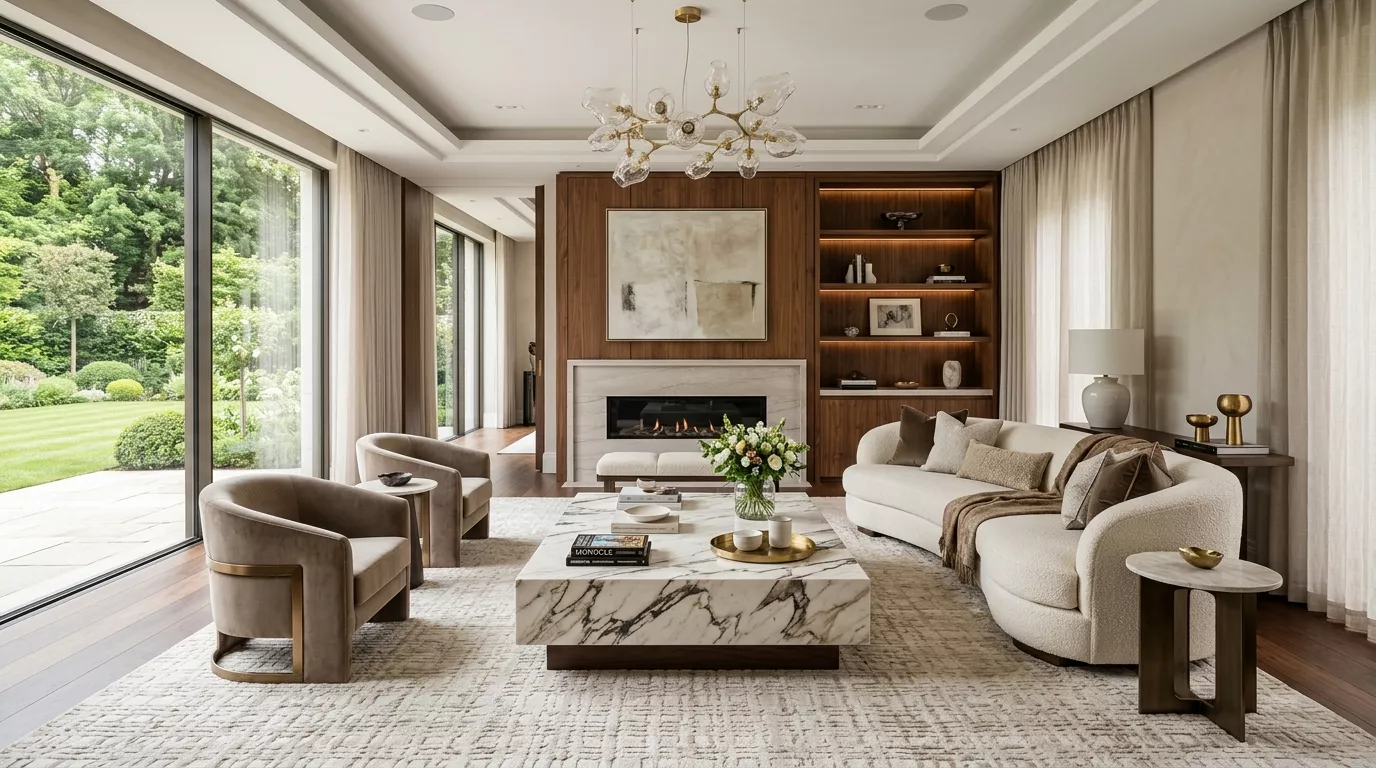
Linear gas fireplaces are long, horizontal, and incredibly sleek. They’re the hallmark of modern design and create a stunning focal point.
How to do it: Install a linear fireplace in a feature wall. Use a long, narrow firebox. Choose glass or stone media instead of logs for a clean, contemporary look.
Why it works: Linear fireplaces draw the eye horizontally, making a room feel wider. Their clean lines complement modern and contemporary homes.

2. Two-Sided Gas Fireplace
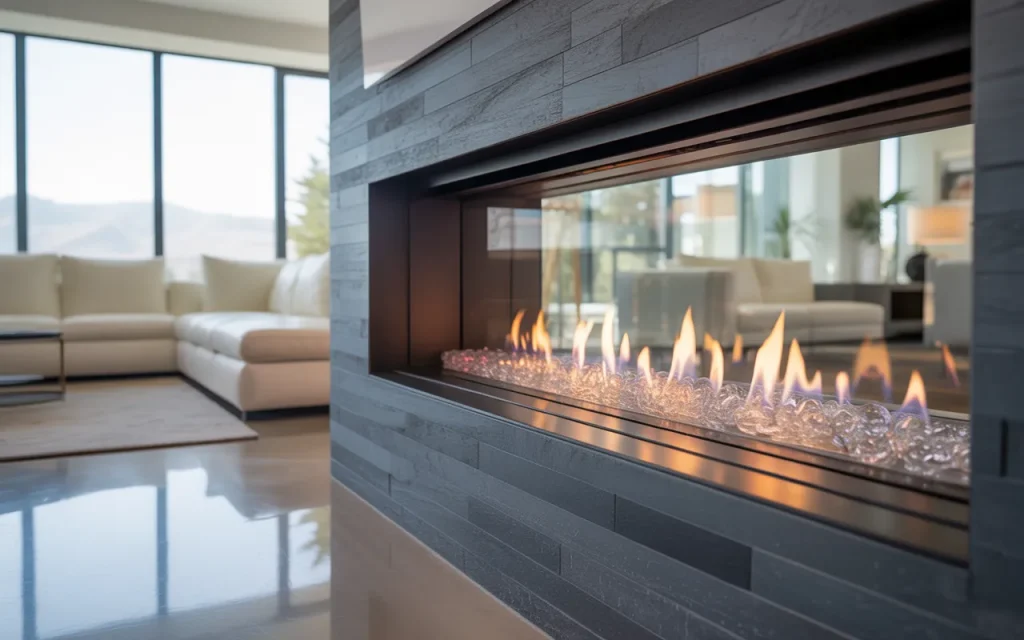
A two-sided fireplace connects two rooms, creating flow and drama. It’s perfect for open concept spaces or for dividing a living room and dining room.
How to do it: Install the fireplace in a wall that separates two spaces. Both sides have glass, allowing the fire to be seen from both rooms.
Why it works: Two-sided fireplaces maximize the view of the fire. They create a visual connection between spaces without sacrificing warmth.
3. Corner Gas Fireplace
A corner fireplace fits into an unused corner, saving wall space and adding warmth to a room without dominating it.
How to do it: Install a fireplace designed for corner placement. Use a triangular or angled surround. Arrange furniture around it to create a cozy conversation area.
Why it works: Corner fireplaces use space that’s often wasted. They’re perfect for smaller rooms or open concept spaces where wall space is limited.
4. Floor-to-Ceiling Stone Fireplace
A floor-to-ceiling stone surround creates drama and presence. It draws the eye upward, making ceilings feel higher and the room feel grander.
How to do it: Choose natural stone, stacked stone, or stone veneer. Extend the stone from floor to ceiling. Install a gas insert with realistic logs or glass media.
Why it works: Floor-to-ceiling stone creates a monumental focal point. It adds texture, warmth, and a sense of permanence to your space.
5. Shiplap Fireplace Surround
Shiplap adds farmhouse charm and texture to a gas fireplace. It’s simple, affordable, and instantly cozy.
How to do it: Install shiplap boards vertically or horizontally around your fireplace. Paint them white for a classic farmhouse look or a soft grey for modern farmhouse style.
Why it works: Shiplap adds texture and warmth. It’s a classic backdrop that lets the fire be the star while adding architectural interest.

6. White Marble Fireplace
White marble is timeless, elegant, and instantly luxurious. It pairs beautifully with gas fireplaces and suits both traditional and modern homes.
How to do it: Use marble slabs or large-format marble tiles around your fireplace. Choose a simple, clean surround to let the marble speak for itself.
Why it works: Marble adds elegance and value. Its natural veining creates visual interest without competing with the fire.
7. Black Painted Brick Fireplace
A black painted brick fireplace is bold, dramatic, and unexpectedly versatile. It works in modern, industrial, and even farmhouse spaces.
How to do it: Paint existing brick with high-heat black paint. Or build a new brick surround and paint it black. Use a gas insert with realistic logs for contrast.
Why it works: Black is a bold neutral. It recedes visually while making the fire itself more dramatic. It’s a stunning backdrop for art and decor.

8. Floating Mantel Fireplace
A floating mantel adds warmth and display space without overwhelming the fireplace. It’s simple, modern, and allows the fire to be the star.
How to do it: Install a simple wood mantel that appears to float on the wall. Keep the surround minimal — tile, stone, or drywall. Use the mantel for seasonal decor or art.
Why it works: A floating mantel adds function without visual weight. It provides a place to decorate without competing with the fireplace.
9. TV Above Fireplace
Combining a TV and fireplace saves space and creates a central entertainment wall. When done right, it’s both functional and beautiful.
How to do it: Install a linear fireplace below the TV. Use a mantel to separate them. Ensure proper heat management — the TV should be protected from heat.
Why it works: Combining TV and fireplace creates a single focal point. It’s perfect for family rooms where both are used daily.

10. Stacked Stone Fireplace
Stacked stone adds texture, warmth, and a natural, organic feel. It’s perfect for rustic, craftsman, or modern farmhouse homes.
How to do it: Choose stacked stone in a color that complements your home — grey, tan, or mixed tones. Install from floor to ceiling or just around the firebox.
Why it works: Stacked stone has texture and depth that drywall can’t match. It adds a handcrafted, natural element to your space.
11. Minimalist Fireplace
A minimalist fireplace is clean, simple, and understated. The focus is on the fire itself, not the surround.
How to do it: Use a simple drywall surround. Choose a linear firebox with glass media. Keep the mantel simple or skip it entirely.
Why it works: Minimalist design lets the fire be the star. It’s perfect for modern homes where less is more.

12. Rustic Wood Mantel Fireplace
A rustic wood mantel adds warmth and character to any gas fireplace. It’s perfect for farmhouse, cabin, or traditional homes.
How to do it: Choose a reclaimed wood beam or rough-sawn lumber for the mantel. Pair with a stone or brick surround. Use a gas insert with realistic logs.
Why it works: Wood adds warmth that stone and tile can’t match. A rustic mantel feels collected, personal, and inviting.
13. Fireplace with Built-In Shelves
Built-in shelves flanking a fireplace add storage, display space, and architectural interest. They make the fireplace the centerpiece of a larger feature wall.
How to do it: Build custom shelves on either side of the fireplace. Use them for books, art, and decor. Paint them the same color as the surround for a seamless look.
Why it works: Built-ins make the fireplace feel intentional and integrated. They add function and fill the wall without cluttering the space.

14. See-Through Fireplace
A see-through fireplace connects two rooms, creating flow and drama. It’s perfect for open concept homes or for dividing a living and dining area.
How to do it: Install a fireplace in a shared wall. Both sides have glass, allowing the fire to be seen from both spaces. Choose a linear or traditional style.
Why it works: See-through fireplaces maximize the visual impact of the fire. They create connection between spaces without sacrificing heat.
15. Outdoor Gas Fireplace
Extend your living space outdoors with a gas fireplace on your patio or deck. It adds warmth, ambiance, and a focal point for outdoor gatherings.
How to do it: Choose a weather-resistant gas fireplace designed for outdoor use. Install on a patio, deck, or covered porch. Use stone or stucco surround.
Why it works: An outdoor fireplace extends your outdoor season. It creates a gathering spot for cool evenings and adds value to your home.

Fireplace Style Comparison Table
| Style | Best For | Cost | Impact |
|---|---|---|---|
| Linear | Modern, contemporary | $$$ | High |
| Two-Sided | Open concept | $$$ | Very High |
| Corner | Small spaces, awkward layouts | $$ | Medium |
| Floor-to-Ceiling Stone | Large rooms, high ceilings | $$$ | Very High |
| Shiplap | Farmhouse, coastal | $ | Medium |
| Marble | Formal, elegant | $$$ | High |
| Black Painted Brick | Industrial, modern | $ | High |
Common Mistakes to Avoid
Mistake 1: TV Too High
Mounting the TV too high above the fireplace strains necks and looks awkward.
How to fix: Mount the TV at eye level when seated. If that’s not possible, consider a linear fireplace with TV beside it, not above.
Mistake 2: Wrong Scale
A fireplace that’s too small for the wall looks lost. One that’s too big overwhelms the room.
How to fix: Choose a firebox that’s proportional to your wall. Linear fireplaces should be at least half the wall width. Traditional fireplaces should have a surround that balances the wall.
Mistake 3: Poor Heat Management
Gas fireplaces produce heat. Electronics and flammable materials nearby can be damaged.
How to fix: Follow manufacturer clearance guidelines. Use a mantel to deflect heat. Install a heat shield if needed.
Mistake 4: Forgetting Ventilation
Gas fireplaces need proper ventilation. Some models are vent-free, others require venting.
How to fix: Choose a model appropriate for your space. Follow installation guidelines. Have it professionally installed if unsure.
Mistake 5: Inconsistent Style
A fireplace that doesn’t match your home’s style looks out of place.
How to fix: Choose materials and design that complement your existing decor. A farmhouse fireplace in a modern home, or vice versa, can work if done intentionally.
Before & After: Transforming a Fireplace
Before:
The Harrisons had a traditional brick fireplace from the 1980s. It was dated, dark, and made the room feel heavy. The brick was in good condition, but the style didn’t match their modern farmhouse aesthetic.
The Problem:
The fireplace was a focal point, but it was the wrong focal point. It made the room feel dated and dark. They wanted something brighter, cleaner, and more modern.
The Changes:
- Painted the brick white for a fresh, clean look
- Added a reclaimed wood mantel for warmth
- Installed a gas insert with realistic logs
- Added shiplap above the mantel
- Painted the surrounding walls a soft grey
After:
The fireplace is now the highlight of the room. The white brick brightens the space. The wood mantel adds warmth. The gas insert provides instant heat and realistic flames. The room feels modern, cozy, and inviting.
Budget vs. Luxury: Gas Fireplace on Any Budget
Budget-Friendly Options:
- Gas Insert: Add to existing fireplace — $2000-4000
- Paint Existing Brick: Fresh coat of paint — $50-200
- DIY Mantel: Build your own wood mantel — $100-300
- Stacked Stone Veneer: Affordable stone alternative — $500-1500
- Shiplap Surround: DIY-friendly, affordable — $200-500
Splurge-Worthy Options:
- Linear Fireplace: Sleek, modern design — $3000-8000
- Custom Stone Surround: Natural stone, floor to ceiling — $3000-10000
- Two-Sided Fireplace: Connects two rooms — $5000-12000
- Built-in Shelving: Custom cabinetry around fireplace — $2000-6000
- Professional Installation: Ensures safety and code compliance — $1000-3000
Room Type Guide: Best Fireplace for Your Space
Small Living Room:
- Best option: Corner fireplace, linear fireplace, simple mantel
- Why: Small spaces benefit from fireplaces that don’t dominate the room. Corner and linear designs save wall space.
Large Living Room:
- Best option: Floor-to-ceiling stone, two-sided, built-in shelves
- Why: Large rooms can handle substantial fireplaces. Use them to anchor the space and create a focal point.
Open Concept:
- Best option: Two-sided, see-through, linear
- Why: Open concept spaces benefit from fireplaces that can be seen from multiple areas. Two-sided designs create connection between zones.
Bedroom:
- Best option: Linear, small traditional, corner
- Why: Bedroom fireplaces should be cozy, not overwhelming. Choose a scale appropriate for the room.
Frequently Asked Questions
Q: Are gas fireplaces efficient?
A: Yes. Gas fireplaces are highly efficient, with some models reaching 80-90% efficiency. They provide consistent heat and are cheaper to run than wood fireplaces.
Q: Do gas fireplaces need a chimney?
A: Not necessarily. Direct-vent models vent through a wall. Vent-free models need no venting but have specific installation requirements.
Q: Can I install a gas fireplace in an existing home?
A: Yes. You can add a gas insert to an existing wood fireplace or install a new gas fireplace with appropriate venting.
Q: Are gas fireplaces safe?
A: Yes, when properly installed. They have safety features like oxygen sensors and automatic shut-offs. Follow manufacturer guidelines and have professional installation.
Q: What’s the difference between vented and vent-free?
A: Vented fireplaces require a chimney or direct vent. They provide a more realistic flame. Vent-free fireplaces need no venting but may produce moisture and require more ventilation.
Q: How long do gas fireplaces last?
A: With proper maintenance, gas fireplaces last 15-20 years. Gas inserts last 10-15 years. Regular cleaning and annual inspections extend their life.
Conclusion
A gas fireplace is more than a heat source — it’s the heart of your home. It draws people in, creates warmth, and sets the mood for your space.
Whether you choose a sleek linear fireplace, a cozy shiplap surround, or a dramatic floor-to-ceiling stone design, the right fireplace transforms your room. It becomes the place everyone gathers, the backdrop for memories, and a feature you’ll enjoy for years.
Take your time. Consider your space, your style, and your budget. Choose a design that speaks to you. And enjoy the warmth.
Ready to add or update your fireplace? Start by considering your space and style. The perfect fireplace for your home is waiting.