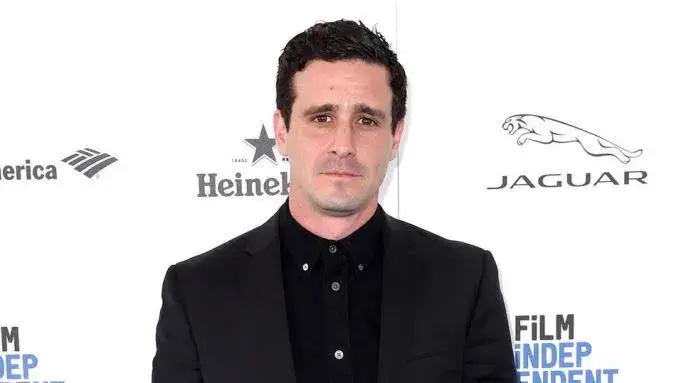
James Ransone: Career, Best Movies, TV Roles, Life Story

Understanding the Loss: Who Was James Ransone?
When news broke that a TV star dead at 46 had shocked Hollywood on December 19, 2025, many immediately searched “james ransone” “james ransome” and variations like “james.ransone” to understand what happened. The IT actor died suddenly, leaving fans devastated and asking urgent questions: “how did james ransone die” “james ransone cause of death” and “why did james ransone die.”
James Ransone was an exceptionally talented American character actor who built a remarkable 20 year career portraying complex, emotionally raw characters. From playing the unforgettable Ziggy Sobotka on The Wire to portraying Eddie Kaspbrak alongside Bill Hader in IT Chapter 2, Ransone earned deep respect across the entertainment industry.
This comprehensive biography explores everything about James Ransome his early life, complete filmography including james ransone movies and james ransone tv shows, his relationship with wife jamie mcphee, details about james ransone death, his estimated james ransone net worth and the lasting legacy he created through unforgettable performances.
Early Life: Baltimore Roots That Shaped His Art
James Finley Ransone III was born on June 2, 1979, in Baltimore, Maryland. This city would become inseparable from his identity as an actor, particularly when he later portrayed characters deeply connected to Baltimore’s working class culture.
Growing up in Baltimore during the 1980s and 1990s exposed young James to the city’s contrasting vibrant neighborhoods alongside areas struggling with economic decline, drug issues and social challenges. These early experiences gave him an authentic understanding of the struggles that many of his most famous characters would face.
Unlike actors from entertainment industry families, Ransone came from a regular working class background. His family wasn’t connected to Hollywood or theater, which meant every achievement in his career came through raw talent, determination and relentless work ethic.
During his teenage years, James discovered acting as an outlet for expression and creativity. He wasn’t the most popular student or natural extrovert but something clicked when he stepped into character, a transformation that would define his entire professional approach.
After graduating high school in Baltimore, he made the bold decision to pursue acting professionally by moving to New York City. This wasn’t easy for a young man with limited financial resources and no industry connections but his passion drove him forward despite the risks.
Finding His Path: Early Career and Personal Struggles
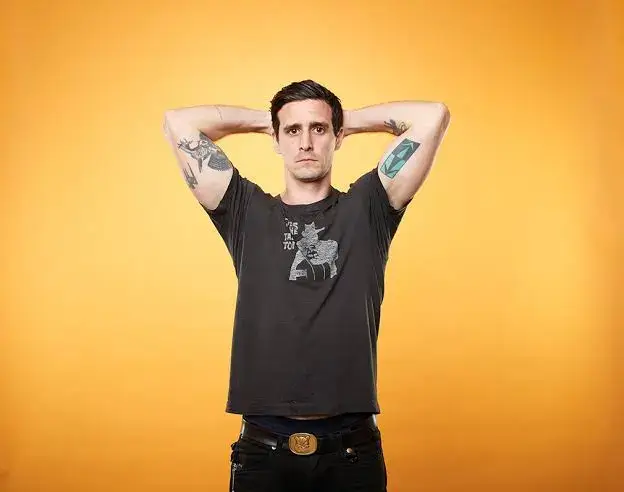
In New York, James Ransone enrolled at the School of Visual Arts, where he formally studied acting and began developing the craft that would later earn him critical acclaim. These were difficult years filled with financial struggle, constant auditions and the typical rejection that young actors face.
Like countless aspiring performers, he worked various odd jobs to pay rent while dedicating every spare moment to acting classes, auditions and small theater productions. He lived in tiny apartments, survived on minimal budgets and faced the constant uncertainty of whether his dream would ever materialize.
His earliest professional roles were small, forgettable parts in low budget independent films and off-off Broadway productions that few people saw. However, each role taught valuable lessons about character development, working with directors and finding emotional truth regardless of budget constraints.
During his early to mid twenties, Ransone also faced serious personal challenges with substance abuse. He would later speak publicly about battling heroin addiction for approximately five years, a dark period that nearly destroyed his career before it truly began. He achieved sobriety at age 27, shortly before landing the role that would change everything.
This struggle with addiction gave him profound insight into human vulnerability, desperation and the daily battle of recovery. These experiences would later inform many of his most powerful performances, allowing him to portray troubled characters with authenticity that other actors simply couldn’t match.
Dave Chappelle Biography: Netflix Specials, Comedy and Latest New
The Wire: Ziggy Sobotka Changed Everything
In 2003, James Ransone’s life transformed when he was cast as Chester “Ziggy” Sobotka in the second season of HBO’s critically acclaimed series The Wire. This role would become career defining and remains one of the most discussed performances when people search “james ransone the wire” or “ziggy the wire.”
Ziggy Sobotka was the troubled, insecure son of union leader Frank Sobotka, desperately seeking respect and validation as Baltimore’s shipping docks and the working class culture surrounding them faced inevitable decline. The character made terrible decisions, acted impulsively and often appeared pathetic or frustrating to viewers.
What made Ransone’s portrayal extraordinary was his complete absence of vanity or self protection. Lesser actors might have tried softening Ziggy’s edges or making him more sympathetic but Ransone committed fully to the character’s painful reality. He showed Ziggy’s desperation, insecurity and tragic trajectory without asking audiences to like him.
Viewers understood why Ziggy acted the way he did, even when they wanted to shake him. His need for validation felt painfully authentic because Ransone drew from genuine human emotion rather than playing for sympathy. This fearless approach to character work announced the arrival of a serious actor who could handle the most challenging material.
The tragic conclusion of Ziggy’s arc when the character’s desperation exploded into violence featured some of the most emotionally devastating scenes in The Wire’s entire run. Ransone played these moments with raw vulnerability that left critics and audiences stunned.
Searches for “ziggy sobotka” remain popular years later because the performance resonated so deeply. It opened doors throughout Hollywood and established Ransone as an actor directors could trust with complex, morally ambiguous characters.
Generation Kill: Honoring Real Life Marines
In 2008, Ransone reunited with The Wire creator David Simon for the HBO miniseries Generation Kill. The seven part series followed a Marine Recon unit during the 2003 invasion of Iraq, based on embedded journalist Evan Wright’s firsthand reporting.
Ransone portrayed Corporal Josh Ray Person, a real Marine whose personality combined sharp intelligence, constant humor and the psychological complexity of a young man processing the chaos of combat in real time. The role required extensive preparation, including speaking directly with the actual Josh Ray Person to understand his mannerisms, personality and experiences.
This wasn’t typical Hollywood war storytelling filled with clear heroes, dramatic battles and patriotic messaging. Instead, Generation Kill showed the confusion, frustration, bureaucratic incompetence and moral ambiguity of modern warfare the actual experience rather than glorified fiction.
Ransone’s performance expertly balanced comedy and drama. Person’s non stop jokes, pop culture references and wisecracks weren’t just comic relief they represented a coping mechanism, a way to maintain sanity while witnessing horrible things. Beneath the humor was genuine fear, confusion and the struggle to preserve humanity in inhuman circumstances.
The miniseries received widespread critical acclaim for its unflinching realism and refusal to romanticize combat. Among a strong ensemble cast, Ransone’s work stood out for its energy, authenticity and emotional depth. He proved capable of carrying substantial screen time and anchoring complex narratives.
Working on Generation Kill also meant honoring real people who risked their lives serving their country. Ransone approached this responsibility with appropriate seriousness, ensuring his portrayal respected the Marines who lived these experiences.
Jon Voight Biography: Amazing Career And Life Story
Complete Filmography: James Ransone Movies
When people search “james ransone movies” they discover an impressive range of work spanning multiple genres and budget levels. His film career demonstrated remarkable versatility and willingness to work in both independent cinema and major studio productions.
Horror Films: Building Genre Credibility
Ransone found significant success in horror cinema, where his everyman quality and authentic performance style made him perfect for ordinary people facing extraordinary supernatural threats.
Sinister (2012): He played a deputy sheriff investigating mysterious murders connected to supernatural forces. Though a supporting role, his grounded performance provided necessary reality to balance the film’s supernatural elements. When people search “sinister” alongside his name, they’re often discovering his work in this critically successful horror film.
Sinister 2 (2015): Returning as a former deputy turned private investigator, he took a larger role trying to protect a family from demonic entities. While the sequel received mixed reviews, horror fans appreciated his committed, authentic performance that elevated the material.
The Black Phone (2022): This became one of his final film roles and a major success. Searches for “james ransone black phone” increased significantly as the film earned both critical acclaim and strong box office performance. His supporting role contributed to a horror film that transcended typical genre limitations.
Independent Cinema: Artistic Integrity
Tangerine (2015): This groundbreaking film, shot entirely on iPhone cameras and directed by Sean Baker, followed transgender sex workers in Los Angeles. Ransone’s participation in this experimental, boundary pushing project demonstrated artistic courage and commitment to diverse storytelling that mainstream Hollywood often ignores.
Patti Cake$ (2017): He appeared in this critically acclaimed independent film about an aspiring rapper from New Jersey. These kinds of projects allowed him to support emerging filmmakers and contribute to unique stories.
Starlet (2012): Another collaboration with director Sean Baker, this indie drama showcased his ability to find truth in understated, realistic character work.
Other Notable Films
His filmography also included appearances in various other productions across different genres, each receiving his full commitment regardless of budget or profile level. This consistent quality across all projects built his reputation as an actor filmmakers could trust.
James Ransone TV Shows: Television Excellence
Searching “james ransone tv shows” reveals extensive television work beyond his two most famous series. He maintained a consistent presence across acclaimed shows throughout his career.
Treme (2010 2013): Another David Simon collaboration, this HBO series explored New Orleans culture after Hurricane Katrina. His recurring role brought typical intensity to the story of a city rebuilding itself after devastating tragedy.
Low Winter Sun (2013): He played a complex role in this crime drama that, while short lived, showcased his ability to anchor darker material and carry substantial storylines.
The Sinner (2017 2021): His appearance in this anthology crime series demonstrated range and ability to fit seamlessly into different storytelling styles and directorial visions.
Mosaic (2018): This innovative limited series from director Steven Soderbergh experimented with narrative structure and viewing formats. Ransone’s participation showed willingness to work with cutting edge filmmakers exploring new possibilities.
Bosch (2015 2021): Recurring appearances in this Amazon crime drama introduced him to streaming audiences and demonstrated his appeal across different platforms.
Poker Face (2023): One of his later television appearances, this showed he remained active and in demand right up until his final years.
IT Chapter 2: Mainstream Recognition With Bill Hader
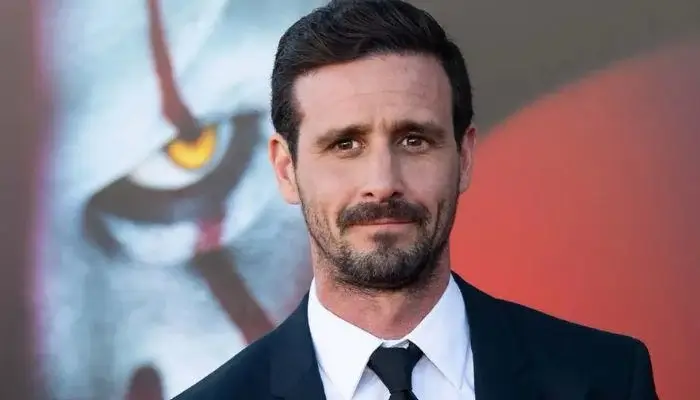
In 2019, Ransone achieved his highest profile role when cast as adult Eddie Kaspbrak in IT Chapter 2, the sequel to the massively successful Stephen King adaptation. Searches for “james ransome it” “james ransone it chapter 2” “james ransone it movie” and “eddie it chapter 2” all increased dramatically following the film’s release.
The casting generated immediate interest because many fans noticed his resemblance to Bill Hader, who played Eddie’s best friend Richie Tozier in the same film. The phrase “bill hader james ransone” became a common search as people discussed their similar mannerisms, physical features and energy. This natural synchronicity actually enhanced the believability of their characters’ decades-long friendship.
Eddie Kaspbrak was a hypochondriac whose constant health anxieties masked deeper psychological issues about control, fear and self worth. Searches for “eddie kaspbrak” often lead to discussions of both the child actor from IT Chapter 1 and Ransone’s adult interpretation.
Ransone played Eddie with nervous energy, rapid fire dialogue delivery and genuine vulnerability that made the character both comedically entertaining and emotionally sympathetic. He navigated tonal complexity expertly balancing horror, comedy and emotional drama as Eddie confronted childhood trauma alongside his adult friends.
The role required holding his own in a cast of established stars including Bill Hader, Jessica Chastain, James McAvoy and others. He delivered a performance that honored the source material while making Eddie distinctly his own creation.
IT Chapter 2 grossed over $473 million worldwide, making it by far the most commercially successful project of Ransone’s entire career. The film introduced him to massive global audiences who may never have seen The Wire or his independent work. Suddenly, he was part of a cultural phenomenon that reached millions of viewers across generations.
Tommy Flanagan Biography: Scottish Actor Amazing Journey
Personal Life: Wife Jamie McPhee and Family
When searching “james ransone wife” or “jamie mcphee” people discover that Ransone maintained significant privacy regarding his personal life, especially compared to many contemporary actors who share constantly on social media.
James Ransone was married to Jamie McPhee and together they built a family that meant everything to him. They had two young children together a son and a daughter who were still very young at the time of his passing.
Friends and colleagues who knew him personally described James as a devoted family man who prioritized his wife and children above career ambitions or public recognition. Those close to him often called him “PJ” rather than James a nickname that revealed the gap between his public persona and private self.
Jamie McPhee has been described as his partner in every sense, someone who supported his career while they built their family life together. The couple appeared to consciously avoid the Hollywood spotlight, preferring to keep their relationship and children’s lives private and protected from public scrutiny.
This old school approach to celebrity separating professional work from personal existence seems increasingly rare in an era where many actors cultivate public personas through constant social media engagement and personal revelation.
Following his death, Jamie McPhee faced the unimaginable task of moving forward as a single parent while processing profound personal grief. The entertainment community and fans expressed overwhelming support for her and the children during this devastating time.
James Ransone Net Worth: Financial Reality
Searches for “james ransone net worth” increased significantly following news of his death, as people sought to understand his financial success relative to his artistic achievements.
At the time of his passing, industry estimates placed James Ransone’s net worth between approximately $2 million and $3 million. This figure reflects a successful career built primarily on character work, supporting roles and independent films rather than leading roles in major blockbusters or franchise participation.
Income Sources Throughout Career
His wealth accumulated from multiple sources:
- Television series: Recurring and guest roles across numerous acclaimed shows provided steady income
- Feature films: Both studio productions and independent projects contributed
- Horror franchises: The Sinister films and The Black Phone offered genre work that paid reliably
- IT Chapter 2: Likely his largest single paycheck from the highest grossing film of his career
Financial Reality for Character Actors
It’s important to understand that character actors typically earn substantially less than leading performers, even in successful projects. While Ransone worked consistently for over twenty years, most roles were supporting parts that didn’t command the same compensation as starring roles.
His net worth, while certainly comfortable by average standards, was modest compared to Hollywood A listers. This reflects conscious choices to prioritize interesting material over maximum financial compensation, working in independent cinema that rarely pays large salaries and maintaining privacy rather than leveraging celebrity for additional income streams.
The fact that financial support was needed for his family following his death suggests that even with steady work and reasonable savings, the unpredictable nature of acting careers can leave families vulnerable during unexpected tragedy.
James Ransone Death: Addressing the Difficult Questions
On December 19, 2025, devastating news emerged that James Ransone had passed away at just 46 years old. The phrases “james ransone death” “james ransone cause of death” “how did james ransone die” “james ransone how did he die” “james ransone death cause” and “why did james ransone die” immediately began trending as shocked fans sought information.
What Happened to James Ransone?
James Ransone died on December 19, 2025, at his Los Angeles residence. He was 46 years old. Authorities who responded to the scene determined there was no evidence of foul play or suspicious circumstances.
The Los Angeles County Medical Examiner’s office confirmed the circumstances. This tragedy highlighted the importance of mental health awareness and support. This tragic outcome shocked the entertainment community and devastated those who knew and loved him.
Why the Questions Matter
People searching “how did james ransone die” or “why did james ransone die” aren’t being morbid or disrespectful they’re processing shock and seeking understanding. When someone talented, seemingly successful and relatively young dies suddenly, people naturally want to comprehend what happened.
The persistent searches also reflect genuine concern about mental health awareness. Many people ask these questions hoping to understand warning signs, learn about prevention or process their own feelings about mental health struggles.
The Reality of Mental Health and Suicide
James Ransone’s death reminds us that mental health challenges can affect anyone, regardless of professional success, talent, loving families or public admiration. Depression, trauma and suicidal ideation don’t discriminate based on external circumstances that might appear positive to outsiders.
During his life, Ransone had been open about past struggles with addiction and had also publicly discussed experiencing childhood trauma. These revelations demonstrated his courage in breaking silence around difficult topics that many people, particularly men, feel pressured to hide.
However, openness about past struggles doesn’t guarantee someone will ask for help during a current crisis. The moment when someone needs intervention most urgently is often when reaching out feels impossible.
Industry Response and Tributes
News that an IT actor died at such a young age prompted an outpouring of grief from colleagues across the entertainment industry. Co stars, directors and crew members who had worked with Ransone shared memories emphasizing not just his talent but his character as a person.
Many expressed regret about not knowing he was struggling so deeply, a common feeling among those who lose someone to suicide. These tributes highlighted the respect he’d earned throughout his career and the genuine relationships he’d built beyond professional connections.
Understanding His Artistic Legacy
Despite the tragedy of how his life ended, James Ransone leaves behind a remarkable body of work that showcases exceptional talent and unwavering artistic commitment.
The Characters He Brought to Life
Looking across his career reveals patterns in the types of characters Ransone portrayed with particular insight:
Desperate for validation: From Ziggy Sobotka to Eddie Kaspbrak, many characters struggled with feeling inadequate or overlooked, desperately seeking respect they couldn’t seem to earn.
Using humor as armor: Like Corporal Person in Generation Kill, several characters deployed jokes and wisecracks to mask deeper pain, fear or vulnerability, a defense mechanism Ransone portrayed with particular authenticity.
Working class struggles: He frequently played people facing economic pressures and social marginalization, bringing dignity to characters that other actors might have portrayed as simple stereotypes.
Trauma survivors: Many roles involved characters carrying wounds from past experiences that shaped their present behavior and relationships.
Why His Performances Endure
Ransone’s work continues resonating with audiences because it felt genuine. He never appeared to be “acting” in the conventional sense instead, he fully inhabited characters so thoroughly that viewers forgot they were watching a performance.
His willingness to play unlikeable or pathetic characters without vanity set him apart. He trusted audiences to find humanity in flawed individuals without needing to be admired or sympathized with on a surface level.
Career Highlights and Achievements
| Category | Notable Work | Year | Impact |
|---|---|---|---|
| Breakthrough Performance | The Wire (Ziggy Sobotka) | 2003-2004 | Career defining role, critical acclaim |
| Military Drama | Generation Kill | 2008 | Honored real Marines, showed range |
| Horror Success | Sinister franchise | 2012-2015 | Built genre credibility |
| Independent Recognition | Tangerine | 2015 | Artistic courage, diversity support |
| Mainstream Achievement | IT Chapter 2 | 2019 | Highest grossing film, global audience |
| Final Horror Role | The Black Phone | 2022 | Critical and commercial success |
Mental Health Awareness: Learning From Loss
James Ransone’s death underscores the critical importance of mental health awareness, suicide prevention and reducing stigma around asking for help.
Warning Signs and Prevention
While we can’t know the specific circumstances of Ransone’s final days, general awareness of suicide warning signs can help save lives:
- Talking about death, dying or suicide
- Expressing feelings of hopelessness or having no reason to live
- Withdrawing from friends, family and activities
- Increasing substance use
- Acting anxious, agitated or reckless
- Dramatic mood changes
- Giving away possessions or saying goodbye
If someone you know exhibits these signs, take them seriously. Ask directly if they’re thinking about suicide research shows that asking doesn’t plant the idea but rather provides relief that someone cares enough to notice.
Resources Available Right Now
If you’re struggling with suicidal thoughts or mental health crisis:
- 988 Suicide and Crisis Lifeline: Call or text 988 for free, confidential support available 24/7
- Crisis Text Line: Text “HELLO” to 741741
- SAMHSA National Helpline: 1 800 662 4357 for substance abuse and mental health support
These services provide immediate help from trained counselors who understand crisis situations and can provide support, resources and connection to ongoing care.
For Those Left Behind
Suicide leaves devastating impact on families, friends and communities. Jamie McPhee and her children face unimaginable grief and the challenging journey of rebuilding life after tragic loss.
If you’ve lost someone to suicide, support groups and grief counseling specifically for suicide survivors can provide essential help during this difficult process. You’re not alone and healing is possible even after devastating loss.
Comparing His Work to Contemporary Character Actors
| Actor | Signature Strength | Career Similarity | Key Difference |
|---|---|---|---|
| James Ransone | Vulnerable authenticity | Character driven choices | Baltimore roots, working class focus |
| John Turturro | Intense intelligence | Auteur collaborations | More intellectual roles |
| William Fichtner | Cool intensity | Action/thriller focus | Less emotional vulnerability |
| Stephen Root | Chameleonic range | Comedy/drama balance | More transformation, less naturalism |
| Michael Shannon | Explosive intensity | Prestige drama | More leading roles, bigger profile |
This comparison shows how Ransone fit into a tradition of working character actors who prioritize craft over fame, building careers through excellent work rather than celebrity cultivation.
Final Years and Late Career Work
In the years leading up to his death, Ransone continued taking diverse roles across different media platforms. He remained active and in demand, appearing in streaming series, theatrical films and independent projects.
His later work showed an actor still committed to interesting material rather than simply chasing paychecks or coasting on past success. He continued making artistic choices that reflected genuine passion for storytelling.
Those who worked with him during these final years consistently described a professional, prepared and talented performer who brought the same commitment to every project regardless of size or budget.
The Questions That Remain
Following his death, many people continue searching variations of “james ransone” “james ransome” and “ransone” seeking to understand both his life and death. Common searches include:
- “tv star dead at 46” (identifying the news)
- “it actor died” (connecting to his famous role)
- “how did james ransone die” (seeking information)
- “why did james ransone die” (looking for understanding)
- “james ransone death cause” (confirming details)
These searches reflect natural human responses to unexpected tragedy, the need to understand, to process shock and to find meaning in loss.
His Enduring Impact
James Ransone’s career demonstrates what dedicated character acting can achieve. He proved that supporting roles and character work can create lasting impact without requiring leading man status or franchise participation.
For aspiring actors, his path offers a model: prioritize craft over celebrity, choose interesting material over maximum pay, maintain artistic integrity, work consistently across different genres and budgets and build relationships with directors who value your unique talents.
For audiences, his performances continue providing opportunities to see authentic, emotionally honest portrayals of complex human beings. His work in The Wire, Generation Kill, IT Chapter 2 and numerous other projects will continue reaching new viewers for decades.
Final Reflection: A Life of Artistic Truth
James Ransone never became a household name in the way that leading actors do. He never led a franchise, won major awards or dominated tabloid headlines. Yet his impact on cinema and television is undeniable and lasting.
He represented the best traditions of American character, acting with complete commitment to truth, willingness to embrace uncomfortable characters, dedication to craft over celebrity and consistent excellence across two decades of professional work.
From Baltimore’s crumbling docks to Iraqi war zones to supernatural horror to the sewers of Derry, Maine, he brought the same fearless authenticity to every role. He showed us ourselves in characters we might otherwise dismiss, finding humanity in people struggling with circumstances beyond their control.
The tragedy of his death at just 46 years old is that someone who gave so much authentic emotion to audiences couldn’t find a way through his own darkness. This painful reality reminds us that mental health struggles affect everyone, regardless of talent, success or how loved they are by others.
For Jamie McPhee and their children, the loss is incomprehensible. They didn’t lose an actor, they lost their husband and father, the center of their family. No career achievement or fan appreciation can fill that void.
James Ransone’s legacy lives on through his performances, which will continue introducing new audiences to his exceptional talent. His work reminds us what honest, vulnerable, fearless acting looks like and why it matters.
If his death accomplishes anything positive, let it increase awareness about mental health, reduce stigma around seeking help and encourage people to check on friends and loved ones even when they seem successful or fine on the surface.
Rest in peace, James Ransone. Your work mattered. Your life had value beyond your performances. You will be remembered.
Frequently Asked Questions
Who was James Ransone?
James Ransone was an acclaimed American character actor best known for playing Ziggy Sobotka in The Wire and adult Eddie Kaspbrak in IT Chapter 2. He built a respected 20 year career across television, film and independent cinema before his death on December 19, 2025 at age 46.
What happened to James Ransone?
James Ransone passed away on December 19, 2025, in Los Angeles. If you’re struggling with mental health challenges, help is available at 988. He was 46 years old and left behind his wife Jamie McPhee and two young children.
What movies did James Ransone appear in?
James Ransone’s notable films include IT Chapter 2, The Black Phone, Sinister, Sinister 2, Tangerine, Patti Cake$ and numerous independent productions. His work spanned horror, drama and experimental cinema throughout his career.
Who was James Ransone’s wife?
James Ransone was married to Jamie McPhee. Together they had two children. Ransone maintained significant privacy regarding his family life, keeping his personal existence separate from his professional career.
How is James Ransone connected to Bill Hader?
James Ransone and Bill Hader co-starred in IT Chapter 2, playing adult versions of best friends Eddie Kaspbrak and Richie Tozier. Fans noted their similar mannerisms and appearance, which enhanced the believability of their characters’ decades long friendship.
What was James Ransone net worth?
James Ransone net worth was estimated between $2-3 million at the time of his death. This reflected steady work as a character actor across television and film, though he prioritized artistic choices over maximum financial compensation throughout his career.
Why do people search for James Ransone?
People search for James Ransone to learn about his iconic roles in The Wire and IT Chapter 2, to understand details surrounding his death on December 19, 2025, to discover his complete filmography and to celebrate his contributions to character acting in television and cinema.
What TV shows was James Ransone in?
James Ransone appeared in numerous acclaimed TV shows including The Wire, Generation Kill, Treme, The Sinner, Bosch, Poker Face, Low Winter Sun and Mosaic. He maintained a consistent television presence throughout his two decade career.
Disclaimer
This article is for informational purposes only and is based on publicly available material. While care has been taken to ensure accuracy, details may change over time. The content does not provide medical, legal or professional advice and no copyrighted material is reproduced.