15 Living Room Decorating Ideas | That Transform Your Home

Introduction
Your living room is the heart of your home. It’s where you relax after a long day, where you entertain friends, where family gathers for movie nights, and where life happens.
But decorating a living room can feel overwhelming. Where do you put the sofa? What color should you paint the walls? How do you make it feel cozy without feeling cluttered?
Here’s the truth: there’s no one right way to decorate a living room. The best living room is one that works for your life — comfortable enough for everyday, beautiful enough for guests, and personal enough to feel like yours.
In this guide, I’ll share 15 living room decorating ideas to help you create a space you’ll love. From furniture layout to color schemes, lighting to accessories, you’ll find inspiration for every style and budget.
Let’s get started.
1. Start with a Great Sofa
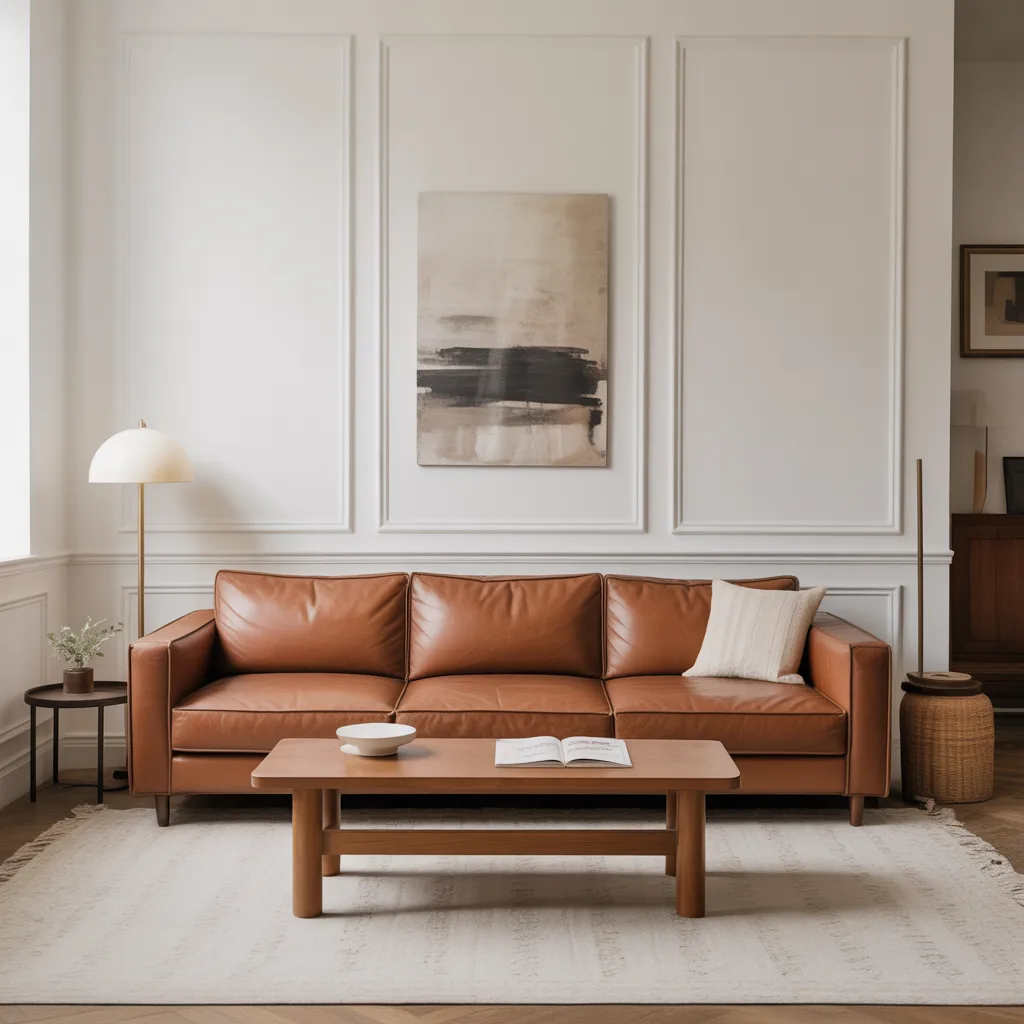
Your sofa is the most important piece in your living room. It sets the tone, defines the space, and gets the most use. Choose wisely.
How to do it: Pick a sofa that fits your space and lifestyle. Neutral colors are versatile. Performance fabrics are practical for families. Make sure it’s comfortable — you’ll spend a lot of time on it.
Why it works: A great sofa anchors your living room. Everything else — chairs, tables, rugs, art — revolves around it.
2. Define Zones with Area Rugs
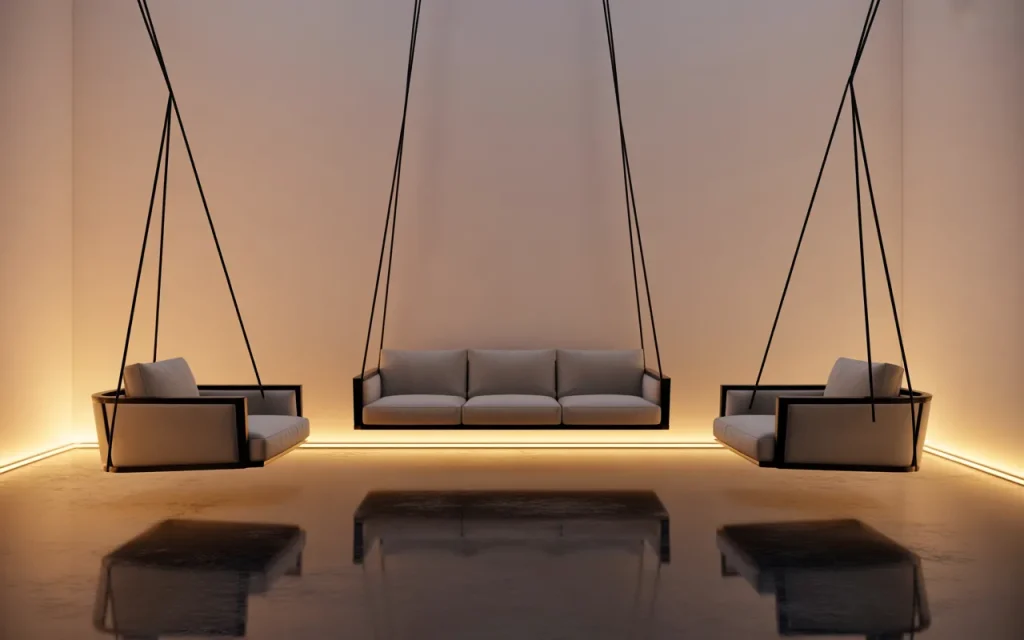
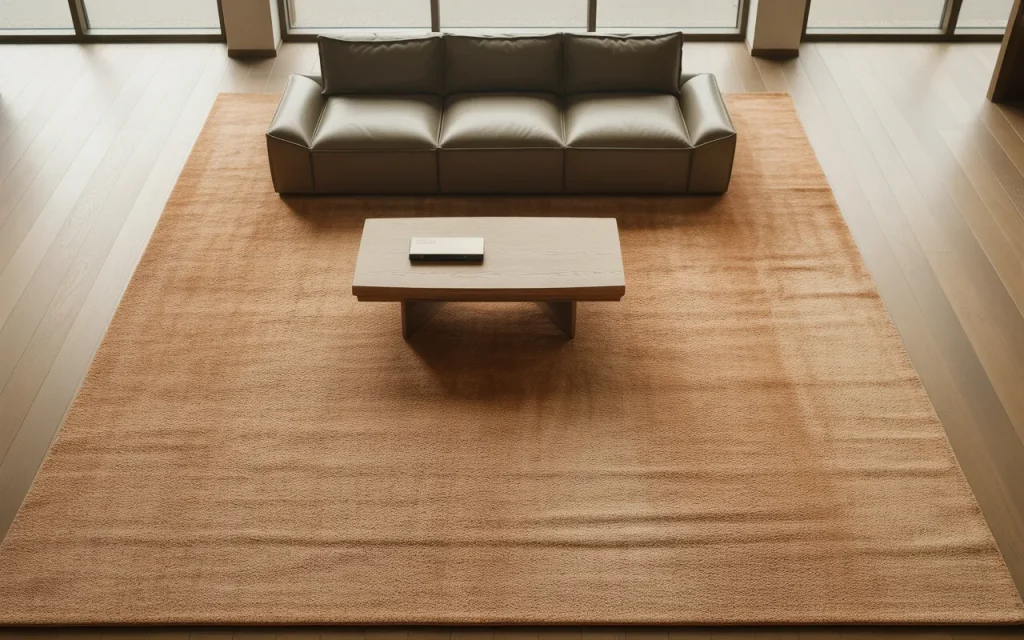
An area rug defines your seating area and adds warmth underfoot. It creates a visual boundary that makes your living room feel intentional.
How to do it: Choose a rug large enough to fit under your sofa and coffee table. At minimum, the front legs of your sofa should be on the rug. Use a rug pad to prevent slipping.
Why it works: A rug anchors your furniture and creates a cozy, defined seating area. It adds color, pattern, and texture to your room.
3. Create a Focal Point
Every living room needs a focal point — something that draws the eye and anchors the space. It could be a fireplace, a large piece of art, a TV, or a stunning window.
How to do it: Arrange your furniture around your focal point. If you have a fireplace, face your sofa toward it. If you have a large window, place seating to enjoy the view. If you have neither, create one with a large piece of art or a gallery wall.
Why it works: A focal point gives your room purpose. It organizes the space and makes decorating easier.
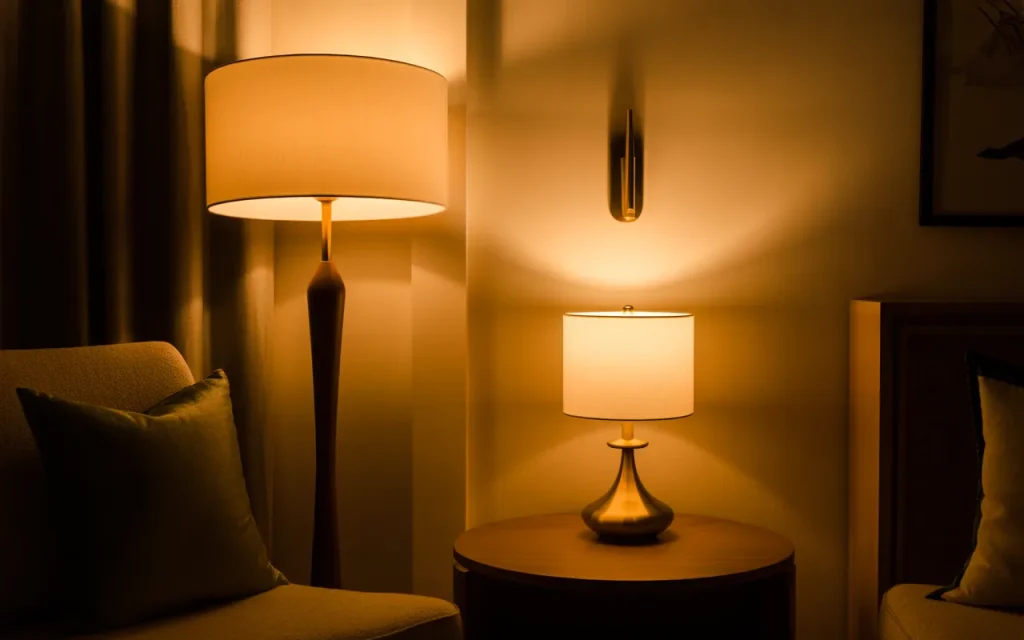
4. Layer Your Lighting
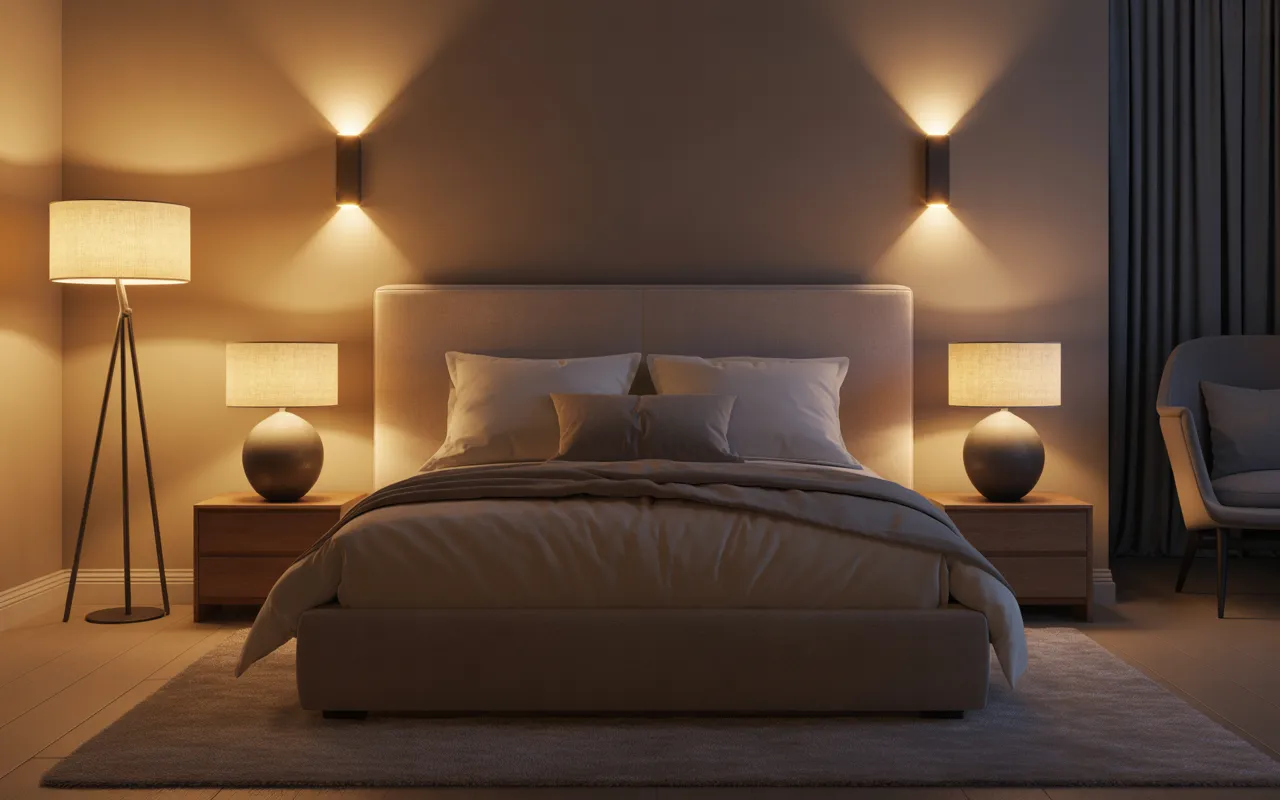
One light source is never enough. Layered lighting creates warmth, depth, and flexibility. It lets you adjust the mood for different activities.
How to do it: Use three types of lighting — ambient (overhead), task (reading lamps), and accent (art lights, sconces). Add dimmers to control brightness. Choose warm bulbs (2700K) for a cozy feel.
Why it works: Layered lighting makes your living room functional and inviting. You can have bright light for tasks and soft light for relaxing.
5. Add Color with Pillows and Throws
Pillows and throws are the easiest way to add color, pattern, and texture to your living room. They’re affordable, easy to change, and instantly update your space.
How to do it: Choose 4-6 pillows in a mix of colors, patterns, and textures. Use a color palette you love. Add a throw blanket draped over the sofa or armchair.
Why it works: Pillows and throws add personality without commitment. Change them with seasons or moods for a fresh look.
6. Incorporate Natural Elements
Natural elements — wood, stone, plants, wool, cotton — add warmth and organic beauty to your living room. They soften the space and connect it to nature.
How to do it: Add a wood coffee table, stone accents, jute rug, or woven baskets. Add plants for life and color. Use natural fiber textiles.
Why it works: Natural elements make a room feel grounded and inviting. They add texture and warmth that synthetic materials can’t match.
7. Use Mirrors to Reflect Light
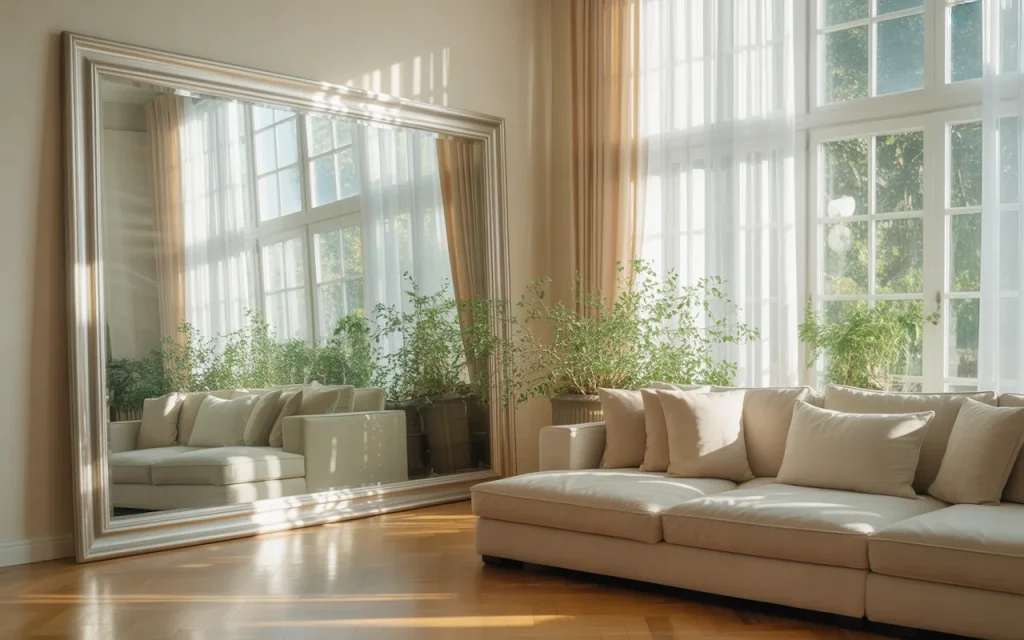
Mirrors make a room feel larger and brighter. They reflect light, bounce it around the room, and add a decorative element.
How to do it: Place a large mirror opposite a window to reflect natural light. Use a mirror as art above the sofa or fireplace. A leaning floor mirror adds drama.
Why it works: Mirrors are functional and beautiful. They make small spaces feel larger and dark spaces feel brighter.
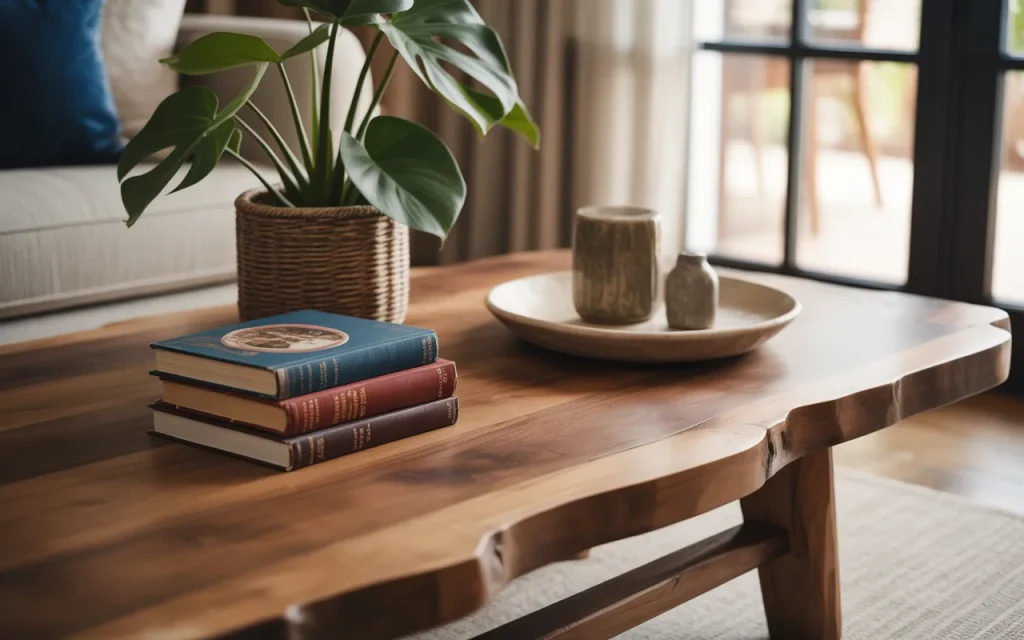
8. Choose the Right Coffee Table
Your coffee table is the center of your seating area. It’s where you put drinks, books, and decor. Choose one that fits your space and lifestyle.
How to do it: Leave 18 inches between the coffee table and sofa for easy movement. Round tables are great for small spaces. Square or rectangular tables work well with sectionals. Choose a material that fits your style — wood for warmth, glass for openness, metal for industrial edge.
Why it works: The right coffee table anchors your seating area and adds function. It’s a practical piece that also adds style.
9. Add Art that Speaks to You
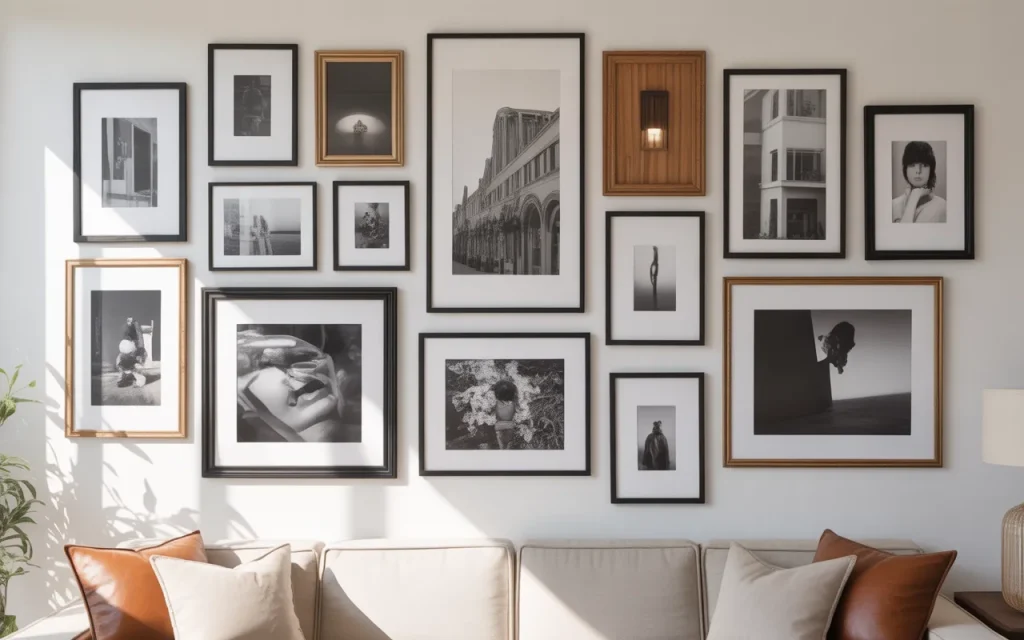
Art makes your living room personal. It adds color, tells a story, and reflects your taste. Choose pieces you love, not just pieces that match your sofa.
How to do it: Hang art at eye level. Create a gallery wall for impact. Use a single large piece for drama. Mix frames and styles for an eclectic look. Don’t be afraid to lean art on shelves or mantles.
Why it works: Art is the soul of your room. It makes your living room feel like yours.
10. Create a Conversation Area
Arrange seating so people can talk comfortably. Chairs and sofas should face each other, not all face the TV.
How to do it: Place sofas and chairs within 8 feet of each other for easy conversation. Use a coffee table as the center. Avoid lining all furniture against the walls — float pieces in the room.
Why it works: Good conversation areas encourage connection. They make your living room a place for gathering, not just watching TV.
11. Balance Symmetry and Asymmetry
Symmetry creates calm and order. Asymmetry adds interest and movement. The best living rooms use both.
How to do it: Use symmetry for balance — matching lamps on either side of the sofa, two chairs flanking the fireplace. Use asymmetry for interest — a large piece of art on one side, a plant on the other. Mix and match.
Why it works: Balance makes a room feel harmonious. Interest keeps it from feeling boring.
12. Add Storage that Looks Good
Living rooms need storage — for books, blankets, toys, electronics. But storage doesn’t have to be ugly. Choose pieces that are both functional and beautiful.
How to do it: Use a media console to hide electronics. Add bookshelves for books and decor. Use baskets for blankets and toys. Choose pieces that match your style.
Why it works: Good storage keeps clutter hidden. It makes your living room feel calm and organized.
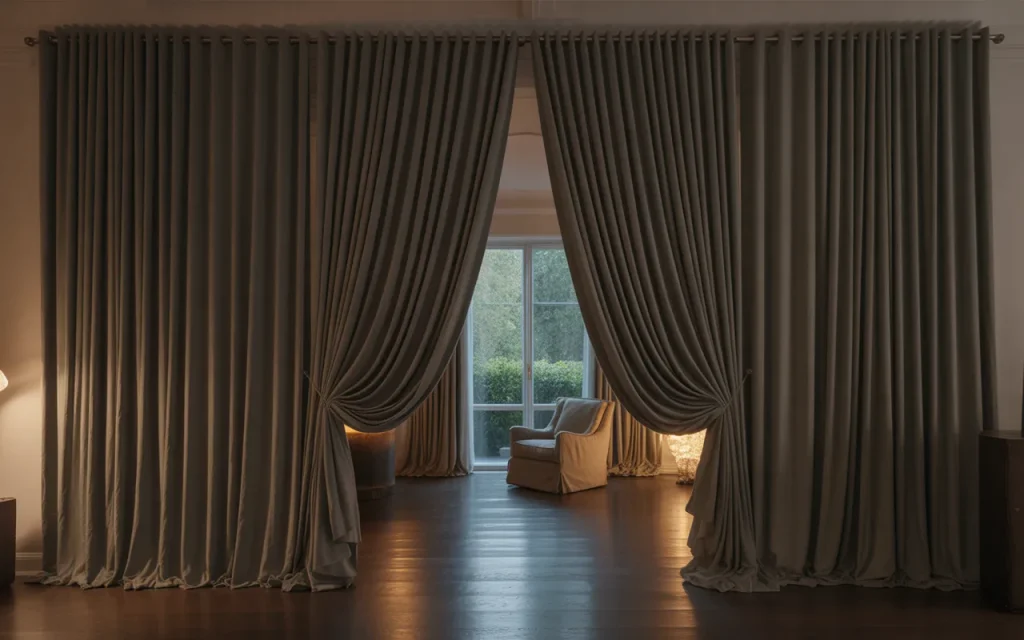
13. Use Curtains to Soften the Room
Curtains add softness, texture, and color. They frame your windows and make the room feel finished.
How to do it: Hang curtains high and wide — near the ceiling, extending beyond the window frame. Choose fabric that fits your style — linen for casual, velvet for formal, cotton for everyday. Use blackout curtains if you want to block light.
Why it works: Curtains soften the room and add vertical interest. They make windows look larger and rooms feel taller.
14. Add a Pop of Color
A pop of color adds energy and personality. It keeps a neutral room from feeling boring.
How to do it: Add one bold element — a colorful chair, a vibrant rug, a large piece of art, a painted accent wall. Keep the rest of the room neutral so the color pops.
Why it works: A pop of color adds excitement without overwhelming. It’s an easy way to add personality.
15. Make It Personal
The best living rooms reflect the people who live there. Add personal touches — family photos, travel souvenirs, books you love, items with meaning.
How to do it: Display photos in beautiful frames. Showcase souvenirs from trips. Use books as decor. Choose art that means something to you.
Why it works: Personal touches make a house a home. They tell your story and make your living room uniquely yours.
Color Combination Table
| Color Palette | Works Well With | Best Used For |
|---|---|---|
| Neutral (white, beige, grey) | Wood tones, black accents, plants | Walls, sofas, rugs |
| Blue & White | Wood, brass, navy | Pillows, rugs, art |
| Green & Earth Tones | Wood, cream, terracotta | Walls, pillows, plants |
| Black & White | Wood, brass, pops of color | Contrast, accents |
Common Mistakes to Avoid
Mistake 1: Pushing All Furniture Against the Walls
Furniture pushed against walls creates a dead space in the center and makes the room feel like a waiting room.
How to fix: Float furniture away from walls. Create conversation areas in the center of the room. Use the space behind sofas for consoles or bookshelves.
Mistake 2: Choosing the Wrong Size Rug
A rug that’s too small makes the room feel disjointed. A rug that’s too large can overwhelm the space.
How to fix: Choose a rug large enough for all furniture to sit on it (or at least the front legs). For standard sofas, aim for 8×10 or 9×12.
Mistake 3: Poor Lighting
One overhead light isn’t enough. It creates harsh shadows and kills the mood.
How to fix: Layer lighting — floor lamps, table lamps, sconces. Add dimmers. Use warm bulbs (2700K).
Mistake 4: Hanging Art Too High
Art hung too high feels disconnected from the furniture below it.
How to fix: Hang art at eye level (57-60 inches from floor to center). For art above sofas, leave 6-8 inches between the sofa and art.
Mistake 5: Forgetting Scale
A tiny rug in a large room looks lost. A massive sofa in a small room feels cramped.
How to fix: Measure your space before buying. Choose furniture that fits your room’s scale. Leave 3 feet of walking space around furniture.
Before & After: Transforming a Living Room
Before:
Tom’s living room had beige walls, a beige sofa, a beige rug, and no personality. The furniture was pushed against the walls. The room felt cold, empty, and uninviting. He never wanted to spend time there.
The Problem:
The room had no focal point, no color, no texture, no warmth. The layout didn’t encourage conversation. It felt like a waiting room, not a living room.
The Changes:
- Painted walls a warm grey
- Added a large, colorful rug
- Moved sofa away from the wall and added two chairs across from it
- Added floor lamps and table lamps for layered lighting
- Added a gallery wall above the sofa
- Added plants in the corners
- Added textured pillows and a chunky knit throw
After:
The room is now warm, inviting, and full of personality. The furniture layout encourages conversation. The lighting creates a cozy atmosphere. Tom finally loves his living room and actually wants to spend time there.
Budget vs. Luxury: Living Room Decor on Any Budget
Budget-Friendly Options:
- Paint: Fresh paint is the cheapest transformation — $30-60
- Pillows: Affordable covers can change your sofa — $10-30 each
- Art: DIY art, thrifted finds, printable art — $10-50
- Plants: Low-light plants from garden centers — $10-30
- Lighting: Simple floor lamps from discount stores — $30-80
Splurge-Worthy Investments:
- Sofa: A quality sofa is the most important piece — $800-3000
- Rug: A wool or vintage rug lasts for years — $500-2000
- Art: Original art or limited edition prints — $200-2000
- Lighting: Designer floor or pendant lamps — $300-1000
- Coffee Table: Solid wood or marble statement piece — $500-2000
Room Size Guide: Best Decor for Your Space
Small Living Rooms (under 150 sq ft):
- Best decor: Light colors, mirrors, multi-functional furniture, compact seating, floating shelves
- Why: Light colors and mirrors make small spaces feel larger. Multi-functional furniture saves space.
Medium Living Rooms (150-300 sq ft):
- Best decor: Standard sofa, accent chairs, area rug, coffee table, art
- Why: Medium rooms can handle standard furniture. Add personality with color and texture.
Large Living Rooms (300+ sq ft):
- Best decor: Sectional, multiple seating areas, large rug, statement lighting, oversized art
- Why: Large rooms need substantial furniture. Use zones to create different areas — conversation, TV, reading.
Frequently Asked Questions
Q: How do I arrange furniture in a living room?
A: Start with your focal point (fireplace, TV, window). Arrange seating around it. Leave 3 feet for walking space. Use area rugs to define zones. Avoid pushing all furniture against walls.
Q: What size rug do I need for my living room?
A: Choose a rug large enough for all seating to sit on it (or at least the front legs). For a standard sofa and chairs, 8×10 or 9×12 are common sizes.
Q: How do I choose a color scheme for my living room?
A: Start with a color you love. Use it as your main color (walls, sofa) or accent color (pillows, art). Add 2-3 complementary colors. Use neutrals to balance.
Q: How many pillows should I put on my sofa?
A: For a standard 3-seat sofa, 4-6 pillows is a good number. Mix sizes and textures. Use a combination of solids and patterns.
Q: How do I make my living room look bigger?
A: Use light colors on walls. Add mirrors to reflect light. Choose furniture with exposed legs. Keep window treatments minimal. Avoid oversized furniture.
Q: What’s the best way to add color to a neutral living room?
A: Add colorful pillows, a vibrant rug, a statement piece of art, or a painted accent wall. Plants also add color and life.
Conclusion
Your living room is the heart of your home. It’s where you relax, entertain, and make memories. It deserves to be a space you love.
You don’t need a complete renovation or a designer budget to create a living room you’re proud of. Start with one idea — arrange your furniture for conversation, add a colorful rug, layer your lighting, hang art you love. Small changes add up to big transformations.
Take your time. Trust your taste. And create a living room that feels like home.
Ready to transform your living room? Start with one simple change — move a piece of furniture, add a plant, or clear a surface. Your perfect living room is waiting.