TINA LOUISE’S REAL THOUGHTS ABOUT GILLIGAN’S ISLAND, IN HER OWN WORDS

Introduction: Tina Louise Opens Up About Ginger
For generations of television viewers, Tina Louise will always be remembered as Ginger Grant, the glamorous movie star stranded on a mysterious island in the classic sitcom Gilligan’s Island. The character became one of the show’s most recognizable personalities, helping the series remain part of popular culture long after its original television run. Yet Louise’s own feelings about the role were more complicated than audiences might expect. In interviews, she explained that she had specific ideas about how Ginger should be portrayed and was not initially comfortable with the direction being given to her character.
Louise’s reflections offer a fascinating look behind the scenes of a television series that became a lasting success. She revealed that she nearly walked away during the early filming period because the director’s interpretation did not match what she believed she had agreed to play. She also explained why she wanted Ginger to be entertaining rather than unpleasant, and why she originally considered herself a dramatic actress rather than a comedian. Her comments show that her relationship with the famous role involved creative disagreements, professional expectations, and eventually an appreciation for the viewers who continued to enjoy the show.
1. Tina Louise Wanted Ginger to Feel Glamorous
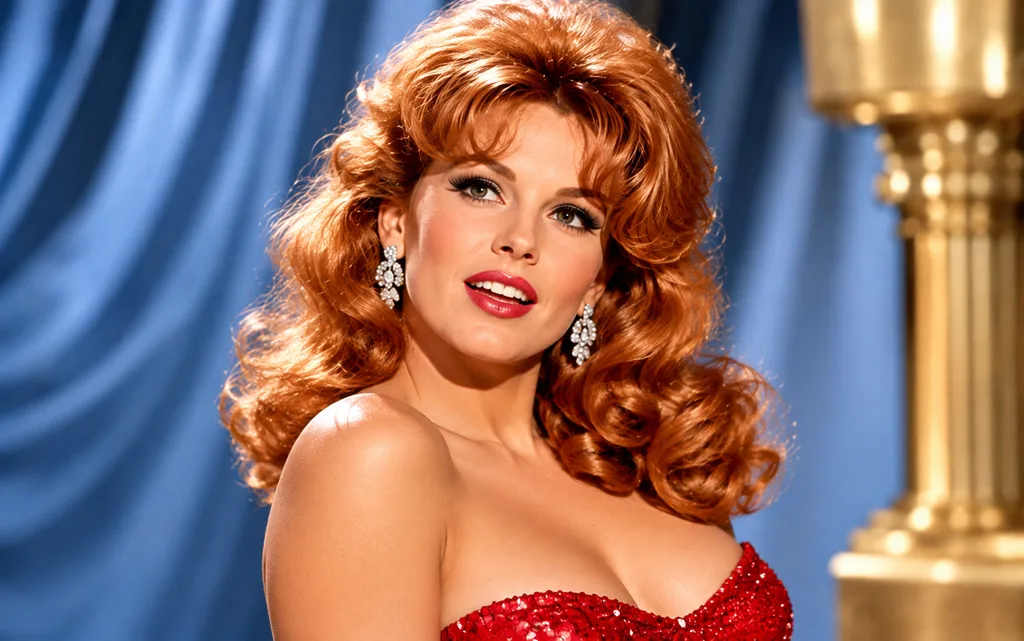
When Tina Louise joined Gilligan’s Island, she already had a particular understanding of the character she was being asked to play. In her recollection, the casting conversation suggested a glamorous personality inspired by the screen presence of Lucille Ball and Marilyn Monroe. That description gave her a clear creative direction. She understood Ginger as an entertaining, beautiful, movie-star-style character who could bring charm and humor to the weekly adventures. Louise later explained that the interpretation she initially encountered during filming did not match that expectation. This difference became one of the most important parts of her early experience on the series.
Louise was especially concerned about the idea of making Ginger an unpleasant person. She explained that she did not want to enter viewers’ homes every week portraying someone who behaved cruelly while wearing beautiful clothes. Her concern was not simply about appearance or glamour. It was about the personality audiences would be asked to welcome into their living rooms. She believed the character needed to be likable and entertaining. That distinction mattered to her because television characters can become familiar companions to viewers, especially when a program is watched regularly by families.
The distinction between a glamorous character and an unkind one may sound small, but it can completely change how an audience responds to a television personality. A confident, stylish character can still be funny, mischievous, and entertaining without becoming mean-spirited. Louise wanted Ginger to have that balance. Her understanding of the role was connected to the original description she had received, and she believed the character’s personality should support that concept. This was an important creative issue for an actress who wanted to protect the kind of performance she had agreed to deliver.
Her comments also reveal how much thought she gave to the audience experience. Louise believed that viewers should enjoy seeing Ginger appear on their screens rather than feel uncomfortable with the character’s behavior. The actress used the example of someone entering a family’s living room every week to explain why she objected to a nasty interpretation. It was a practical argument about the relationship between television characters and audiences. A show can contain conflict and comedy while still allowing its central personalities to remain appealing and recognizable.
The disagreement was not simply about making Ginger look beautiful. Costumes and appearance were part of the character, but Louise’s main concern was how Ginger behaved. A glamorous dress could not make an unpleasant personality automatically entertaining. She wanted the writing and direction to create a character whose humor came from charm and personality rather than hostility. That distinction helped define her understanding of Ginger Grant and explains why she was prepared to speak up when the early interpretation moved away from what she expected.
Looking back at Louise’s explanation, it becomes clear that her early concerns were rooted in the work itself. She wanted the role to be consistent with the creative description that had attracted her in the first place. Her comments also show that actors can have strong ideas about the characters they portray, particularly when they believe a change in interpretation could affect the entire tone of a program. Ginger Grant eventually became an enduring television personality, but Louise’s account reminds viewers that the character’s identity was shaped by discussions and decisions behind the camera.
2. Tina Louise Nearly Walked Away From The Show
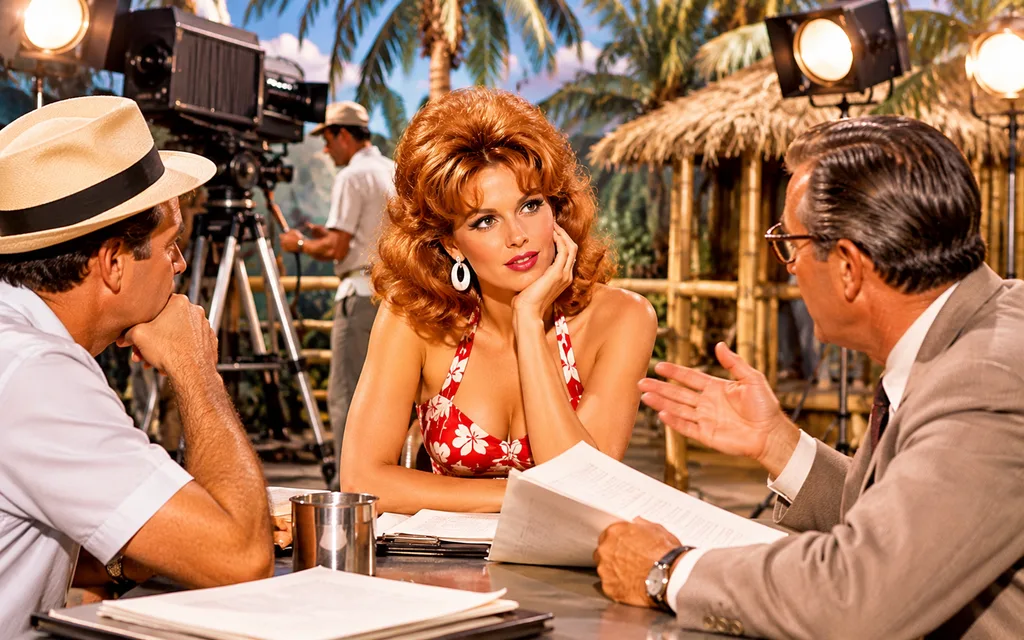
Louise’s early experience on Gilligan’s Island was not entirely smooth. She recalled that during the first month of filming, the director was guiding her toward a version of Ginger that did not match the description she had received during casting. The difference became serious enough that she considered leaving the production. For an actress accepting a new television role, the first weeks on set can establish how the character will be presented throughout the series. Louise felt that the direction she was receiving was taking Ginger in a direction she had never agreed to play.
Rather than quietly accepting the situation, Louise decided to raise her concerns. She wanted to speak with the people responsible for the production and explain why the character was not working for her. Her disagreement was focused on the way Ginger was being presented, not on whether the series deserved an audience. She believed the character should be a glamorous, entertaining personality rather than someone who treated others badly. The issue was important enough that she discussed it with the head of CBS, seeking a solution before the situation became permanent.
Louise described the CBS executive’s response as supportive. According to her account, she explained that the character was not supposed to be a nasty person dressed in a beautiful gown. She also reminded him that the original casting discussion had referred to a personality with qualities associated with Lucille Ball and Marilyn Monroe. Those examples helped communicate the kind of character she believed she had accepted. The discussion was an important moment because it showed that she was willing to defend her understanding of the role rather than simply follow a direction she felt was wrong.
Her comments also reveal the importance of communication between performers and production executives. Television characters are created through a combination of scripts, direction, acting choices, costumes, and editing. When those elements do not point in the same direction, an actor may feel that the original concept is being lost. Louise believed that Ginger’s personality needed to remain appealing if the show was going to work as a family comedy. Her willingness to explain that concern helped bring the disagreement into the open.
The early disagreement could have changed the direction of Louise’s career on the series. She said she was prepared to quit when she felt the character was moving away from the original concept. Instead, the conversation with CBS became part of the process that allowed her to continue. Her recollection is especially interesting because viewers generally see only the finished episodes, not the discussions that shape a character before the program reaches television. Behind the familiar performances are decisions that can determine how a role develops.
The story also demonstrates that a successful television production does not always begin with everyone agreeing about every creative choice. Actors may have different interpretations from directors, writers, or producers, and those differences can lead to important conversations. Louise’s experience shows that speaking up can be part of protecting a character’s identity. Her concerns were not about avoiding hard work or rejecting the series. They were about making sure Ginger remained the kind of personality she believed audiences would enjoy watching week after week.
3. Tina Louise Saw Herself As A Dramatic Actress
Before becoming closely associated with Ginger Grant, Louise had developed a professional identity that leaned toward dramatic acting. She explained that her first film, God’s Little Acre, was a serious project and that she had not originally thought of herself as a comedian. She was interested in acting as a craft and wanted opportunities to explore different kinds of performances. Her comments help explain why being identified primarily with a glamorous sitcom character could feel different from the career direction she had imagined. She saw herself as an actress with dramatic ambitions, not simply someone suited to one television personality.
Louise also discussed her connection to the Actors Studio and the Motion Picture Academy of Arts and Sciences. She recalled that actor Gregory Peck had signed a letter supporting her admission to the Academy after her work in God’s Little Acre. Those professional connections were meaningful to her because they reflected the serious approach she brought to acting. She wanted to continue working in dramatic projects after Gilligan’s Island ended. Her perspective helps explain why she sometimes seemed reluctant to discuss the sitcom as the defining achievement of her career.
Louise’s career included work across different forms of entertainment, including theater, film, and television. Before the sitcom, she had already appeared in serious screen projects and performed on Broadway. That background gave her a broader sense of what she wanted to achieve as an actress. She was not approaching Gilligan’s Island as someone who had always dreamed of becoming a sitcom star. Instead, the series was one opportunity within a career that had already included different experiences and ambitions.
Her comments are useful because they challenge the assumption that an actor must identify with the role audiences remember most. A performer can appreciate a famous character while still wanting to be recognized for other work. Television audiences often associate actors with a single successful show, especially when a series remains popular for decades. However, the person behind the role may have a much wider professional history. Louise’s reflections make clear that she wanted people to understand her as an actress whose interests extended beyond Ginger Grant.
After Gilligan’s Island ended, Louise continued to work in dramatic projects. That decision reflected her desire to keep exploring the kind of acting she had originally pursued. Her career was not limited to one television role, even though the sitcom became a major part of her public identity. The contrast between the character’s glamorous comedy and Louise’s interest in serious acting makes her story particularly interesting. It shows how a role can become famous while the actor continues to pursue different creative goals.
This distinction also helps explain why Louise’s relationship with the series has sometimes been misunderstood. A performer may not want to spend every interview discussing one character, even when that character is beloved by millions. That does not automatically mean the actor dislikes the show or regrets participating. In Louise’s case, her own comments show that she had specific creative concerns, professional ambitions, and a desire to continue doing dramatic work. Those details create a more complete picture than simply describing her as an actress who did not want to be remembered as Ginger.

4. Tina Louise Appreciates The Show’s Lasting Legacy
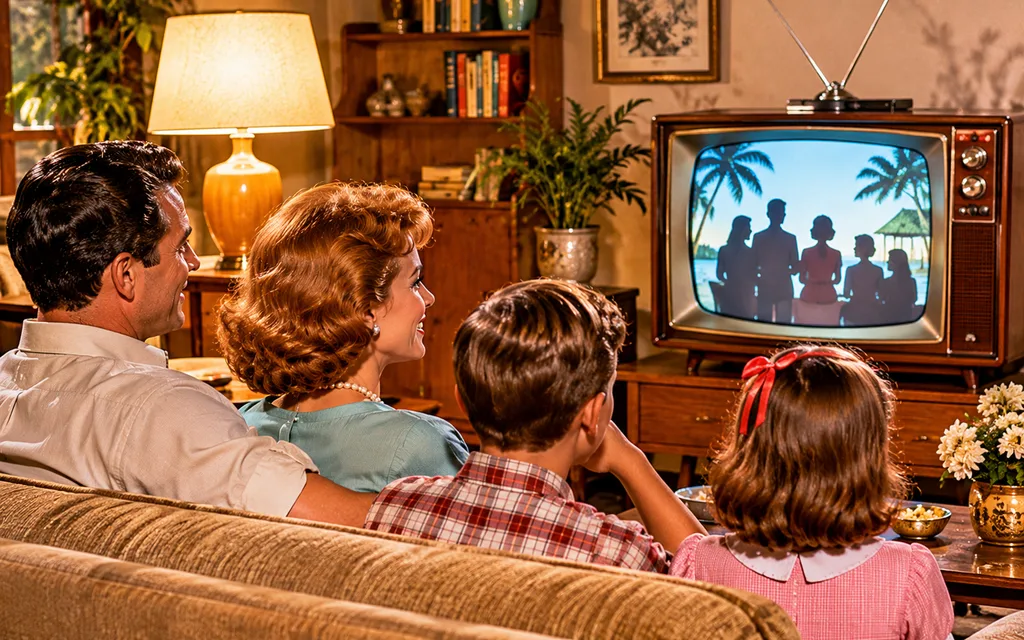
Although Louise had reservations about the early direction of Ginger Grant, she also acknowledged the affection viewers continued to show for Gilligan’s Island. She spoke about receiving letters from people who had watched the series with their parents and later introduced it to their own children. Those messages demonstrated how the program had become part of family viewing across generations. For an actress, hearing that a character remains meaningful to audiences long after the original broadcast can be a powerful experience. Louise recognized that the show had continued to reach people in ways that went beyond its initial television run.
She also described the role as a fun job, even though she had not fully understood what she was getting into when she accepted it. At the time, she was appearing in the Broadway production Fade Out – Fade In with Carol Burnett and was uncertain about joining a television series. The opportunity came after she was asked to replace another performer in the pilot. Her recollection shows that the sitcom was not necessarily a carefully planned destination in her career. It became an important part of her professional life through a combination of opportunity and circumstance.
The show’s continued popularity is one reason Ginger Grant remains so recognizable. Television programs that are repeated, streamed, or introduced to younger audiences can develop a life far beyond their original broadcast years. New viewers discover the characters without having experienced the period in which the show first aired. This creates a connection between generations, with parents and grandparents sharing familiar episodes with children. Louise’s comments about receiving letters from families reflect that continuing appeal and show why the series remains part of classic television conversations.
Her appreciation for the audience does not erase the disagreements she described from the early production period. Both things can be true: she could object to the initial direction of her character and still value the viewers who embraced the finished show. That is an important distinction when discussing her real thoughts. The relationship between an actor and a famous role is rarely a simple matter of either loving or disliking it. Professional experiences can include challenges, compromises, satisfaction, and gratitude at the same time.
Louise’s story also illustrates how a character can become larger than the original production. Ginger Grant is remembered for her glamorous appearance and place among the stranded passengers, but the role also became a familiar part of television history. Audiences continue to recognize the character even if they have not followed Louise’s entire career. The letters she described show that viewers often connect a television character with memories of watching the show alongside family members. That emotional connection can help explain why classic series remain popular long after their first release.
Ultimately, Louise’s own words suggest a more balanced view of Gilligan’s Island than some headlines might imply. She did not simply reject the series. She challenged an early interpretation of Ginger, wanted to preserve the character’s intended personality, and continued to appreciate the affection audiences showed. Her experience is a reminder that the story behind a beloved television role can be more complicated than the finished episodes suggest. For fans, hearing her perspective adds another layer to the legacy of a show that continues to find new viewers.
Conclusion: Tina Louise’s Ginger Grant Story Explained
Tina Louise’s reflections reveal that her experience on Gilligan’s Island involved much more than simply playing a glamorous television character. She had a clear idea of how Ginger Grant should be portrayed and was prepared to challenge the early direction when it did not match the role she believed she had accepted. Her conversation with CBS helped address those concerns, while her later comments showed that she understood the show’s lasting place in television history. She also remained clear about her own identity as an actress who wanted to pursue dramatic work beyond the sitcom.
Perhaps the most interesting part of Louise’s story is that her feelings were never just one thing. She could question the creative direction, value her wider acting career, and still appreciate the viewers who continued to enjoy Ginger Grant. Her own words offer a more complete picture of the actress behind one of classic television’s most recognizable characters. For longtime fans, that perspective makes revisiting Gilligan’s Island even more interesting.
Frequently Asked Questions
1. Did Tina Louise enjoy playing Ginger Grant?
Louise described the job as fun and said she appreciated the viewers who continued to enjoy the series. However, she also recalled having disagreements about the early direction of the character.
2. Why did Tina Louise almost quit Gilligan’s Island?
She said the director initially wanted to portray Ginger in a way that did not match the character described during casting. She objected to an interpretation that made Ginger unpleasant.
3. What kind of character did Tina Louise want Ginger to be?
Louise understood Ginger as a glamorous, entertaining personality with qualities inspired by Lucille Ball and Marilyn Monroe.
4. Did Tina Louise consider herself a comedian?
No. She explained that she originally saw herself more as a dramatic actress and wanted to continue doing serious acting work after the sitcom.
5. Did Tina Louise appreciate Gilligan’s Island fans?
Yes. She discussed receiving letters from viewers, including families who watched the series together across generations, and said she appreciated their affection for the show.
6. What did Tina Louise do after Gilligan’s Island?
She continued working in dramatic film and television projects, maintaining interests beyond the sitcom character that made her widely recognizable.
Editorial note: This article paraphrases Tina Louise’s publicly reported interview comments. It does not present invented dialogue as direct quotations or claim that she disliked the entire series.