How to Waterproof an Outdoor Canopy: 11 Easy Ideas for Better Rain Protection

Sudden storms shouldn’t end your backyard plans. This guide shows you how to waterproof an outdoor canopy with affordable products and smart upgrades that suit U.S. weather, from humid Southern summers to rainy Pacific Northwest seasons. For styling inspiration afterward, explore these outdoor patio ideas.
Start With a Silicone Spray Coat
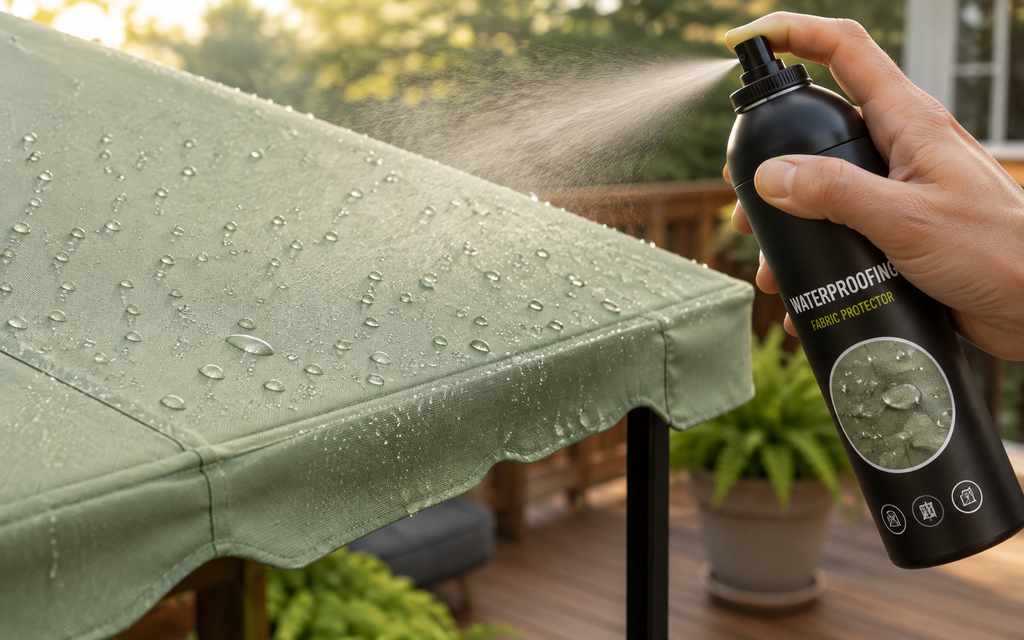
A silicone or fluoropolymer spray is the fastest way to revive a tired canopy. One afternoon restores water beading and helps the fabric shed rain instead of soaking it up.
Wash the fabric with mild soap, rinse thoroughly, and let it dry completely. Spray thin, overlapping passes on a calm day, then add a second coat after thirty minutes.
Reapply once or twice each season, especially after long summer sun. This simple diy waterproof canopy outdoor routine costs little and protects polyester, canvas, and acrylic tops alike.
Seal Every Stitch Line Before the Next Storm
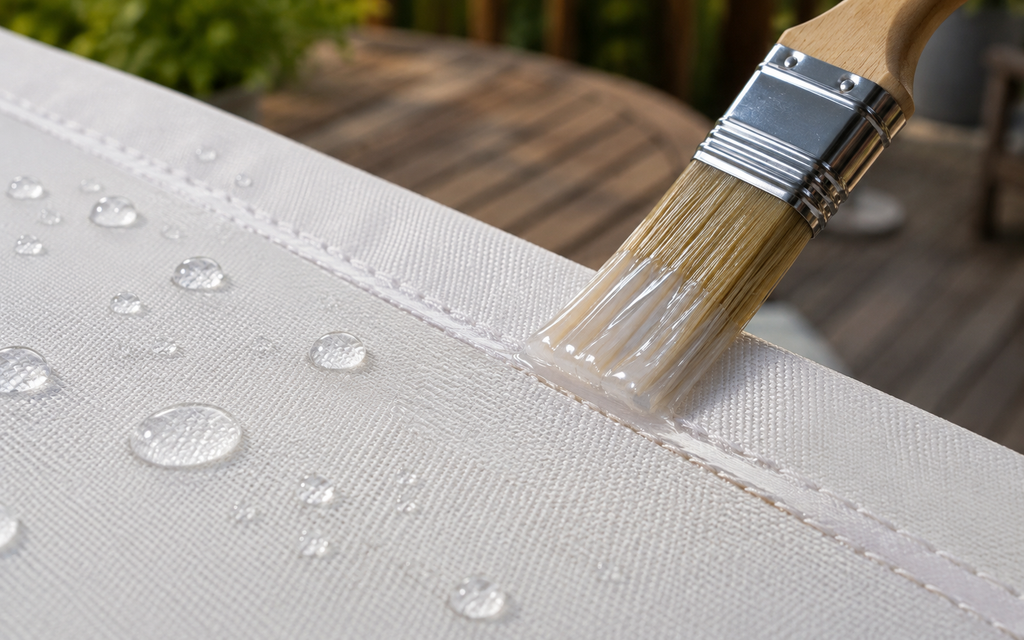
Needle holes along seams are where leaks usually begin. Even a high-quality fabric lets water creep through stitching, so sealing those tiny lines matters as much as coating the surface.
Choose a seam sealer made for outdoor fabrics, brush it along every stitched edge, and let it cure for the time listed on the label. Work with the canopy laid flat.
This step is essential when you waterproof an outdoor canopy that has sewn panels. Check the seams again each spring, and touch up any spots where the sealer looks cracked.
Upgrade to a PVC-Coated Polyester Top
Sometimes the smartest fix is a better fabric. PVC-coated or vinyl-coated polyester blocks rain far more reliably than basic uncoated polyester, which absorbs moisture and wears down faster.
Look for a hydrostatic rating of at least 1,000 millimeters, plus UV-resistant coating. Heavier fabrics add weight, so confirm your frame can support the new top safely.
An outdoor canopy waterproof fabric also resists mildew, one of the biggest headaches in rainy and humid states. Wipe it down occasionally, and it should last for many seasons.
Give Your Roof a Pitch So Water Runs Off
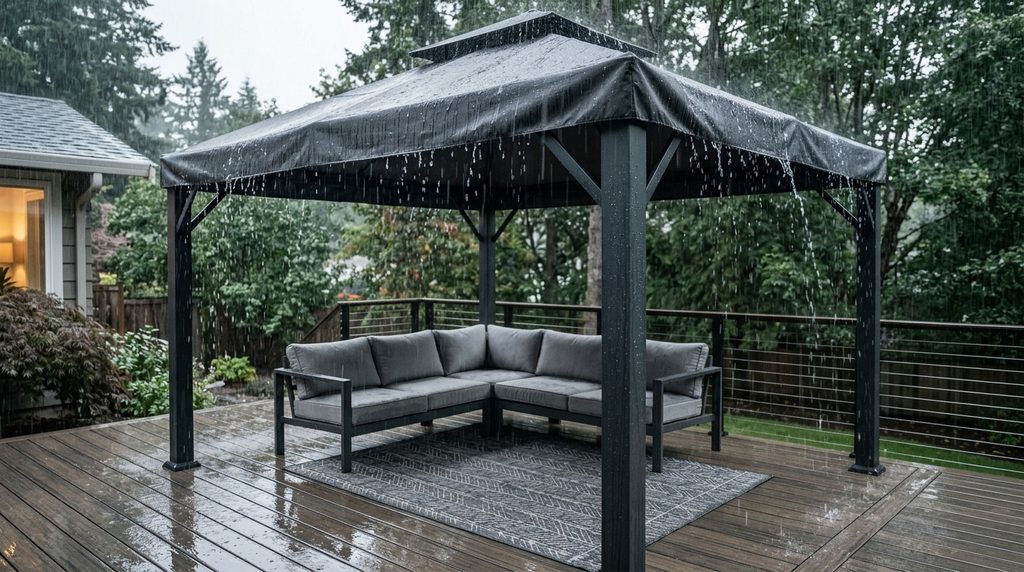
Pooling water is a canopy’s worst enemy. A flat or sagging top collects rain, stretches the fabric, and eventually leaks or collapses under the extra weight.
Raise one side of the frame a few inches, or adjust the legs, so the top slopes. A visible pitch lets water flow off naturally.
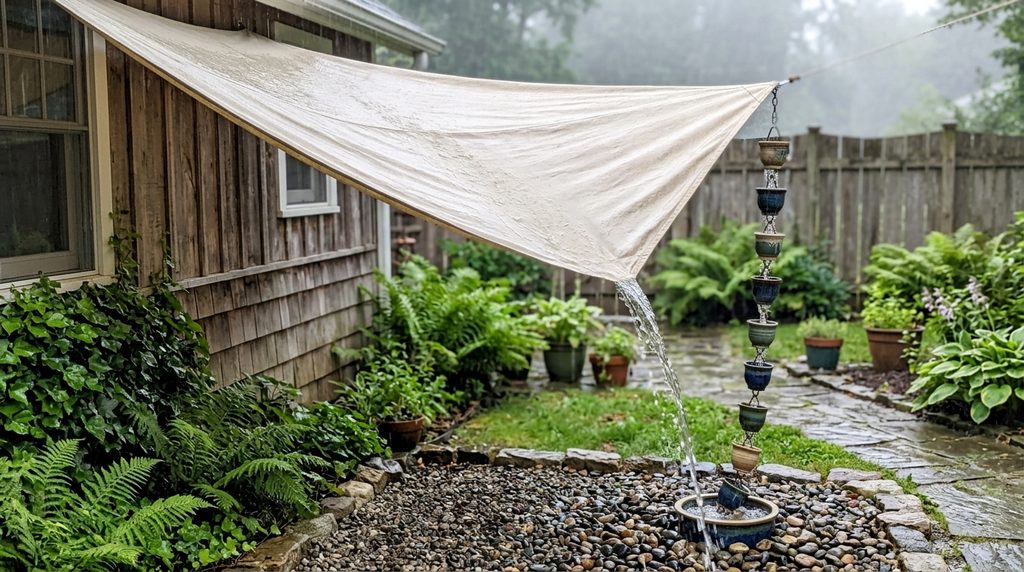
Pair the slope with a rain chain or a small drain channel at the low edge. Water lands where you want it, not on your guests or your seating area.
Choose a Retractable Pergola Canopy With Waterproof Fabric
A retractable pergola canopy waterproof outdoor system gives you sun on demand and shelter when clouds roll in. Slide the fabric out in seconds, with no ladder or heavy lifting.
Pick a PVC-coated or acrylic-coated fabric with welded seams and built-in drainage tracks. Quality systems guide water into the pergola’s side channels and away from your seating.
Professional installation costs more, but it adds lasting value. Check HOA rules and local permits first, since many U.S. cities treat attached pergolas as permanent structures.

Add a Drip Edge or Mini Gutter Along the Rim
Water running off a canopy often lands right where you walk or sit. A small gutter or drip edge catches it and sends it somewhere safer.
Lightweight aluminum or vinyl gutters clip onto many frames. Slope them slightly toward one corner, and connect a downspout or rain chain to guide the flow.
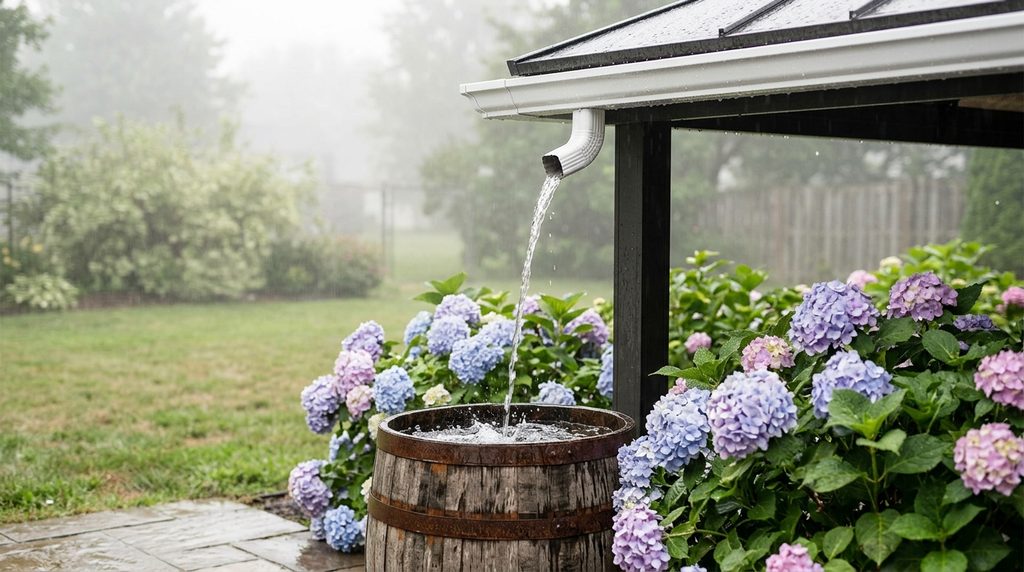
Redirect the water into a barrel or planter bed to reuse it for gardening. You’ll keep seating dry, reduce muddy patches, and make the whole setup look intentional.
Hang Clear Vinyl Side Panels for Wind-Driven Rain
Rain rarely falls straight down. Wind pushes it sideways under the roof, soaking cushions and guests even when the top is perfectly sealed.
Clear vinyl panels with zippers or roll-up straps block that blowing rain while keeping your view open. Heavy-gauge vinyl handles cold snaps better than thin plastic sheeting.
Leave a small gap near the top for airflow so condensation and mildew don’t build up. Roll panels up on dry days to keep the space fresh.

Layer a Heavy-Duty Tarp for a Budget DIY Fix
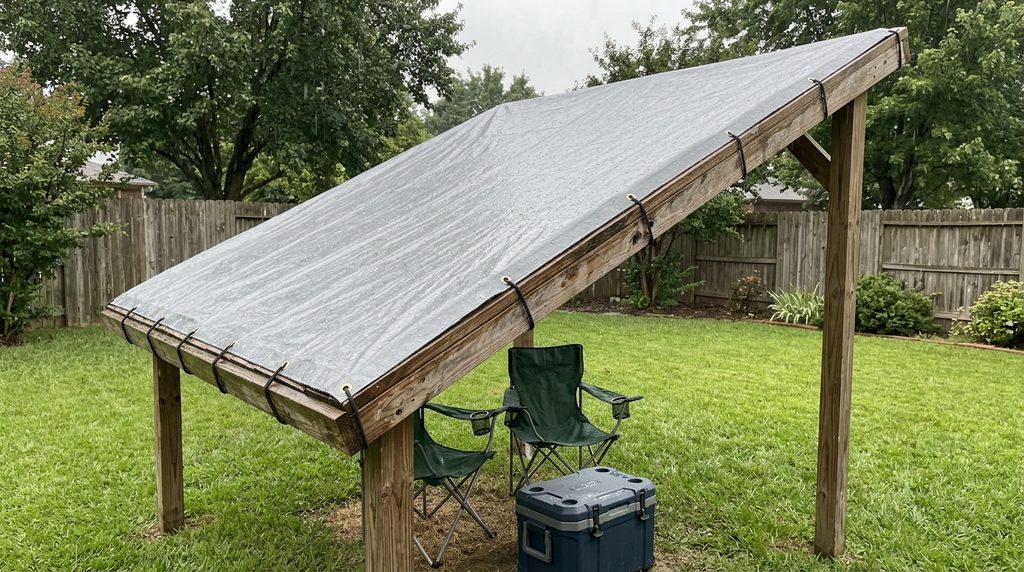
A quality tarp is the cheapest rain shield you can add. Choose a heavy polyethylene or vinyl tarp with reinforced grommets, and cut it a bit larger than your canopy top.
Stretch it tight with bungee cords and tilt it so water flows off one side. Slack tarps trap puddles, which quickly strain the frame below.
Keep the tarp temporary, since trapped moisture can encourage mildew on the fabric underneath. Remove it after storms, let everything dry, and store it flat.
Treat Canvas Tops With Wax or Water-Repellent Finish
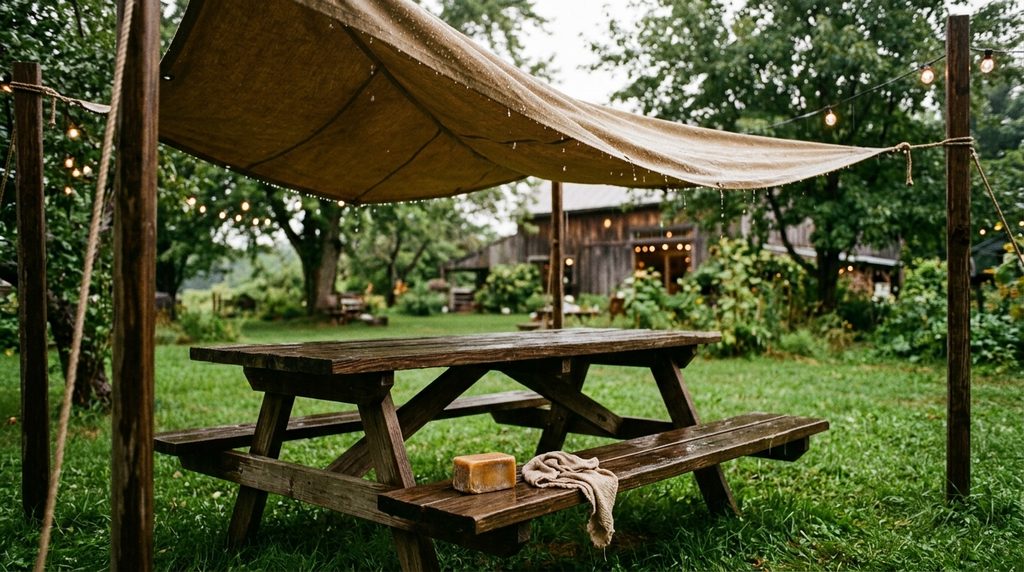
Natural canvas looks beautiful but absorbs water without help. A wax-based or water-repellent finish adds a protective layer while keeping the fabric’s earthy, breathable character.
Rub wax into the canvas, then warm it gently with a hair dryer so it melts evenly. Wipe away excess and let the top cure overnight before the next rain.
Retreat the canvas yearly, since wax wears off with weather and sun. Store it dry during winter to avoid mold, which ruins natural fibers quickly.
Fix Zippers, Velcro, and Corner Gaps
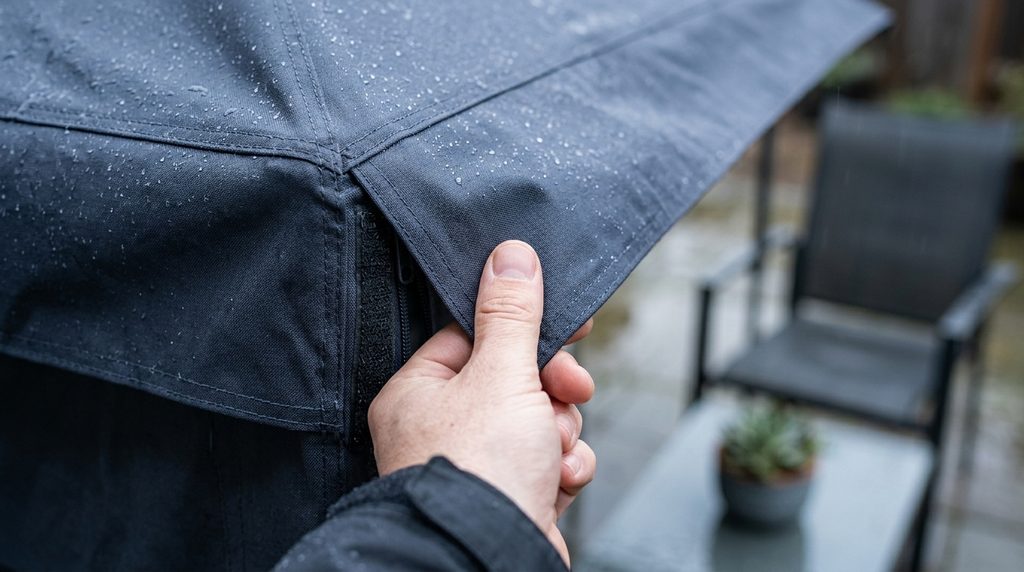
Even a well-coated canopy leaks around zippers, corner pockets, and closure flaps. These weak spots let water trickle in slowly and often go unnoticed until the cushions are damp.
Add storm flaps over zippers, replace worn Velcro, and apply a seam-grip product to frayed corners. Silicone lubricant keeps zippers moving smoothly and slightly improves their water resistance.
Inspect these details every month during rainy seasons. Small repairs take minutes, and they keep your waterproofing from failing at its most overlooked points.
Clean, Dry, and Store Your Canopy the Smart Way
Waterproofing only lasts if the fabric stays healthy. Dirt, mildew, and tree sap break down coatings, so a gentle cleaning routine protects your hard work.
Scrub with mild soap and a soft brush, rinse well, and dry fully in open air. Never fold or pack a damp canopy, since trapped moisture causes mildew within days.
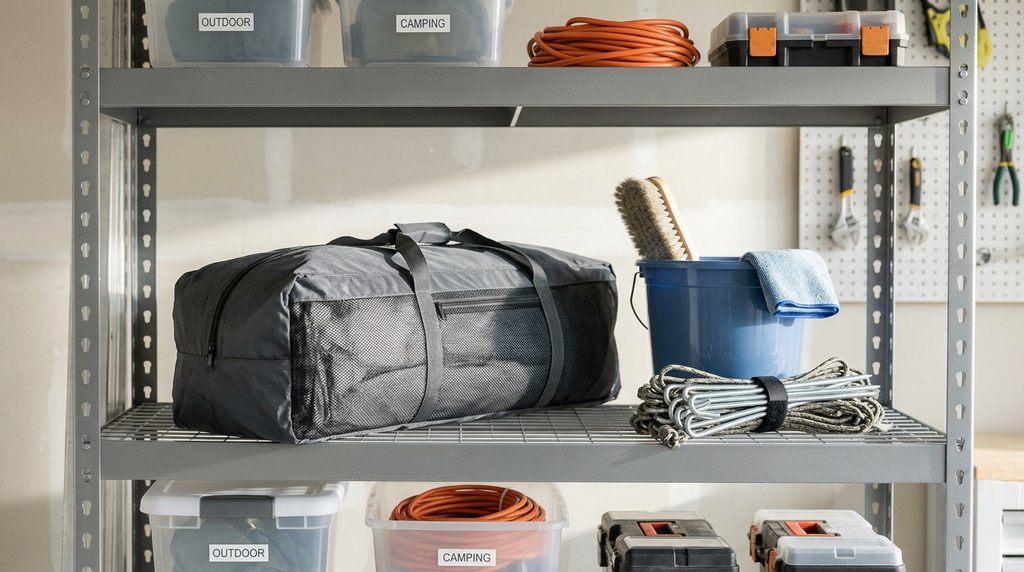
Store the top in a breathable bag in a cool, dry spot during winter. Retreat the fabric in spring, and you’ll start every season with rain protection that performs.
FAQs: Waterproof an Outdoor Canopy
Products and Materials
Can I use a regular fabric protector, like Scotchgard, on a canopy?
Yes, if the label says it’s safe for outdoor fabrics. Test a hidden corner first, apply in thin coats, and allow full drying time before the next rain.
What water-resistance rating should I look for on a canopy top?
Aim for a hydrostatic head of at least 1,000 millimeters for regular rain. Heavy-storm regions, like the Gulf Coast, benefit from higher ratings and welded seams.
Is a retractable pergola canopy fully waterproof?
Quality systems are highly water-resistant, but they aren’t sealed like a roof. Check the manufacturer’s rain and wind limits, and retract the fabric before severe storms.
Care and Safety
How often should I reapply waterproofing spray?
Most canopies need a fresh coat once or twice a year. Reapply sooner if water stops beading, which commonly happens after heavy sun or frequent rain.
Does waterproofing make a canopy more flammable?
Some sprays can affect a fabric’s fire resistance. Choose a product rated for your material, keep canopies away from grills and fire pits, and follow local safety rules.
Can I leave a waterproofed canopy up during winter?
Not usually. Snow and ice add heavy loads that can bend frames and tear fabric. Take light canopies down, or confirm a snow rating from the manufacturer.
Stay Dry and Enjoy Every Season
Now you know how to waterproof an outdoor canopy with a mix of sprays, sealers, smart slopes, and better fabrics. Start with the cheapest fixes first, then upgrade where your yard needs it.
Regular cleaning and quick repairs keep your rain protection strong all year. Browse more backyard shade ideas to pair your dry, cozy canopy with stylish seating and lighting.
When you’re ready to refresh the rest of your space, explore these backyard decor ideas for finishing touches that make rainy days feel inviting.