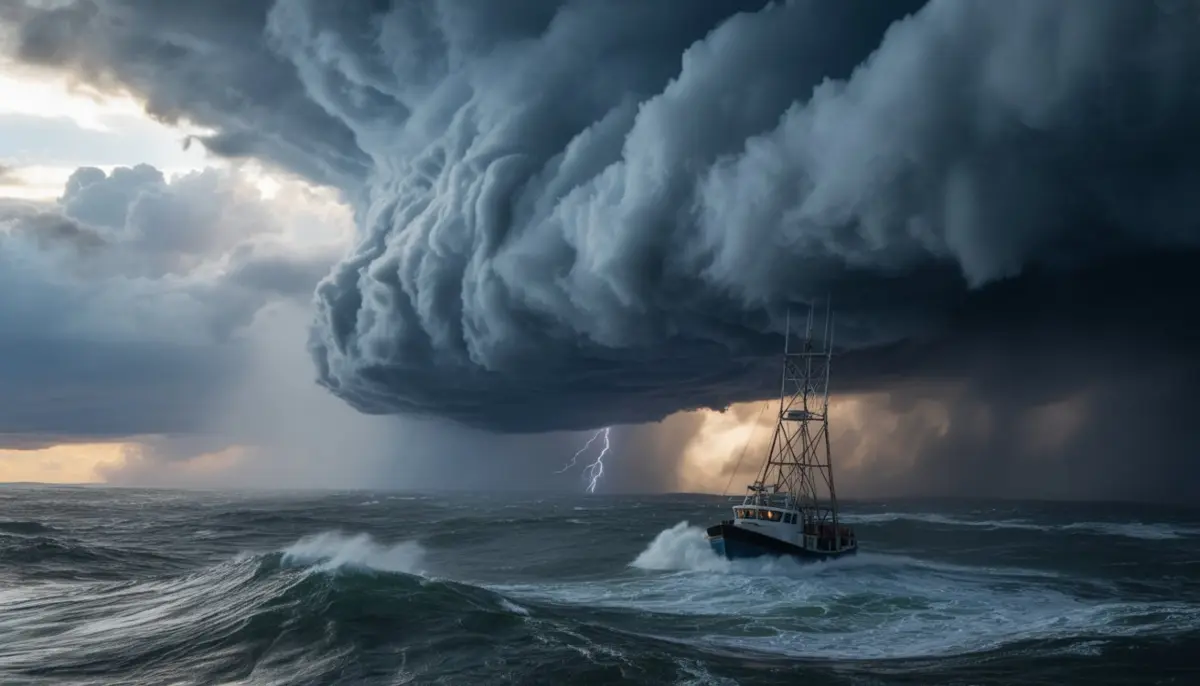
Who Is Jay Gardiner in Whalefall? Austin Abrams’ Terrifying Survival Story

Jay Gardiner is the central character in Whalefall, the 2026 survival thriller starring Austin Abrams. His story begins with a deeply personal mission connected to his father’s death, but it quickly turns into a terrifying fight for survival beneath the ocean. What starts as a difficult diving expedition becomes an extraordinary nightmare when Jay is swallowed by a massive sperm whale.
Directed by Brian Duffield, Whalefall combines underwater suspense, survival horror, and an emotional father-and-son story. The film is based on the novel of the same name by Daniel Kraus and features Josh Brolin as Jay’s father, Mitt Gardiner. Its central question is not simply whether Jay can escape the whale, but whether he can find the strength to keep living when everything seems lost.
Austin Abrams leads the film as a character facing physical danger and unresolved family pain at the same time. His journey takes viewers into an environment where oxygen is running out, escape routes seem impossible, and memories of the past become unexpectedly important.
1. Who Is Jay Gardiner in Whalefall?
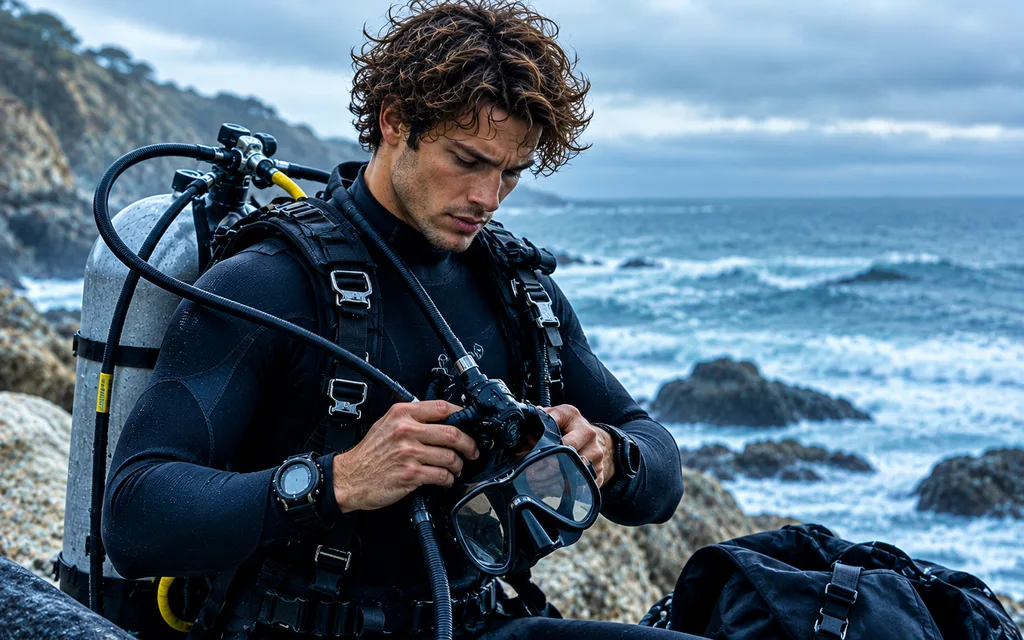
Jay Gardiner is the protagonist of Whalefall, portrayed by Austin Abrams. He is a diver whose personal life has been deeply affected by the death of his father, Mitt Gardiner. Rather than presenting Jay as a traditional action hero, the film introduces him as someone carrying emotional pain and complicated memories.
His decision to dive off the Central Coast of California is connected to his desire to recover his father’s remains. This mission gives the story a personal purpose before the terrifying survival situation begins. Jay is not simply exploring the ocean; he is attempting to deal with an unfinished chapter of his family life.
When a massive sperm whale swallows him, his mission changes completely. He must suddenly focus on staying alive in an environment that offers almost no obvious way out. His character becomes the emotional center of a story about fear, grief, determination, and the will to survive.

2. Austin Abrams Plays Jay Gardiner
Austin Abrams takes on the leading role of Jay Gardiner in Whalefall. The actor is known for appearing in projects such as Euphoria, Dash & Lily, and Weapons. His casting places him at the center of a demanding survival story that requires both emotional expression and physically intense scenes.
Jay’s situation gives Abrams an unusual acting challenge. Much of the story places the character in an isolated and dangerous environment, where physical reactions, facial expressions, and moments of panic become especially important. The character must communicate fear and determination even when the circumstances leave little room for ordinary conversation.
In an interview with Entertainment Weekly, Abrams discussed the physical demands of working on Whalefall. The production involved underwater sequences, climbing, and a specially constructed whale interior that allowed the actor to interact with the environment. These details help explain why the role required more than a conventional performance in front of a camera.

3. What Happens to Jay Gardiner Before the Whale Attack?
Before the central survival crisis, Jay is dealing with the death of his father. Mitt Gardiner was an influential figure in his life, but their relationship was complicated. The film uses this family history to establish why Jay’s diving mission carries such emotional weight.
Jay travels into the waters off California’s Central Coast searching for his father’s remains. His goal is personal rather than adventurous. He wants to bring something back for the family, giving the mission a connection to grief, memory, and the desire for closure.
The expedition also places Jay in an environment where preparation and judgment matter. The ocean is unpredictable, and even experienced divers must respect its dangers. Jay’s personal motivations eventually lead him into a situation far beyond the ordinary risks of a diving trip.
4. The Father-and-Son Relationship Behind the Story
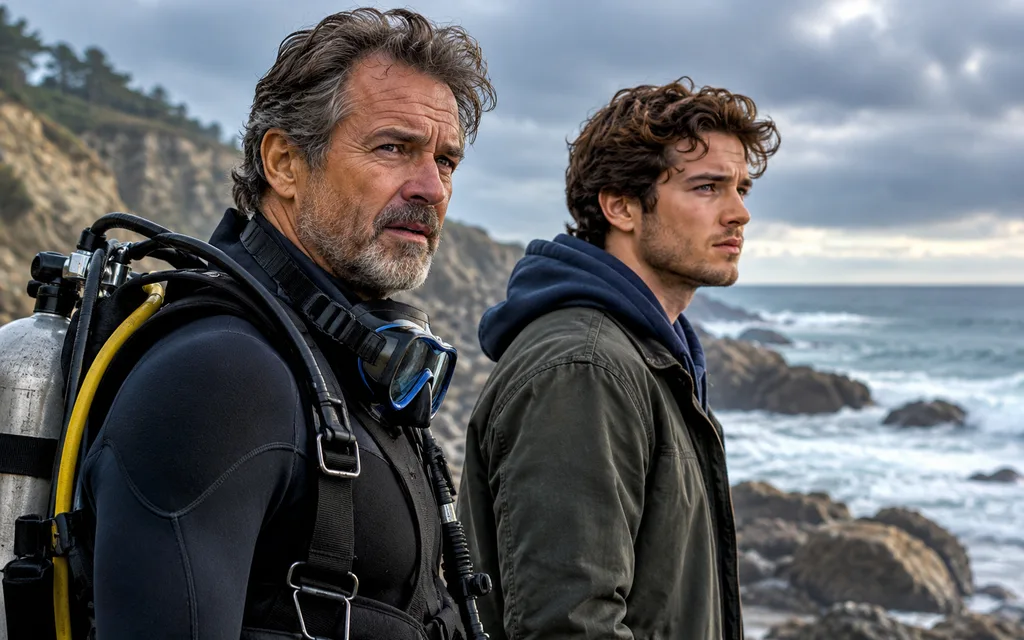
Mitt Gardiner, played by Josh Brolin, is central to understanding Jay’s character. Their relationship is not presented as a simple story of a loving father and grateful son. Instead, the film explores a difficult family connection shaped by strong personalities, emotional wounds, and expectations.
Mitt’s knowledge of the ocean influenced Jay’s upbringing. His experience as a diver provided lessons that could become useful during dangerous situations. However, the emotional side of their relationship is more complicated, and Jay must confront memories that are not always comforting.
The father-and-son connection gives Whalefall a deeper emotional foundation. As Jay struggles to survive, memories of Mitt become part of the story’s progression. The film asks viewers to consider how a parent’s lessons can continue influencing a child long after the relationship has ended.
5. How Does Jay End Up Inside a Giant Sperm Whale
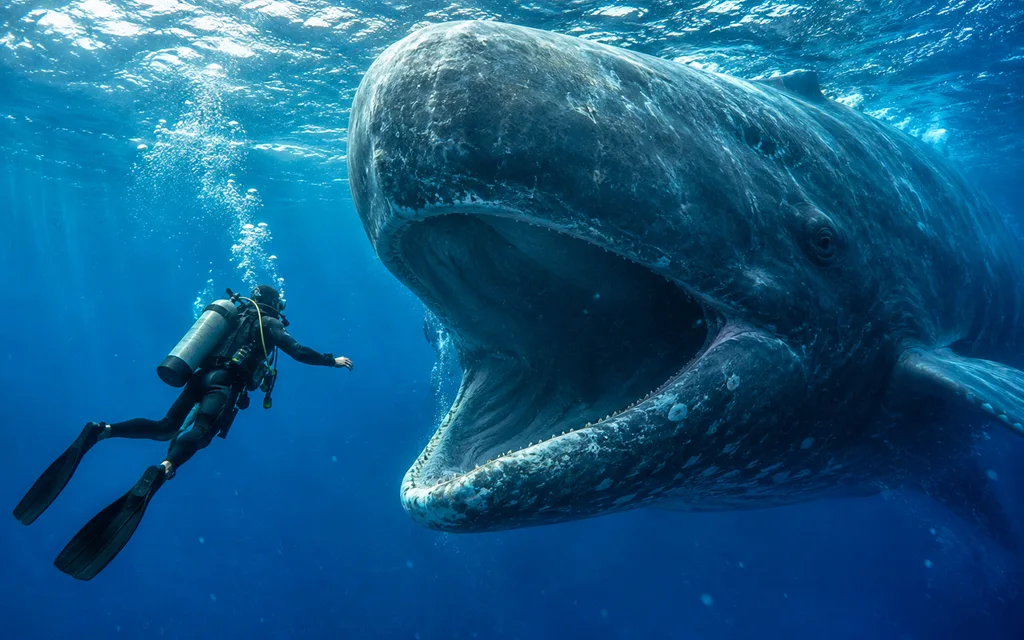
Jay’s diving expedition takes an unimaginable turn when a massive sperm whale swallows him. The event transforms the film from a personal underwater journey into a desperate survival thriller. The creature is so enormous that Jay finds himself trapped inside its body with no straightforward route back to the surface.
The situation is especially frightening because Jay cannot simply swim away. His surroundings are unfamiliar, dark, unstable, and dangerous. Every movement becomes a challenge, and he must understand his environment while dealing with the possibility that his oxygen supply will not last long enough.
The whale encounter is the central high-concept idea behind the film. Rather than relying only on a monster appearing from the darkness, Whalefall uses the trapped-diver situation to create claustrophobic suspense. Jay’s struggle becomes a race against time in a place where ordinary survival instincts may not be enough.
6. Why Does Jay Have Only One Hour of Oxygen?
One of the most important details in Whalefall is Jay’s limited oxygen supply. After being swallowed, he has approximately one hour of oxygen left. This restriction creates an immediate deadline and makes every decision more important.
The oxygen limit changes the way viewers experience the story. Jay cannot spend unlimited time examining his surroundings or waiting for a rescue. He must think quickly, manage his remaining resources, and search for a possible escape before his supply runs out.
The ticking-clock element also increases the emotional tension. Every obstacle threatens to consume precious time, while every small discovery could offer another possibility. Jay’s struggle is therefore about more than finding an exit. It is about making the best possible decisions under extreme pressure.
7. What Is It Like Inside the Whale in Whalefall?
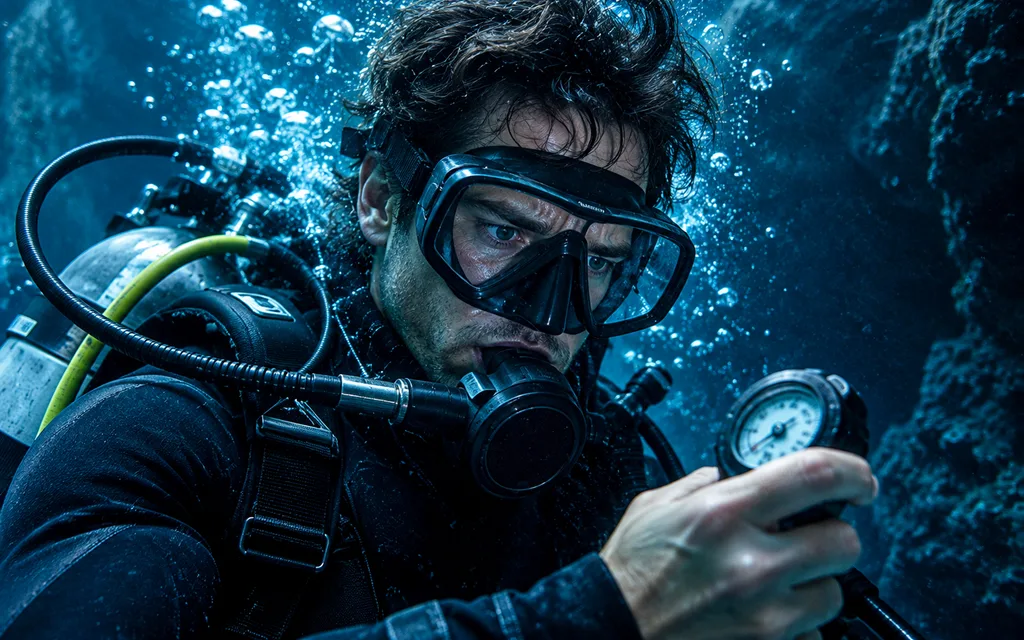
The whale’s interior becomes one of the film’s most unusual settings. Instead of showing Jay in an ordinary underwater location, the story places him in a confined biological environment where the surfaces, movement, and lack of space create constant challenges.
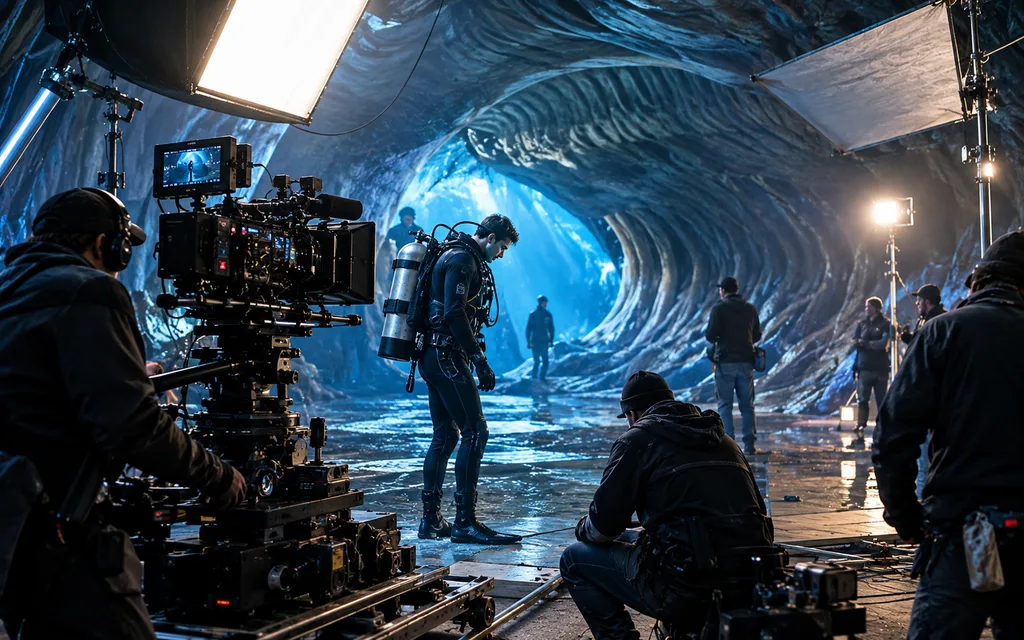
The production team built a detailed whale interior for the film. According to Abrams’ interview with Entertainment Weekly, the set was large enough for performers to enter and interact with it, while crew members could move parts of the environment during filming. This practical construction helped create a physical space for the survival sequences.
The result is a setting that feels both enormous and claustrophobic. Jay may be inside a gigantic animal, but his immediate world is restricted and difficult to navigate. The contrast between the whale’s immense size and Jay’s limited freedom helps give the film its distinctive visual identity.
8. How Do Mitt’s Lessons Help Jay Survive?
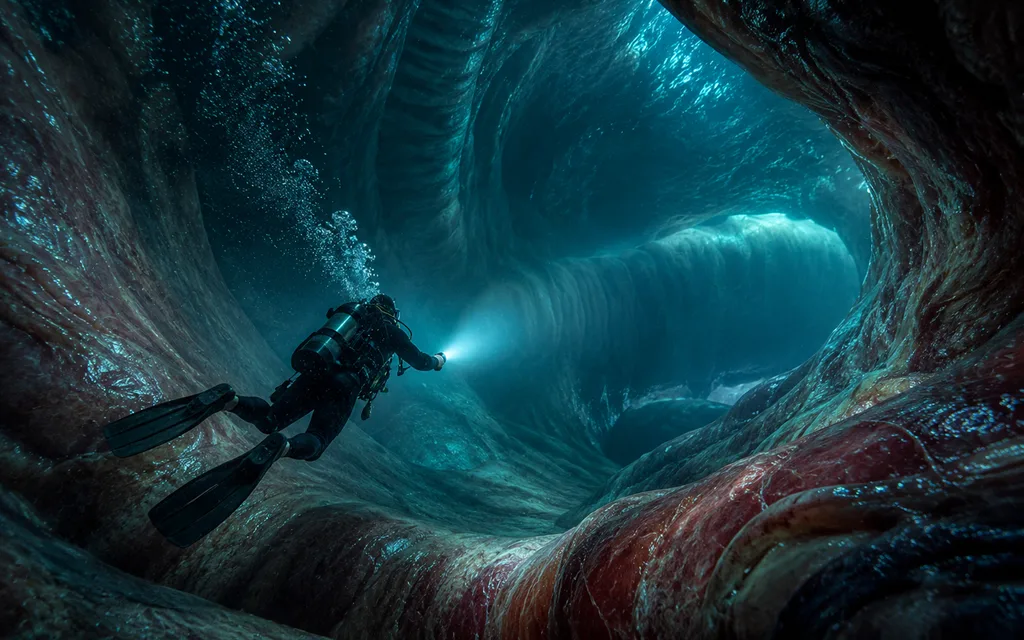
Jay’s memories of his father become important during his struggle. Mitt taught him about diving and the ocean, and those lessons are connected to the skills Jay needs when his situation becomes increasingly dangerous.
The film uses memories and flashbacks to connect the present crisis with the past. Instead of treating the whale encounter as a completely separate adventure, the story brings Jay’s family history into the survival narrative. His father’s influence continues to shape his decisions even after Mitt’s death.
This creates an interesting emotional conflict. Jay must draw on knowledge from someone with whom he had a difficult relationship. The lessons that once carried emotional complications may now offer practical value. His journey becomes a process of understanding what he learned from his father and deciding how to use it.
9. Jay Gardiner’s Fight Against Fear and Panic
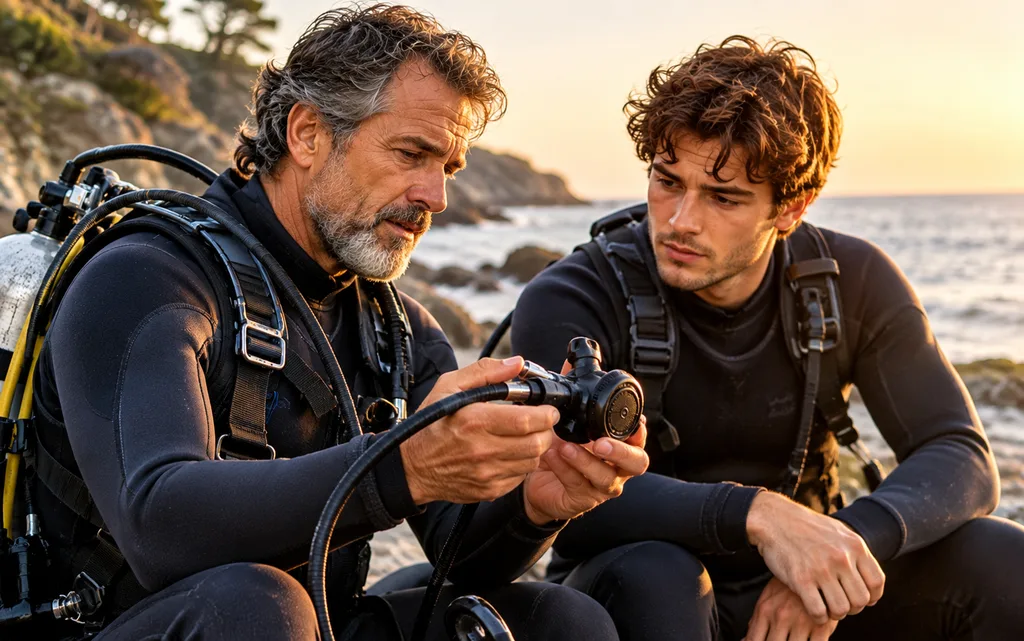
Physical survival is only one part of Jay’s challenge. Being trapped inside a whale creates an environment where fear and panic could make an already dangerous situation even harder to manage. He must attempt to remain focused while facing unfamiliar surroundings and a rapidly approaching oxygen deadline.
The film’s confined setting helps communicate the psychological pressure of the situation. Jay cannot see an ordinary route to safety, and each new obstacle creates another reason to lose hope. The audience experiences the uncertainty alongside him as he searches for a way forward.
His struggle also gives the character room to change. Jay begins the story carrying grief and unresolved feelings, but the survival crisis forces him to concentrate on the present. The need to stay alive becomes a powerful reason to confront the emotions he has been avoiding.
10. Who Are the Other Important Characters in Whalefall?
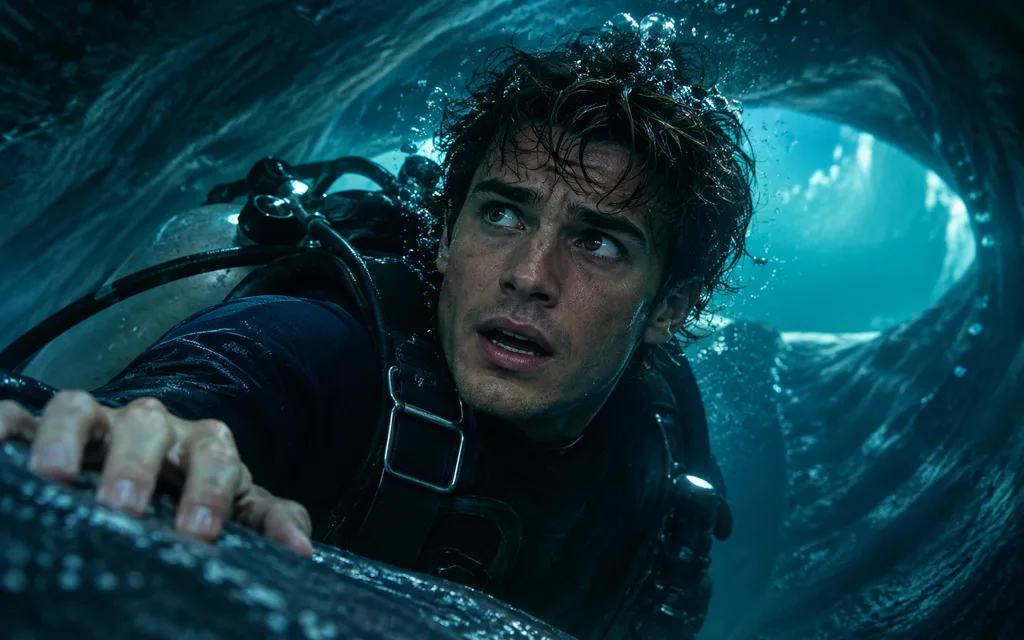
Although Jay is the central character, Whalefall includes several supporting characters who help establish his family history and personal world. Josh Brolin plays Mitt Gardiner, whose influence remains important throughout the story. His character appears in connection with Jay’s memories and their complicated relationship.
Elisabeth Shue plays Zara Gardiner, Jay’s mother. Jane Levy and Emily Rudd appear as Eva and Nan Gardiner, Jay’s sisters. Their presence helps show that the consequences of Mitt’s death extend beyond Jay and affect the entire family.
John Ortiz also appears as Hewey, while the cast includes other supporting performances. These characters help create the wider world around Jay’s personal mission. The emotional background makes the survival crisis feel connected to a family rather than simply a single diver facing an extraordinary accident.

11. Is Whalefall Based on a True Story or a Book?
Whalefall is based on the novel of the same name by author Daniel Kraus. It is a fictional survival story rather than a direct account of Jay Gardiner or a documented real-life incident. The film adapts the novel’s unusual premise for a cinematic audience.
The book and film share the central idea of a diver being swallowed by a massive whale and facing a desperate struggle to escape. The story also uses the survival situation to explore the relationship between a father and son, giving the unusual premise a more personal emotional foundation.
The movie’s production brings the fictional environment to life through practical set construction and visual effects. Director Brian Duffield worked with Daniel Kraus on the screenplay, connecting the original literary story with the film’s visual and dramatic approach.
12. Who Directed Whalefall and When Was It Released?
Whalefall was directed by Brian Duffield, who also co-wrote the screenplay with Daniel Kraus. The film brings together survival suspense, underwater adventure, and family drama within a single story. Its unusual premise gave the production team the opportunity to build a distinctive cinematic environment.
The movie was released in theaters on October 16, 2026, by 20th Century Studios. Its official classification is PG-13, and its listed runtime is approximately one hour and 46 minutes. The production features Austin Abrams, Josh Brolin, Elisabeth Shue, John Ortiz, Jane Levy, and Emily Rudd.
The film’s theatrical presentation is designed to make the underwater environment feel immersive. Its large-scale whale sequences, confined interior setting, and sound design all contribute to the tension. These production elements help turn a story centered on one trapped diver into a cinematic survival experience.
13. What Makes Jay Gardiner’s Story So Emotional?
Jay’s story is about more than being swallowed by a whale. Beneath the suspense is a character dealing with loss, family conflict, and the difficulty of finding closure after a complicated relationship. The survival situation forces him to reconsider what his father meant to him.
The ocean setting adds another layer to the story. It represents danger and uncertainty, but it also connects Jay to the lessons and memories he inherited from Mitt. The same environment that creates his greatest threat is also tied to the knowledge that may help him survive.
This combination of physical suspense and emotional storytelling is what makes the character interesting. Jay is not simply trying to escape a dangerous animal. He is also struggling to understand his past and find a reason to continue. His journey gives the film a human center beneath its extraordinary survival premise.

Conclusion: Why Jay Gardiner’s Whalefall Story Is Worth Watching
Jay Gardiner is at the heart of Whalefall, a survival thriller that combines a frightening underwater situation with a complicated family story. Austin Abrams plays a diver whose search for his father’s remains turns into an extraordinary fight for life inside a giant sperm whale.
The film’s one-hour oxygen deadline, unusual setting, and dangerous obstacles create the suspense. At the same time, the relationship between Jay and Mitt gives the story an emotional dimension that goes beyond the usual survival adventure. Memories of his father become part of Jay’s struggle to find a way out.
For viewers interested in survival thrillers, ocean adventures, and character-driven drama, Jay Gardiner’s story offers an unusual combination. Whalefall asks what a person can discover about themselves when survival becomes the only immediate priority—and when the lessons of the past suddenly matter more than ever.