Cleaning Hacks That Make Your Home Sparkle in Minutes 2026

Introduction
Cleaning. It’s not anyone’s favorite activity. But a clean home feels good, smells good, and makes you feel good.
What if cleaning could be faster? Easier? Even satisfying?
The right cleaning hacks can transform your cleaning routine from a dreaded chore to something you can knock out in minutes. These aren’t complicated techniques requiring special skills. They’re simple, clever tricks using common household items that solve specific cleaning problems.
In this guide, I’ll share 15 cleaning hacks that actually work. No gimmicks. No expensive products. Just smart solutions for a cleaner home.
Let’s get started.
1. Vinegar and Baking Soda for Clogged Drains
Before you call a plumber, try this natural drain cleaner. It’s cheap, safe, and effective for minor clogs.
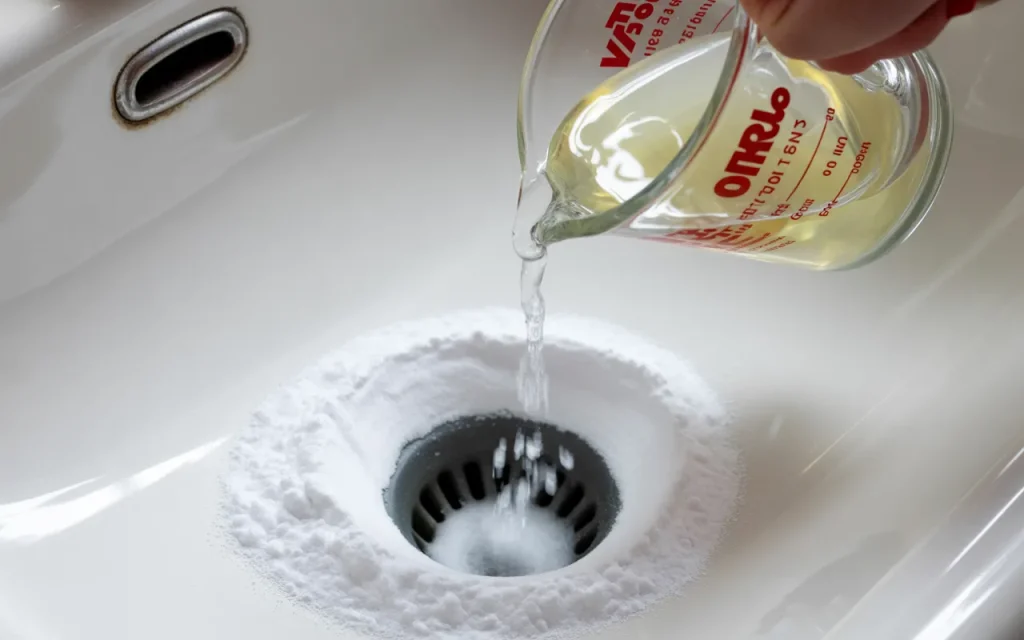
How to do it: Pour 1/2 cup of baking soda down the drain. Follow with 1/2 cup of white vinegar. Cover the drain and let it fizz for 15 minutes. Flush with boiling water.
Why it works: The chemical reaction between vinegar and baking soda creates pressure and fizz that breaks down grease, soap scum, and minor clogs.
2. Dryer Sheets for Baseboards
Baseboards collect dust and static. Dryer sheets are the perfect tool for cleaning them.
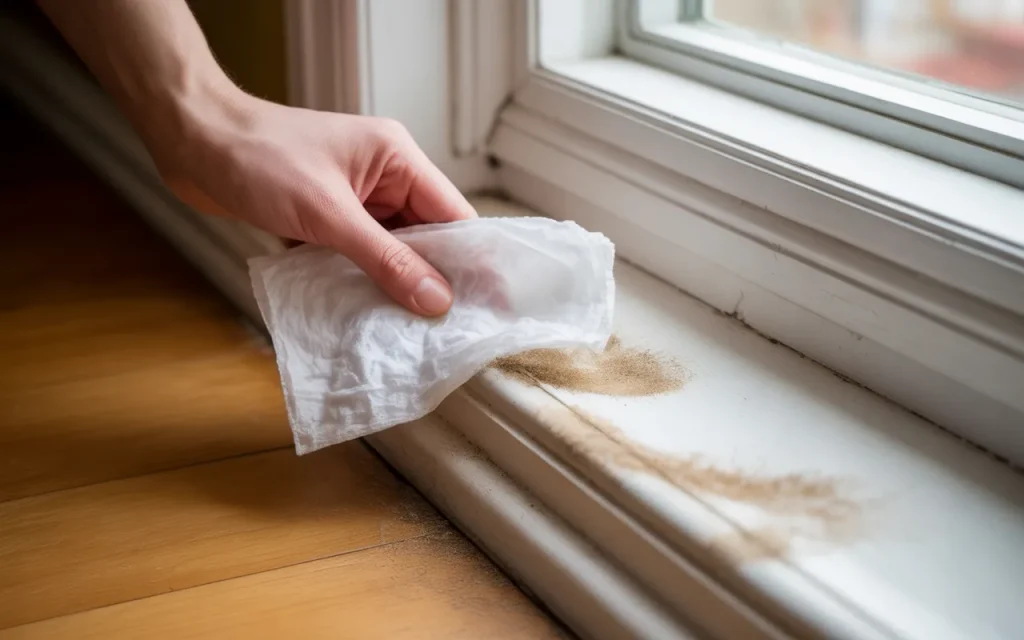
How to do it: Grab a used dryer sheet. Wipe along your baseboards. The sheet picks up dust and the anti-static properties help repel future dust.
Why it works: Dryer sheets are designed to reduce static. They attract dust instead of just pushing it around.
3. Lemon for Microwave Odors
A dirty, smelly microwave is unpleasant. This hack cleans and deodorizes in minutes.
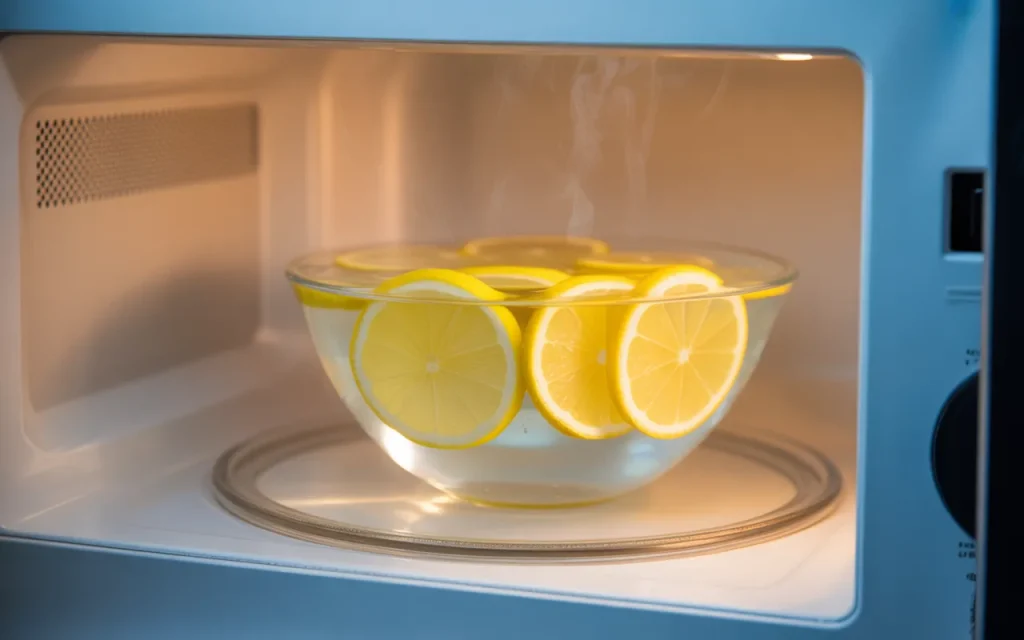
How to do it: Slice a lemon and place it in a microwave-safe bowl with 1 cup of water. Microwave for 3-5 minutes until the water boils and steams. Let it sit for 5 minutes, then wipe the interior clean.
Why it works: The steam loosens baked-on food. The lemon cuts grease and leaves a fresh scent.
4. Magic Eraser for Scuff Marks
Magic erasers (melamine foam) are incredible for removing scuff marks from walls, baseboards, and floors.
How to do it: Wet the magic eraser and wring out excess water. Gently rub scuff marks. They’ll disappear with minimal effort.
Why it works: Melamine foam acts like super-fine sandpaper. It lifts marks without damaging most surfaces. Test on a small area first.
5. Dish Soap and Vinegar for Shower Doors
Soap scum on glass shower doors is stubborn. This homemade cleaner cuts through it.
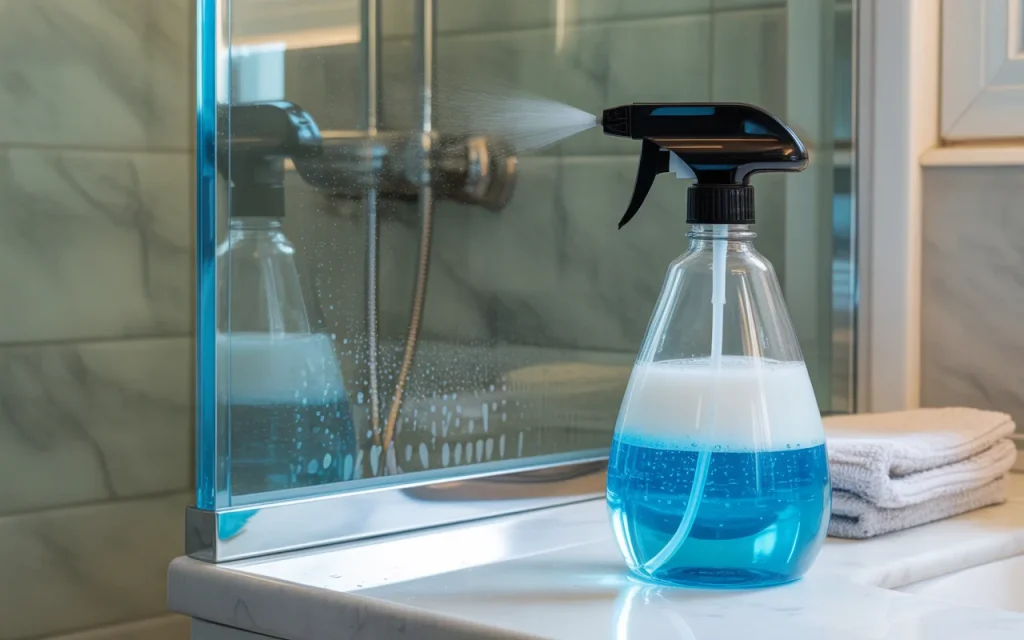
How to do it: Mix equal parts blue dish soap and white vinegar in a spray bottle. Spray on shower doors, let sit for 10 minutes, then scrub and rinse.
Why it works: Dish soap breaks down soap scum. Vinegar dissolves hard water deposits. Together, they’re unstoppable.
6. Ketchup for Tarnished Copper
Ketchup isn’t just for fries. It’s also a powerful copper cleaner.
How to do it: Squeeze ketchup onto tarnished copper. Let it sit for 10-15 minutes. Rub with a soft cloth, then rinse and dry.
Why it works: The acid in tomatoes dissolves tarnish. It’s a safe, non-abrasive cleaner for copper.
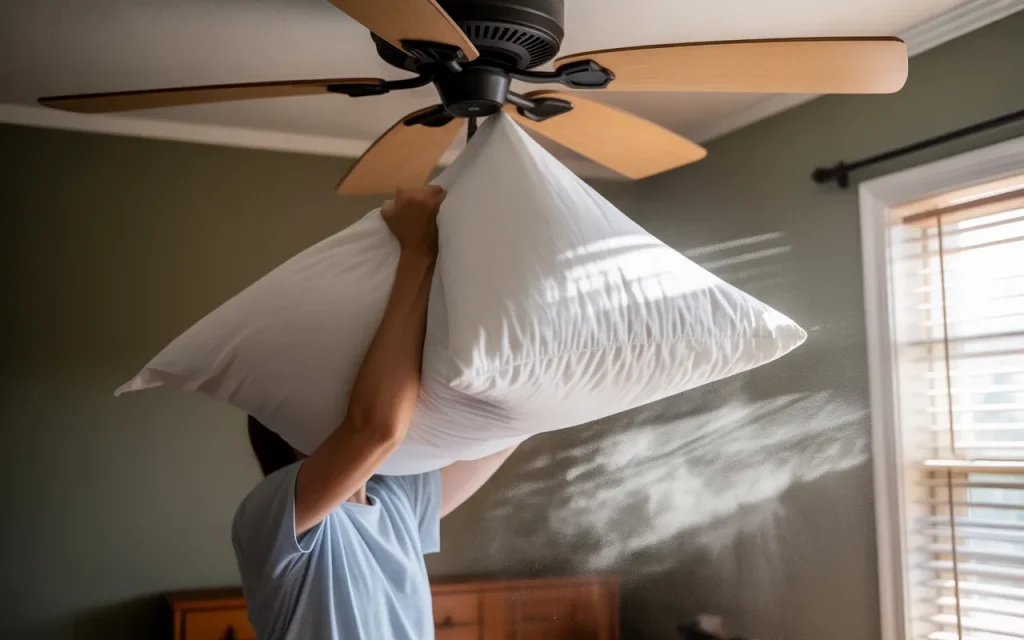
7. Pillowcase for Ceiling Fans
Ceiling fans spread dust everywhere when cleaned. This hack contains the mess.
How to do it: Slip an old pillowcase over each fan blade. Pull it off, trapping dust inside. No dust falls on your floor.
Why it works: The pillowcase contains the dust instead of spreading it around the room.
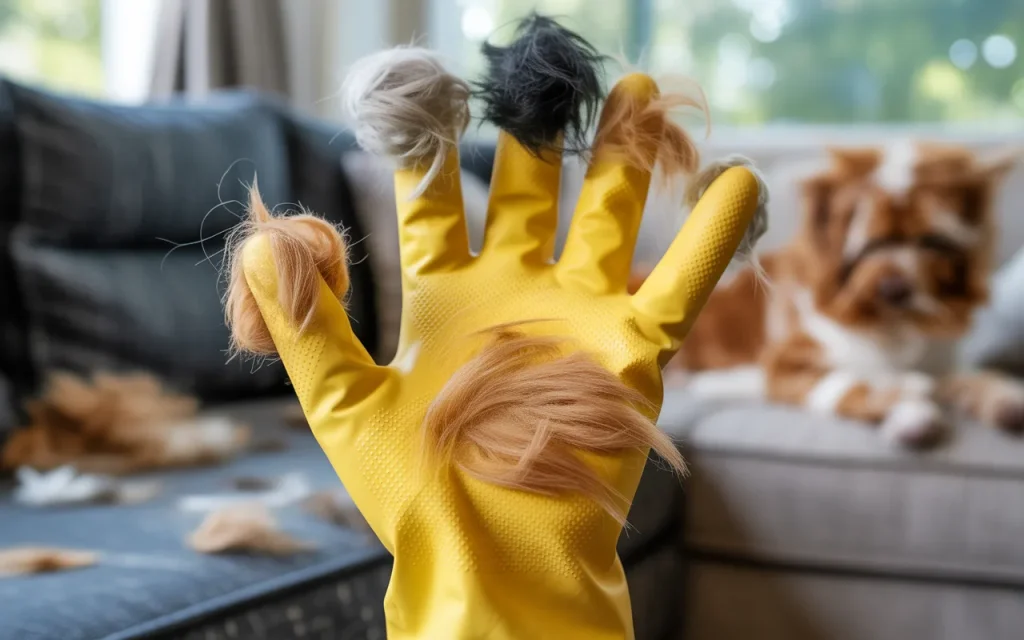
8. Rubber Gloves for Pet Hair
Pet hair clings to everything. Rubber gloves make removal easy.
How to do it: Put on rubber gloves. Dampen them slightly. Run your hand over upholstery, carpet, or clothing. The hair will stick to the gloves.
Why it works: Static electricity from the rubber attracts pet hair. It’s faster than a lint roller for large areas.
9. White Vinegar for Glass Streaks
Glass cleaner often leaves streaks. White vinegar is a streak-free alternative.
How to do it: Mix equal parts white vinegar and water in a spray bottle. Spray on glass, wipe with a microfiber cloth or crumpled newspaper.
Why it works: Vinegar cuts through grease and evaporates without leaving residue. Newspaper leaves no lint.

10. Baking Soda for Carpet Stains
Carpet stains are stressful. Baking soda can lift them without harsh chemicals.
How to do it: Sprinkle baking soda over the stain. Spray with a mixture of equal parts white vinegar and water. Let it fizz, then blot with a clean cloth. Repeat as needed.
Why it works: Baking soda absorbs odors and lifts stains. The vinegar helps break down the stain.
11. Rubbing Alcohol for Stainless Steel
Stainless steel appliances show every fingerprint. Rubbing alcohol makes them shine.
How to do it: Dampen a microfiber cloth with rubbing alcohol. Wipe stainless steel surfaces. They’ll be streak-free and fingerprint-resistant.
Why it works: Rubbing alcohol cuts through grease and evaporates quickly, leaving no streaks.
12. Coffee Filter for Electronics
Paper towels leave lint on screens. Coffee filters are lint-free.
How to do it: Use a coffee filter to clean phone screens, computer monitors, and TV screens. They won’t scratch or leave fibers behind.
Why it works: Coffee filters are soft, lint-free, and the perfect size for screen cleaning.
13. Pumice Stone for Toilet Rings
Hard water rings in toilets are tough to remove. A pumice stone does the job.
How to do it: Wet the pumice stone. Gently scrub the ring. The stone will wear away the mineral deposit without scratching the porcelain.
Why it works: Pumice is softer than porcelain but harder than mineral deposits. It removes the ring without damaging the surface.
14. Ice Cubes for Garbage Disposal
A smelly garbage disposal needs cleaning. Ice cubes sharpen the blades and knock off buildup.
How to do it: Drop a handful of ice cubes into the disposal. Add a few lemon peels. Run the disposal with cold water. The ice cleans, the lemon freshens.
Why it works: Ice knocks off stuck food. Lemon peels clean and deodorize.
15. Squeegee for Carpet Edges
The edges of carpets near baseboards collect dust that vacuums miss. A squeegee solves it.
How to do it: Run a rubber squeegee along the edge of your carpet. It will pull up dust and pet hair that the vacuum left behind.
Why it works: The rubber edge reaches into the crevice between carpet and baseboard. It lifts debris the vacuum can’t reach.

Cleaning Hack Comparison Table
| Hack | Best For | Time | Cost |
|---|---|---|---|
| Vinegar & Baking Soda | Clogged drains | 15 minutes | $ |
| Dryer Sheets | Baseboards | 5 minutes | $ |
| Lemon | Microwave | 10 minutes | $ |
| Magic Eraser | Scuff marks | 1 minute | $ |
| Dish Soap & Vinegar | Shower doors | 10 minutes | $ |
| Ketchup | Tarnished copper | 15 minutes | $ |
| Pillowcase | Ceiling fans | 5 minutes | Free |
Common Mistakes to Avoid
Mistake 1: Mixing Vinegar and Bleach
Vinegar and bleach create toxic chlorine gas. Never mix them.
How to fix: Use vinegar and baking soda together, or bleach alone. Never combine them.
Mistake 2: Using Abrasive Cleaners on Delicate Surfaces
Steel wool on stainless steel, harsh scrubbers on glass — these cause scratches.
How to fix: Use non-abrasive tools for delicate surfaces. Test cleaners on a small, hidden area first.
Mistake 3: Using Too Much Product
More product doesn’t mean better cleaning. Excess leaves residue.
How to fix: Use the recommended amount. A little goes a long way with most cleaners.
Mistake 4: Not Letting Cleaners Sit
Spray and wipe immediately doesn’t give cleaners time to work.
How to fix: Let cleaners sit for 5-10 minutes. This gives them time to dissolve dirt and grime.
Mistake 5: Using Dirty Tools
A dirty sponge spreads bacteria. A dirty mop pushes dirt around.
How to fix: Clean or replace sponges regularly. Wash mop heads between uses. Use fresh cleaning cloths.
Before & After: Cleaning Hacks in Action
Before:
Sarah’s home had several problem spots: a slow-draining sink, a smelly microwave, scuff marks on walls, and a cloudy shower door. She was considering expensive products and even calling a plumber.
The Problem:
Small issues were becoming annoyances. She didn’t know simple solutions existed.
The Changes:
- Used vinegar and baking soda on the drain — it cleared in 15 minutes
- Microwaved lemon and water — the smell disappeared
- Used a magic eraser on scuff marks — walls looked new
- Used dish soap and vinegar on the shower door — it sparkled
After:
Sarah solved all her cleaning problems with items she already had in her kitchen. No expensive products, no plumber. She saved money, time, and the satisfaction of doing it herself.
Budget vs. Luxury: Cleaning Supplies on Any Budget
Budget-Friendly Options:
- White Vinegar: Multipurpose cleaner — $3-5
- Baking Soda: Odor absorber, scrubber — $2-4
- Lemon: Natural cleaner and deodorizer — $1-2
- Magic Erasers: Generic melamine foam — $5-10 for pack
- Rubber Gloves: Dollar store gloves — $2-3
Splurge-Worthy Options:
- Premium Microfiber Cloths: High-quality, reusable — $15-30
- Cordless Vacuum: Convenient, powerful — $200-500
- Steam Cleaner: Chemical-free deep cleaning — $100-300
- Professional Cleaning Service: For deep cleans — $100-200 per visit
- High-End Cleaning Products: Specialized formulas — $10-30 each
Room-by-Room Cleaning Hack Guide
Kitchen:
- Lemon for microwave odors
- Baking soda for cutting board odors
- Dish soap and vinegar for greasy surfaces
- Coffee filter for stainless steel
Bathroom:
- Pumice stone for toilet rings
- Dish soap and vinegar for shower doors
- Magic eraser for soap scum
- Rubber gloves for pet hair
Living Room:
- Dryer sheets for baseboards
- Magic eraser for wall scuffs
- Pillowcase for ceiling fans
- Rubber gloves for pet hair
Laundry Room:
- White vinegar for fabric softener residue
- Baking soda for odor removal
- Ice cubes for dryer drum cleaning
Frequently Asked Questions
Q: What is the best homemade all-purpose cleaner?
A: Mix equal parts white vinegar and water in a spray bottle. Add a few drops of dish soap. This works on most surfaces except natural stone.
Q: How do I clean a burnt pot?
A: Sprinkle baking soda in the pot. Add water to cover the burnt area. Bring to a boil, then let simmer for 10 minutes. The burnt food will lift away.
Q: How do I remove candle wax from carpet?
A: Place a paper towel over the wax. Run a warm iron over the towel. The wax will melt and absorb into the paper towel.
Q: How do I clean a washing machine?
A: Run a hot cycle with 2 cups of white vinegar. Then run a second hot cycle with 1/2 cup of baking soda. Wipe down the door seal.
Q: What should I never clean with vinegar?
A: Don’t use vinegar on natural stone (marble, granite), waxed floors, or electronics screens. Vinegar can damage these surfaces.
Q: How do I make my house smell good naturally?
A: Simmer water with citrus peels, cinnamon sticks, and vanilla extract. This natural air freshener makes your whole house smell amazing.
Conclusion
Cleaning doesn’t have to be complicated or expensive. The best cleaning hacks use simple ingredients you already have — vinegar, baking soda, lemons, and a few basic tools.
These hacks save time, save money, and solve specific cleaning problems that expensive products often can’t. A magic eraser for scuff marks. Vinegar for glass. Baking soda for drains. Simple solutions that work.
Try one hack today. See how easy it is. Then add another. Before you know it, you’ll have a toolkit of tricks that make cleaning faster and more satisfying.
Ready to hack your cleaning? Start with one problem spot — a scuff mark, a slow drain, a smelly microwave. Your cleaner home is minutes away.