DIY Garden Projects: Ideas & Inspiration for Every Yard

DIY Garden Projects: Creative Ideas & Inspiration to Transform Your Outdoor Space

There’s something quietly satisfying about building something with your own hands — especially when it ends up in your garden and you get to look at it every single day. DIY garden projects don’t require a huge budget, a green thumb, or years of landscaping experience. What they do require is a little inspiration and the willingness to start.
Whether you’ve got a tiny balcony, a neglected backyard, or a half-acre just waiting to become something beautiful, this guide gives you practical project ideas, honest advice, and the kind of detail that actually helps you get things done.
Why DIY Garden Projects Are Worth Your Time

Before we dive into the ideas, let’s be honest about why people tackle these projects in the first place. It’s rarely just about saving money (though that’s a real benefit). It’s about ownership — that feeling of walking outside and knowing you built that raised bed, painted that fence, or planted those stepping stones yourself.
DIY garden work also has a well-documented positive effect on mental health. Gardening in general reduces cortisol levels, but there’s an added layer of satisfaction in building and creating, not just maintaining.
And practically speaking, even modest outdoor improvements add real value to a home. A well-kept, thoughtfully designed garden consistently ranks among the top features that attract buyers and increase perceived property value.

So — where do you start?
DIY Garden Projects for Beginners: Easy Wins to Build Confidence
If you’ve never tackled a garden project before, the smartest move is to start with something that delivers visible results quickly. These projects are beginner-friendly, budget-conscious, and genuinely impactful.
Raised Garden Beds
This is the single most popular DIY garden project for good reason. Raised beds solve drainage issues, reduce back strain, give you control over your soil quality, and look neat and intentional from day one.

You can build a simple raised bed from untreated cedar planks (cedar is naturally rot-resistant) in an afternoon. A 4×8 foot bed is the classic size — wide enough to feel substantial, but narrow enough to reach the center from either side without stepping in.
Basic materials needed:
- Two 8-foot cedar 2×6 boards (cut in half for the short ends)
- Two 8-foot cedar 2×6 boards (left full length)
- Exterior wood screws
- Weed barrier fabric (optional but helpful)
- Quality garden soil and compost mix

Assemble the box, stake it if needed, and fill it with a good blend of topsoil and compost. That’s genuinely it.
DIY Stepping Stone Path
A winding path through your garden serves both a function and an aesthetic. It guides foot traffic away from delicate plants and gives your garden a sense of structure and intention.
You can cast your own stepping stones in concrete using simple molds (old cake tins, plastic containers, or purpose-made molds), or skip the casting and set flat natural stones directly into the ground. Either way, it’s a low-cost weekend project with a high visual payoff.
Vertical Garden or Trellis

If space is limited, going vertical is one of the smartest things you can do. A simple trellis made from wooden stakes and garden twine can be constructed in under an hour. Mount it to a fence or drive stakes into the ground and train climbing plants like sweet peas, cucumbers, or jasmine up it.
For a more finished look, a repurposed wooden pallet fixed to a fence and fitted with small pots or lined with burlap makes a gorgeous vertical herb garden.
Intermediate DIY Garden Project Ideas to Level Up Your Space
Once you’ve got a few beginner projects under your belt, these ideas let you tackle something with a bit more ambition — still very achievable, but more visually dramatic.
Building a Garden Pergola or Shade Structure
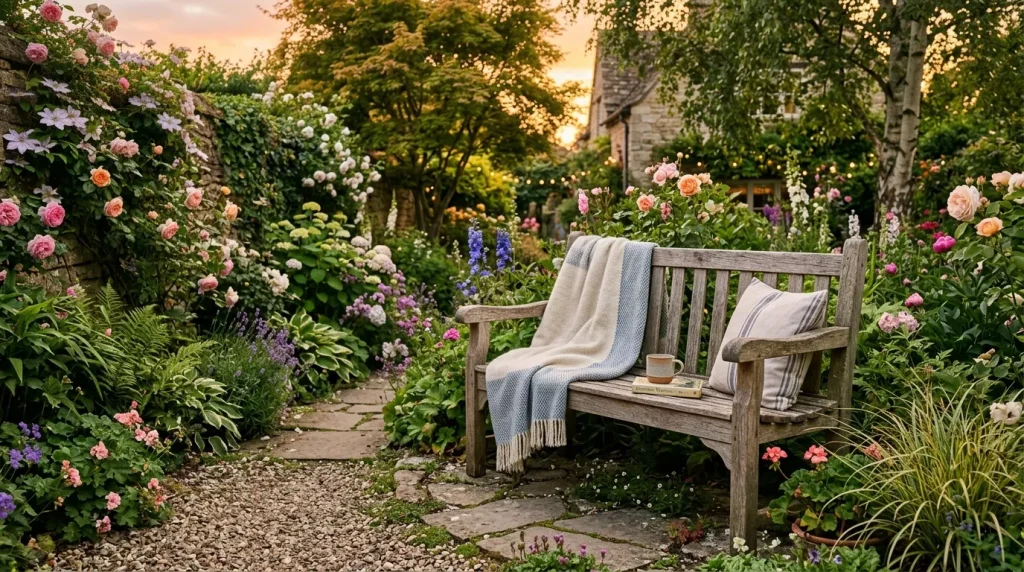
A pergola transforms a patch of outdoor space into a destination. It creates shade, frames a seating area, and provides structure for climbing plants like wisteria or climbing roses.
A basic DIY pergola can be built with four posts, cross beams, and diagonal bracing. The materials run anywhere from $300 to $800 depending on size and wood choice. Cedar and pressure-treated pine are the most popular options — cedar for appearance, treated pine for durability and cost.
This is a weekend project that rewards careful measuring. The planning stage matters more than anything else here. Get your post positions level and square before you start, and the rest falls into place naturally.
DIY Compost Bin

Every garden eventually produces more organic waste than a bin bag can justify. A compost station is practical, eco-friendly, and surprisingly simple to build.
The simplest version is four wooden pallets wired together at the corners to form an open square. Line the interior with garden mesh to prevent material falling out and you’ve got a functional composting bay in about 30 minutes.
For something more polished, build a three-bay system from timber planks — one bay for fresh material, one for mid-composting, and one for finished compost ready to use. This is the setup serious gardeners swear by.
Garden Furniture from Reclaimed Wood
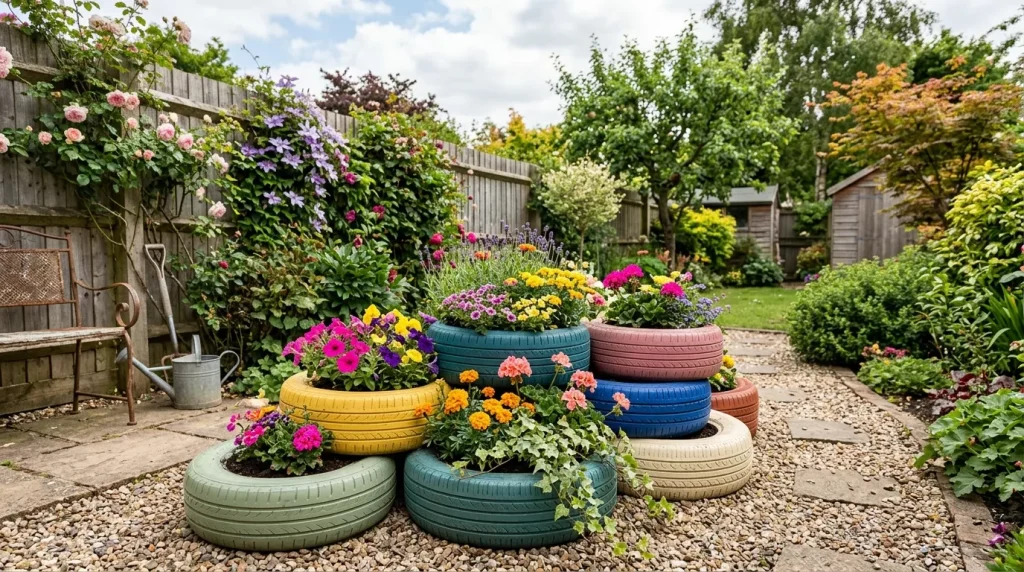
Outdoor furniture is expensive. But a solid garden bench or a simple outdoor table can be built from reclaimed timber, old scaffold boards, or even pallets for next to nothing.
Scaffold boards are particularly popular — they’re thick, strong, and weather beautifully. Sand them down, treat with outdoor oil or deck stain, and they’ll last a decade or more. A simple bench from two scaffold boards and a couple of sturdy legs takes an afternoon and costs very little.
Creative DIY Garden Project Ideas for a Unique Look

Beyond the functional, some of the most rewarding garden projects are the ones that show your personality. These ideas add character and charm without requiring specialist skills.
Mosaic Planters and Garden Art
Grab an old terracotta pot, a bag of tile adhesive, and whatever broken tiles, crockery, or glass beads you have around. Mosaic work is genuinely beginner-friendly — there’s no “wrong” pattern, and the results look artisan and intentional even when you’re making it up as you go.
Finished mosaic pots become statement pieces that draw the eye. You can do the same with an old birdbath, a garden wall section, or a set of numbered plant markers.

Upcycled Planter Ideas
Old watering cans, galvanized buckets, wooden crates, Wellington boots, wine barrels, wheelbarrows — almost any container with drainage can become a planter. This approach costs almost nothing and creates the kind of eclectic, layered look that takes years to achieve when buying everything new.
Drill drainage holes in the bottom, add a thin layer of gravel, then potting compost, and plant away. Group different-sized containers together for a composed, collected look.
DIY Bird Bath or Water Feature
A simple water feature adds sound and movement to a garden — two things that dramatically change the atmosphere of an outdoor space.
A bird bath can be made from a large terracotta saucer balanced on an upturned pot. A small recirculating pump dropped into a half-barrel or deep stone bowl creates a trickling fountain that runs off a simple outdoor socket. These projects rarely cost more than $50–$80 in materials.
DIY Garden Projects: Comparison of Popular Options
| Project | Difficulty | Approx. Cost | Time Required | Impact Level |
|---|---|---|---|---|
| Raised Garden Bed | Easy | $40–$120 | 3–5 hours | High |
| Stepping Stone Path | Easy | $20–$60 | 2–4 hours | Medium |
| Vertical Pallet Garden | Easy | $0–$30 | 2–3 hours | High |
| Compost Bin (pallet) | Easy | $0–$20 | 1–2 hours | Medium |
| Pergola (basic) | Intermediate | $300–$800 | 2 weekends | Very High |
| Garden Bench | Intermediate | $30–$100 | 4–6 hours | High |
| Mosaic Planter | Easy | $10–$40 | 2–4 hours | Medium |
| Water Feature | Easy–Medium | $40–$120 | 3–5 hours | High |
Step-by-Step Guide: Building a Raised Garden Bed
This is the project most people want to tackle first, so here’s a clear walkthrough:
Step 1: Choose Your Location Pick a spot that gets at least 6 hours of direct sunlight daily. Most vegetables and herbs need this minimum. Avoid areas directly under large trees (root competition and shade).
Step 2: Measure and Mark Mark out your bed dimensions on the ground using string and pegs. Classic sizing is 4 feet wide by 8 feet long. Keep width at 4 feet maximum so you can reach the middle from either side.
Step 3: Cut and Prepare Your Timber Use 2×6 or 2×8 cedar or treated pine boards. You’ll need two long sides and two short sides. Untreated cedar is the best choice if you’re growing edibles — it’s naturally rot-resistant without chemical treatment.
Step 4: Assemble the Frame Drill pilot holes to prevent splitting, then screw the corners together. For extra strength, use square corner stakes (short lengths of 4×4 post) inside each corner as brackets.
Step 5: Optional — Add a Base If you’re placing the bed on grass, lay cardboard inside the base (it suppresses weeds and decomposes naturally). On concrete or patio, add a layer of gravel for drainage before the soil.
Step 6: Fill with Soil Fill with a mix of 60% quality topsoil and 40% compost. This ratio gives you excellent drainage and fertility. Don’t use straight garden soil from the ground — it compacts too easily in raised conditions.
Step 7: Water and Wait Water the soil thoroughly before planting. It will settle a little — top it up if needed. Then plant, sow seeds, and watch your project come to life.
Pros and Cons of Tackling DIY Garden Projects
✅ Pros
- Cost savings — Labour is the biggest cost in any garden project. Doing it yourself cuts that entirely
- Customization — You build exactly what you want, in the dimensions that work for your space
- Satisfaction — There’s genuine pride in a handmade garden element, and it never gets old
- Flexibility — You work at your own pace, make changes as you go, and learn as you do
- Skill building — Basic carpentry, planting, and landscaping skills transfer to dozens of other projects
- Eco-friendly options — DIY opens the door to upcycling and reclaimed materials that commercial products don’t offer
❌ Cons
- Time investment — Most projects take longer than expected, especially for first-timers
- Tools required — Some projects need tools you may not have; hiring or borrowing adds complexity
- Mistakes happen — A poorly built bed, a wonky pergola, or a badly mixed compost all need correction
- Physical demand — Digging, lifting, and building is real work; not always suitable for everyone
- Permit considerations — Larger structures (pergolas, sheds) may need permission in some areas
Tips for More Successful DIY Garden Projects
These are the things experienced garden DIYers wish they’d known from the start:
- Measure twice, cut once — This is not a cliché. It genuinely saves time, money, and frustration.
- Start with a sketch — Even a rough hand-drawn plan helps you see proportions before you commit to materials.
- Buy materials slightly over what you need — Off-cuts and spare boards always come in useful. Returning to the hardware store mid-project is a time killer.
- Pre-drill timber before screwing — Especially on older or thinner wood. It prevents splitting and makes assembly cleaner.
- Treat all outdoor timber — Even naturally rot-resistant woods benefit from an outdoor oil or stain, especially at cut ends where moisture enters.
- Group projects by season — Build structures in early spring before planting season begins. Sow and plant in mid-spring. Focus on décor and finishing touches in summer when you’re out there enjoying the space.
- Don’t rush soil prep — No raised bed, container, or planting project succeeds on poor soil. Invest in good compost. It genuinely makes the difference.
- Take before-and-after photos — You’ll forget how far things have come, and the transformation is genuinely motivating.
Common Mistakes to Avoid in DIY Garden Projects
Even enthusiastic, well-intentioned beginners fall into the same traps. Here’s what to watch for:
Choosing the wrong timber — Using untreated soft wood for outdoor structures is one of the most common errors. It rots within a season or two. Always use cedar, hardwood, or pressure-treated timber for anything going in the ground or sitting on soil.
Overplanting a new raised bed — It’s tempting to fill every inch. But crowded plants compete for nutrients, block airflow, and are more susceptible to disease. Follow spacing guidelines and resist the urge to squeeze more in.
Skipping weed suppression — Laying a new path or bed without weed barrier underneath is a short-term time saver that becomes a long-term headache. Weeds push through fast.
Building too big, too soon — A 12-foot raised bed or a full pergola as your first project is overwhelming. Start smaller, learn the process, and scale up next season.
Ignoring drainage — Whether it’s a planter, a raised bed, or a water feature, poor drainage causes root rot, structural damage, and soggy soil. Always plan for water to have somewhere to go.
Buying cheap tools — A $5 screwdriver or a flexible tape measure makes every task harder than it needs to be. A few quality basics go a long way.
Seasonal DIY Garden Project Planner
| Season | Best Projects to Tackle |
|---|---|
| Late Winter / Early Spring | Plan layouts, build structures (beds, pergolas, paths) |
| Mid to Late Spring | Plant raised beds, build trellises, install water features |
| Summer | Garden décor, mosaic projects, furniture building, maintenance |
| Autumn | Compost bins, mulching, tool storage solutions |
| Winter | Planning, ordering materials, indoor propagation setup |
Conclusion: Your Garden, Your Project, Your Rules
DIY garden projects are one of the most rewarding ways to spend time outdoors. They give you a space that’s genuinely yours — built to your taste, your scale, and your vision. And every project, from the simplest stepping stone path to a full pergola build, teaches you something that makes the next one easier and better.
The hardest part of any DIY garden project is always the beginning. Starting with something manageable, seeing it through, and experiencing that satisfaction when it’s done — that’s what hooks people on this process. Most dedicated garden DIYers started exactly where you’re starting: with one small project and a whole lot of curiosity.
Ready to get your hands dirty? Pick one project from this guide — just one — and commit to it this weekend. You’ll be surprised how quickly your outdoor space starts to reflect exactly what you imagined it could be.
Frequently Asked Questions (FAQs)
Q1: What is the easiest DIY garden project for a complete beginner?
A raised garden bed is consistently the best starting point. It requires basic carpentry skills (measuring, cutting, screwing), delivers visible results fast, and is immediately useful for growing food or flowers. If even that feels like too much, a simple upcycled planter — drill a drainage hole in a container, add compost, and plant — is genuinely achievable in 20 minutes.
Q2: How much should I expect to spend on a beginner DIY garden project?
Most beginner projects cost between $20 and $150 in materials. A basic raised bed runs $40–$100 depending on timber choice and size. A stepping stone path can be done for $20–$50. The key is sourcing smartly — reclaimed wood, pallets, and repurposed containers all reduce costs significantly. Many experienced garden DIYers spend very little because they’ve built up a stock of materials over time.
Q3: Do I need a lot of tools to start DIY garden projects?
Not many. For most beginner projects, you need a measuring tape, a pencil, a handsaw or circular saw, a drill/screwdriver, and a spirit level. That’s genuinely the core toolkit. As projects become more ambitious, you add to it. Many people borrow tools for their first project, which makes sense before investing.
Q4: Can I do DIY garden projects in a rented property?
Yes, with some boundaries. Container gardening, raised beds (not fixed to the ground), vertical pallet gardens, and movable furniture are all renter-friendly — they come with you when you leave. Fixed structures like pergolas or built-in paving typically require landlord permission. Always check your tenancy agreement before making permanent changes.
Q5: How do I choose between a raised bed and in-ground planting?
Raised beds win on almost every practical measure: better drainage, easier weed control, warmer soil (extends growing season), no soil compaction from foot traffic, and reduced back strain. In-ground planting works well if your existing soil is already good quality and you’re dealing with larger areas where building beds isn’t practical. For most home gardeners starting out, raised beds are the better choice.
Q6: What wood is best for outdoor DIY garden projects?
Cedar is the gold standard for aesthetic projects like raised beds and furniture — it’s naturally rot-resistant, lightweight, and beautiful. For structural projects (pergola posts, compost bin frames) where timber goes into the ground, pressure-treated pine is more cost-effective and very durable. Avoid cheap softwoods like untreated spruce for anything exposed to soil or moisture — they won’t last more than a season or two.
Q7: When is the best time of year to start DIY garden projects?
Late winter through early spring is ideal for building structures — before planting season begins, while you have time to plan, and before the ground is occupied with growing things. Structural work (beds, paths, pergolas) is best done before the garden gets busy. Decorative and planting projects naturally follow in spring and summer. That said, there’s no wrong time to start — a project begun in autumn still beats one that never gets started at all.