Sage Green Living Room Decor Ideas to Transform Your Space

Sage Green Living Room Decor Ideas to Transform Your Space
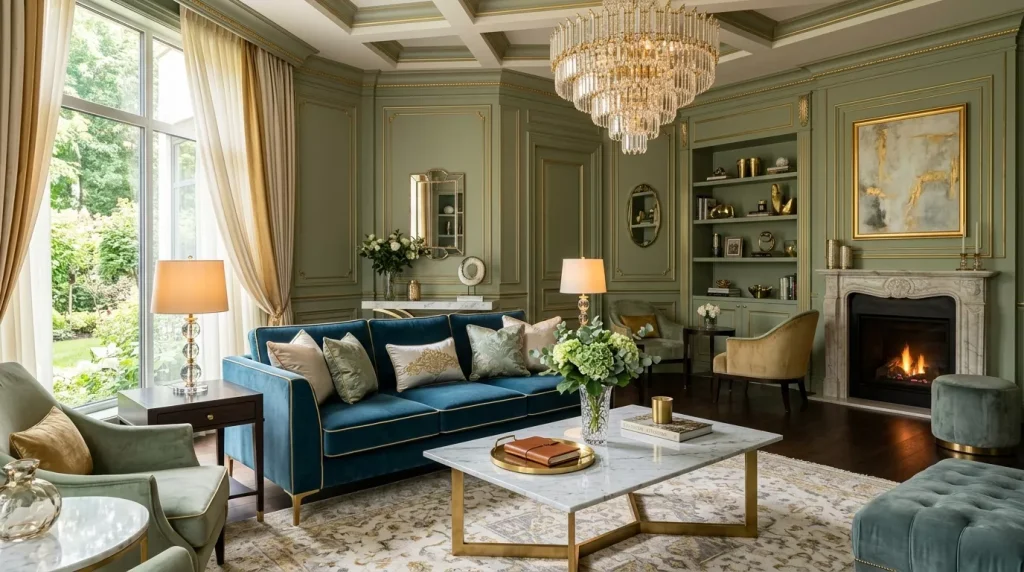
If you’ve been scrolling through Pinterest or walking into model homes lately, you’ve probably noticed sage green living room decor showing up everywhere — and honestly, it’s easy to see why. This muted, earthy green tone sits right at the sweet spot between calming and sophisticated. It doesn’t scream for attention, but it absolutely commands it.
Whether you’re doing a full renovation or just looking to refresh your space with some new cushions and a coat of paint, sage green gives you incredible flexibility. It works with rustic farmhouse styles, modern minimalist spaces, boho-chic interiors, and even classic traditional rooms.
This guide covers everything you need to know — from color pairings and furniture choices to lighting tricks, common mistakes to avoid, and a simple step-by-step styling plan.
Why Sage Green Is the Color of the Moment
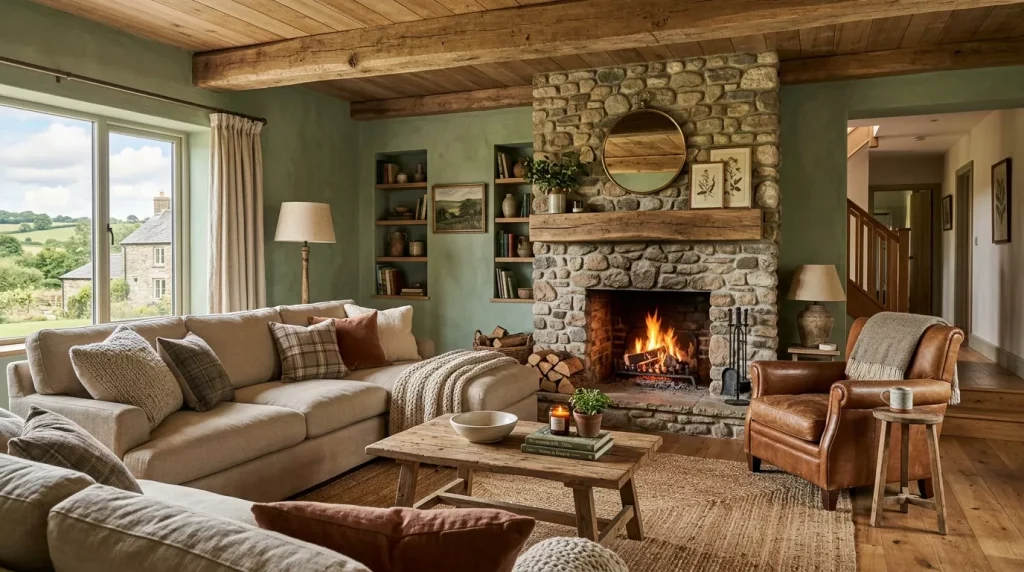
Sage green is having a major design moment, and it’s not just a trend. It’s rooted in psychology. Green in general is associated with nature, balance, and calm — and sage, being a muted, grey-toned version of green, adds a layer of sophistication that brighter greens don’t have.
It’s close to the colors found in olive groves, eucalyptus leaves, and dried herbs — which is probably why it feels so grounding when you walk into a room that uses it well.
Key reasons designers are loving sage green right now:
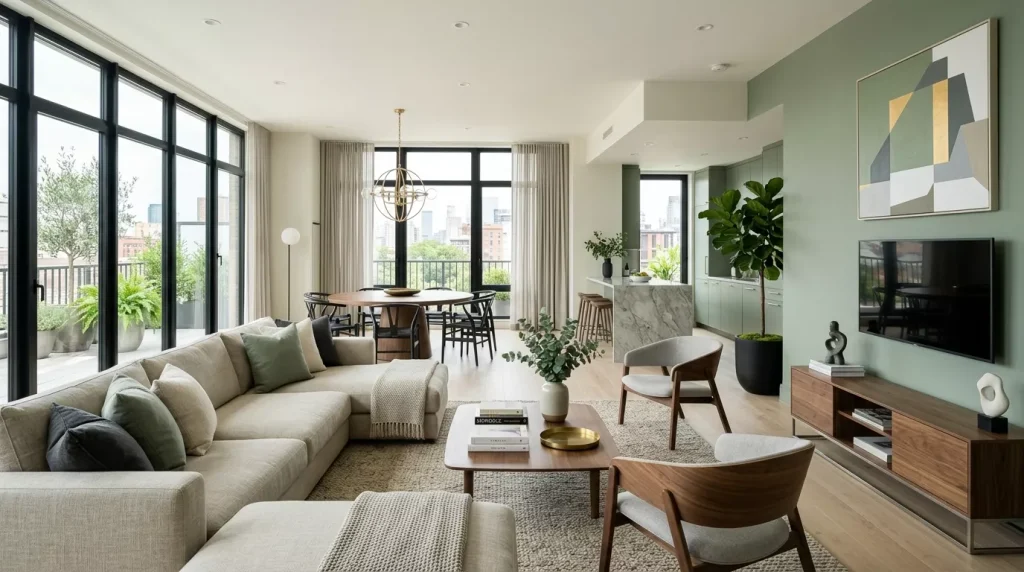
- It pairs beautifully with natural materials like linen, wood, and rattan
- It works in both north-facing (cool light) and south-facing (warm light) rooms
- It photographs well, making it popular on social media platforms
- It bridges the gap between warm and cool color palettes
- It’s timeless enough to not look dated in three years
Sage Green Living Room Decor Ideas: Where to Start
Getting started with sage green living room decor can feel a little overwhelming — do you go all in with the walls? Or keep it subtle with accessories? Here’s a breakdown of the best approaches depending on how bold you want to be.
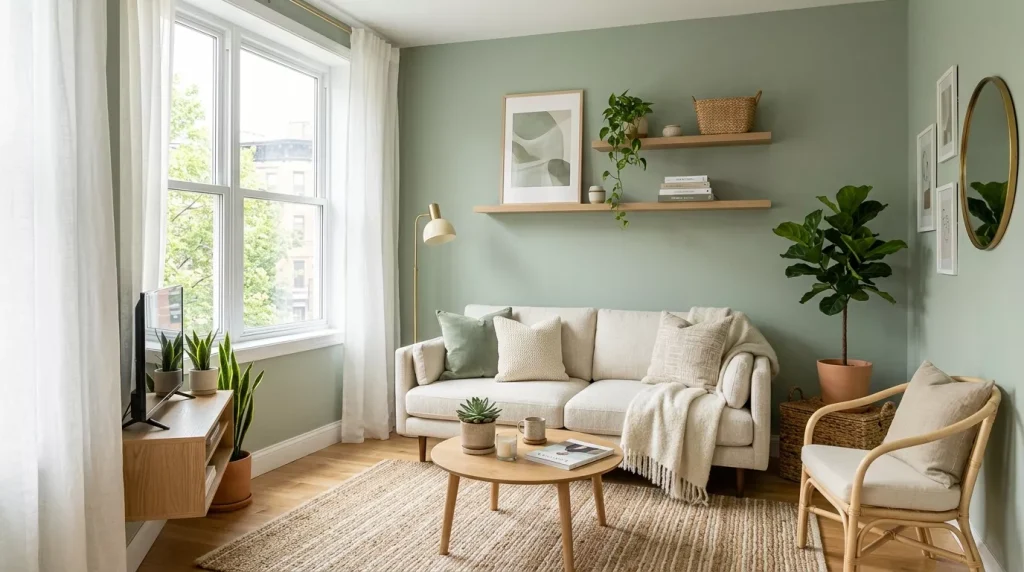
1. Start with Sage Green Walls
This is the most impactful move. Painting all four walls in sage green creates a cocoon-like feel that’s both intimate and airy. It sounds contradictory, but the muted tone of sage prevents the room from feeling closed in.
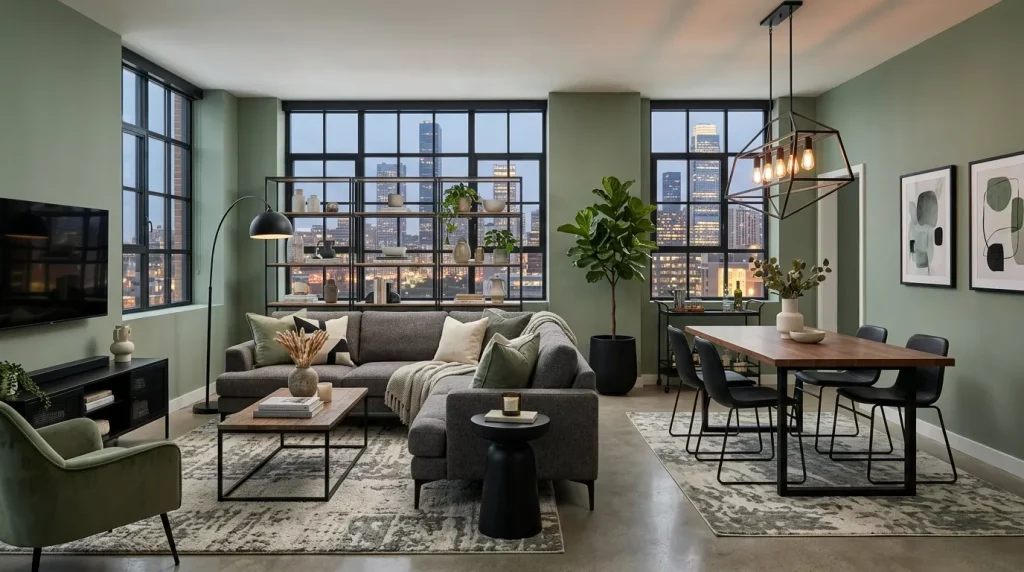
Best sage green paint shades to try:
- Farrow & Ball Mizzle – Slightly warm, works beautifully in natural light
- Benjamin Moore Sage – A classic mid-tone option, neither too warm nor too cool
- Sherwin-Williams Softened Green – Perfect for a subtle, barely-there effect
- Dulux Sage Advice – A slightly grey-green for cooler climates and rooms
If painting all four walls feels like too much, try an accent wall behind the sofa or fireplace. This immediately draws the eye and makes the room feel intentional without overwhelming the space.
2. Sage Green Sofa as the Statement Piece
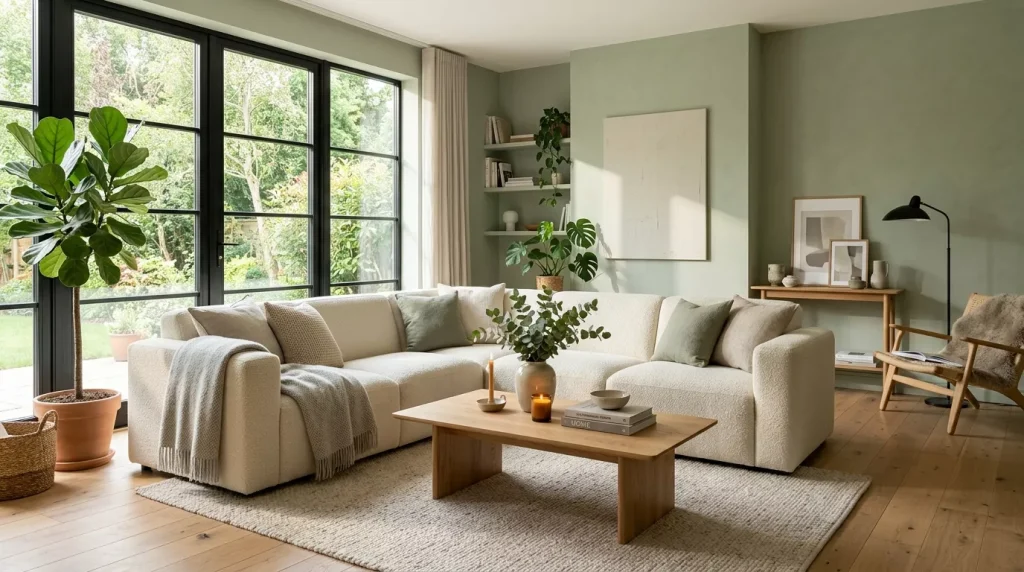
A sage green sofa is one of the best investments you can make for a nature-inspired living room. Unlike bright-colored sofas that can feel trendy and then quickly dated, sage green is grounded enough to stay stylish.
Pair it with:
- Natural linen throw pillows in cream or warm white
- Terracotta cushions for warmth and contrast
- Mustard yellow accents if you want something bolder
- Blush pink for a soft, romantic look
Velvet and bouclé fabrics work especially well in sage green — the texture adds depth and luxury.
3. Layering with Sage Green Accessories
This is the low-commitment entry point. If you’re not ready to repaint or buy new furniture, accessories are your best friend.
Accessories that work brilliantly in sage green:
- Throw blankets and knitted cushion covers
- Ceramic vases and planters
- Picture frames and wall art with sage green tones
- Curtains or Roman blinds in sage linen
- Candles and candle holders

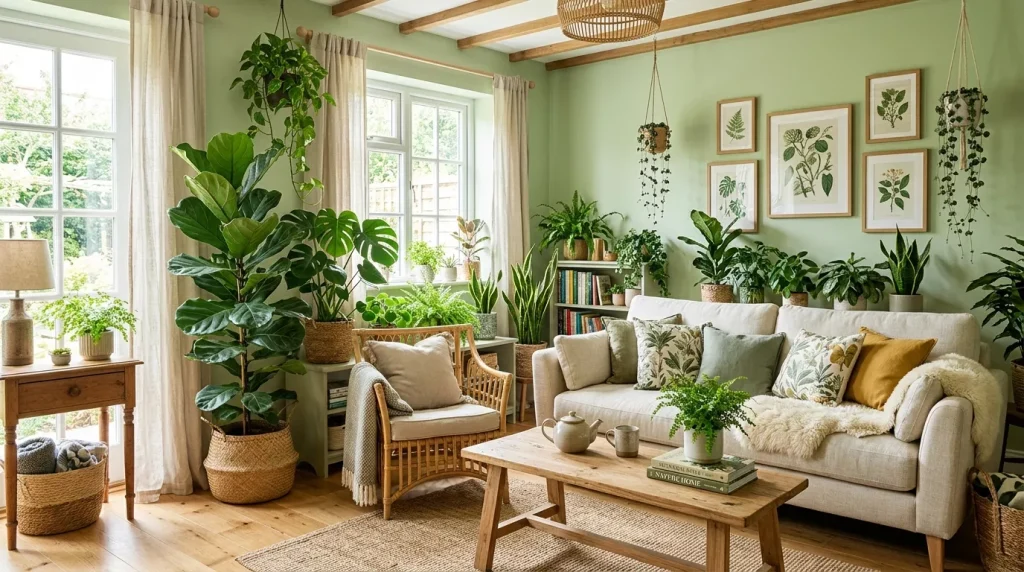
Layering different textures in the same sage green family — think a matte ceramic vase next to a velvet cushion — creates visual richness without color clashing.
Color Combinations That Work With Sage Green
One of the best things about sage green is its versatility. Here’s a quick comparison of the most popular color pairings so you can decide what fits your style:
| Color Pairing | Mood It Creates | Best For |
|---|---|---|
| Sage Green + Warm White | Fresh, airy, clean | Minimalist and Scandi styles |
| Sage Green + Terracotta | Earthy, warm, cozy | Boho and Mediterranean looks |
| Sage Green + Blush Pink | Soft, romantic, feminine | Modern glam and cottage styles |
| Sage Green + Mustard Yellow | Bold, eclectic, vibrant | Maximalist and eclectic interiors |
| Sage Green + Navy Blue | Rich, sophisticated, dramatic | Traditional and classic rooms |
| Sage Green + Cream and Gold | Luxurious, warm, elegant | Transitional and formal living rooms |
| Sage Green + Natural Wood | Organic, grounded, calm | Biophilic and nature-inspired spaces |
The safest starting point? Sage green with warm whites and natural wood. You genuinely can’t go wrong with that combination.
Sage Green Living Room Decor Ideas by Style
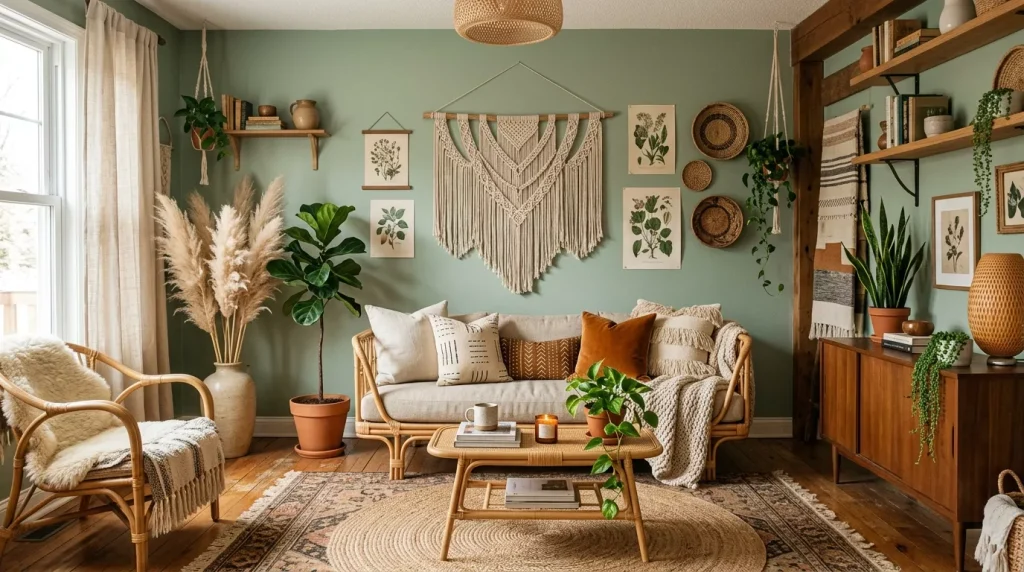
Bohemian Sage Green Living Room
For a boho vibe, think layered textures, mismatched patterns, and plenty of plants. Sage green walls work as the perfect backdrop for rattan furniture, woven wall hangings, and an eclectic mix of vintage finds.
Add a macramé wall hanging, a kilim rug in rust and ochre tones, and a collection of trailing plants like pothos and string-of-pearls. The overall effect is effortlessly cool — like someone who’s traveled the world and brought back the best pieces.
Minimalist Sage Green Living Room
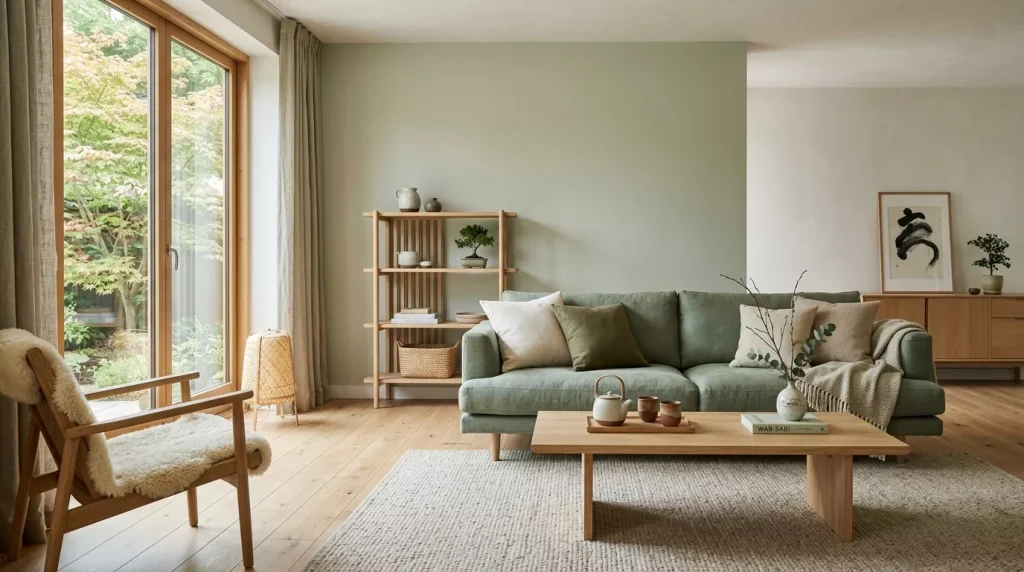
Less is more here. A sage green accent wall paired with a sleek, low-profile sofa in cream or off-white keeps things clean. Stick to two or three decorative objects max — a tall vase, a geometric sculpture, and one curated piece of wall art.
The key is negative space. Let the sage green breathe. Avoid clutter at all costs.
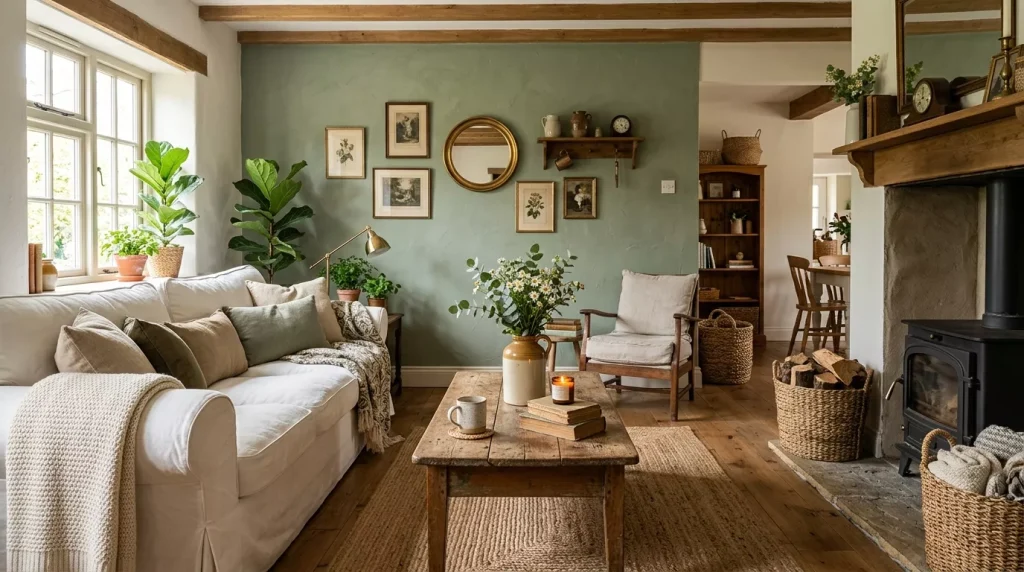
Farmhouse Sage Green Living Room
Sage green is practically made for farmhouse interiors. Think shiplap walls painted in soft sage, a distressed wood coffee table, chunky knit throws, and open shelving styled with ceramic mugs and dried botanicals.
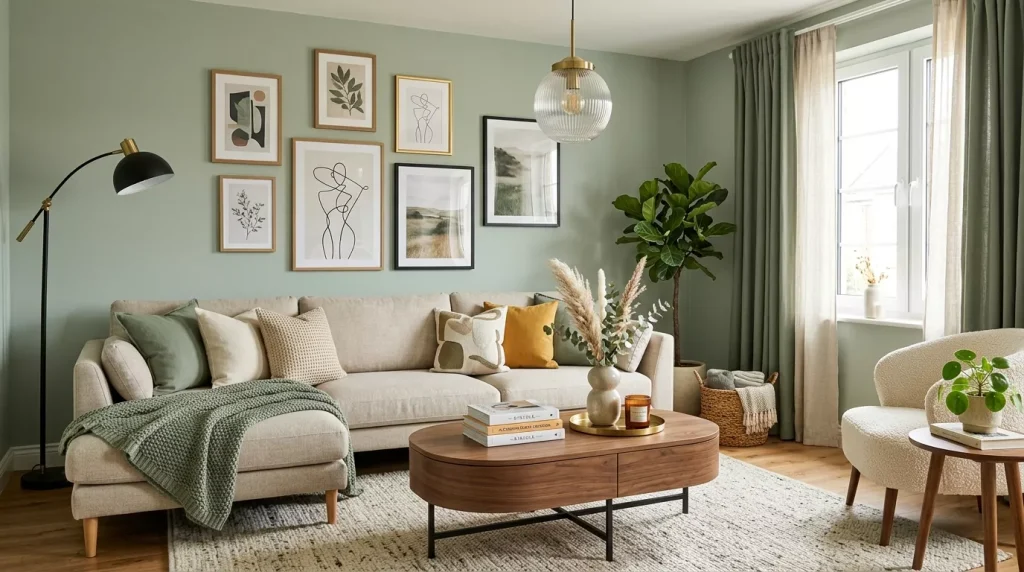
Add vintage-style pendant lighting overhead and a large farmhouse-style rug in cream and beige tones to pull the space together.
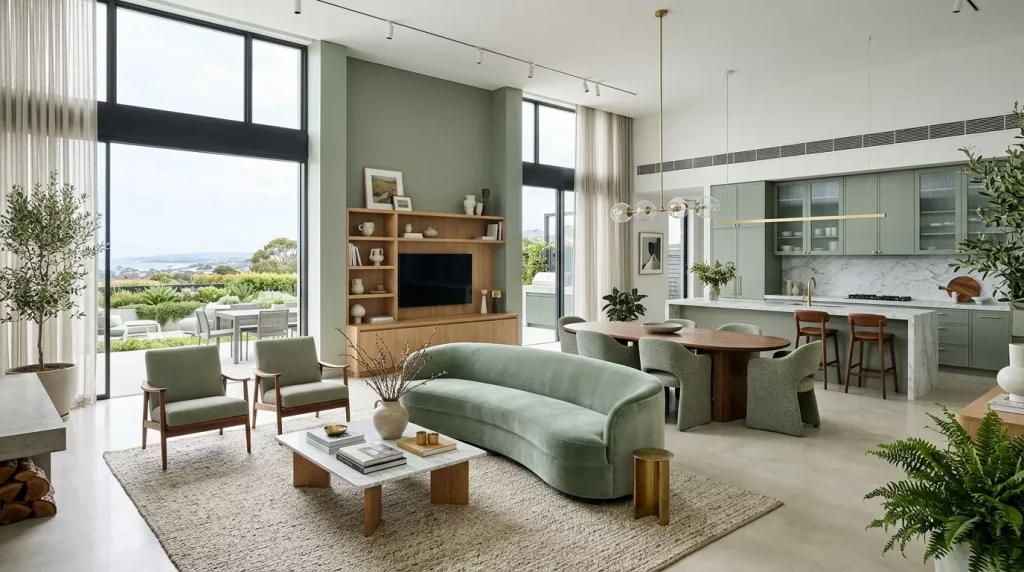
Modern Contemporary Sage Green Living Room
For a sleeker, more contemporary approach, pair sage green with architectural lines and metallic accents. A sage green velvet sofa against a white wall, a glass-and-brass coffee table, and geometric lighting creates a look that feels polished and current.
Mix matte and metallic finishes — sage green matte walls with brushed gold hardware and mirror accents is a particularly stunning combination.
Furniture and Material Choices for a Sage Green Living Room
The materials you choose can make or break your sage green decor scheme. Here’s what works best:
Best Materials for Sage Green Living Rooms:
- Linen and cotton – Breathable, relaxed textures that complement the organic tone of sage
- Solid oak or walnut wood – Warm wood tones create a natural harmony with green
- Rattan and cane – Adds a tropical, laid-back feeling
- Velvet – Creates richness and depth, especially in sofas and cushions
- Ceramic and terracotta – Perfect for accessories like vases, planters, and lamp bases
- Woven wool rugs – Adds warmth underfoot and visual texture
Materials to avoid:
- Shiny plastics (they look cheap against sage)
- Highly polished chrome (too cold — opt for brushed gold or bronze instead)
- Neon or very bright accent colors (they clash rather than complement)
Lighting Tips for a Sage Green Living Room
Lighting changes everything, and this is doubly true with sage green. Depending on the light source, sage can appear more blue-grey, more green, or more khaki.
Tips for getting lighting right:
- Use warm-toned bulbs (2700K–3000K) to bring out the warmer side of sage and prevent it from looking cold or clinical
- Layer your lighting — overhead light, floor lamps, table lamps, and candles all serve different purposes
- Natural light is your best friend — sage green looks absolutely stunning in a room flooded with afternoon sunlight
- Avoid cool white LED strips directly on sage green walls — they’ll push the color toward a grey-blue tone that can feel unflattering
Step-by-Step Guide: Decorating a Sage Green Living Room from Scratch
If you’re starting from zero, here’s a practical process to follow:
Step 1: Choose Your Commitment Level Decide whether you’re going full walls, accent wall, or accessories only. This shapes every other decision.
Step 2: Pick Your Sage Green Shade Test at least 3 paint samples on your wall and observe them at different times of day before committing. Morning light and evening lamplight can look completely different.
Step 3: Choose a Neutral Base Select your main furniture pieces in neutral tones — cream, warm white, beige, or natural wood. These act as the calm foundation your sage green accents will pop against.
Step 4: Layer in Texture Add throw blankets, cushion covers, and rugs to build warmth and depth. Vary the textures even if you keep the color palette tight.
Step 5: Add Your Accent Color Pick one accent color — terracotta, mustard, blush, or navy — and repeat it in small doses throughout the room. Three repetitions of an accent color is the general rule in interior design.
Step 6: Bring in Greenery Real or high-quality faux plants make a huge difference in a sage green room. The tone echoes between the walls/decor and the plants, creating a cohesive, living-room-meets-garden feeling.
Step 7: Edit and Refine Stand back and remove anything that feels too busy or off. Living with the space for a week before finalizing helps — what felt essential on day one sometimes looks like clutter on day seven.
Pros and Cons of Sage Green Living Room Decor
Pros
- Timeless, not trendy — sage green has staying power beyond the current design cycle
- Deeply calming — ideal for a room where you relax and decompress
- Highly versatile — works with warm, cool, and neutral color schemes
- Flattering in photos — great if you entertain guests or host events
- Works in different light conditions — adapts from bright daylight to cozy evening light
- Easy to update — change one or two accessories to completely shift the vibe
Cons
- Can look grey in low light — in very dark rooms, sage can appear dull
- Requires careful paint testing — wrong undertones can look muddy or sickly
- Can feel overwhelming if overdone — too much sage with no contrast falls flat
- Challenging with very cool-toned flooring — grey tiles or cold hardwood can clash
Tips for a Stunning Sage Green Living Room
- Don’t match everything perfectly — slight variations in sage tone add visual interest
- Mix old and new — a vintage rug with modern furniture grounds the space beautifully
- Use odd numbers — styling in groups of 3 or 5 always looks more natural than even numbers
- Let one wall breathe — in smaller rooms, leave one wall plain white to prevent the sage from dominating
- Repeat the color — use sage in at least three places (walls, a cushion, a vase) to make it look intentional
- Try peel-and-stick wallpaper if you rent — you can still get the sage effect without permanent paint
- Add a mirror — it bounces light and makes sage green walls look more luminous
- Keep floors light — pale oak, whitewashed wood, or cream rugs complement sage brilliantly
Common Mistakes to Avoid
Even a beautiful color like sage green can go wrong. Here are the most frequent mistakes people make:
1. Choosing the Wrong Undertone Not all sage greens are the same. Some lean blue, some lean yellow. Test in your actual room — don’t trust swatches in a store under fluorescent lighting.
2. Going Too Matchy-Matchy Having everything in identical sage green — walls, sofa, curtains, cushions — creates a flat, uninspiring look. Contrast is everything.
3. Forgetting About the Ceiling The “fifth wall” matters. If your walls are sage green, consider painting the ceiling in a warm white or very pale sage. A stark bright white ceiling can look disconnected.
4. Neglecting Warm Tones Sage is a cool-leaning color. Without warmth — through wood, terracotta, warm lighting, or blush tones — the room can feel cold and clinical.
5. Overloading on Accessories Less is genuinely more. A sage green room with thoughtfully curated pieces looks far better than one stuffed with every green accent you could find.
6. Ignoring the Existing Architecture If you have cool grey flooring or very white walls surrounding your sage space, make sure you’re introducing enough warmth to bridge those tones.
FAQs: Sage Green Living Room Decor
Q1. Does sage green work in a small living room?
Yes, absolutely. Sage green is one of the few darker tones that doesn’t make a small room feel smaller when used correctly. Its muted quality keeps it from feeling heavy. For small spaces, use sage on one accent wall rather than all four, keep furniture light-toned, and use mirrors to bounce light around the room.
Q2. What colors should I avoid pairing with sage green?
Very cool greys, stark bright whites with blue undertones, and neon or very saturated colors tend to clash with sage green. Orange (as opposed to the more muted terracotta) can also be tricky — it can make the room feel garish rather than warm. Stick to muted, earthy tones for the best results.
Q3. Is sage green a good color for a living room that gets little natural light?
It can work, but you need to be strategic. Opt for a warmer-toned sage (one that leans slightly yellow-green rather than grey-green), use warm-temperature bulbs, and layer multiple light sources. Also consider keeping other surfaces — like the sofa, rug, and curtains — in cream and warm white to reflect as much light as possible.
Q4. What flooring works best with sage green living room decor?
Warm-toned wood flooring in oak, walnut, or pine works beautifully with sage green. Light-toned flooring generally works better than dark flooring, as it keeps the space feeling open. If you have grey tile or concrete flooring, introduce warmth through a large cream or beige area rug to bridge the tones.
Q5. Can I mix sage green with other shades of green in the same room?
Yes, but with care. Tone-on-tone greens can look incredibly lush and sophisticated — think sage walls with an olive green cushion and a deep forest green plant pot. The trick is to vary the depth (light to dark) and the texture. Avoid using two greens of very similar shade and brightness — that just looks like a matching mistake rather than an intentional design choice.
Q6. How do I make a sage green living room feel cozy rather than cold?
The secret is warmth through materials and lighting. Add chunky knit throws, a thick wool rug, warm wood furniture, candles, and warm-toned bulbs. Layer your textiles and introduce terracotta or warm blush tones as accents. The more tactile the room — things you want to touch and sink into — the cozier it feels.
Q7. What style of curtains works best in a sage green living room?
Linen curtains in natural, cream, or warm white are the most versatile and flattering choice. They let in diffused light that makes sage green walls glow. If you want something with more drama, patterned curtains featuring sage, cream, and terracotta tones can look stunning. Avoid heavy, dark curtains unless you’re going for a moody, dramatic effect.
Conclusion: Ready to Bring Sage Green into Your Living Room?
Sage green living room decor isn’t just a passing trend — it’s a design choice rooted in the timeless appeal of nature, calm, and understated elegance. Whether you go bold with four sage green walls or subtle with a few well-chosen accessories, this color has an extraordinary ability to transform a space.
The key takeaways? Test your paint shade carefully, layer warmth through wood and terracotta tones, avoid going too matchy-matchy, and let the room breathe. When done well, a sage green living room feels like the most relaxing place in the world — somewhere you actually want to spend your time.
So go ahead. Pull that paint card, order that sofa swatch, or add that sage green vase to your cart. Your living room transformation is waiting.
Ready to get started? Pick one small change — a cushion, a plant, a candle in sage green — and let the room evolve from there. Design doesn’t have to happen all at once. It just has to start.