Bedroom Decor Ideas to Transform Your Space

Bedroom Decor Ideas to Transform Your Space
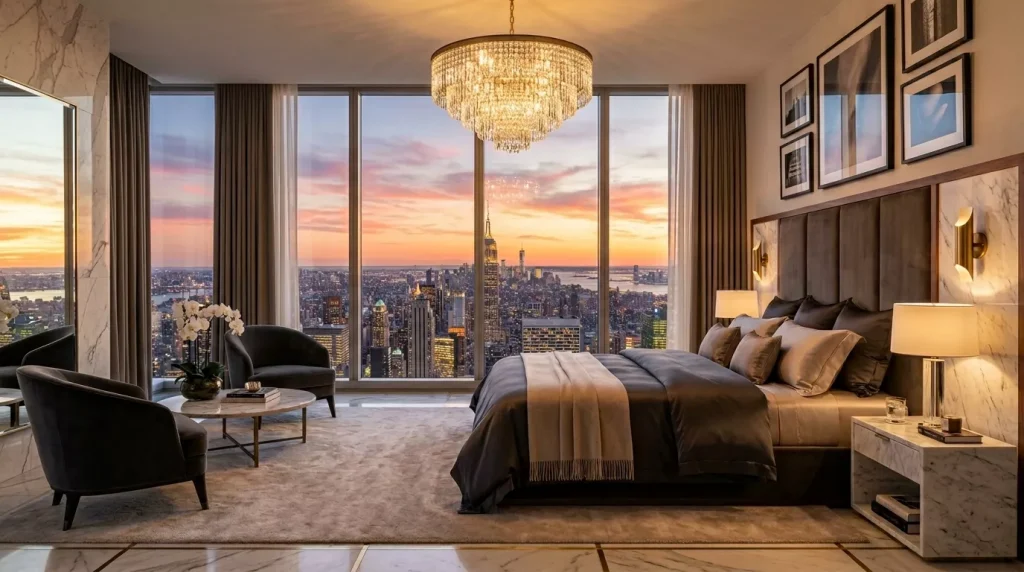
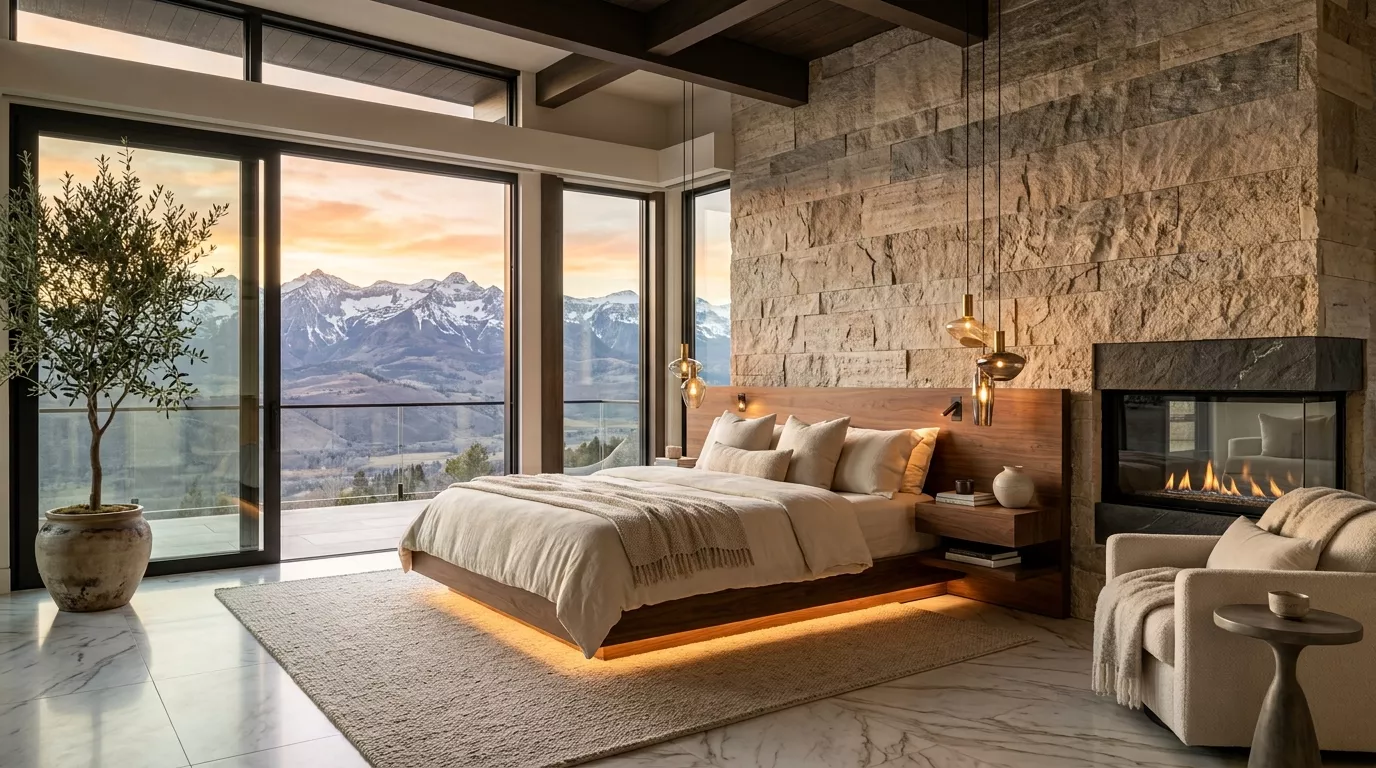
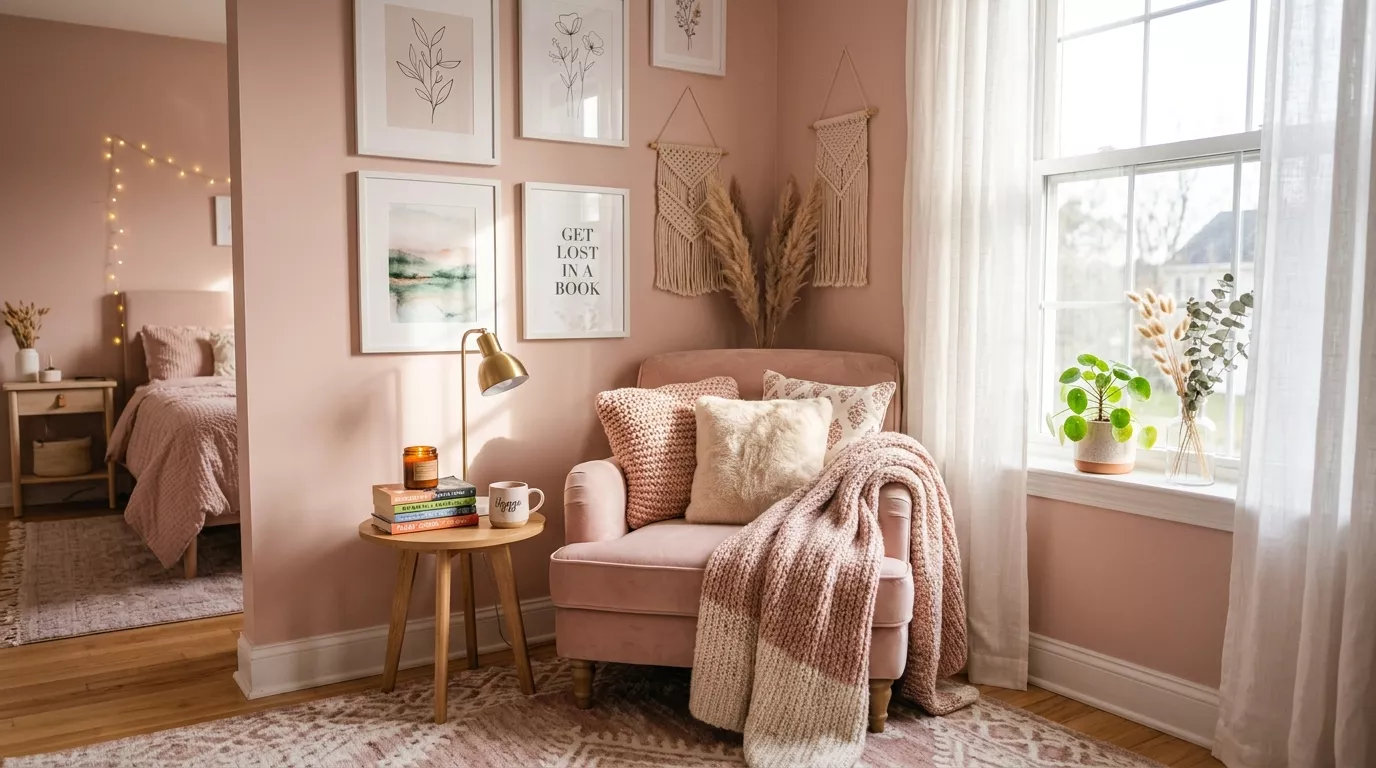
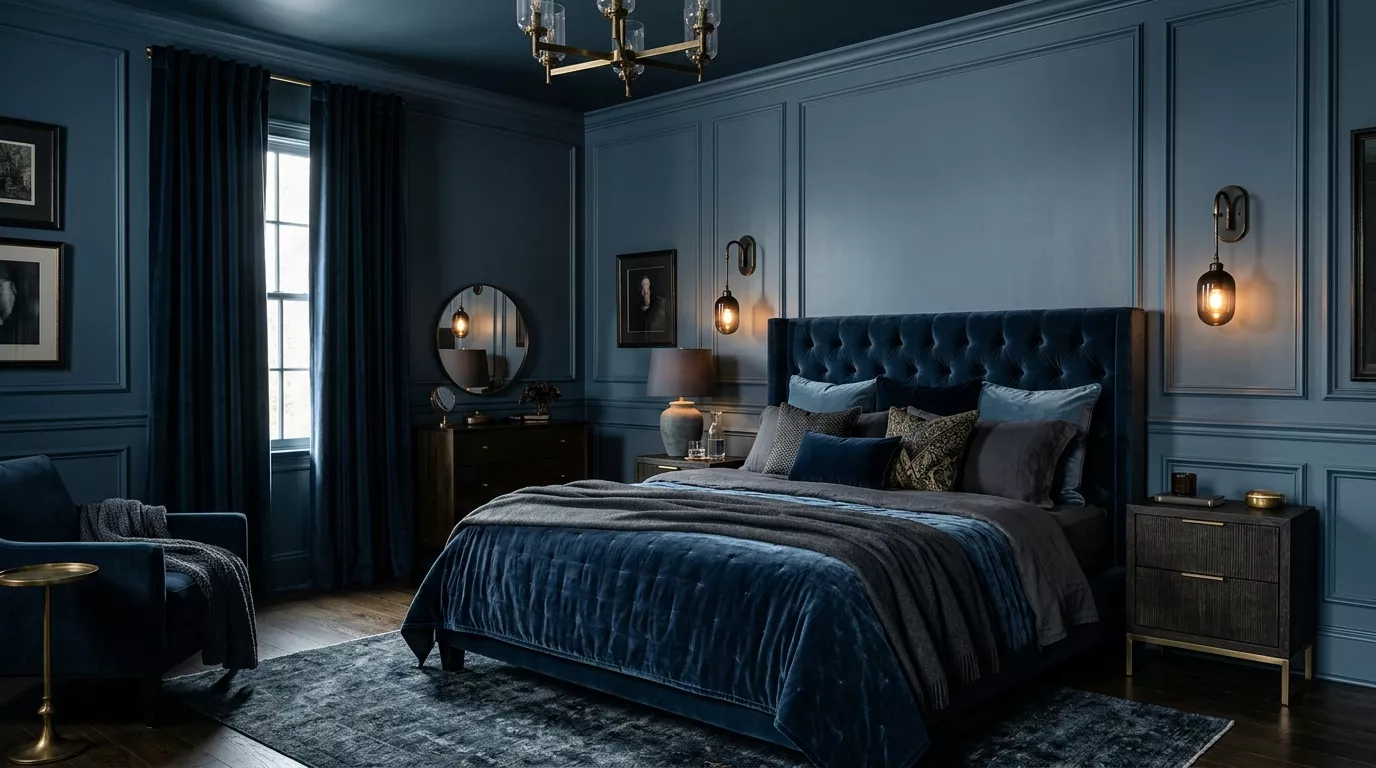
Your bedroom should be the easiest room in your house to feel good in, but for a lot of people, it ends up being the most neglected. Bedroom decor ideas are searched constantly because most of us spend years living with mismatched furniture, a bare wall above the headboard, or lighting that’s either too harsh or too dim for anything useful.
The good news is that fixing this doesn’t require a full renovation or a designer’s budget. With a clear plan and a few intentional choices, you can turn a plain, forgettable bedroom into a space that actually feels restful and personal. This guide breaks down exactly how to do that, step by step.
Why Bedroom Decor Matters More Than Most People Realize
It’s easy to assume decor is purely about looks, but your bedroom environment has a direct effect on how well you sleep and how you start and end your day.
A few reasons it’s worth the extra effort:
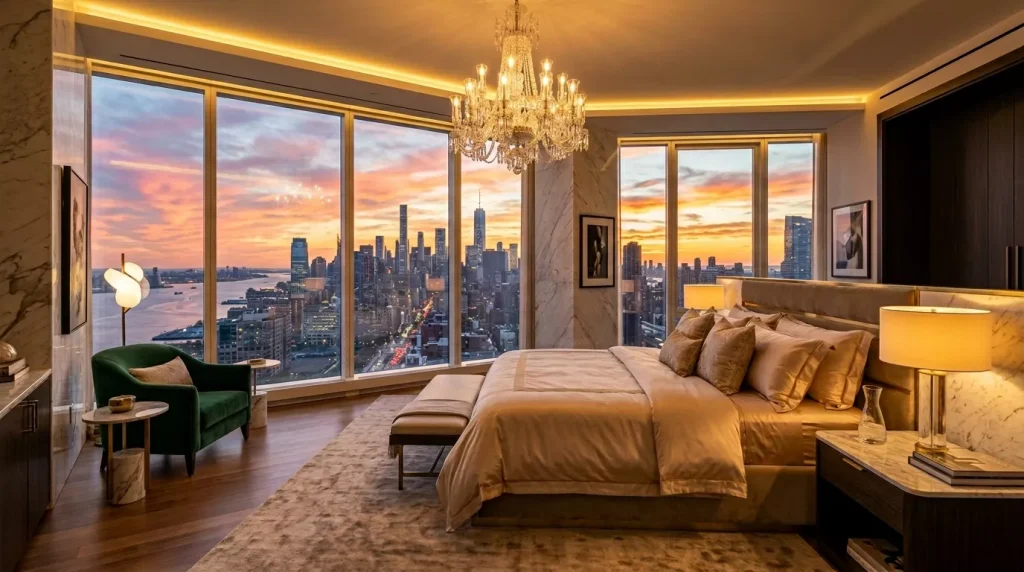
- Clutter affects stress levels. A messy, undecorated room can quietly contribute to a sense of overwhelm, even if you don’t notice it consciously.
- Lighting affects sleep quality. Harsh overhead lighting late at night can interfere with your body’s natural wind-down process.
- Color influences mood. Calming tones tend to support relaxation, while overly bright or busy colors can keep a room feeling more energizing than restful.
- A finished room feels like an accomplishment. There’s a real psychological lift that comes from walking into a space that finally feels “done.”
Since you spend roughly a third of your life in this room, it’s one of the highest-impact spaces in your home to get right.
How to Plan Your Bedroom Decor (Step-by-Step Guide)
Most people jump straight to buying things, which is exactly how bedrooms end up feeling disjointed. A little planning upfront saves time, money, and a lot of returns.
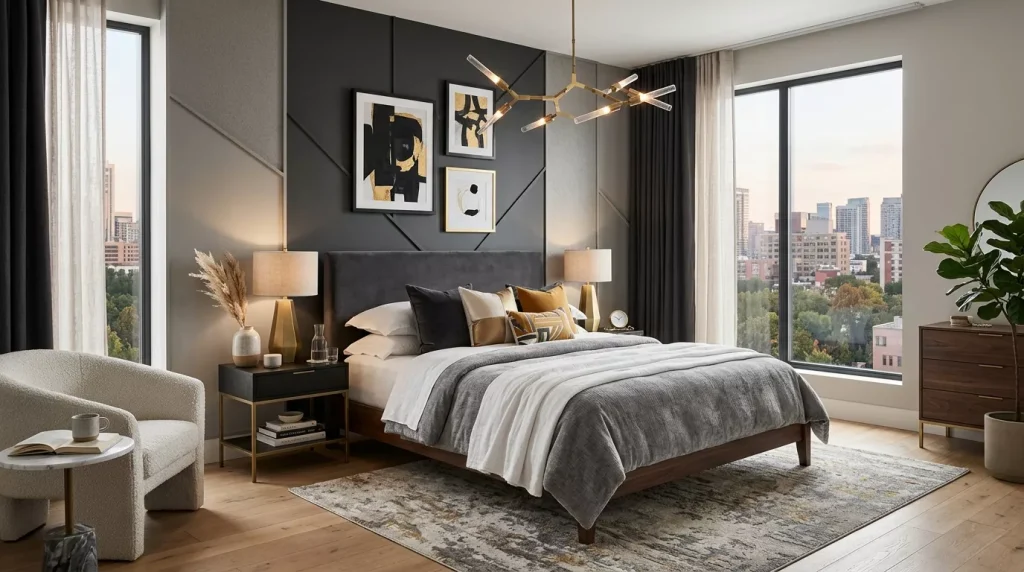
Step 1: Define Your Style Direction
Before shopping, pin a handful of rooms you genuinely love — not just trendy ones. Look for patterns: do you keep gravitating toward warm, cluttered, layered spaces, or clean, simple ones?
Step 2: Set a Realistic Budget
Decide roughly how much you’re willing to spend, then break it down by category (bedding, lighting, furniture, decor). This keeps you from blowing the whole budget on one item.
Step 3: Start With the Bed
The bed is the visual anchor of the room, so it makes sense to choose your headboard, frame, and bedding first and build everything else around it.
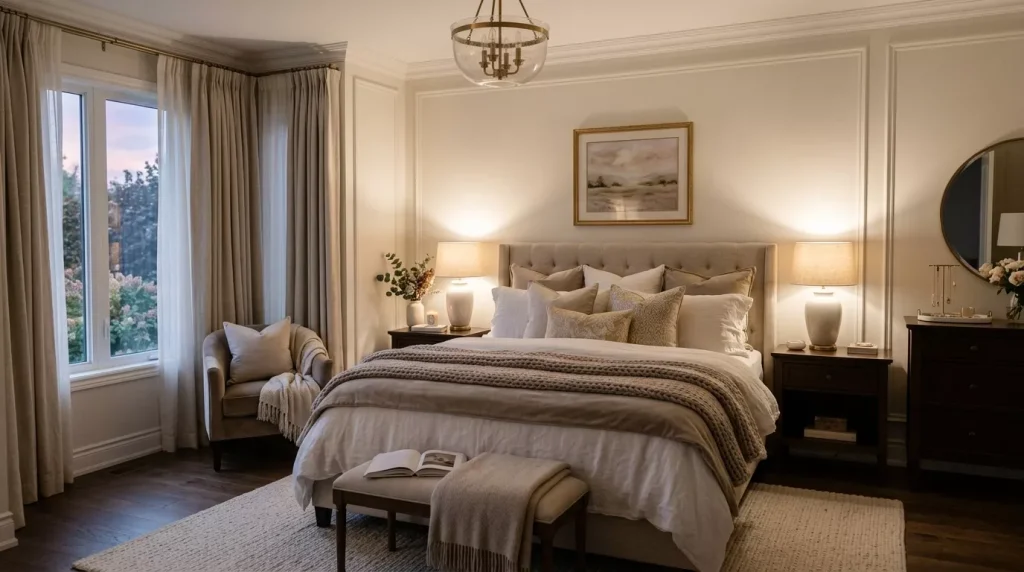
Step 4: Choose a Color Palette
Pick three to four colors max: one dominant, one secondary, and one or two accents. Keeping this list small prevents a bedroom from feeling chaotic.
Step 5: Layer Your Lighting
Plan for at least three light sources — overhead, a bedside lamp, and one accent light (like a floor lamp or string lights) — instead of relying on a single overhead fixture.
Step 6: Add Personal Touches Last
Save photos, art, and sentimental objects for the final step. These details are what make a room feel like yours instead of a showroom.
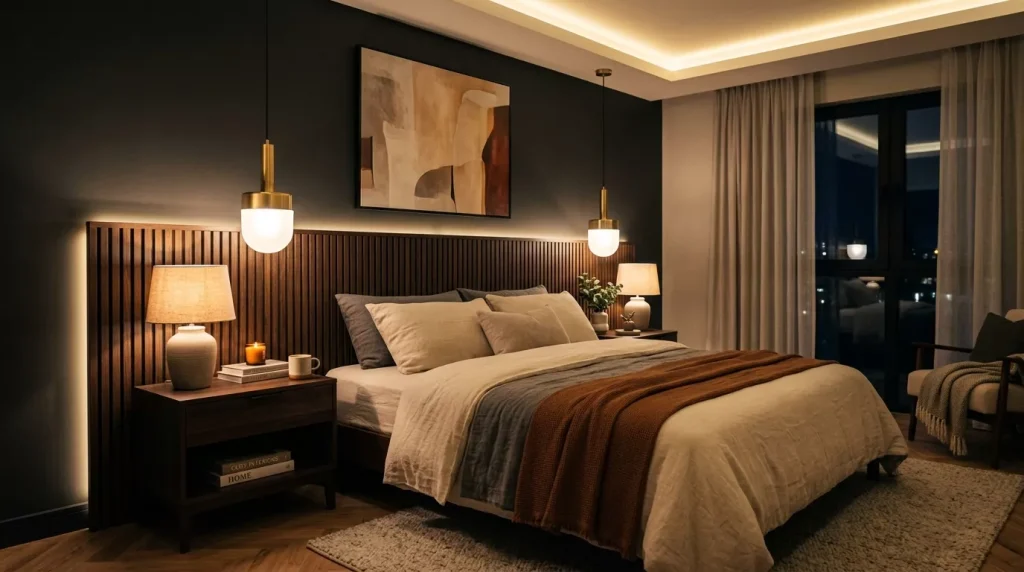
Bedroom Decor Ideas by Element
Once you’ve got a plan, it helps to break the room down piece by piece.
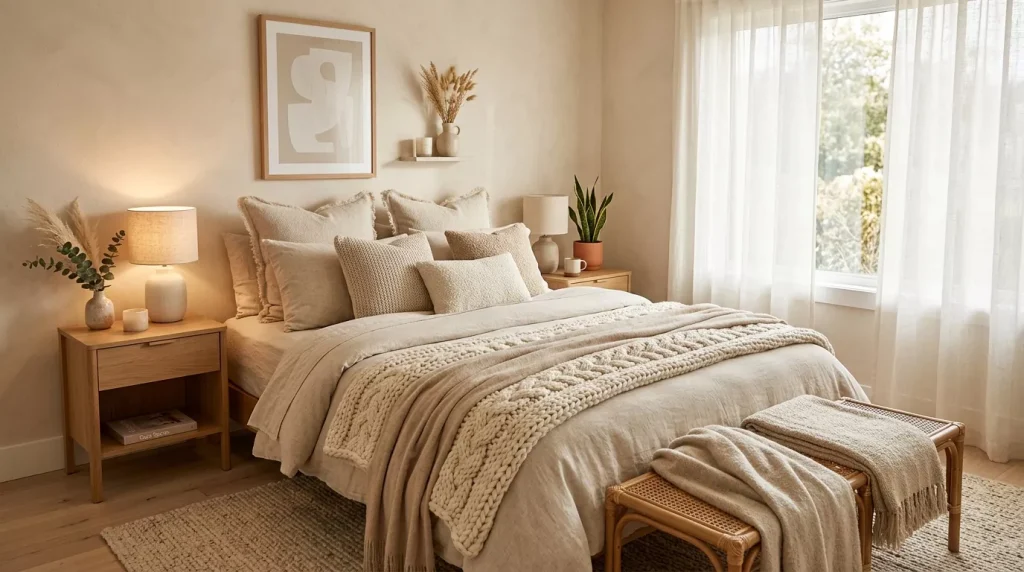
Bedding and Textiles
- Layer different textures — a waffle-knit throw, a linen duvet, a faux fur pillow — to add depth without adding clutter.
- Stick to two or three patterns max so the bed doesn’t compete with the rest of the room.
- Swap out a duvet cover seasonally for an easy, affordable refresh.
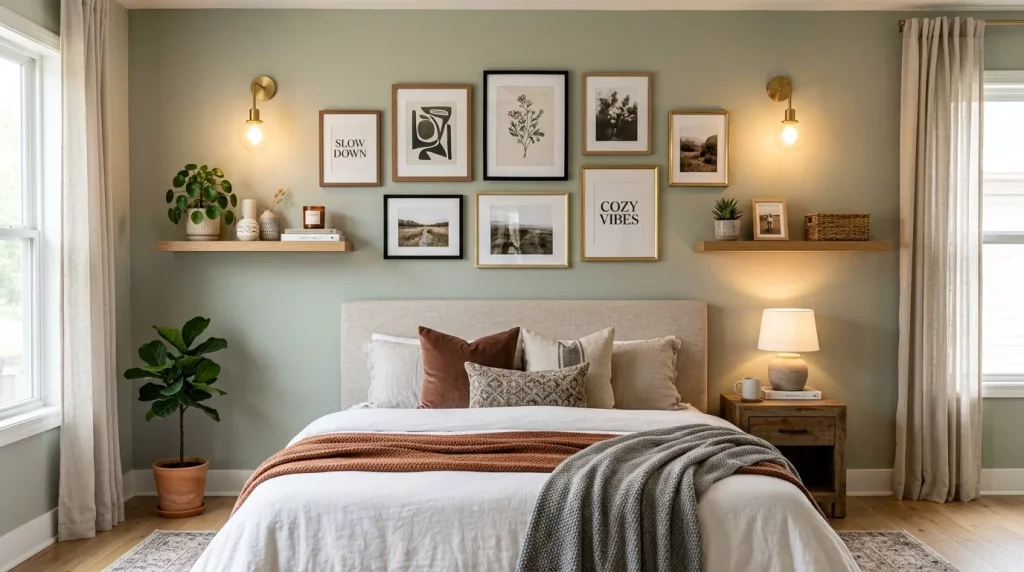
Wall Decor
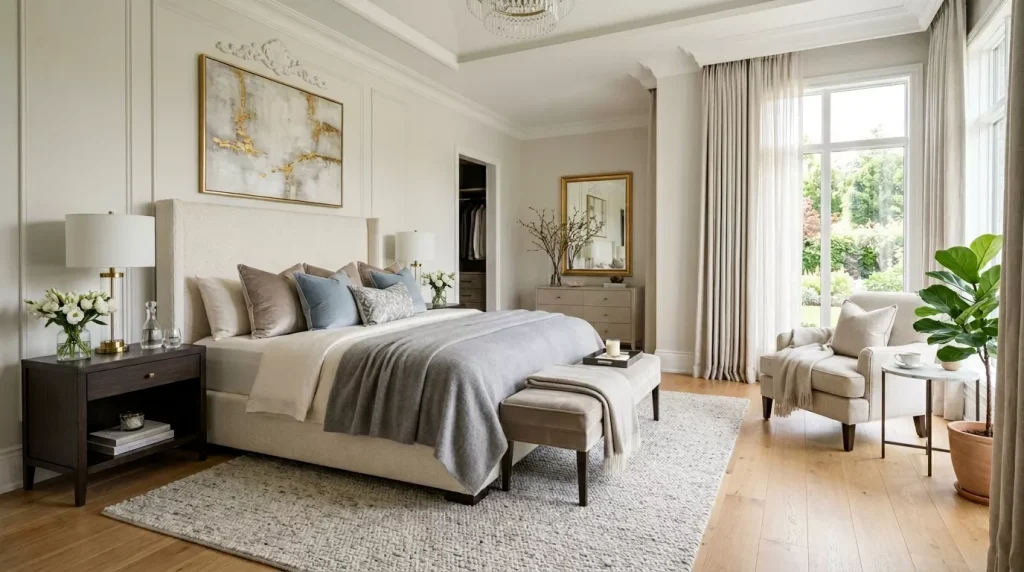
- Hang art at eye level when seated on the bed, roughly 8 to 10 inches above the headboard.
- Try a gallery wall with mismatched frames for a collected, personal look.
- Consider a textured element like a woven hanging or a single statement mirror if art isn’t your thing.
Lighting
- Add a dimmer switch to the main overhead light for flexibility between daytime brightness and nighttime calm.
- Use warm-toned bulbs (around 2700K) to keep the room feeling cozy rather than clinical.
- Bedside lamps with adjustable arms are great for reading without overlighting the whole room.
Furniture and Layout
- Float the bed away from the wall if the room allows it, which often makes a space feel larger, not smaller.
- Choose nightstands that are roughly the same height as your mattress for both function and visual balance.
- Leave at least two feet of walking space around the bed where possible.
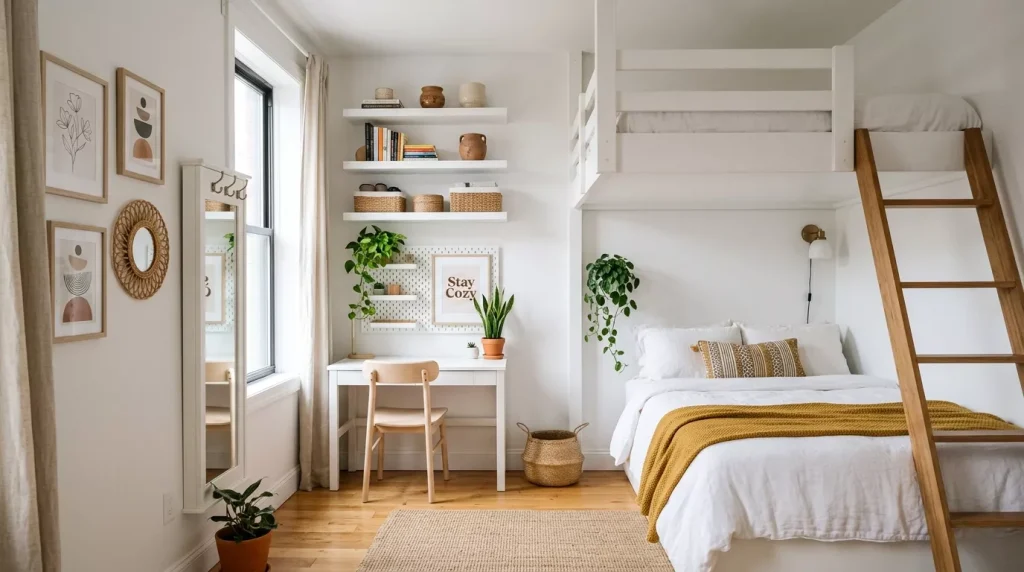
Storage Solutions
- Use under-bed storage bins for off-season items to free up closet space.
- A bench at the foot of the bed adds both storage and a place to sit while getting dressed.
- Floating shelves are a great low-footprint option for small bedrooms that need extra storage without bulky furniture.
Accessories and Personal Touches
- Add a few plants, real or artificial, to soften hard furniture lines and bring in some life.
- Display a small stack of books, a candle, or a tray on your nightstand instead of leaving it bare.
- Rotate seasonal decor (a different throw blanket, scent, or piece of art) to keep the room feeling fresh without a full redo.
Popular Bedroom Decor Styles Compared
If you’re not sure which direction to take your room, here’s a quick comparison of some of the most popular bedroom decor styles right now.
| Style | Mood Created | Typical Cost | Best For |
|---|---|---|---|
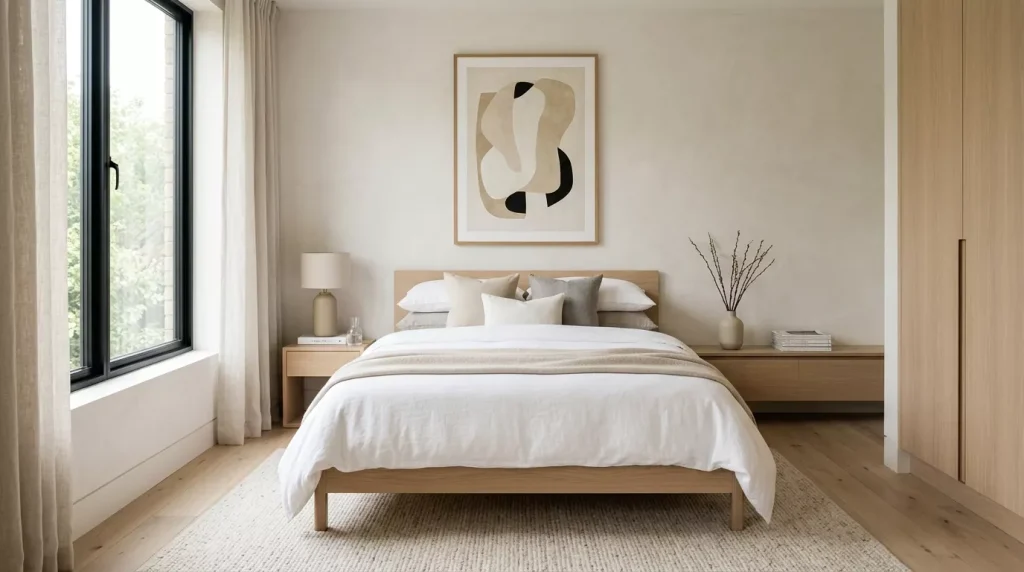
| Minimalist | Calm, clean, uncluttered | Low to moderate | Small bedrooms, people who prefer simplicity |
| Boho | Warm, eclectic, layered | Moderate | People who love texture, pattern, and collected pieces |
| Modern Farmhouse | Cozy, neutral, classic | Moderate to high | Larger bedrooms, traditional homes |
| Scandinavian | Light, airy, functional | Moderate | Smaller spaces needing brightness |
| Traditional | Elegant, timeless, formal | Moderate to high | Larger bedrooms, classic interiors |
| Coastal | Breezy, relaxed, light | Low to moderate | Bright rooms with lots of natural light |
There’s no rule that says you have to pick just one. Many of the best bedroom decor ideas borrow elements from two or three of these styles instead of following a single category exactly.
Small Bedroom vs Large Bedroom Decor Ideas
Room size changes which decor strategies actually work. Here’s how the approach shifts depending on what you’re working with.
| Factor | Small Bedroom | Large Bedroom |
|---|---|---|
| Furniture scale | Smaller, multi-functional pieces | Larger statement pieces are fine |
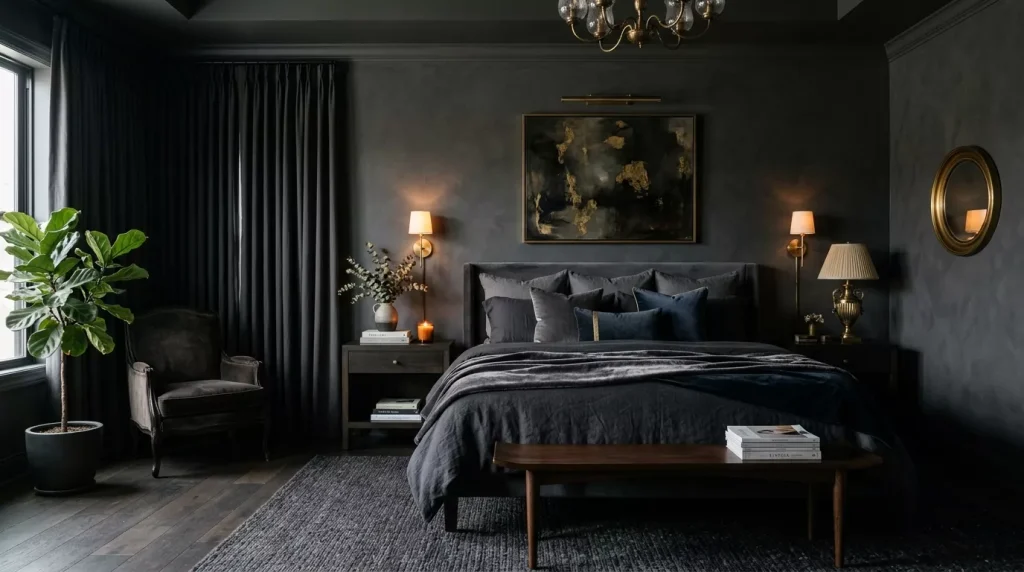
| Color strategy | Lighter, softer tones open up the space | Can handle deeper, saturated colors |
| Storage approach | Vertical storage, under-bed bins, floating shelves | Dedicated dressers, benches, reading nooks |
| Layout | Bed often pushed against a wall to save floor space | Bed can be floated for a more open feel |
| Decor density | Fewer, more intentional pieces to avoid clutter | Room for layered, collected decor without feeling busy |
If your bedroom is on the smaller side, the goal isn’t to avoid decorating — it’s to be more selective about what you bring in and how it’s arranged.
Pros and Cons of DIY Bedroom Decor vs Hiring Help
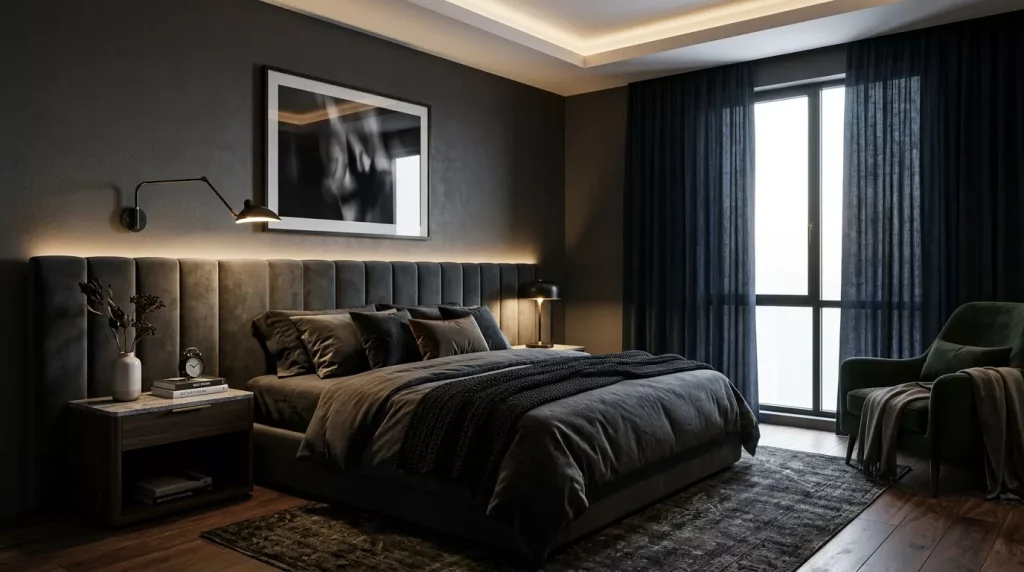
Deciding whether to tackle your bedroom yourself or bring in a designer (even just for a consultation) comes down to time, budget, and confidence.
Pros of DIY Decorating:
- Costs significantly less than hiring a professional
- Lets you move at your own pace and adjust as you go
- Gives the room a more personal, collected feel over time
- Easy to find inspiration and tutorials for almost any style online
Cons of DIY Decorating:
- Can take longer to get a cohesive, finished look
- Easier to make costly mistakes with paint colors or furniture scale
- Requires more research and trial and error
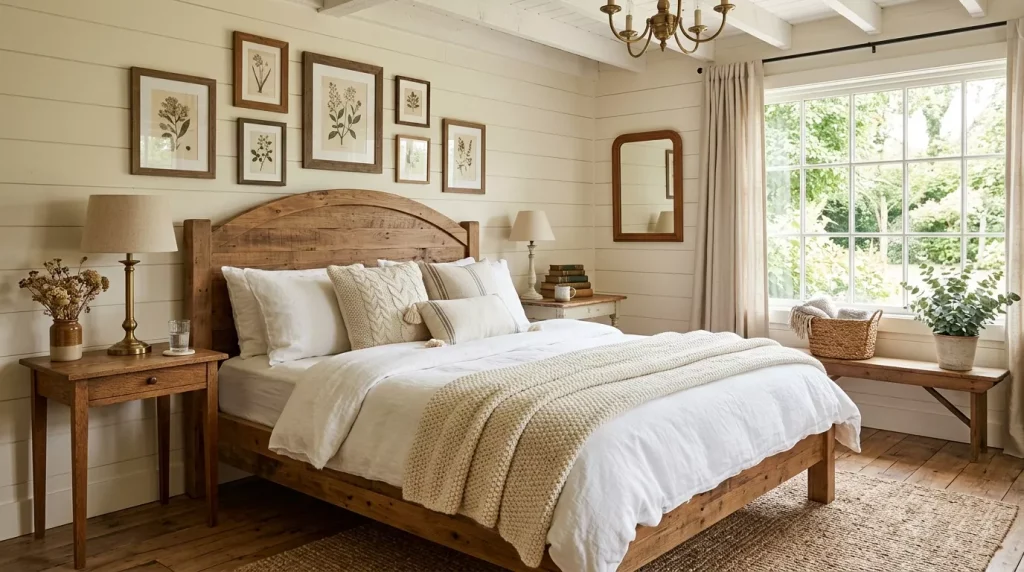
Pros of Hiring a Designer (even for a single consultation):
- Access to a trained eye for color, scale, and layout
- Often saves money long-term by avoiding costly returns or mismatched pieces
- Can speed up the process significantly
Cons of Hiring a Designer:
- Added cost, which isn’t realistic for every budget
- Less hands-on, personal involvement in the final result
- May require compromise if your taste and theirs don’t fully align
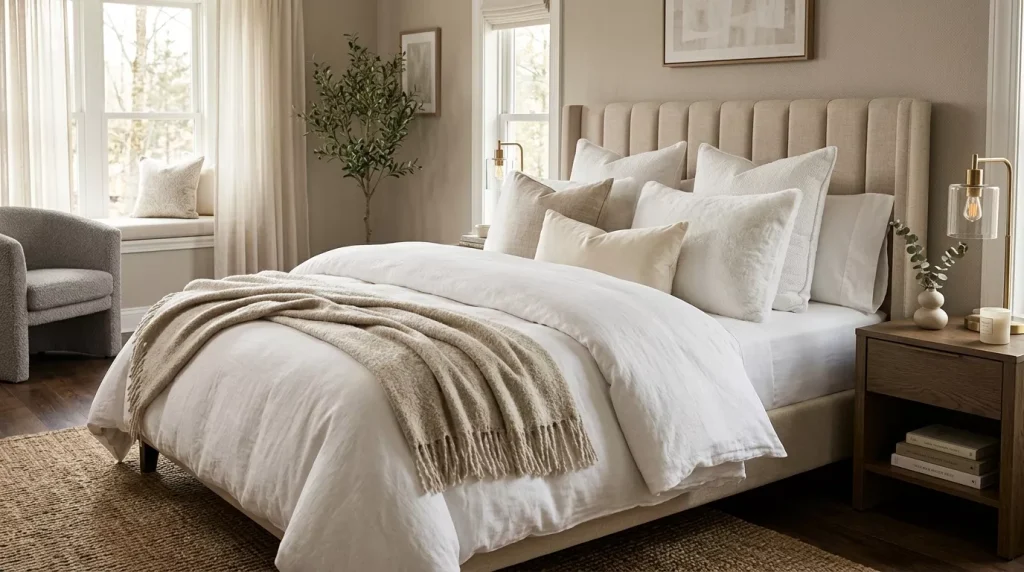
For most people, a hybrid approach works well: use a single design consultation for big-picture guidance (layout, color palette, key furniture pieces), then handle the smaller decorating decisions yourself.
Tips for Better Bedroom Decor
A few small habits make a noticeable difference in how finished a bedroom feels.
- Make your bed every day. It sounds simple, but it instantly makes any bedroom decor look more intentional.
- Stick to an odd number of accent pillows. Three or five pillows tend to look more natural than an even, overly symmetrical count.
- Keep nightstands functional, not cluttered. A lamp, a small stack of items, and one personal touch is usually enough.
- Use rugs to define the space. A rug under at least the front two-thirds of the bed adds warmth and visually grounds the room.
- Mix at least three textures. Smooth, woven, and soft (like wood, rattan, and linen) keep a room from feeling flat.
- Don’t ignore the closet. An organized, visible closet contributes to how calm the whole room feels, even if it’s “just storage.”
Common Mistakes to Avoid
Even well-intentioned decorating efforts can fall short without a bit of awareness. Watch out for these common pitfalls.
- Buying furniture before measuring the room. Oversized furniture is one of the most common (and expensive) bedroom decor mistakes.
- Hanging art too high. Art placed too close to the ceiling instead of near eye level can throw off the whole room’s balance.
- Relying on a single overhead light. This creates harsh, flat lighting instead of the layered glow most bedrooms benefit from.
- Matching everything too perfectly. A bedroom where every item is the exact same color or pattern often looks more like a hotel room than a home.
- Skipping window treatments. Bare windows can make a room feel unfinished, even if everything else is decorated well.
- Forgetting function. A beautiful room that doesn’t have enough storage or comfortable lighting for reading will be hard to actually enjoy day to day.
Final Thoughts
Bedroom decor ideas don’t need to be complicated or expensive to make a real difference in how your space feels. Starting with a clear plan — your style, your budget, and a simple color palette — sets you up to make decisions with confidence instead of guessing room by room.
Whether you’re working with a tiny apartment bedroom or a spacious primary suite, the same core principles apply: layer your lighting, mix your textures, and save the personal touches for last so the room actually feels like yours.
If your bedroom has been on your to-do list for a while, pick one small step from this guide — a new lamp, a rug, or finally hanging that piece of art — and start there this weekend. A finished, restful bedroom is closer than it probably feels right now.
Frequently Asked Questions
1. Where should I start if I’m decorating a bedroom on a tight budget?
Start with the bed. New bedding, a couple of pillows, and a throw blanket can transform the entire room’s look for a relatively small cost before you invest in bigger furniture pieces.
2. How many light sources should a bedroom have?
Most well-decorated bedrooms use at least three: an overhead or ceiling fixture, a bedside lamp, and one accent light source like a floor lamp or string lights.
3. What’s the easiest way to make a small bedroom feel bigger?
Stick to lighter wall colors, use multi-functional furniture, and keep decor intentional rather than dense. Mirrors can also help bounce light around and create a sense of more space.
4. How often should I update my bedroom decor?
There’s no set rule, but many people refresh smaller elements (bedding, pillows, a throw) seasonally, while bigger pieces like furniture or paint color tend to last several years.
5. Should my bedroom match the rest of my house?
Not exactly, but it helps if the overall color palette and style feel connected. A bedroom can have its own personality while still feeling like part of the same home.
6. What’s a good rule of thumb for choosing bedroom wall colors?
Softer, muted tones tend to support better sleep and feel calming over time, while very bright or saturated colors are better used as smaller accents rather than full wall coverage.
7. How do I make my bedroom feel more personal without it looking cluttered?
Choose a handful of meaningful pieces — photos, art, or objects — rather than displaying everything you own. A few intentional items usually have more impact than a crowded surface.
8. Is it better to buy bedroom furniture all at once or piece by piece?
Piece by piece is often more budget-friendly and lets the room evolve naturally, as long as you’ve planned your overall color palette and style direction in advance so everything still feels cohesive.