Home Office Decor Ideas to Boost Productivity

Home Office Decor Ideas to Boost Productivity
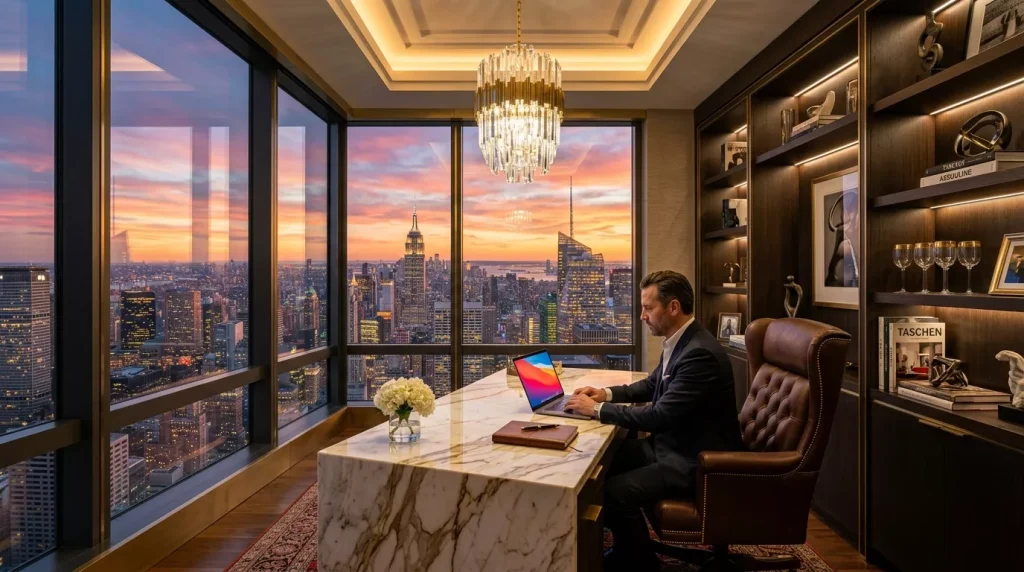
Working from a corner of your bedroom with a laptop balanced on your knees might get the job done, but it won’t help you focus, and it definitely won’t help you switch off at the end of the day. Home office decor ideas matter more than most people expect, because the space you work in directly shapes how productive, motivated, and even how stressed you feel during the day.
The good news is that a productive, good-looking home office doesn’t require a spare room or a huge budget. With a clear plan and a handful of smart choices, you can turn almost any corner, nook, or spare bedroom into a space that actually supports the way you work. Here’s how to do it properly.
Why Home Office Decor Affects More Than Just Looks
It’s tempting to treat office decor as an afterthought once the “real” setup — desk, chair, laptop — is sorted. But the space around you plays a bigger role than most people realize.
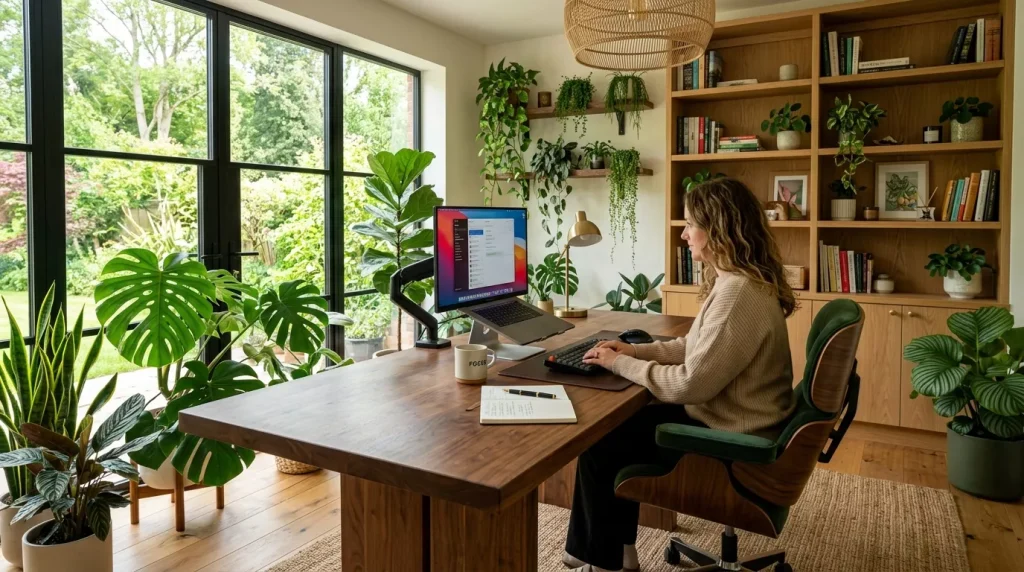
- Clutter competes for your attention. A messy desk or disorganized shelf pulls focus away from the task in front of you, even subconsciously.
- Lighting affects energy levels. Dim, harsh, or flickering light can lead to eye strain and afternoon fatigue faster than you’d expect.
- Color influences mood and focus. Cooler tones tend to support concentration, while warmer tones can feel more energizing or creative.
- A defined workspace supports better boundaries. Even a small, intentional setup helps your brain switch into “work mode” and back out of it at the end of the day.
Think of office decor less as decoration for its own sake, and more as a tool that either supports your workday or quietly works against it.
How to Plan Your Home Office Decor (Step-by-Step Guide)
Jumping straight into buying furniture is how most home offices end up feeling disjointed. A bit of planning upfront saves both money and frustration.
Step 1: Choose the Right Location
If you have options, pick a spot with natural light and as much separation from high-traffic areas as possible, even if that just means a quiet corner instead of the kitchen table.
Step 2: Define How You Actually Work
Do you spend most of your day on video calls, deep-focus writing, or hands-on creative work? Your answer changes what furniture and layout will actually serve you.
Step 3: Get the Ergonomic Basics Right First
Before adding any decor, make sure your desk height, chair support, and monitor positioning are sound. No amount of styling fixes a setup that hurts your back.
Step 4: Choose a Simple Color Palette
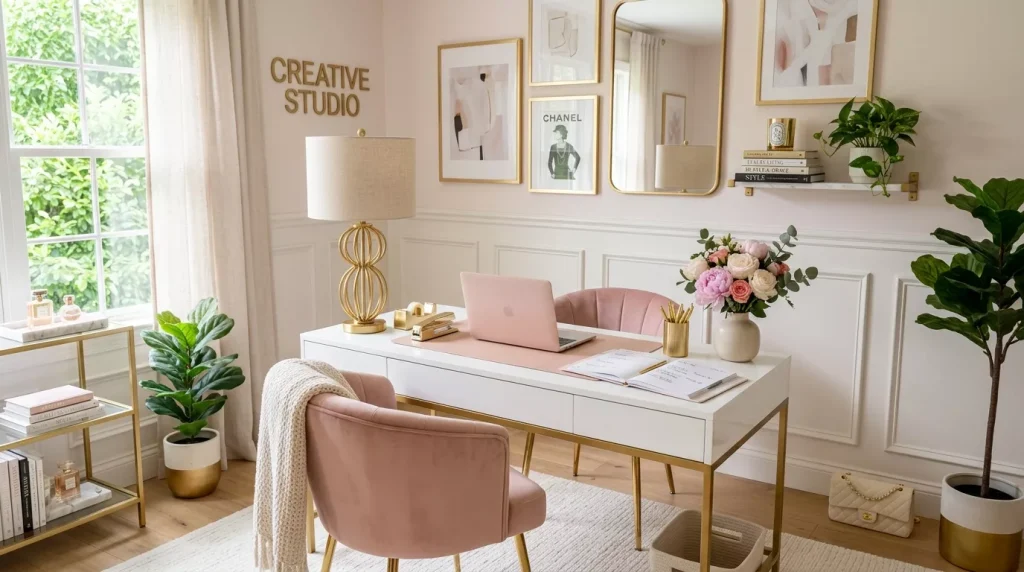
Stick to two or three main colors. A calm, focused color scheme tends to outperform a busy, colorful one in spaces meant for concentration.
Step 5: Layer Your Lighting
Combine natural light, a task lamp, and ambient lighting rather than relying on a single overhead fixture or your screen’s glow alone.
Step 6: Add Personality Last
Once the functional pieces are settled, bring in art, plants, and personal touches that make the space feel like yours instead of a generic setup.
Home Office Decor Ideas by Element
Once you have a plan, break the space down piece by piece so nothing gets overlooked.
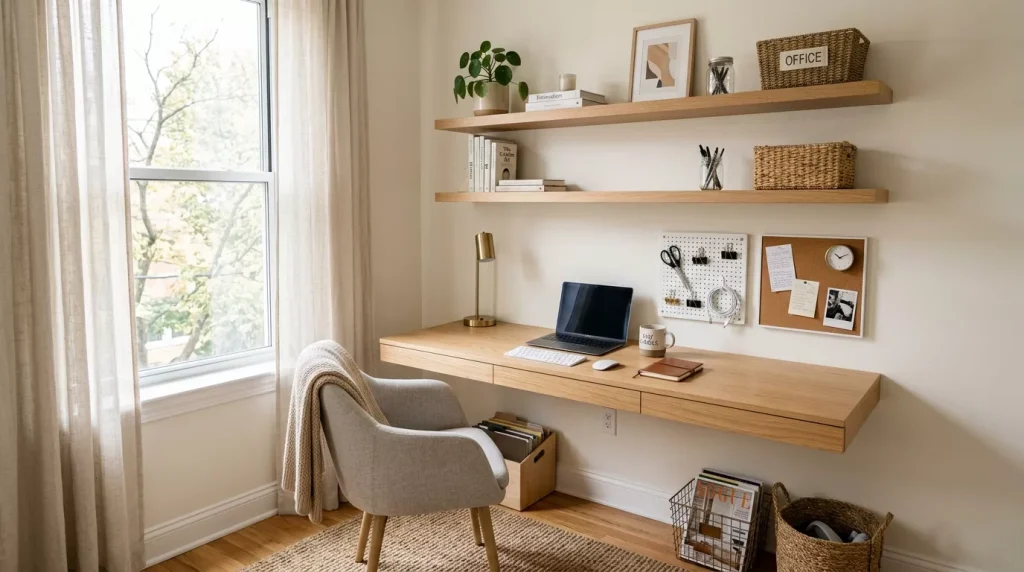
Desk and Layout
- Position your desk perpendicular to a window rather than directly facing it, to avoid screen glare.
- Choose a desk size that matches your actual workflow — a large desk feels empty if you only use a laptop, while a small one feels cramped if you need dual monitors.
- Leave at least a few inches of breathing room around your keyboard and mouse instead of crowding the surface with decor.
Seating
- Invest in a supportive office chair before spending on anything decorative; comfort directly affects how long you can focus.
- Add a small cushion or lumbar support if your chair lacks built-in ergonomics.
- Consider a secondary, more relaxed seat (an armchair or stool) for reading or calls away from the desk.
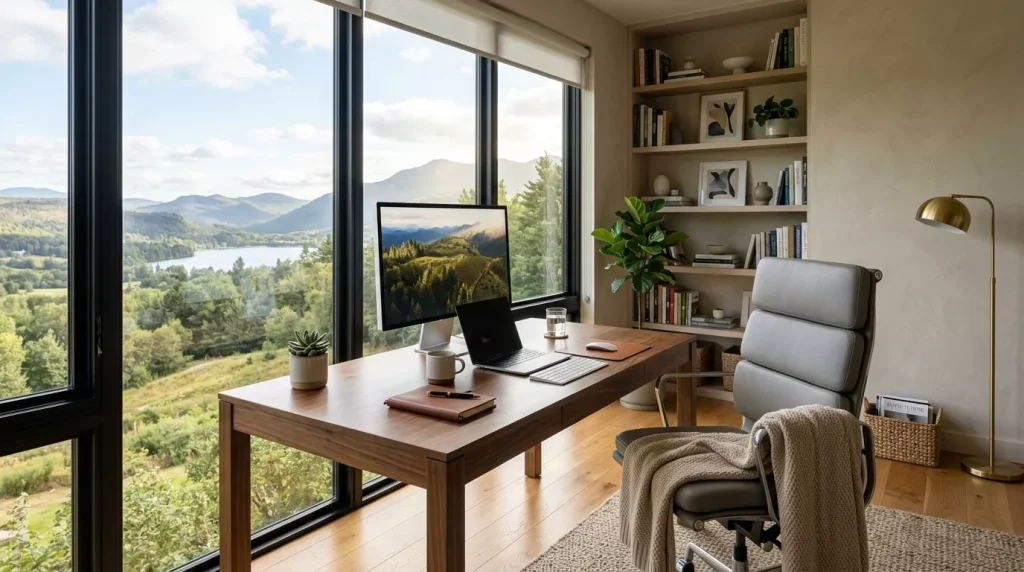
Lighting
- Use a task lamp with adjustable brightness for close work like writing or reading documents.
- Add warm ambient lighting (a floor lamp or wall sconce) for the hours when overhead lighting feels too harsh.
- If your office doubles as a video call space, consider a small ring light or daylight-balanced bulb to improve how you look on camera.
Storage and Organization
- Use closed storage (cabinets, drawers) for items you don’t need daily, and open shelving for things you reach for often.
- A simple desktop organizer keeps pens, notebooks, and cables from turning into visual clutter.
- Vertical storage, like wall-mounted shelves, is especially useful in small or shared-space offices.

Wall Decor and Inspiration
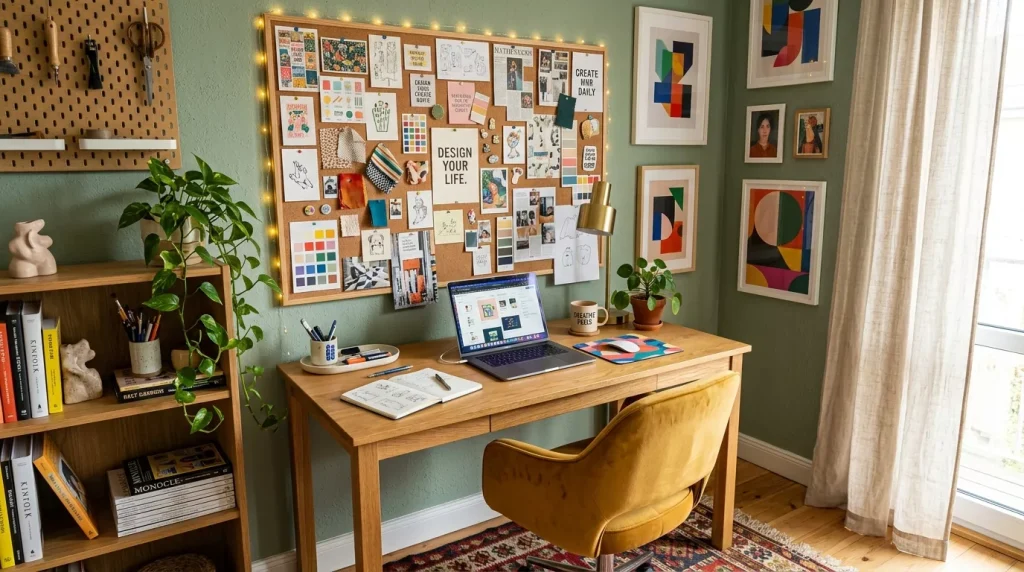
- Hang one or two pieces of art or a corkboard within eyeline of your desk, rather than covering every wall.
- A large calendar or whiteboard can double as both decor and a functional planning tool.
- Keep wall colors and frames consistent in tone to avoid visual clutter behind your video calls.
Accessories and Greenery
- Add one or two low-maintenance plants, like a pothos or snake plant, to soften the space and improve air quality.
- Use a textured rug under the desk to define the workspace, especially in a shared room.
- Keep a small tray for daily essentials (water bottle, headphones, notebook) so the desk surface stays clear.

Popular Home Office Decor Styles Compared
If you’re not sure which direction to take, here’s a quick comparison of common home office styles.
| Style | Mood Created | Typical Cost | Best For |
|---|---|---|---|
| Minimalist | Calm, distraction-free, clean | Low to moderate | Small spaces, focus-heavy work |
| Modern Industrial | Sleek, structured, energizing | Moderate | Creative or tech-focused roles |
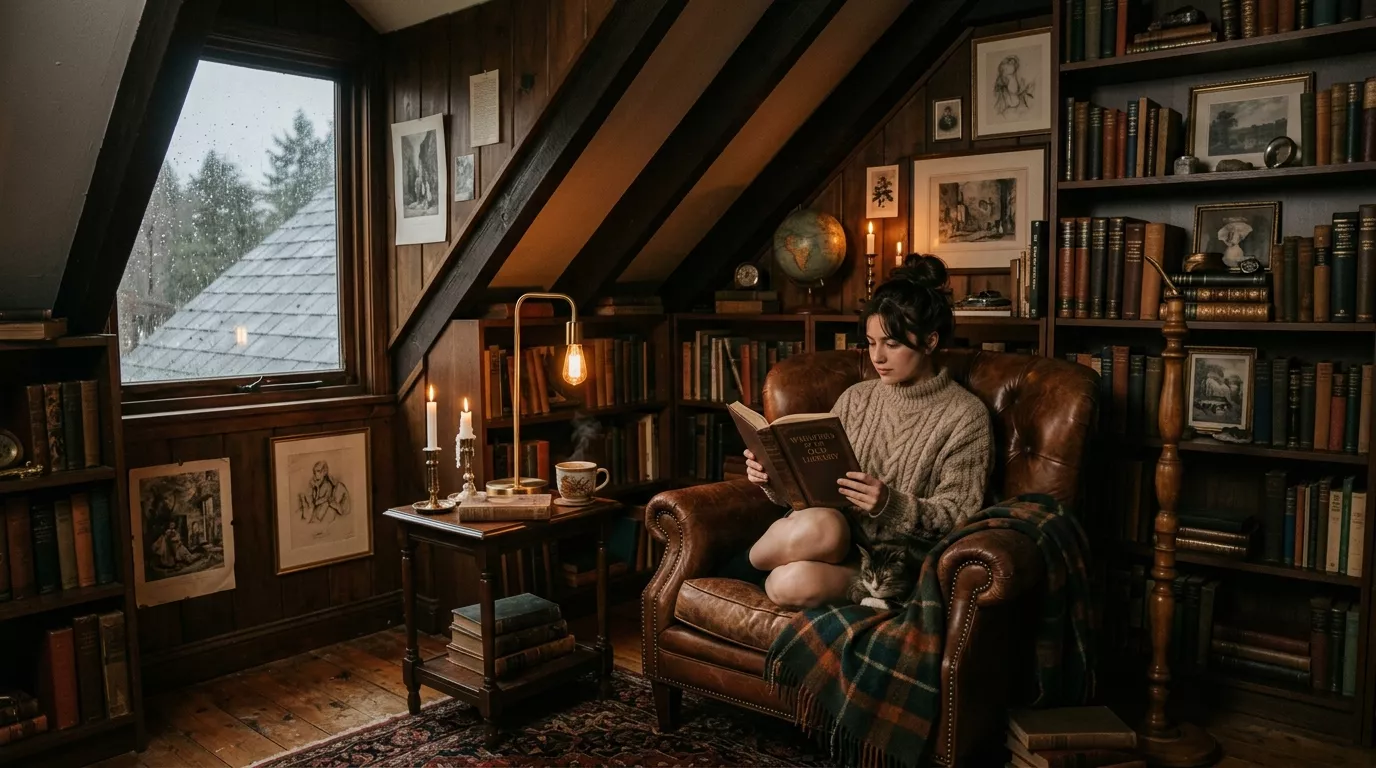
| Cozy Scandinavian | Warm, light, simple | Moderate | Long work-from-home days |
| Bohemian | Creative, layered, personal | Moderate | Creative fields, visual work |
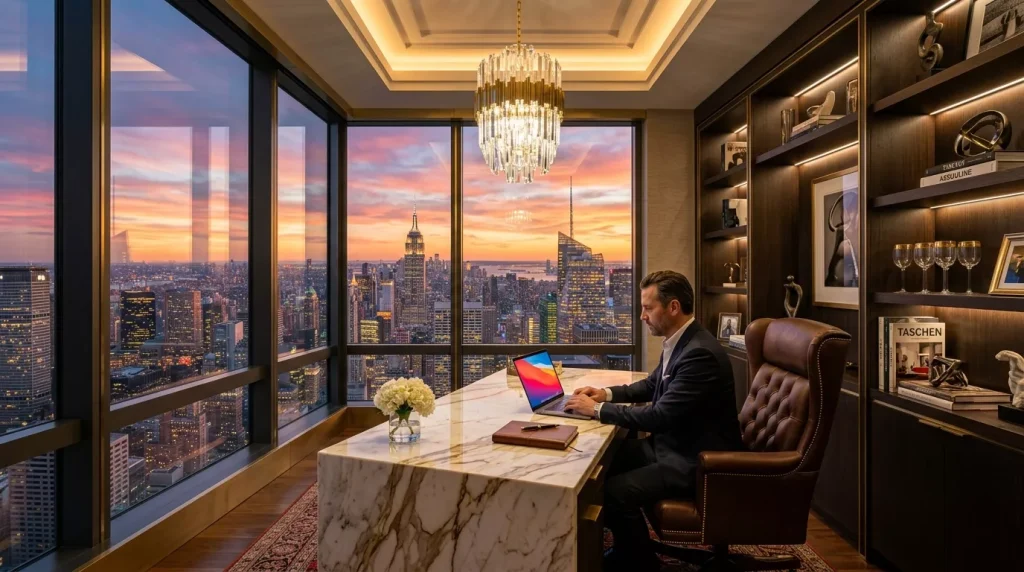
| Traditional | Polished, professional, formal | Moderate to high | Client-facing video calls |
| Coastal/Light & Airy | Relaxed, bright, easygoing | Low to moderate | Naturally lit rooms |
You don’t need to commit fully to one style. Many of the best home office setups borrow elements from two styles — for example, minimalist furniture with bohemian textures and plants layered in.
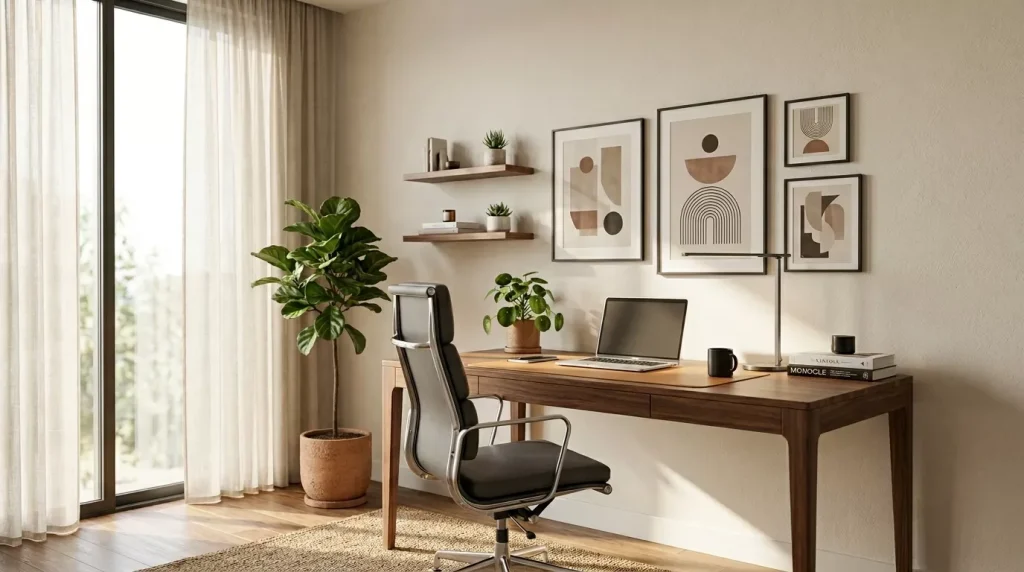
Dedicated Office Room vs Corner Office Setup
Not everyone has a spare room to convert, so it helps to know how the approach changes depending on your space.
| Factor | Dedicated Office Room | Corner Office Setup |
|---|---|---|
| Privacy | High — a closed door limits distractions | Lower — shared with other household activity |
| Decor freedom | Full freedom over color, furniture, and layout | Needs to blend with the surrounding room’s decor |
| Storage options | Larger furniture and full shelving units possible | Limited to compact, multi-functional pieces |
| Boundary setting | Easier to mentally “leave work” by closing the door | Requires more intentional routines to switch off |
| Cost | Generally higher due to more furniture needed | Lower, since fewer pieces are required |
If a dedicated room isn’t an option, a well-defined corner with the right lighting, a room divider, or even a folding screen can create a surprising amount of the same focus and separation.
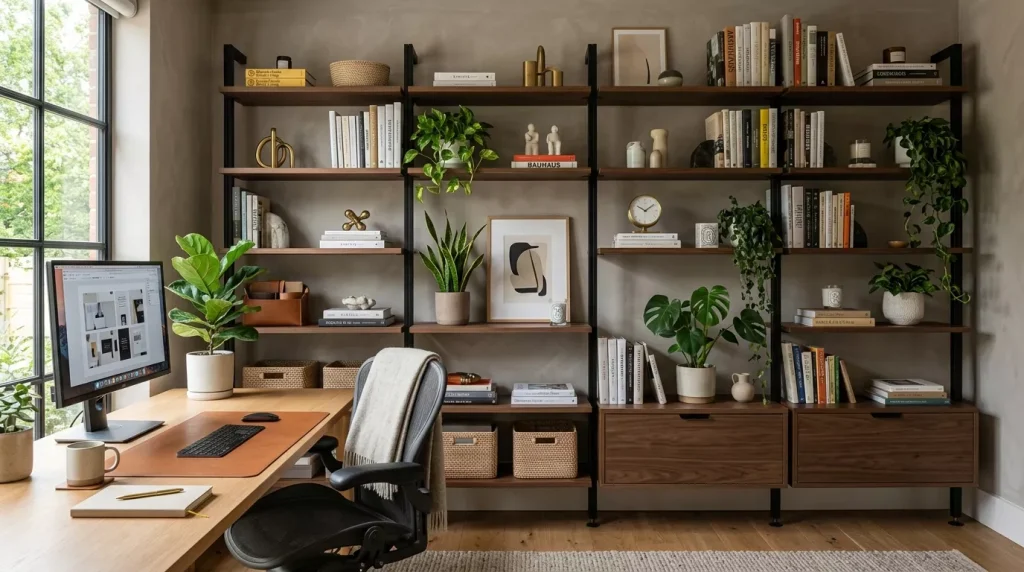
Pros and Cons of Fully Decorating a Home Office
Some people prefer a bare-bones desk setup, while others go all in on decor. Here’s how each approach holds up.
Pros of a Fully Decorated Home Office:
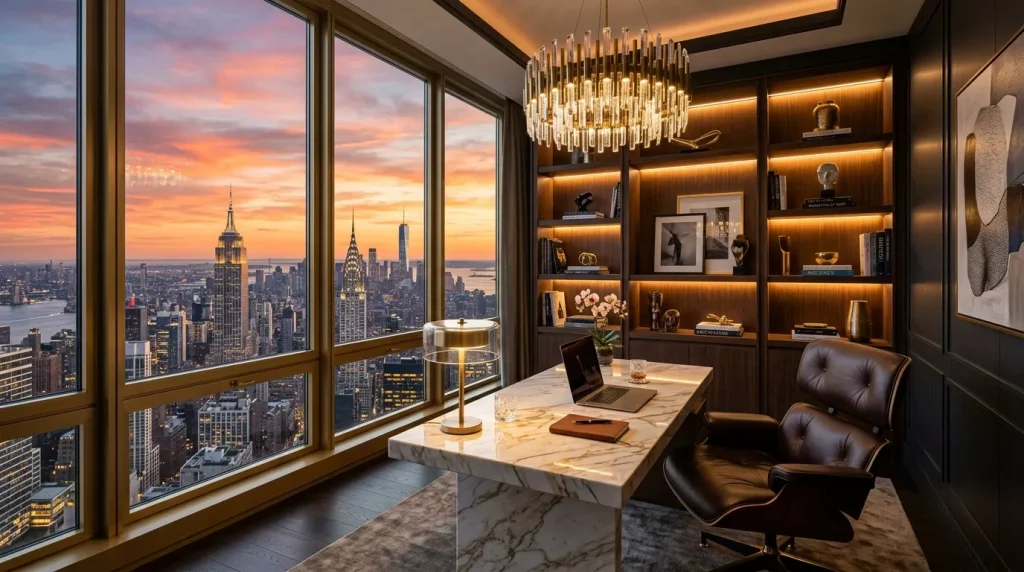
- Makes the space feel more inviting, which can improve motivation
- Supports better mental separation between “home” and “work” zones
- Looks more polished for video calls and client meetings
- Personal touches can genuinely boost mood during long workdays
Cons of a Fully Decorated Home Office:
- Can become visually cluttered if not planned carefully
- Adds upfront cost beyond just functional furniture
- Too much decor near your desk can become a distraction itself
- Requires occasional upkeep (dusting, rearranging, plant care) on top of regular cleaning
Pros of a Minimal, Function-First Setup:
- Lower cost and faster to put together
- Naturally distraction-free
- Easier to keep clean and organized
Cons of a Minimal, Function-First Setup:
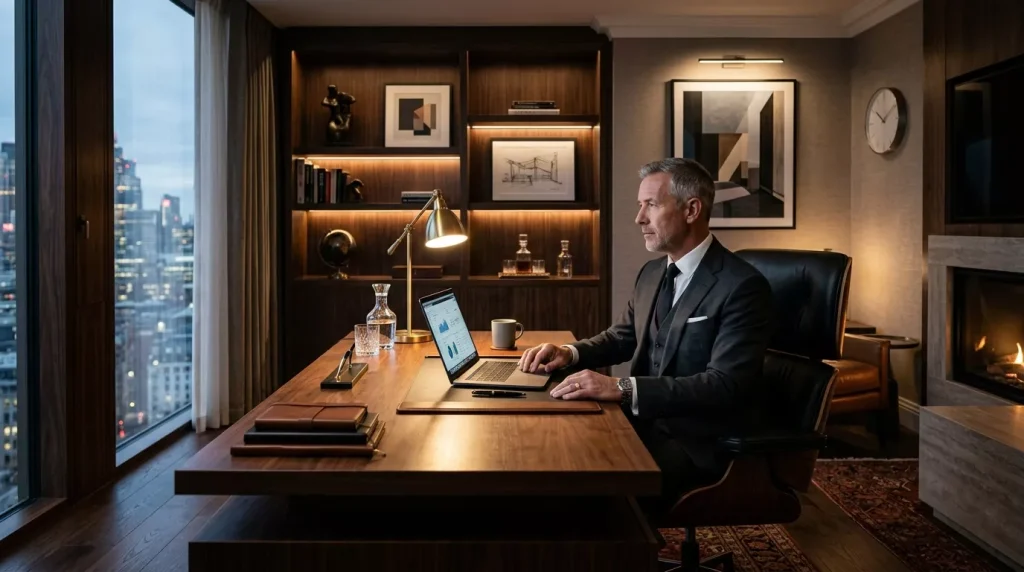
- Can feel sterile or uninspiring over time
- Less personality, which may affect long-term motivation
- Often feels less “finished” for video calls or in-person meetings
Tips for a Better Home Office
A few small adjustments can make a noticeable difference in how your home office feels and functions day to day.
- Face your desk toward the door if possible. It’s a small psychological detail, but it tends to feel more secure and less distracting than having your back to the room.
- Use the 1-3-5 decor rule. One large item (art or shelving), three medium items (a lamp, a plant, an organizer), and five small details (frames, trinkets, a mug) keeps a desk styled without feeling cluttered.
- Keep cables managed. Even beautifully decorated offices look messy with tangled cords in plain sight; a simple cable tray or clips solves this cheaply.
- Add a scent element. A candle or diffuser with a consistent scent can help train your brain to associate that smell with focus mode.
- Rotate your decor seasonally. Swapping a few small items (a plant, a throw, artwork) keeps the space feeling fresh without a full redo.
- Test lighting at the time of day you actually work. A space that looks great at noon might feel completely different during early morning or evening work sessions.

Common Mistakes to Avoid
Even a well-intentioned home office setup can fall short without a bit of awareness. Watch for these common pitfalls.
- Prioritizing decor over ergonomics. A beautifully styled desk doesn’t help if your chair or monitor height is causing strain.
- Overcrowding the desk surface. Too many decorative objects near your keyboard creates visual noise and eats into usable space.
- Ignoring glare and lighting placement. A desk facing directly into a window or under harsh overhead light can cause unnecessary eye strain.
- Choosing trend-driven decor that doesn’t match your workflow. A trendy but impractical setup (like open shelving with no real storage) often looks good for a week and frustrates you for months.
- Skipping a “wind-down” boundary. Without some visual or physical cue that work has ended (closing a laptop, dimming a lamp), it’s easy to feel like you’re always “at the office.”
- Forgetting the background for video calls. A cluttered or overly busy wall behind your desk can be distracting for the people you’re meeting with.
Final Thoughts
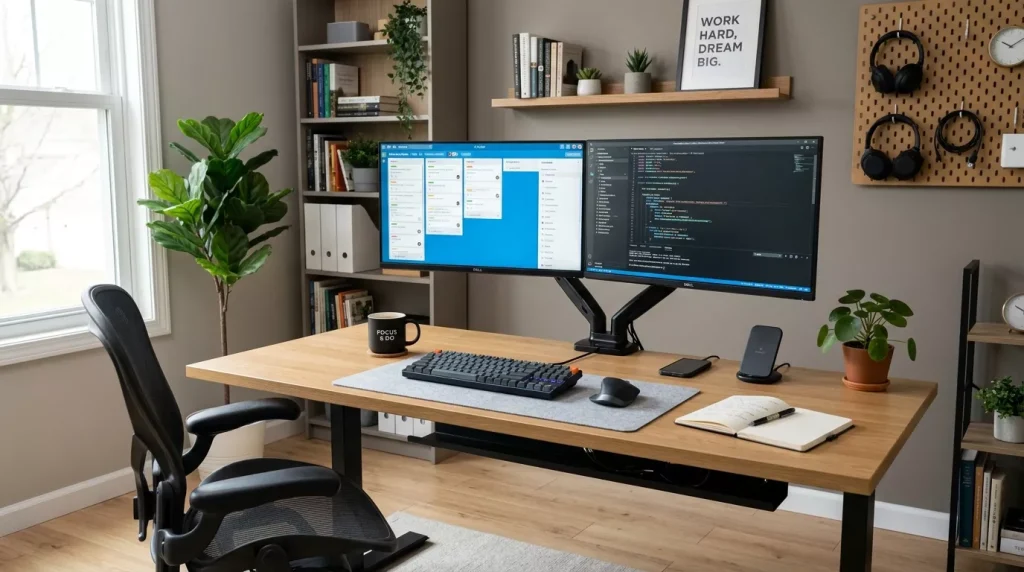
Home office decor ideas work best when function comes first and styling comes second. A well-planned space — the right lighting, a supportive chair, smart storage, and just enough personality — can genuinely change how productive and comfortable your workday feels.
Whether you’re working with a full spare room or a small corner setup, the same principles apply: start with the basics, layer in lighting and color intentionally, and save the personal touches for last so the space feels like yours.
If your current setup has been bothering you for a while, pick one upgrade from this guide — better lighting, a proper desk organizer, or finally hanging that piece of art — and start there this week. A workspace that actually supports you is closer than it might feel right now.
Frequently Asked Questions
1. What’s the most important element to get right in a home office?
Ergonomics should come first — your desk height, chair support, and monitor position have the biggest impact on comfort and productivity, even before considering decor.
2. How can I create a home office in a small apartment with no spare room?
Look for an underused corner, even a closet or hallway nook, and use a compact desk, vertical storage, and a room divider or curtain to create a sense of separation from the rest of the space.
3. What colors are best for a productive home office?
Cooler, muted tones like soft blue, sage green, or warm gray tend to support focus, while small pops of a brighter accent color can add energy without becoming distracting.
4. Do plants actually help in a home office?
Yes, to a reasonable extent. Beyond the visual softening they provide, certain low-maintenance plants can also improve indoor air quality and add a sense of calm to the space.
5. How much should I budget for home office decor?
It varies widely, but a reasonable starting budget for lighting, a few decor pieces, and basic organization tools is often far less than people expect, especially if you build it up gradually rather than all at once.
6. Should my home office match the rest of my home’s decor?
It helps if the overall tone feels connected, but your office can absolutely have its own distinct personality, especially if it’s a separate room with a closed door.
7. How do I make my home office look better on video calls without a full redesign?
Focus on what’s directly behind you: a tidy shelf, a single piece of art, or a plant in the background can instantly make the space look more polished on camera.
8. How often should I refresh my home office decor?
There’s no strict rule, but many people swap smaller details — a plant, a throw, a few accessories — every few months, while larger furniture and paint choices typically last several years.