Luxury Garden Design Ideas for a Resort-Style Yard

Luxury Garden Design: Creating a Resort-Style Retreat at Home
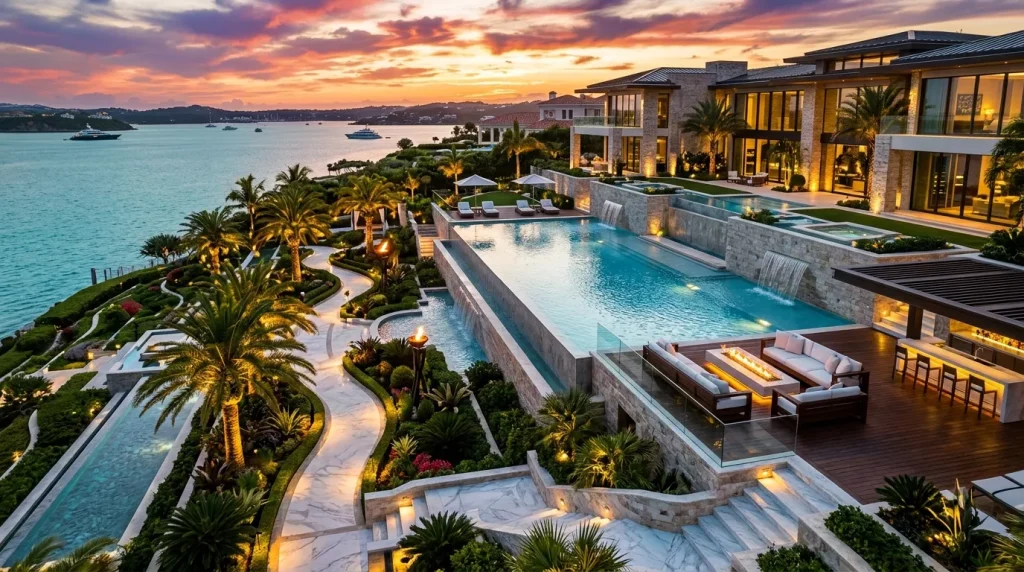
Luxury garden design isn’t just about spending more money — it’s about creating a space that feels curated, calm, and intentional from the moment you step outside.
The best luxury gardens share a few things in common: thoughtful layout, high-quality materials, and a sense of flow that ties every element together.
In this guide, we’ll break down what actually defines luxury in garden design, along with practical steps to bring that feeling into your own outdoor space.
What Sets a Luxury Garden Apart From a Standard One
It’s easy to assume luxury simply means expensive plants or imported stone, but the real difference lies in the details.
A luxury garden feels finished. Every path leads somewhere intentional, every seating area has a purpose, and nothing feels like an afterthought.
This level of polish usually comes from careful planning rather than an unlimited budget — structure and consistency matter more than sheer cost.
Core Elements of Luxury Garden Design
Whether you’re working with a large estate or a modest backyard, certain design principles consistently show up in high-end gardens.
1. Defined Zones
Luxury gardens rarely feel like one open, undefined space. Instead, they’re broken into purposeful areas.
- Dining or entertaining zones near the house
- Quiet lounging areas tucked further into the garden
- Transitional pathways connecting each space smoothly
2. High-Quality Hardscaping
Materials like natural stone, brick, and hardwood decking instantly elevate the overall feel of a garden.
- Natural stone pathways add texture and permanence
- Built-in seating walls create a polished, architectural look
- Consistent material choices throughout tie the whole space together
3. Statement Water Features
Water adds movement, sound, and a sense of calm that’s hard to replicate with plants alone.
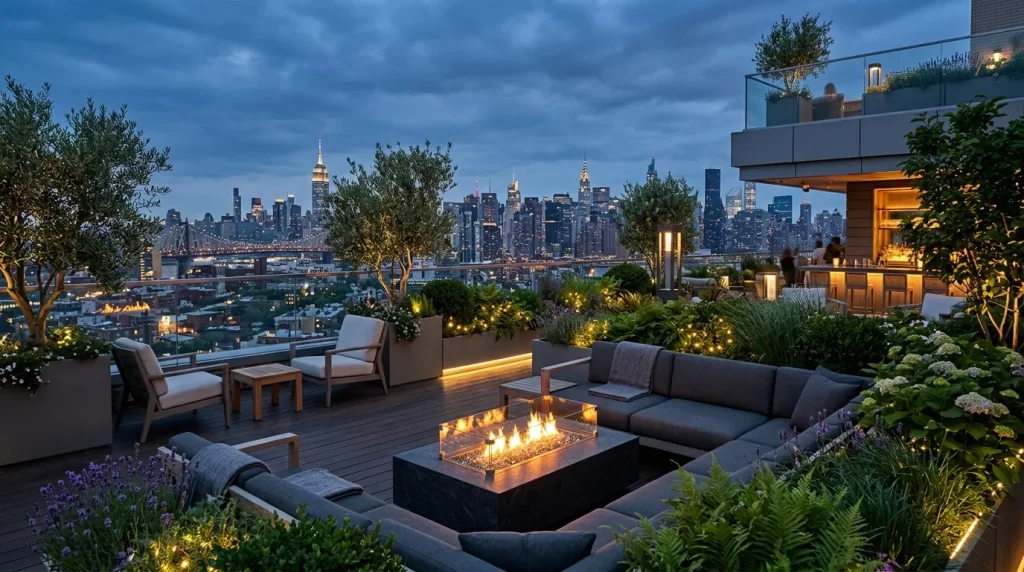
- Fountains work well as central focal points
- Reflecting pools add a sleek, modern touch
- Even a small water feature can elevate the entire garden’s atmosphere
4. Layered Planting
Rather than scattered individual plants, luxury gardens use layered planting for depth and structure.
- Tall trees or hedges create privacy and a sense of enclosure
- Mid-height shrubs add fullness without blocking views
- Groundcover and flowering plants finish the layers at eye level
5. Intentional Lighting Design
Lighting transforms a garden from daytime-only to a space that feels just as impressive after dark.
- Path lighting guides movement safely and beautifully
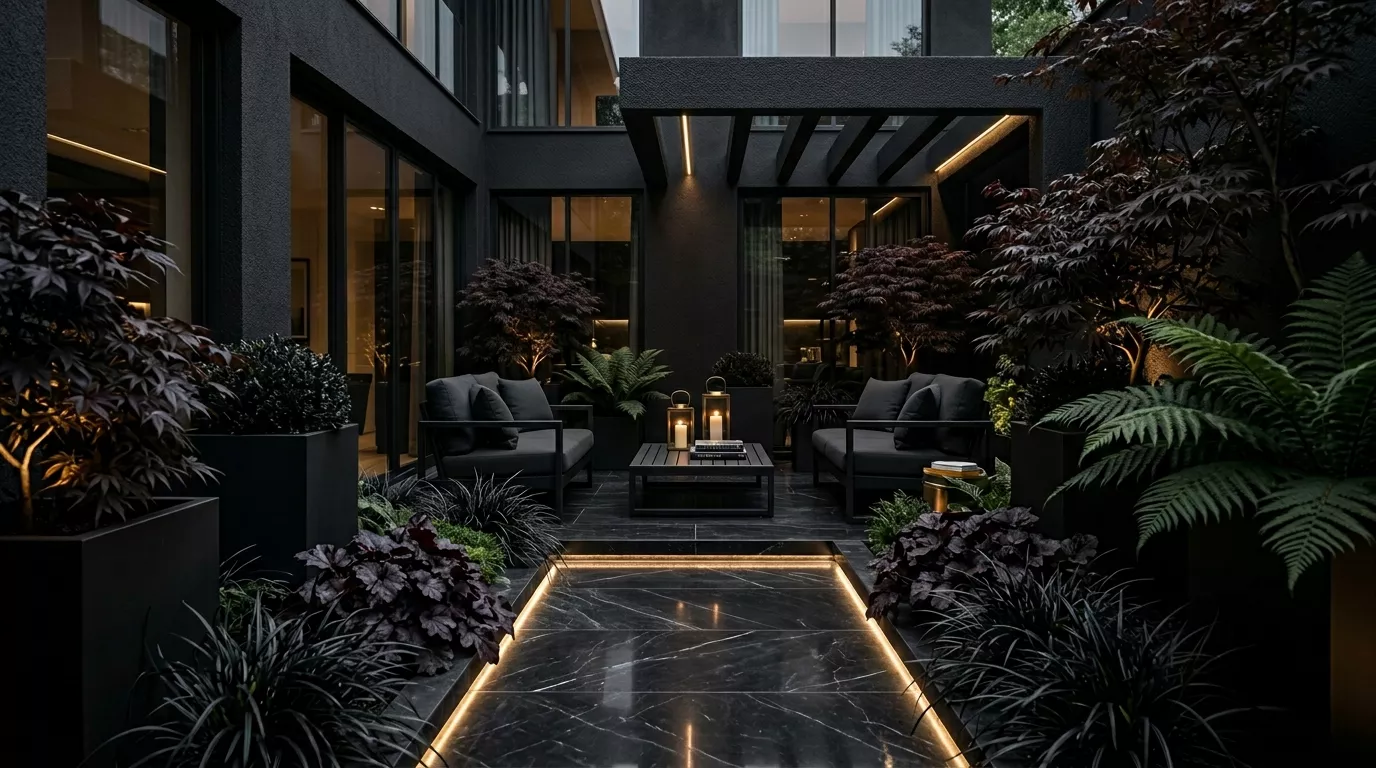
- Uplighting on trees adds drama and depth
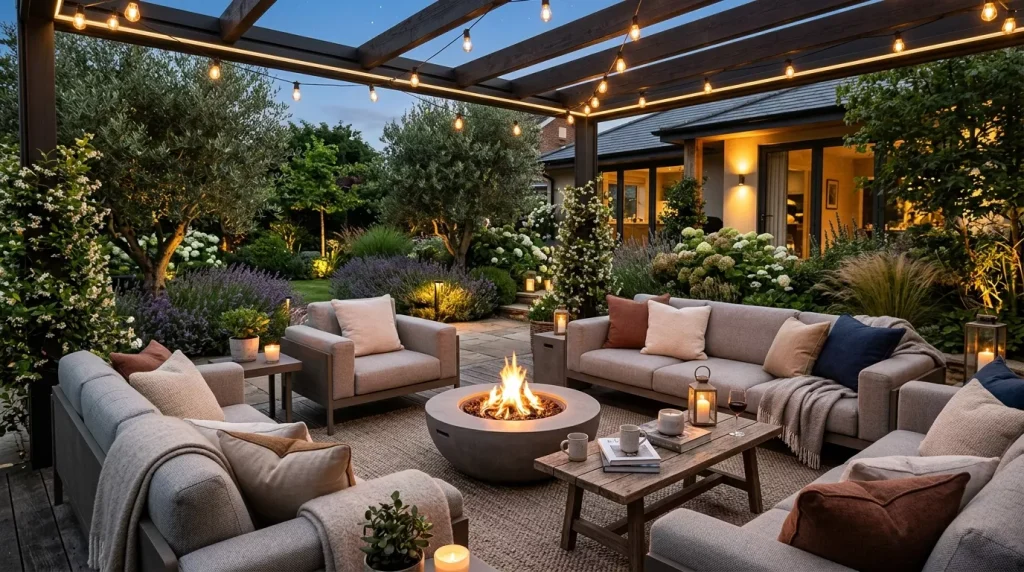
- Soft ambient lighting near seating areas creates a relaxed mood
Luxury Garden Styles to Consider
There isn’t one single look that defines luxury — it depends on personal taste, climate, and the architecture of your home.
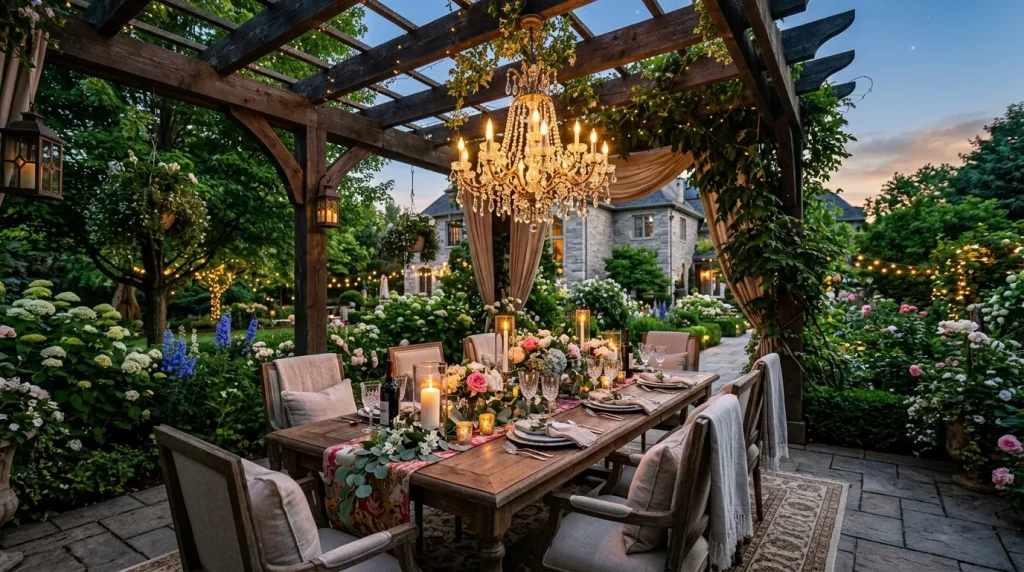
- Modern Minimalist – Clean lines, limited plant palette, geometric hardscaping
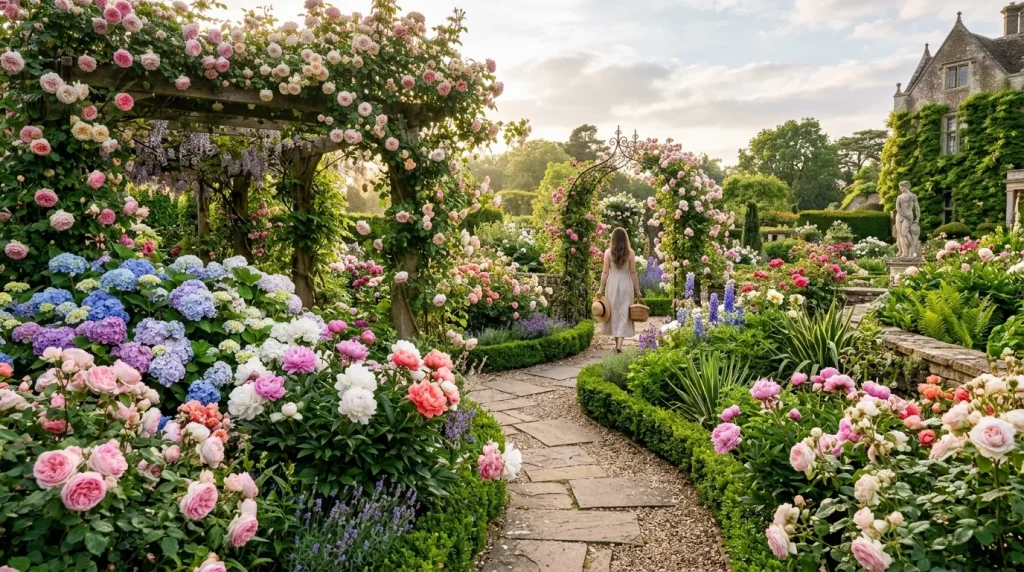
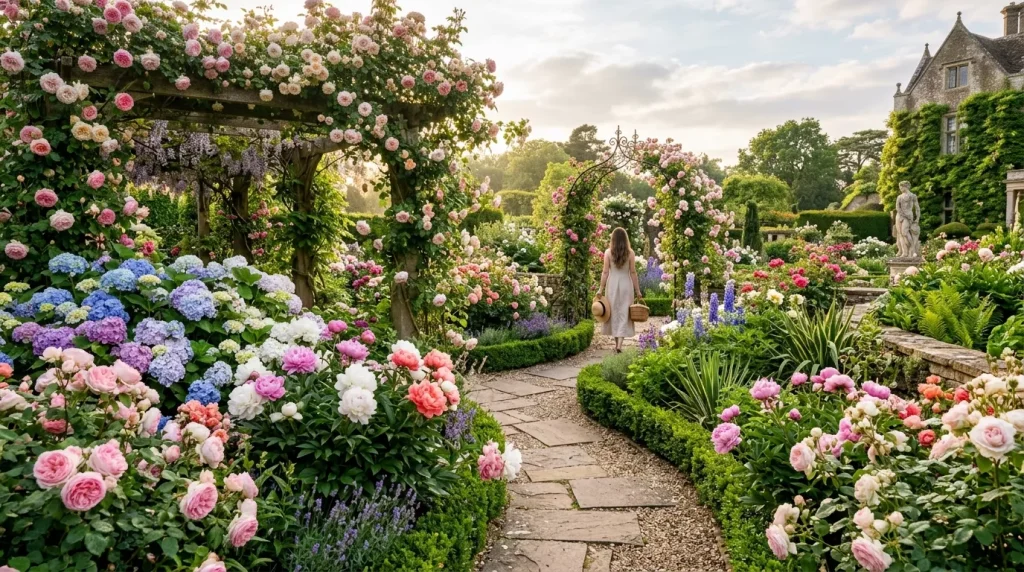
- English Garden – Lush, layered planting with a slightly wild, romantic feel
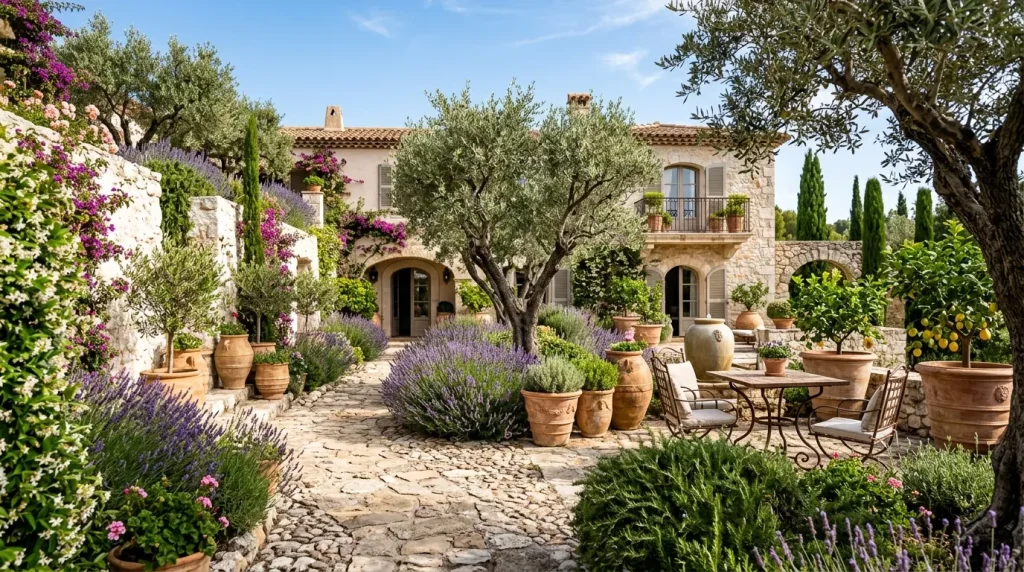
- Mediterranean Style – Warm stone, olive trees, and drought-tolerant planting
- Japanese-Inspired – Balanced, serene layouts with water and carefully placed stone
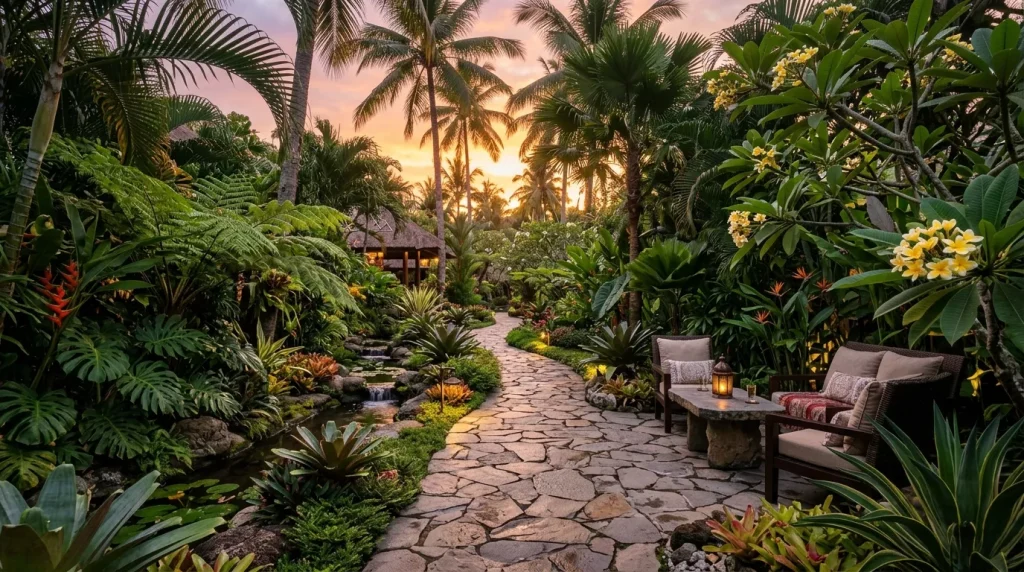
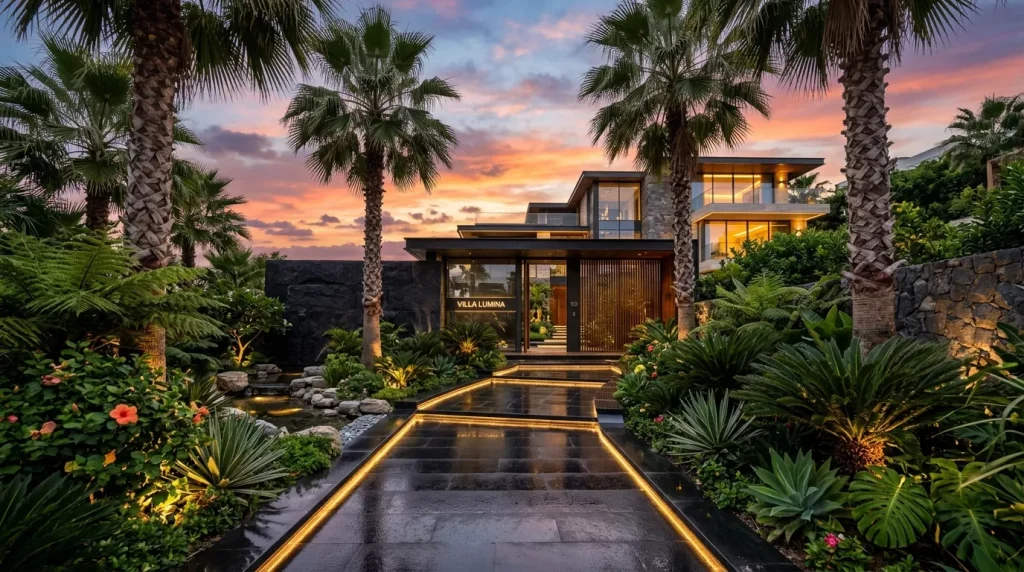
- Tropical Resort – Bold foliage, statement palms, and lounge-style seating areas
Luxury Garden Design vs. Standard Landscaping: Key Differences
Understanding the gap between the two helps clarify where your budget and effort should go.
| Feature | Luxury Garden Design | Standard Landscaping |
|---|---|---|
| Planning approach | Zoned, intentional layout | Often more general or scattered |
| Materials | Natural stone, custom hardscaping | Standard pavers, basic mulch |
| Lighting | Layered, designed for evening use | Minimal or purely functional |
| Water features | Common as focal points | Rare or absent |
| Maintenance level | Higher, often professionally managed | Lower, more DIY-friendly |
Standard landscaping focuses on function and upkeep, while luxury garden design treats the yard as an extension of the home’s living space.
Step-by-Step: Planning a Luxury Garden Design
Creating a high-end garden feel doesn’t happen by accident — it follows a fairly consistent planning process.
- Assess your space and sun exposure. This determines which zones and plants will actually thrive.
- Sketch functional zones first. Decide where dining, lounging, and pathways will go before adding decorative elements.
- Choose a consistent material palette. Limit stone, wood, and metal choices to two or three complementary options.
- Layer your planting. Start with structural trees and shrubs, then fill in with mid-level and groundcover plants.
- Add a focal point. A water feature, sculpture, or statement tree gives the eye somewhere to land.
- Plan lighting early. Wiring for path and accent lighting is easier to install before hardscaping is finished.
- Finish with furniture and accessories. Outdoor furniture, planters, and decor should complement, not compete with, the garden’s structure.
Pros and Cons of Investing in Luxury Garden Design
Like any significant home investment, luxury garden design comes with real advantages and a few important trade-offs.
Pros:
- Increases overall property value and curb appeal
- Creates a functional outdoor living space for entertaining
- Adds long-term enjoyment through thoughtful, durable design
- Elevates the everyday experience of being at home
- Often requires less redesign later since the layout is well-planned upfront
Cons:
- Requires a higher upfront investment than basic landscaping
- Professional design and installation costs can add up quickly
- Some elements, like water features, need ongoing maintenance
- Larger renovations take more time to plan and execute
- Poorly planned luxury elements can look excessive rather than elegant
Tips for Achieving a Luxury Garden Feel on Any Budget
You don’t need an unlimited budget to bring luxury design principles into your space.
- Focus your budget on one standout feature rather than spreading it evenly across the yard.
- Stick to a limited, cohesive plant and material palette instead of mixing too many types.
- Invest in quality lighting — it makes a noticeable difference for a relatively modest cost.
- Keep pathways and edges crisp and well-maintained, since neat lines read as polished.
- Add one or two high-quality furniture pieces rather than several lower-quality ones.
Common Mistakes That Undermine a Luxury Garden Look
Even with a generous budget, a few missteps can make a garden feel cluttered instead of elevated.
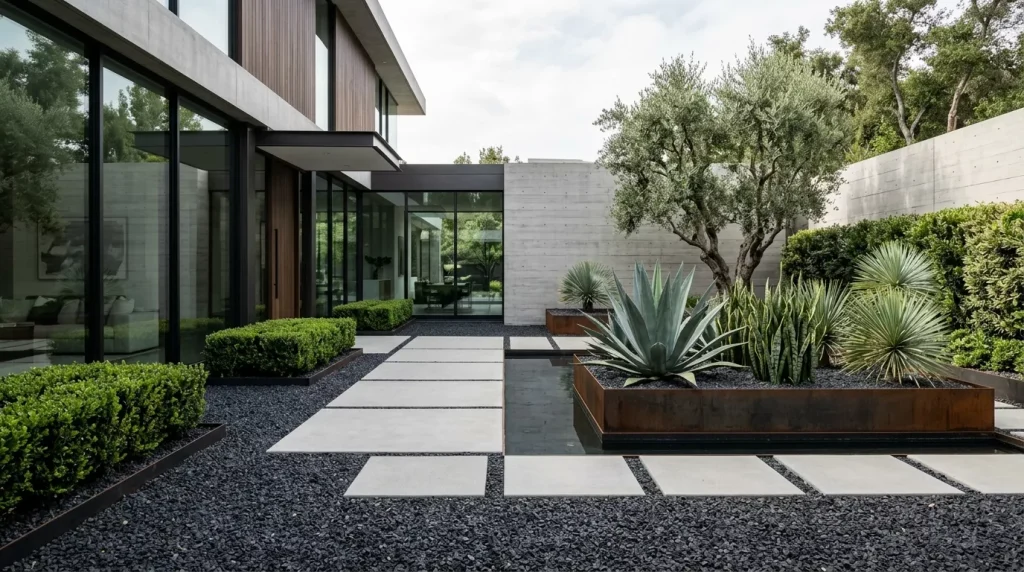
- Overplanting without structure. Too many plant varieties without layering can look chaotic rather than lush.
- Mixing too many materials. Combining several types of stone, wood, and metal often looks disjointed.
- Skipping lighting design. A beautiful daytime garden can lose its impact entirely after dark without planned lighting.
- Ignoring maintenance needs. High-end features that fall into disrepair quickly lose their luxury feel.
- Adding decor without a plan. Random statues, planters, or furniture pieces can clutter an otherwise well-designed space.
Final Thoughts
Luxury garden design is less about spending without limits and more about creating a space that feels intentional, layered, and complete.
From defined zones and quality hardscaping to thoughtful lighting and layered planting, every element works together to create that resort-style feeling.
Start with a clear plan for how you’ll use the space, invest in a few standout features, and let the rest of the design support that vision.
If your outdoor space has been feeling more functional than fabulous, a thoughtful redesign might be exactly what transforms it into the retreat you’ve been picturing.
Frequently Asked Questions
1. Do I need a professional designer for a luxury garden?
Not always. While professionals help with complex layouts and hardscaping, many luxury design principles can be applied gradually on your own with careful planning.
2. What’s the most important element in luxury garden design?
Layout and structure typically matter more than individual features, since a well-planned space makes everything else feel more polished.
3. How much does luxury garden design typically cost?
Costs vary widely based on size and materials, but investing in hardscaping and lighting usually delivers the most noticeable impact for the budget.
4. Can a small yard still have a luxury garden feel?
Yes, smaller spaces can achieve a luxury look through quality materials, a limited plant palette, and one strong focal point rather than trying to fit in everything.
5. What plants are commonly used in luxury garden design?
It depends on style, but layered planting with structural trees, mid-height shrubs, and refined groundcover is a common thread across most luxury designs.
6. Is a water feature necessary for a luxury garden?
It’s not required, but fountains or reflecting pools are popular because they add movement and a calming atmosphere that’s hard to replicate otherwise.
7. How do I maintain a luxury garden long-term?
Regular upkeep of hardscaping, plant pruning, and lighting maintenance are essential, since neglected high-end features lose their polished appearance quickly.