Dark & Moody Bedroom Aesthetic Ideas to Transform Your Space

Dark & Moody Bedroom Aesthetic Ideas to Transform Your Space
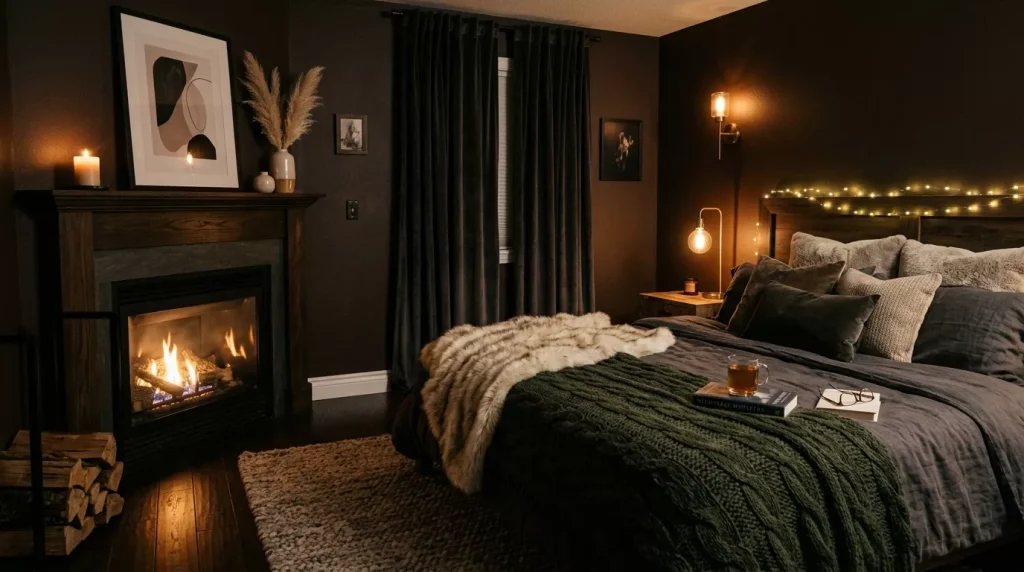
There’s something undeniably captivating about a dark and moody bedroom aesthetic. It wraps you in atmosphere the moment you walk through the door — rich, layered, and deeply personal. More and more people are turning away from the all-white, minimalist bedroom trend and leaning into deep hues, dramatic textures, and sultry lighting. If you’ve ever felt drawn to that kind of space, you’re in the right place.
This guide walks you through everything — from color choices and furniture to lighting and common mistakes — so you can create a dark, moody bedroom that feels intentional, beautiful, and uniquely yours.
What Is a Dark & Moody Bedroom Aesthetic?
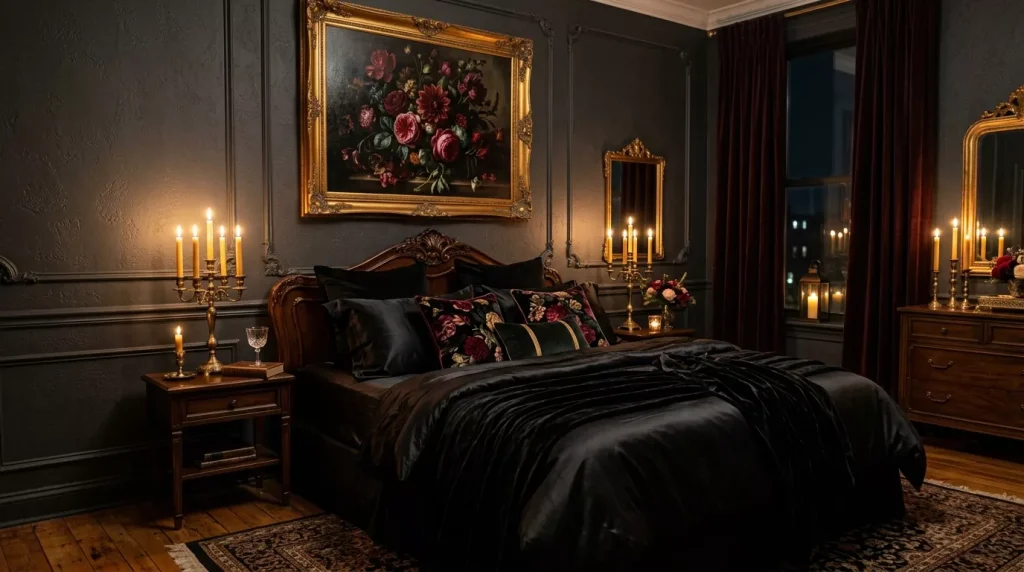
Before you start pulling inspo from Pinterest boards, it helps to understand what this aesthetic actually means. A dark and moody bedroom isn’t just about painting the walls black. It’s a deliberate design philosophy built around depth, intimacy, and atmosphere.
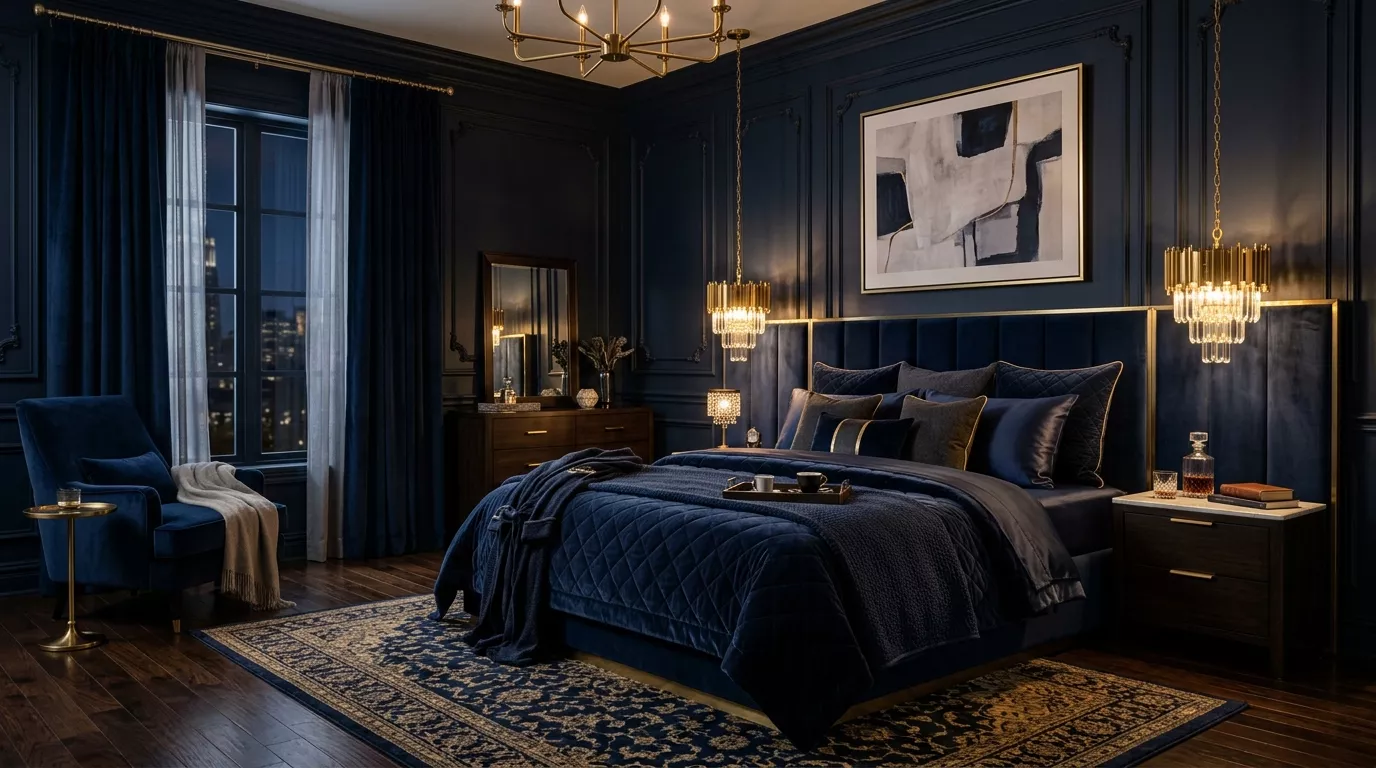
Think of it as the interior design equivalent of a candlelit dinner — everything is chosen to create a feeling, not just fill a space. Deep charcoals, forest greens, dusty burgundies, dramatic navy blues, and inky blacks form the backbone of this style.
Dark & Moody Bedroom Aesthetic Ideas: The Core Elements
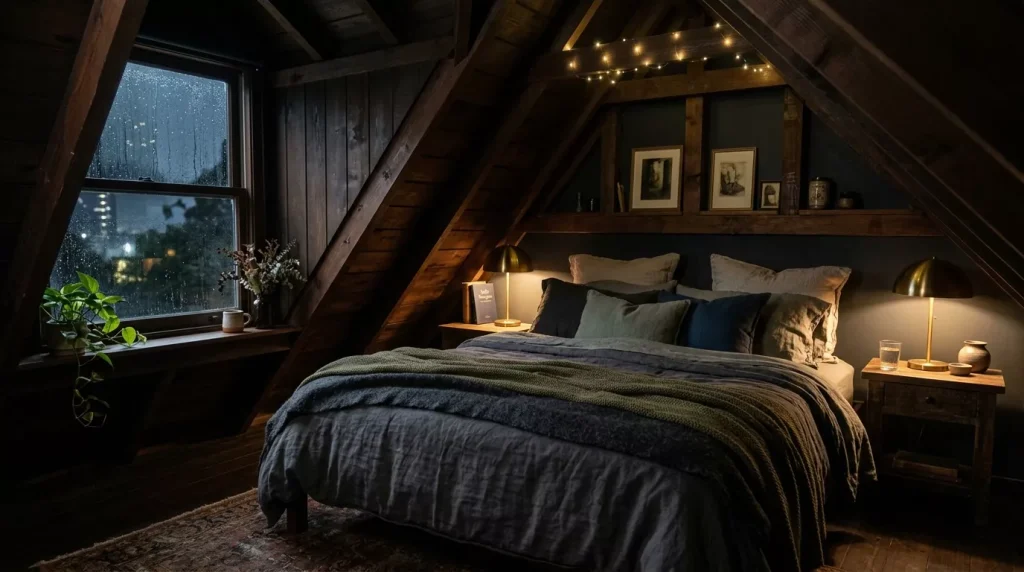
Getting this aesthetic right depends on layering multiple design elements together. No single element makes a room “moody” — it’s the combination that does the heavy lifting.
Here are the core building blocks you need to get right:
- Color palette — The foundation of everything
- Lighting — Possibly the most important factor
- Textiles and textures — Velvet, linen, faux fur, and layered bedding
- Furniture — Dark wood, black metal, ornate or sleek depending on your sub-style
- Wall treatments — Paint, wallpaper, paneling, or a mix
- Decor accents — Candles, art, plants, mirrors, and statement objects
Each of these deserves its own attention, and we’ll dig into them throughout this guide.
Choosing the Right Color Palette for a Dark Moody Bedroom
Color is where most people start — and where many get stuck. The most common fear? “What if it feels too dark and closes the room in?”
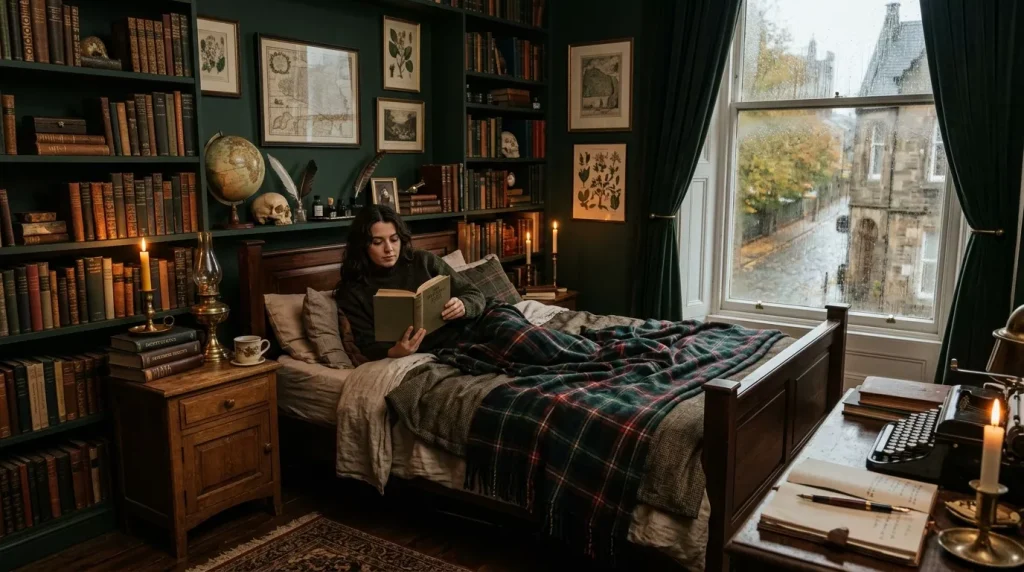
The truth is, a dark room can feel expansive when done correctly. It’s all about choosing the right shades and pairing them thoughtfully.
Best Dark Bedroom Colors to Use
| Color | Mood It Creates | Best Used On |
|---|---|---|
| Charcoal Gray | Sophisticated, calm | Walls, bedding |
| Deep Forest Green | Earthy, natural, grounded | Accent wall, textiles |
| Midnight Navy | Dramatic, rich | Full room, ceiling |
| Dusty Mauve / Burgundy | Romantic, warm | Soft furnishings, throw pillows |
| Inky Black | Bold, editorial | Furniture, trim, feature wall |
| Warm Chocolate Brown | Cozy, rustic luxe | Wood furniture, rugs |
| Slate Blue | Moody but soft | Walls, linen |
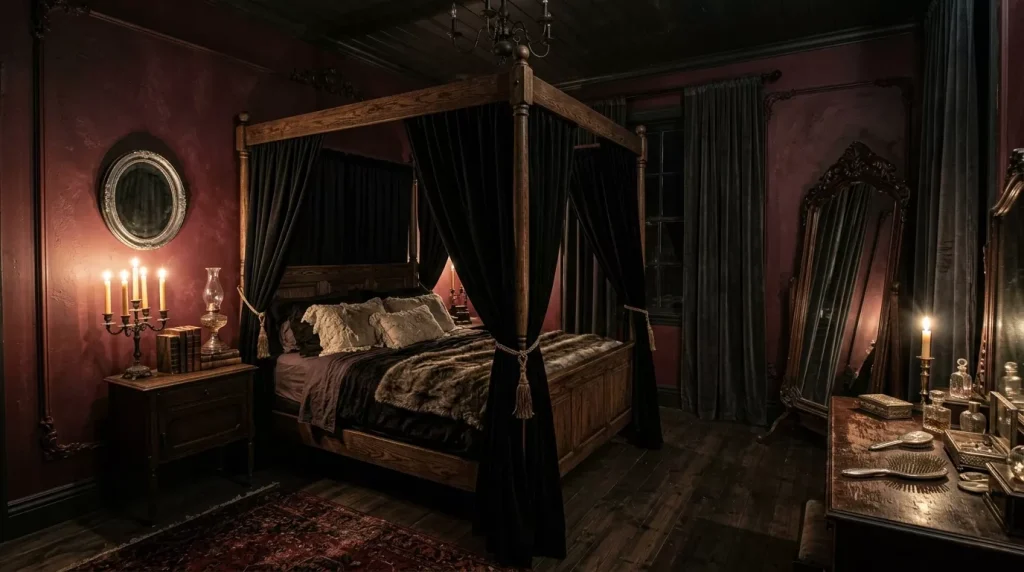
Don’t be afraid to go dark on the ceiling, too. A dark ceiling creates an enveloping, cocoon-like feel that many moody bedroom designs lean into heavily.
How to Layer Dark Colors Without Overdoing It
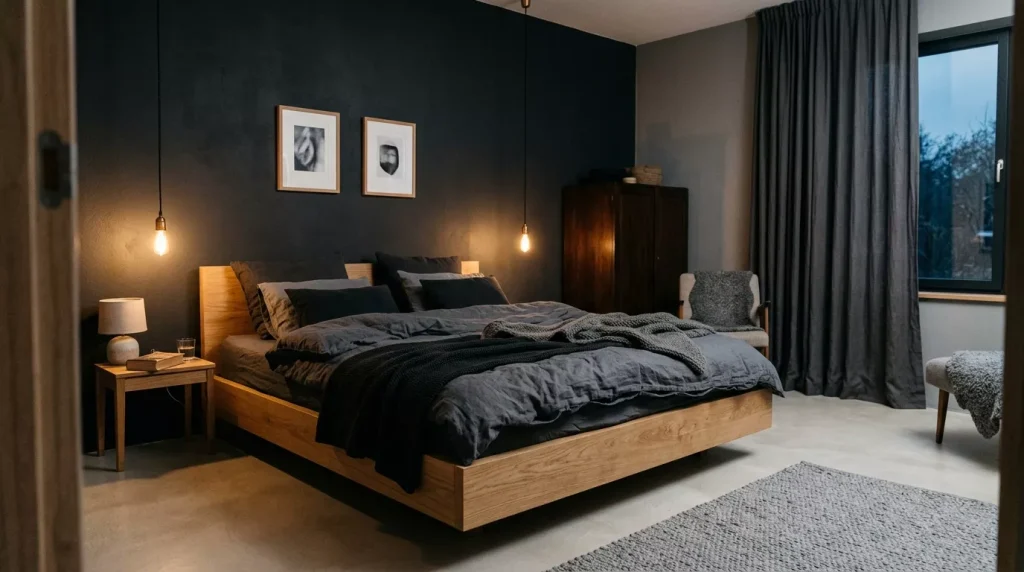
The key is contrast and variation within the dark palette. If your walls are deep charcoal, bring in a slightly lighter tone in your bedding. Add warmth through amber-toned lighting. Use natural textures — raw wood, stone, linen — to break up the darkness without lightening the mood.
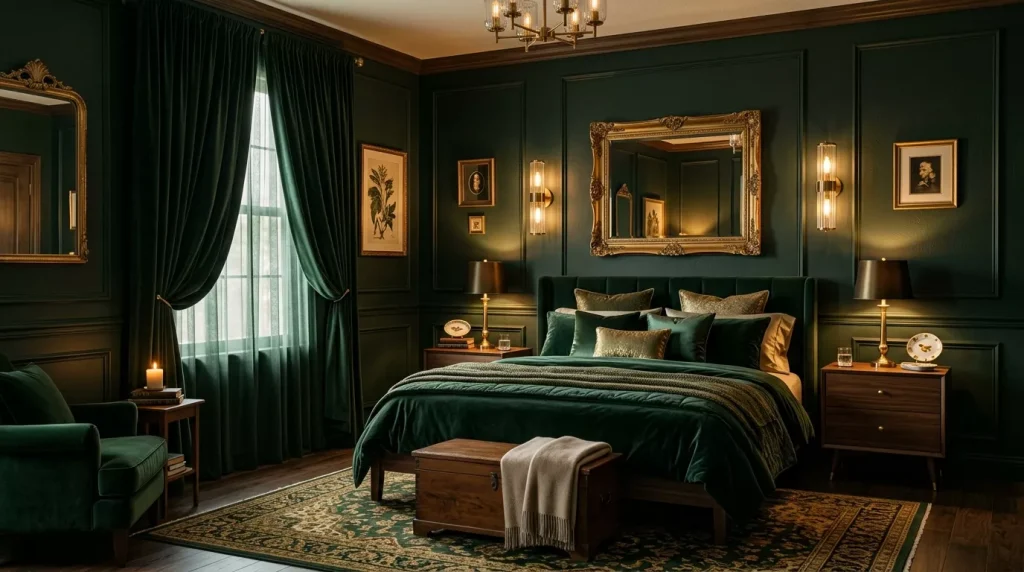
A helpful rule of thumb: stay within a tonal family. If you go dark green on the walls, your accents should pull from the green-brown spectrum rather than jumping to a completely different hue.
Lighting Ideas That Make or Break the Dark Moody Aesthetic
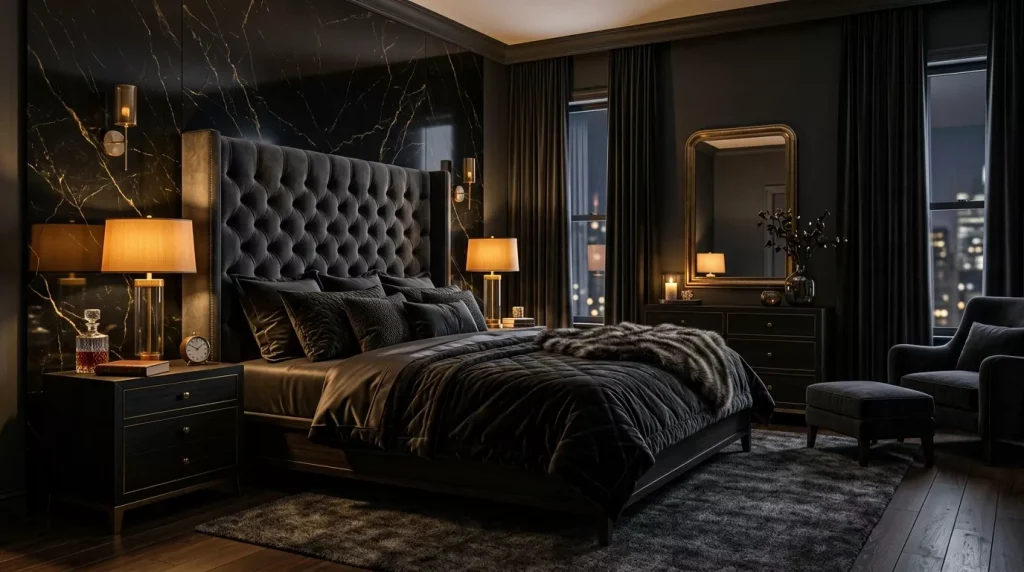
If color is the foundation, lighting is the soul of a dark and moody bedroom. This is where most beginners make their biggest mistakes — either flooding the room with harsh overhead light, or going so dark they can’t actually see anything.
The goal is layered, warm, intentional lighting.
Types of Lighting to Layer
1. Ambient Lighting This is your baseline — think dimmable ceiling fixtures, pendant lights, or a chandelier with warm bulbs (2700K–3000K color temperature is ideal). Always install a dimmer switch if you can.
2. Task Lighting Bedside lamps or sconces for reading. Choose fixtures with dark shades or metallic finishes — brushed brass, black iron, or antique bronze all work beautifully in a moody space.
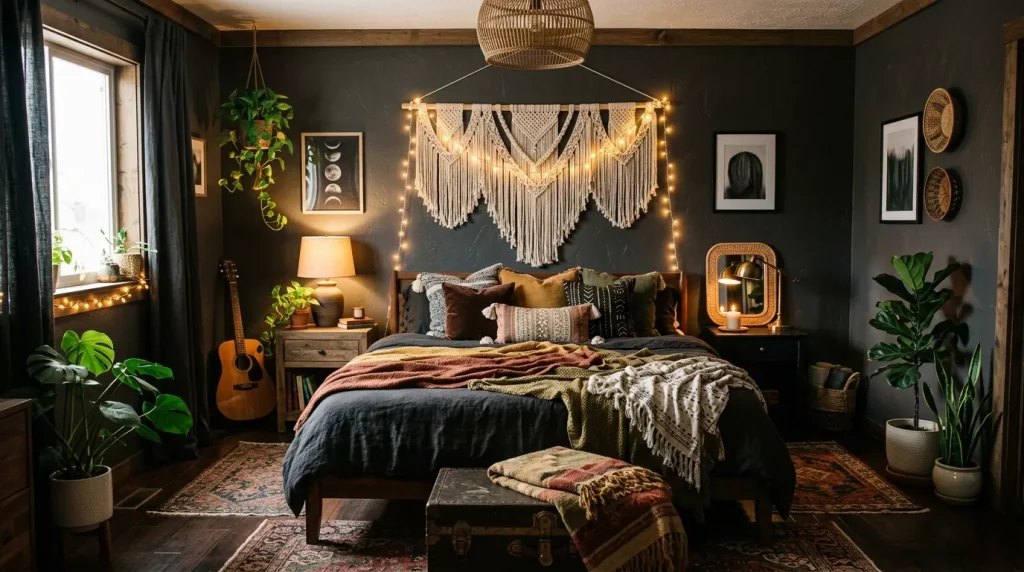
3. Accent Lighting This is where magic happens. LED strip lights behind a headboard, fairy lights in a canopy, picture lights over art, or a neon sign in a deep jewel tone can add incredible depth.
4. Candles and Fire-Toned Elements Nothing beats the real thing for atmosphere. A cluster of pillar candles on a dresser, a lantern in a corner, or even an electric fireplace creates warmth and visual interest.
Pro Tip: Warm amber bulbs are non-negotiable in a moody bedroom. Cool white or daylight bulbs will completely destroy the atmosphere you’ve worked to build.
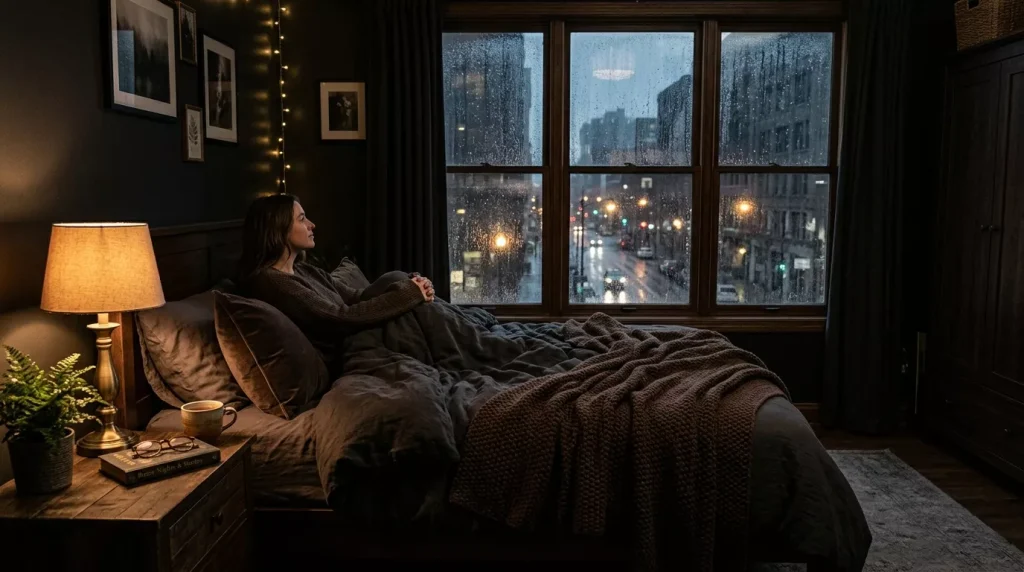
Dark Moody Bedroom Aesthetic Features You Need to Know
Think of these as the “APK features” of the dark bedroom aesthetic — the specific details that make the design work, each one adding something meaningful to the overall experience.
12 Key Features of the Dark & Moody Bedroom Aesthetic
1. Deep Wall Colors The starting point for any moody bedroom. Choose paint with depth — colors that shift slightly under different light conditions.
2. Velvet Bedding and Soft Furnishings Velvet absorbs light in a way that makes colors appear richer. Deep emerald, wine-red, or midnight-blue velvet bedding is a signature moody element.
3. Layered Bedding Think duvet, throw blanket, multiple pillows in varying textures. Layering creates visual warmth even in a dark color scheme.
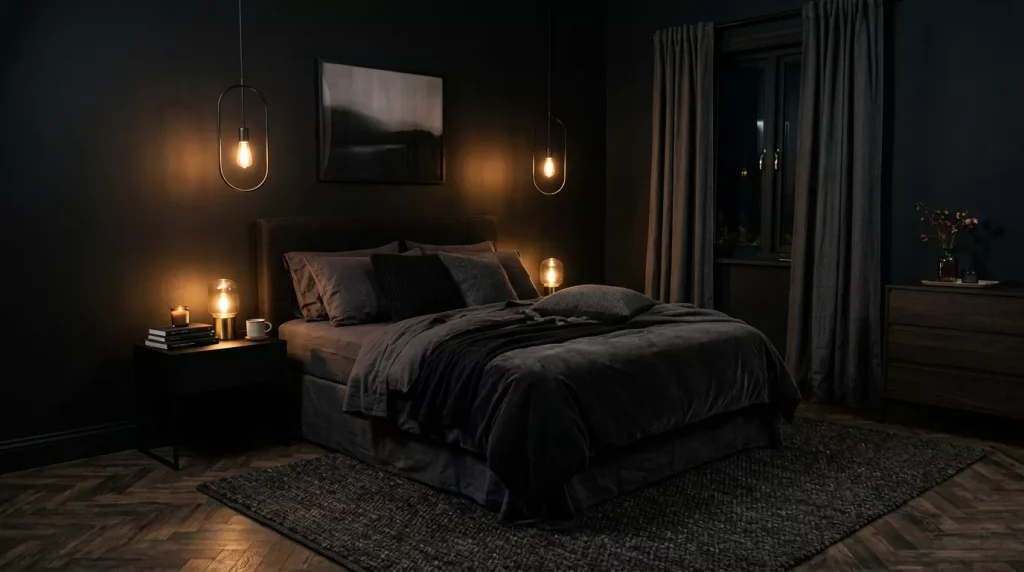
4. Dark Wood or Black Metal Furniture Walnut, mahogany, ebony-stained wood, or black powder-coated metal. These anchor the room without competing with the dark palette.
5. Statement Headboard An upholstered tufted headboard in dark velvet, leather, or bouclé fabric immediately elevates the drama of the space.
6. Moody Artwork Atmospheric prints, dark botanicals, abstract pieces with deep tones, or black-and-white photography all contribute to the aesthetic without overwhelming it.
7. Dramatic Window Treatments Floor-to-ceiling blackout curtains in deep colors (charcoal, forest green, navy) frame the room and block out light for better sleep.
8. Textured Wall Treatments Limewash paint, dark paneling, wainscotting, or moody wallpaper with botanical or geometric patterns adds depth you can’t get with flat paint alone.
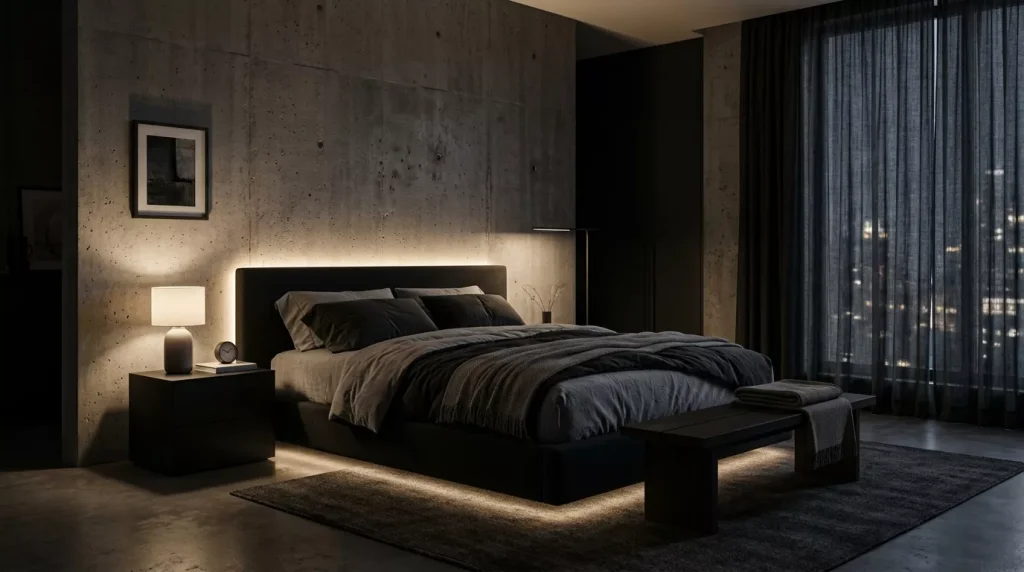
9. Mixed Metal Accents Brushed gold, antique brass, or matte black hardware and decor accessories add warmth and contrast within a dark palette.
10. Canopy or Four-Poster Bed If your space allows, a canopy or four-poster bed is the ultimate moody bedroom centerpiece. Drape sheer or heavy fabric to close in the feeling.
11. Atmospheric Rugs A dark, plush area rug in wool or faux fur grounds the space and adds tactile richness underfoot.
12. Indoor Plants with Dark Foliage Snake plants, ZZ plants, black velvet alocasia, or even dried botanicals add a natural element that complements the dark, earthy palette beautifully.
Step-by-Step Guide to Creating a Dark Moody Bedroom
You don’t have to overhaul your entire bedroom at once. Here’s a practical, beginner-friendly approach to building the look room by room.
Step 1: Choose Your Color Anchor
Pick one dominant dark color for your walls or your bedding (wherever your eye goes first when you walk into the room). Don’t choose both at once — pick one anchor and build from there.
Step 2: Test Your Paint Before You Commit
Dark colors look dramatically different on large surfaces than they do on swatches. Paint at least a 12×12 inch section and observe it at different times of day and under your room’s artificial lighting before committing.
Step 3: Layer Your Bedding
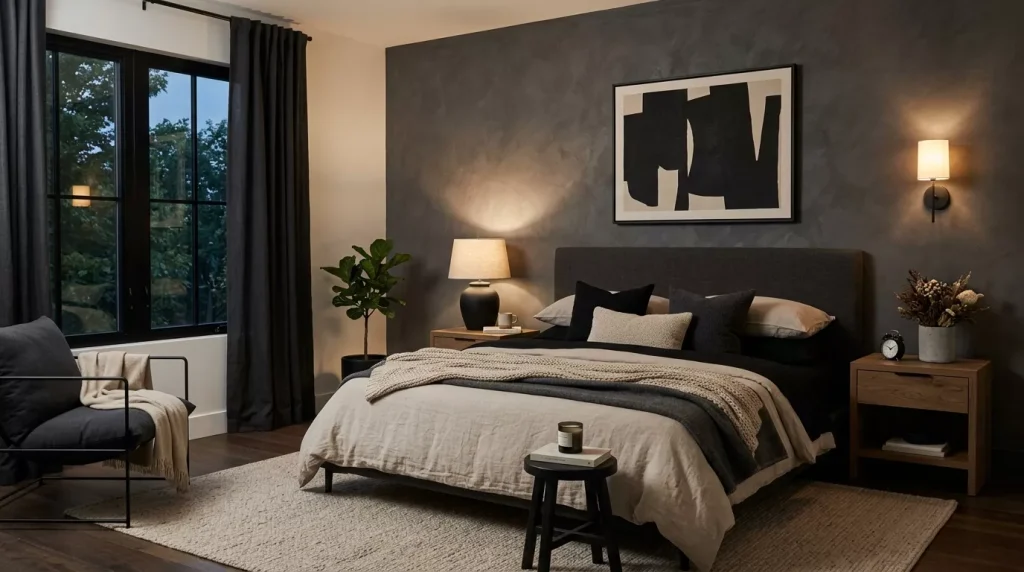
Start with a base duvet in a neutral dark tone (dark gray or charcoal works well). Add a velvet or textured throw in a contrasting moody color. Pile on pillows in varying shades and textures within your palette.
Step 4: Swap Your Light Bulbs
Before spending money on new fixtures, swap existing bulbs for warm amber ones (2700K). You’ll be shocked how much this alone transforms the feel of a dark room.
Step 5: Add Curtains from Ceiling to Floor
Hang curtain rods as close to the ceiling as possible and choose curtains that reach the floor. This makes ceilings look taller and the room feel more dramatic and intentional.
Step 6: Introduce Texture Through Rugs and Cushions
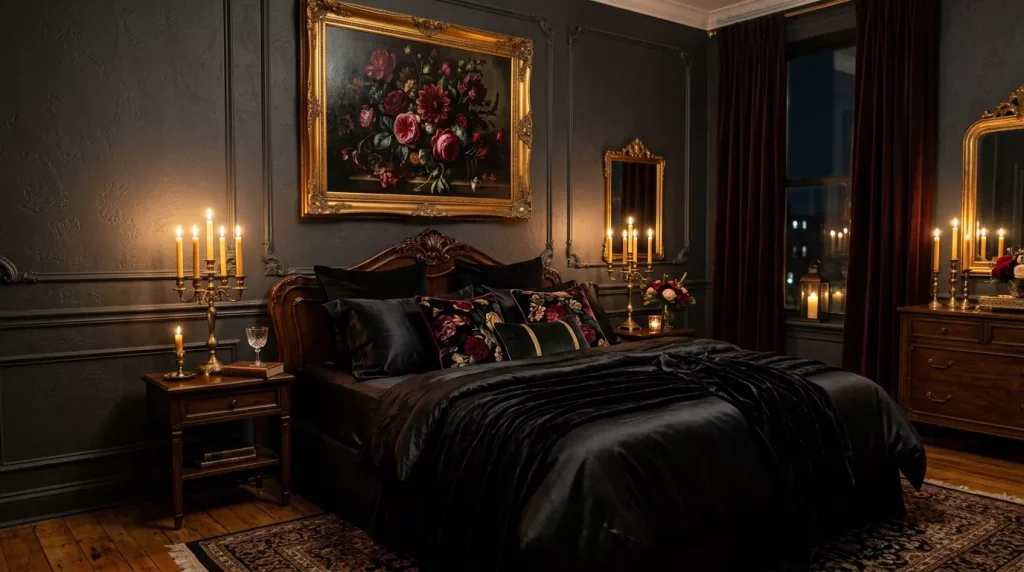
Add a dark, plush area rug and swap out any bright or pastel-colored cushions for deeper tones. Texture matters as much as color in this aesthetic.
Step 7: Decorate with Intention
Choose three to five meaningful decorative objects: a piece of art, some candles, a plant, a statement mirror. Moody rooms shouldn’t look cluttered — every item should earn its place.
Step 8: Adjust and Observe
Live with the room for a week before making more changes. Moody spaces often take time to “settle” as you get used to the atmosphere.
Pros and Cons of the Dark & Moody Bedroom Aesthetic
✅ Pros
- Creates a deeply personal, intimate atmosphere
- Excellent for sleep — dark rooms naturally promote melatonin production
- Hides minor imperfections in walls and surfaces
- Feels luxurious and designer-level without needing to spend a fortune
- Highly versatile — works in cottagecore, gothic, Art Deco, Japandi, and more
- Timeless — doesn’t date as quickly as trendy light palettes
- Allows for bold, statement decor choices
❌ Cons
- Can feel claustrophobic in very small rooms if not executed carefully
- Requires thoughtful lighting — without it, the space looks dingy rather than dramatic
- Dark paint colors are harder to cover if you want to change the look later
- May not suit those who work from home in their bedroom and need a bright space
- Some landlords may not allow dark paint, especially in rental properties
Dark & Moody vs. Other Bedroom Aesthetics: A Comparison
| Aesthetic | Key Colors | Mood | Best For |
|---|---|---|---|
| Dark & Moody | Charcoal, navy, forest green, black | Intimate, dramatic | Sleep, relaxation, personal expression |
| Scandinavian | White, beige, light wood | Clean, airy, minimal | Small spaces, natural light |
| Maximalist | Bold mixed hues, patterns | Energetic, eclectic | Creative personalities |
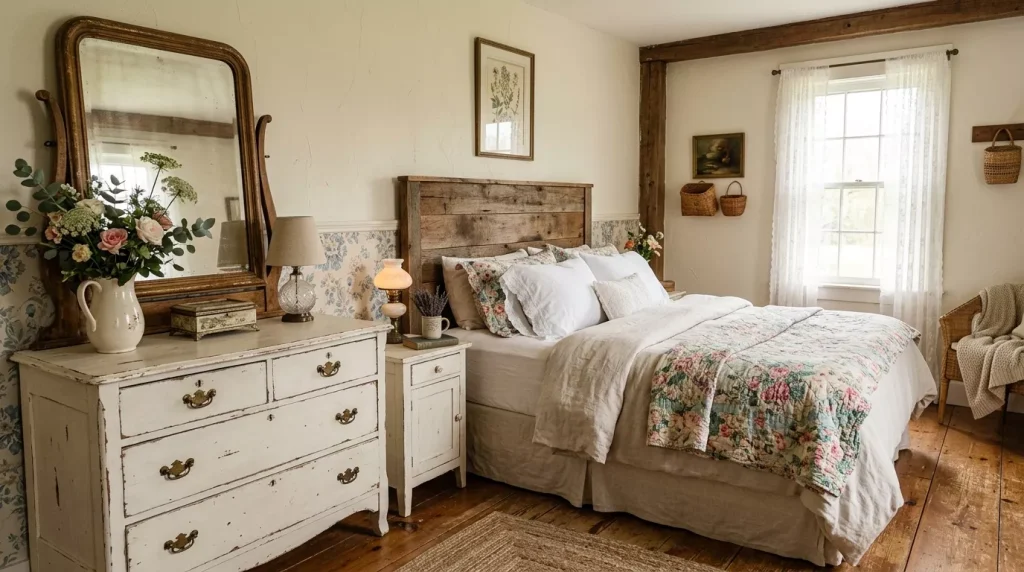
| Cottagecore | Cream, sage, dusty rose | Soft, nostalgic | Romantic, nature lovers |
| Industrial | Gray, concrete, rust | Raw, urban | Modern apartments, loft spaces |
| Japandi | Warm neutrals, black accents | Calm, balanced | Mindful, clutter-free living |
The dark and moody aesthetic stands out for its emotional intensity and ability to transform a bedroom into a true sanctuary. Unlike more neutral styles, it makes a statement that feels personal rather than generic.
Common Mistakes to Avoid
Even well-intentioned dark bedroom designs can go wrong. Here are the pitfalls to watch for:
Mistake 1: Using Cool-Toned Dark Colors in a North-Facing Room Cool grays and blue-blacks in rooms without much natural light can feel cold and depressing rather than cozy. Warm your palette with greens, browns, or burgundy undertones.
Mistake 2: Neglecting Lighting Layers One overhead light in a dark room is a disaster. Always layer ambient, task, and accent lighting.
Mistake 3: Going All-Black Without Variation Monochrome black without textural contrast looks flat and unfinished. Mix finishes — matte, gloss, velvet, wood grain — to add dimension.
Mistake 4: Forgetting About Ceiling Height Dark ceilings work beautifully in rooms with higher ceilings. In low-ceilinged rooms, keep the ceiling lighter and focus the darkness on walls and furnishings.
Mistake 5: Overcrowding the Space Moody doesn’t mean cluttered. Edit ruthlessly and let the atmosphere do the work.
Tips for the Best Dark Moody Bedroom Experience
- Mirrors are your friend. A large dark-framed mirror reflects light around the room and adds depth without brightening it too much.
- Scent matters. Complement the visual mood with dark, rich candle scents — oud, sandalwood, black amber, or cedar.
- Invest in quality bedding. In a moody room, the bed is the centerpiece. Good-quality, richly colored bedding elevates everything.
- Don’t ignore the ceiling. Even painting it one shade lighter than the walls creates a finished, enveloping effect.
- Plants add life. Dark rooms can feel heavy; a living plant or two keeps the space feeling organic and balanced.
- Switch hardware. Replacing brass or chrome hardware on furniture with matte black or antique bronze is a cheap, high-impact change.
FAQs About Dark & Moody Bedroom Aesthetics
Q1: Will a dark bedroom make my room feel smaller?
Not necessarily. Dark colors actually blur the boundaries of a room, making it feel less defined and more expansive — especially with proper lighting. The key is using warm-toned darks and layering your light sources well.
Q2: What’s the best dark paint color for a beginner?
Start with a deep warm gray like “Peppercorn” by Sherwin-Williams or “Down Pipe” by Farrow & Ball. Warm grays are forgiving, work with almost any accent color, and are easier to live with long-term than full black.
Q3: Can I create a moody bedroom on a tight budget?
Absolutely. Start by repainting walls, swapping light bulbs to warm amber, adding a dark throw and cushions, and hanging blackout curtains. These four changes alone can transform a space for under $150 in most cases.
Q4: Is the dark moody aesthetic good for sleep?
Yes — genuinely. Darkness promotes melatonin production, which regulates sleep. A dark bedroom with good blackout curtains and warm, dimmable lighting is genuinely better for sleep quality than a bright, light-filled room.
Q5: How do I add color to a dark bedroom without losing the moody feel?
Introduce color through accents rather than large surfaces. A deep jewel-toned throw, a piece of richly colored art, or a set of emerald or plum cushions adds visual interest without breaking the overall atmosphere. Think “jewel tones” rather than “bright pastels.”
Q6: Can a small bedroom work as a dark moody space?
Yes, with some adjustments. Keep the ceiling lighter, use mirrors strategically, invest in good lighting, and avoid heavy or oversized furniture. A small dark room can feel like a jewel box — intimate and luxurious rather than cramped.
Q7: What plants work best in a moody dark bedroom?
Low-light-tolerant plants are ideal: snake plants, pothos, ZZ plants, peace lilies, and ferns all thrive in low-light environments and look beautiful against dark walls.
Conclusion: Build Your Dark Moody Bedroom One Layer at a Time
The dark and moody bedroom aesthetic isn’t a trend — it’s a timeless design approach rooted in atmosphere, intention, and personal expression. When done well, it creates the kind of space you genuinely look forward to retreating to at the end of the day.
You don’t have to do everything at once. Start with one element — a paint color, a set of curtains, a velvet throw — and build from there. Layer by layer, your bedroom will begin to take on that deep, rich, enveloping quality that makes this aesthetic so compelling.
Ready to transform your bedroom? Start by choosing one dark color that speaks to you and see how it makes you feel. The rest of the design will follow naturally from there. Your perfect moody sanctuary is closer than you think.