Garden Decor Ideas to Transform Your Outdoor Space

Garden Decor Ideas to Transform Your Outdoor Space
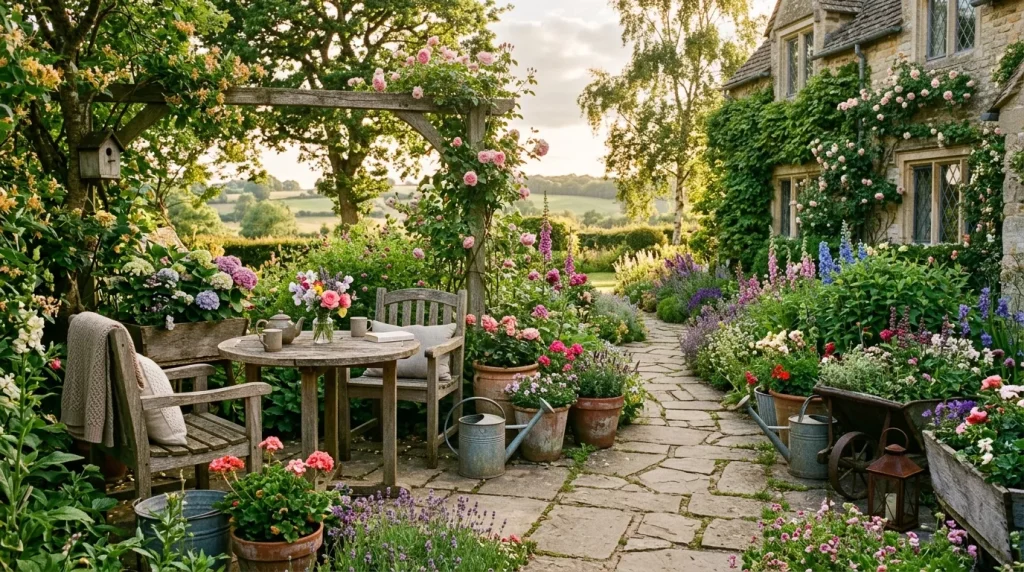
There’s something deeply satisfying about stepping into a garden that actually feels like a space — one that tells a story, has personality, and makes you want to linger a little longer. Whether you have a sprawling backyard or a cozy balcony patch, the right garden decor ideas can completely change how that space looks and feels.
The good news? You don’t need a massive budget or professional landscaping knowledge. With some creativity and a bit of planning, even the simplest outdoor corner can become a beautiful retreat.
Let’s walk through everything you need to know — from beginner-friendly tips to clever design tricks that make a real difference.
Why Garden Decor Actually Matters
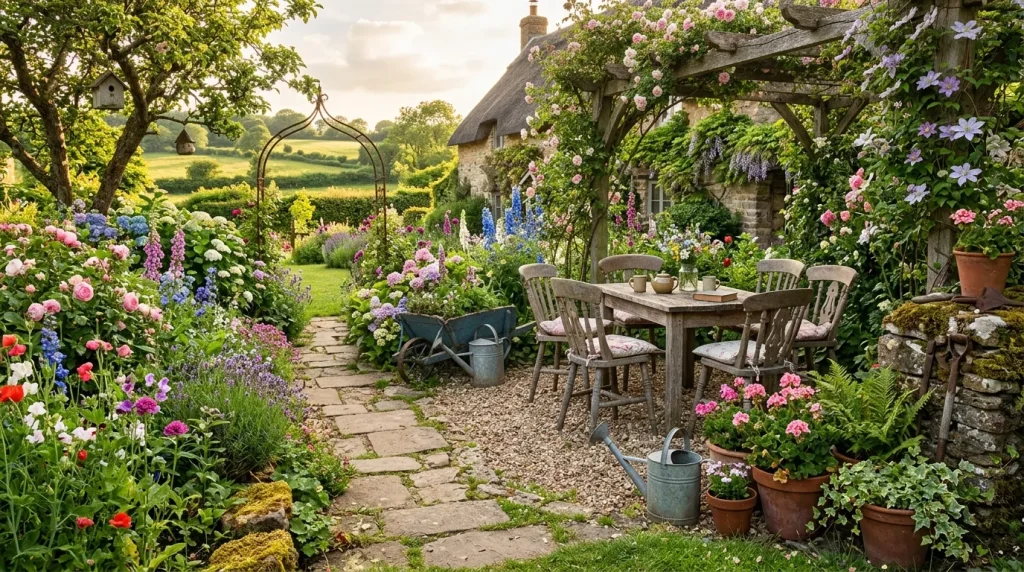
Most people think garden decor is just about aesthetics. And sure, it is partly. But great outdoor decoration does more than look pretty — it defines zones, creates a sense of privacy, guides movement through a space, and even supports local wildlife.
A well-decorated garden also extends your usable living space. Think of it as an outdoor room. The right furniture, lighting, and plantings can make it just as functional as your living room — sometimes even more so
Garden Decor Ideas: The Big Picture Before You Start
Before you rush off to buy garden ornaments and string lights, it helps to step back and think about what you actually want from your space.
Ask yourself:
- How do you use your garden? Entertaining, relaxing, growing food, playing with kids?
- What’s your style? Cottage garden, modern minimal, Mediterranean, wildflower meadow?
- What’s your budget? Knowing this upfront stops you from making impulse purchases that don’t fit.
- What’s already there? Work with existing trees, fences, and structures rather than against them.
This planning step takes maybe an hour but saves you from regret later.
Top Garden Decor Ideas That Actually Work
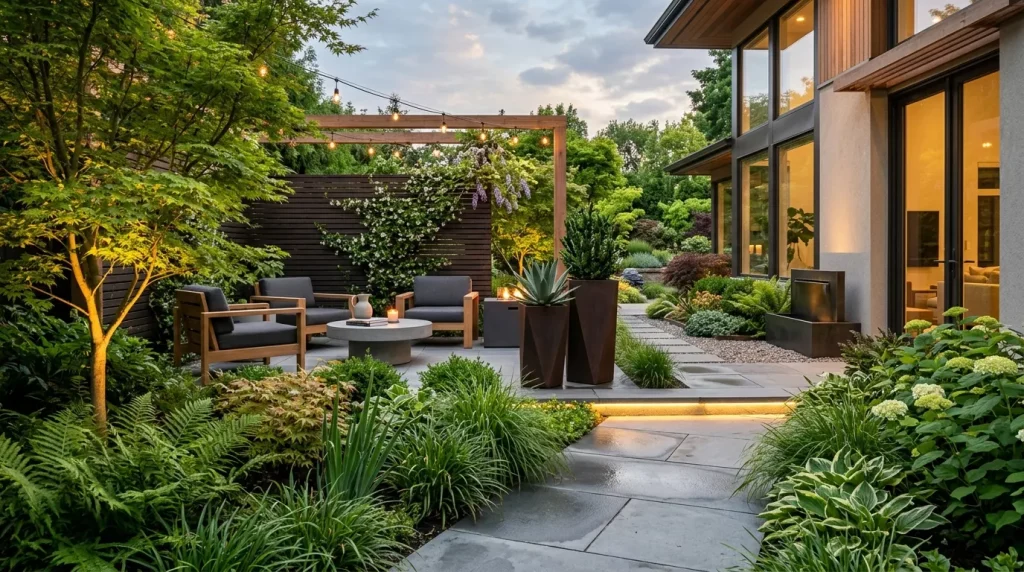
1. Create a Strong Focal Point
Every well-designed garden has at least one focal point — something that draws the eye and anchors the space. Without one, even beautiful gardens can feel scattered and unresolved.
Great focal points include:
- A decorative garden bench beneath a flowering arch
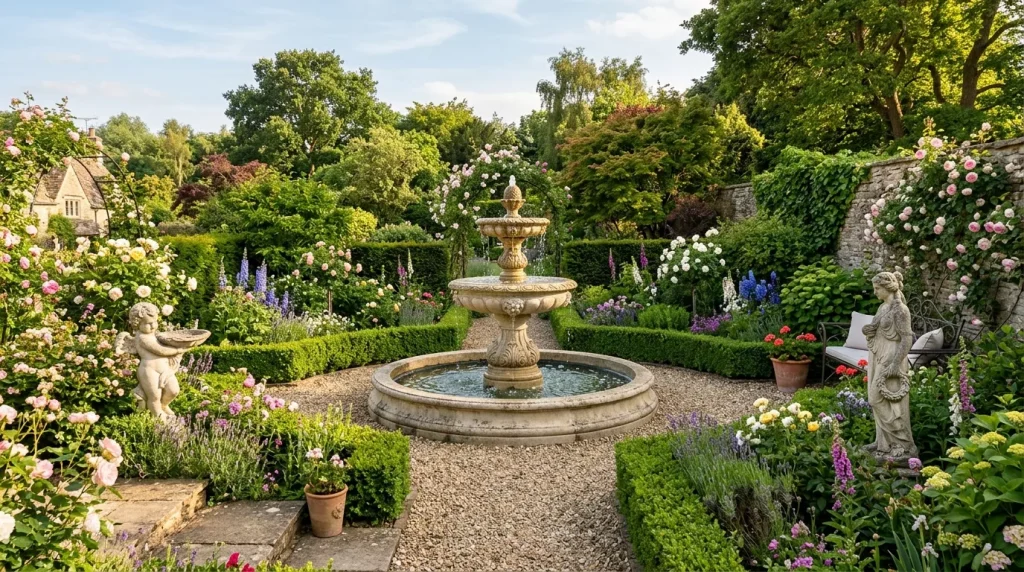
- A birdbath or small water fountain in a central bed
- A striking sculpture or weathervane
- A large container planter overflowing with colour
- A feature tree with uplighting
The trick is to keep it singular. One strong focal point beats three competing ones every time.
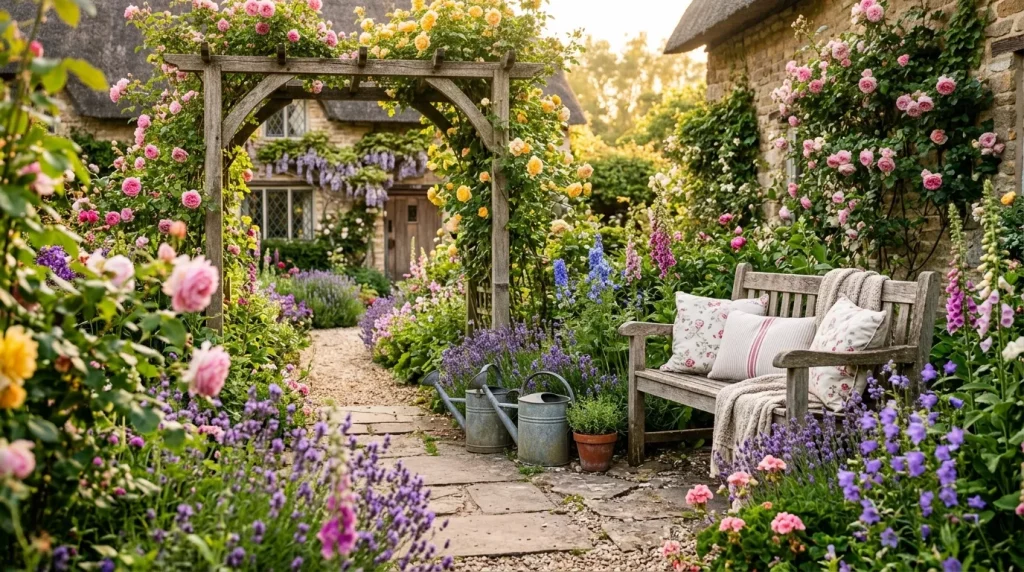
2. Use Garden Lighting to Change the Whole Mood
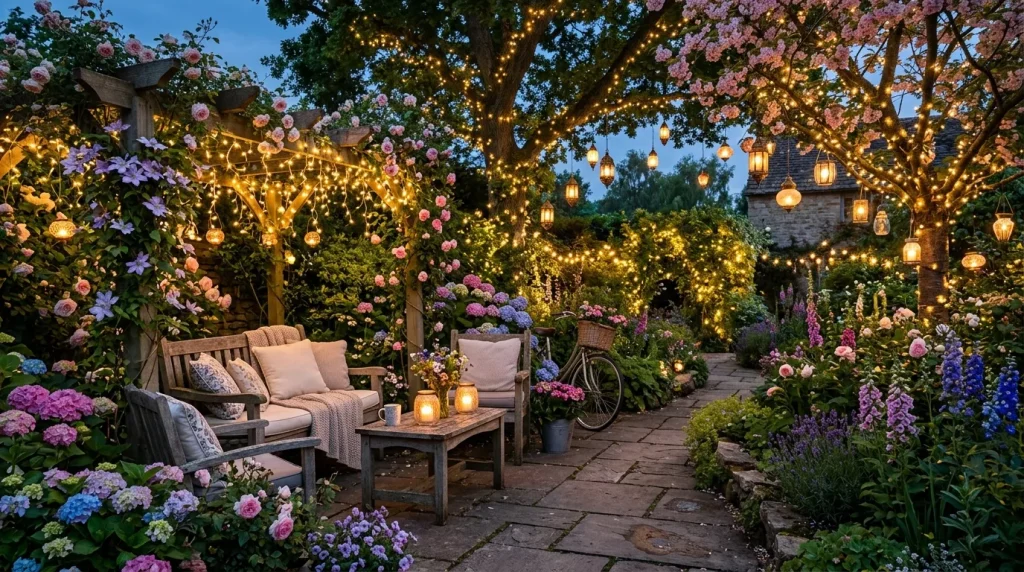
Garden lighting is probably the most underused decor tool. Done right, it transforms your outdoor space from a daytime-only zone into an evening destination.
Layering your lighting is the key:
| Lighting Type | Best Used For | Effect |
|---|---|---|
| Solar stake lights | Pathways and borders | Soft, guided glow |
| String lights | Pergolas and fences | Warm, festive ambiance |
| Uplights | Trees and large plants | Drama and depth |
| Lanterns | Tables and steps | Intimate atmosphere |
| LED spotlights | Focal points | Bold and defined |
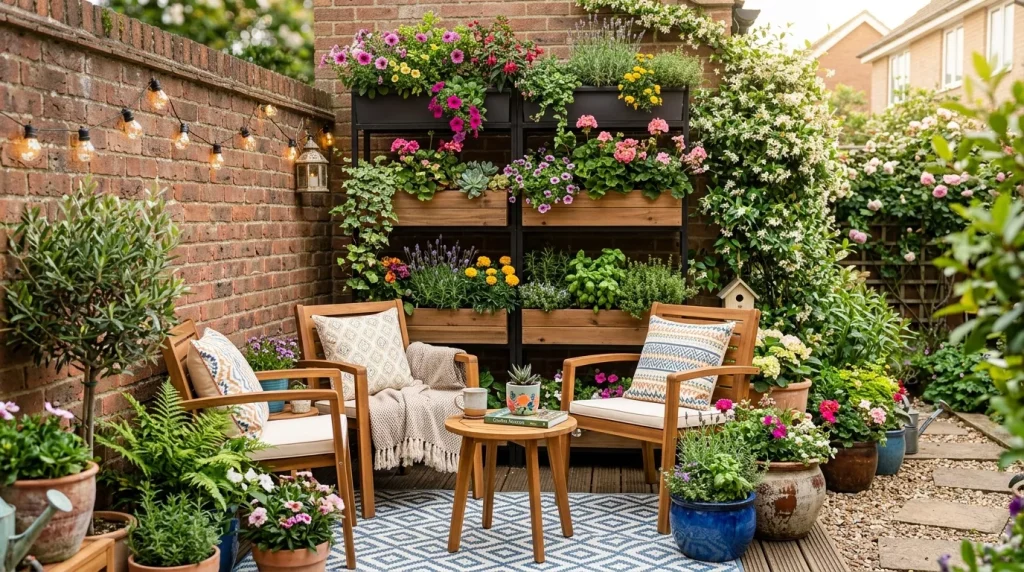
Solar-powered options have come a long way. They’re easy to install, require no wiring, and look genuinely good now — not cheap and plasticky like they used to.
3. Introduce a Water Feature
There’s something about moving water that instantly calms a space. A water feature doesn’t have to be elaborate or expensive. Even a simple solar-powered tabletop fountain adds both visual interest and a soothing soundtrack to your garden.
Options at every budget level:
- Budget: Solar birdbath fountain (under £30 / $40)
- Mid-range: Tiered stone fountain or pre-formed pond
- Higher end: Custom built-in water wall or koi pond
Even a half-barrel filled with water plants and a few goldfish counts as a water feature — and it’s genuinely low-maintenance once established.
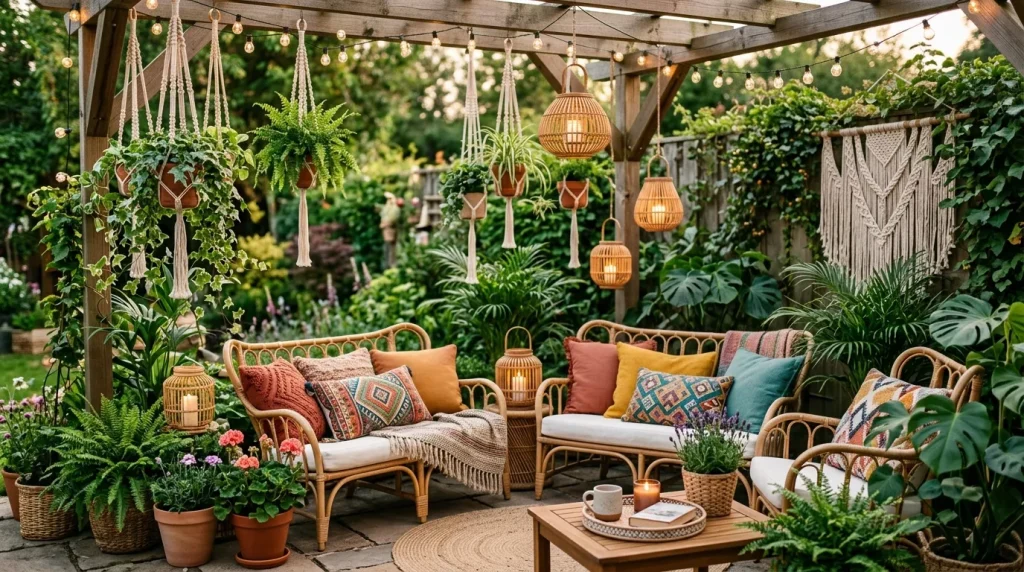
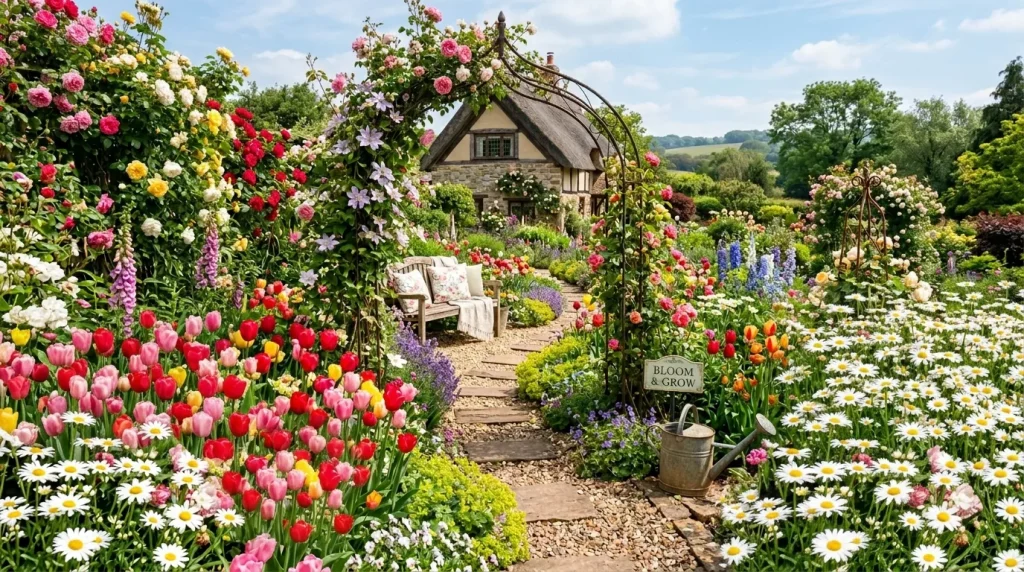
4. Build (or Buy) a Garden Path
Paths do two things: they protect your lawn from being worn down into muddy strips, and they guide visitors through your garden in an intentional way.
The materials you choose set a tone:
- Stepping stones: Casual, natural, affordable
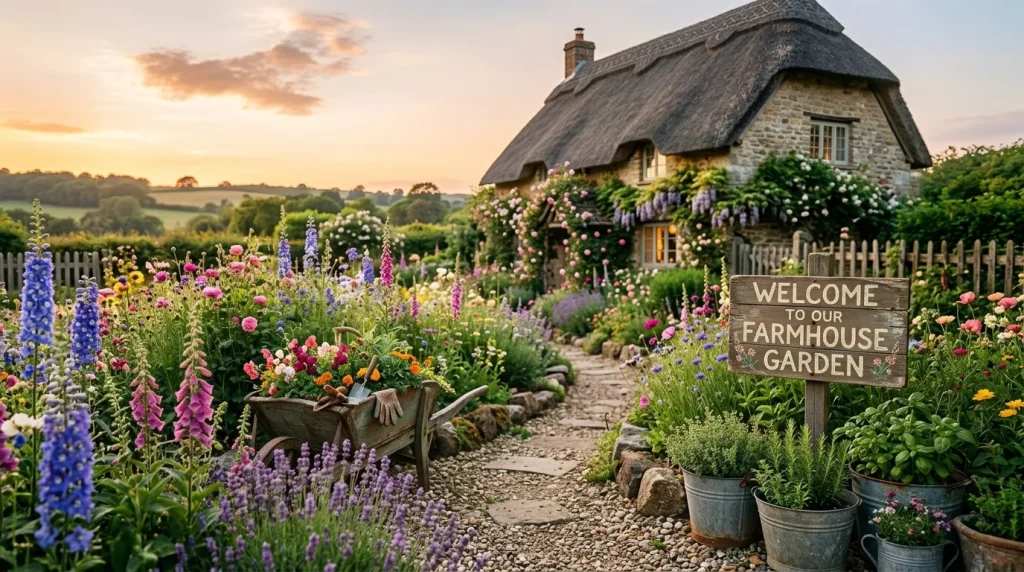
- Gravel paths: Cottage-style charm with good drainage
- Brick or cobble: Formal, classic, long-lasting
- Timber decking strips: Modern and warm
Even a loosely arranged line of mismatched reclaimed stones has more character than a worn grass track.
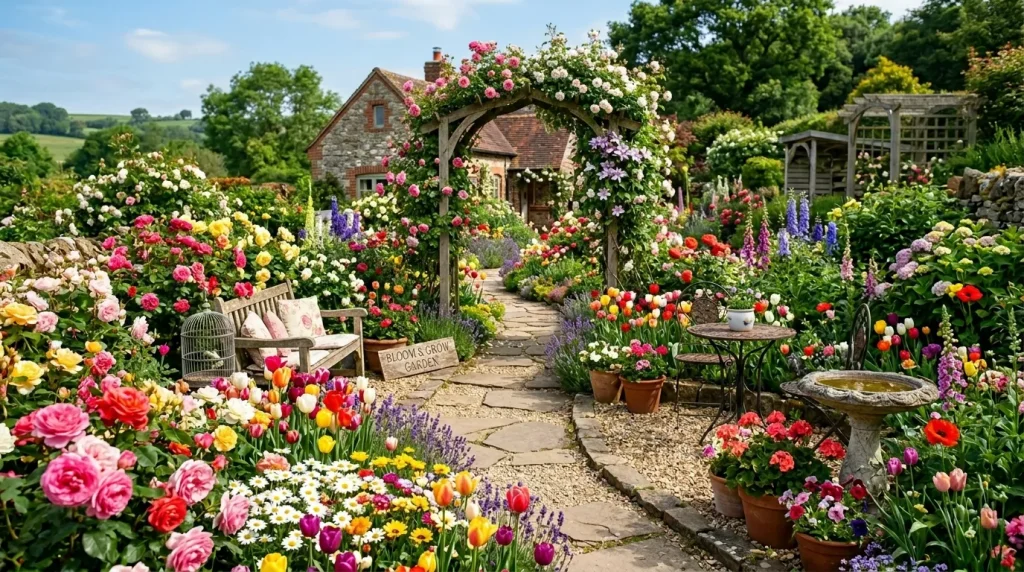
5. Add Vertical Layers with Climbing Plants and Trellises
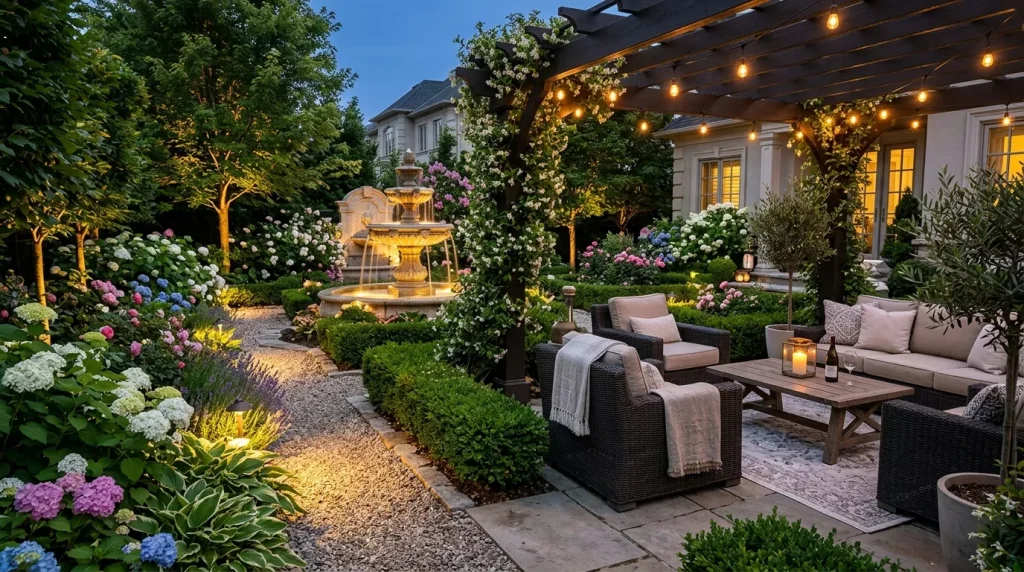
If your garden feels flat and one-dimensional, vertical elements fix it fast. Trellises, obelisks, arches, and wall-mounted planters all add height without taking up ground space.
Climbing plants to consider:
- Clematis — reliable, wide variety of colours
- Roses — classic, fragrant, rewarding
- Honeysuckle — wildlife-friendly and sweetly scented
- Wisteria — dramatic but slow-growing
- Sweet peas — annual, easy, wonderfully fragrant
Even a simple wooden trellis against a fence, painted in a complementary colour and threaded with climbing roses, can completely transform a dull wall.
6. Use Containers and Pots Creatively
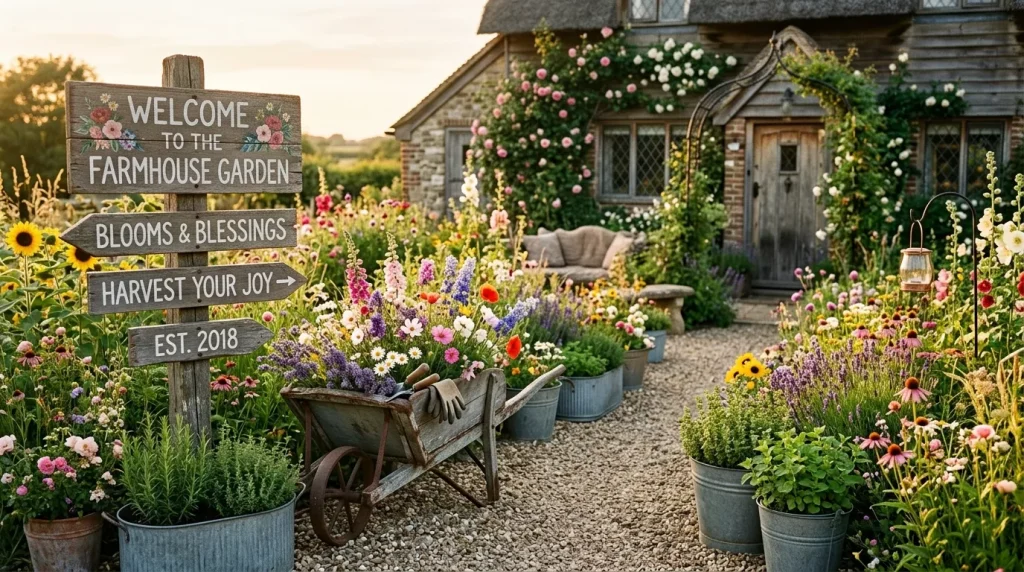
Container planting is one of the most flexible tools in the garden decorator’s kit. You can move them around with the seasons, cluster them for impact, or use single dramatic specimens as sculpture.
Tips for using containers well:
- Vary the heights — group pots at three different levels
- Use odd numbers — groups of 3 or 5 feel more natural than 2 or 4
- Repeat a colour — use the same flower colour in different pot styles to unify a look
- Try unexpected containers — old wheelbarrows, zinc buckets, reclaimed chimney pots
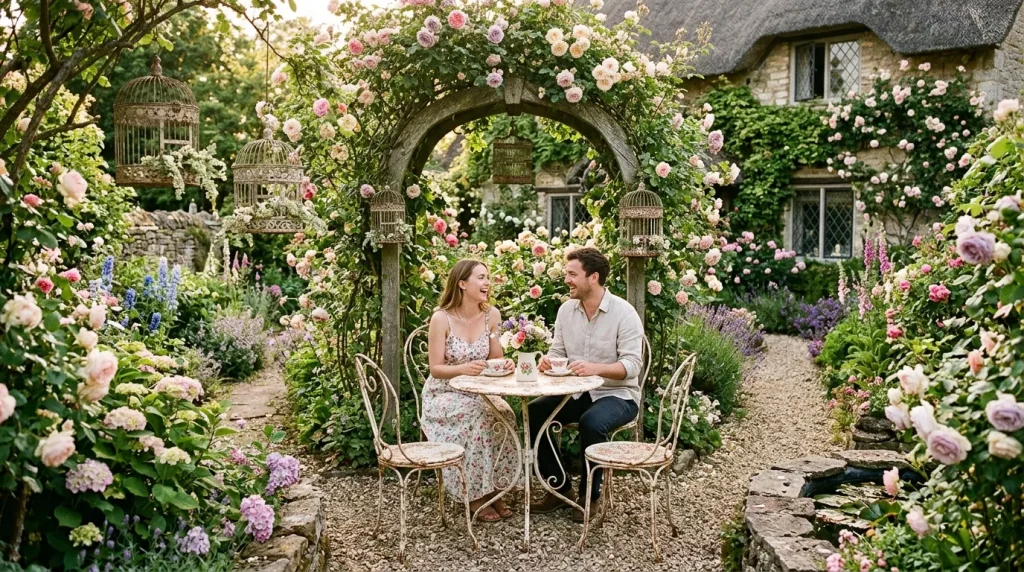
Don’t forget that large pots actually need less watering than small ones — the compost doesn’t dry out as fast.
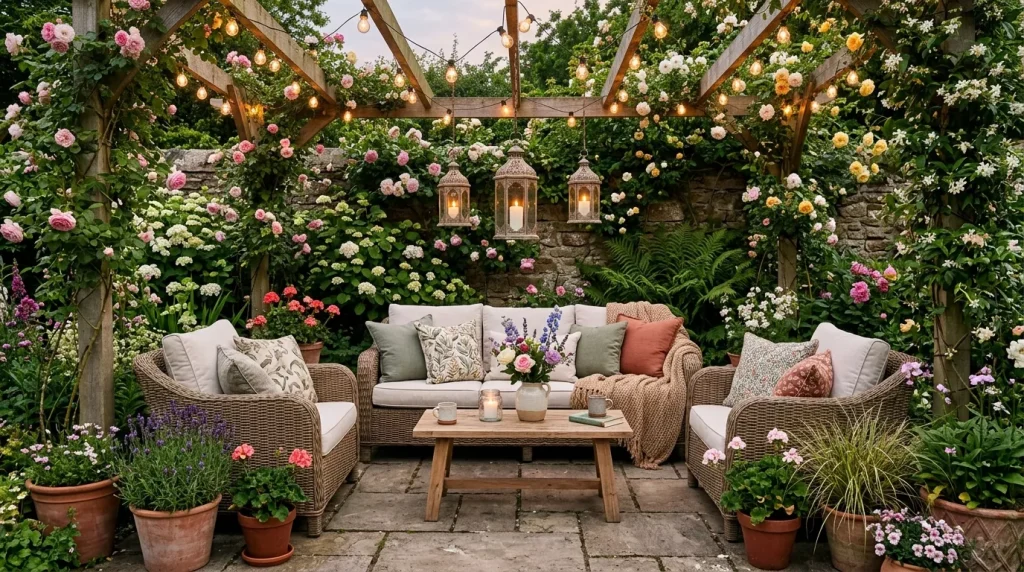
7. Define Your Space with Garden Furniture
Good outdoor furniture anchors a garden and signals its purpose. Even in a small garden, a couple of chairs and a side table create a “room” that invites you to sit and stay.
Things to think about when choosing garden furniture:
- Scale to the space — oversized furniture in a small garden feels cramped
- Material vs maintenance — hardwood looks beautiful but needs oiling; rattan is low-maintenance; metal can rust in wet climates
- Comfort matters — garden furniture you never sit in is just expensive decoration
- Weather protection — good covers or storage extend the life of any set significantly
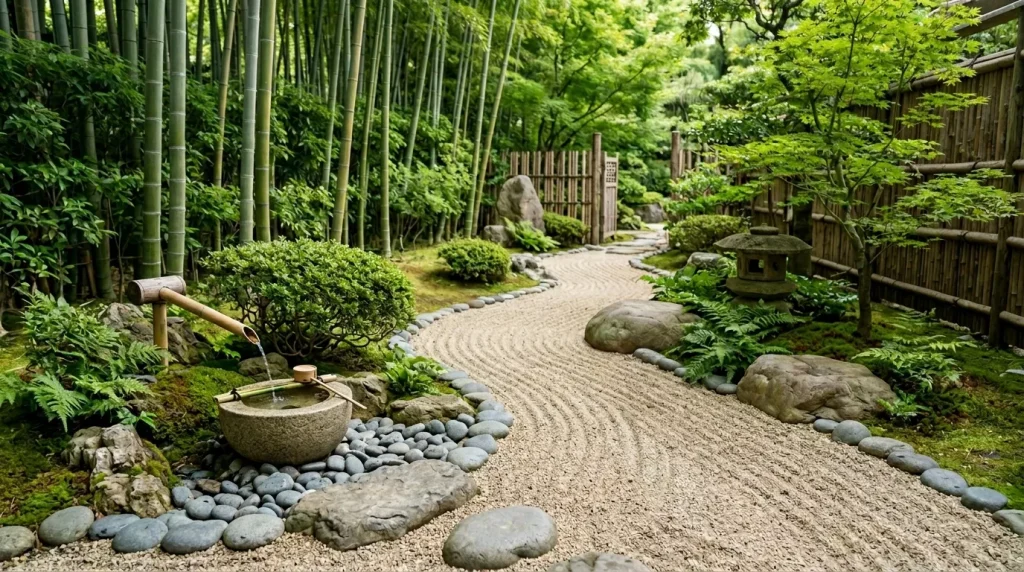
A painted wooden bench tucked into a corner with a couple of cushions costs very little but creates an inviting destination within the garden.
8. Garden Decor Ideas with Color: Paint, Stain, and Plant
Colour is one of your most powerful tools — and it’s often free or very cheap. A pot of outdoor paint can transform a tired fence, shed, or garden wall.
Popular colour choices for outdoor spaces:
- Sage green and dark slate — modern and sophisticated
- Chalky white and terracotta — Mediterranean warmth
- Deep navy or charcoal — contemporary, makes plants pop
- Pale grey and blush — romantic cottage feel
Paint your fence a deep green and suddenly all the plants in front of it look more lush and vibrant. It sounds like a small thing but the effect is dramatic.
Step-by-Step Guide: Starting Your Garden Decor Project
If you’re not sure where to begin, here’s a simple process that works:
Step 1: Walk your garden with fresh eyes Take photos as if you’re a stranger seeing it for the first time. Note what bothers you and what you like.
Step 2: Identify one problem area to fix first Don’t try to redo everything at once. Pick the corner or bed that bugs you most.
Step 3: Set a realistic budget Even £50–£100 / $60–$120 can make a meaningful difference if spent thoughtfully.
Step 4: Choose a style direction Scroll through a few inspiration images and notice what you keep saving. That’s your style.
Step 5: Shop second-hand first Car boot sales, Facebook Marketplace, and reclamation yards are goldmines for affordable garden decor.
Step 6: Install and live with it for a season Don’t rush to fill every gap. Gardens reveal themselves gradually — give yourself time to see what the space actually needs.
Pros and Cons of Popular Garden Decor Elements
| Decor Element | Pros | Cons |
|---|---|---|
| Water features | Relaxing, attracts wildlife | Maintenance required, can breed mosquitoes |
| Garden lighting | Extends usability, adds atmosphere | Solar lights can be inconsistent in low-sun climates |
| Climbing plants | Cost-effective, natural beauty | Slow to establish, can damage walls |
| Garden sculpture | Strong focal point, long-lasting | Can look cluttered if overdone |
| Container planting | Flexible, seasonal variety | Regular watering needed |
| Raised beds | Practical and attractive | Initial build cost and effort |
Comparing Budget vs. Premium Garden Decor
| Category | Budget Option | Premium Option |
|---|---|---|
| Seating | Folding rattan chair | Teak hardwood bench |
| Lighting | Solar stake lights | Wired low-voltage system |
| Water feature | Solar tabletop fountain | Built-in stone wall fountain |
| Planting | Annual bedding plants | Established specimen shrubs |
| Pathways | Stepping stones | Reclaimed York stone flags |
Both ends of the budget spectrum can produce beautiful results. The difference is usually longevity and maintenance, not appearance.
Common Garden Decor Mistakes to Avoid
Even experienced gardeners make these:
- Buying decor before planning — leads to mismatched, cluttered results
- Ignoring scale — large ornaments in tiny spaces overwhelm; tiny ones in large spaces disappear
- Overdoing themes — a coastal theme with too many anchors and ropes looks like a gift shop
- Forgetting maintenance needs — a water feature you never clean becomes an eyesore fast
- Cheap lighting in the wrong places — low-quality solar lights along every path look fussy and cheap
- Neglecting winter appeal — most gardens look barren in winter; plan for year-round structure
Tips for Better Garden Decor Results
- Layer textures — combine soft planting, rough stone, smooth metal, and warm wood for a richer feel
- Use repetition — repeat one plant, colour, or material throughout the garden to create cohesion
- Think in threes — three pots, three colours, three heights; odd numbers look more natural
- Let plants soften hardscaping — new paths and walls always look too stark; plants will soften them over time
- Visit gardens for inspiration — open gardens, show gardens, and botanical gardens are free lessons in what works
- Photograph your garden at different times of day — morning and evening light reveal things you miss at midday
Conclusion: Your Garden, Your Style
The best garden decor ideas are the ones that actually suit you — your lifestyle, your taste, and your space. There’s no single right answer. A rambling cottage garden stuffed with climbing roses and old stone urns is just as valid as a clean, contemporary scheme with clipped hedges and concrete planters.
What matters most is that you find joy in the space. Start small, be patient, and let the garden evolve over seasons rather than trying to finish it in a weekend. Great gardens always look like they’ve been loved over time — because they have been.
Ready to start transforming your outdoor space? Pick just one idea from this list, set a small budget, and take one action this week. That first small step is what turns a neglected patch of grass into a garden you’re genuinely proud of.
Frequently Asked Questions (FAQs)
Q1: What are the most affordable garden decor ideas?
Some of the most effective garden decor doesn’t cost much at all. Painting a fence a fresh colour, rearranging existing pots, adding string lights, or creating a simple path from reclaimed stepping stones can all transform a space for under £50. Shopping at car boot sales, reclamation yards, or online marketplaces also gives you access to beautiful pieces at a fraction of retail prices.
Q2: How do I decorate a small garden without making it feel crowded?
The key in a small garden is to go vertical rather than horizontal. Use wall-mounted planters, climbing plants on trellises, and tall narrow containers to add layers without sacrificing floor space. Stick to a limited colour palette so the space feels unified rather than busy, and choose one strong focal point instead of multiple competing elements.
Q3: What garden decor works well for all seasons?
For year-round appeal, focus on structural elements: evergreen hedging, ornamental grasses, sculptural pots, stone pathways, and permanent features like benches or water features. These provide interest even in winter when flowers are gone. Add seasonal colour through containers and annual planting that you can swap out as the year changes.
Q4: Can I decorate a garden on a rented property?
Absolutely. Focus on non-permanent changes — containers, furniture, lighting that doesn’t require drilling, and removable trellis panels. Large pots with established shrubs or small trees can move with you when you leave. Many tenants create genuinely beautiful gardens using entirely moveable, non-fixed elements.
Q5: How do I choose a style for my garden?
Start by looking at your home’s architectural style — your garden should feel like it belongs to the same building. Then gather inspiration from garden visits, magazines, and social media, and notice what you keep being drawn to. Don’t overthink it. If you love the look of something, chances are it’s your style. Stick to two or three core elements that define your direction and build from there.
Q6: What plants are best for garden decoration?
The best decorative plants offer more than one season of interest. Consider alliums for dramatic spring and summer structure, ornamental grasses for movement and autumn colour, hellebores for winter and early spring interest, and evergreen shrubs like box or pittosporum for year-round backbone. Climbing roses and clematis are classics for good reason — they deliver colour, scent, and vertical drama simultaneously.