Kitchen Cabinet Hardware Ideas to Upgrade Any Space

Kitchen Cabinet Hardware Ideas: A Simple Way to Transform Your Kitchen
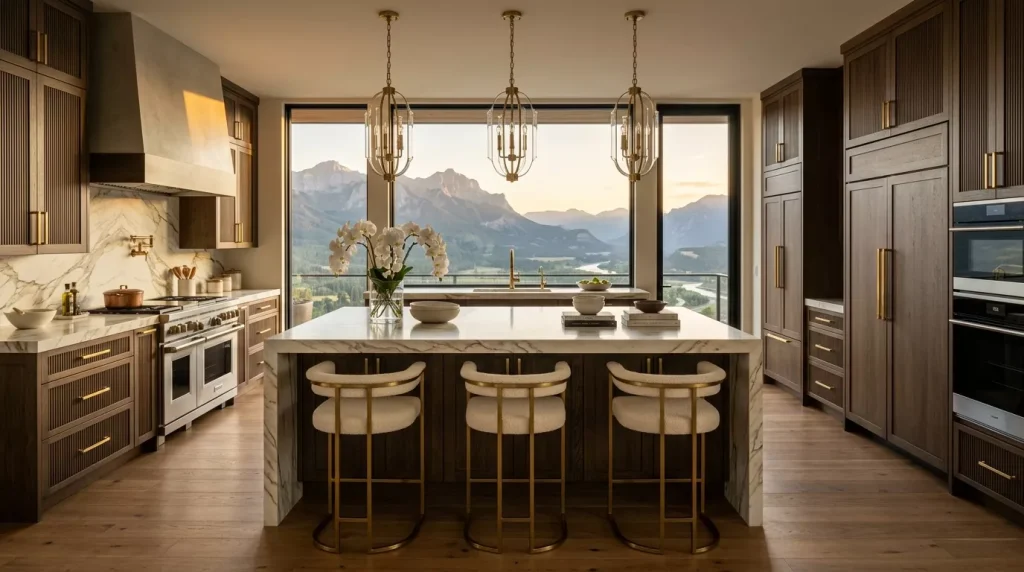
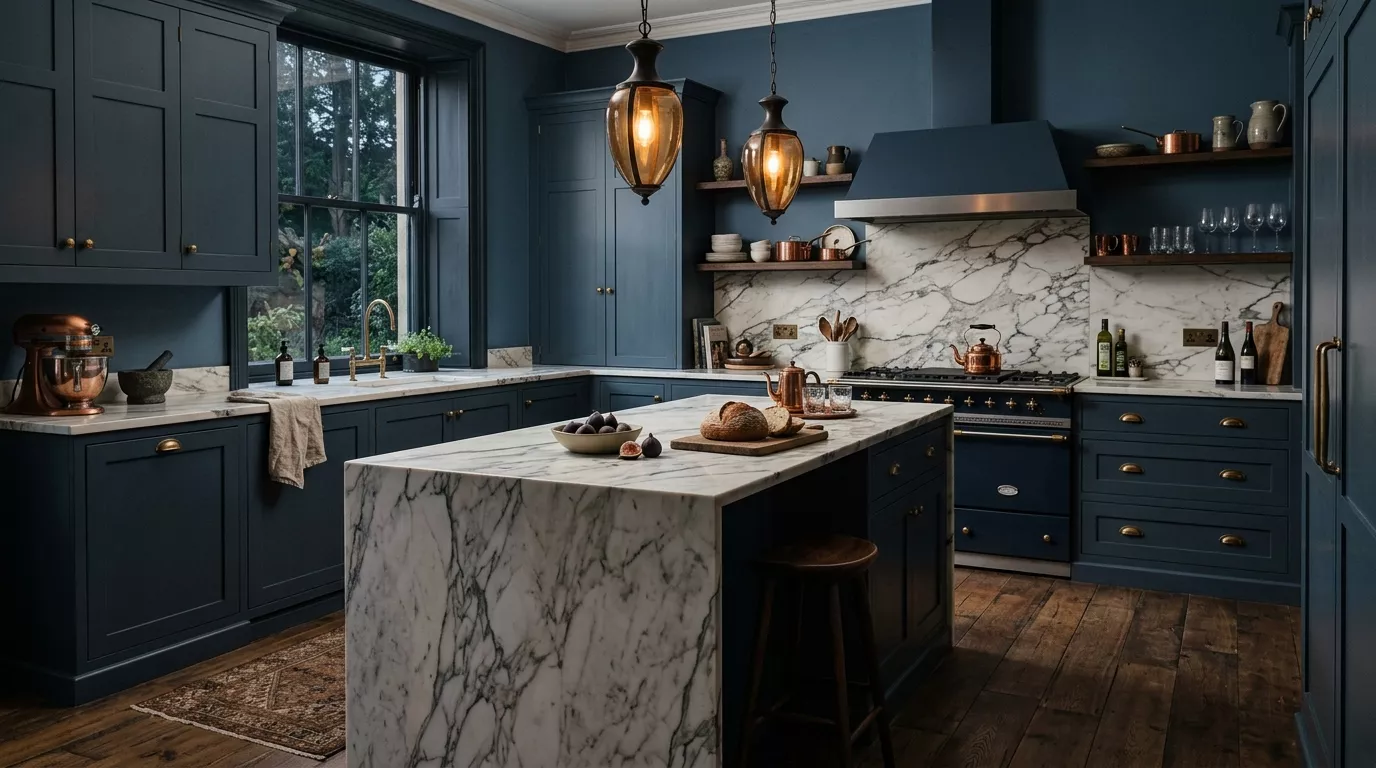
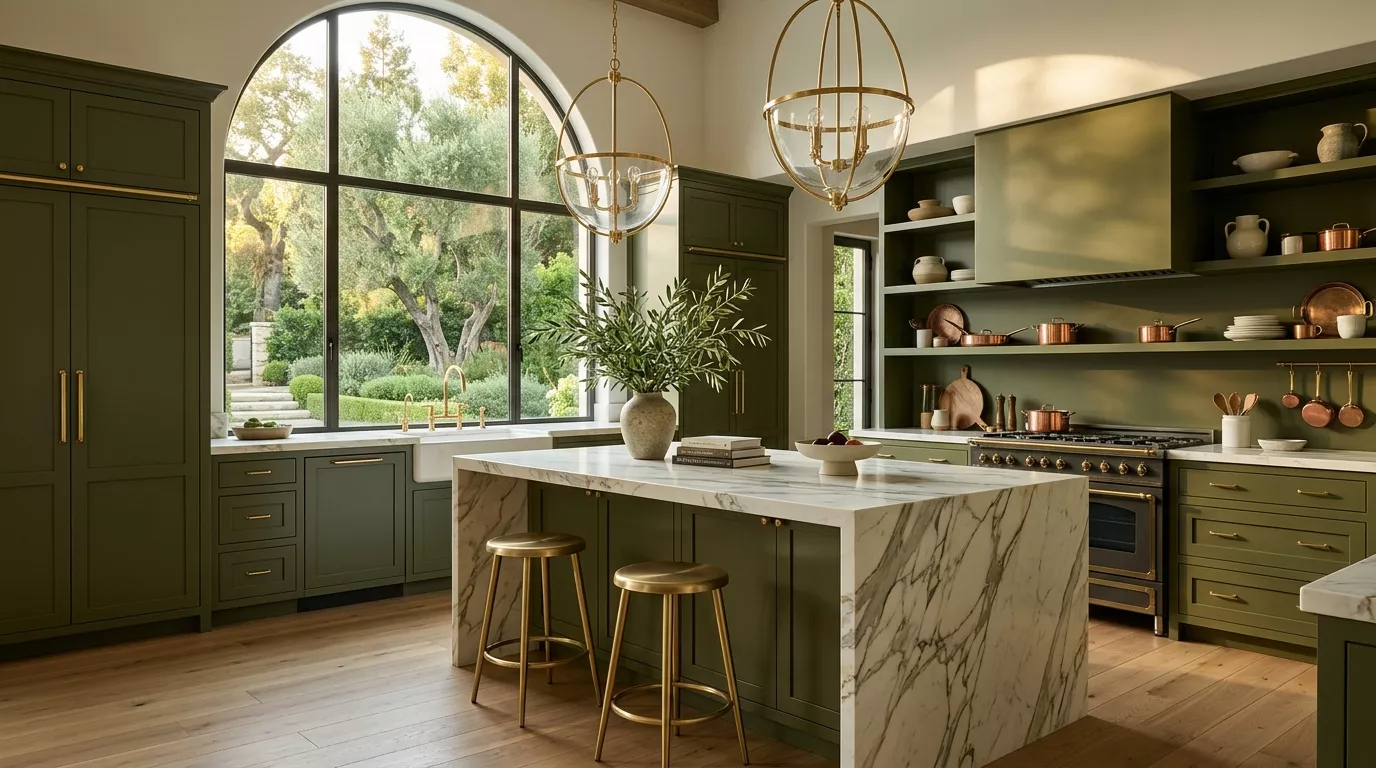
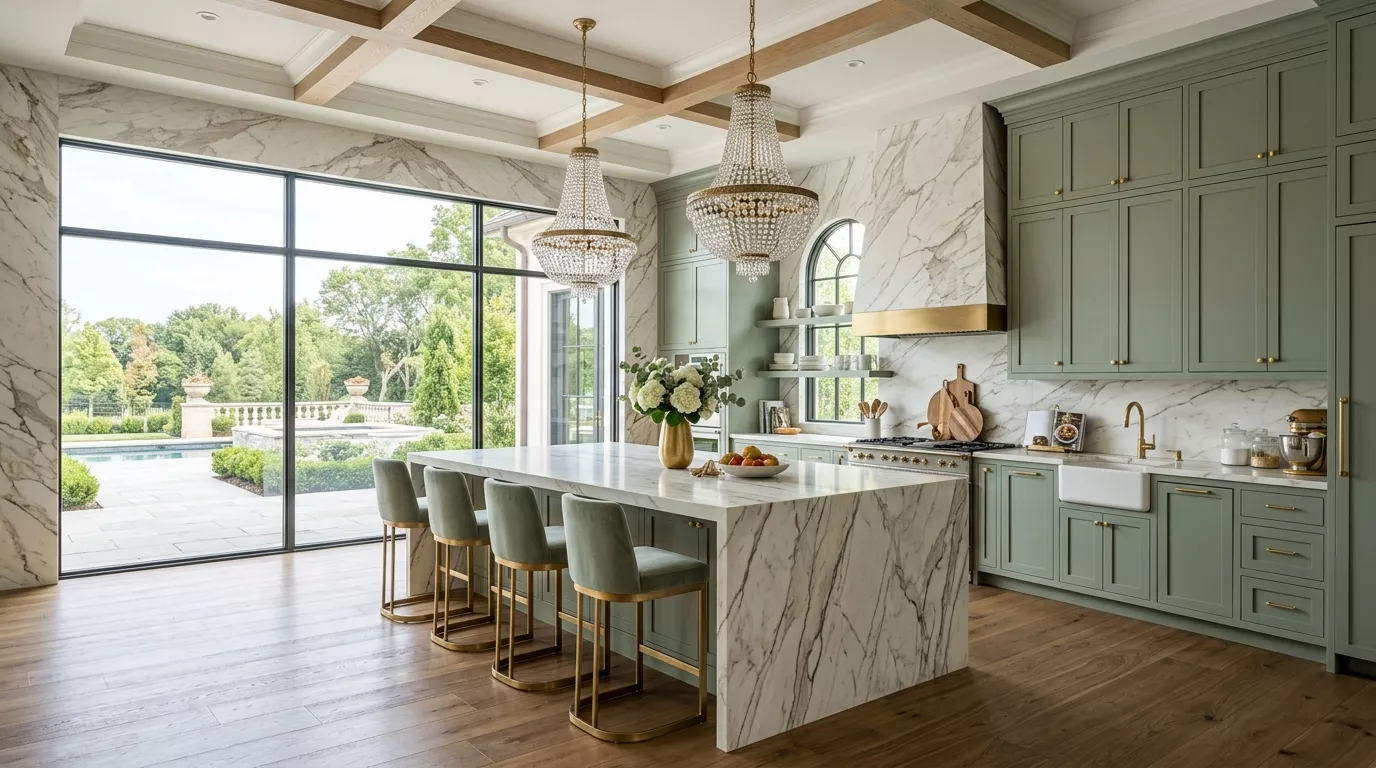
Kitchen cabinet hardware ideas are one of the easiest ways to change the entire look of your kitchen without touching a single wall.
Swapping out old knobs and pulls for something new might sound minor, but it’s often the detail that makes a kitchen feel dated or fresh.
In this guide, we’ll cover the styles, finishes, and placement tricks that make the biggest difference — plus a few mistakes worth avoiding before you order anything.
Why Cabinet Hardware Matters More Than You’d Think
Cabinet hardware is jewelry for your kitchen. It’s small, but it’s touched constantly and seen from every angle.
A worn brass knob from the ’90s can make an otherwise updated kitchen look tired. Meanwhile, a simple hardware swap can make builder-grade cabinets look custom.
Because hardware is functional and visible, it carries more design weight per square inch than almost anything else in the room.
Popular Kitchen Cabinet Hardware Styles
There’s no single “right” style — it depends on your cabinet color, kitchen layout, and overall design direction. Here are the styles worth considering.

1. Classic Bar Pulls
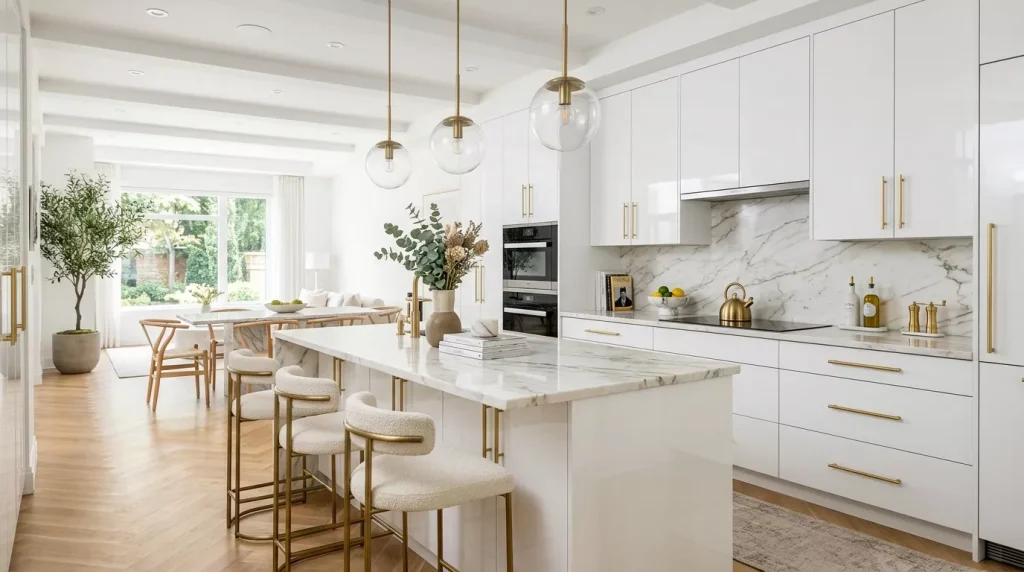
Simple, straight bar pulls remain one of the most popular choices because they work with nearly any cabinet style.
- Clean lines suit modern and transitional kitchens
- Available in dozens of finishes and lengths
- Easy to install with standard drilling templates
2. Cup and Bin Pulls
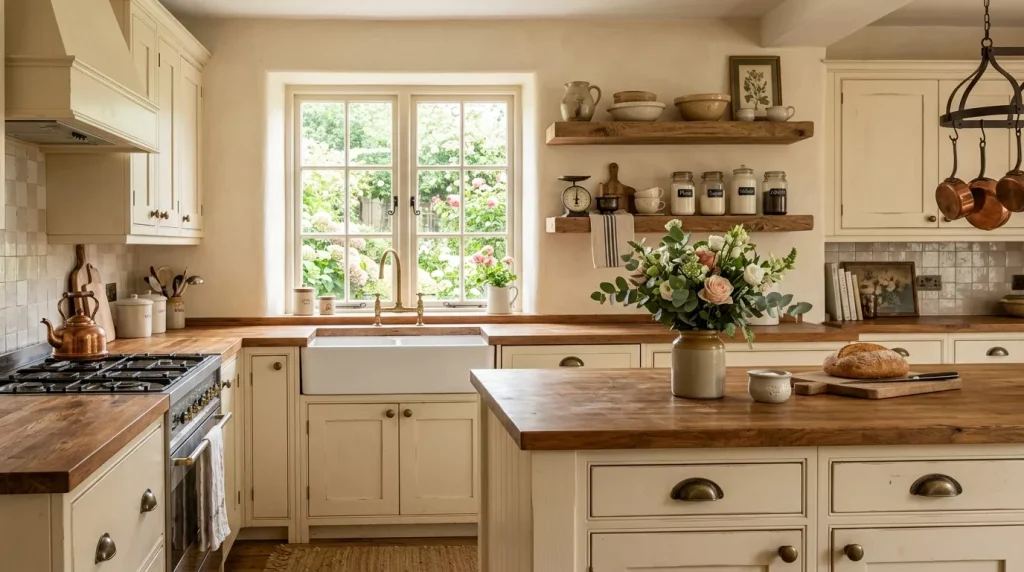
These vintage-inspired pulls add character, especially in farmhouse or cottage-style kitchens.
- Great for drawers, particularly deep ones
- Adds a nostalgic, collected-over-time feel
- Pairs well with shaker-style cabinet doors
3. Knobs
Knobs are compact, budget-friendly, and versatile — often used on upper cabinet doors while pulls handle drawers.
- Ideal for smaller cabinet doors
- Wide range of shapes: round, square, oval, faceted
- Lower cost per piece compared to pulls

4. Edge Pulls
For a sleek, minimalist look, edge pulls sit along the top or side of a cabinet door, nearly invisible from the front.
- Creates a seamless, handle-free appearance
- Popular in modern and European-style kitchens
- Slightly trickier to install correctly
5. Appliance Pulls
Long pulls originally designed for commercial appliances are increasingly used on oversized cabinet doors and pantry entries.
- Makes a bold, statement-style impact
- Works well on tall pantry doors
- Best reserved for one or two focal points, not every cabinet
Cabinet Hardware Finishes Compared
Finish choice affects how hardware reads against your cabinet color and countertop material. Here’s a quick comparison of the most popular options.

| Finish | Best Paired With | Maintenance | Style Feel |
|---|---|---|---|
| Matte Black | White, navy, sage cabinets | Low, hides fingerprints well | Modern, bold |
| Brushed Nickel | Gray, white, stainless appliances | Low, resists smudging | Transitional, neutral |
| Polished Chrome | Bright white, glossy finishes | Moderate, shows fingerprints | Contemporary, sleek |
| Brushed Brass | Warm wood tones, cream cabinets | Low to moderate | Warm, traditional-modern |
| Oil-Rubbed Bronze | Dark wood, rustic kitchens | Low, patina develops naturally | Traditional, cozy |
| Polished Brass | Bold colors, vintage-inspired kitchens | Higher, needs occasional polishing | Glamorous, vintage |
If you’re unsure, brushed nickel and matte black remain the safest, most versatile choices for resale value.
Knobs vs. Pulls: Which Should You Choose?
This is one of the most common questions homeowners ask when planning a hardware update.
Knobs work best on smaller surfaces like upper cabinet doors, where a single point of contact is enough.
Pulls are generally better for drawers, since they let you grip with your whole hand and distribute pressure evenly.
Many kitchens actually use both — knobs on doors, pulls on drawers — for a balanced, functional look rather than picking just one across the board.

Step-by-Step: How to Choose and Install New Cabinet Hardware
Updating your hardware is one of the most beginner-friendly kitchen projects out there. Here’s how to approach it.
- Count your existing holes. Check whether your cabinets have single-hole (knobs) or double-hole (pulls) drilling.
- Measure hole spacing. If replacing pulls, measure center-to-center distance so new hardware lines up with existing holes.
- Choose your style and finish. Pick based on cabinet color, countertop tone, and overall kitchen style.
- Order a few samples first. Hardware finishes can look different in person than in photos — test before buying in bulk.
- Use a template for new holes. If switching hole patterns, a hardware jig keeps drilling straight and consistent.
- Install top-down. Start with upper cabinets, then move to lower cabinets and drawers.
- Tighten evenly. Avoid over-tightening, which can strip screws or crack cabinet material over time.
Pros and Cons of Updating Kitchen Cabinet Hardware
Before diving in, it’s worth weighing what this update actually gives you — and where it falls short.
Pros:
- One of the most affordable kitchen upgrades available
- Can be completed in a weekend without professional help
- Instantly modernizes outdated or builder-grade cabinets
- Wide range of styles fits nearly any budget
- Doesn’t require any structural or plumbing changes

Cons:
- Switching hole patterns may require filling and repainting old holes
- Cheap hardware can loosen or tarnish faster than expected
- Ordering the wrong size or spacing means returns and delays
- High-end finishes like polished brass need regular upkeep
- Buying piece by piece can get expensive for large kitchens
Tips for Choosing Kitchen Cabinet Hardware
A few small decisions make the difference between hardware that looks pulled-together and hardware that feels random.
- Stick to one or two finishes maximum across the whole kitchen for a cohesive look.
- Choose a pull length that’s roughly one-third the width of the drawer for good proportion.
- If your cabinets are painted a bold color, let the hardware stay simple and let the color do the talking.
- Order one extra piece beyond your count in case of installation mistakes or future replacements.
- Test hardware finish against your faucet and lighting fixtures — mismatched metals can look unintentional rather than eclectic.
Common Mistakes to Avoid
Even a simple hardware swap can go sideways without a bit of planning.

- Mixing too many finishes. Combining four or five different metals often looks chaotic rather than curated.
- Ignoring existing hole spacing. This leads to costly redrilling or visible patch marks.
- Choosing hardware too small for the cabinet. Tiny knobs on oversized doors look out of place.
- Skipping a physical sample. Online photos rarely capture true finish and texture.
- Rushing installation. Crooked or unevenly spaced hardware is one of the most noticeable kitchen flaws.
Final Thoughts
Kitchen cabinet hardware ideas prove that big design changes don’t always require a big budget or a full renovation.
A thoughtful mix of pulls, knobs, and finishes can completely shift how your kitchen feels — from dated to modern, or plain to personalized — often in a single weekend.
Start by identifying your cabinet’s current hole pattern, pick a finish that complements your existing fixtures, and don’t be afraid to mix knobs and pulls for balance.
If your kitchen has been feeling a little flat lately, this is one of the simplest updates that delivers real, visible results.
Frequently Asked Questions
1. What’s the most popular kitchen cabinet hardware finish right now?
Matte black and brushed nickel remain the most popular choices because they’re versatile, low-maintenance, and pair well with most cabinet colors.
2. Should all my kitchen hardware match?
It doesn’t have to match exactly, but staying within one or two coordinating finishes keeps the kitchen looking intentional rather than mismatched.
3. How do I know if I need knobs or pulls?
Check your cabinet’s existing drill holes — a single hole means knobs, while two holes spaced apart mean pulls. This also helps guide your replacement choice.
4. Can I install new cabinet hardware myself?
Yes, it’s a beginner-friendly project. With a screwdriver, tape measure, and optionally a drilling jig, most homeowners can complete it in a weekend.
5. What size pulls should I choose for large drawers? A general rule is choosing a pull that’s about one-third the width of the drawer front for balanced proportions.
6. Does cabinet hardware affect home resale value?
Yes, updated hardware is often noted by buyers and appraisers as a sign of a well-maintained, modern kitchen, even if cabinets themselves are older.
7. How often should cabinet hardware be replaced?
There’s no strict timeline, but if hardware is loose, tarnished, or visibly dated, it’s usually worth updating every 8–10 years or during a kitchen refresh.