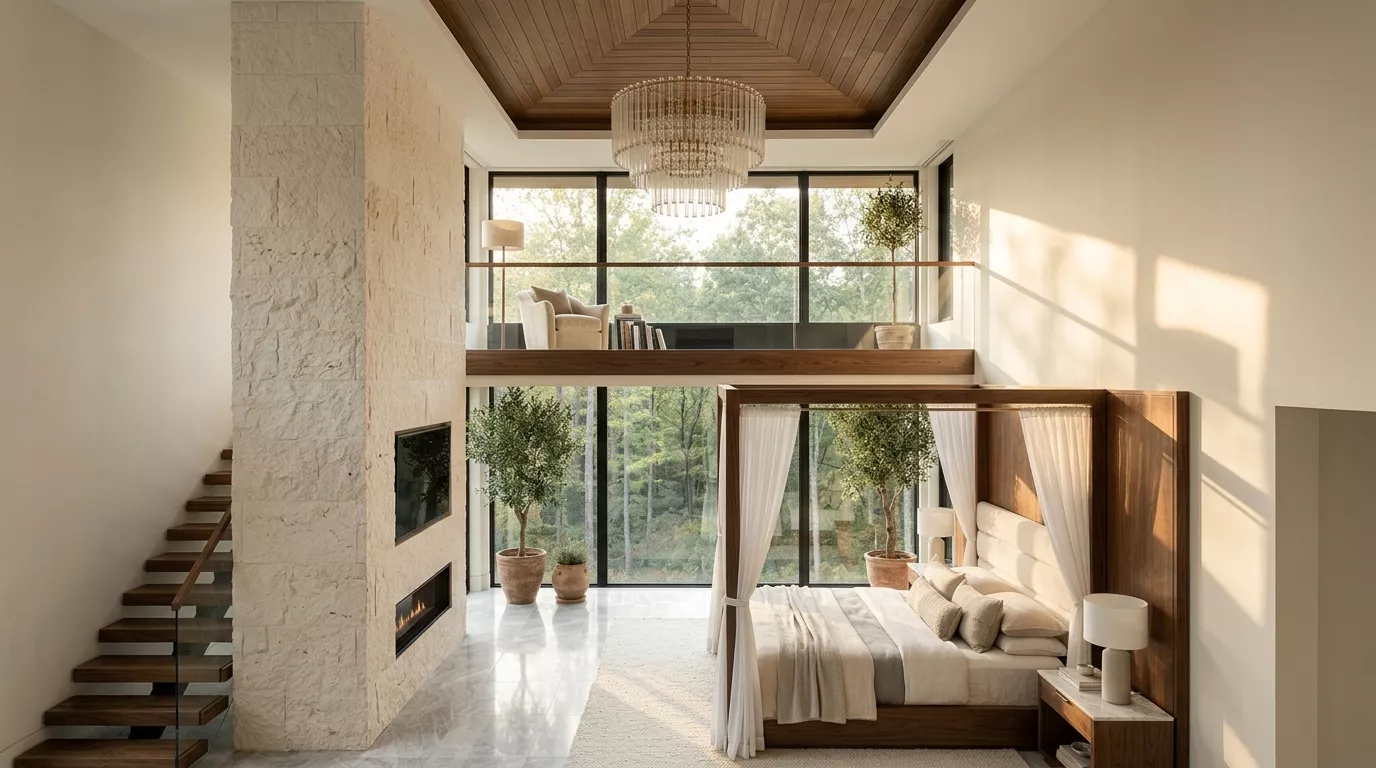
Scandinavian Bedroom Ideas: Design a Calm, Cozy Space

Scandinavian Bedroom Ideas: How to Design a Calm, Cozy, and Minimalist Retreat
If you’ve ever looked at a bedroom and felt instantly at peace — clean lines, soft textures, warm neutrals, and just enough light — there’s a good chance you were looking at Scandinavian bedroom ideas in action.

This design style, rooted in the Nordic countries of Sweden, Denmark, Norway, and Finland, has taken the world by storm — and for good reason. It strips away the unnecessary and replaces it with intention. Every piece of furniture, every color choice, every textile has a purpose.
Whether you’re redesigning your master bedroom from scratch or just looking to refresh a tired space, this guide walks you through everything you need to know about bringing the Scandinavian aesthetic into your bedroom.
What Is Scandinavian Bedroom Design, Really?
Before diving into ideas, it helps to understand the philosophy behind the style. Scandinavian design isn’t just about white walls and bare floors — it’s a lifestyle approach built around a few core ideas:

- Functionality over excess — Nothing is there just to fill space
- Natural materials — Wood, linen, wool, cotton, stone
- Light maximization — Especially important in countries with long, dark winters
- Hygge (pronounced hoo-ga) — A Danish concept of coziness, warmth, and well-being
When these principles meet a bedroom, the result is a space that feels effortlessly calm, organized, and deeply livable.
Scandinavian Bedroom Ideas: Key Design Elements to Know

1. The Color Palette — Neutrals with Warmth
The foundation of any Scandinavian bedroom is a restrained, neutral color palette. Think:
| Color Family | Examples |
|---|---|
| Whites & Off-whites | Warm white, ivory, chalk |
| Greys | Light grey, slate, greige |
| Warm Neutrals | Sand, oat, blush, camel |
| Earthy Accents | Sage green, dusty blue, terracotta |
| Deep Contrast | Charcoal, muted navy, forest green |
The trick is to layer these tones rather than use a single flat color. A white wall with warm linen bedding and a greige area rug creates depth without noise.
Pro Tip: Avoid cool, stark whites. Warm whites with a hint of cream or yellow undertone feel much more inviting — which is the entire goal.

2. Furniture — Low, Simple, and Purposeful
Scandinavian bedroom furniture is defined by clean lines, low profiles, and a handcrafted quality. Some signature pieces include:
- Low-profile bed frames made from solid pine, oak, or birch
- Simple wooden nightstands — no ornate carving, just clean edges
- Floating shelves instead of bulky bookcases
- A simple wooden or upholstered bench at the foot of the bed
Legs matter a lot in this style. Furniture with visible, tapered legs creates an airy, light feel — the room doesn’t feel weighed down.

3. Textiles — Where the Warmth Lives
This is where Scandinavian bedrooms earn their “cozy” reputation. Layering natural textiles is the secret weapon:
- Linen duvet covers — Slightly rumpled, lived-in feel
- Wool throws draped casually over the corner of the bed
- Chunky knit blankets for winter warmth and texture
- Cotton or jute area rugs to soften hard flooring
- Linen or sheer curtains to filter natural light
Don’t be afraid to pile on the pillows. A typical Scandi bed might have two Euro shams, two standard pillows, and a single lumbar pillow — all in slightly different but complementary tones.

4. Lighting — Layered and Intentional
In Scandinavia, light is practically sacred. Long, dark winters mean that every source of light is maximized and celebrated. Here’s how to replicate that in your bedroom:
- Large, uncovered windows — Keep window treatments minimal and light
- Warm-toned bulbs (2700K–3000K range) for every fixture
- Pendant lights over bedside tables instead of wall sconces
- Candles and candleholders for hygge atmosphere in the evenings
- String lights draped over a headboard or shelf
Avoid cool fluorescent lighting at all costs — it kills the atmosphere immediately.

Scandinavian Bedroom Ideas by Style Variation
Not all Scandi bedrooms look the same. The aesthetic has evolved, and there are a few distinct directions you can take it.
Minimalist Scandinavian Bedroom
This is the purest form — maximum white space, very few decorative objects, and every item serves a function. The palette is almost entirely white and grey, with one or two organic accents like a single plant or a ceramic vase.
Best for: People who love order, prefer a hotel-like feel, and want the bedroom to feel larger.

Cozy Hygge Bedroom (Warm Scandi)
This version leans into warmth and texture. More throws, more candles, warmer tones like amber, rust, and sage. The bed looks intentionally unmade and inviting.
Best for: People who want to feel wrapped up and cozy, especially in colder climates or winter months.
Scandi-Boho Fusion Bedroom

A popular modern take — mixing Scandinavian minimalism with Bohemian elements like macramé wall hangings, rattan accents, woven baskets, and earthy plant collections.
Best for: People who love the clean Scandi base but want more personality and texture.
Step-by-Step Guide: How to Create a Scandinavian Bedroom

You don’t need to gut your entire room. Follow these practical steps to build your Scandinavian bedroom gradually:
Step 1: Start with the walls Paint them a warm white or soft off-white. If you want a feature wall, consider a muted dusty blue, sage, or warm charcoal.
Step 2: Choose your bed frame Look for a low-profile design in natural wood (oak, pine, or birch are ideal). Avoid ornate headboards or heavy upholstery in dark colors.
Step 3: Layer your bedding Start with a good linen or cotton duvet cover in white, grey, or soft natural tones. Add one throw and a couple of textured pillows.
Step 4: Add your lighting layers Replace any bright overhead lights with a warm pendant or bedside lamp. Add a candle or two on a wooden tray.
Step 5: Bring in natural elements A small potted plant (snake plant, eucalyptus, or a simple succulent), a wooden tray, or a small stone object adds the organic touch that grounds the room.

Step 6: Edit ruthlessly Less is always more. Walk around the room and remove anything that doesn’t serve a function or bring you genuine joy.
Step 7: Add a rug A simple wool, jute, or cotton rug in a neutral tone softens the room and adds warmth underfoot.
Pros and Cons of Scandinavian Bedroom Design
Before committing fully, here’s an honest look at both sides:
✅ Pros
- Timeless appeal — The style doesn’t go out of fashion
- Easy to maintain — Less clutter means less cleaning
- Promotes relaxation — Neutral, calm spaces reduce visual stress
- Flexible — Works in small and large rooms equally well
- Budget-friendly — You can achieve the look with affordable natural-material pieces
- Great resale value — Neutral, clean aesthetics appeal to most buyers
❌ Cons
- Can feel cold if done wrong — Without proper textile layering, white rooms feel sterile
- Requires discipline — Clutter is the enemy; maintaining the look takes effort
- Limited personalization — Heavy personal collections or bold art can clash
- Natural materials cost more — Real oak or pine furniture is pricier than flat-pack alternatives
- Not ideal for bold maximalists — If you love color and pattern, you may feel restricted

Tips for Getting the Scandinavian Bedroom Look Right
These small details make a significant difference:
Common Mistakes to Avoid
Even well-intentioned Scandi bedroom makeovers can go wrong. Watch out for these:
- Going too white and cold — All white without warm-toned textiles feels more clinical than cozy
- Buying cheap plastic furniture — Natural materials are non-negotiable for the authentic look
- Overcrowding — Adding too many “minimal” decor pieces cancels out the minimalism
- Ignoring the floor — Bare cold floors need a rug; this is one area you shouldn’t skip
- Misusing black accents — Black works in Scandi design, but one or two statement pieces only — don’t overdo it
- Forgetting about scent — Scented candles or natural reed diffusers are a hygge essential that people often overlook
- Ignoring the ceiling — A simple wooden pendant light can transform a plain ceiling without much effort or cost
Scandinavian vs. Japandi Bedroom: What’s the Difference?

These two styles get compared frequently. Here’s a quick breakdown:
| Feature | Scandinavian | Japandi |
|---|---|---|
| Origin | Nordic countries | Scandi + Japanese fusion |
| Tone | Warmer, cozier | Cooler, more austere |
| Colors | Warm whites, soft grey, blush | Warm grey, taupe, muted earth |
| Wood Tones | Light (pine, birch) | Medium to dark (walnut, bamboo) |
| Decor Philosophy | Hygge — warmth and comfort | Wabi-sabi — imperfect beauty |
| Textiles | Layered, cozy | Restrained, precise |
| Best For | Cozy, livable bedroom | Meditative, zen-like space |
Both are beautiful — your choice depends on whether you lean warmer and cozier (Scandi) or quieter and more meditative (Japandi).
Conclusion: Your Scandinavian Bedroom Awaits
Scandinavian bedroom ideas aren’t about following a rigid rulebook — they’re about creating a space that genuinely helps you unwind, breathe, and rest. The beauty of this design philosophy is its accessibility: you don’t need a massive budget or a complete renovation to start.
Begin with the foundation — warm neutral walls, natural textures, good lighting. Then layer in the details slowly. A wool throw here. A wooden tray there. A single plant by the window.
The result will be a bedroom that feels like a retreat from the world — calm, intentional, and entirely yours.
Ready to start? Pick one element from this guide — whether it’s swapping your bedding for linen or replacing a harsh overhead bulb with a warm-toned pendant — and begin there. One good choice leads to the next, and before you know it, you’ll have a bedroom that feels like a Nordic escape.
FAQs: Scandinavian Bedroom Ideas
Q1: What colors are used in a Scandinavian bedroom?
Scandinavian bedrooms primarily use warm whites, soft greys, off-whites, and neutral earthy tones like sand and oat. Accent colors like muted sage green, dusty blue, or soft terracotta are added sparingly. The palette always stays calm and understated — bold, saturated colors are rarely used.
Q2: What kind of bed frame is best for a Scandinavian bedroom?
A low-profile bed frame in natural wood — oak, pine, or birch — is the classic Scandinavian choice. Look for clean lines, no ornate detailing, and ideally visible tapered legs to keep the room feeling airy. Upholstered frames in linen or soft grey fabric also work beautifully in this style.
Q3: How do I make a small bedroom look Scandinavian?
Great news — Scandinavian design actually works brilliantly in small spaces. Use light colors to expand the room visually, keep furniture low-profile and minimal, maximize natural light, and use floating shelves instead of bulky storage units. A large mirror can also amplify the light and space.
Q4: Is Scandinavian bedroom design expensive to achieve?
Not necessarily. While real natural-material furniture costs more than synthetic alternatives, you can achieve the core aesthetic affordably by focusing on paint color (cheap), quality bedding (a worthwhile investment), a simple rug, and good lighting. You don’t need many pieces — the style is built on restraint, which actually saves money.
Q5: What is hygge and how does it relate to bedroom design?
Hygge is a Danish and Norwegian concept that describes a feeling of coziness, comfort, and well-being shared in a warm environment. In bedroom design, it translates into candles, soft textiles, warm lighting, natural materials, and creating an atmosphere that makes you feel genuinely at ease. It’s the emotional goal behind the entire Scandinavian bedroom aesthetic.
Q6: Can I mix Scandinavian style with other design aesthetics?
Yes — and it’s increasingly popular. Scandi-Boho blends Scandinavian minimalism with bohemian textures like rattan and macramé. Japandi merges Nordic and Japanese aesthetics for a more meditative feel. The key is to keep the core principles intact: natural materials, neutral palette, and restrained clutter.
Q7: What plants work best in a Scandinavian bedroom?
Stick to simple, low-maintenance plants that look architectural and clean. Good choices include the snake plant (Sansevieria), fiddle leaf fig, eucalyptus stems in a simple vase, a small cactus, or a trailing pothos. Avoid overly tropical or loud plants — the goal is a single, well-placed natural element, not a garden.