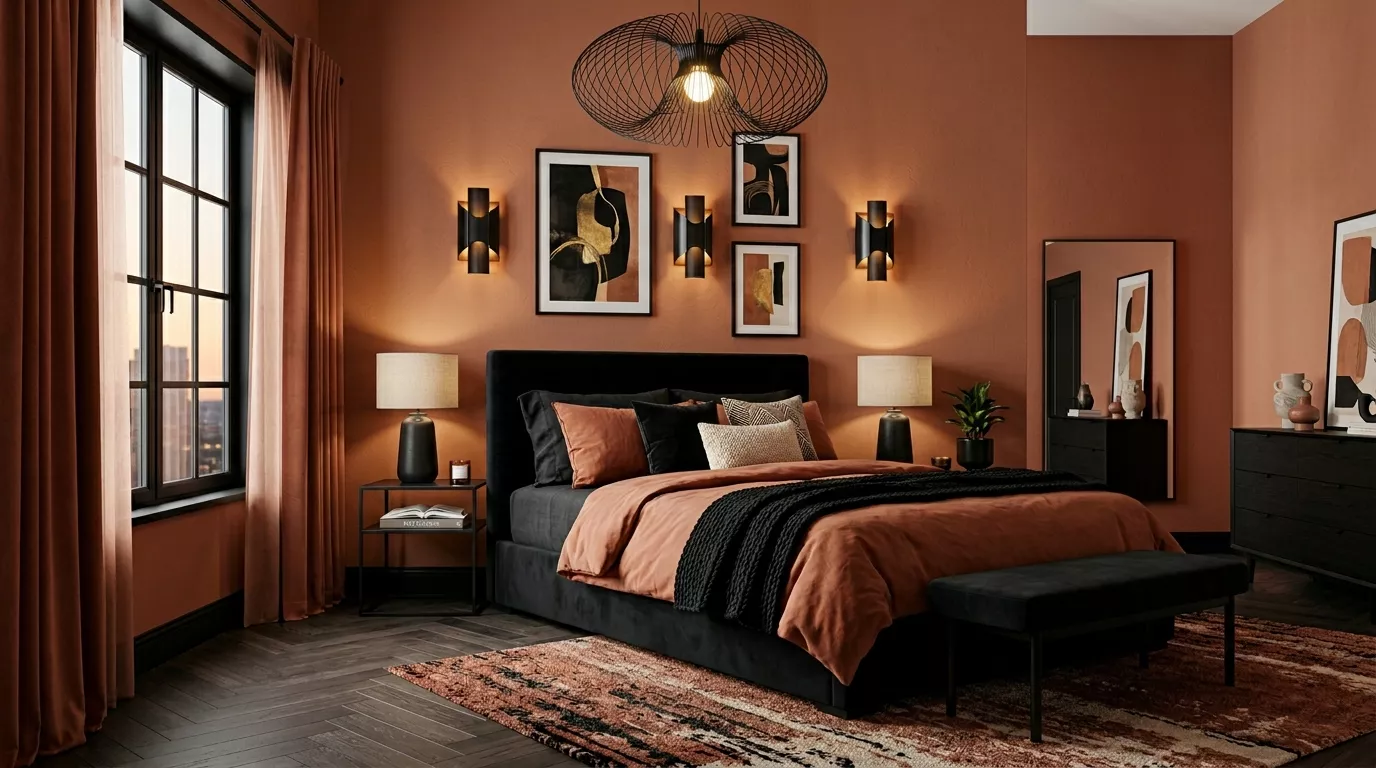
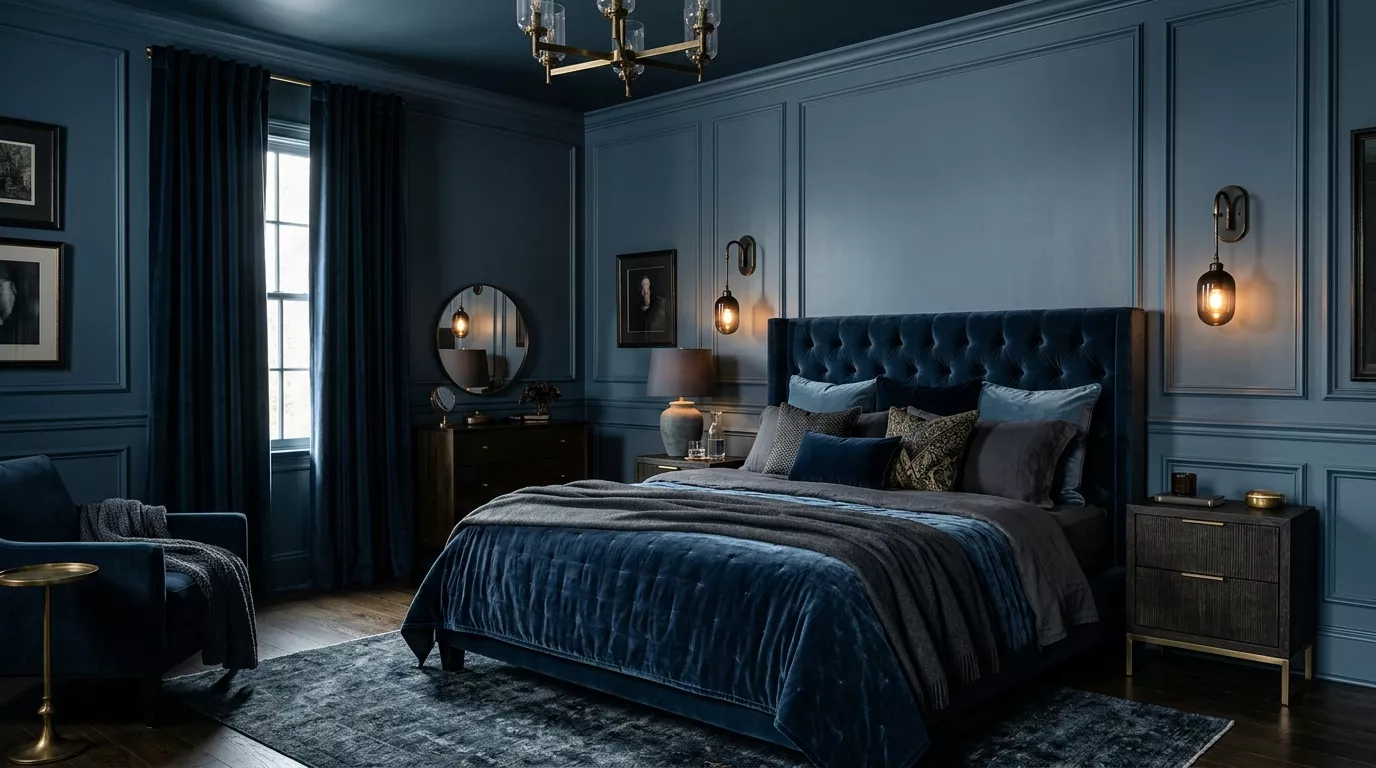
Modern Minimalist Bedroom Ideas for a Calm Space

Modern Minimalist Bedroom Ideas That Transform Your Sleep Space
Have you ever walked into a room and instantly felt at peace? That’s the quiet power of a modern minimalist bedroom. Less clutter. More intention. And a whole lot of calm.
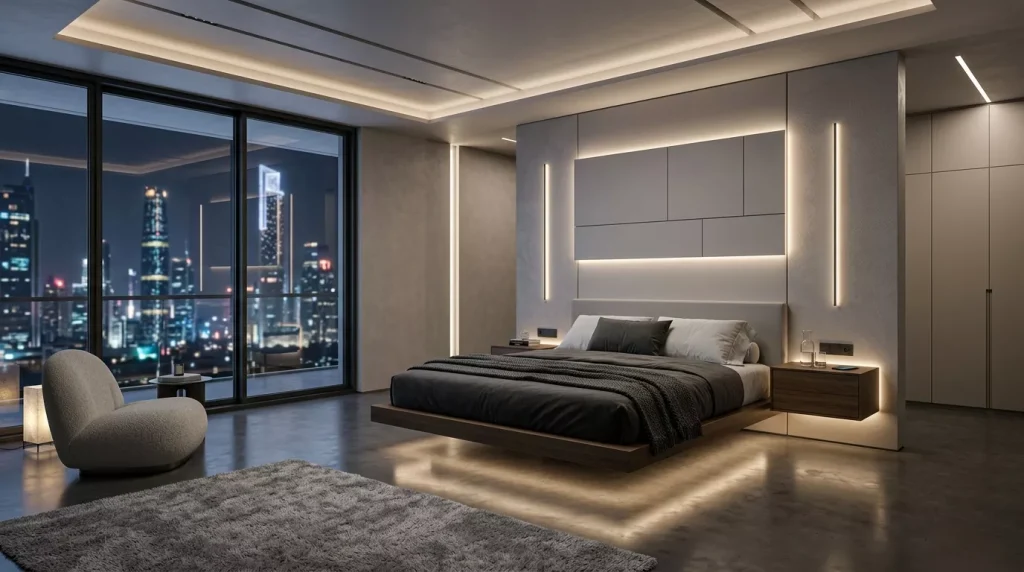
Minimalism isn’t about stripping everything away until your room feels cold and empty. It’s about choosing only what truly matters — beautiful furniture, a soothing palette, and smart storage — so your bedroom becomes the retreat you actually deserve.
Whether you’re redesigning from scratch or just updating a few things, this guide is packed with modern minimalist bedroom ideas that are realistic, stylish, and easy to implement. Let’s get into it.
What Is a Modern Minimalist Bedroom?
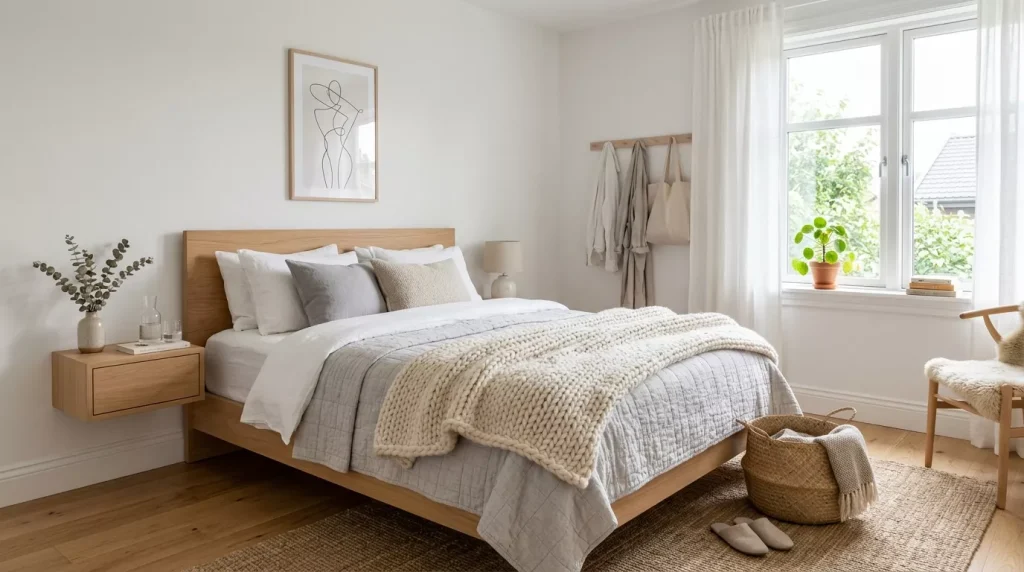
A modern minimalist bedroom blends two design philosophies: minimalism (keeping only what’s necessary) and modern design (clean lines, contemporary materials, and a forward-thinking aesthetic).
The result? A bedroom that feels spacious, organized, and visually calming — even in a small apartment.
Key characteristics include:
- Neutral color palettes — whites, grays, beiges, and soft earth tones
- Functional furniture with sleek, unadorned silhouettes
- Hidden or integrated storage to reduce visual clutter
- Natural textures — wood, linen, stone, and rattan
- Minimal décor — one or two intentional pieces rather than shelves of knickknacks
Think of it less as “doing without” and more as “choosing better.”
Top Modern Minimalist Bedroom Ideas to Try Right Now
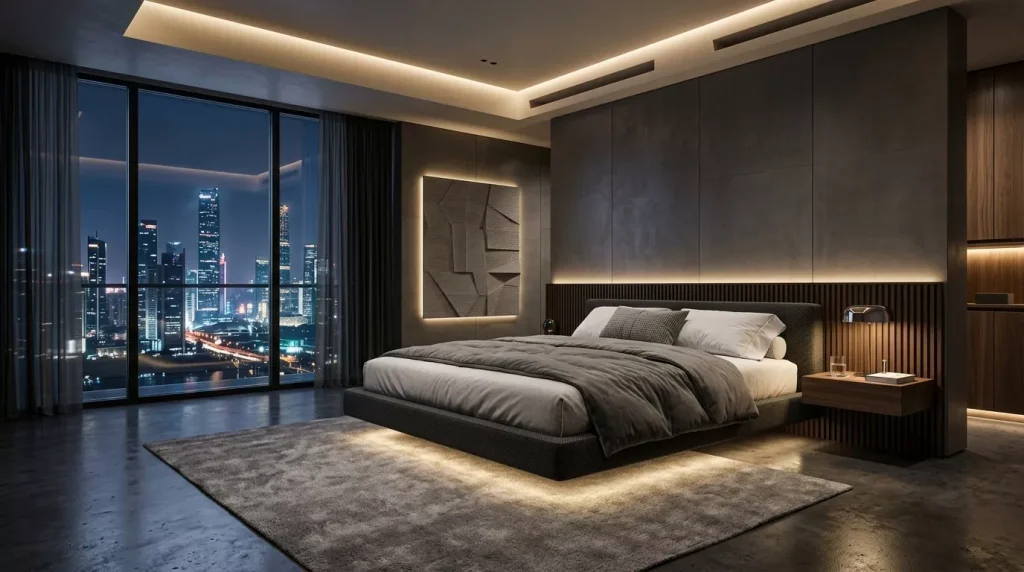
You don’t need a massive budget or a complete renovation. These ideas range from simple swaps to thoughtful redesigns — all rooted in the minimalist philosophy.
1. Start With a Neutral Color Palette
Color is the foundation of any minimalist bedroom. Stick to warm whites, soft greiges (grey-beige), and muted earth tones like terracotta, sage green, or dusty rose.
Avoid loud accent walls or bold patterns. If you want contrast, introduce it through texture — think a chunky knit throw over smooth linen sheets.
Pro tip: Paint your ceiling the same color as your walls. It creates a seamless, enveloping feel that makes the room look larger and more intentional.
2. Invest in a Low-Profile Platform Bed
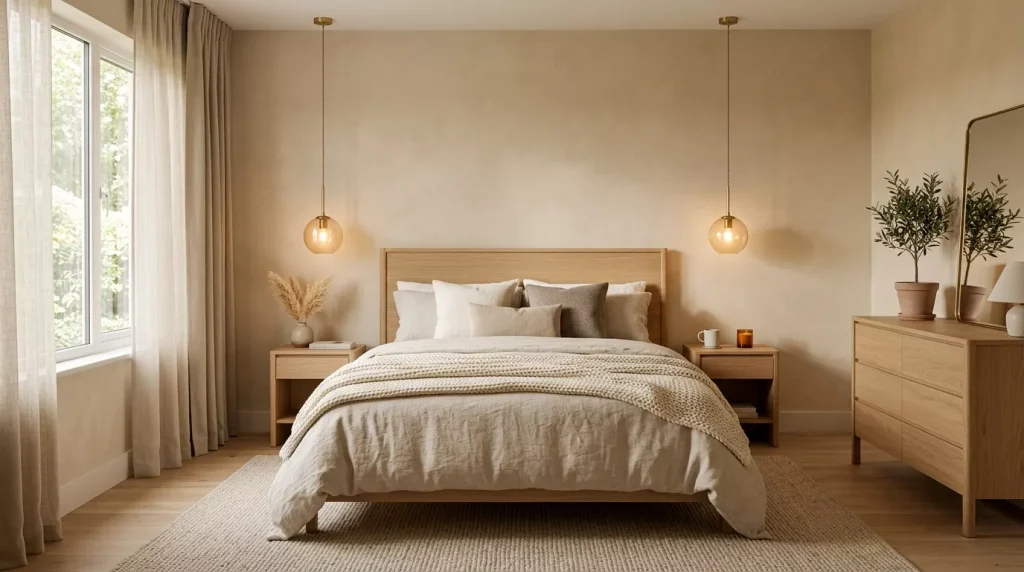
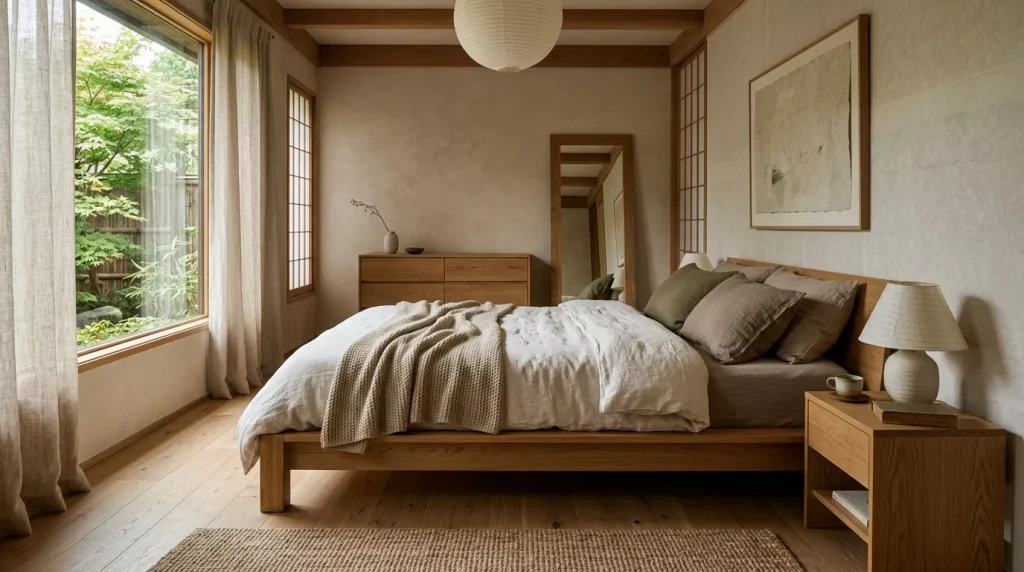
The bed is the centerpiece of every bedroom. In a minimalist space, a low-profile platform bed with a simple upholstered headboard or a wooden frame does the heavy lifting aesthetically.
Skip the ornate carved wood or oversized headboards. A clean, streamlined silhouette visually opens up the room.
Choose bedding in solid neutrals. Layer textures — a linen duvet, a waffle-knit blanket, and two or three thoughtfully placed pillows.
3. Embrace Smart, Hidden Storage
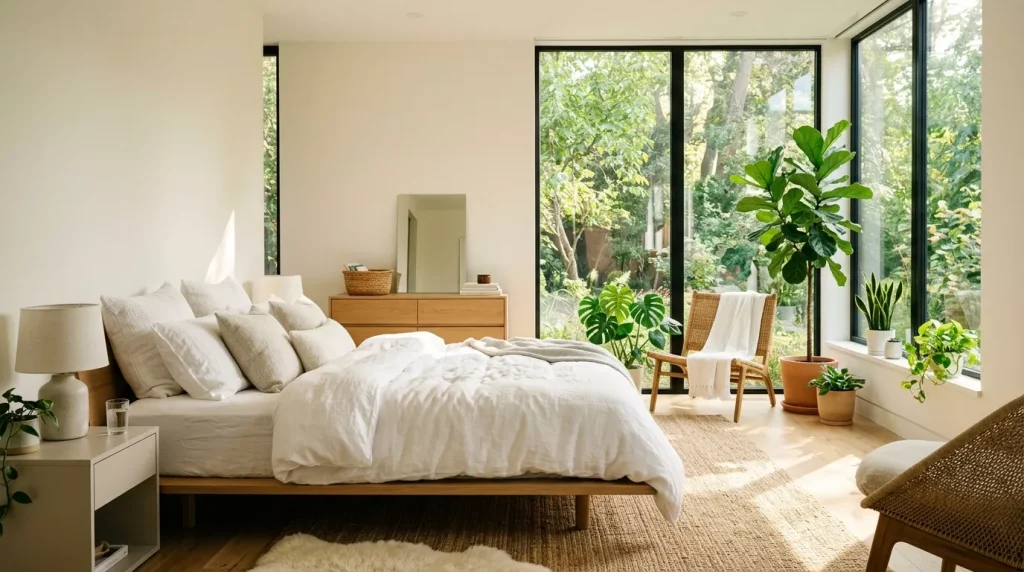
Clutter is the enemy of minimalism. But let’s be honest — we all have stuff.
The solution? Furniture that hides it beautifully.
- Beds with built-in drawers underneath
- Ottomans with hidden compartments
- Floating shelves instead of bulky bookshelves
- Wardrobe systems with flush doors that blend into the wall
The goal is to create a room where everything has a home — and none of it is visible from the doorway.
4. Use Lighting as a Design Element
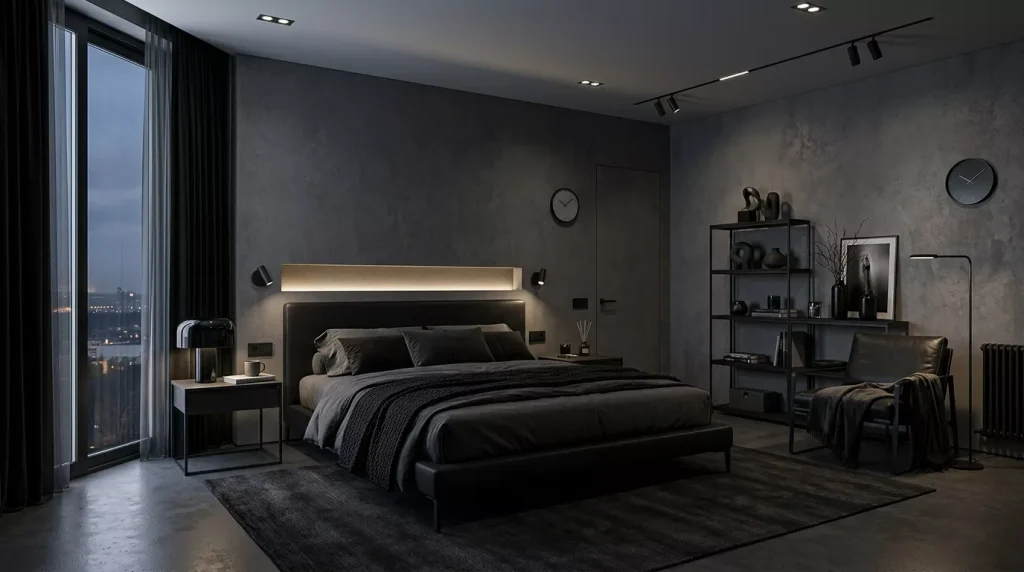
Lighting in a minimalist bedroom isn’t just functional — it’s intentional.
Layer your lighting:
- Ambient lighting — a simple flush-mount ceiling fixture or recessed lighting
- Task lighting — sleek wall-mounted sconces or minimalist table lamps beside the bed
- Accent lighting — warm LED strip lights under a floating shelf or behind the headboard
Avoid chandelier overload or trendy fixtures that clash with the clean aesthetic. Matte black, brushed brass, or frosted glass fixtures work beautifully.
5. Bring Nature Indoors With Mindful Greenery
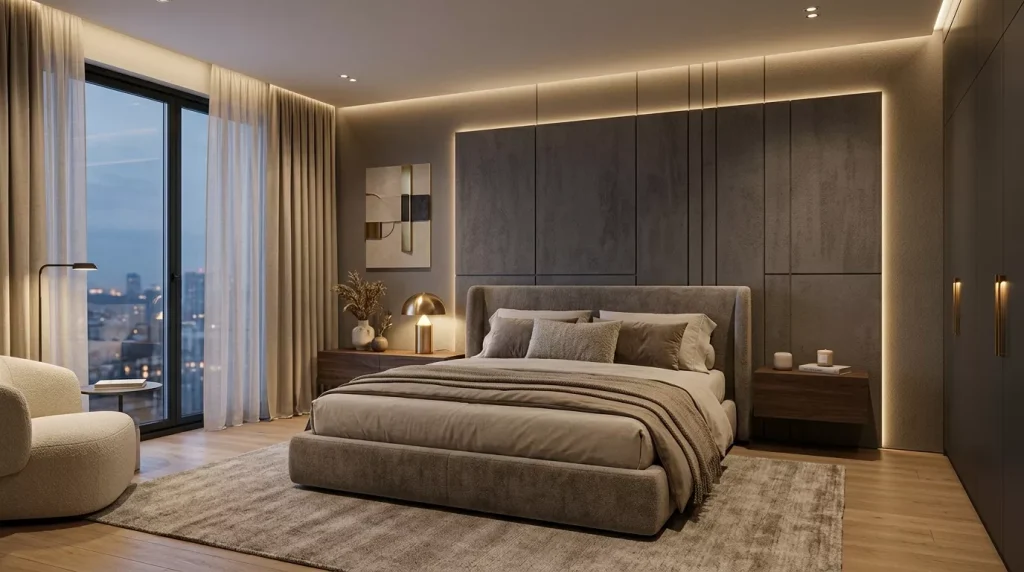
Plants and minimalism are a perfect match. A single fiddle-leaf fig, a trailing pothos, or a sculptural snake plant adds organic warmth without adding chaos.
One rule: don’t go overboard. One or two plants placed intentionally (beside the window, on a nightstand, or in a corner) is all you need.
Natural materials like rattan baskets, wooden trays, and linen curtains also connect your space to the natural world.
6. Declutter Ruthlessly — and Keep It That Way
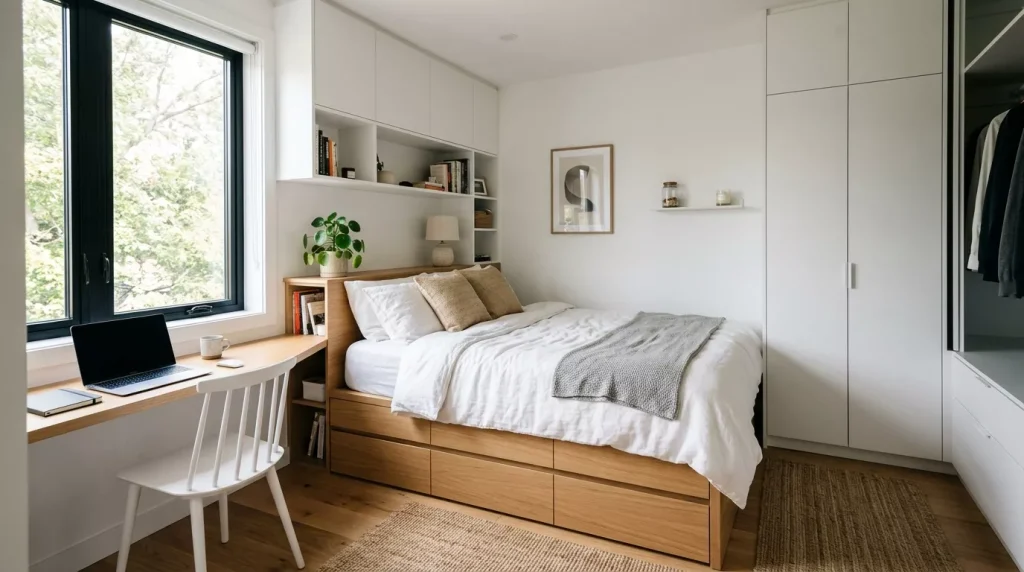
This one isn’t glamorous, but it’s the most important step.
Walk into your bedroom with fresh eyes. Ask yourself:
- Does this item serve a purpose?
- Does it bring me genuine joy?
- Is it beautiful enough to be on display?
If the answer is no, it goes. Storage, donation, or trash.
Once you’ve decluttered, implement a “one in, one out” rule — every new item you bring into the room means one leaves.
Comparison — Minimalist vs. Traditional Bedroom Design
| Feature | Modern Minimalist | Traditional |
|---|---|---|
| Color Palette | Neutral, muted tones | Rich, varied, layered |
| Furniture Style | Sleek, low-profile, functional | Ornate, decorative, detailed |
| Décor Density | Sparse, intentional | Abundant, curated |
| Storage Approach | Hidden, integrated | Open shelving, display pieces |
| Maintenance | Easy to keep tidy | Requires regular dusting |
| Cost to Achieve | Mid to high (quality over quantity) | Varies widely |
| Mood | Calm, spacious, focused | Warm, rich, layered |
Both styles have their place — but if you’re after daily calm and mental clarity, minimalism wins.
Pros and Cons of a Modern Minimalist Bedroom

✅ Pros
- Better sleep quality — less visual noise means a calmer mind at bedtime
- Easier to clean — fewer surfaces and items to dust or organize
- Feels more spacious — even small bedrooms look larger
- Timeless aesthetic — won’t feel dated in 5 years
- Encourages intentional living — you only keep what matters
❌ Cons
- Can feel cold if not warmed up with textures and natural materials
- Requires discipline to maintain — clutter creeps back easily
- Higher upfront cost — quality minimalist furniture isn’t cheap
- Limited self-expression for people who love bold color and décor
- Transition period can feel uncomfortable if you’re used to cozy maximalism
Step-by-Step Guide to Creating Your Modern Minimalist Bedroom
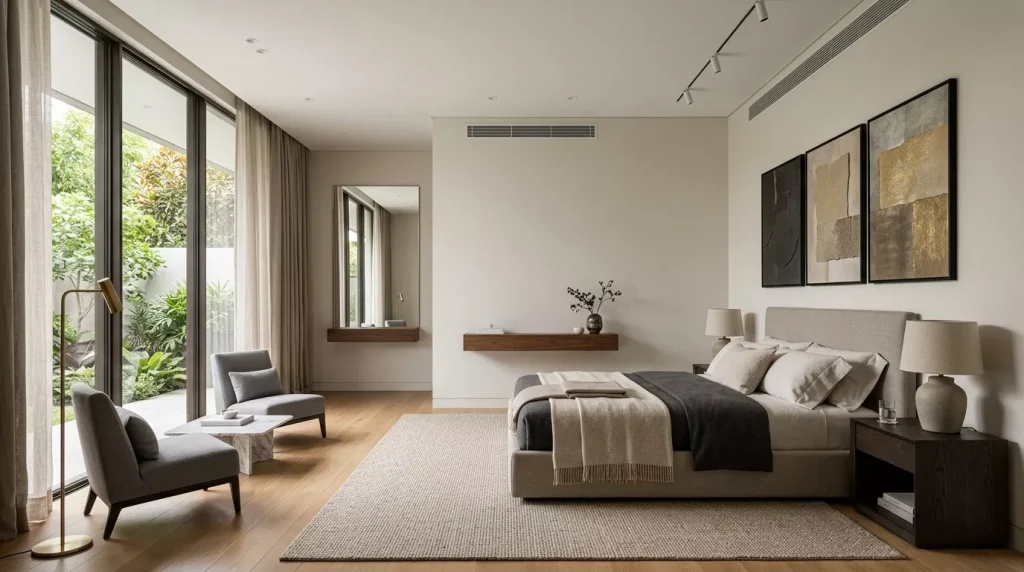
Follow these steps in order. Don’t skip ahead — the sequence matters.
Step 1: Clear the Room Completely Start fresh. Remove everything from your bedroom, including furniture if possible. This gives you a blank canvas and forces you to be intentional about what goes back in.
Step 2: Deep Clean and Repair Patch holes in walls, repaint if needed, clean the floors, and fix anything that’s been on the “to-do” list. A minimalist room magnifies imperfections.
Step 3: Choose Your Color Palette Pick two to three colors maximum. A dominant neutral (white, beige, warm gray), a secondary tone (sage, dusty blue, warm taupe), and one accent (matte black hardware, a terracotta pillow).
Step 4: Select Core Furniture Only You need: a bed, a nightstand (or two), and storage. That’s it. Resist the urge to add a bench, a TV stand, an armchair, and a vanity all at once.
Step 5: Add Lighting in Layers Install your ambient, task, and accent lighting before adding décor. Lighting changes everything.
Step 6: Bring in Texture and Natural Elements Layer linen, wood, and stone. Add one plant. Hang one piece of art (or none — that’s okay too).
Step 7: Edit and Refine Step back. What can you remove? What feels off? Minimalism is an ongoing edit, not a one-time project.
Tips for Mastering the Modern Minimalist Bedroom Look
These practical tips will save you time, money, and a lot of second-guessing.
- Start with the bed. It’s 70% of your bedroom’s visual impact. Get this right before anything else.
- Use odd numbers. If you’re styling a shelf or nightstand, group items in threes — it looks more natural.
- Don’t underestimate window treatments. Floor-to-ceiling linen curtains instantly elevate a minimalist room.
- Go monochromatic with bedding. Avoid busy patterns. Stick to tonal layers in the same color family.
- Mirrors are your friend. A single large mirror doubles the sense of space without adding clutter.
- Choose matte finishes over glossy for furniture and walls — it’s more sophisticated and hides fingerprints.
- Rugs anchor the room. A large, simple area rug in a neutral tone pulls the whole space together.
Common Mistakes to Avoid in Minimalist Bedroom Design
Even design-savvy people fall into these traps.
Mistake 1: Confusing minimalism with emptiness. A minimalist room should feel warm and intentional — not abandoned. Use texture, lighting, and one or two curated pieces to add soul.
Mistake 2: Buying cheap “minimalist-looking” furniture. Flat-pack furniture with thin veneer defeats the purpose. Invest in fewer, better pieces that will last a decade.
Mistake 3: Ignoring storage planning. Without enough storage, clutter takes over fast. Plan your storage first — then decorate.
Mistake 4: Going too matchy-matchy. Mixing wood tones, metals, and textures makes a minimalist room feel lived-in rather than staged.
Mistake 5: Forgetting about scent and sound. A minimalist bedroom engages all senses. A white noise machine and a simple reed diffuser with a calming scent like sandalwood or eucalyptus complete the experience.
Conclusion — Build Your Calm, One Choice at a Time
Modern minimalist bedroom ideas aren’t just an aesthetic trend — they’re a lifestyle shift. When you design your bedroom with intention, you’re designing how you feel when you wake up, how well you sleep, and how calm your mind stays in a world that never stops moving.
Start small. Declutter one drawer. Swap your bedding for something simpler. Add a plant. Every intentional choice moves you closer to the room — and the life — you actually want.
Ready to transform your bedroom? Start with Step 1 from our guide above, and share your minimalist bedroom journey in the comments below. We’d love to see what you create.
FAQs — Modern Minimalist Bedroom Ideas
Q1. What colors work best for a modern minimalist bedroom? Neutral tones are the foundation — warm whites, soft beiges, light grays, and muted earth tones like sage green or terracotta. Avoid anything too bright or saturated. The goal is a palette that soothes rather than stimulates.
Q2. Can a minimalist bedroom still feel cozy and warm? Absolutely. The key is texture. Layer linen bedding, a chunky knit throw, a wool area rug, and wooden accents. Warm-toned lighting (2700K–3000K bulbs) also makes a huge difference. Minimalism and coziness aren’t opposites — they work beautifully together.
Q3. How do I create a minimalist bedroom on a tight budget? Start with what you have. Declutter aggressively first — it costs nothing and makes the biggest impact. Then, gradually replace items: swap patterned bedding for solid neutrals, remove unnecessary furniture, and add a single plant or a piece of simple wall art. Budget minimalism is about editing, not spending.
Q4. What furniture is essential for a modern minimalist bedroom? The core pieces are: a quality bed frame with a simple headboard, one or two nightstands, and a wardrobe or dresser with clean lines. Everything else is optional. Resist the urge to fill every corner.
Q5. How do I keep a minimalist bedroom from looking boring? Texture is your secret weapon. Mix matte and natural finishes — linen, wood, stone, cotton. Add one statement piece of art or an interesting light fixture. Vary the heights of objects on your nightstand. Subtle variation keeps a minimalist room interesting without cluttering it.
Q6. Is a minimalist bedroom good for sleep? Yes — research consistently shows that a visually calm, clutter-free environment improves sleep quality. Less visual stimulation before bed helps the brain wind down faster. A minimalist bedroom is essentially designed around the conditions that promote deep, restorative sleep.
Q7. How large does a room need to be for minimalist design? Minimalism actually works best in smaller rooms — it makes them feel larger. Even a 10×10 bedroom can look open and airy with the right furniture scale, a light color palette, and smart storage. In fact, minimalism is one of the best design strategies for small spaces.