Romantic Bedroom Decor Ideas for Couples to Love

Romantic Bedroom Decor Ideas for Couples That Create Real Intimacy
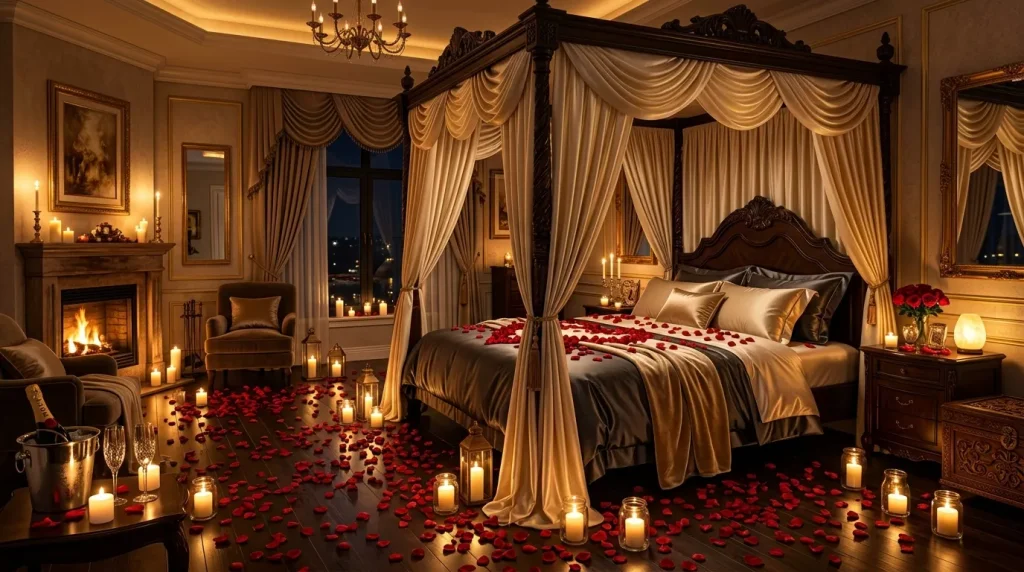
Your bedroom should feel like the rest of the world can’t touch it. That’s especially true for couples — because when life gets loud and demanding, having a shared space that feels genuinely warm, intimate, and intentional makes a real difference.
The good news is you don’t need a designer budget or a massive renovation to get there. The right romantic bedroom decor ideas for couples are more about atmosphere than price tags. It’s about layering soft textures, choosing the right lighting, picking colors that actually calm you both down, and making the space feel like it was built for two — not just assembled from whatever was on sale.
Why the Bedroom Matters More Than Any Other Room

Couples often pour their decorating energy into living rooms and kitchens — places guests see. But the bedroom is where you actually begin and end every day together. It sets the emotional temperature of your relationship more than you might realize.
A cluttered, poorly lit, impersonal bedroom can quietly drain connection. A warm, thoughtfully arranged space does the opposite — it signals that this relationship deserves intentional care.
Think of it less as “decorating” and more as building your couple’s sanctuary.
Romantic Bedroom Decor Ideas for Couples: Room by Room Breakdown

Setting the Mood With Lighting
Lighting is the single most powerful tool in romantic bedroom decor. Full stop. You can have the most beautiful furniture and bedding in the world, and harsh overhead lighting will kill the entire vibe in seconds.
The goal is layered, warm, dimmable light. Here’s how to build it:
Three lighting layers every romantic bedroom needs:
| Layer | Purpose | Best Options |
|---|---|---|
| Ambient | General room illumination | Warm-toned ceiling fixture, wall sconces |
| Accent | Visual interest, focal points | Fairy lights, LED strips behind headboard |
| Task | Practical reading or getting ready | Bedside lamps with warm bulbs (2700K–3000K) |
Candles are another layer entirely. Real candles (with proper safety awareness) or high-quality flameless LED candles on the nightstand add that flickering glow that nothing electric can fully replicate.
Color Palette: What Actually Feels Romantic
Color psychology is real, and it matters enormously in the bedroom. The colors you surround yourself with every night affect how you feel when you wake up and when you wind down.
Colors that work beautifully for a romantic bedroom:
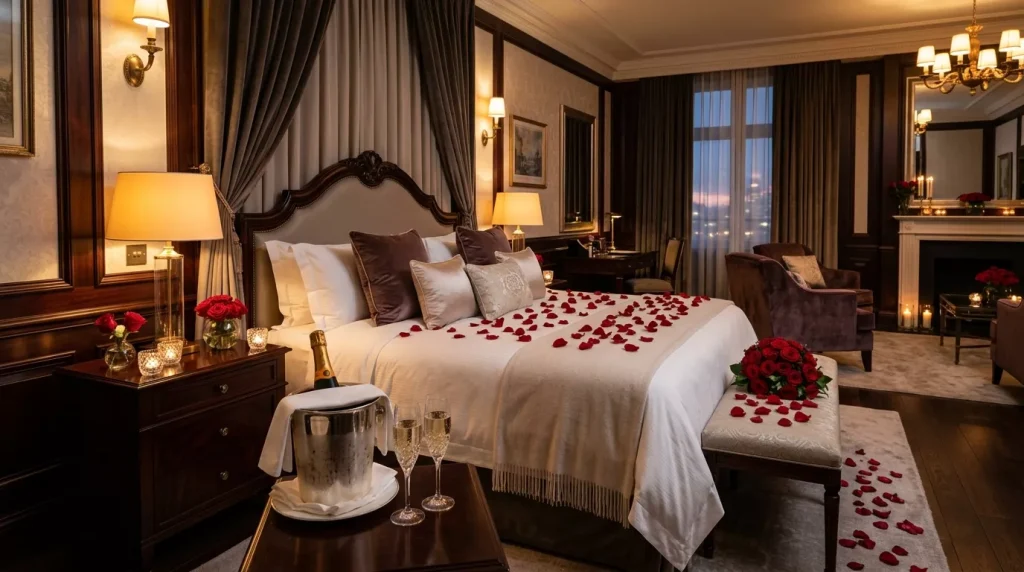
- Deep burgundy or wine red — passionate, rich, and grounding
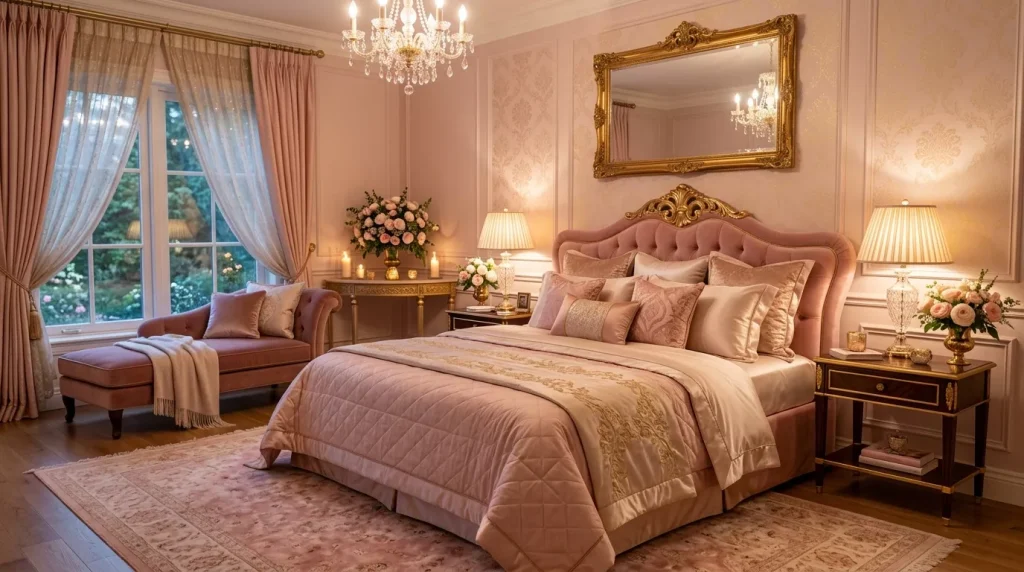
- Dusty rose or blush — soft, tender, and undeniably intimate
- Charcoal grey — sophisticated, moody, and versatile
- Warm taupe or mushroom — earthy and cocooning
- Forest green or sage — calming, organic, and surprisingly sensual
- Navy blue — deep, cozy, and timeless

What to avoid: Bright whites and stark greys read as cold and clinical. Neon or high-energy colors spike cortisol instead of easing it. Overly cheerful yellows and oranges belong in living spaces, not intimate retreats.
A practical approach for couples who can’t agree on color: pick a neutral base (warm taupe or soft grey) for the walls, then let each person bring in their preferred accent through soft furnishings. It sounds like a compromise, but it actually creates a richer, more layered result.
Bedding: The Centerpiece of a Romantic Bedroom

The bed is the focal point of any bedroom, which makes bedding the single most visible design element in the room. Invest here before anywhere else.
What to look for:
- Thread count: 400–600 for that silky, hotel-quality feel
- Material: Egyptian cotton, bamboo, or linen for breathability and texture
- Layering: Multiple textures (a cotton duvet, a chunky knit throw, velvet cushions) create depth and visual warmth
- Color coordination: Your bedding should either complement or anchor your wall color
The “pillow stack” approach works particularly well in romantic bedrooms. Two sleeping pillows per person plus a row of decorative cushions in varying sizes and textures instantly makes a bed look plush and intentional.
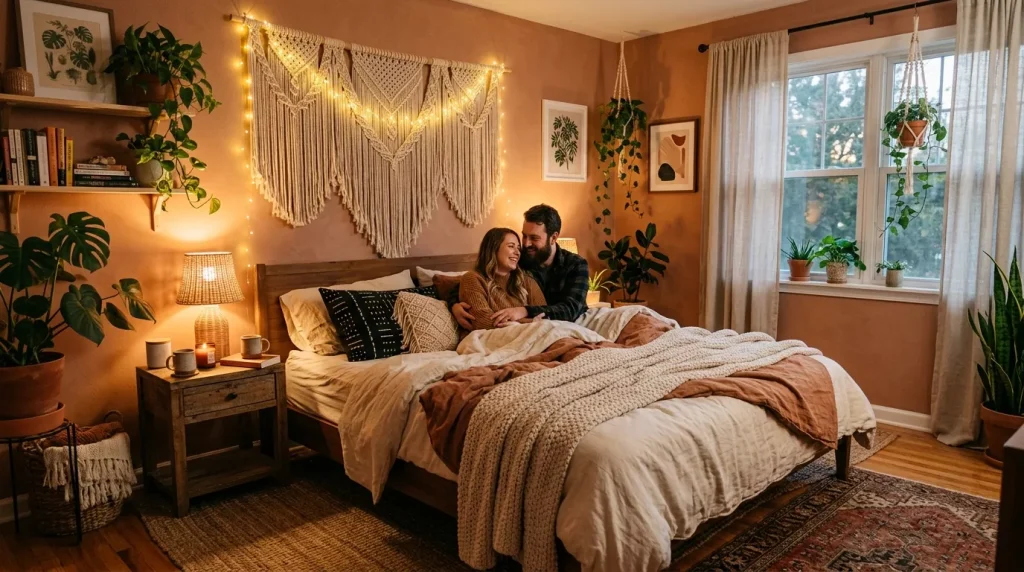
A velvet or faux-fur throw draped across the foot of the bed does more design work than most people expect. It adds texture, color, and that sense of abundance that makes a bed look genuinely inviting.
Headboards: Creating That Focal Drama
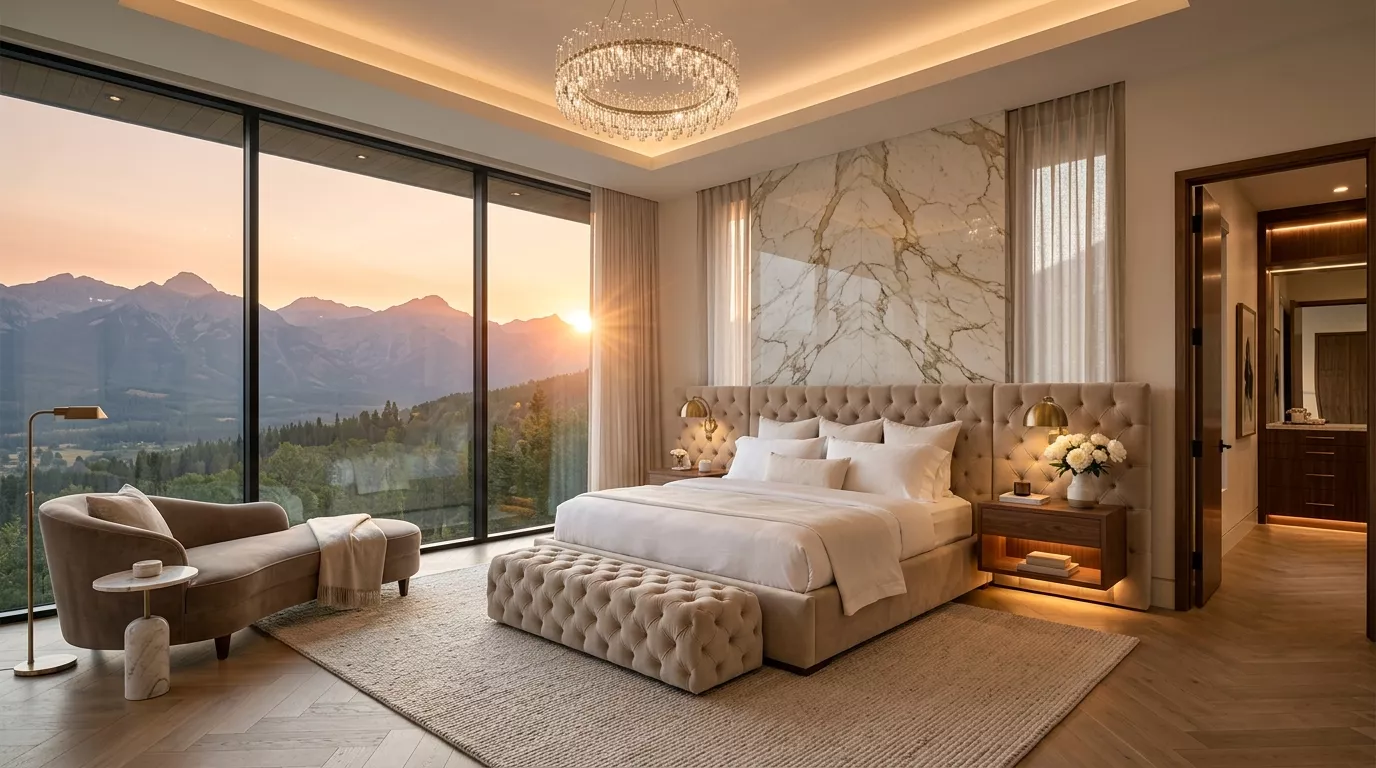
An upholstered headboard changes a bedroom more dramatically than almost any other single piece of furniture. Go for a tall, padded headboard in velvet, linen, or boucle — these fabrics are soft to the touch and visually warm.
For couples who want something truly dramatic, a floor-to-ceiling headboard panel (either DIY fabric panels or a custom piece) creates an incredible sense of enclosure and luxury.
If your budget is tight, a DIY tufted headboard using plywood, foam, and fabric is a weekend project that looks incredibly high-end when done well.
Romantic Bedroom Decor Ideas: Canopy Beds and Curtain Drama

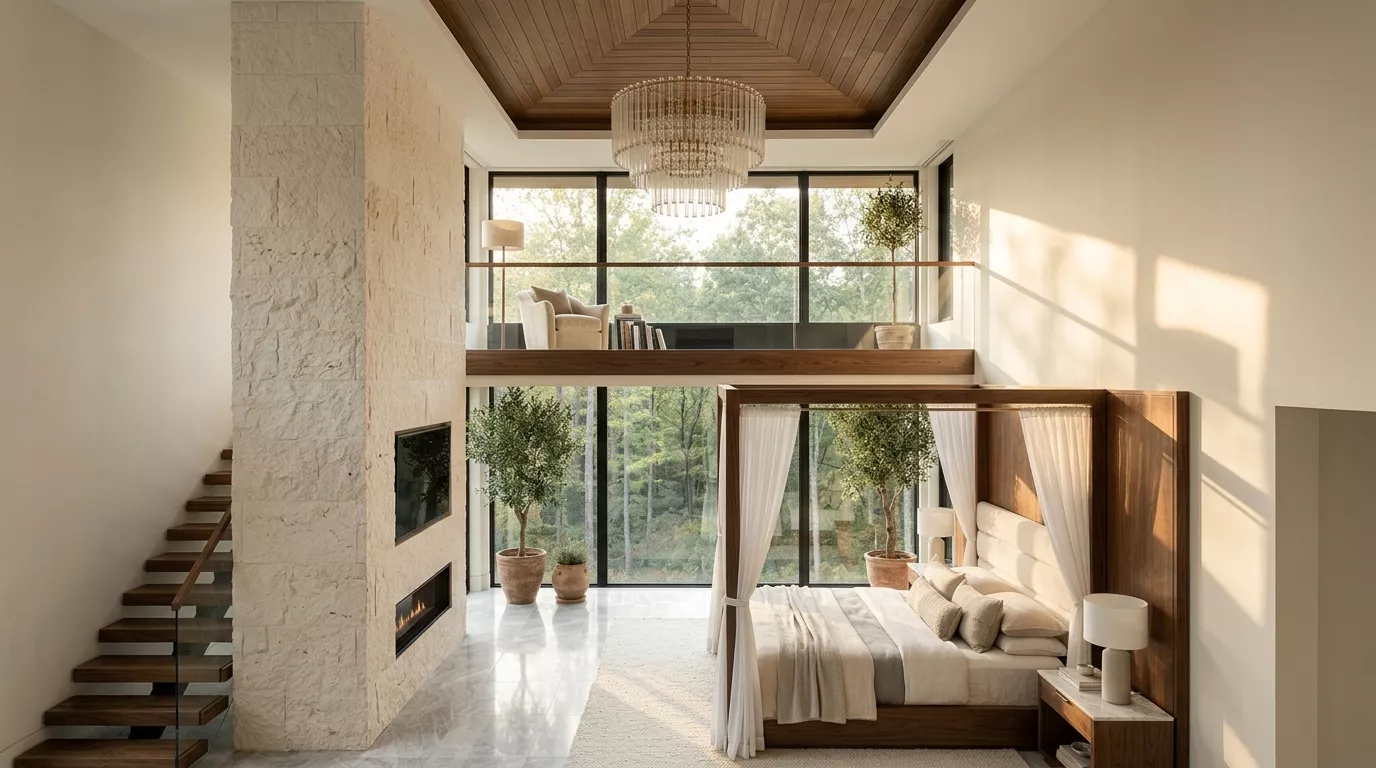
Few things create romantic atmosphere quite like a canopy bed — and you don’t need a full four-poster frame to achieve the look. A simple ceiling-mounted curtain rod above the bed, draped with sheer white or blush fabric panels, immediately transforms the space.
This technique works especially well in:
- Apartments where you can’t make structural changes
- Rooms with high ceilings that feel too open
- Spaces that lack architectural interest
For a more dramatic effect, add fairy lights along the inside of the canopy frame. At night, with the lights dimmed and the canopy lit from within, the effect is genuinely stunning.
Scent: The Forgotten Dimension of Romantic Spaces

Most decorating guides skip scent entirely, which is a real oversight. Smell is the sense most directly connected to emotion and memory — a bedroom that smells beautiful is immediately more intimate than one that doesn’t.
Practical ways to add fragrance:
- Reed diffusers — low maintenance, constant, easy to customize
- Soy candles — warm, flickering light plus fragrance (never leave unattended)
- Linen spray — a few sprays on pillowcases before bed; particularly effective
- Essential oil diffuser — cleanest option, no open flames
Best romantic scents for bedrooms: Jasmine, sandalwood, vanilla, rose, neroli, ylang-ylang, and cedarwood. Avoid anything too sharp or medicinal — eucalyptus and peppermint belong in bathrooms, not bedrooms.
Step-by-Step Guide to Creating a Romantic Bedroom Together

The best results come from doing this as a couple, not as a solo project. Here’s how to approach it collaboratively:
Step 1: Declutter first — together. A romantic space cannot coexist with visual noise. Set a timer, go room by room, and agree on what stays. Clothes on chairs, stacked books, charging cables draped everywhere — clear it all.
Step 2: Agree on a color direction. Look at inspiration images together (a design website, a magazine, saved photos). Notice what you both respond to. You don’t need to love the same image — just find the overlap in what draws you both.
Step 3: Sort the lighting before anything else. Buy warm-toned bulbs (2700K), add a dimmer if possible, and pick up at least one set of warm fairy lights. This single step costs very little and transforms the atmosphere instantly.
Step 4: Invest in bedding. Replace anything old, scratchy, or mismatched. A unified bedding set in a color you both love becomes the anchor point for every other decision in the room.

Step 5: Add texture layers. Once your bed is sorted, layer in a throw and a few cushions. Then consider what the floor looks like — a soft rug beside the bed adds warmth both visually and literally.
Step 6: Address the walls. This doesn’t have to mean repainting (though that is transformative). It might mean hanging artwork you both love, adding a mirror to amplify light, or creating a gallery wall of meaningful photos.
Step 7: Add the finishing personal touches. A framed photo of the two of you. Fresh flowers or a plant. A candle on the nightstand. Small items with meaning carry more weight than expensive generic pieces.
Romantic Bedroom Decor: Cozy vs. Dramatic — Which Style Fits You?
Not every couple wants the same kind of romantic atmosphere. Here’s a comparison to help you identify your direction:

| Style | Key Features | Best For |
|---|---|---|
| Cozy Romantic | Warm neutrals, soft textures, layered knits, low lighting | Couples who prioritize comfort and calm |
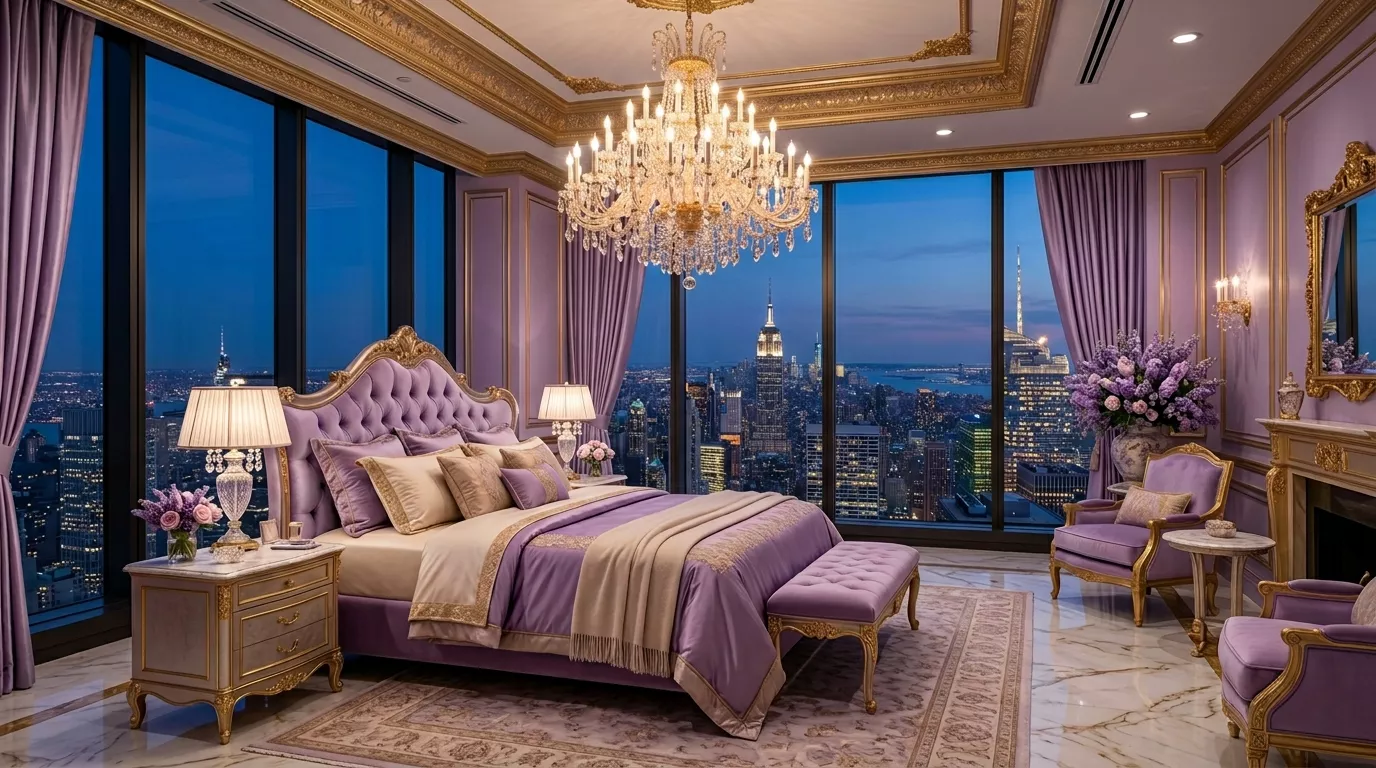
| Dramatic Romantic | Deep jewel tones, velvet, canopy, bold headboard | Couples who love statement spaces and visual drama |
| Minimalist Romantic | Clean lines, quality over quantity, soft palette, few items//. | Couples who prefer understated elegance |
| Bohemian Romantic | Tapestries, plants, earthy tones, eclectic layers | Free-spirited couples who love texture and story |
| Classic Romantic | Soft florals, traditional frames, creamy whites | Couples who prefer timeless, gentle aesthetics |
There’s no wrong answer here. The only wrong approach is defaulting to whatever’s neutral and easy instead of what actually resonates with both of you.
Pros and Cons of a Romantic Bedroom Redesign
Pros
- Strengthens the sense of shared space — a room you’ve designed together feels genuinely owned by both of you
- Improves sleep quality — warm lighting, calm colors, and comfortable bedding all contribute to better rest
- Creates daily ritual — a beautiful space invites you to slow down and be present together
- Relatively affordable — most romantic atmosphere comes from lighting and soft furnishings, not expensive furniture
- High visual impact — bedrooms show dramatic improvement with even modest changes
Cons
- Requires agreement — design disagreements between partners are common and need navigation
- Clutter can return quickly — maintaining the atmosphere requires ongoing habits, not just a one-time project
- Quality bedding costs money — cutting corners here often leads to disappointment
- Scent sensitivities — some people are sensitive to fragrances, limiting candle and diffuser use
- Dark colors can feel overwhelming — in small rooms, deep tones need careful handling to avoid feeling cave-like
Tips for Getting the Most Out of Your Romantic Bedroom
Tip 1: Choose everything at the same time, not piece by piece. When you buy a new lamp today and a new rug three months later, it’s hard to maintain visual consistency. Map out the whole room before buying anything.
Tip 2: Use mirrors strategically. A large mirror on the wall opposite the window doubles your natural light and makes the room feel significantly larger. A full-length mirror in a warm frame also adds elegance.
Tip 3: Hide the practical stuff. Phone chargers, extension cords, and TV remotes are intimacy killers. Use cable management solutions, bedside trays, and furniture with hidden storage to keep functional clutter invisible.

Tip 4: Rotate seasonal elements. Swap your throw and cushion covers with the seasons — heavier knits and deeper tones in winter, lighter linen and soft florals in spring. It keeps the room feeling fresh without a full redecoration.
Tip 5: Don’t forget the nightstand. A cluttered, mismatched nightstand undermines even the most beautiful bed. Keep it edited: one lamp, one small plant or candle, and perhaps one book. That’s all it needs.
Tip 6: Add something that smells good before bed every night. Even something as simple as spritzing a linen spray before sleep creates a nightly ritual that signals wind-down time — a small habit with a surprisingly strong effect on how the room feels.
Common Mistakes Couples Make With Bedroom Decor
Mistake 1: Only one person’s taste is represented. When the bedroom feels like it belongs to one partner and the other just lives there, it quietly erodes the sense of shared ownership. Both voices should be visible in the design, even if subtly.

Mistake 2: Neglecting the ceiling. Most people never look up when decorating. But in a bedroom — a space where you’re literally lying flat — the ceiling matters. A warm paint color, a canopy treatment, or even a ceiling pendant instead of a recessed spotlight completely changes the experience.
Mistake 3: Using the bedroom as a home office. Nothing is less romantic than falling asleep looking at your laptop and work files. If space requires a desk, use a curtain or room divider to visually separate the work zone from the sleep zone.
Mistake 4: Buying furniture before sorting lighting. Furniture is what most people buy first — but in terms of romantic atmosphere, lighting outranks everything. Settle your lighting plan first, then choose furniture that works within it.
Mistake 5: Skipping the rug. Bare floor beside a bed feels cold and clinical. A soft rug — especially a large one that extends well beyond the bed frame — makes the room feel warmer, quieter, and more put-together instantly.
Mistake 6: Over-matching everything. Perfectly matched bedroom sets feel stiff and showroom-like rather than intimate and lived-in. Mix wood tones, vary your lamp styles, and let different textures coexist. Cohesion comes from color palette, not identical pieces.
Strong Conclusion: Build the Space Your Relationship Deserves
Creating a romantic bedroom isn’t about spending a fortune or following a specific design trend. It comes down to intention — deciding that the space you share deserves the same care and attention you’d give to any relationship.
The best romantic bedroom decor ideas for couples start with a simple question: does this room feel like it belongs to both of you? Is it warm? Does it make you want to slow down? Does it feel like an escape from everything outside?
If the answer is “not yet,” start small. New lighting. Better bedding. A shared afternoon of decluttering. These aren’t just decorating tasks — they’re acts of care for your relationship and for each other.
Your next step: Pick just one thing from this guide — one change you can make this week. Not the whole room. Just one thing. Then do it together.
Frequently Asked Questions (FAQs)
Q1: What is the most important element of a romantic bedroom?
Lighting, without question. Warm, dimmable, layered lighting does more for romantic atmosphere than any other single element. You can have beautiful furniture and luxurious bedding, but if the room is lit by a single harsh overhead bulb, the intimacy drains away completely. Install a dimmer switch and switch to warm-toned bulbs (2700K) as your first move.
Q2: What colors are most romantic for a bedroom?
Deep, warm tones tend to feel most romantic — think burgundy, dusty rose, charcoal, warm taupe, navy, and sage green. These colors create a sense of enclosure and calm that cooler, brighter shades don’t. That said, the “right” romantic color is ultimately the one that both you and your partner genuinely love and feel comfortable surrounded by.
Q3: How do we compromise on bedroom decor when we have different tastes?
Start with a neutral base (walls in warm white, greige, or soft grey) that neither of you objects to. Then each partner contributes accent items — cushions, throws, artwork, decorative pieces — that reflect their personal taste. When both voices are represented through soft furnishings rather than structural choices, the room feels balanced without either person having to sacrifice their aesthetic entirely.
Q4: How can we make a small bedroom feel more romantic?
Small bedrooms benefit enormously from warm lighting (which makes a space feel cozy rather than cramped), mirrors (which amplify light and visual space), and a restrained color palette (one or two tones rather than many). Keep furniture to a minimum, hide clutter aggressively, and use vertical space — a tall headboard or high-mounted canopy draws the eye upward and makes the ceiling feel higher.
Q5: Do we need to spend a lot of money on romantic bedroom decor?
Not at all. The highest-impact changes — new light bulbs, a dimmer switch, fairy lights, a linen spray, a throw blanket, a few cushions, and decluttering — cost very little. The most expensive item worth investing in is quality bedding, because you interact with it every single night. Everything else can be built gradually over time without breaking the budget.
Q6: Is it a bad idea to have a TV in a romantic bedroom?
Design-wise, a TV introduces a screen that dominates the room visually and functionally. If you choose to keep one, position it inside a cabinet that can be closed, or mount it on a wall in a way that doesn’t face the bed directly. The key is ensuring the bed remains the visual and emotional center of the room, not the screen.
Q7: How often should we refresh our bedroom decor?
A full redesign doesn’t need to happen often — maybe every five to seven years as your tastes evolve. But small seasonal refreshes (swapping cushion covers and throws, adding fresh flowers, rotating art) keep the space feeling alive and cared-for year-round. Think of it as ongoing maintenance rather than periodic overhauls.