All White Home Decor Ideas: Style Every Room Right

All White Home Decor Ideas That Look Stunning in Every Room
Walk into a beautifully decorated all white home and something shifts immediately. The space feels open, calm, and intentional — like someone really thought about every corner. There’s a reason designers keep returning to all white home decor year after year: it works across every room, every style, and almost every budget.
But here’s the honest truth — a white home done carelessly looks sterile, lifeless, and almost sad. The difference between a magazine-worthy white home and a blank box comes down to a few key principles that most people overlook.
This guide walks you through everything. Room by room. Style by style. Mistake by mistake. By the end, you’ll know exactly how to create a white home that feels sophisticated, warm, and unmistakably yours.
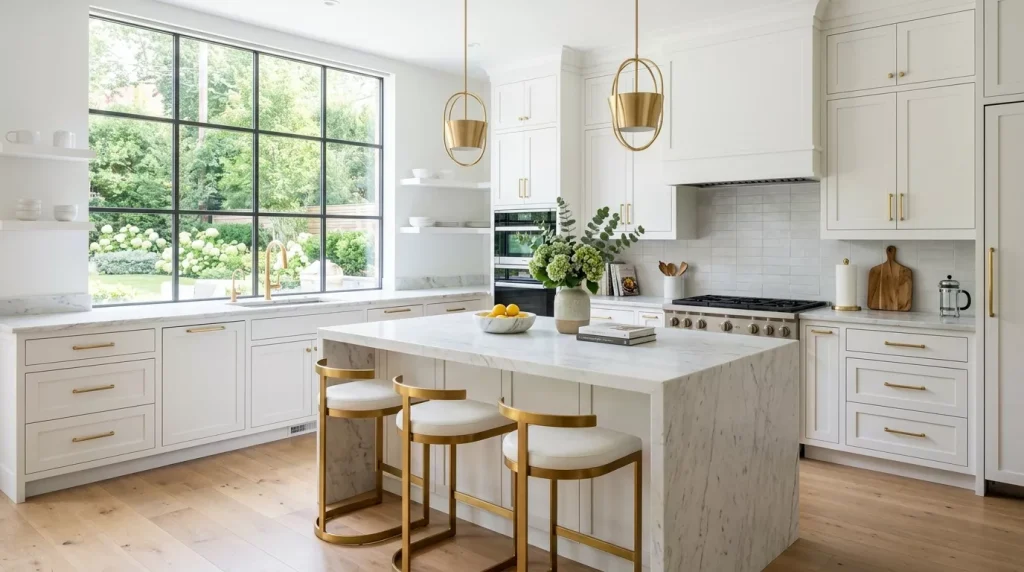
Why All White Home Decor Still Dominates Interior Design
White has been a design staple for decades, but it keeps reinventing itself. Right now, the shift toward slower living, intentional spaces, and “quiet luxury” aesthetics has pushed white right back to the front of the conversation.
Here’s what white does that almost no other color can:
- Expands any space visually — even compact rooms feel larger
- Acts as a neutral foundation for any furniture or accent you choose
- Reflects natural and artificial light better than any other color
- Creates visual cohesion between mismatched furniture and different textures
- Ages well — a white home feels fresh five years from now just as it does today
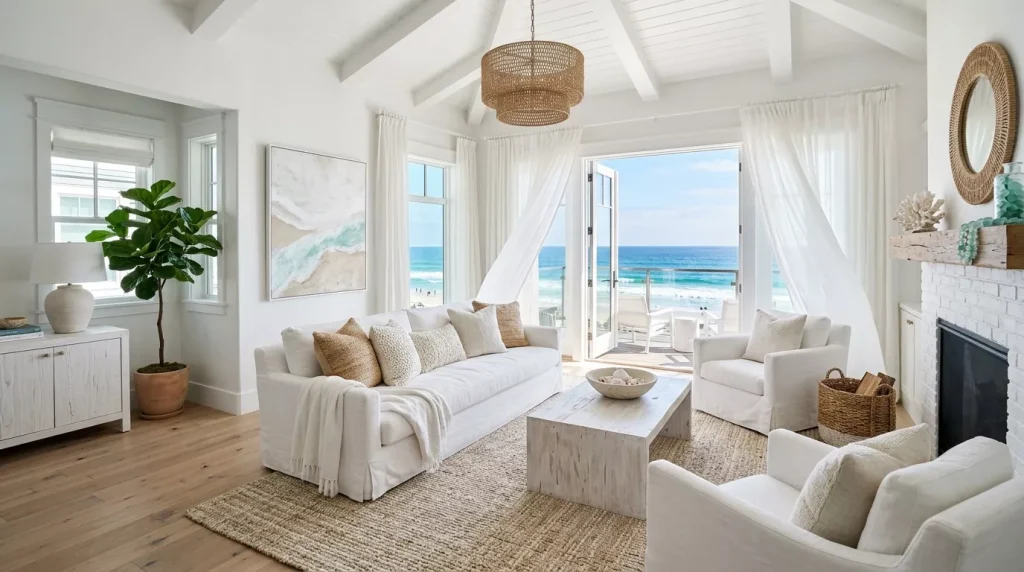
White is also the rare color that works in every room. You can commit to it throughout an entire home without it ever feeling repetitive — because each room expresses white differently through texture, material, and light.
All White Home Decor Ideas Room by Room
White Bedroom Decor: Where Rest Meets Refinement
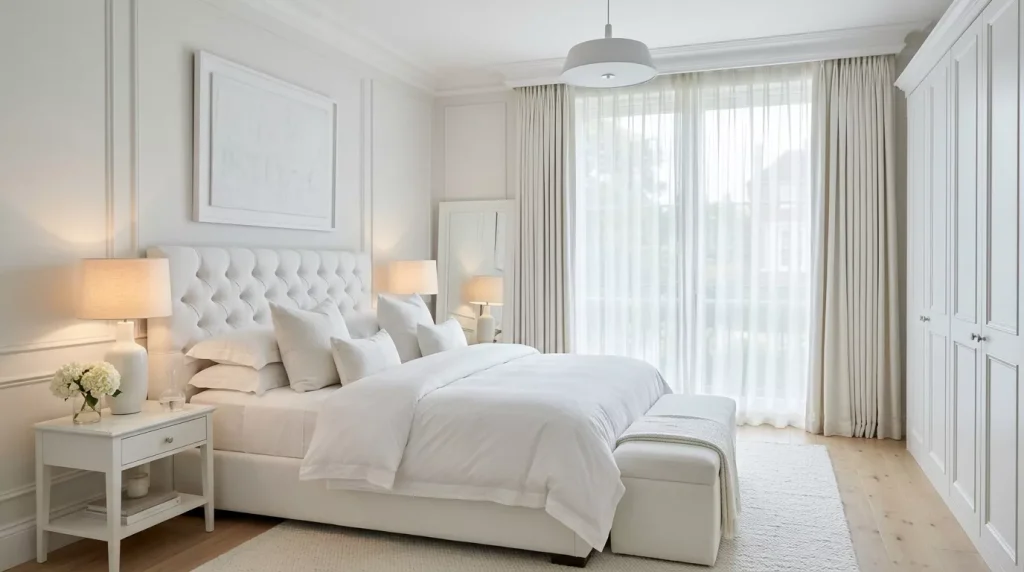
The bedroom is the easiest place to start with all white decor. White linen bedding, white-painted walls, and white bedside tables instantly create a sanctuary-like atmosphere. There’s a reason luxury hotels almost always dress their beds in white — it signals cleanliness, calm, and quality.
Best white bedroom decor ideas:
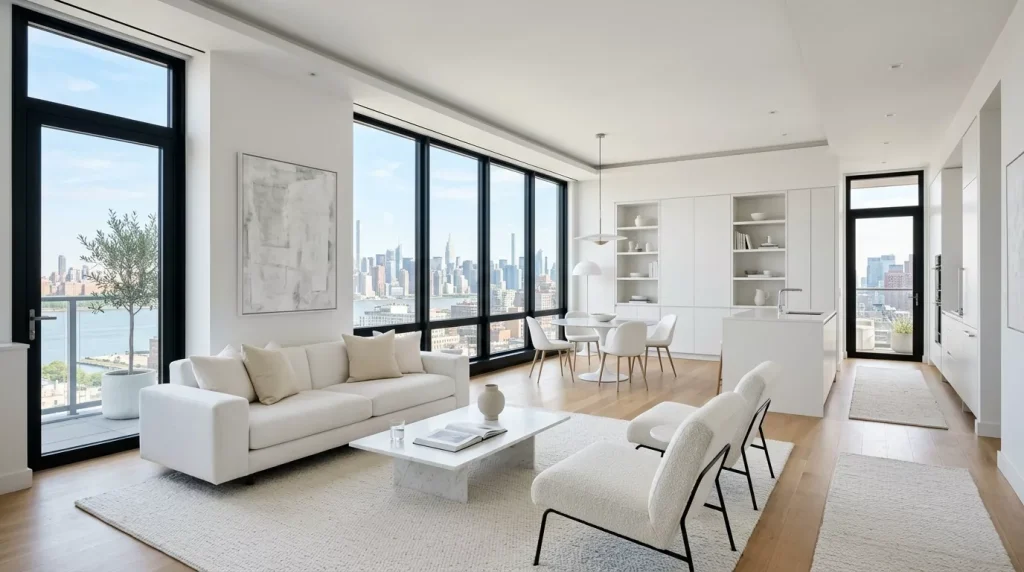
- Layer white linen duvet covers with a mix of pillows in varying textures (waffle cotton, embroidered cotton, velvet)
- Choose a white upholstered headboard — bouclé or linen both look extraordinary
- Keep bedside tables simple — white ceramic lamps, a candle, and a small stack of books
- Add a chunky white knit throw at the foot of the bed for warmth and texture
- Use white sheer curtains that let morning light filter through softly
One thing that elevates a white bedroom above all else: the bedding quality. Invest here before anywhere else. Good-quality white cotton or linen changes everything about how the room looks and feels.
White Kitchen Decor: Clean, Functional, and Timeless
The white kitchen is practically its own design genre at this point — and for good reason. White cabinets, white countertops, and white backsplash tiles create a kitchen that’s bright, hygienic-looking, and incredibly easy to photograph.
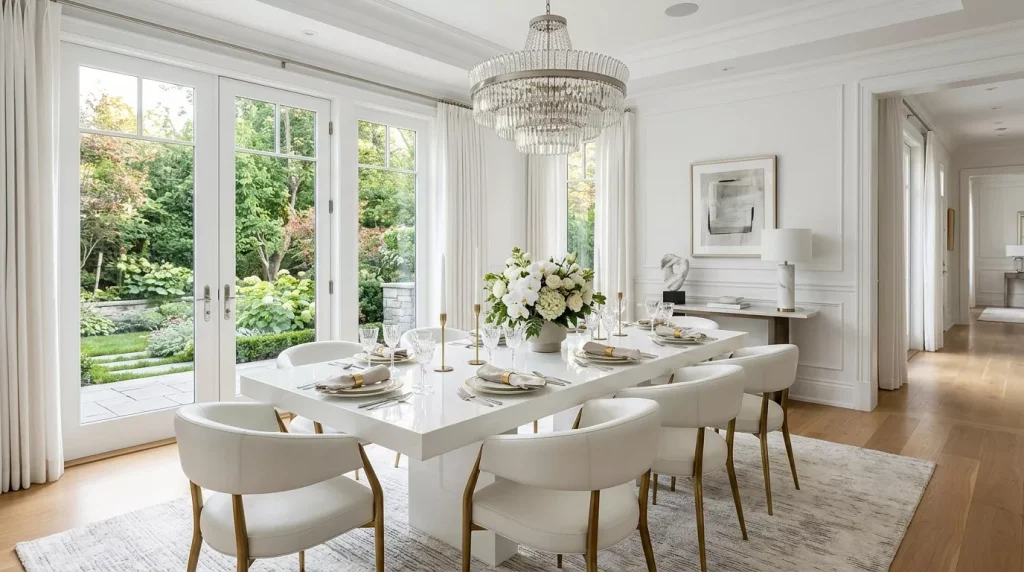
But a fully white kitchen risks feeling cold and impersonal. The antidote is strategic warmth.
What to add in a white kitchen:
| Element | Warm White Pairing |
|---|---|
| Cabinet hardware | Brushed brass or antique bronze pulls |
| Countertops | White marble with warm grey veining |
| Flooring | Warm wood plank or terracotta tile |
| Open shelving | Raw oak or walnut shelves |
| Accessories | Woven baskets, terracotta pots, linen dish towels |
| Plants | Fresh herbs on the windowsill |
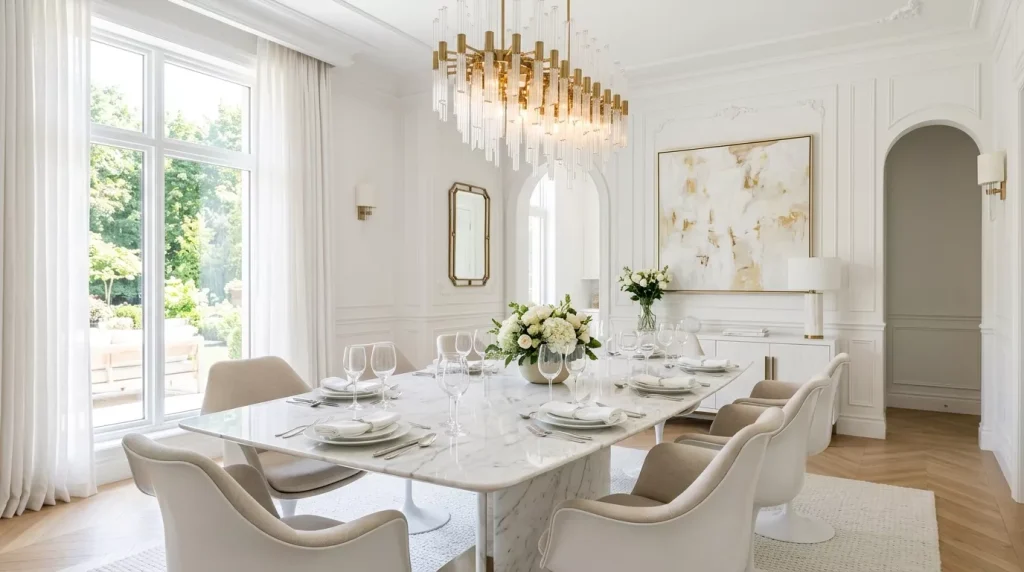
A simple trick that designers use: paint lower cabinets and upper cabinets the same white but in different finishes. Matte lowers and semi-gloss uppers create subtle contrast that makes the kitchen feel more considered without introducing a second color.
White Bathroom Decor: Spa-Like Serenity at Home
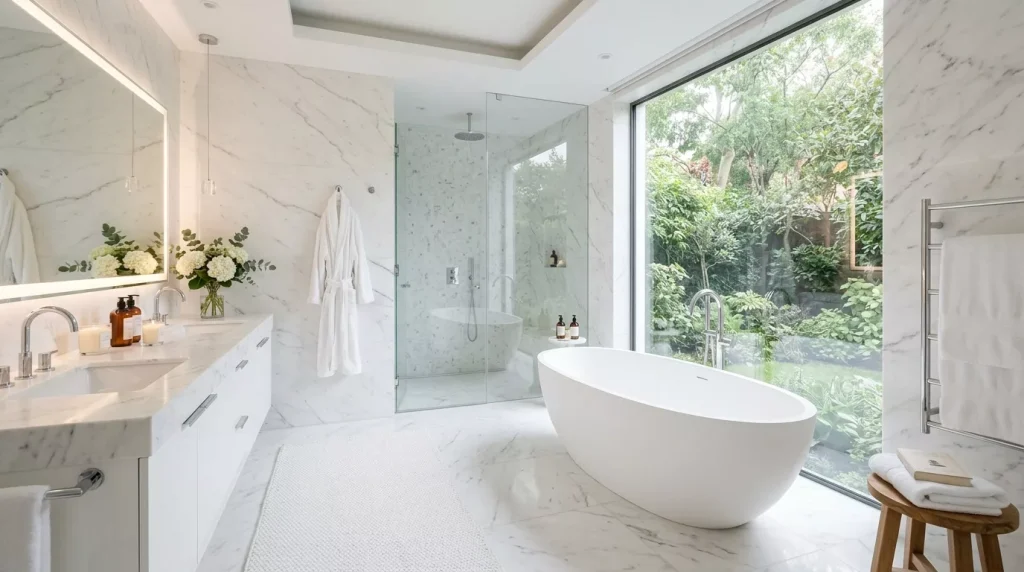
White bathrooms are possibly the most universally loved interior design choice — and the most forgiving. White tile, white fixtures, white towels — it all works together seamlessly and feels fresh for decades.
The challenge is differentiating your white bathroom from every other white bathroom. The answer is texture and material variation.
Ideas to elevate white bathroom decor:
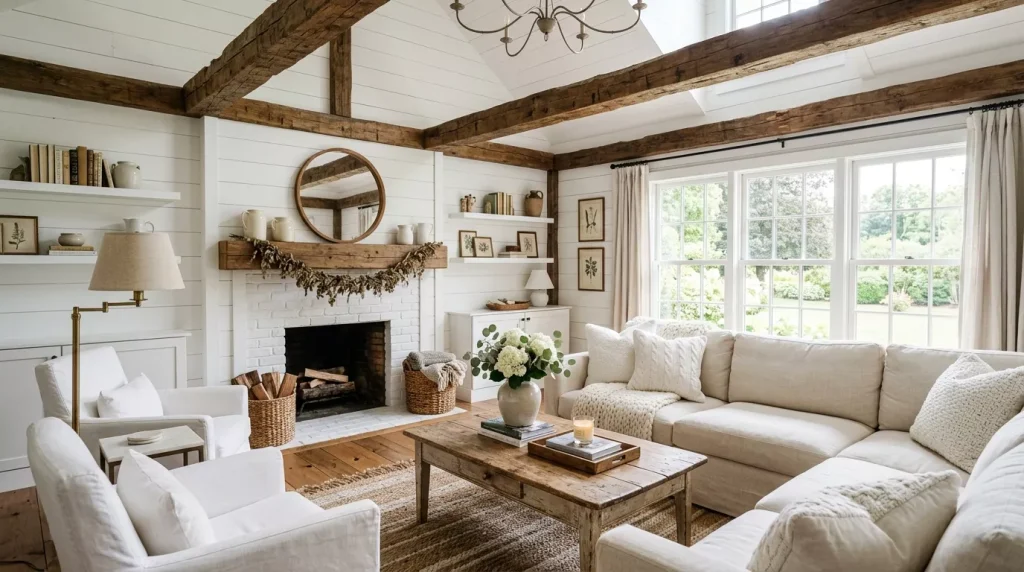
- Use subway tiles in a vertical stack instead of the standard horizontal pattern for an updated look
- Choose matte white fixtures over gloss for a more contemporary, design-forward feel
- Layer white towels in different weaves — waffle, ribbed, Turkish cotton — on a simple ladder rack
- Add a white freestanding tub as a focal point if the budget allows
- Introduce a live plant — a white-potted fiddle leaf fig or trailing pothos thrives in bathrooms with windows
For flooring, consider small-format white hex tiles or large-format marble-look porcelain. Both feel luxurious and keep the white palette consistent.
White Entryway and Hallway Decor: First Impressions Matter
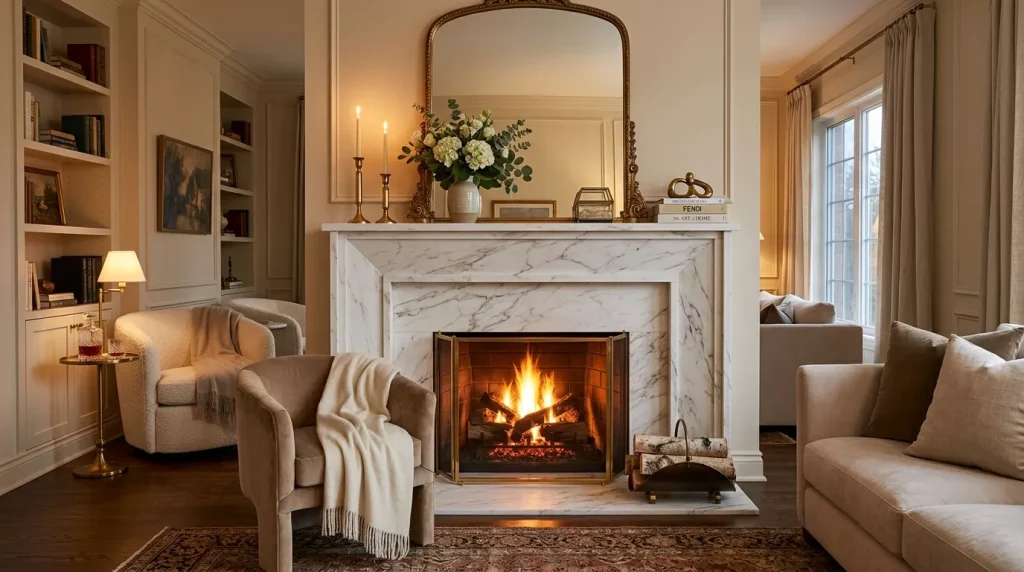
Your entryway sets the tone for everything that follows. An all-white hallway with good lighting and a few thoughtful details communicates that the whole home has been considered carefully.
Keep it functional but beautiful:
- Paint walls and trim the same white for a seamless, architectural effect
- Add a white console table with a simple mirror above — this reflects light and makes narrow hallways feel wider
- Layer a runner rug with natural texture (jute or sisal in an off-white or cream tone)
- Use white hooks or a slim white coat rack to keep the space tidy and cohesive
- A single potted plant in a white ceramic planter adds life without clutter
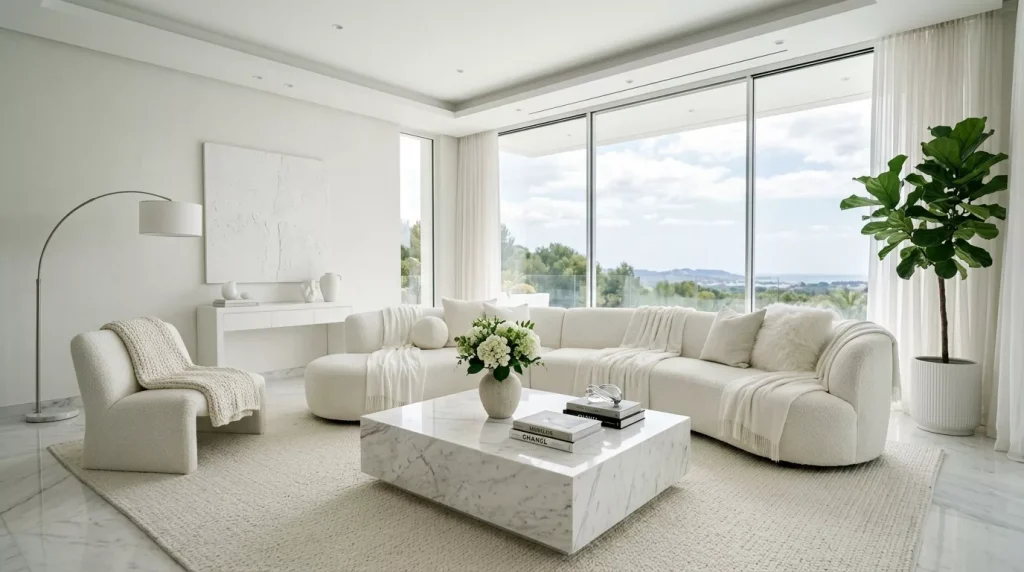
The entryway is also a great place to experiment with all white decor before committing to an entire room — it’s small, lower risk, and the impact is immediate.
How to Style All White Home Decor Without It Looking Boring
This is the question everyone asks. White sounds simple until you’re standing in a room that looks like a blank canvas with furniture dropped in it. The fix isn’t to add color — it’s to add dimension.
The three pillars of interesting all white decor:
1. Texture contrast — Never repeat the same surface finish twice. Rough linen beside smooth cotton. Matte walls beside glossy ceramics. Woven rattan beside brushed metal. Texture does what color normally does: it creates visual movement and keeps the eye engaged.
2. Tonal variation — Pure white, off-white, ivory, cream, and warm white are all different. Using multiple shades in one space creates a sophisticated layered effect that reads as intentional rather than monotonous.
3. Material warmth — Natural materials are white’s best friend. Light wood, cane, stone, clay, and linen all work with white in a way that feels grounded and organic rather than cold.
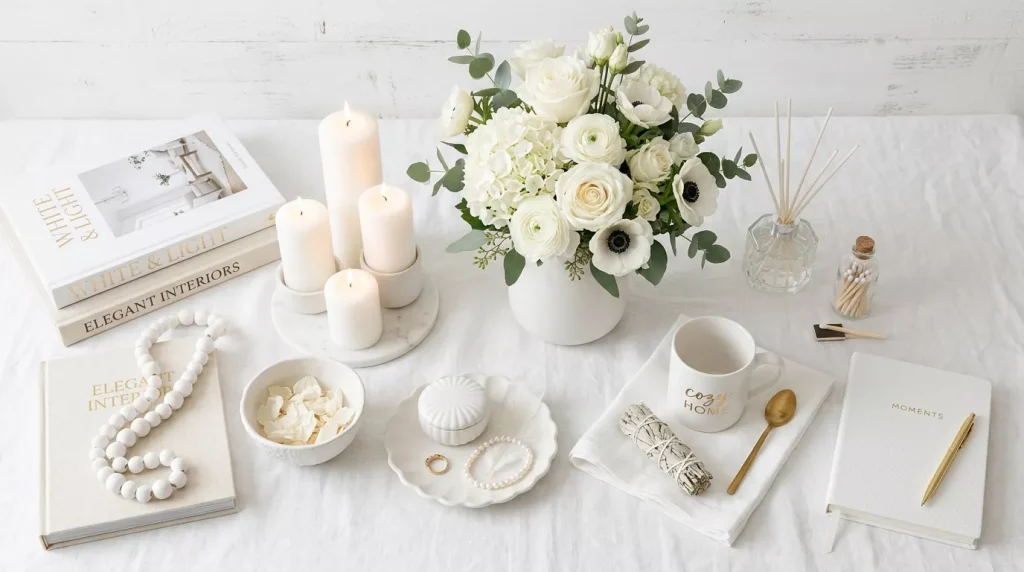
Apply these three things in any room and white decor goes from flat to genuinely beautiful.
Popular All White Home Decor Design Styles
Modern Farmhouse White Decor
Shiplap walls, exposed beams, white kitchen cabinets with black iron hardware, and worn linen upholstery — this is the aesthetic that made white homes mainstream in the last decade. It’s warm, nostalgic, and works especially well in larger homes with open floor plans.
Signature elements: Barn-style sliding doors, galvanized metal accents, cotton slipcover sofas, reclaimed wood shelving.
Hamptons White Home Style
The Hamptons look is polished, coastal, and quietly affluent. White shiplap, navy accents (though you can skip the navy for a purer white palette), crisp linen, natural light, and simple, quality furniture. It translates beautifully into suburban homes.
Signature elements: White board-and-batten walls, wicker furniture, white linen drapery, sisal rugs, glass lanterns.
Japandi White Decor
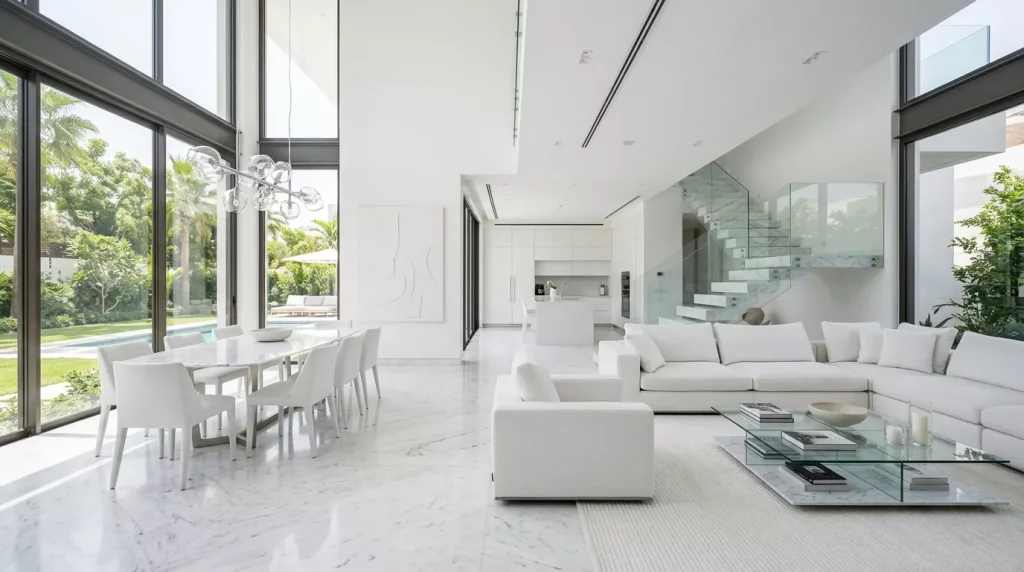
Japandi blends Japanese and Scandinavian design sensibilities — minimalism, natural materials, function as beauty, and a lot of quiet white space. This is the most restrained of the white decor styles, but also arguably the most sophisticated.
Signature elements: Low-profile furniture, natural wood in light tones, handmade ceramics, a near-empty visual aesthetic, living plants.
Cottagecore White Decor
This romantic, nature-inspired style uses white as the backdrop for soft florals, vintage finds, dried botanicals, and mismatched china. It feels lived-in and layered rather than clinical.
Signature elements: White-painted vintage furniture, floral cushions, dried flower arrangements, antique mirrors, candles everywhere.
Step-by-Step Guide: How to Decorate Your Home in All White
Even if design feels intimidating, this process simplifies it into clear actions you can take one at a time.
Step 1: Start with a single room. Don’t repaint your entire home at once. Pick one room — ideally the one you spend the most time in — and build your confidence there first.
Step 2: Choose your white. Get at least three paint samples. Test them on the wall and observe them in both natural and artificial light at different times of day. The right white for a south-facing bedroom is different from the right white for a basement bathroom.
Step 3: Establish your style direction. Pick one of the styles above — or find a hybrid that suits your taste. Having a direction prevents impulse purchases that don’t quite fit.
Step 4: Invest in the foundational pieces first. Sofa, bed, or dining table — whatever anchors the room. Buy quality here rather than quantity.
Step 5: Layer in texture at every level. Rug on the floor, linen on the bed or sofa, curtains at the windows, a throw over the arm. Every layer adds depth.
Step 6: Bring in organic elements. A wooden bowl, a ceramic vase, a potted plant. These ground the white palette and make a room feel human.
Step 7: Edit your accessories. In a white home, every object is visible. Choose accessories deliberately — fewer, better pieces rather than many average ones.
Step 8: Light it thoughtfully. Layer your lighting — ambient (overhead or ceiling), task (reading lamps), and accent (a candle, a picture light). Never rely on a single source.
Step 9: Live with it before finalizing. Spend a week in the room before adding more. You’ll often find it needs less than you initially thought.
Pros and Cons of All White Home Decor
✅ What Works in Your Favor
- Makes every room feel larger and more open
- Naturally brightens spaces with limited windows
- Creates a cohesive look across an entire home without effort
- Extremely versatile — seasonal accessories can completely shift the mood
- Photographs beautifully for anyone who shares their home online
- Feels timeless rather than trend-dependent
❌ What to Consider Before Committing
- White shows dust, fingerprints, and scuffs more readily
- Requires more frequent touch-up painting on walls and trim
- Can feel uninviting in rooms with little natural light without careful styling
- High-quality white textiles and furniture tend to carry a premium price
- Families with young children or pets face higher maintenance demands
- Choosing the wrong shade of white can make spaces feel grey or dingy
All White Decor vs. Neutral Tones Decor: A Comparison
| Criterion | All White Home Decor | Neutral Tones Decor |
|---|---|---|
| Visual impact | Bold, fresh, expansive | Warm, layered, organic |
| Light requirement | Works best in bright rooms | More adaptable to darker spaces |
| Maintenance level | Higher | Moderate |
| Style versatility | Very high | High |
| Beginner-friendliness | Moderate — requires planning | High — more forgiving |
| Resale appeal | Excellent — universally liked | Excellent |
| Seasonal flexibility | Easy to update with accessories | Easy to update with accessories |
The honest takeaway? White is bolder and cleaner; neutral tones are warmer and easier to live with. If you’re unsure, start with white walls and warm neutral furnishings — you’ll get the best of both approaches.
Common Mistakes People Make with All White Home Decor
Mistake 1: Buying Everything at Once
White decor requires patience. Buying a room’s worth of white furniture in one shopping session almost always results in pieces that clash — different undertones, different finishes, different proportions. Build slowly.
Mistake 2: Forgetting About Undertones
The biggest source of frustration in white rooms. A warm-white sofa placed next to a cool-white wall looks like a mistake even if both pieces are individually beautiful. Check undertones before purchasing anything.
Mistake 3: Using Only Overhead Lighting
Bright overhead lights in a white room flatten every surface and make the space feel institutional. Always supplement with table lamps and floor lamps for warmth.
Mistake 4: No Greenery
Plants are white decor’s secret weapon. They provide the only thing white can’t create on its own: organic, living warmth. Even one well-placed plant changes a room’s energy.
Mistake 5: Playing It Too Safe
White rooms that play it completely safe — uniform furniture, no interesting shapes, no contrast — end up looking unfinished. Take one design risk per room. A dramatically arched lamp, an oversized artwork, a curved sofa. One bold choice grounds everything else.
Mistake 6: Ignoring Flooring
White walls and furniture on dark, dirty, or clashing flooring undermine the entire look. If you can’t change the floors, a large area rug is the most effective solution.
Expert Tips for Maintaining All White Home Decor
Tip 1: Use eggshell or satin wall finish, never flat paint. Flat paint looks beautiful in photos but scuffs and stains the moment you touch it. A satin finish cleans easily with a damp cloth.
Tip 2: Wash white textiles on a gentle cold cycle. Hot water and harsh detergents yellow white fabrics over time. Use a gentle detergent and air dry when possible.
Tip 3: Treat upholstery with a fabric protector spray before use. This creates an invisible barrier that repels spills and slows staining significantly.
Tip 4: Rotate decorative cushions and throws seasonally. This refreshes the look without any painting or furniture changes, and lets you rest pieces that get heavy use.
Tip 5: Keep a touch-up paint jar in your utility cupboard. White walls get marked. Having paint ready means you can fix scuffs in minutes before they become eyesores.
Tip 6: Dust light-colored surfaces more frequently. Dust shows on white surfaces faster than on dark ones — but it’s also easy to wipe away. A quick weekly pass with a microfiber cloth keeps everything looking pristine.
Tip 7: Don’t fight the aging. Over time, white linen develops a gentle softness and white wood picks up a warm patina. This isn’t a problem — it’s character. Embrace it rather than fighting it with bleach.
Conclusion: Build Your All White Home One Beautiful Decision at a Time
All white home decor isn’t about perfection or minimalism for its own sake. It’s about creating a space that breathes — one where light moves freely, where there’s room to think, and where every object you choose matters because everything is visible.
The best white homes aren’t clinical or untouchable. They’re warm, considered, and deeply personal. They have texture you want to reach out and touch, light that changes throughout the day, and a sense that someone lives there and loves it.
You don’t need to overhaul everything at once. Start with one room, one wall, or even one corner. Choose well, layer thoughtfully, and let the space evolve over time.
Your all-white home is one deliberate decision away. What room are you starting with today?
5. FAQs
Q1. Is all white home decor hard to maintain with kids or pets?
It’s more demanding, but absolutely manageable with the right products. Choose performance fabrics labeled stain-resistant or washable, use satin-finish paint on walls, and treat upholstery with a fabric protector before use. Slipcovers on sofas and chairs are a game-changer — remove them, throw them in the washing machine, and they come out fresh. The key is building systems that make cleaning easy rather than hoping messes won’t happen.
Q2. What accent colors work best with all white home decor?
The most popular and timeless pairings are natural wood tones, black, soft gold or brass, sage green, and dusty blue. The beauty of white is that it genuinely works with almost anything — so your accent color can reflect your personal style without clashing. Even no accent at all works, if texture and material variety carry the visual interest instead.
Q3. How do I stop my white rooms from looking too cold or clinical?
Three things transform cold white rooms: warm-toned lighting (choose bulbs in the 2700K range, not cool white), natural materials (wood, rattan, jute, stone), and living plants. If your white has a blue or grey undertone, switching to a warmer shade of white paint also makes a significant difference. Warm white and warm light together change a room’s entire personality.
Q4. What’s the best white paint for home interiors?
Some widely trusted shades include Farrow & Ball’s Pointing (warm, creamy, endlessly versatile), Benjamin Moore’s Chantilly Lace (crisp and clean), and Sherwin-Williams’ Alabaster (soft and welcoming). Always test paint samples in your actual space — the same paint can look completely different depending on ceiling height, window placement, and your home’s existing finishes.
Q5. Can I do all white decor on a tight budget?
Completely. White is actually one of the most budget-friendly palettes because basic white bedding, simple white ceramics, and white paint are among the most affordable home goods available. A coat of white paint (one of the cheapest renovations you can do) transforms a room dramatically. White thrift-store furniture cleaned up and repainted looks genuinely high-end. Focus budget on one key piece per room — the sofa, the bed, the dining table — and keep everything else simple.
Q6. Does all white home decor work in small apartments?
It’s actually ideal for small apartments. White reflects light, blurs the visual separation between walls and ceiling, and creates the illusion of more space than there actually is. In a small flat, white decor is one of the most powerful tools available. Keep furniture low-profile, use mirrors strategically, and choose multi-functional pieces to maintain the clean, open feeling white creates.
Q7. How do I add personality to an all white home without breaking the palette?
Personality comes through in shape, texture, and the objects you choose — not necessarily color. Interesting architectural details (arched doorways, ceiling molding, open shelving), sculptural furniture, meaningful art in black and white or neutral frames, handmade ceramics, collected books, and plants all add richness and personality. The white backdrop actually makes personal objects more visible and more meaningful than they would be on a busy, colorful wall.