Mid-Century Modern Home Decor Ideas That Still Wow

Mid-Century Modern Home Decor Ideas That Still Wow

If you’ve ever scrolled through a design magazine and stopped at a room with sleek wooden furniture, tapered legs, and that perfect mix of retro and timeless — you’ve probably been looking at mid-century modern home decor ideas. This style has never really gone out of fashion, and honestly, it’s not hard to see why.
Born out of the post-World War II era (roughly 1945–1969), mid-century modern design celebrates simplicity, function, and a beautiful connection between indoors and outdoors. Whether you’re redecorating a full home or just freshening up a single room, this style is incredibly adaptable.
What Is Mid-Century Modern Style, Really?

Before diving into specific mid-century modern home decor ideas, it helps to understand the core philosophy. This design movement was largely influenced by Scandinavian minimalism, Bauhaus principles, and the optimism of the post-war era. Designers like Charles and Ray Eames, Eero Saarinen, and Florence Knoll shaped the aesthetic that millions still love today.
At its heart, mid-century modern is about:
- Clean, horizontal lines — furniture that sits low and wide
- Organic shapes — curves inspired by nature, not sharp edges
- Natural materials — teak, walnut, leather, and linen
- Functionality — nothing is decorative without purpose
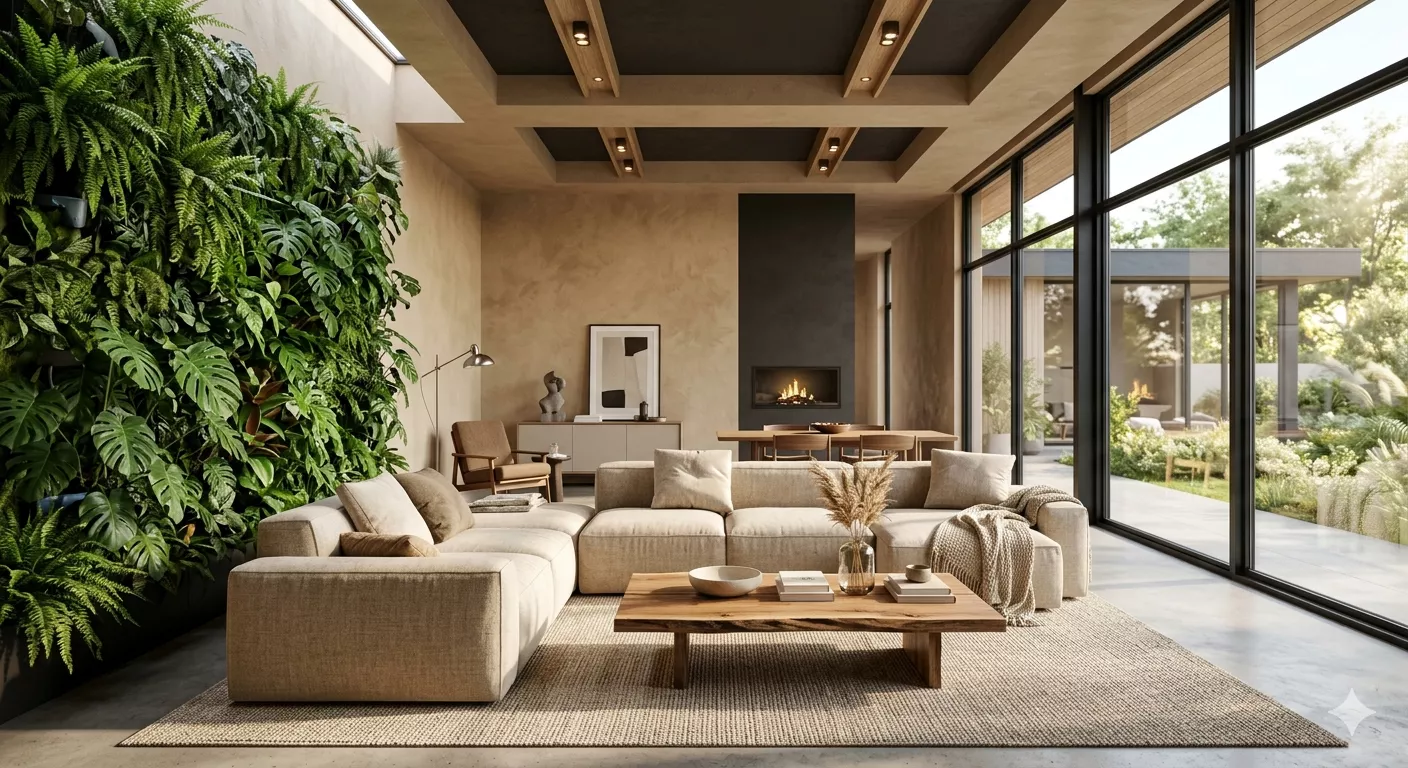
- Integration with the outdoors — large windows, open floor plans, natural light

Think of it as the design sweet spot between cold minimalism and warm traditionalism. It’s practical, but it has personality.
Mid-Century Modern Home Decor Ideas by Room
1. Living Room: The Heart of the Style

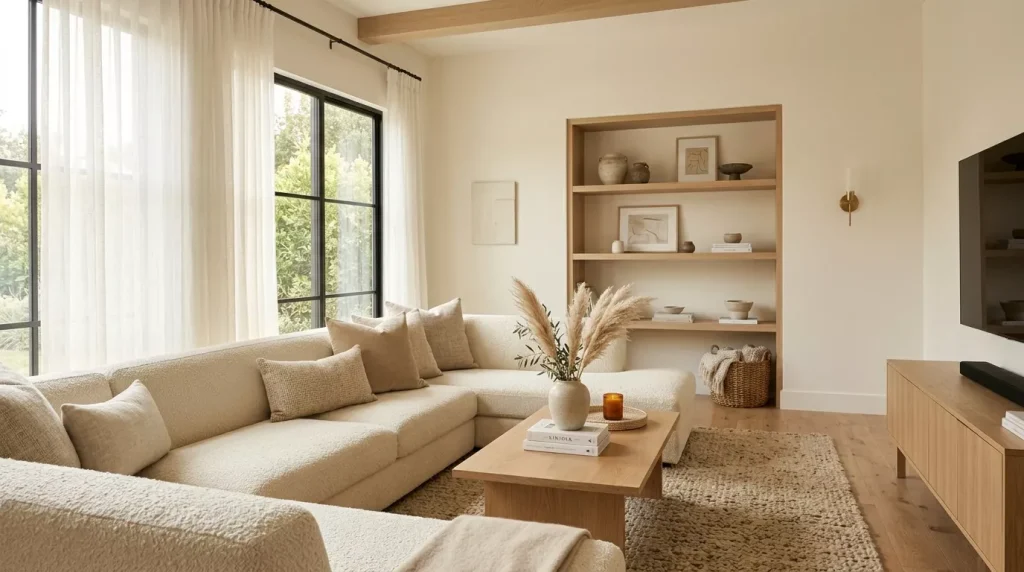
The living room is where mid-century modern truly shines. Start with a low-profile sofa in a solid, muted tone — think mustard yellow, burnt orange, forest green, or charcoal grey. Pair it with a walnut coffee table that has those iconic tapered legs.
Key living room pieces to look for:
| Furniture Piece | What to Look For |
|---|---|
| Sofa | Low back, solid upholstery, wood legs |
| Coffee table | Walnut or teak, tapered legs, organic shape |
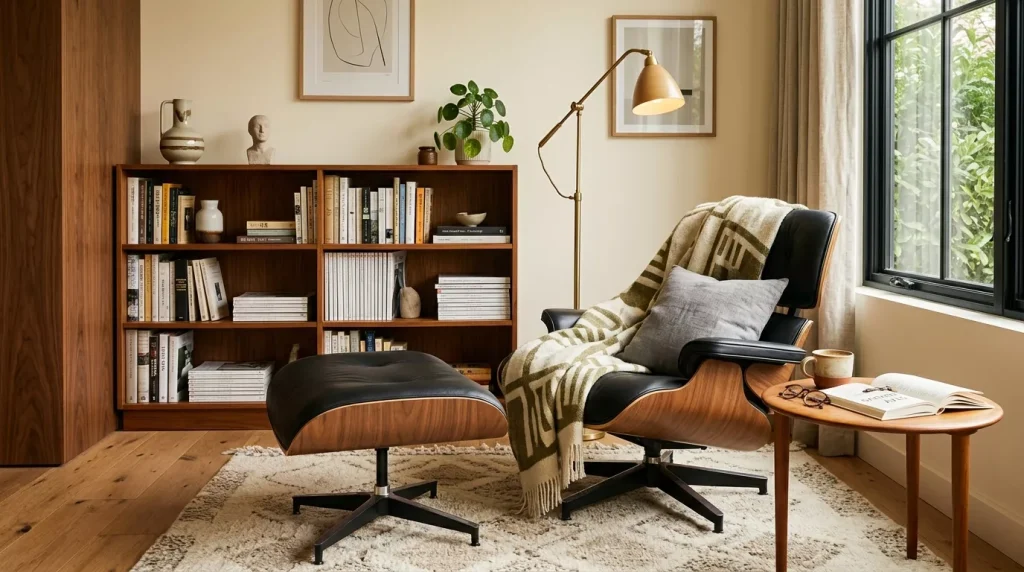
| Accent chair | Eames-inspired shell design or lounge chair |
| Floor lamp | Arc style, matte brass or black metal |
| Rug | Geometric or abstract pattern in warm earth tones |

Don’t over-stuff the space. Breathing room is part of the design. A few carefully chosen pieces beat a crowded room every time.
Add a statement piece — something sculptural that draws the eye. A tulip side table, a sunburst clock on the wall, or even a vintage record player setup creates that unmistakable atomic age atmosphere.
2. Bedroom: Calm, Clean, and Warm
Mid-century modern bedrooms feel effortlessly serene. The key is a platform bed — ideally in walnut or dark wood — kept low to the ground. Skip the ornate headboard and go for clean lines instead.

Pair the bed with matching bedside tables that have slim legs and minimal drawer pulls. A hairpin leg dresser in the corner adds both function and style.
Color palette for mid-century bedrooms:
- Warm white or cream walls
- Burnt sienna or ochre accent throw
- Sage green or terracotta cushions
- Wood tones throughout (medium to dark)
Lighting matters enormously here. A pendant lamp with a globe or teardrop shade suspended from the ceiling instantly brings the look together. Avoid overhead fluorescent lighting — it kills the mood entirely.

3. Kitchen and Dining Area
The dining room is one of the easiest places to embrace mid-century modern home decor ideas. Start with a round or oval dining table in teak or walnut — round tables especially echo the organic shapes that defined this era.
Pair with mix-and-match chairs. Yes, that’s intentional. Mixing a few shell chairs with a wooden bench creates that layered, curated look. Color block them — two in mustard, two in black — and suddenly the whole room has character.

For the kitchen, keep cabinetry flat-fronted with simple hardware. Matte black or brushed brass pulls work perfectly. Open shelving with ceramic dishware in earth tones adds warmth without clutter.
4. Home Office: Functional Yet Beautiful
The mid-century modern office is where the style’s emphasis on function really pays off. A credenza-style desk with sliding cabinet doors looks incredible and keeps your workspace organized. Add a task lamp with a jointed arm — those articulated metal designs are pure mid-century gold.
A few plants — particularly a fiddle leaf fig or rubber plant — help bring that indoor-outdoor philosophy indoors.

Mid-Century Modern Color Palette: Getting It Right
Color is one area where beginners often second-guess themselves. The good news is that mid-century modern has a very forgiving palette once you understand the logic.
Neutrals as a base: Stick to warm whites, soft beige, or light grey as your wall colors. These create a blank canvas that makes your furniture and accent colors pop.
Bold accent colors (use sparingly):
- Mustard yellow
- Avocado green
- Burnt orange
- Deep teal
- Rust red
The rule of thumb is 60-30-10: 60% neutral, 30% secondary tone (wood, warm grey), 10% bold accent. This keeps the room vibrant without feeling chaotic.

Avoid cold, stark white. It fights with the warm wood tones and makes the space feel clinical rather than cozy.
Materials and Textures That Define the Look
Getting the materials right is just as important as furniture shapes. Here’s what to prioritize:
Wood: Walnut and teak are the gold standards. If budget is a concern, oak stained in a medium-warm tone works well. Look for visible grain — that natural texture is essential.

Metal: Brass (especially matte or brushed), black iron, and chrome were widely used. Use these in lamp bases, chair frames, and hardware.
Fabric: Wool, linen, and leather dominate. Velvet in a solid color adds a luxurious layer. Avoid heavy patterns — let the furniture shape do the visual work.
Ceramics and pottery: Handmade-looking ceramic vases, bowls, and planters in earthy tones feel completely authentic to the era.
Step-by-Step Guide to Decorating a Room in Mid-Century Modern Style

Follow these steps whether you’re starting from scratch or refreshing an existing space:
Step 1: Define the focal point. Every room needs one anchor — a fireplace wall, a statement sofa, or a gallery wall. Decide this first.
Step 2: Choose your primary furniture piece. This is usually the sofa in a living room or the bed in a bedroom. Buy quality here — it will dictate everything else.
Step 3: Layer in wood tones. Add at least two or three pieces with matching or complementary wood tones. Consistency in wood color is what makes the room feel cohesive.
Step 4: Add lighting intentionally. Mid-century lighting is distinctive. Pick one or two statement fixtures rather than many small ones. An arc floor lamp and a pendant ceiling light usually cover most rooms.

Step 5: Introduce color through soft furnishings. Cushions, throws, and rugs are the easiest and most affordable way to bring in your accent colors. Change these seasonally to keep the space feeling fresh.
Step 6: Add greenery and organic elements. Plants — particularly those with large, bold leaves — bridge the gap between interior and nature, exactly as mid-century designers intended.
Step 7: Edit ruthlessly. Remove anything that doesn’t belong. Clutter is the enemy of this style. If a piece doesn’t have a clear function or a strong aesthetic reason to be there, put it away.
Mid-Century Modern vs. Scandinavian Design: Quick Comparison
These two styles are often confused, and they do share DNA — but they’re distinct.
| Feature | Mid-Century Modern | Scandinavian |
|---|---|---|
| Era | 1945–1969 | 1950s–ongoing |
| Color | Warmer, bolder accents | Cooler, muted, more white |
| Wood tones | Walnut, teak (dark/medium) | Birch, pine (lighter) |
| Lines | Organic curves + clean lines | Strictly clean, minimal |
| Feel | Retro, bold, eclectic | Airy, cool, functional |
| Accessories | Statement pieces, vintage art | Fewer, more restrained |
If you love warmth with a little more character, mid-century modern wins. If you prefer cooler, airier spaces, lean Scandinavian.
Pros and Cons of Mid-Century Modern Home Decor

Pros
- Timeless appeal — this style has been popular for 70+ years and shows no signs of fading
- Highly functional — every piece serves a purpose; nothing is purely decorative
- Works in any room size — the low-profile furniture actually makes small rooms feel larger
- Easy to mix with other styles — blends beautifully with bohemian, industrial, or Scandinavian elements
- Strong resale value — quality mid-century modern furniture holds its worth
Cons
- Quality pieces can be expensive — authentic vintage or high-quality reproductions come at a cost
- Low furniture can feel impractical — especially for elderly individuals or those with mobility issues
- Can feel repetitive if done too uniformly — needs personal touches to avoid looking like a showroom
- Limited storage options — the aesthetic doesn’t favor bulky storage furniture
Tips for Mastering Mid-Century Modern Decor
Tip 1: Don’t go all-in at once. Start with one statement piece — an Eames-style chair or a walnut credenza — and build from there. Rushing leads to mismatched results.
Tip 2: Shop vintage and second-hand. Thrift stores, estate sales, and online marketplaces are gold mines for genuine mid-century pieces at a fraction of retail cost.
Tip 3: Let the legs show. Furniture with visible legs (especially tapered ones) creates visual lightness. Avoid pieces with skirted bases or those that sit directly on the floor.
Tip 4: Use negative space. Resist the urge to fill every surface. Empty space is a design element, not a failure.
Tip 5: Invest in one great light fixture. Lighting transforms a room more than almost anything else. Even in an otherwise budget-friendly space, one standout pendant or arc lamp elevates everything.
Tip 6: Mix new and old. A reproduction Eames chair alongside a genuine vintage side table creates a more interesting, lived-in feel than buying everything from one collection.
Common Mistakes to Avoid
Mistake 1: Using too many patterns. Mid-century modern uses pattern sparingly. One geometric rug or a single patterned cushion is enough. More than that, and the room starts feeling busy.
Mistake 2: Choosing cold colors. Steel blues and cool greys fight against the warm walnut and teak tones. Stick to warm-leaning neutrals and earthy accents.
Mistake 3: Ignoring scale. Small rooms need smaller-scale furniture. A massive sectional sofa in a tiny apartment — even in mid-century style — just doesn’t work. Proportion matters.
Mistake 4: Overloading with accessories. A sunburst mirror, atomic clock, ceramic vase, and retro figurines all in one room tip over into kitsch territory. Pick one or two signature accessories per room.
Mistake 5: Skimping on wood quality. Laminate or MDF with a wood-look finish doesn’t have the same visual warmth as real wood. If budget is tight, choose one real wood piece rather than several fakes.
Strong Conclusion: Time to Transform Your Space
Mid-century modern home decor ideas have endured for a reason — they balance beauty with practicality in a way few design styles manage. Whether you’re drawn to the warm walnut tones, the sculptural furniture shapes, or that irresistible blend of retro nostalgia and modern simplicity, this style has something genuinely worthwhile to offer any home.
The best part? You don’t need to overhaul everything at once. Start small. Pick one room. Add one statement piece. Introduce the right color palette. Edit out the clutter. You’ll be surprised how quickly a space transforms when you give it focus and intention.
Your next step: Walk through one room in your home today and identify three things that don’t align with the clean, purposeful aesthetic of mid-century modern design. Remove them. Then pick one piece — a lamp, a chair, a rug — that does. The transformation starts with a single decision.
Frequently Asked Questions (FAQs)
Q1: What colors are most associated with mid-century modern decor?
The palette centers on warm neutrals like cream and beige, paired with bold accent colors such as mustard yellow, burnt orange, avocado green, teal, and rust. Medium-to-dark wood tones — particularly walnut and teak — serve as the visual backbone of nearly every room.
Q2: Is mid-century modern decor expensive to achieve?
It doesn’t have to be. While authentic vintage pieces and premium brands like Herman Miller can be costly, there are excellent reproductions available at various price points. Shopping second-hand, at estate sales, or at stores specializing in retro furniture can get you the look without the designer price tag.
Q3: Can mid-century modern work in a small apartment?
Absolutely — in fact, it often works better in small spaces. The low-profile furniture and emphasis on negative space actually make rooms feel larger. Avoid oversized sectionals, and lean toward smaller-scale pieces like apartment sofas and compact credenzas.
Q4: What’s the difference between mid-century modern and retro design?
Mid-century modern refers to a specific design movement (roughly 1945–1969) known for clean lines, organic shapes, and functional aesthetics. “Retro” is a broader, looser term referring to anything that evokes the visual style of a past era — it’s more nostalgic and playful, and doesn’t follow the same design principles.
Q5: How do I add mid-century modern touches without fully committing to the style?
The easiest entry points are lighting (an arc floor lamp or globe pendant), a single piece of statement furniture (a lounge chair with tapered legs), or a geometric rug in warm tones. These individual elements work in almost any room and create an immediate stylistic shift without requiring a full redesign.
Q6: What plants work best in a mid-century modern space?
Large-leafed plants like fiddle leaf figs, rubber plants, and bird of paradise work beautifully. They echo the organic shapes of the furniture and help fulfil the style’s ethos of connecting indoor spaces with the natural world. Use ceramic or terracotta planters to keep the aesthetic consistent.
Q7: Are open floor plans necessary for mid-century modern design?
Not at all. While the original mid-century architecture often featured open plans and large windows, the decor style itself translates perfectly into any layout. The key principles — clean lines, functional furniture, warm tones, curated accessories — work in a studio apartment just as well as in a sprawling ranch house.