Cottagecore Living Room Aesthetic Ideas to Try Now

Cottagecore Living Room Aesthetic Ideas That Bring Nature’s Magic Indoors

If you’ve ever looked at a sun-drenched room full of wildflowers, worn wooden furniture, and linen cushions and thought this is exactly where I want to be — you’ve already felt the pull of the cottagecore living room aesthetic.
Cottagecore isn’t just a Pinterest trend. It’s a full-blown lifestyle philosophy rooted in the romance of rural life, slow living, and a deep appreciation for the natural world. And the living room is the perfect place to bring it to life.
Whether you live in an actual countryside cottage or a city apartment, this guide will show you exactly how to create that warm, whimsical, wildflower-and-wood charm — from scratch or layer by layer.
What Is the Cottagecore Aesthetic, Exactly?
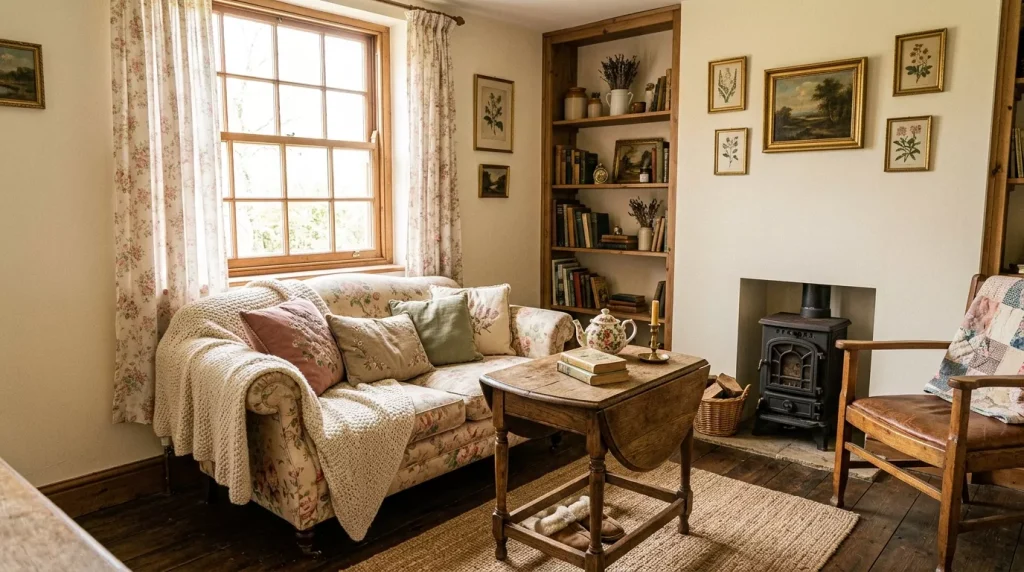
Cottagecore is an aesthetic movement that romanticizes simple, rural living. It draws inspiration from English countryside cottages, fairy tales, farmhouse kitchens, and the quiet beauty of nature — think honeybees, bread-baking, hand-embroidery, and afternoon tea on the porch.
In interior design terms, it translates into rooms that feel warm, slightly worn, and deeply personal. Nothing is too perfect or too modern. Every object has a story. Every corner has a little bit of wildness creeping in.
It’s the opposite of sleek and clinical. It breathes, it grows, and it invites you to slow down.
Cottagecore vs. Similar Aesthetics — Know the Difference

| Aesthetic | Core Vibe | Key Elements | Color Palette |
|---|---|---|---|
| Cottagecore | Rural romance, nature, handmade | Wildflowers, linen, vintage wood, pottery | Sage, cream, blush, terracotta |
| Farmhouse | Rustic, practical, American rural | Shiplap, galvanized metal, barn wood | White, black, natural wood |
| Dark Cottagecore | Moody, mystical, forest gothic | Dried botanicals, dark florals, antlers | Deep green, burgundy, black |
| Grandmillennial | Nostalgic, maximalist, chintz | Needlepoint, ruffles, patterned wallpaper | Dusty rose, navy, cream |
| Rustic Boho | Earthy, eclectic, wanderer | Rattan, macramé, global textiles | Rust, ochre, warm brown |
Cottagecore is softer and more nature-focused than farmhouse, more whimsical than rustic boho, and lighter in palette than dark cottagecore. Understanding where it sits helps you make design decisions with more confidence.
Cottagecore Living Room Aesthetic Ideas: The Essential Elements
1. Soft, Nature-Inspired Color Palette — The Foundation of the Look
The colors of a cottagecore living room should feel like you’ve stepped directly into an English garden at golden hour. Soft, warm, and organic — never harsh or high-contrast.
Your walls set the entire mood. Consider a warm off-white, a gentle sage green, or a barely-there blush. These shades feel aged and lived-in rather than freshly painted and rigid.

Best cottagecore color combinations:
- Warm cream + sage green + dusty rose
- Soft white + lavender + warm wood tones
- Pale butter yellow + forest green + terracotta
- Blush pink + ivory + muted olive
- Antique white + cornflower blue + warm sand
Layering these tones through walls, textiles, and accessories creates that effortless, garden-inspired harmony that defines the aesthetic.
2. Natural and Vintage Furniture — Worn, Warm, and Wonderful

In a cottagecore living room, furniture should look like it has a history. Not damaged — just loved. Think farmhouse tables with gentle scratches, armchairs with curved legs and faded floral upholstery, and sofas in natural linen that gets more beautiful with time.
Vintage and antique pieces are ideal, but you can achieve the same look with modern furniture in the right shapes and materials.
Furniture pieces that define cottagecore:
- A linen or cotton sofa in cream, sage, or warm white
- A weathered wooden coffee table with natural grain
- A curved-back armchair in floral or botanical print
- A painted sideboard or dresser in soft sage or antique white
- A bentwood rocking chair near a window
- A wooden bookshelf lined with vintage books and pottery
Avoid sharp lines and modern finishes. Cottagecore furniture has soft edges, visible wood grain, and a general sense that it was found at a beloved antique market rather than flat-packed from a big box store.
3. Cottagecore Living Room Textiles — Layers of Softness

If there’s one area where cottagecore absolutely shines, it’s textiles. The entire aesthetic lives and breathes through fabric — and the more layered and varied, the better.
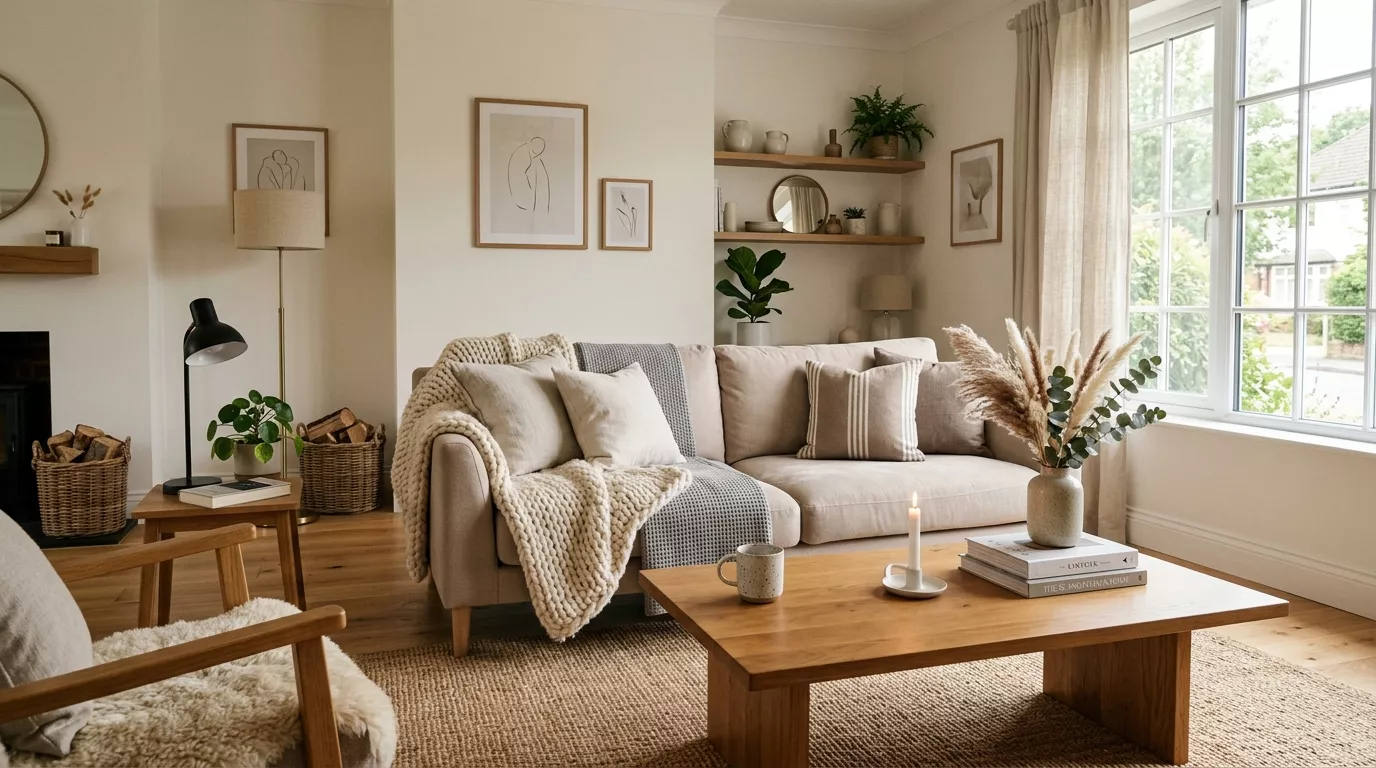
Think of it this way: every surface that can be softened, should be. Sofas get linen slipcovers and chunky knit throws. Windows get sheer white curtains or soft floral drapes. Floors get braided jute or floral wool rugs. Even the coffee table gets a small embroidered runner.
Must-have cottagecore textiles:
- Curtains: Sheer white linen or soft floral prints, hung high and full
- Throws: Chunky hand-knitted wool in cream or oatmeal
- Cushions: Mix floral prints, embroidered patterns, and solid botanicals
- Rugs: Braided jute, floral wool, or a vintage-style runner
- Table covers: Embroidered linen runners or lace doilies
The secret is mixing patterns without matching them exactly. A bold floral cushion alongside a small check print alongside a simple botanical embroidery — that layered, collected-over-time look is deeply cottagecore.
4. Wildflowers, Botanicals, and Abundant Greenery

No cottagecore living room is complete without plants and botanicals. But unlike modern interior plant styling — where one sculptural fiddle leaf fig sits alone in a ceramic pot — cottagecore embraces abundance, variety, and a slightly wild quality.
Think mason jars of fresh wildflowers on every surface. Dried herb bundles hanging from ceiling hooks. Pressed botanical prints in mismatched vintage frames. Ivy trailing from shelves. A small herb garden on the windowsill.
Botanical ideas for a cottagecore living room:
- Mason jars or vintage pitchers filled with wildflowers (daisies, foxglove, sweet peas)
- Dried lavender bundles tied with twine
- Pressed flower frames on the gallery wall
- Trailing ivy or pothos in terracotta or ceramic pots
- A small terrarium with moss and ferns
- Eucalyptus or rosemary bundles tied to curtain rods
- Dried pampas grass or wheat stalks in a tall ceramic vase
Change your fresh flowers seasonally — spring tulips, summer wildflowers, autumn berries and rosehips, winter holly and evergreen — and your room evolves beautifully all year long.
5. Vintage Pottery, Books, and Handmade Objects

The soul of cottagecore is in the objects. Every shelf, every surface, every windowsill tells a story through the things placed on it. And those things should feel handmade, inherited, or discovered — never mass-produced and identical.
Cottagecore object styling ideas:
- A collection of mismatched vintage ceramic mugs and pitchers
- Old hardcover books with beautiful spines (sorted loosely, never perfectly)
- Handmade beeswax candles in various sizes and tones
- Small woven baskets used as storage and decor
- A vintage clock with a soft, worn face
- Hand-painted ceramic plates displayed on a small plate rack
- A glass cloche covering a bird’s nest, moss, or a small botanical arrangement
The key to styling these elements well is grouping them in odd numbers and varying the heights. A tall vase beside a stack of books beside a small candle — that rhythm of high, medium, and low creates visual interest without visual noise.
6. The Cottagecore Living Room Fireplace — The Heart of the Home

If you have a fireplace, it becomes the undisputed center of your cottagecore living room. Stone or brick is ideal — the more natural and aged, the better. But even a painted wood mantel can be transformed with the right styling.
Dress the mantel with dried botanicals, vintage candlesticks, framed pressed flowers, and a collection of ceramic or stone objects. Let things spill slightly — a trailing vine from a small pot, a few pinecones at the base, a bunch of dried wheat on one side.
If you don’t have a real fireplace, a vintage-inspired electric fireplace or a faux mantel shelf styled as above works beautifully as a focal point.
Step-by-Step Guide: How to Create a Cottagecore Living Room

Step 1: Choose your wall color. Start with a warm off-white, soft sage green, or gentle blush. These tones form the garden-inspired backdrop everything else builds on.
Step 2: Source your anchor furniture. Find or select a linen or cotton sofa in cream, warm white, or sage. A worn or slipcover style works beautifully. Visit vintage markets or antique shops before buying new.
Step 3: Layer your rugs and textiles. Add a braided jute or floral wool rug first. Then dress your sofa with mixed cushions and a chunky throw.
Step 4: Hang your curtains — high and full. Choose sheer white linen or a soft floral print. Hang close to the ceiling for an airy, romantic quality.
Step 5: Add your vintage and handmade objects. Style your shelves and surfaces with pottery, books, baskets, and candles. Group in threes, vary heights, and leave breathing space.
Step 6: Bring in the botanicals. Add fresh wildflowers in mason jars, trailing plants on shelves, and dried bundles on hooks or along the mantel.
Step 7: Layer your lighting. Replace harsh bulbs with warm Edison alternatives. Add candles. Consider a vintage-style table lamp with a linen or floral shade.
Step 8: Hang your wall art. Pressed botanical prints, watercolor landscapes, and framed vintage illustrations all belong in a cottagecore gallery wall.
Step 9: Add scent. Cottagecore is a sensory experience. Beeswax candles, dried lavender sachets, and a small vase of fresh herbs by the window complete the mood.
Step 10: Live in it. Leave a book open on the arm of the sofa. Keep a half-finished embroidery project on the chair. Let fresh flowers wilt slightly before replacing them. The imperfection is the point.
Pros and Cons of the Cottagecore Living Room Aesthetic

✅ Pros
- Deeply personal and expressive — no two cottagecore rooms look alike
- Budget-friendly — thrift stores, vintage markets, and DIY projects are core to the aesthetic
- Celebrates imperfection — worn, mismatched, and handmade objects are assets, not flaws
- Nature-connected — fresh plants and botanicals improve mood and air quality
- Seasonally adaptable — easy to shift the feeling with seasonal flowers and textiles
- Cozy and restorative — the layered warmth creates a genuinely relaxing space
- Sustainable by nature — second-hand and handmade items reduce consumption
❌ Cons
- Can veer into clutter — the abundance of objects requires intentional editing
- Fresh flowers need regular replacing — a commitment of time and ongoing cost
- Vintage furniture can be harder to find — especially in the right condition
- Not ideal for very modern architecture — high ceilings and open-plan spaces can feel at odds with the intimate, layered aesthetic
- Requires dusting more frequently — collections, dried botanicals, and textured surfaces attract more dust
- Can feel twee or overly precious if not balanced with some simplicity and restraint
Common Mistakes That Dilute the Cottagecore Aesthetic

1. Making it look too new. Cottagecore relies on an aged, gathered quality. Brand-new, shiny, or obviously mass-produced items undercut the whole effect. If you’re buying new, choose pieces that mimic aged materials — linen that’s been washed, wood with a natural grain, ceramics with an uneven glaze.
2. Using cold or cool colors. Cottagecore is warm. Cool greys, bright whites, and icy blues work against the earthy, sun-warmed quality of the aesthetic. Always lean warm — in your whites, your woods, your lighting.
3. Over-coordinating. Everything perfectly matching is the enemy of cottagecore. Your cushions shouldn’t all be from the same collection. Your pottery shouldn’t all be the same brand. The collected, layered quality only comes from genuine variety.
4. Neglecting scent and sensory elements. Cottagecore is lived in with all the senses. A beautiful room with harsh artificial light and no fragrance misses the point. Add candles, fresh herbs, dried lavender, and warm lighting.
5. Treating plants as props. Wilting, ignored plants are not cottagecore — they’re sad. The aesthetic celebrates living, growing things. If you can’t care for real plants, invest in very high-quality faux alternatives.
6. Forgetting the handmade. A room full of purchased items, however vintage-inspired, lacks the soul of a true cottagecore space. Add one or two genuinely handmade elements — a knitted throw you made, an embroidery you stitched, a jam jar you decorated — and the room comes alive.
Tips for Getting the Cottagecore Living Room Look on Any Budget

Cottagecore Living Room Aesthetic — Seasonal Style Guide
| Season | Flowers & Botanicals | Textiles | Colors to Lean Into |
|---|---|---|---|
| Spring | Tulips, daffodils, sweet peas, fresh ferns | Light linen, cotton throws | Pale yellow, soft green, blush |
| Summer | Wildflowers, lavender, daisies, roses | Sheer curtains, light cotton cushions | Cream, lavender, warm white |
| Autumn | Dried grasses, rosehips, berries, seed pods | Chunky knits, wool throws | Terracotta, rust, warm amber |
| Winter | Evergreen, holly, dried orange slices, pine | Velvet cushions, heavy wool throws | Deep green, burgundy, cream |
Rotating your botanicals, textiles, and accent colors seasonally keeps the room feeling fresh and alive — which is entirely in the spirit of cottagecore.
Frequently Asked Questions (FAQs)
Q1. What is the cottagecore living room aesthetic?
The cottagecore living room aesthetic is an interior design style inspired by the romance of rural cottage life. It features natural materials like linen and wood, vintage and handmade objects, abundant botanicals and wildflowers, soft earthy color palettes, and a layered, lived-in quality that feels warm, personal, and deeply connected to the natural world.
Q2. How do I start a cottagecore living room with a small budget?
Start with what you already have, then build gradually. Repurpose mason jars as vases, forage wildflowers from outdoors, print free vintage botanical art, and visit charity shops for pottery, books, and linen textiles. A can of chalk paint in sage or antique white can transform basic furniture. The cottagecore aesthetic rewards resourcefulness — it’s built for budget-conscious decorating.
Q3. What colors are most cottagecore for a living room?
Warm off-whites, sage green, dusty blush, soft lavender, pale butter yellow, terracotta, and warm cream are the quintessential cottagecore palette. These tones echo the colors of an English garden and pair beautifully with natural wood and linen. Avoid cool greys, stark whites, and anything that feels clinical or modern.
Q4. Can I do cottagecore in a modern apartment?
Absolutely. Cottagecore is about layering textures, introducing botanicals, choosing warm colors, and styling with vintage and handmade objects — none of which requires period architecture. Even in a contemporary space, linen curtains, a vintage rug, abundant plants, and soft lighting can create a thoroughly cottagecore atmosphere. The contrast of old in new can actually feel very charming.
Q5. What plants are best for a cottagecore living room?
Trailing ivy, pothos, ferns, and small herb plants are ideal for shelves and windowsills. Larger statement plants like a trailing string of pearls or a bushy Boston fern add wildness and volume. For seasonal freshness, keep mason jars of wildflowers and dried bundles of lavender or eucalyptus on surfaces. The goal is abundant, slightly wild, and varied — not a carefully curated single-specimen approach.
Q6. Is cottagecore the same as farmhouse style?
Not quite. Farmhouse style is more practical and structured, with American rural influences — shiplap walls, galvanized metal, and a clean black-and-white palette. Cottagecore is softer, more romantic, and more fantasy-driven — it’s inspired by English country cottages, fairy tales, and slow living. Farmhouse leans functional; cottagecore leans whimsical.
Q7. How do I prevent a cottagecore room from looking cluttered?
Edit regularly. The abundance of objects in cottagecore can tip into clutter if every surface is full and nothing has breathing room. Group items in odd numbers, leave some clear space between groupings, and remove anything that doesn’t feel intentional or meaningful. The difference between cottagecore and clutter is curation — everything should feel chosen, even if it looks casually placed.
Conclusion: Your Cottagecore Living Room Is a Garden Waiting to Grow
The cottagecore living room aesthetic isn’t something you buy all at once and install in an afternoon. It’s something you build over time — through found objects, foraged flowers, inherited pieces, and slow, intentional layering. It grows with you.
That’s what makes it so beautiful. Every mason jar of wildflowers, every vintage ceramic, every hand-knitted throw tells a story. And together, those stories create a room that feels completely, unmistakably yours.
Start wherever feels most natural. A bunch of wildflowers in a jar on your coffee table. A sage green throw draped over the sofa arm. A pressed botanical print in a vintage frame above the mantel. The smallest cottagecore gesture can shift the entire energy of a room.
Pick one idea from this guide and bring it home today. Your cozy, sun-dappled, wildflower-filled living room is already waiting — it just needs you to begin.