Eclectic Home Ideas: Bold Décor for Every Space

Eclectic Home Ideas: How to Design a Space That’s Beautifully, Unapologetically Yours

There’s something deeply satisfying about a home that doesn’t follow the rules. A room where a mid-century modern sofa sits beside a Moroccan rug, under Edison-bulb lighting, surrounded by gallery walls filled with vintage maps and abstract prints — that’s not a design mistake. That’s eclectic home design done right.
Eclectic home ideas have surged in popularity, and honestly, it’s not hard to see why. After years of all-white minimalism and “Scandinavian beige,” people are craving homes that actually look lived in — spaces that tell a story, reflect personality, and dare to be different.
But here’s what most decorating guides won’t tell you: eclectic design isn’t just “throw everything at the wall and hope it sticks.” There’s a method to the magic. This guide will walk you through everything — from core principles to room-by-room inspiration, common pitfalls, and a practical step-by-step process to create your own curated, layered home.

What Is Eclectic Interior Design, Really?
Before diving into the fun stuff, let’s clear up a common misconception. Eclectic style is not the same as chaotic or messy. The word “eclectic” comes from the Greek eklektikos, meaning “to choose the best.” That’s exactly what this design philosophy is about — intentionally selecting pieces from different periods, cultures, styles, and movements, then weaving them together through a unifying thread.
That unifying thread could be a color palette, a repeated texture, a shared scale, or simply a consistent level of quality. Without it, eclectic becomes just clutter. With it? Your home becomes a masterpiece.

Think of it like a playlist. A great playlist mixes genres — jazz, hip-hop, folk, electronic — but every song feels right together because the curator chose carefully. Eclectic interior design works the same way.
Eclectic Home Ideas: The Core Design Principles
1. Anchor With a Neutral Base
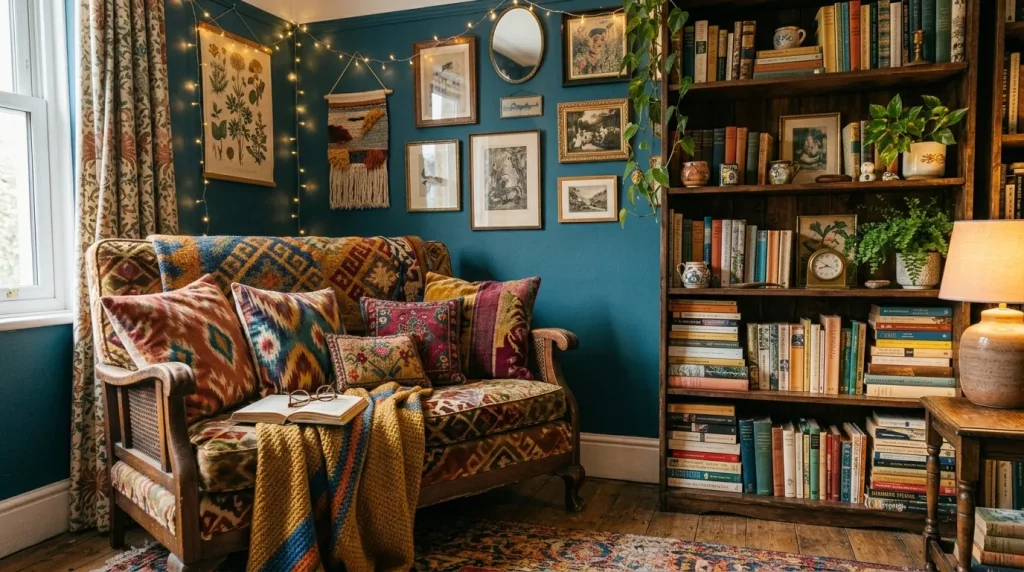
The most successful eclectic rooms start with a calm, neutral foundation — walls in warm white, soft taupe, sage green, or deep charcoal. This gives your eye somewhere to rest and lets statement pieces sing without competing.
You can layer bold color later through textiles, art, and accessories. But a neutral base acts as the “stage” your curated collection performs on.
2. Mix Patterns and Textures With Intention
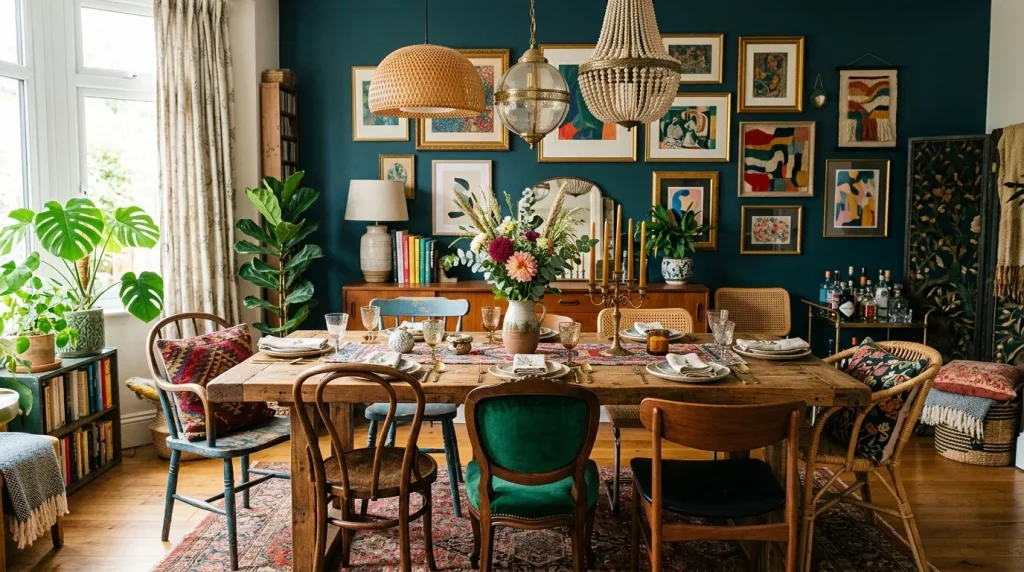
This is where eclectic design earns its reputation. Mixing a striped linen cushion with a floral velvet throw and a geometric kilim rug sounds wild — but it works when:
- Scale varies (small prints with large prints balance each other)
- Colors connect (at least one shared hue ties the patterns together)
- Textures contrast (rough + smooth, matte + shiny, organic + structured)
A good rule of thumb: no more than three dominant patterns per room, with one always being more subdued.

3. Curate, Don’t Collect
Eclectic spaces look thoughtfully assembled, not randomly accumulated. Every piece should earn its place. Ask yourself: Does this item bring something new — a color, texture, era, or cultural reference — that the room doesn’t already have?
If the answer is no, it might just be adding noise.
4. Create Visual Flow

Even in the most eclectic room, the eye needs a path to follow. Arrange furniture and décor to create conversation and movement. Use repeating colors in different parts of the room to create cohesion. A splash of terracotta on the rug can be echoed in a vase, a throw pillow, and a framed artwork — suddenly the room feels orchestrated.
Room-by-Room Eclectic Home Ideas
Eclectic Living Room Ideas

The living room is your prime canvas. Here’s how to make it work:
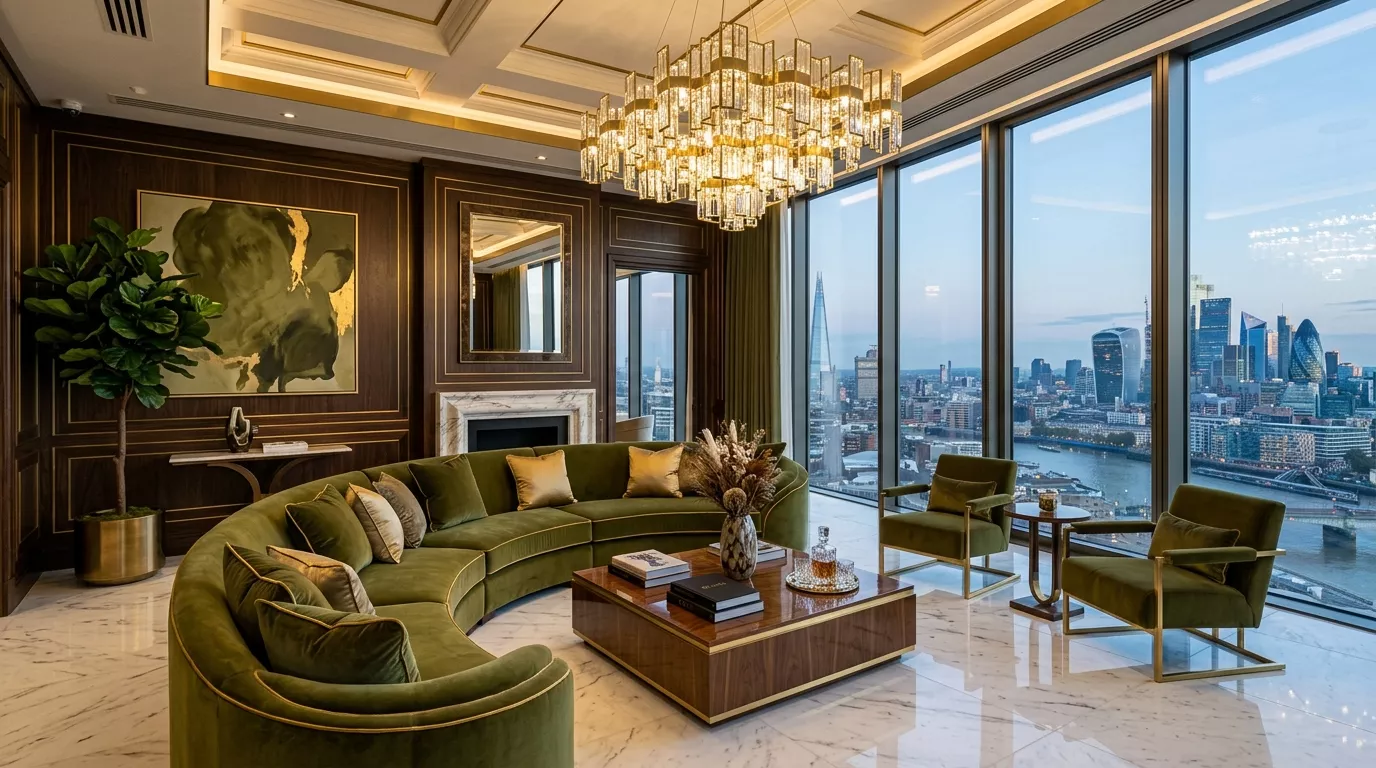
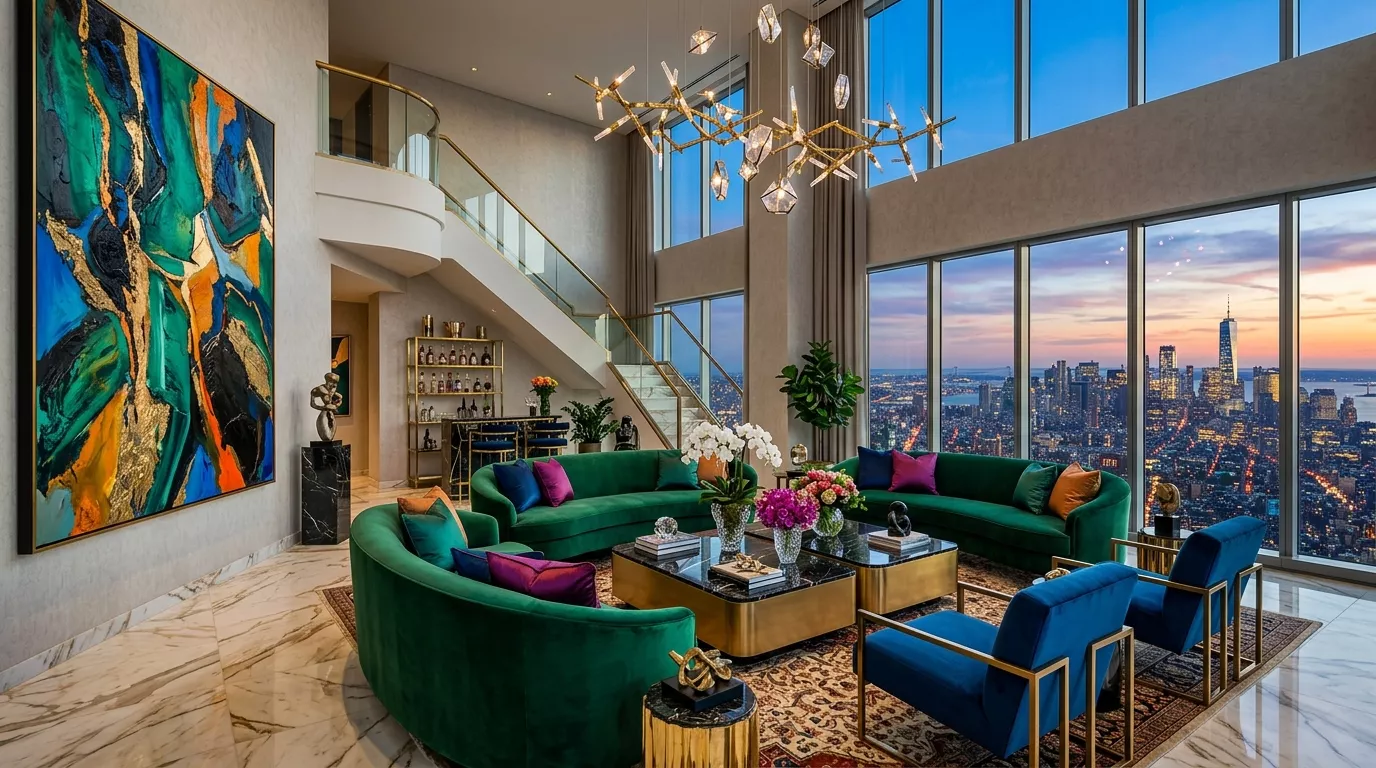
- Statement sofa: Choose a bold shape — curved, tufted, or velvet-upholstered in a jewel tone. This becomes your design anchor.
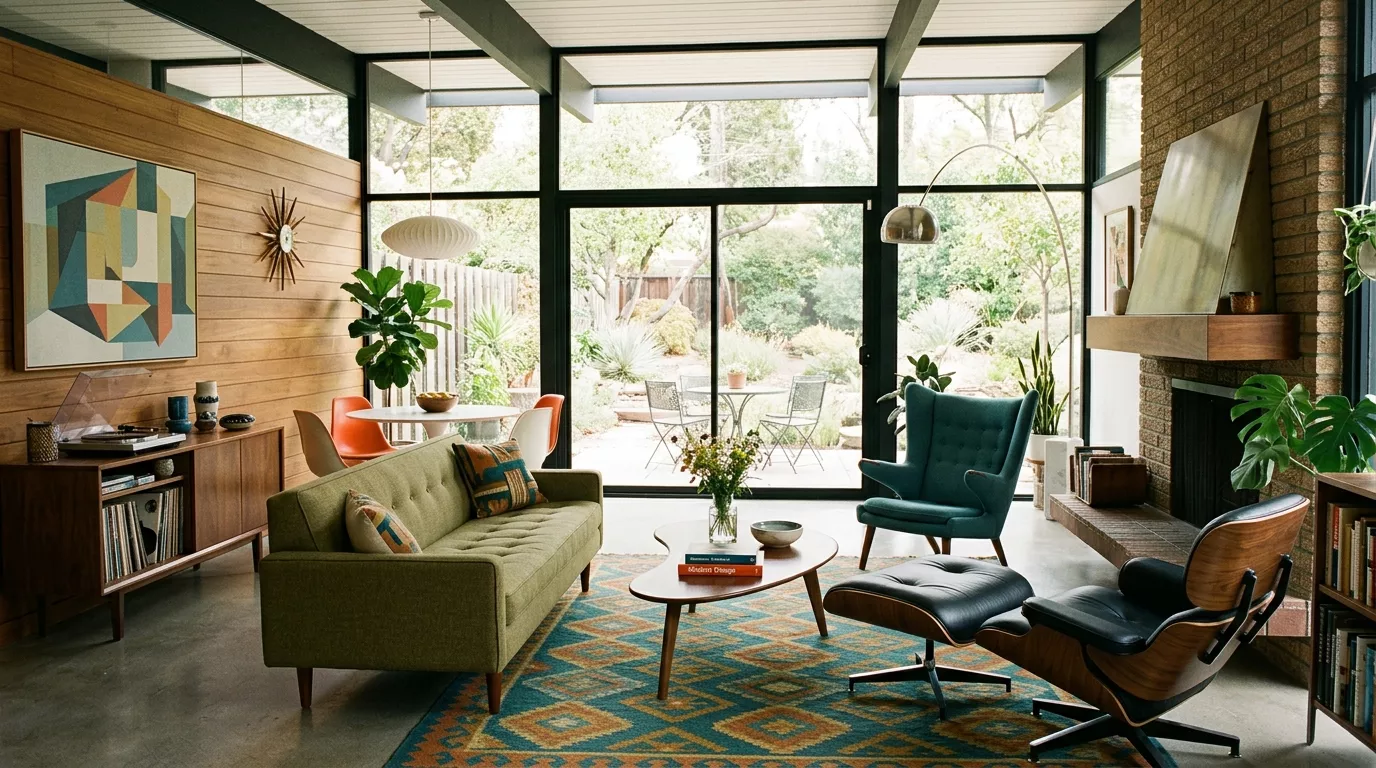
- Mix furniture eras: Pair a vintage leather armchair with a sleek modern coffee table.
- Layer rugs: Stack a natural jute rug under a smaller, patterned kilim or Beni Ourain for depth.
- Go wild with the gallery wall: Mix oil paintings, black-and-white photography, abstract prints, and ornate mirrors in mismatched frames. Unify them by keeping the frames all in one metal tone (brass, black, or silver).
- Lighting as sculpture: Don’t settle for one light source. Combine a dramatic overhead chandelier with floor lamps and candles to create layers of warmth.
Eclectic Bedroom Ideas
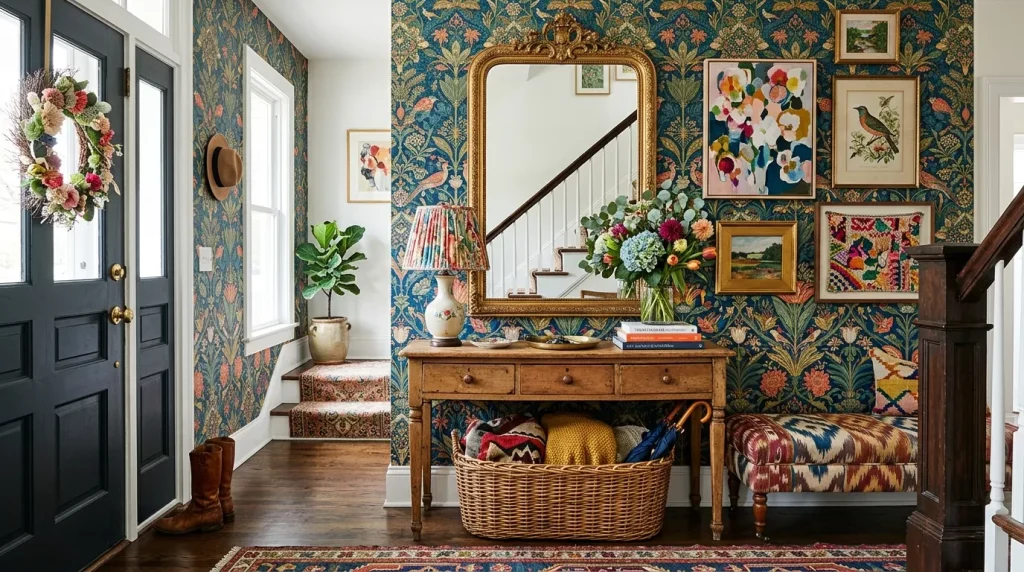
Your bedroom should feel like a sanctuary that reflects you deeply, not a hotel room.
- Headboard drama: An upholstered arch headboard, a repurposed antique door, or even floor-to-ceiling macramé makes a powerful statement.
- Textile layering: Stack your bed with a mix of linen, velvet, embroidered, and woven textiles in complementary colors.
- Nightstands don’t have to match: Different styles on each side (one vintage, one modern) can actually feel more interesting and intentional.
- Bring in plants and handmade ceramics: Organic, handcrafted elements ground eclectic rooms in warmth and prevent them from feeling like a showroom.
Eclectic Kitchen and Dining Ideas
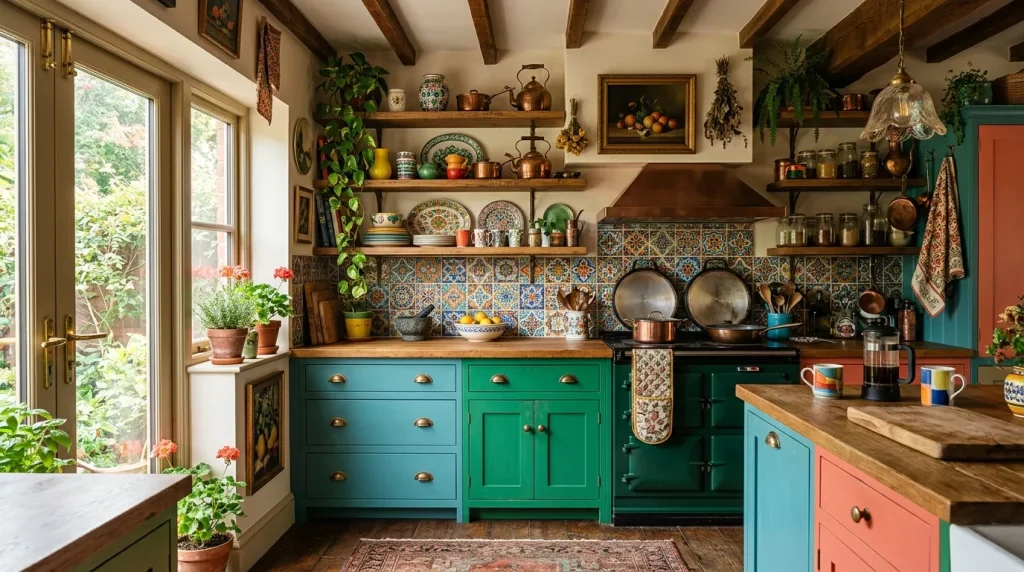
Often overlooked, the kitchen and dining area can also shine with eclectic touches:
- Mix chair styles at one table: Combine wishbone chairs with upholstered armchairs for a collected, “gathered over time” effect.
- Open shelving: Display mismatched vintage ceramics, handmade pottery, and colorful glassware as art.
- Bold tile as a backsplash focal point: Moroccan zellige, Victorian encaustic, or handmade terracotta tiles add story and soul.
- Pendant lights in different styles but one metal finish keep visual variety while maintaining cohesion overhead.

Eclectic Home Ideas: Color Palette Guide
| Color Approach | Best For | Example Combination |
|---|---|---|
| Warm Earthy Tones | Bohemian eclectic | Terracotta + olive + cream + brass |
| Deep Jewel Tones | Maximalist eclectic | Emerald + sapphire + gold + charcoal |
| Soft Vintage Palette | Romantic eclectic | Dusty rose + sage + ivory + antique brass |
| Moody Neutrals | Modern eclectic | Charcoal + rust + tan + matte black |
| Bold Contrast | Artistic eclectic | Black + white + one saturated pop color |
The key is to pick your palette first, then shop for pieces within it — not the other way around.

Pros and Cons of Eclectic Interior Design
✅ Pros
- Deeply personal: No two eclectic homes look the same. Yours will be uniquely yours.
- Budget-friendly: You’re not locked into one “collection” or brand. Thrift stores, flea markets, and estate sales are your best friends.
- Timeless: Because it doesn’t follow trends, eclectic design rarely goes “out of style.”
- Sustainable: Mixing old and new means more second-hand pieces and less brand-new consumption.
- Evolves naturally: You can add or swap pieces as your taste grows, without needing to overhaul a whole room.
❌ Cons

- Easy to overdo it: Without discipline, eclectic can cross into cluttered.
- Takes more time: Building a cohesive eclectic room requires patience and a good eye, which develops over time.
- Harder to explain to others: If you’re shopping with someone and describing what you want, “eclectic” is not very helpful as a brief.
- Resale staging challenges: A highly personalized home can be harder to stage neutrally for resale.
- Can feel overwhelming in small spaces: Too many competing visual elements in a tiny room can feel chaotic without careful editing.
Step-by-Step Guide to Decorating an Eclectic Room

Step 1: Define Your Personal Style DNA
Before shopping or rearranging, spend time on Pinterest, Instagram, or interior design books identifying what consistently draws you in. Are you pulled toward global, bohemian prints? Mid-century shapes? Industrial textures? Victorian opulence? Write down five words that describe your ideal space.
Step 2: Set a Color Anchor
Choose 2–3 main colors that will recur throughout the room. These don’t need to be exact matches — think of them as a family of tones. Warm amber, deep teal, and off-white is a color story. Pick one and stick to it.
Step 3: Choose Your Statement Piece First

Start with your “hero piece” — the one item the rest of the room will respond to. It might be a vintage Persian rug, an antique armoire, or a bold piece of artwork. Let everything else build around it.
Step 4: Add Layers Gradually
Resist the urge to fill the room all at once. Add one item at a time, stand back, and assess. Leave breathing room. It’s far easier to add than to remove.
Step 5: Edit Ruthlessly
Once the room feels full, walk away for a day. Return with fresh eyes and remove anything that doesn’t serve the room’s story. The “one in, one out” rule keeps eclectic spaces from becoming cluttered.
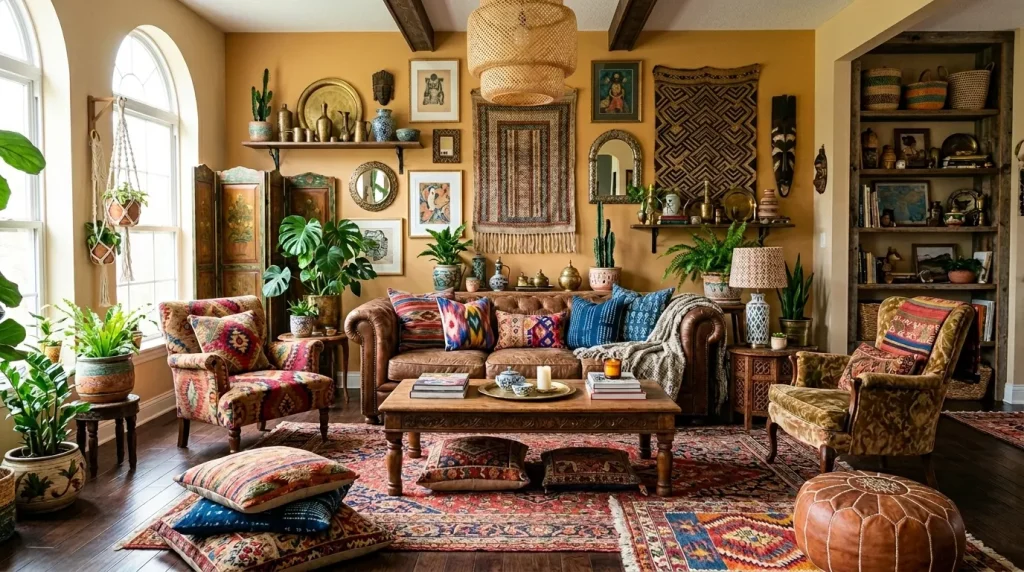
Step 6: Add Life With Plants, Books, and Personal Objects
The final layer is always the most personal. Books stacked at odd angles, a collection of brass candlesticks, a trailing pothos, framed family photos mixed into a gallery wall — these are what make a room feel inhabited and real.
Eclectic Home Ideas: Pro Tips for Getting It Right
Tips to Elevate Your Eclectic Space:
- Repeat metals, not match them: Having brass throughout in small doses (lamp, hardware, frames) ties a room together without everything being matchy.
- Vary your heights: Mix tall plants with low furniture and mid-height accessories to create visual rhythm.
- Use books as décor: Stacks of beautiful hardcovers in coordinating colors add both color and personality.
- One oversized rug over several small ones: In most rooms, one generous rug grounds the space better than multiple competing ones.
- Let one wall be the star: A bold wallpaper, a floor-to-ceiling gallery, or a dramatic paint color on a single wall keeps the drama focused.
- Shop vintage first: Unique, one-of-a-kind finds are the soul of eclectic design. Flea markets, vintage stores, and online secondhand platforms are goldmines.
- Trust your instincts: The best eclectic homes belong to people who stopped worrying about the “rules” and just followed what they loved.

Common Mistakes in Eclectic Interior Design
Even the most creative decorators fall into these traps:
1. No Visual Anchor
Without a dominant piece or color story, eclectic becomes chaotic. Always establish a starting point.
2. Mixing Scales Poorly
Pairing too many large pieces (or too many small ones) creates visual imbalance. Variety in scale is key.

3. Ignoring the Floor Plan
Great eclectic décor doesn’t fix poor furniture arrangement. Always prioritize good traffic flow and conversation zones first.
4. Buying Too Fast
Rushing to fill a room leads to purchases you’ll regret. Take your time building a curated space.
5. Forgetting Negative Space
Eclectic does not mean every surface must be covered. Some empty wall, a clear shelf, or an uncluttered corner lets the eye rest and makes the statement pieces stand out more.
6. Treating All Walls Equally
Not every wall needs attention. Let one wall be bold and let the others support it.
FAQs: Eclectic Home Ideas
Q1: What is the difference between eclectic and bohemian interior design?
Bohemian (or “boho”) is actually a subset of eclectic style. Boho leans specifically toward natural materials, global textiles, earthy tones, and a free-spirited, slightly undone aesthetic. Eclectic is broader — it encompasses any intentional mix of styles, periods, and influences, which could include boho elements but also incorporates art deco, mid-century, industrial, and more.
Q2: How do I keep an eclectic room from looking messy
The secret is a unifying thread — usually a shared color family or a repeated material. When the eye can find a pattern or connection across different items, the brain reads “intentional” rather than “random.” Also, negative space is your friend. Resist the urge to fillevery inch.
Q3: Is eclectic design more expensive than other interior styles?
Not necessarily. Because eclectic design actively embraces vintage, secondhand, and thrifted pieces, it can actually be one of the most budget-friendly approaches. You’re not locked into buying a matched set or a specific designer collection. A $15 thrift store vase can sit beautifully beside a premium lamp.
Q4: Can I achieve eclectic style in a small apartment?
Absolutely, though you’ll need to be more selective. In small spaces, choose fewer, more impactful statement pieces instead of many. A curated gallery wall, a bold rug, and one or two vintage furniture pieces can transform a small room without overwhelming it. Keep the floor plan open and rely on vertical space.
Q5: Where do I start if I want to transition my home to an eclectic style?
Start with what you already love and own. Look at what’s in your home right now and identify the pieces that truly speak to you. Build outward from those. You don’t need to redecorate everything at once — eclectic design actually rewards a slow, evolving approach. Add pieces that feel meaningful over time, and let the room grow with you.
Q6: Are there any specific color rules for eclectic home design?
There are no strict rules, but the most effective approach is to establish a color story with 2–3 anchor tones and then allow variations and accent colors within that family. Avoid using too many unrelated saturated colors at full intensity — either vary the saturation (one bold, others muted) or connect them through a neutral base.
Q7: How do I mix furniture from different eras without it looking wrong
Look for at least one shared characteristic between pieces — it could be leg style, scale, upholstery color, or material. For example, a 1960s teak sideboard and a modern concrete lamp can coexist because both are minimal and functional. The connection doesn’t need to be obvious — it just needs to exist.
Conclusion: Make Your Home Undeniably You
Eclectic home ideas aren’t just a design trend — they’re a philosophy. They say that beauty doesn’t come from conformity, but from the confidence to choose what you love and commit to it fully.
The most memorable homes are the ones that couldn’t belong to anyone else. They’re filled with objects gathered from travels, inherited from family, found at flea markets, or chosen simply because something about them was impossible to walk away from.
If there’s one takeaway from everything in this guide, it’s this: stop decorating for some imagined future version of your home and start building the one that feels real, warm, and yours right now. Start with what you love. Layer it thoughtfully. Edit with honesty. And never stop curating.
Ready to start? Pick one room, one statement piece, and one color anchor. The rest will follow.