Raised Garden Bed Ideas for Every Yard & Budget

Raised Garden Beds Ideas: The Complete Guide to Growing More in Less Space
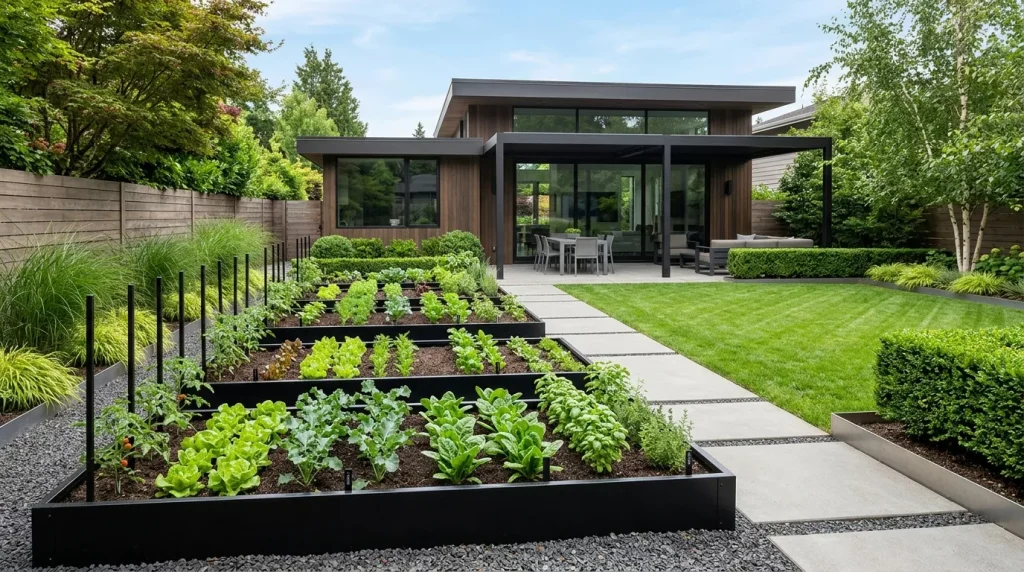
Raised garden beds ideas have been taking over backyards, patios, rooftops, and even tiny front yards for good reason — they simply work better than in-ground gardening for most people. Whether you’re dealing with rocky soil, limited mobility, a pest problem, or just a stubborn patch of clay that refuses to cooperate, a raised bed solves more problems than you’d expect from a few planks of wood and a bag of compost.
This guide covers everything from material choices and layout designs to what to plant, how to build, and the mistakes that trip up first-timers. No fluff — just practical advice that helps you actually grow things.
Why Raised Garden Beds Are Worth It
Before jumping into design ideas, it’s worth understanding what makes raised beds so effective. The core advantage is control. You control the soil, the depth, the drainage, and the layout. You’re not at the mercy of whatever the previous owners did to your yard.
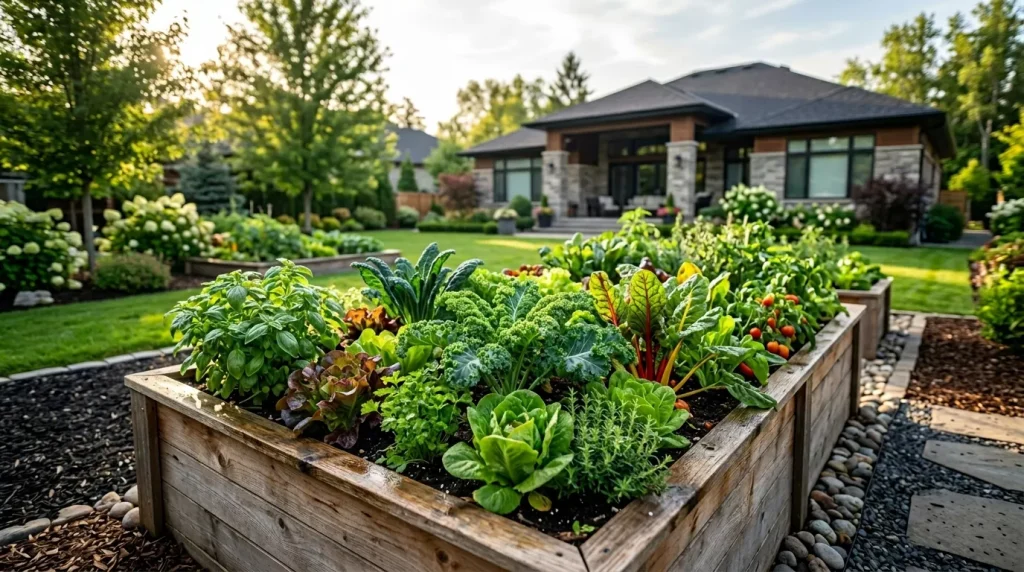
Raised beds also warm up faster in spring, which means earlier planting. The soil doesn’t get compacted because you’re never walking on it. Weeds are significantly easier to manage. And watering becomes more efficient — especially when you add drip irrigation underneath a layer of mulch.
For people with back or knee problems, taller raised beds (18–24 inches) are genuinely life-changing. You can garden comfortably from a chair or standing position with zero bending.
H2: Best Raised Garden Bed Ideas by Material
The material you choose shapes the look, the longevity, and the cost of your raised bed. Here’s an honest breakdown of what’s actually worth building with.
H3: Cedar Wood Raised Beds
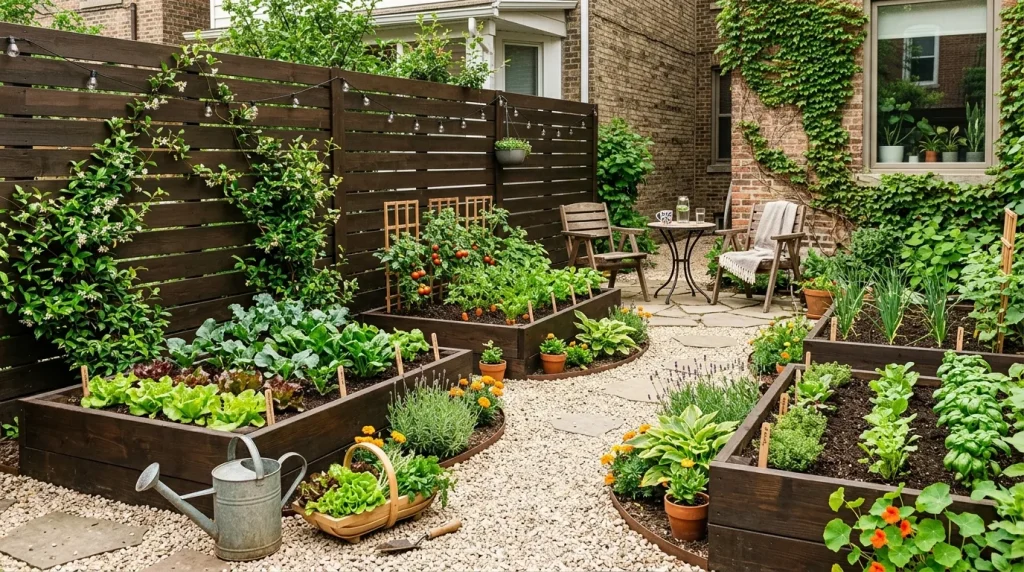
Cedar is the gold standard for a reason. It’s naturally rot-resistant, insect-repellent, and beautiful. A well-built cedar raised bed can last 15–20 years with minimal maintenance. It doesn’t need paint or staining — it weathers to a lovely silver-grey if left alone.
It costs more upfront than pine or spruce, but over a decade, it’s the better investment. If budget is tight, look for cedar fence boards — they’re thinner but work perfectly for beds under 12 inches tall.
H3: Corrugated Metal Raised Beds
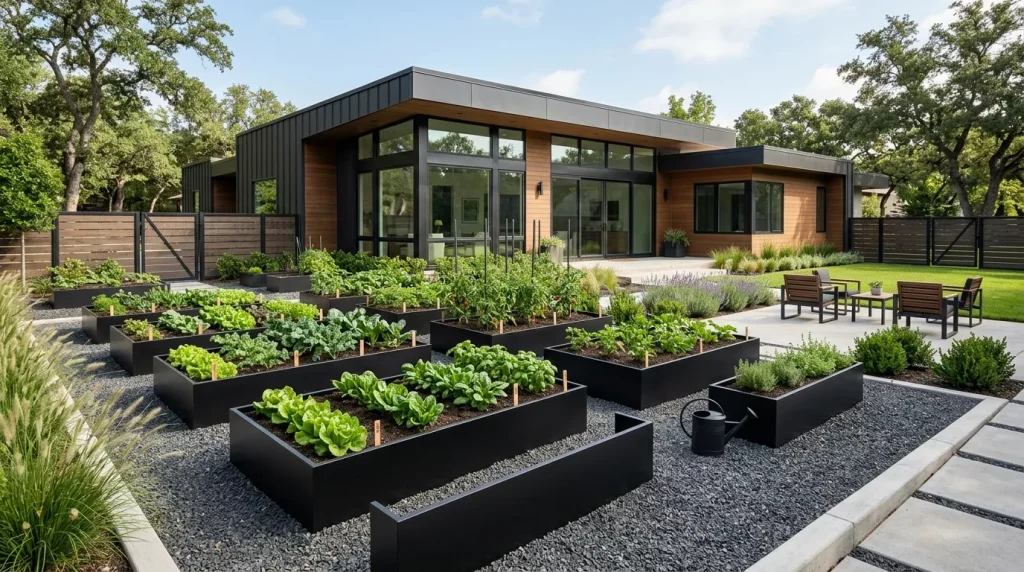
Galvanized metal beds have exploded in popularity and for good reason — they look incredibly sleek, they last decades, and they resist rot and pests completely. The concern some people raise about heat is mostly overblown; the soil temperature in metal beds rarely reaches levels that damage roots.
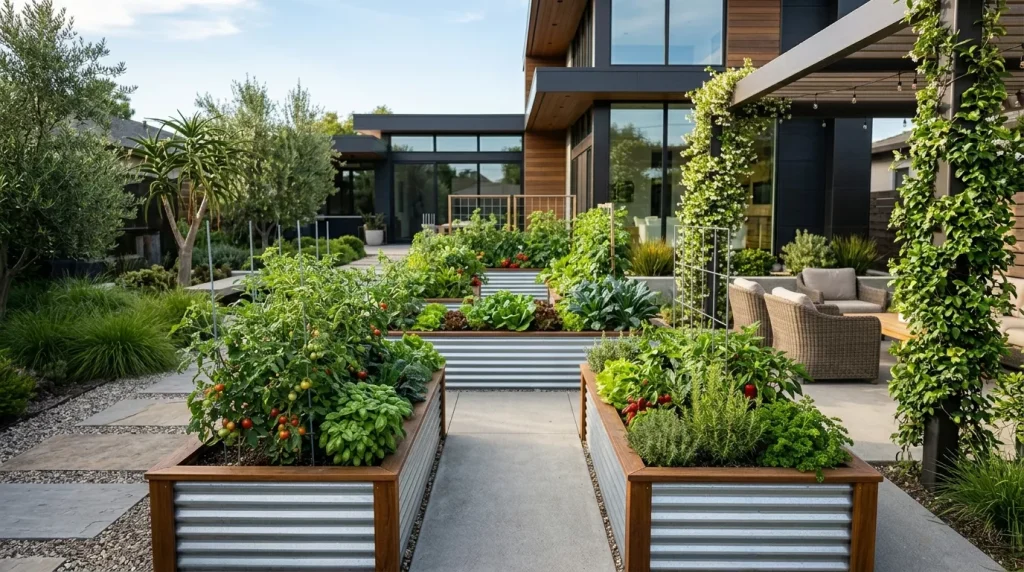
They’re also easier to install than wood — no cutting, no joinery, just screws and stakes. The corrugated style in particular has a modern-rustic aesthetic that works in both formal gardens and casual backyard setups.
H3: Concrete Block and Brick
For a truly permanent raised bed, concrete blocks or reclaimed bricks are hard to beat. They retain heat extremely well, which is fantastic in cooler climates. They’re also completely modular — you can reshape the bed without any tools.
One underappreciated bonus: the hollow cavities in cinder blocks can be filled with soil and planted with herbs, strawberries, or flowers, turning your bed walls into a productive garden feature all by themselves.
H3: Recycled and Upcycled Materials
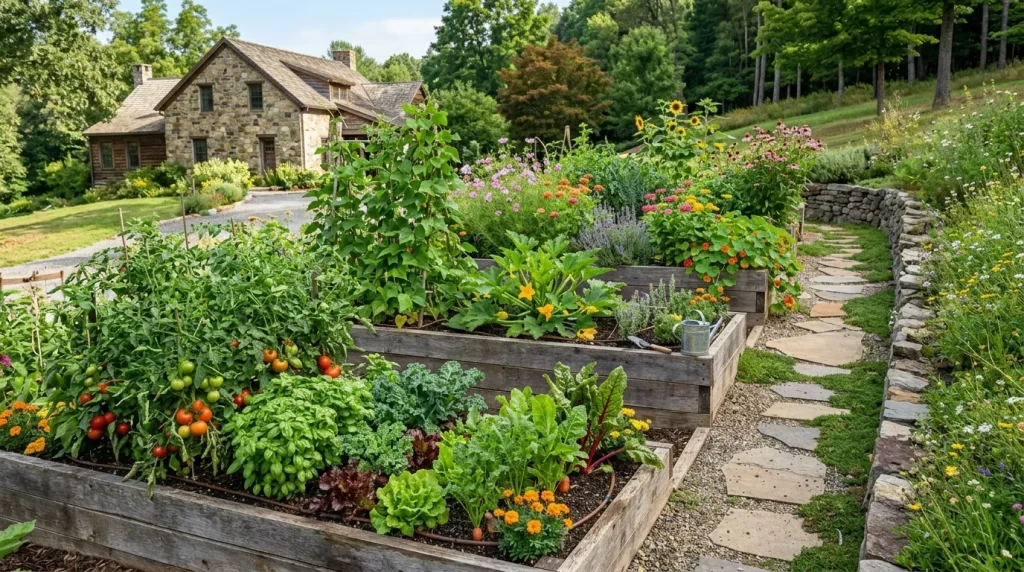
Old wooden pallets (heat-treated, not chemically treated — look for the HT stamp), wine barrels cut in half, galvanized stock tanks, vintage bathtubs, and even old dressers have all been used as raised beds to great effect.
This approach costs almost nothing if you source creatively. It adds genuine personality to a garden space. The key is to check that whatever you’re using hasn’t been treated with chemicals that could leach into your soil and food supply.
H2: Raised Garden Bed Ideas by Layout and Design
How you arrange your beds matters almost as much as what you put in them. Here are some of the most effective and visually appealing layouts.
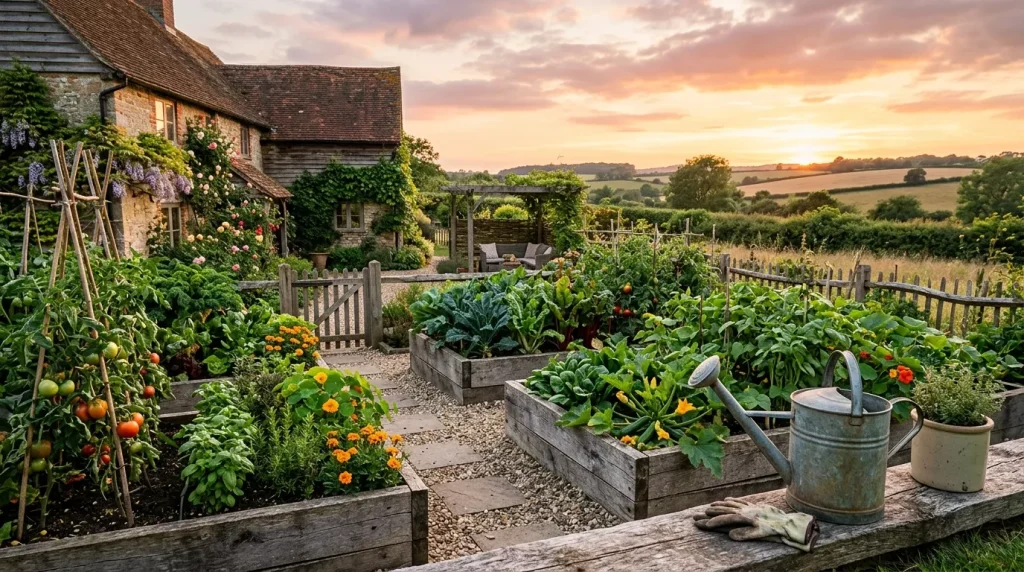
Classic Rectangle (The Workhorse)
The standard 4×8 foot rectangular bed is the most popular for good reason. You can reach the center from either side without stepping in, it fits neatly in most yards, and it’s easy to cover with row fabric or a simple cold frame for season extension.
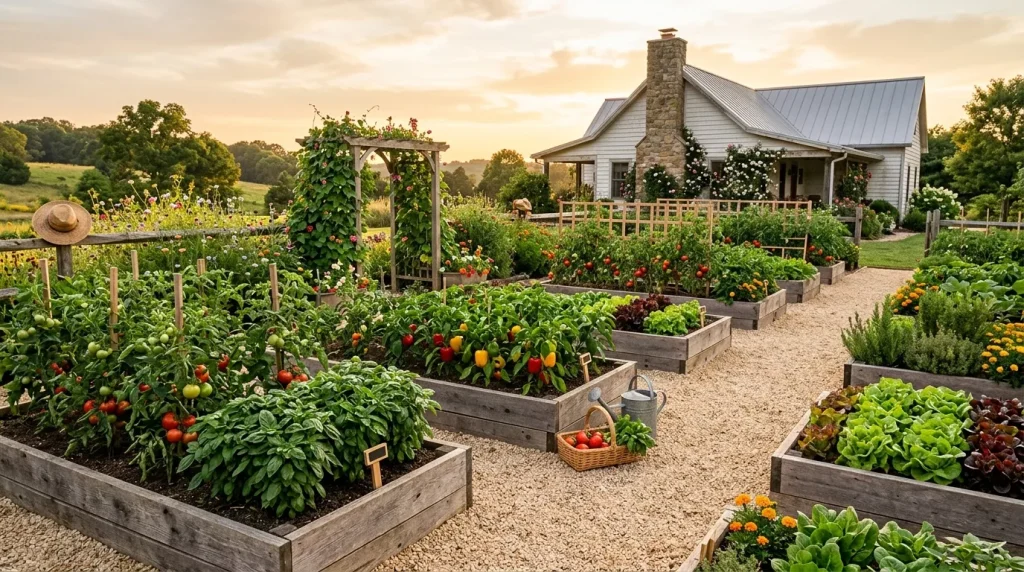
Four of these beds in a 2×2 grid with mulched or gravel paths between them creates a kitchen garden that can supply a family of four with vegetables from spring through fall.
L-Shaped and Corner Beds
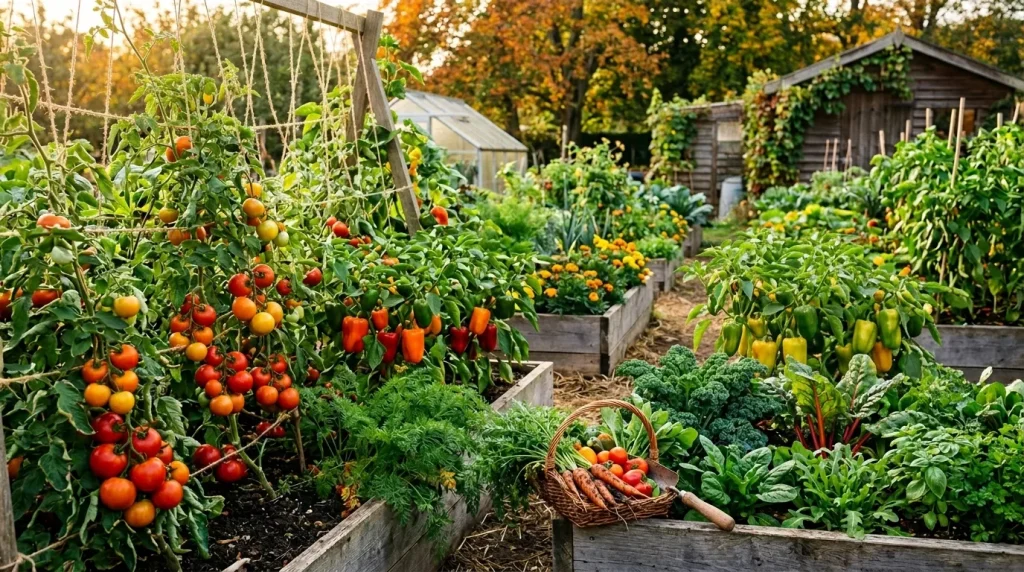
L-shaped raised beds make excellent use of corner spaces — against a fence line, in the corner of a patio, or along two walls of a house. They also create a natural division between areas in larger yards, functioning as both garden and soft border.
Building an L-shape is just two rectangular beds joined at a corner. The inside corner becomes an easy-access central point from three sides.
Tiered Raised Beds
Tiered or staircase beds are one of the most striking raised bed designs. They work beautifully on a gentle slope, turning what would otherwise be an awkward landscaping problem into a feature. Each tier creates a different microclimate — taller tiers stay drier, lower ones retain more moisture.
They’re also fantastic for small patios where vertical interest makes the space feel more intentional and designed.
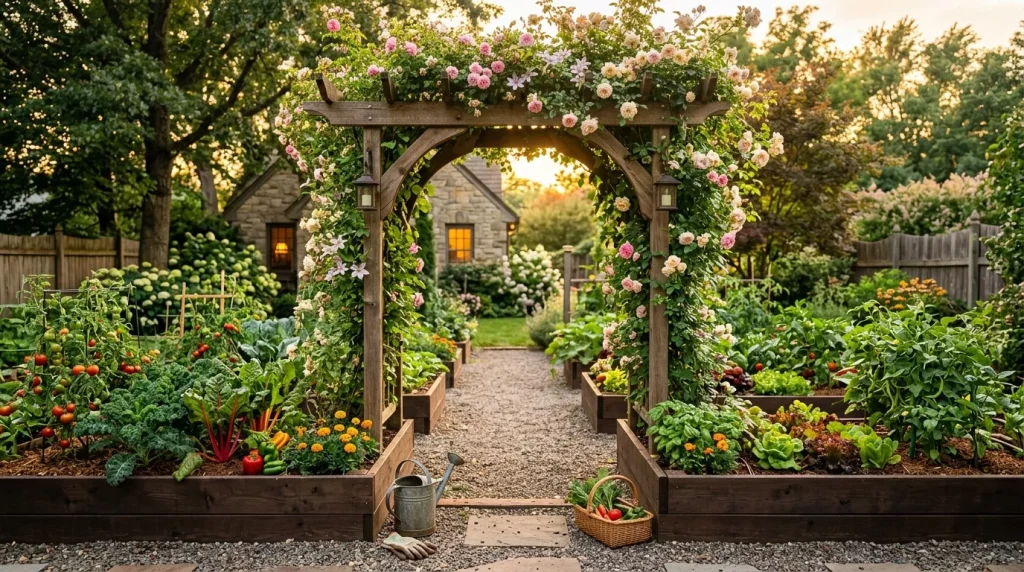
Keyhole Beds
Borrowed from permaculture design, keyhole beds are circular with a narrow path cut into the center, giving you access to every part of the bed without stretching. They’re especially effective in large garden spaces where maximizing productivity per square foot matters.
A central composting basket in a keyhole bed means you’re feeding the garden continuously as you add kitchen scraps — it’s an elegant closed-loop system.
Raised Bed with Integrated Seating
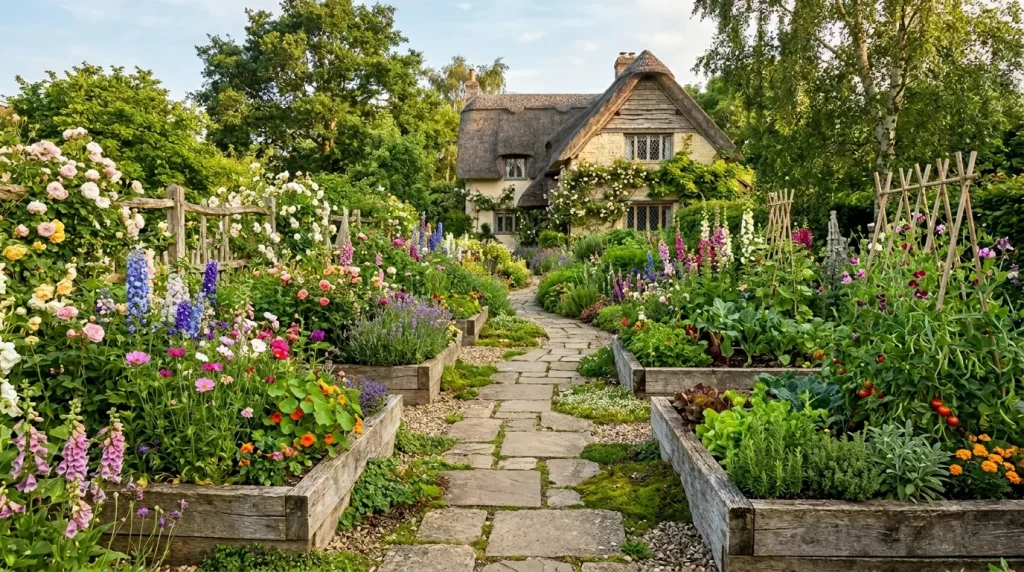
Adding a wide wooden cap rail (at least 6 inches wide) around the top edge of your raised bed creates a built-in bench. This is one of those small upgrades that dramatically improves how the garden feels to use. You sit down while weeding, you set tools and harvested produce on it, and it makes the bed feel like a finished piece of landscaping rather than a utility box.
Comparison: Popular Raised Bed Materials at a Glance
| Material | Lifespan | Cost | Best For | Maintenance |
|---|---|---|---|---|
| Cedar Wood | 15–20 years | Medium | Classic look, food gardens | Low |
| Galvanized Metal | 20–30 years | Medium-High | Modern look, longevity | Very Low |
| Pine / Spruce | 3–7 years | Low | Budget builds, first-timers | Low |
| Concrete Block | Permanent | Low-Medium | Permanent installs, heat retention | None |
| Composite / Plastic | 10–15 years | Medium | Easy builds, no rot | Very Low |
| Reclaimed Wood | Varies | Very Low | Rustic style, budget | Medium |
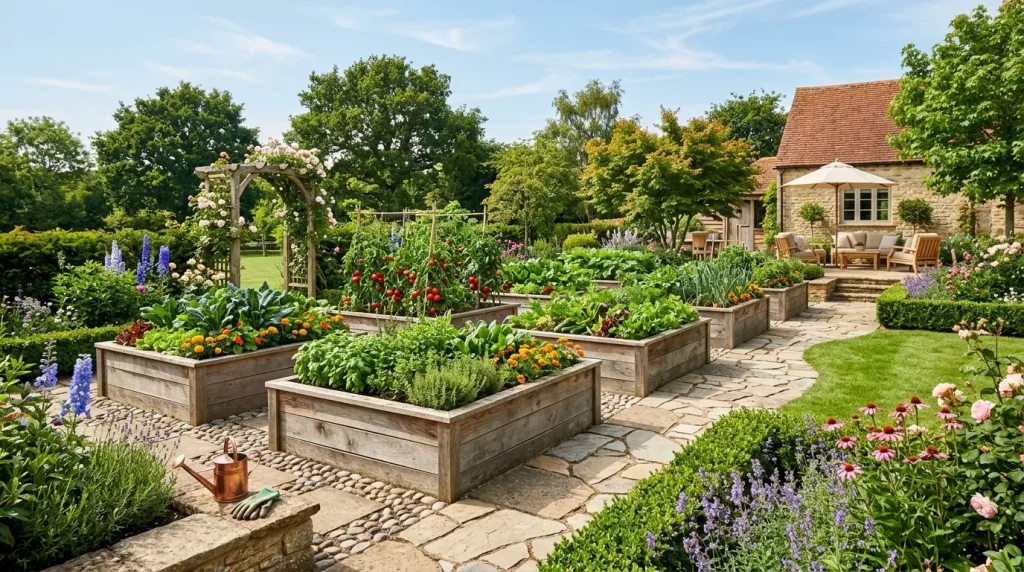
H2: What to Grow in Raised Garden Beds
The real joy of raised bed gardening is how productive a small space can be when the soil is right and the planning is thoughtful.
Vegetables That Thrive in Raised Beds
Almost every vegetable does better in raised beds than in compacted garden soil, but some are particularly well-suited:
- Tomatoes — deep roots benefit from loose, rich soil; easier to stake and support
- Carrots and parsnips — need deep, stone-free soil; raised beds give them exactly that
- Lettuce and salad greens — can be succession planted every 2–3 weeks for continuous harvest
- Peppers and aubergines — love the warmth that raised beds provide
- Cucumbers and courgettes — sprawlers that benefit from being off the ground
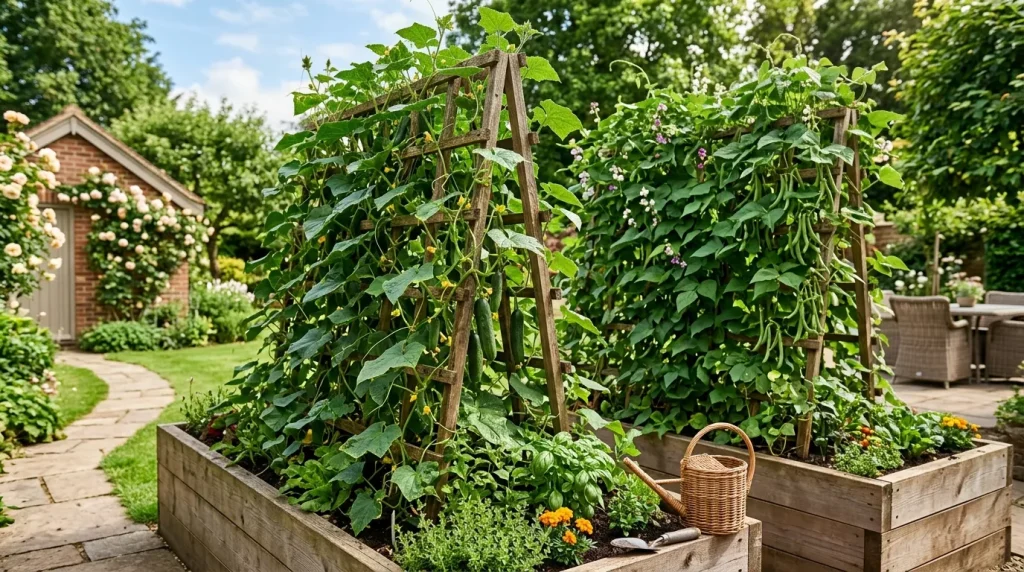
- Beans and peas — grow vertically with a simple trellis; perfect for bed edges
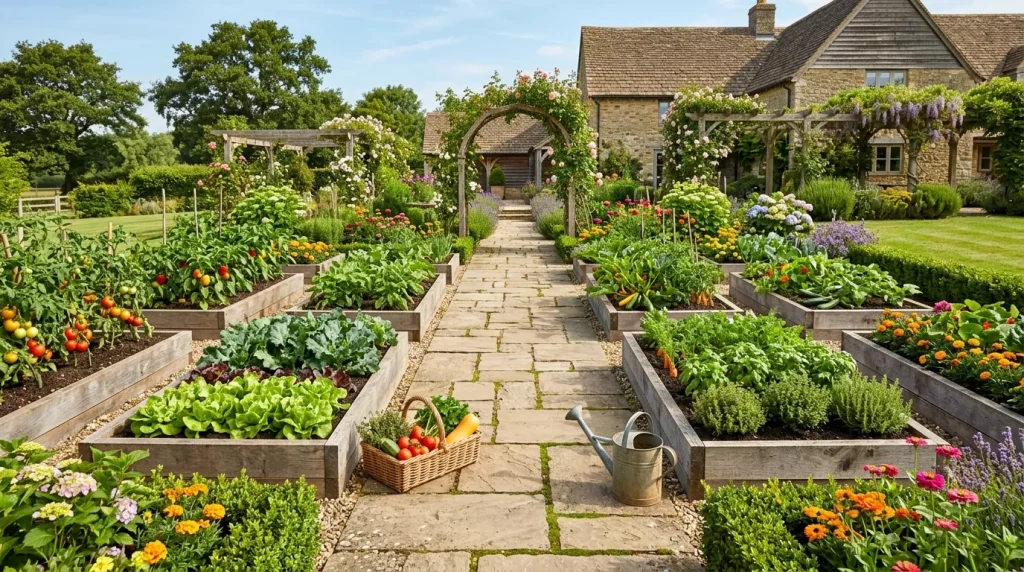
Companion Planting in Raised Beds
One of the great advantages of raised bed gardening is how naturally it lends itself to companion planting — growing mutually beneficial plants together.
The classic Three Sisters combination (corn, beans, squash) uses every vertical and horizontal layer of the bed. Basil planted near tomatoes improves flavor and deters aphids. Marigolds around the bed perimeter discourage nematodes and whitefly. Nasturtiums attract aphids away from your vegetables like living traps.
Herbs in Raised Beds
A dedicated herb raised bed near the kitchen door is one of the most practical things you can build. Even a 2×4 foot bed can hold rosemary, thyme, sage, parsley, chives, basil, and mint (mint in its own pot — it takes over everything it touches).
Step-by-Step Guide: How to Build a Basic Raised Garden Bed
You don’t need to be a carpenter. This is genuinely a beginner-friendly build.
Step 1: Choose Your Location Pick a spot that gets at least 6–8 hours of direct sunlight daily. Most vegetables need full sun to produce well. Avoid low spots where water pools after rain.
Step 2: Decide on Your Size Standard dimensions are 4 feet wide (so you can reach the center from either side) and anywhere from 4 to 12 feet long. For depth, 10–12 inches is sufficient for most vegetables; 18 inches is ideal for root vegetables and gives more planting flexibility.
Step 3: Source and Cut Your Timber Cedar 2×6 or 2×8 boards are ideal. For a 4×8 foot bed, you need two 8-foot boards and two 4-foot boards. Cut them at a lumber yard if you don’t have a saw at home — most will cut to size for a small fee.
Step 4: Assemble the Frame Connect corners with 4×4 wooden corner posts (about 12 inches long) and deck screws. Pre-drill to avoid splitting the wood. The corner posts give the structure rigidity and something solid to screw into.
Step 5: Position and Level Set the frame on your chosen spot. Use a spirit level to check it’s reasonably flat. On uneven ground, dig out the high spots rather than raising the low ones — you want the bed firmly seated.
Step 6: Add a Weed Barrier (Optional) Line the bottom with cardboard (not glossy) or several layers of newspaper. This suppresses weeds from below without stopping drainage. It’ll decompose over a season and add organic matter to the soil.
Step 7: Fill With the Right Soil Mix The standard raised bed mix is: 60% topsoil, 30% compost, 10% coarse sand or perlite. For beds taller than 12 inches, use the Hugelkultur method — fill the bottom third with logs and woody debris, then top with compost and soil. The wood breaks down slowly, retaining moisture and feeding the bed for years.
Step 8: Mulch the Surface Once planted, mulch around your plants with straw, wood chips, or shredded leaves. This retains moisture, suppresses weeds, and regulates soil temperature. Aim for 2–3 inches deep, keeping mulch away from plant stems.
Pros and Cons of Raised Garden Beds
Pros
- Better soil quality — you choose and build it from scratch
- Improved drainage — no waterlogging, no compaction
- Earlier spring planting — soil warms faster than ground level
- Fewer weeds — especially in the first few seasons
- Pest management — easier to install barriers, slug tape, netting
- Accessibility — taller beds suit gardeners with mobility challenges
- Higher yields — intensive planting possible in nutrient-rich soil
- Cleaner harvest — less soil splash, less disease spread
Cons
- Upfront cost — materials, soil, and compost add up initially
- Watering more frequently — raised beds dry out faster than ground soil
- Annual soil amendment needed — soil level drops as organic matter breaks down
- Initial labor — building and filling takes time and physical effort
- Freezing risk — in very cold climates, roots can be more exposed to frost
Tips for Getting the Most From Your Raised Beds
Small adjustments that make a real difference:
- Install drip irrigation under your mulch before planting. It saves water, prevents fungal disease (because leaves stay dry), and removes daily watering from your to-do list.
- Never walk in your beds. This sounds obvious but it’s easy to forget. Put in stepping stones or permanent path access before you plant densely.
- Keep a garden journal. Note what you planted where, when, and how it performed. Crop rotation is important in raised beds — tomato family, brassica family, and alliums should all rotate to different beds each season.
- Top up with compost every autumn. Spread 2–3 inches of homemade or bagged compost across the surface and let the worms work it in over winter. By spring, your soil level is restored.
- Use vertical space. A simple trellis, obelisk, or tension wire system doubles your growing space in a bed. Cucumbers, beans, climbing tomatoes, and even small squashes can all be trained upward.
Common Mistakes to Avoid
Building too narrow. Beds narrower than 3 feet feel cramped and make it awkward to plant and tend in the center. Stick to 4 feet as a minimum width.
Skimping on soil depth. Eight inches simply isn’t enough for most vegetables. Go to at least 10–12 inches, and ideally 18 inches if you can manage it. Deep soil means deeper roots, more drought tolerance, and better yields.
Using the wrong wood. Treated lumber used to contain arsenic compounds — that’s no longer legal in most countries, but some older treated wood still exists. Always check what treatment was used. When in doubt, use cedar, redwood, or larch.
Overfilling with compost. Pure compost is actually too rich for most vegetables — it holds too much moisture and can burn seedlings. Blend it with topsoil as described in the build guide above.
Ignoring paths. Beds without clear, permanent paths between them turn into muddy obstacle courses. Gravel, wood chip, or flagstone paths between beds make the whole garden more enjoyable to use.
Planting too early. Raised beds are tempting in late winter when everyone’s garden-excited. But planting before your last frost date just wastes seeds and seedlings. Use a cold frame or cloche if you want to push the season.
Frequently Asked Questions
Q1: How deep should a raised garden bed be?
For most vegetables, 10–12 inches is the workable minimum. Root vegetables like carrots, parsnips, and beets need at least 18 inches. If you’re building over compacted or contaminated soil, go as deep as your budget allows — 18–24 inches gives roots room to go even deeper into undisturbed ground below.
Q2: What’s the best soil mix for a raised garden bed?
The most widely recommended mix is the Mel’s Mix formula: one-third blended compost (from multiple sources), one-third peat moss or coconut coir, and one-third coarse vermiculite or perlite. For simpler, budget-friendly builds, a 60/30/10 blend of quality topsoil, compost, and grit works well for most vegetable gardens.
Q3: Do raised beds need to be on grass or can they go on concrete?
Both work. On grass or soil, the bed roots into the ground naturally and drainage is never a problem. On concrete or paving, you need to ensure your bed is deep enough (18+ inches minimum) to contain the root zone, and that there are drainage holes or gaps at the base — on solid surfaces, waterlogging is a real risk without proper drainage.
Q4: How often do raised beds need to be watered?
More often than in-ground gardens — especially in hot weather. A well-mulched raised bed in summer may need watering every 1–2 days. Install a simple drip irrigation system on a timer and this stops being a daily concern entirely. Always water at the base of plants, not over the foliage.
Q5: Can I use raised beds year-round?
Yes, with simple season extension tools. A timber frame fits a hoop tunnel easily — just bend flexible conduit pipe over the bed and drape row fleece or polythene over it. This extends your growing season by 4–6 weeks in both spring and autumn. Some cold-hardy crops (kale, chard, winter lettuce, spinach) can continue producing well into the coldest months under cover.
Q6: How do I stop slugs and snails from getting into raised beds?
The height alone helps — slugs are lazy travelers. Add copper tape around the outside edge of your timber frame (slugs dislike the mild electric charge it creates). Crushed eggshells or grit on the soil surface creates an uncomfortable surface for them. For serious infestations, wildlife-friendly slug pellets based on ferric phosphate are effective and safe around pets and birds.
Q7: Do I need to replace the soil in a raised bed every year?
No — but you do need to replenish it. Add 2–3 inches of compost to the surface each autumn. Practice crop rotation to avoid soil-borne disease buildup. Every 3–4 years, a deeper refresh — mixing in fresh compost through the top 6 inches — keeps the bed performing at its best.
Conclusion: Your Raised Garden Bed Journey Starts Here
The best thing about raised garden beds ideas is that there’s genuinely no wrong place to start. You can begin with a single 4×4 foot cedar box and a bag of compost, or you can plan out an entire kitchen garden with eight beds, paths, a compost station, and an irrigation system. Both are valid starting points.
What matters is starting. The learning happens in the doing — what the slugs find first, how fast the soil dries in July, which corner catches the most afternoon sun, what your family actually eats enough of to be worth growing.
Raised beds reward the effort you put in. The soil gets better every year. The yields get more predictable. And there’s a particular kind of satisfaction in walking out to your own garden beds and coming back in with dinner.
Ready to build your first raised bed? Pick your materials, measure your space, and start with just one. You’ll have a second planned before the first one’s even been planted.