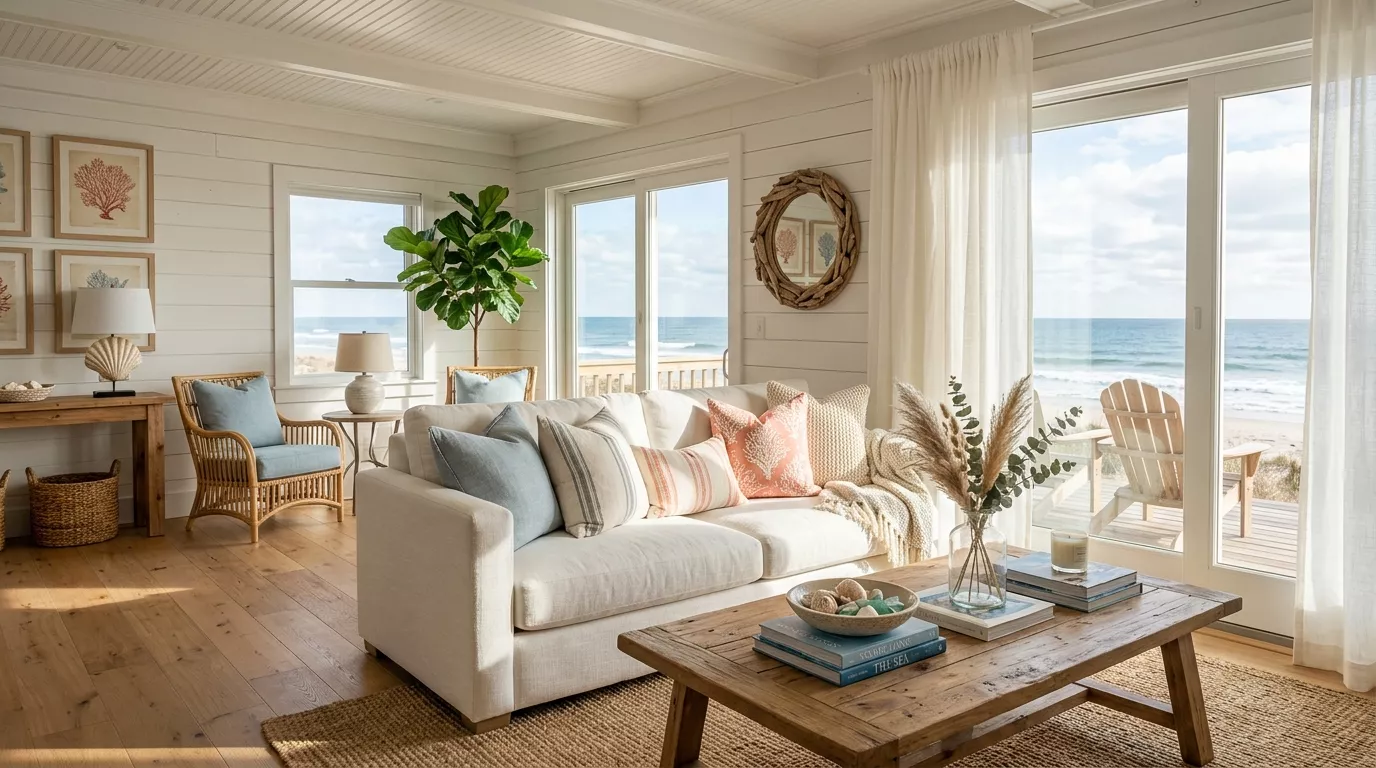
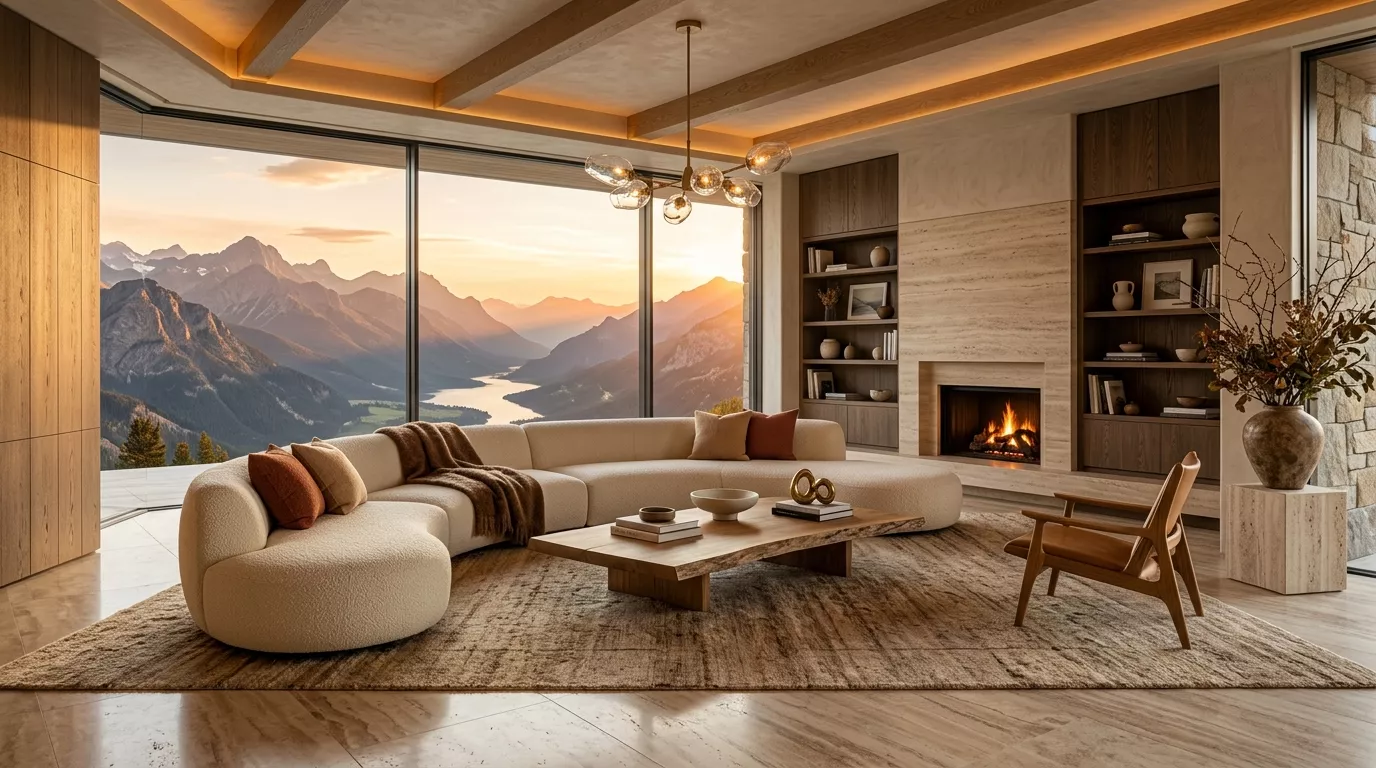
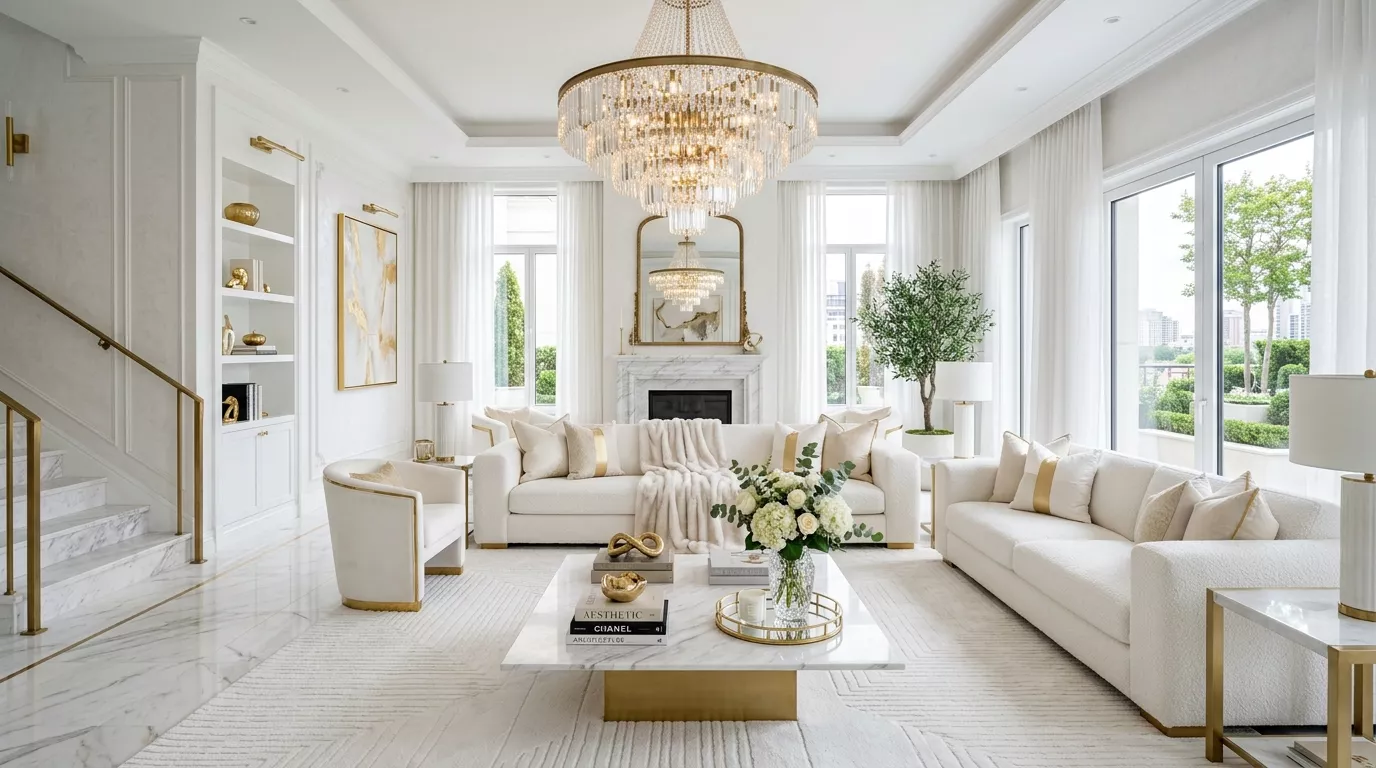
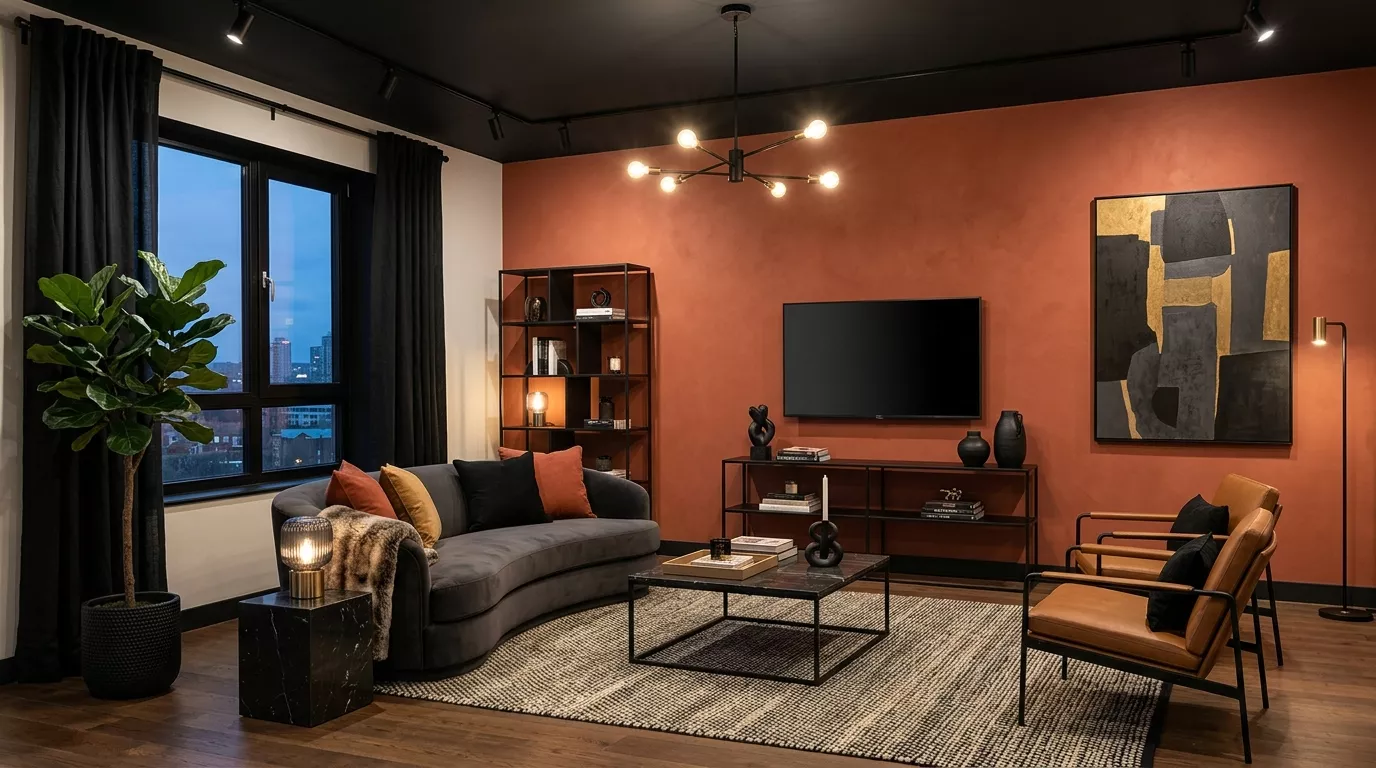
Sectional Sofa Styling Tips for Living Rooms

Sectional Sofa Styling Tips for Living Rooms That Actually Work

A sectional sofa is one of the biggest purchases most people make for their home. It’s also one of the easiest to get wrong.
Not because sectionals are difficult to love — quite the opposite. It’s because people fall for one in a showroom, bring it home, drop it against the nearest wall, and then wonder why the room never quite comes together.
The truth is, sectional sofa styling tips for living rooms aren’t just about the sofa itself. They’re about understanding how a large, statement piece interacts with your space, your layout, your lighting, and every other element in the room.
This guide covers everything — from placement and proportion to textiles, color, and the small styling details that pull it all together. Whether you’re buying your first sectional or rethinking one you’ve had for years, this is the guide you need.
Why Sectional Sofas Are Worth the Commitment

Before getting into the how, it’s worth understanding the why.
Sectional sofas get a bad reputation for being room-dominating or hard to style. And yes — in the wrong space or with the wrong approach, they can feel overwhelming. But when they work, they really work.
A well-placed sectional sofa creates an instant gathering space. It anchors the room, provides generous seating without cluttering the floor with multiple individual pieces, and gives the living room a sense of scale and intentionality that a single sofa often can’t match.
They’re also incredibly practical. Families use them for movie nights piled together. Couples use the chaise end as a reading nook. Hosts love having enough seating for a full room without pulling in chairs from the dining table.
The key is treating the sectional as the foundation of your design — not an afterthought.
Understanding Sectional Sofa Configurations Before You Style

You can’t style a sectional well until you understand which type you’re working with. Each configuration has its own spatial logic and its own styling approach.
L-shaped sectional: The most common type. One longer section and one shorter section forming an L. Works well in square and rectangular rooms. Points naturally toward a focal point (TV wall, fireplace).
U-shaped sectional: Three sides of seating forming a U. Ideal for large living rooms or family spaces. Creates an enveloping, communal atmosphere. Needs significant square footage to breathe properly.
Chaise sectional: A traditional sofa with an extended chaise on one end. The most compact of the sectional family. Works in smaller rooms where a full L-shape would overwhelm.
Modular sectional: Made of individual units that can be rearranged. The most flexible option — perfect for renters or people who like to refresh their layout periodically.
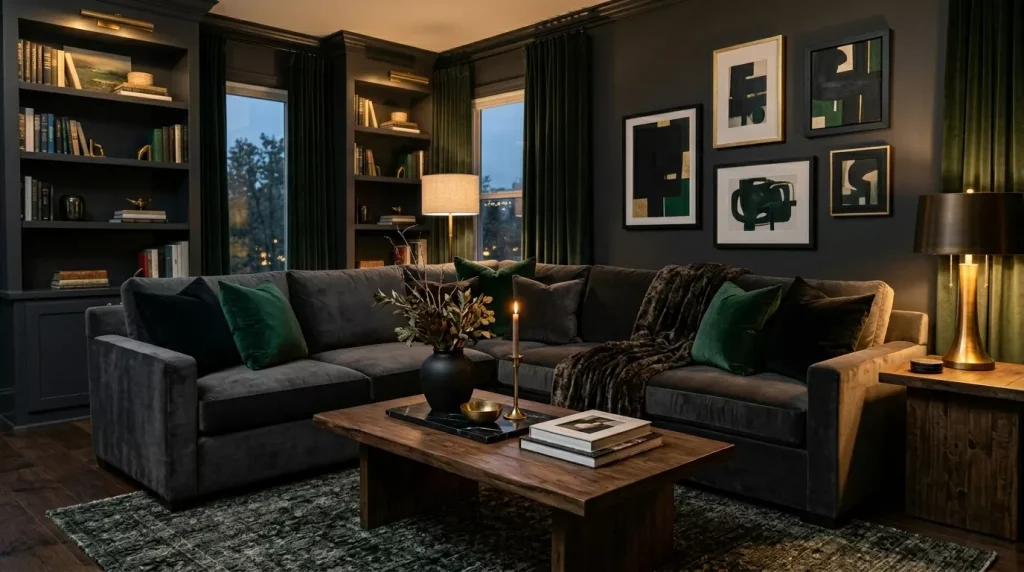
Knowing which one you have (or are buying) shapes every subsequent decision about placement, rugs, coffee tables, and accent pieces.
Sectional Sofa Styling Tips for Living Rooms: Getting the Layout Right
The Corner Configuration (Most Popular)
This is the classic approach — positioning the sectional in a corner so both arms of the L (or U) meet the walls.
It’s popular for a reason: it maximizes floor space in the center of the room, creates a natural “room within a room” feeling, and makes the sofa feel secure and intentional.
What works with a corner placement:
- A large square or round coffee table centered in front of the seating
- A symmetrical gallery wall or large artwork centered above the longer section
- One or two accent chairs tucked opposite to complete the conversational circle
- A generous area rug that extends underneath all (or most) of the sectional’s legs

One thing people often skip with corner placements: make sure at least the front two legs of the sectional rest on the rug. A rug that floats separately from the sofa looks disconnected and makes the room feel unintentionally divided.
The Floating Island Approach
This is where people get nervous — pulling the sectional away from the walls and letting it float in the middle of the room.
But here’s the thing: floating furniture is often what transforms a living room from feeling like a waiting area to feeling like a genuinely designed space.
When you float a sectional, you create a defined seating zone that has breathing room on all sides. This works especially well in open-plan spaces where you need to carve out a clear living area from a kitchen or dining zone.

How to make floating work:
- Always anchor with a substantial rug — the rug defines the zone and prevents the sectional from looking adrift
- Place a console table or low narrow shelf behind the sofa’s back — this fills the visual gap and adds a surface for lamps or decorative items
- Keep the area on the opposite side of the sofa clear and purposeful — a reading chair, a floor lamp, a small side table
The biggest mistake people make when floating a sectional is not having a large enough rug. In a floating arrangement, the rug is doing critical structural work. Size up.
The Open-Room Divider Layout
In studio apartments or open-plan homes, a sectional sofa can be used strategically to divide the space — with the back of the sofa facing the kitchen or entryway, and the seating side facing the living area.

This is a genuinely clever approach that creates visual separation without walls or screens.
For this to look intentional rather than accidental, the back of your sofa needs to be as styled as the front. A console table running along the sofa’s back edge, topped with books, a plant, and a lamp, turns the sofa’s reverse into a feature rather than a void.
Choosing the Right Sectional Size for Your Space
This might be the single most important decision in sectional sofa styling — and the one most frequently rushed.
A sectional that’s too large for the room eats the floor plan and kills traffic flow. One that’s too small looks proportionally off and defeats the purpose of having a sectional at all.

General sizing guidelines:
| Room Size | Recommended Sectional Size |
|---|---|
| Under 180 sq ft | Chaise sofa or compact L (max 100″ on long side) |
| 180–250 sq ft | Standard L-shape (110–120″ on long side) |
| 250–350 sq ft | Full L-shape or modular (120–140″ on long side) |
| 350+ sq ft | U-shape or large L (140″+ on long side) |
Practical rules to follow:

- Always leave at least 36 inches of walkway around the sectional — especially in main traffic paths
- Leave 18–24 inches between the sectional and the coffee table for comfortable legroom
- Leave a minimum of 12 inches between the sofa and any side walls (more is always better)
- Measure your doorways before ordering — sectionals that don’t fit through the door are a genuine and surprisingly common disaster
Sectional Sofa Styling Tips: Textiles, Cushions, and Throws
This is where the personality of your sectional really comes through — and where most people either overdo it or barely try.
Cushion approach that works: Start with a set of matching cushions (usually included with the sofa) and then layer in odd-numbered additions. An arrangement of 5 or 7 cushions tends to look more natural and editorial than an even-numbered, symmetrically matched set.
Mix sizes: large square cushions at the back, medium rectangular cushions in front, one or two smaller accent cushions as a final layer.

Mix textures before mixing patterns: a velvet cushion next to a linen one next to a chunky knit creates visual depth without visual chaos. Once you’ve nailed the texture mix, you can introduce a subtle pattern in one or two cushions.
Throw placement: A throw blanket draped casually over one arm or the corner of the chaise adds warmth and makes the sofa look lived-in (in the best possible way). Choose a throw in a contrasting texture to the sofa fabric — a chunky waffle-knit over a smooth linen sectional, or a velvet throw over a more casual cotton blend.
For sectional color and fabric, choose based on your lifestyle:

| Fabric Type | Best For | Maintenance Level |
|---|---|---|
| Performance fabric / microfiber | Families, pets, heavy use | Low — easy to clean |
| Linen blend | Aesthetic-forward, lower traffic | Medium — stains show |
| Velvet | Luxe, statement, adult spaces | Medium — brushing needed |
| Leather / faux leather | Modern, minimal, durable | Low — wipe clean |
| Bouclé | Trending, textural, cozy | High — snags easily |
Step-by-Step Guide to Styling a Sectional Sofa in Your Living Room

Follow this process in order and you’ll avoid the most common sectional styling disasters:
Step 1: Measure obsessively Before anything else, tape out the footprint of your sectional on the floor with painter’s tape. Live with it for a day. Walk around it. Make sure traffic flow feels natural. Adjust until it’s right.
Step 2: Decide your configuration Corner placement, floating island, or room divider. Choose based on your room shape, size, and how the space will be used daily.
Step 3: Anchor with a rug Choose a rug large enough to sit under at least the front legs of the sectional on both sides. In most rooms, this means going larger than feels comfortable. Err on the side of bigger — a rug that’s too large looks more intentional than one that’s too small.
Step 4: Position your coffee table Choose a table proportionate to the sectional. Long L-shapes often benefit from an L-shaped coffee table combination (one long rectangular table plus a smaller round side table). Keep it 18–24 inches from the sofa edge.

Step 5: Add an accent chair (optional but recommended) In most rooms, a sectional alone creates a conversational “dead end.” A single accent chair or pouf opposite the sectional completes the conversation circle, balances the room visually, and offers flexible seating.
Step 6: Layer in cushions and throws Follow the odd-number rule. Mix textures before patterns. Add a throw on one end for warmth and visual softness.
Step 7: Sort your lighting Sectionals eat a lot of visual space. Balance this with good ambient and accent lighting. A floor lamp at the end of the sofa, table lamps on side tables, and overhead lighting all help the sectional feel like part of the room rather than the entire room.
Step 8: Style the surrounding surfaces Side tables, console tables, and the coffee table all need attention. Keep these surfaces edited: a small tray, a book or two, a candle, a plant. Purposeful and restrained, not cluttered.
Comparison: L-Shaped vs. U-Shaped Sectional Sofas

| Feature | L-Shaped Sectional | U-Shaped Sectional |
|---|---|---|
| Space Required | Medium (from 250 sq ft) | Large (350+ sq ft) |
| Seating Capacity | 4–6 people | 6–10 people |
| Traffic Flow | Easier to navigate around | Can restrict movement |
| Best Room Shape | Rectangular or square | Large square or open-plan |
| Styling Flexibility | High | Moderate |
| Visual Impact | Strong | Very strong |
| Family/Kids Use | Good | Excellent |
| Studio/Small Space Use | Possible (compact versions) | Not recommended |
For most people in standard living rooms, the L-shape is the more practical and versatile choice. The U-shape rewards you with incredible communal seating but demands space in return.

Pros and Cons of Sectional Sofas in Living Rooms
Pros
- Maximum seating in one piece — No need for multiple chairs or a sofa plus loveseat combination
- Defines the living space — Acts as a natural anchor and room divider in open-plan homes
- Incredibly comfortable — The extended chaise or multiple seating segments offer genuine lounging space
- Strong visual anchor — Gives the living room an immediate sense of design intent
- Great for families — More room to spread out, nap, or pile together for movie nights
- Reduces furniture clutter — One sectional replaces what might otherwise be three or four separate seating pieces
Cons
- Harder to move or reconfigure — Once you’ve placed it, major changes require real effort
- Can overwhelm smaller rooms — Wrong sizing turns a sectional into a room-dominator
- Difficult to transport — Moving a sectional to a new home (or even between rooms) is genuinely challenging
- Higher cost — Quality sectionals represent a significant investment upfront
- Can feel static — Unlike individual chairs, you can’t easily shuffle a sectional around for different occasions
- Traffic flow risks — Poorly placed sectionals create awkward dead-end pathways in the room
Common Mistakes When Styling a Sectional Sofa
1. Buying before measuring This is the number one sectional disaster. The sofa arrives, and suddenly it takes up three-quarters of the room. Always tape out the floor plan first.
2. Using a rug that’s too small A rug that only sits under the coffee table and in front of the sofa floats disconnected from everything. The rug should unite the sectional with the broader seating arrangement. Go large.
3. Pushing it completely against the wall Sectionals don’t need wall support — they’re sturdy pieces. Pulling a sectional even a foot off the wall creates a noticeably more polished look and allows for a console table placement behind the sofa.
4. Overloading it with cushions More isn’t always better. A sofa buried under 15 throw cushions looks messy, not styled. Aim for 5–7 maximum, with a clear range of sizes and textures.
5. Ignoring the chaise end The chaise is one of the best features of a sectional — and one of the most neglected. It works as a reading space, a lounge spot, or an extra sleeping surface for overnight guests. Don’t treat it as dead space.
6. Forgetting the room needs to breathe Sectionals are large. Every other element in the room should be chosen with that in mind. Oversized coffee tables, multiple accent chairs, and large bookcases all compete with the sectional. Scale everything else down slightly to let the sofa breathe.
Tips for Elevating Your Sectional Sofa Styling
- Go asymmetrical with cushions — Cluster more cushions on one side (usually the shorter end of the L) and fewer on the other. It looks more natural and less like a showroom display
- Add a side table at the chaise end — This often gets ignored, but a small side table or floor lamp at the end of the chaise is both practical and visually grounding
- Use your sectional’s back as a shelf opportunity — In floating configurations, a console table behind the sofa becomes a strong design feature rather than wasted space
- Match your rug shape to your sectional shape — An L-shaped sectional in a corner often benefits from a large square rug. A floating U-shape tends to want a generous round or oval rug
- Don’t match your cushions to your sofa exactly — A slight contrast in tone or texture is what makes styling look intentional. Exactly matching cushions look like they came in the box (because they did)
- Introduce a plant at floor level — A large floor plant at the open end of the L-shape adds height, softens the geometry, and adds life to what can otherwise feel like a wall of upholstery
FAQs About Sectional Sofa Styling for Living Rooms
Q1: How do I know what size sectional to buy for my living room?
Start by measuring your room and taping out the sectional’s footprint on the floor before purchasing. A general rule: leave at least 36 inches of walkway around the sofa and 18–24 inches between the sofa and coffee table. In rooms under 200 square feet, stick to a compact chaise sectional or a short L-shape. In rooms 250 square feet and above, a standard L-shape works well.
Q2: Should a sectional sofa be against the wall or floating?
It depends on your room layout and personal preference. Floating the sectional (pulling it away from the wall) tends to create a more polished, designed look and is especially effective in open-plan spaces. Corner placement against two walls works well in smaller rooms where floor space is at a premium. In either case, anchor with a large rug and ensure traffic flow is maintained.
Q3: What size rug should I use with a sectional sofa?
The rug needs to be large enough to sit underneath at least the front legs of every part of the sectional. In most L-shaped configurations, this means a minimum of 8×10 feet — and in many cases, 9×12 feet or larger is more appropriate. The most common mistake is choosing a rug that’s too small and looks like it’s floating in front of the sofa rather than anchoring it.
Q4: How many cushions should a sectional sofa have?
A good starting number for a standard L-shape is 5–7 cushions, arranged in a mix of sizes (large, medium, and one or two smaller accent cushions). Avoid even-numbered, perfectly matched sets — they tend to look stiff and showroom-like. Mix textures and introduce a pattern in one or two cushions for a more layered, lived-in look.
Q5: What type of coffee table works best with a sectional sofa?
For L-shaped sectionals, a long rectangular coffee table paired with a small round side table works well. For U-shaped sectionals, a large round or oval coffee table positioned in the center of the U creates a natural focal point. In terms of height, the table surface should be roughly the same height as — or slightly lower than — the seat cushions of the sofa.
Q6: Can a sectional sofa work in a small living room?
Yes, but you need to be selective. A chaise sectional (sofa plus extended chaise on one end) is the most compact option and can work in rooms as small as 150–180 square feet if chosen carefully. Avoid deep, overscaled sectionals in small spaces. Look for apartment-sized versions that are typically shorter in depth (under 36 inches) and lighter in overall footprint. A lighter fabric color and exposed legs will also help the piece feel less visually heavy.
Q7: How do I keep a sectional sofa looking tidy and styled?
Daily maintenance matters more with a sectional than with a smaller sofa, simply because it covers more visual real estate. Fluff cushions regularly and return them to their arrangement after use. Keep the coffee table surface edited and tidy. Refold or re-drape the throw each morning. Style maintenance in a sectional-dominated room is a habit, not a one-time project.
Conclusion: Your Sectional Sofa Deserves a Proper Stage
A sectional sofa isn’t just furniture — it’s the architectural center of your living room.
When it’s styled well, it transforms the room into somewhere people actually want to gather, relax, and stay a little longer. When it’s just dropped into place without thought, it becomes an expensive obstacle course.
The sectional sofa styling tips for living rooms in this guide work because they treat the sofa the way it deserves to be treated — as the foundation of the space, not an afterthought. The right layout, the right rug, the right cushion arrangement, the right lighting: every one of these decisions compounds.
You don’t have to do it all at once. Start with placement. Then the rug. Then the cushions. Build the room around the sofa in layers, and you’ll end up with a living room that genuinely reflects how you want to live.
Start today — move that sectional a foot off the wall, size up your rug, and watch what changes.