Flower Garden Design Ideas & Inspiration Guide

Flower Garden Design Ideas: Inspiration, Layouts & Expert Tips

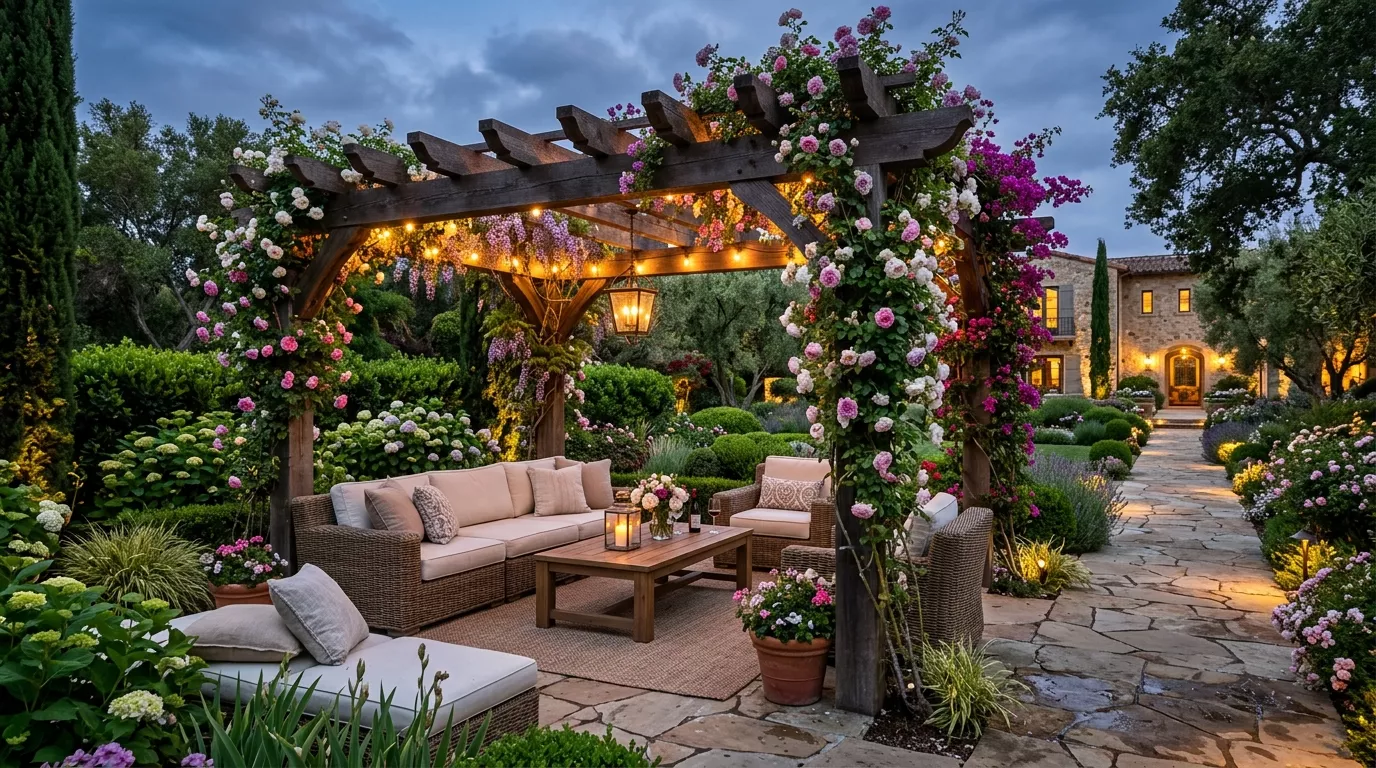
There’s something almost instinctive about wanting a garden full of flowers. Whether you’ve got a sprawling backyard, a narrow side yard, or nothing more than a sunny balcony, flower garden design is one of those projects that rewards you far beyond the effort you put in. Done well, it gives you color through every season, a habitat for bees and butterflies, and an outdoor space that genuinely lifts your mood every time you walk past it.
But here’s the honest truth: most people start a flower garden by buying whatever looks pretty at the nursery that day, planting it wherever there’s space, and then wondering why the result looks scattered and underwhelming six months later.
Good flower garden design is the difference between a garden that photographs well in May and fades out by July — and one that builds in beauty through the seasons, year after year. This guide gives you everything you need to get it right from the start.
Why Flower Garden Design Matters More Than You Think
A flower garden without a design plan is like decorating a room without thinking about furniture scale or color — the individual pieces might be beautiful, but they don’t work together as a whole.

Design brings intentionality. It answers questions like: Which plants will bloom when the others have finished? How tall will everything get at maturity? Which colors sit next to each other in the bed? Is there a focal point that draws the eye, or does everything compete equally for attention?
These aren’t complicated questions, but if you don’t ask them before you plant, you end up asking them after — while standing in a garden that looks busy and confused rather than lush and intentional.
The good news is that basic flower garden design principles aren’t difficult to learn. And once you understand them, every gardening decision you make becomes faster and more confident.
Start Here: Understanding Your Space Before You Plant
This is the step that most enthusiastic gardeners skip straight past — and it’s the one that matters most.
Before you choose a single plant, spend some time actually observing the space where your flower garden will live.
Ask yourself:

- How many hours of direct sunlight does this area get per day? (Full sun = 6+ hours, partial shade = 3–6 hours, full shade = under 3 hours)
- What is the soil like — sandy and fast-draining, clay and heavy, or rich and loamy?
- Is the area exposed to wind, or is it sheltered?
- What drainage is like after rain — does water pool, or does it drain within an hour?
- Are there existing trees or shrubs whose roots will compete underground?
These factors determine what will actually thrive in your space — not what you wish would thrive there. A flower garden designed around the real conditions of your garden will always outperform one designed around wishful thinking.
Popular Flower Garden Design Styles
Cottage Garden Style

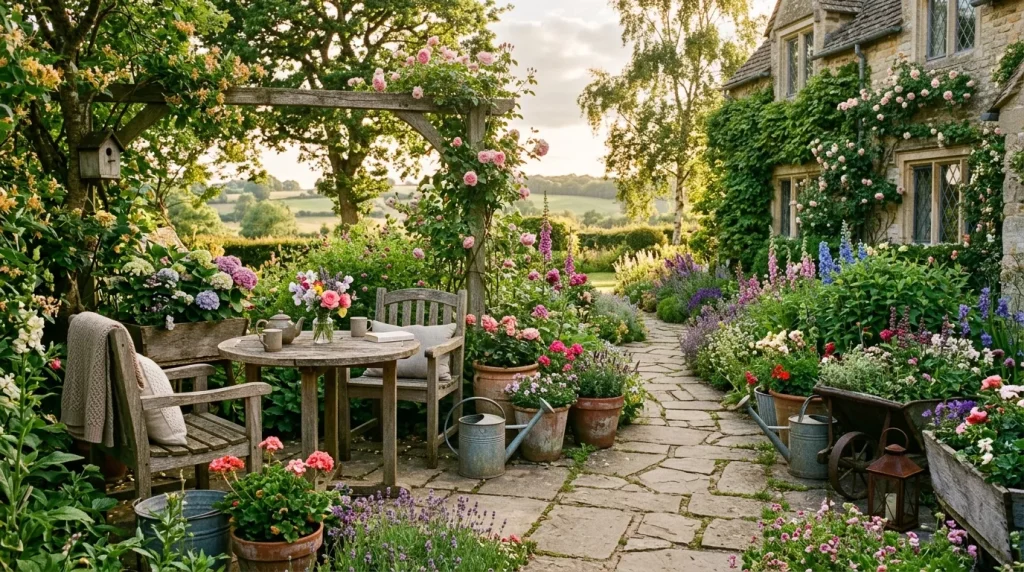
The cottage garden is probably the most beloved garden style in the world — loose, romantic, and deliberately abundant. Plants spill over edges, self-seed between pavers, and layer in height from ground-hugging geraniums and lavender up through foxgloves, roses, and hollyhocks.
The key to making a cottage garden look intentional (rather than just messy) is repetition. Repeating two or three key plants — say, lavender, salvia, and white cosmos — throughout the bed ties everything together even when other plants vary.
Best for: Front garden borders, informal spaces, gardeners who enjoy a relaxed, natural aesthetic.
Formal and Geometric Garden Design
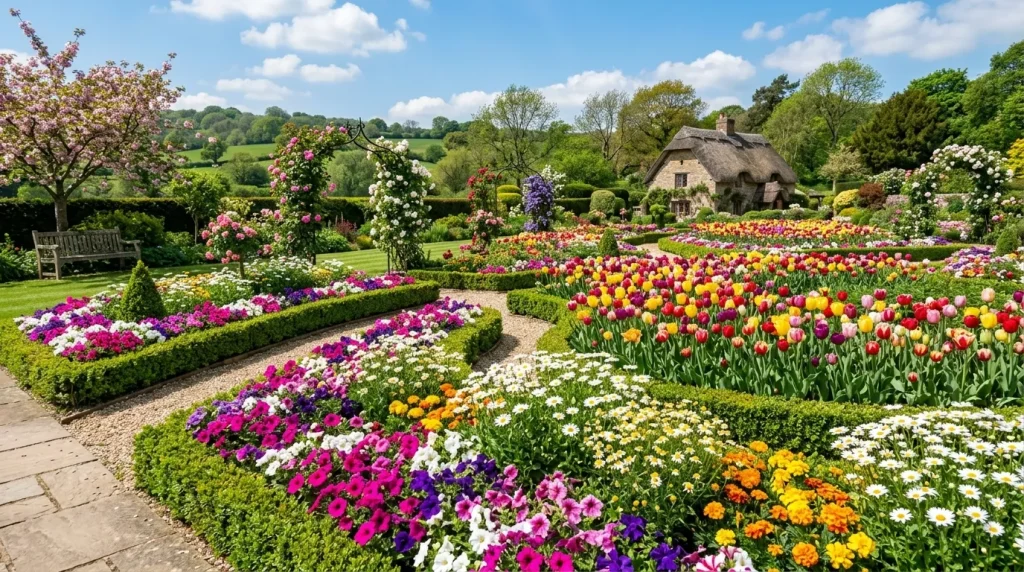
Formal gardens use structured shapes — symmetrical beds, clipped hedges, repeated planting patterns, and clear pathways. They feel organized, elegant, and deliberately designed. Think classic French or English estate gardens, scaled down.

In a formal flower garden, structure comes first. Box hedging, low stone edging, or clipped lavender outlines define the beds, and plants inside those outlines are typically arranged in blocks of color rather than mixed informally.
Best for: Traditional homes, front gardens visible from the street, gardeners who enjoy precision and order.
Wildflower Meadow Garden
Wildflower and pollinator gardens have exploded in popularity over the last decade, and for genuinely good reasons. They support bees, butterflies, and beneficial insects. They’re largely self-sustaining once established. And in late summer when traditional gardens are starting to fade, wildflower plantings hit their peak.
The design principle here is deliberate looseness — but that doesn’t mean chaotic. You still choose specific species for their bloom time, height, and color. You just allow them to naturalize and spread rather than controlling their exact position.
Best for: Large open spaces, wildlife-friendly gardens, low-maintenance gardening goals.

Raised Bed Flower Garden
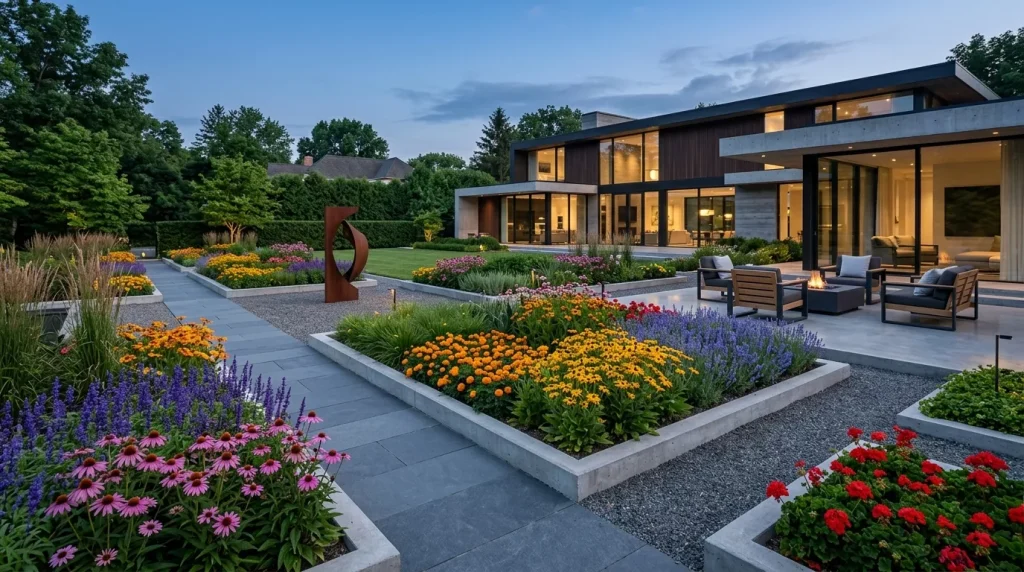
Raised beds give you complete control over soil quality, drainage, and weed management. For flower gardeners, they’re especially useful for growing cut flowers, managing specific pH requirements, or creating definition in a flat yard.
They also work beautifully as design elements in their own right — wooden, stone, or corten steel raised beds arranged in a pattern create structure before a single flower is planted.
Best for: Poor native soil, urban gardens, gardeners who want clean edges and easy maintenance.
Container and Small Space Flower Garden
No ground? No problem. Container flower gardening lets you create stunning seasonal displays on patios, balconies, doorsteps, and even rooftop spaces. The design rules are the same as ground-level gardening — consider height, bloom time, and color — but the scale is compressed.

A well-planted large container can be as visually impactful as a small flower bed, especially when you follow the “thriller, filler, spiller” formula: one tall dramatic plant, one mounding plant to fill the middle, and one trailing plant to spill over the edge.
Best for: Apartments, balconies, small patios, renters who can take their garden with them.
Flower Garden Design Color Palettes That Work
Color is where flower garden design becomes genuinely fun — but also where it’s easiest to go wrong. Here’s a quick guide to the most reliable palette strategies.
| Color Palette | Example Plants | Mood / Effect | Difficulty Level |
|---|---|---|---|
| Monochromatic | White roses, white salvia, white cosmos | Elegant, serene, sophisticated | Easy |
| Warm Tones | Sunflowers, rudbeckia, crocosmia, marigolds | Energetic, vibrant, joyful | Easy |
| Cool Tones | Lavender, salvia, agapanthus, delphiniums | Calming, dreamy, restful | Easy |
| Complementary | Purple salvia + yellow rudbeckia | Bold, high-impact contrast | Medium |
| Pastel Mix | Foxgloves, sweet peas, peonies, love-in-a-mist | Soft, romantic, cottage feel | Medium |
| Sunset Palette | Orange, red, coral, deep purple | Dramatic, rich, late-summer glow | Medium |
One rule that always applies: repeat your key colors at least three times across the bed. A single red plant surrounded by whites and purples looks like a mistake. Three red plants spaced through the bed look deliberate and designed.

Best Flowers for Your Garden Design by Season
One of the most common disappointments in flower gardening is a garden that looks wonderful in spring, then falls into a long quiet spell. The solution is designing for succession — choosing plants that bloom at different times so the garden is never without something beautiful.
| Season | Reliable Performers | Bloom Highlight |
|---|---|---|
| Early Spring | Tulips, alliums, forget-me-nots, primroses | Bulbs and early perennials |
| Late Spring | Peonies, irises, salvia, foxgloves | Peak cottage garden moment |
| Early Summer | Roses, lavender, geraniums, catmint | Fragrant abundance |
| Mid-Summer | Rudbeckia, echinacea, agapanthus, cosmos | Warm, bold color peak |
| Late Summer | Dahlias, sunflowers, zinnias, crocosmia | Rich, intense tones |
| Autumn | Asters, sedums, Japanese anemones, rudbeckia | Soft and structural |
Design your garden with at least one plant from each category and you’ll never have a dead season.
How to Plan a Flower Garden: Step-by-Step Guide
Follow this process and your planting decisions become significantly easier and more cohesive.
Step 1: Define the Shape and Boundaries Mark out your flower bed shape with a hosepipe or rope before committing to digging. Curved beds look more natural and dynamic than straight-edged ones in informal gardens. Straight-edged rectangular or square beds work better in formal or structured designs. Once you’re happy with the shape, define the edges with spade cuts, metal edging, or stone.
Step 2: Improve Your Soil This step is non-negotiable. Dig the bed to at least 30cm (12 inches) deep and incorporate generous amounts of well-rotted compost or garden manure. Good soil is the foundation of a healthy flower garden — no amount of good plant selection makes up for poor soil.
Step 3: Plan Your Height Layers Divide your plants into three rough height groups:

- Back of border / tallest: dahlias, hollyhocks, delphiniums, sunflowers, verbena bonariensis
- Mid-border: rudbeckia, salvia, echinacea, foxgloves, roses
- Front of border: lavender, geraniums, catmint, marigolds, lobularia
In island beds (visible from all sides), put tallest plants in the center and shorter ones radiating outward.
Step 4: Select Your Color Story Choose two or three anchor colors that will dominate, and one or two accent colors that will punctuate. Write them down before you go to the nursery — it keeps impulse buying on theme.
Step 5: Choose a Mix of Annuals and Perennials Perennials come back year after year and form the backbone of the garden. Annuals complete just one season but provide non-stop color all summer. A garden with mostly perennials and a generous fill of annuals gives you permanence plus abundance.
Step 6: Plant in Odd-Numbered Groups Groups of three, five, or seven plants of the same variety always look more naturalistic than pairs or even numbers. This is one of those design rules that sounds arbitrary but makes an immediate visual difference.

Step 7: Mulch and Edge After planting, apply a 5–7cm layer of mulch over the entire bed, keeping it clear of plant stems. Mulch retains moisture, suppresses weeds, and keeps the bed looking tidy between maintenance sessions. Then define your edges cleanly — a crisp edge between lawn and flower bed makes even an imperfect planting look intentional.
Flower Garden Design Pros and Cons
✅ Pros
- Continuous seasonal color when planted thoughtfully
- Supports biodiversity — flowers feed pollinators and beneficial insects
- Increases property value and curb appeal significantly
- Deeply rewarding — watching a design you planned come to life is genuinely satisfying
- Flexible and scalable — works in spaces of any size, from window boxes to acres
- Therapeutic — gardening is one of the most evidence-backed activities for reducing stress and improving mood
❌ Cons
- Requires ongoing maintenance — weeding, deadheading, watering, and dividing perennials are regular tasks
- Takes time to mature — a newly planted flower garden rarely looks its best in year one
- Seasonal gaps if succession planting isn’t planned carefully
- Initial costs — quality plants, soil amendment, edging, and tools add up
- Learning curve — understanding what grows where, and what works together, takes experience
Common Mistakes in Flower Garden Design
1. Planting Without Checking Sunlight A shade-lover in full sun, or a sun-hungry plant under a tree canopy — these mismatches are the most common cause of failure. Always check the label and match plants to conditions honestly.
2. Overcrowding at Planting Time Young plants look small and the gaps between them seem wasteful. Resist the urge to plant too close together. Most perennials spread significantly in their second and third years, and overcrowding causes poor air circulation and disease.

3. Ignoring Mature Plant Height A plant that’s 15cm tall at the nursery might reach 120cm at maturity. Always look up the mature size before placing something at the front of a border.
4. Going Too Many Colors at Once A flower garden with twelve different colors in twelve different plants looks chaotic rather than cheerful. Limit yourself to three or four colors and use them in repeating patterns through the bed.
5. Planting Only Summer Flowers This results in a spectacular June and a dead-looking garden from August onwards. Always include plants that cover early spring and autumn, not just the obvious summer peak.
6. Skipping the Mulch Unmulched flower beds dry out faster, get weedy faster, and look less finished. Mulching after planting is one of the highest-value, lowest-effort steps in garden maintenance.
7. Not Deadheading Many annual and some perennial flowers stop producing blooms once they set seed. Regular deadheading — removing spent flowers — keeps plants producing new blooms for weeks or months longer than they otherwise would.
Expert Tips for a More Beautiful Flower Garden
- Use structural plants as anchors — ornamental grasses, shrub roses, and evergreen herbs like rosemary or lavender give the garden form even when nothing is blooming
- Plant in drifts, not dots — a sweep of one plant across a section of the border always reads better than single specimens dotted around
- Include foliage plants — plants grown for their leaf texture and color (hostas, heucheras, artemisia) extend the season and fill gaps between blooms
- Create a focal point — a standard rose, a large ceramic pot, a birdbath, or an obelisk with a climber gives the eye somewhere to land and adds height
- Visit your garden at different times of day — the light quality in morning and evening will reveal aspects of your design that midday sun flattens out
- Keep a planting journal — note what performed well, what struggled, and what you’d change next year. After two or three seasons, this becomes an invaluable reference
Frequently Asked Questions
Q1: What is the best layout for a flower garden?
The most versatile layout is a curved border with plants arranged in height layers — tall at the back, medium in the middle, low at the front. This creates depth and ensures everything is visible. For a more formal space, rectangular beds with symmetrical planting work beautifully. For an island bed (visible from all sides), place tallest plants in the center with height decreasing toward the edges.
Q2: What are the best low-maintenance flowers for a garden?
For minimal maintenance, choose hardy perennials that don’t need frequent dividing or staking: rudbeckia, echinacea (coneflower), salvia, catmint (nepeta), geraniums (cranesbill), lavender, and sedum. These come back reliably each year, tolerate some drought once established, and require little more than a seasonal cut-back.
Q3: How do I design a flower garden for year-round color?
Plan for succession planting by including something from each season: spring bulbs (tulips, alliums), early summer perennials (irises, salvias, peonies), mid-summer annuals and perennials (cosmos, rudbeckia, dahlias), and autumn performers (asters, Japanese anemones, sedums). With this spread, there’s rarely a week without something interesting happening in the garden.
Q4: How much space do I need for a flower garden?
There’s no minimum. A single container on a balcony can be a flower garden. A 1m × 2m raised bed can hold 12–15 plants and look genuinely stunning. For a proper mixed border, 1.5m depth gives you enough room for three layers of height. Larger spaces allow for more drama and variety, but don’t let limited space stop you from starting.
Q5: When is the best time to plant a flower garden?
For most perennials and shrubs, spring and autumn are ideal planting seasons — mild temperatures and seasonal rain help roots establish before the heat of summer or cold of winter. Hardy annuals can be sown directly into soil in spring once frost risk passes. Tender annuals (cosmos, zinnias, dahlias) go in after the last frost date in your region.
Q6: How do I choose flowers that grow well together?
Consider three things: similar growing conditions (sun/shade, moisture), complementary bloom times so they don’t all peak and fade at once, and compatible heights so larger plants don’t smother smaller ones. Plants that share similar needs in the wild — lavender and salvia, for example, both being Mediterranean — almost always get along well in the garden too.
Q7: Can I design a flower garden on a budget?
Absolutely. Growing flowers from seed is dramatically cheaper than buying plants. Many perennials can be divided from existing clumps in friends’ or neighbors’ gardens — most gardeners are happy to share. Annuals grown from seed packets cost a fraction of what nursery plants do, and seed-grown cosmos, zinnias, and sunflowers are genuinely easy for beginners.
Conclusion: Design Your Flower Garden with Intention and Joy
A well-planned flower garden design isn’t about perfection or following rigid rules. It’s about understanding your space, working with what it offers, and making deliberate choices that build into something more beautiful with every passing season.
Start with the fundamentals: know your light conditions, improve your soil, plan for seasonal succession, and choose a color palette that feels cohesive rather than random. Layer your heights. Repeat your key plants. Edge your beds cleanly. Mulch after planting.
Do those things, and you’ll have a flower garden that looks better in its second year than most gardens manage in their fifth.
Whether you’re designing a sprawling cottage border or a single raised bed on an urban patio, the principles are the same — and the rewards are absolutely worth it.
Ready to begin? Grab a notepad, observe your outdoor space for a few days, and sketch your first flower garden layout. The best time to design your garden was last year. The second best time is right now.