Living Room Styles & Aesthetics Ideas for Every Home

Living Room Styles & Aesthetics Ideas to Transform Any Space
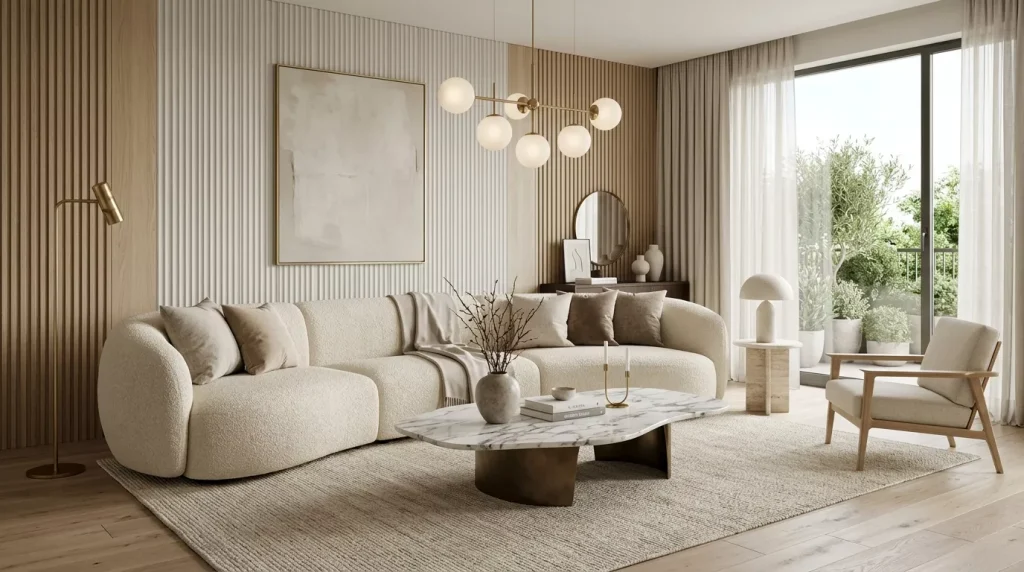
Your living room is more than just a place to sit. It’s the heart of your home — the room that tells your story, reflects your personality, and sets the tone for everything around it.
Whether you’re starting from scratch or just tired of looking at the same beige walls, exploring living room styles and aesthetics ideas is one of the best things you can do for your home. And the good news? You don’t need a massive budget or a professional interior designer to make it look incredible.
In this guide, we’ll walk you through everything — from popular design styles to step-by-step room transformations, comparisons, common mistakes, and pro tips that actually work.
What Are Living Room Aesthetics and Why Do They Matter?
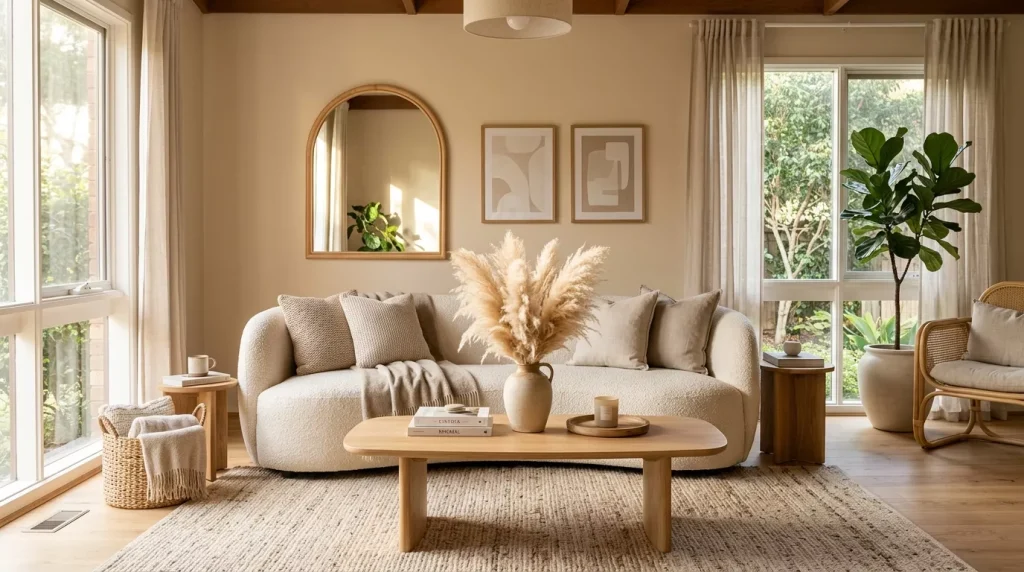
An “aesthetic” is simply a consistent visual style — the overall look and feel of a space. When you walk into a room and immediately feel calm, cozy, or energized, that’s the aesthetic doing its job.
Choosing the right living room aesthetic isn’t about copying a Pinterest board. It’s about understanding what makes you feel at home. The right design reduces stress, improves your mood, and even makes entertaining guests a lot more enjoyable.
Think of your living room style as a foundation. Once you know your style, every furniture purchase, paint color choice, and décor decision becomes easier.
Top Living Room Styles & Aesthetics Ideas
Let’s break down the most popular living room styles today — what they look like, what they feel like, and who they’re best for.
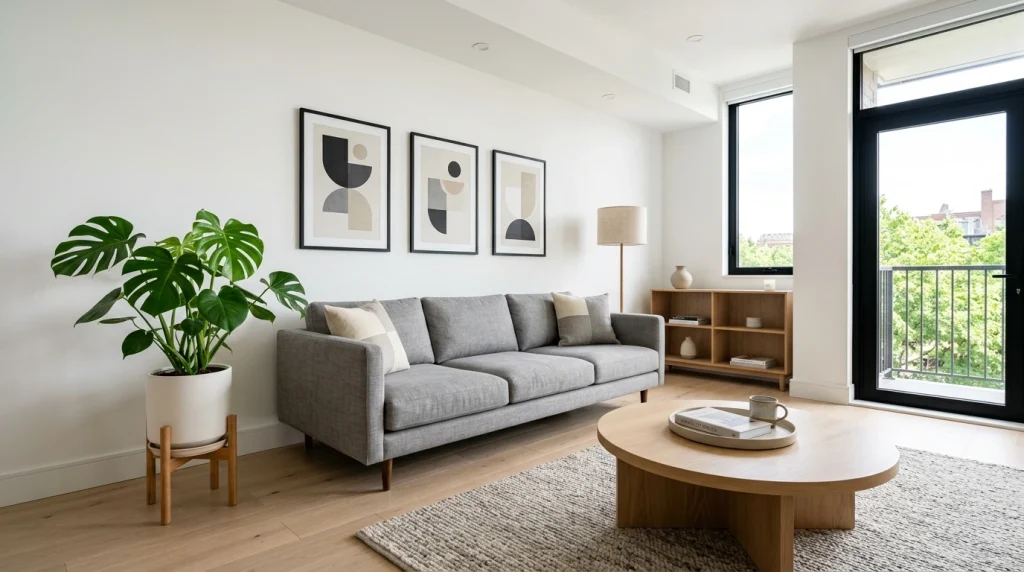
1. Modern Minimalist
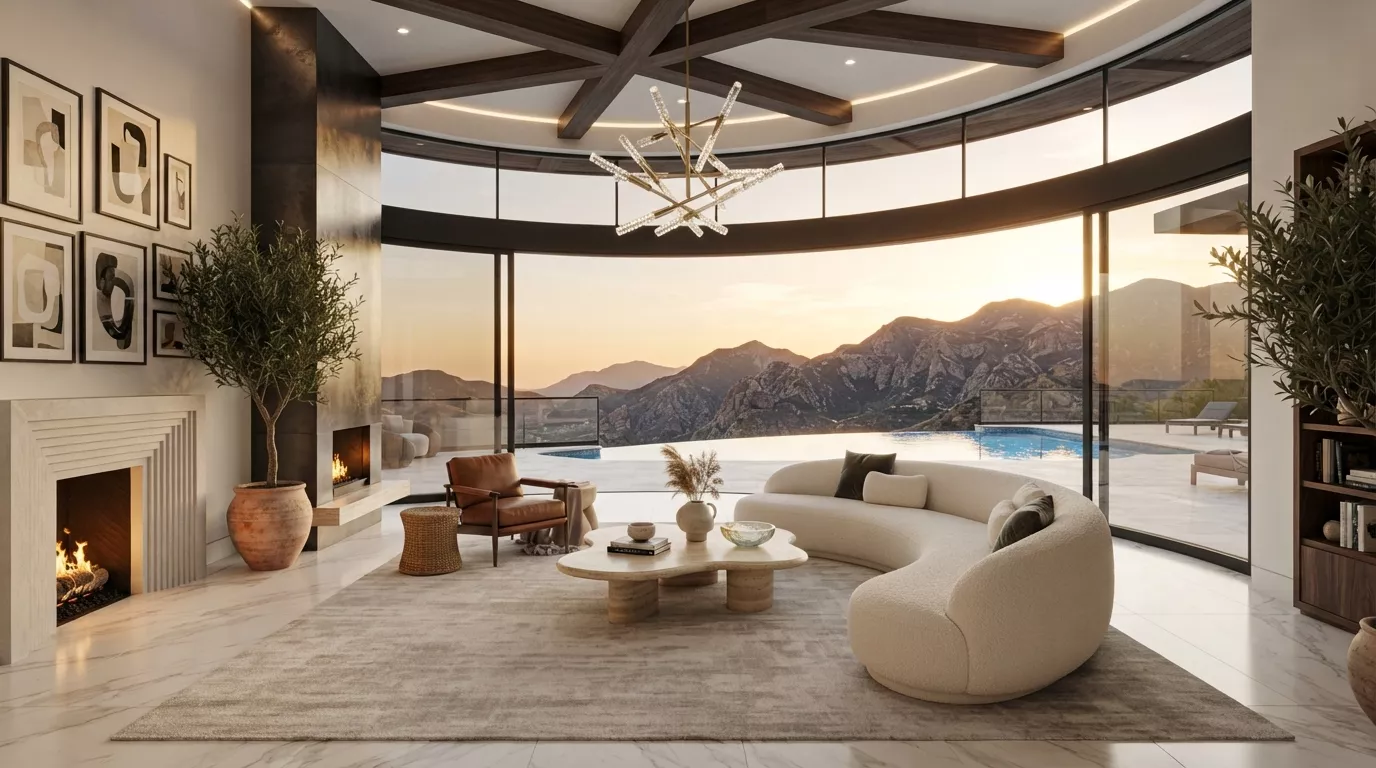
Less is more — and modern minimalism takes that seriously. Think clean lines, neutral palettes (whites, greys, soft beiges), and furniture with no unnecessary ornamentation.
Key features:
- Low-profile furniture with sleek frames
- Hidden storage to reduce visual clutter
- Monochrome or two-tone color scheme
- Statement lighting (geometric pendants or floor lamps)
Best for: People who prefer calm, uncluttered environments and hate visual noise.
2. Bohemian (Boho) Chic
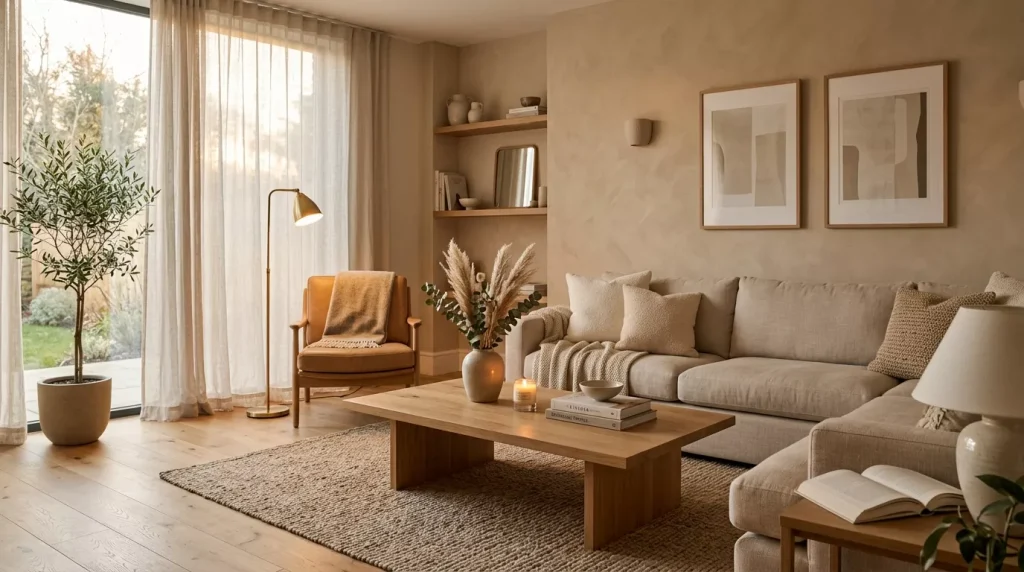
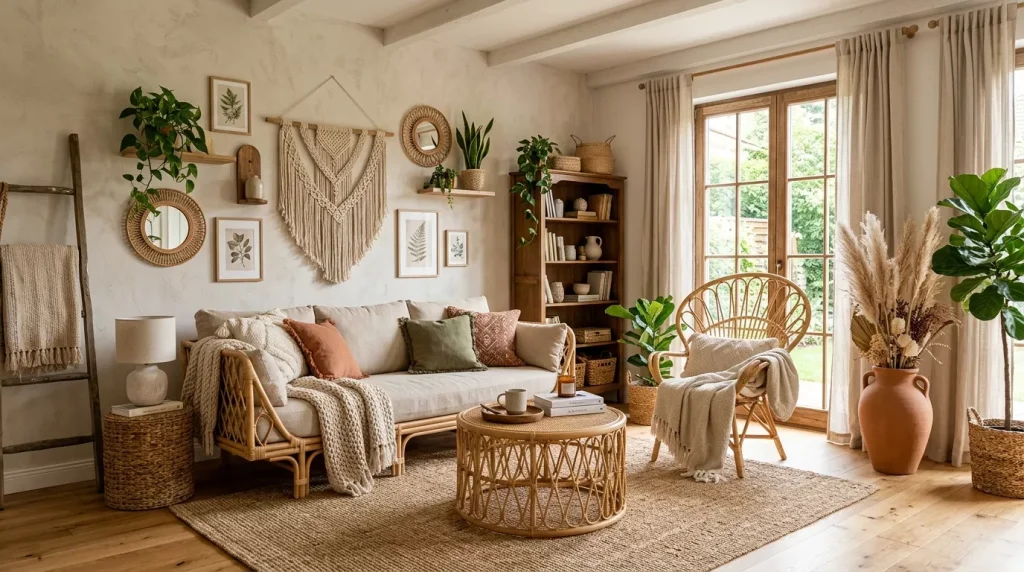
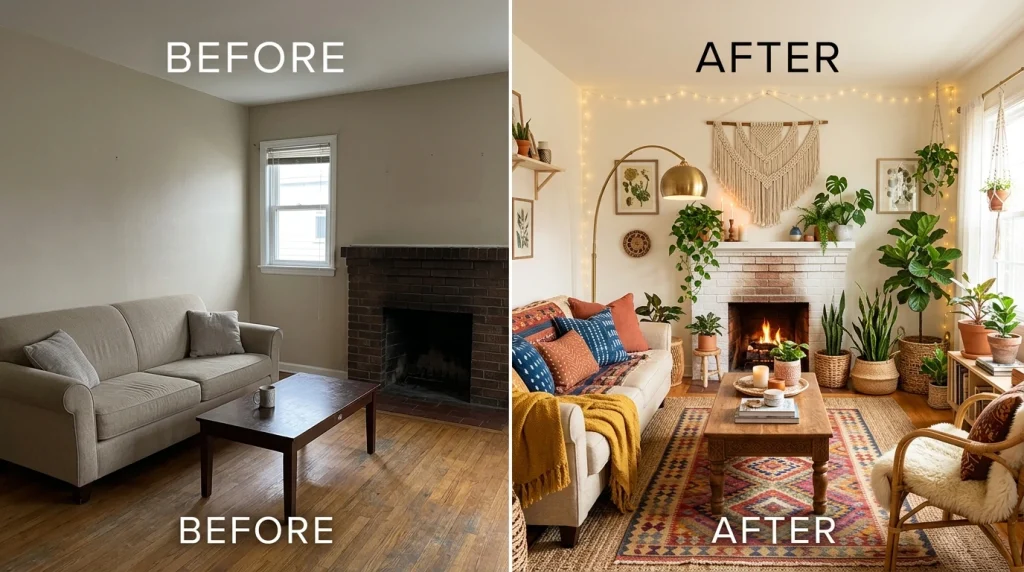
Boho is all about freedom, texture, and color. It’s warm, layered, and deeply personal. No two boho living rooms look exactly the same — and that’s the point.
Key features:
- Layered rugs (jute + patterned kilim, for example)
- Mix of vintage and handmade pieces
- Warm jewel tones: terracotta, mustard, deep teal
- Lots of plants, macramé wall hangings, and woven baskets
Best for: Creative souls who love collected, well-traveled interiors.
3. Scandinavian (Scandi)
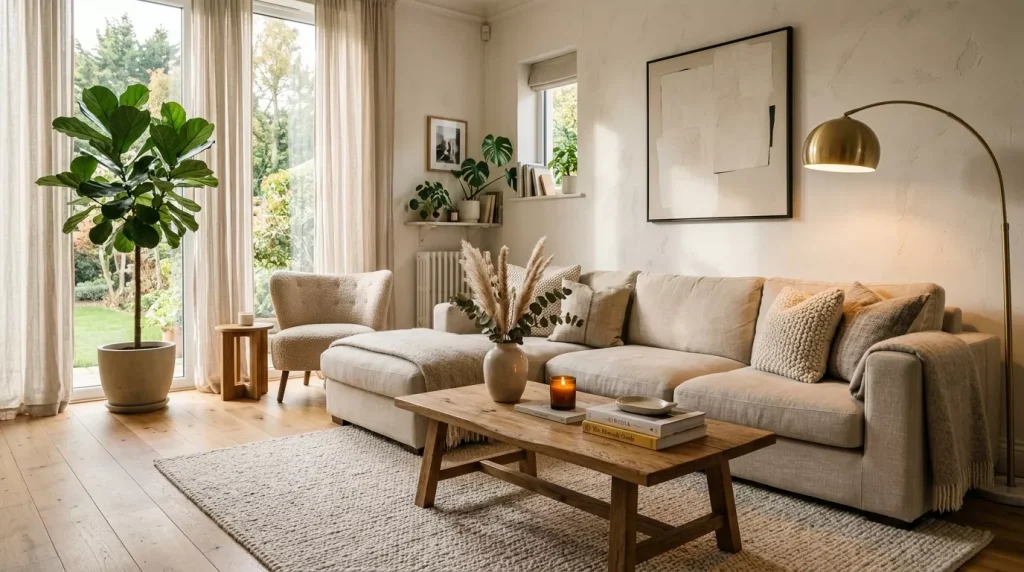
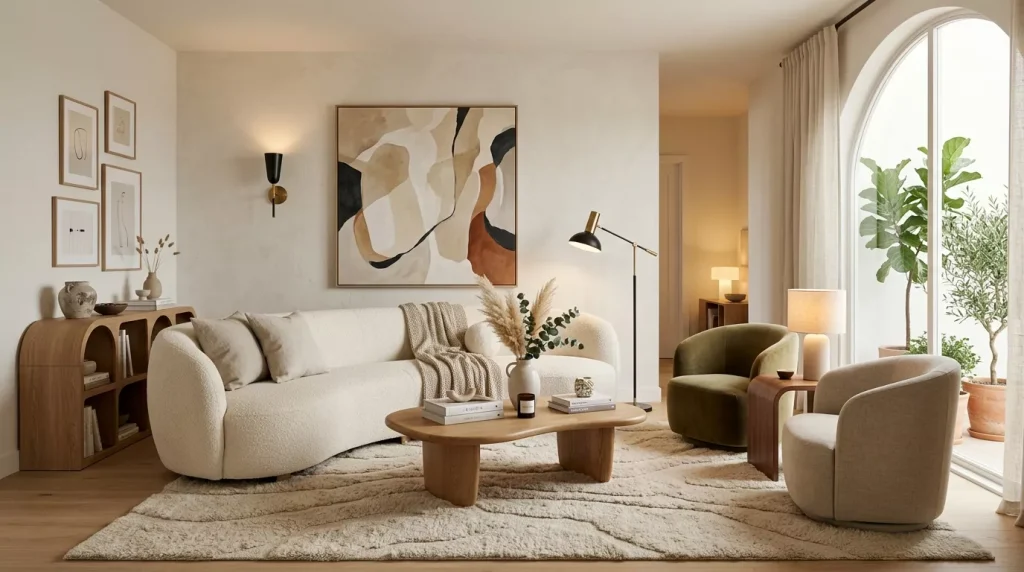
Scandi design is rooted in function and coziness — the famous Danish concept of hygge (pronounced hoo-gah). It’s warm minimalism, not cold minimalism.
Key features:
- Light wood tones and natural materials
- Soft, neutral colors with warm undertones
- Cozy textiles: chunky knit throws, sheepskin rugs
- Simple, handcrafted furniture with clean silhouettes
Best for: Anyone who wants a comfortable, calming home that still looks polished.
4. Industrial
Inspired by converted lofts and warehouses, the industrial aesthetic celebrates raw materials and unfinished textures.
Key features:
- Exposed brick walls or concrete finishes
- Metal accents (black iron, brushed steel)
- Dark, moody palette: charcoal, navy, burnt orange
- Vintage Edison bulb lighting
- Leather or distressed fabric sofas
Best for: Urban dwellers who love an edgy, masculine, or “raw” feel.
5. Art Deco / Hollywood Glam
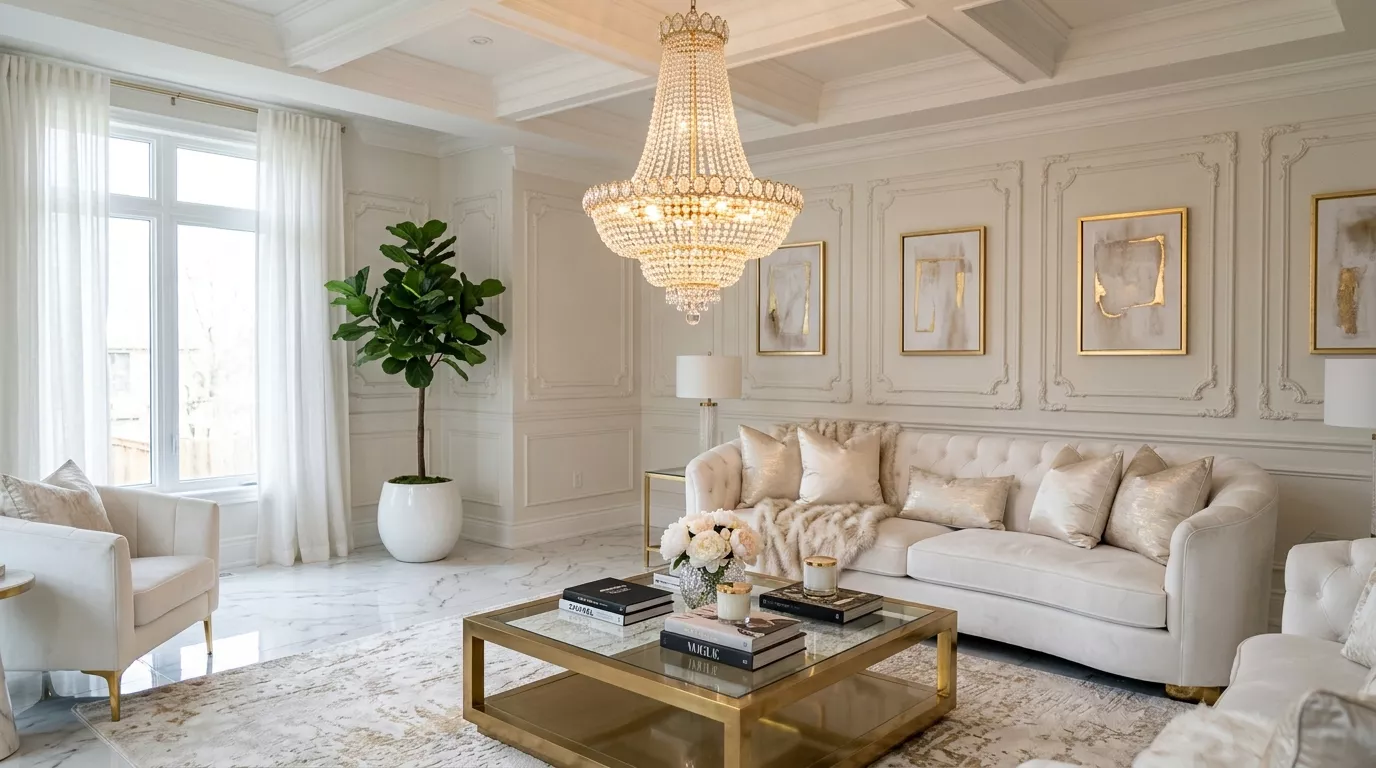
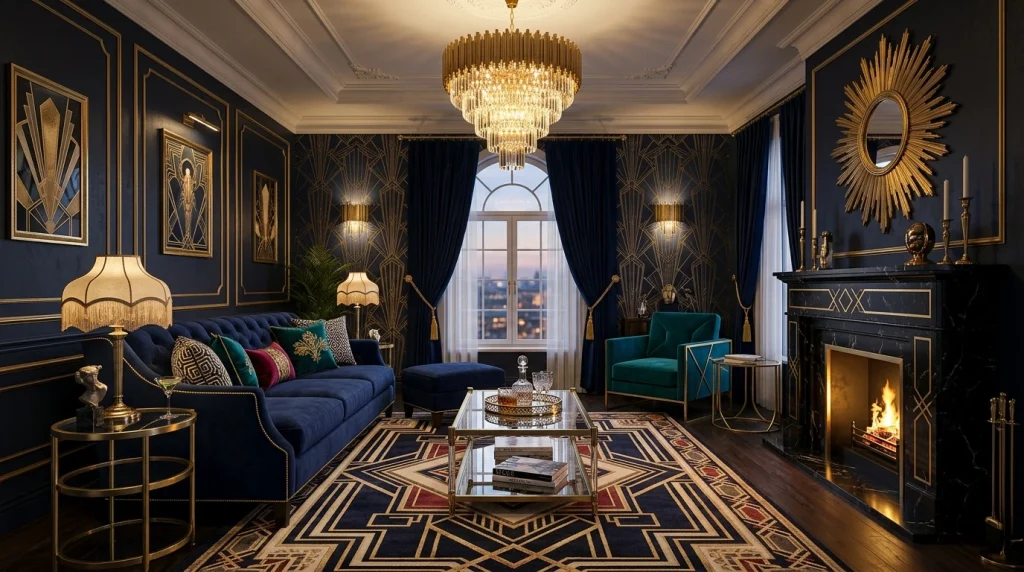
If you want your living room to feel like a luxury hotel suite, this is your style. Art Deco combines glamour, geometry, and bold opulence.
Key features:
- Jewel tones: emerald green, sapphire blue, champagne gold
- Velvet or satin upholstery
- Mirrored furniture and gold metallic accents
- Statement chandelier or sculptural lighting
- Geometric patterns in rugs and wallpaper
Best for: Those who love drama, luxury, and entertaining in style.
6. Coastal / Beach House
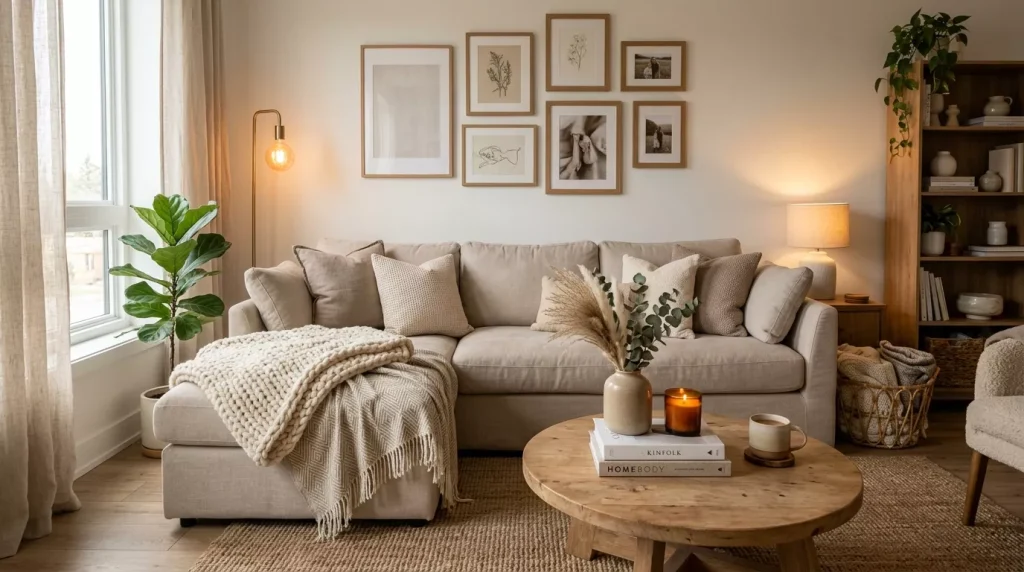
Bring the beach home. Coastal aesthetics feel light, breezy, and relaxed — like a permanent vacation.
Key features:
- White and blue palette with sandy neutrals
- Natural textures: rattan, jute, driftwood
- Lightweight linen curtains and slipcovers
- Seashell décor, coral art, or ocean-themed prints
- Open, airy layouts with lots of natural light
Best for: Beach lovers or anyone who wants a relaxed, vacation-like atmosphere.
7. Mid-Century Modern
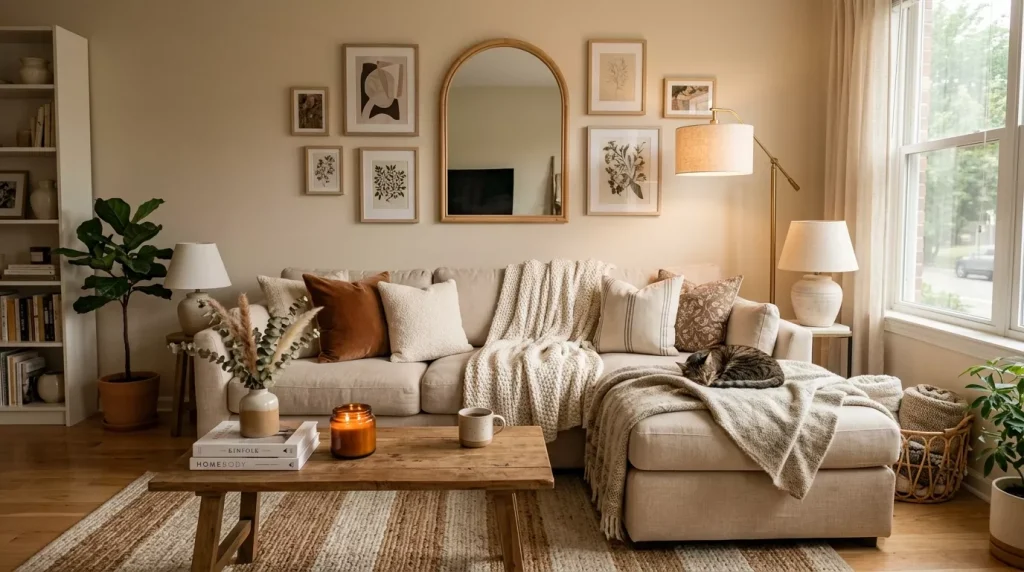
Think Mad Men — sleek, sophisticated, and rooted in the design language of the 1950s and 60s.
Key features:
- Tapered furniture legs and organic shapes
- Mustard yellow, olive green, and burnt orange accents
- Teak or walnut wood furniture
- Geometric or abstract art
- Vintage-inspired pendant lighting
Best for: Design enthusiasts who appreciate timeless, classic interiors.
Quick Style Comparison Table
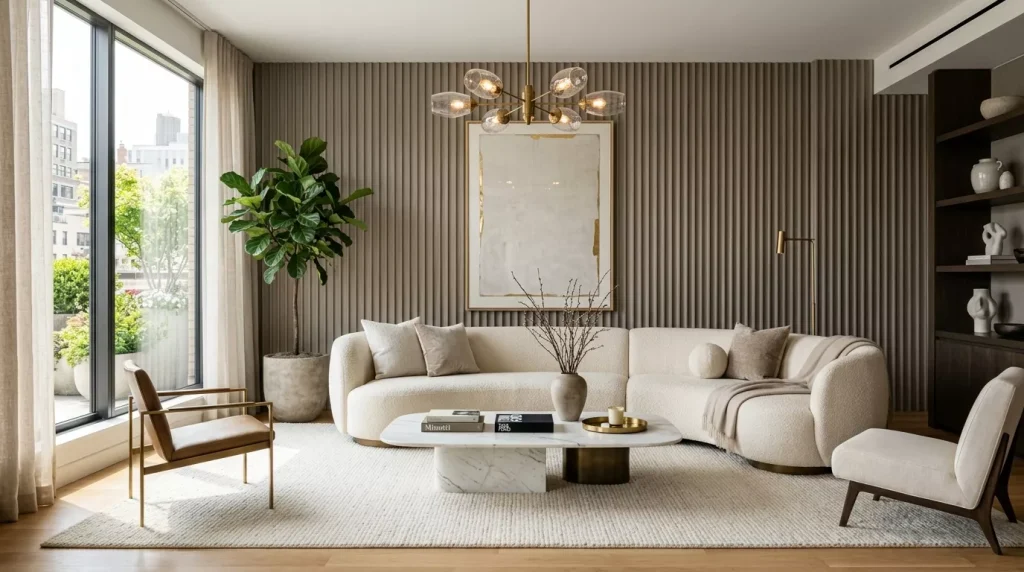
| Style | Mood | Key Colors | Best Feature |
|---|---|---|---|
| Modern Minimalist | Calm, clean | White, grey, beige | Clutter-free living |
| Bohemian | Warm, eclectic | Terracotta, teal, mustard | Maximum personality |
| Scandinavian | Cozy, simple | Cream, light wood, warm grey | Hygge comfort |
| Industrial | Edgy, moody | Charcoal, black, rust | Raw materials |
| Art Deco / Glam | Luxurious, bold | Navy, gold, emerald | Dramatic elegance |
| Coastal | Relaxed, airy | White, blue, sand | Vacation vibes |
| Mid-Century Modern | Retro, cool | Mustard, olive, walnut | Timeless design |
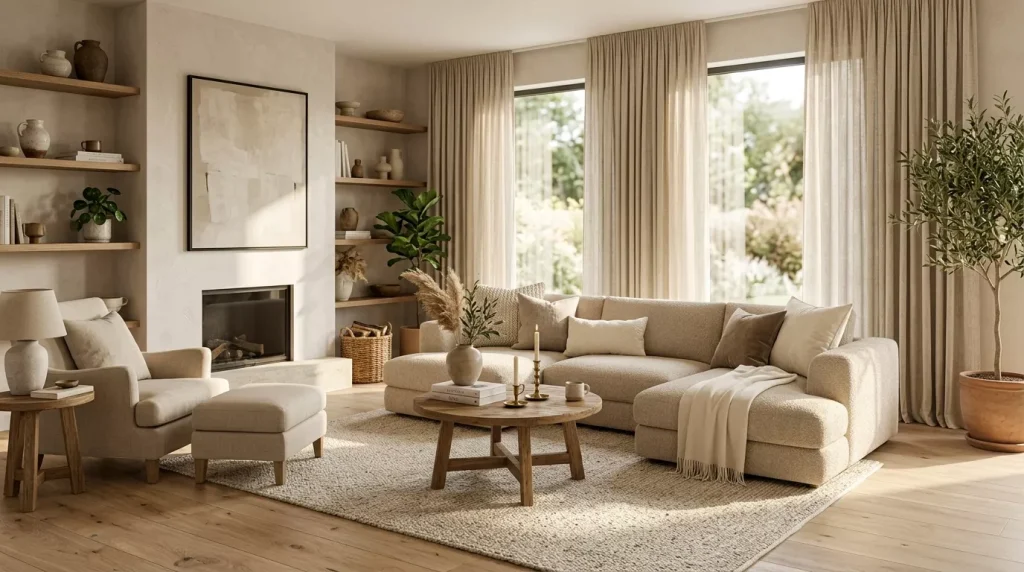
Step-by-Step Guide: How to Choose and Apply Your Living Room Style
Not sure where to start? Follow these steps and you’ll have a clear direction within the hour.
Step 1: Identify Your “Feel” Words Write down 3–5 words that describe how you want your living room to feel. Examples: cozy, bold, airy, romantic, minimal. This becomes your design compass.
Step 2: Research and Create a Mood Board Use Pinterest, Instagram, or even magazine cutouts. Pin anything that catches your eye without overthinking it. After 20–30 pins, you’ll notice a pattern — that’s your aesthetic.
Step 3: Start With the Big Three Focus on your sofa, rug, and paint color first. These three elements define 80% of a room’s visual identity.
Step 4: Add Layers Gradually Don’t buy everything at once. Add accent furniture, lighting, and décor over weeks. This prevents a “showroom” feel and allows you to course-correct.
Step 5: Edit Ruthlessly Once everything is in place, remove anything that doesn’t align with your chosen aesthetic. Less is almost always more.
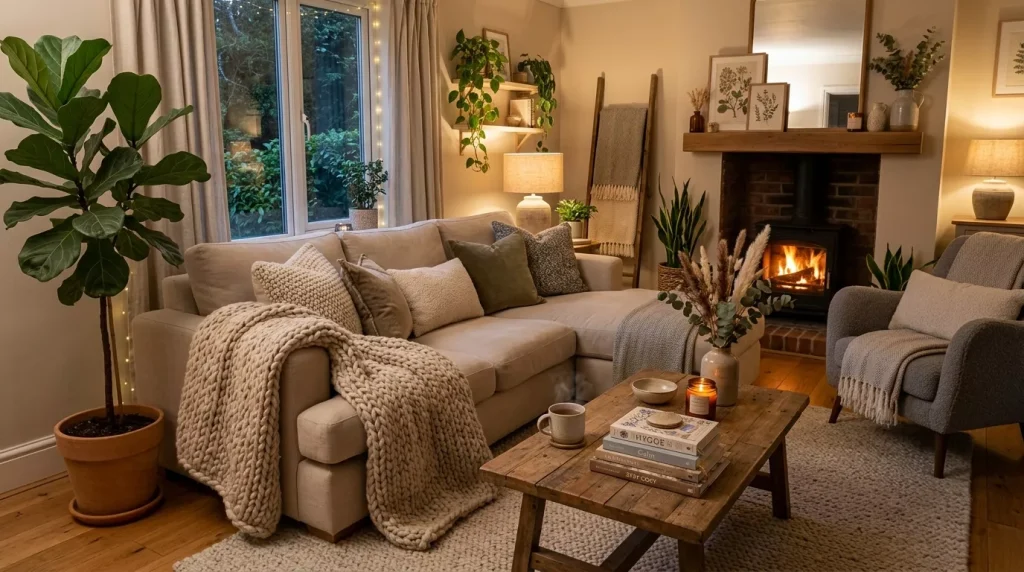
Pros and Cons of Popular Living Room Aesthetics
Modern Minimalist
✅ Pros: Easy to keep clean, feels spacious, timeless
❌ Cons: Can feel cold or impersonal, less room for sentimental décor
Bohemian
✅ Pros: Highly personal, budget-friendly, endlessly creative
❌ Cons: Can look cluttered if not edited carefully
Industrial
✅ Pros: Bold and unique, suits urban apartments perfectly
❌ Cons: Can feel dark or unwelcoming without proper lighting
Coastal
✅ Pros: Light, cheerful, universally appealing
❌ Cons: Can feel too casual or themed if overdone
Common Mistakes to Avoid When Designing Your Living Room
- Buying furniture that’s too large or too small. Always measure your space before purchasing. A sofa that dominates the room kills the aesthetic instantly.
- Ignoring lighting. Most people rely solely on overhead lights. Layer your lighting — use floor lamps, table lamps, and accent lighting.
- Matching everything perfectly. A room where every piece perfectly matches looks stiff and staged. Mix tones, textures, and eras for a natural, lived-in feel.
- Neglecting vertical space. Walls above eye level are prime real estate. Shelves, art, and hanging plants add dimension.
- Overcrowding with décor. More isn’t always better. Choose fewer, more meaningful pieces.
Pro Tips for a Stunning Living Room Aesthetic
💡 Tip 1: The “60-30-10 color rule” works in every style. Use 60% dominant color, 30% secondary color, and 10% accent.
💡 Tip 2: Add mirrors to make small living rooms feel larger and brighter.
💡 Tip 3: Real plants instantly make any aesthetic feel more alive. Even one large fiddle-leaf fig can transform a corner.
💡 Tip 4: Swap out throw pillows seasonally. It’s the cheapest way to refresh your room’s look.
💡 Tip 5: Scent matters. A signature candle or diffuser reinforces the mood your aesthetic creates visually.
Living Room Styles & Aesthetics Ideas: What’s Trending Right Now
The design world moves fast. Here are the aesthetics gaining serious momentum in 2025–2026:
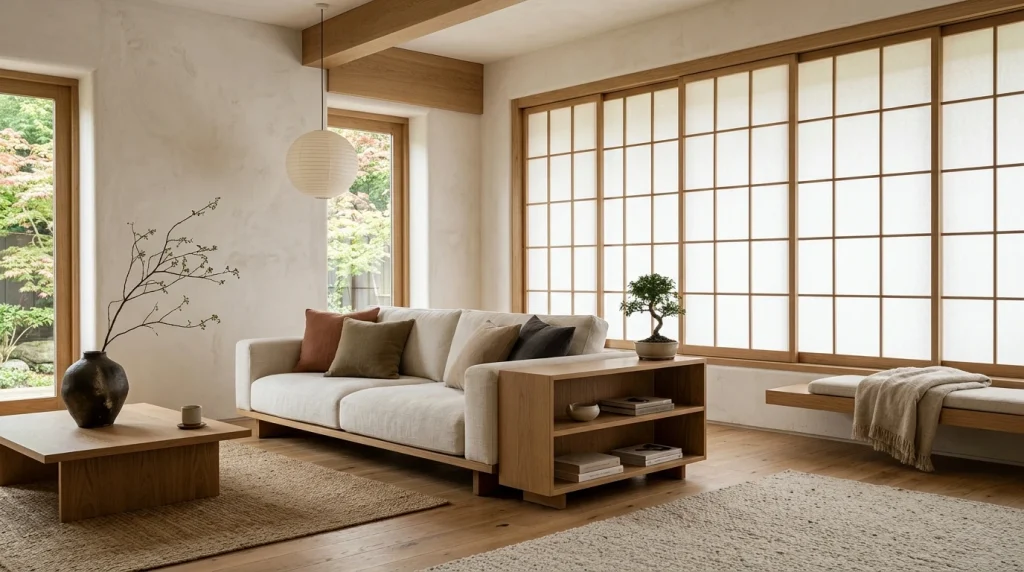
- Japandi — a hybrid of Japanese minimalism and Scandinavian warmth. Think wabi-sabi meets hygge.
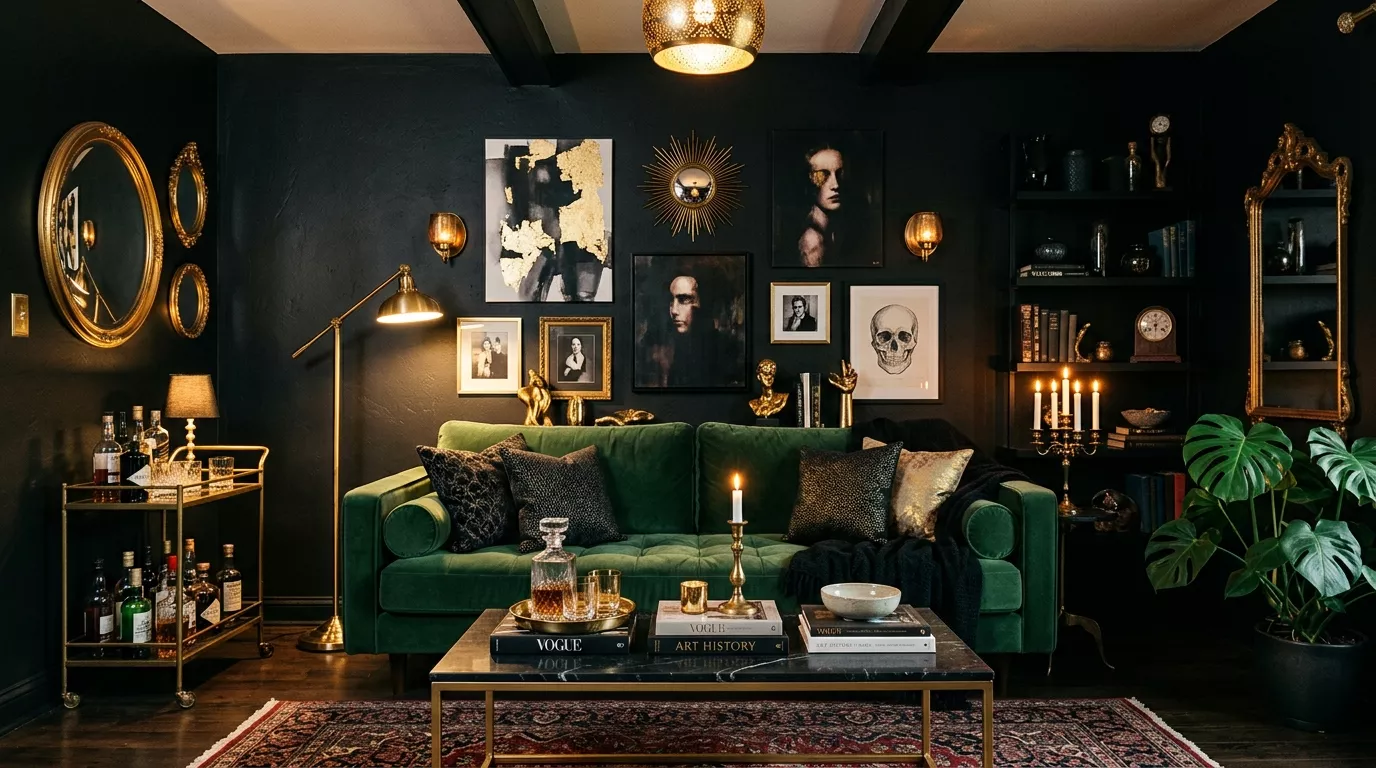
- Dark Academia — moody, scholarly, rich in wood, leather, books, and deep jewel tones.
- Cottagecore — floral prints, vintage furniture, linen fabrics, and a pastoral, countryside feel.
- Biophilic Design — bringing nature indoors through living walls, natural materials, and organic forms.
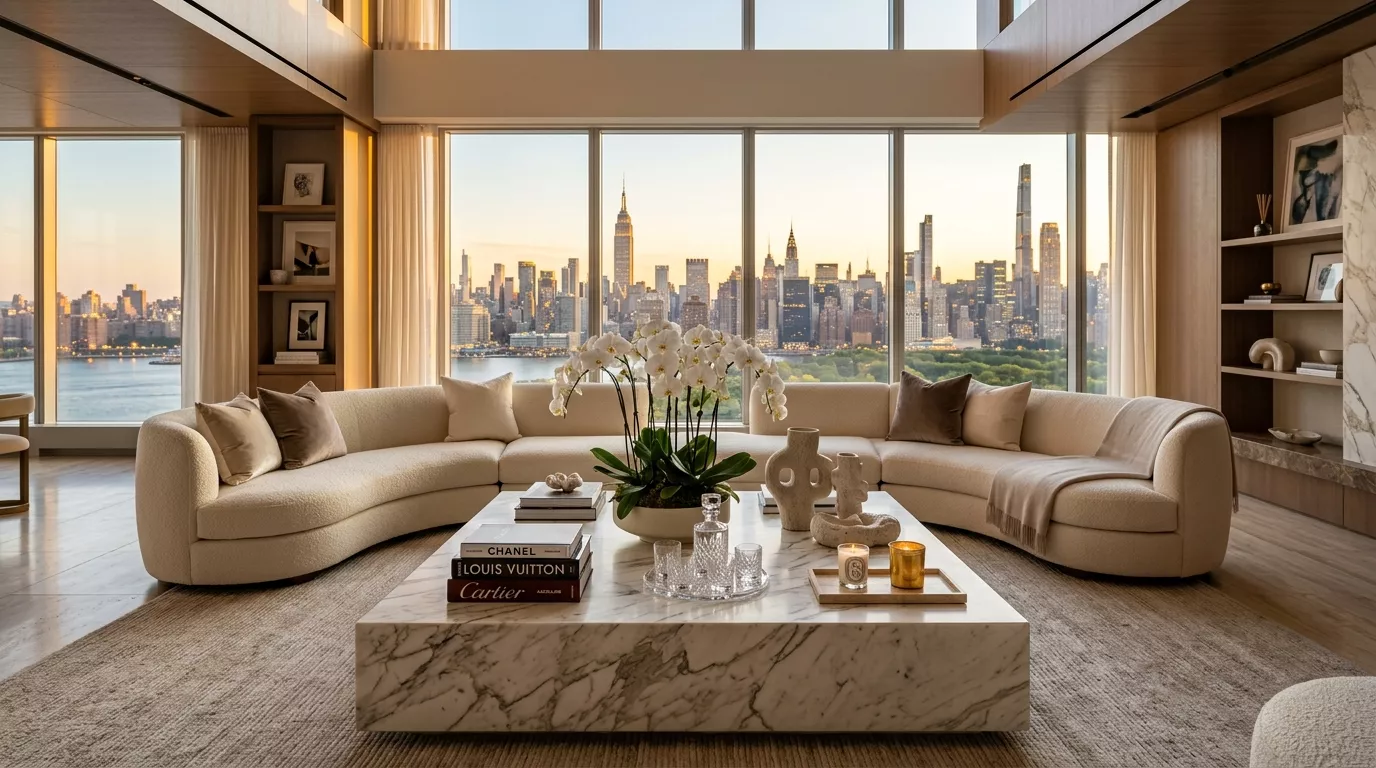
- Quiet Luxury — understated elegance with neutral tones, high-quality materials, and zero logos or flash.
FAQs: Living Room Styles & Aesthetics Ideas
Q1. How do I choose the right living room aesthetic for my home?
Start by identifying how you want to feel in the space. Then research styles that match that feeling — look at mood boards, save images that appeal to you, and look for patterns. Don’t try to force a style you think looks good but doesn’t suit your lifestyle.
Q2. Can I mix multiple living room styles?
Absolutely. Most beautifully designed rooms blend two or more aesthetics. The key is to have one dominant style and let the second play a supporting role. For example, Scandi + Boho works beautifully — the neutrals ground the eclectic elements.
Q3. What’s the easiest living room aesthetic to achieve on a budget?
Bohemian and Cottagecore are both very budget-friendly. They thrive on vintage finds, thrift store picks, DIY crafts, and layering inexpensive textiles. You don’t need expensive pieces — you need character.
Q4. How do I make a small living room look bigger with design?
Choose a light color palette, use mirrors strategically, opt for furniture with visible legs (so light flows under them), avoid overfilling the space, and use curtains that hang from ceiling to floor to elongate the walls.
Q5. What living room colors are trending in 2025–2026?
Warm earth tones are dominating: terracotta, clay, warm taupe, sage green, and warm white. Deep moody tones like forest green and midnight blue are also extremely popular for accent walls and statement furniture.
Q6. How often should I redecorate my living room?
You don’t have to do a full overhaul. Refresh your space seasonally by swapping out pillows, throws, and small décor items. A major refresh every 3–5 years is typically enough — unless your style evolves significantly.
Q7. Is it okay to follow trends when designing my living room?
It’s fine to draw inspiration from trends, but build your room on a timeless foundation first (neutral walls, quality sofa, classic rug). Layer trendy pieces on top so they’re easy to swap out when the trend fades.
Conclusion: Your Perfect Living Room Aesthetic Starts With You
Exploring living room styles and aesthetics ideas isn’t about choosing what’s most popular or what’s on Pinterest right now. It’s about creating a space that genuinely feels like you — a room you can’t wait to walk into at the end of the day.
Start small. Pick a style direction. Invest in a few quality anchor pieces, layer in personality with textiles and plants, and edit out anything that doesn’t belong. Your dream living room is closer than you think.
Ready to start your transformation? Pick one idea from this article today — even something as simple as a new throw pillow or a rearranged furniture layout — and take that first step. You’ll be amazed at how one change leads to another, and before you know it, your living room will reflect exactly who you are