Black & White Living Room Decor Ideas & Inspiration

Black & White Living Room Decor Ideas That Never Go Out of Style
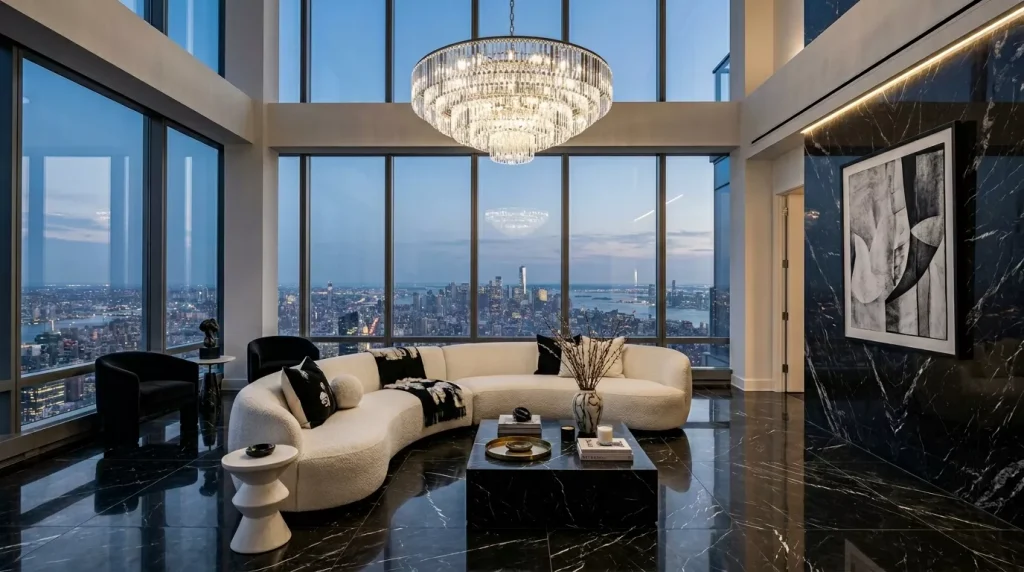
There’s something quietly powerful about a black and white living room. It doesn’t shout for attention — it commands it. No trendy paint color or seasonal palette can compete with the kind of confidence this classic combination brings to a space.
Black and white living room decor ideas have been circulating through interior design circles for decades, and honestly? They’ve never felt more relevant. Whether you lean toward a sleek modern aesthetic or prefer something warmer and more layered, this two-tone palette adapts to just about any style you throw at it.
If you’ve been sitting on the fence about committing to such a bold choice, this guide will walk you through everything you need to know — from inspiration and styling tips to common mistakes and step-by-step room planning.
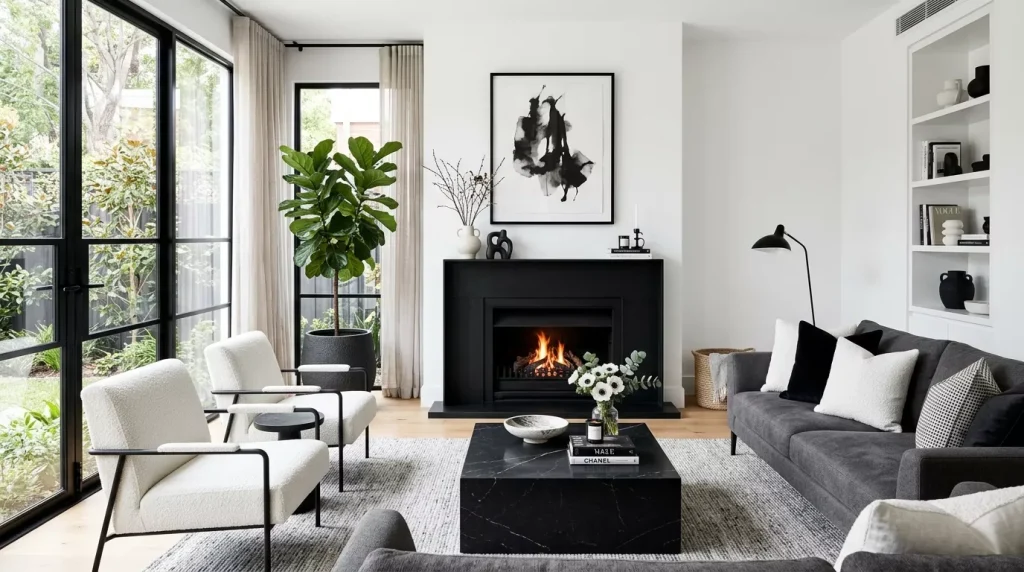
Why Black and White Works So Well in Living Rooms
Before jumping into the ideas, it helps to understand why this pairing is so enduring.
At its core, black and white is about contrast — and the human eye is naturally drawn to contrast. It creates visual interest without relying on color, which means the focus shifts to form, texture, and scale. That’s actually a more sophisticated way to decorate.
There’s also a psychological dimension. White opens a space up, making it feel airy and calm. Black anchors it, adding depth and preventing things from floating. Together, they create a balance that feels deliberate and refined.
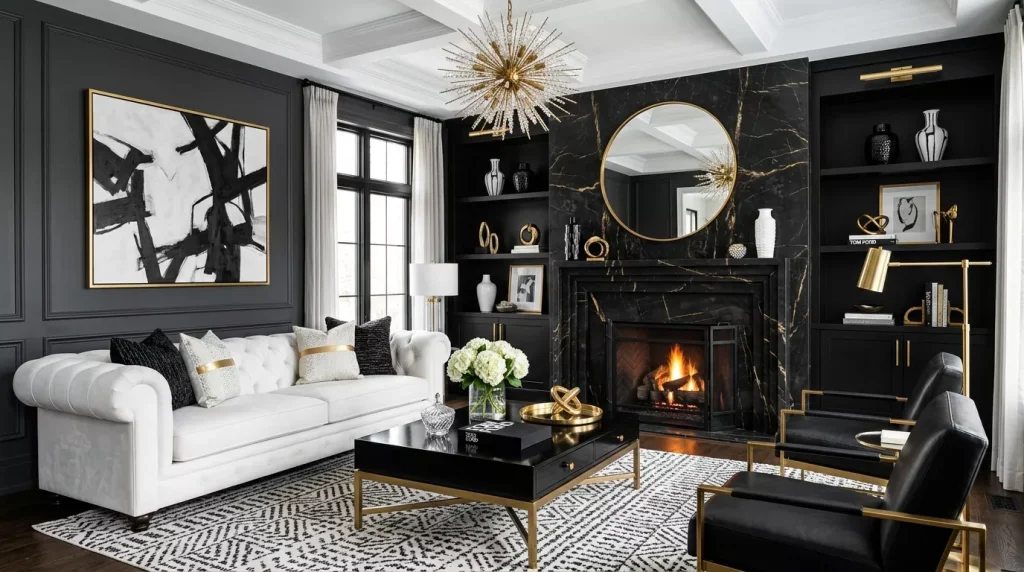
Interior designers often call this palette “the little black dress of home decor.” It pairs with almost anything, works in small apartments and sprawling open-plan spaces alike, and always photographs beautifully — which, in today’s Instagram-saturated world, is no small thing.
Black & White Living Room Decor Ideas by Style
Not every black and white room looks the same. The beauty of this palette is how much it changes depending on the style it’s paired with.
1. Minimalist Black and White Living Room
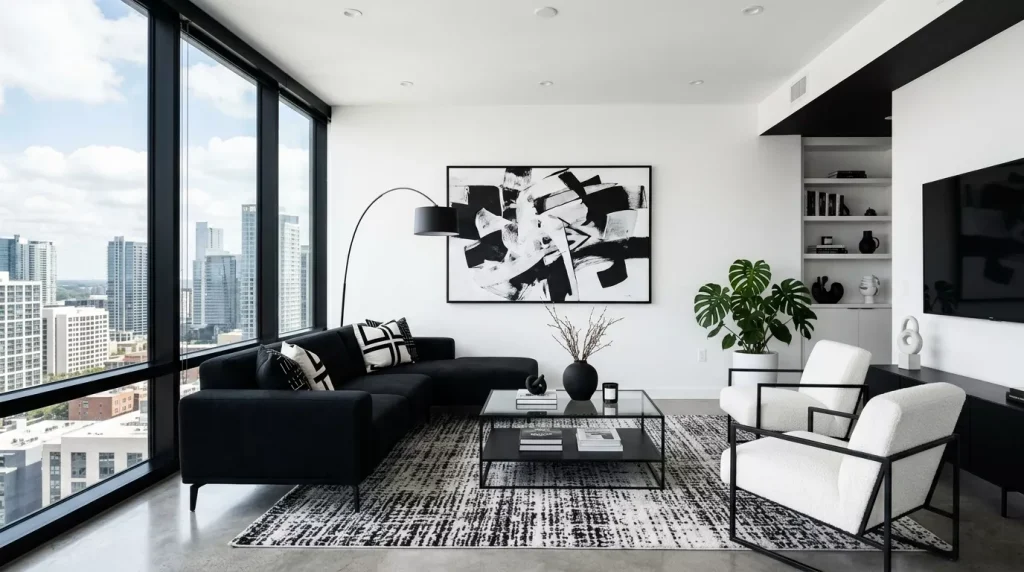
This is probably the most popular interpretation. Clean lines, sparse furniture, negative space used intentionally — a minimalist black and white living room is about precision and calm.
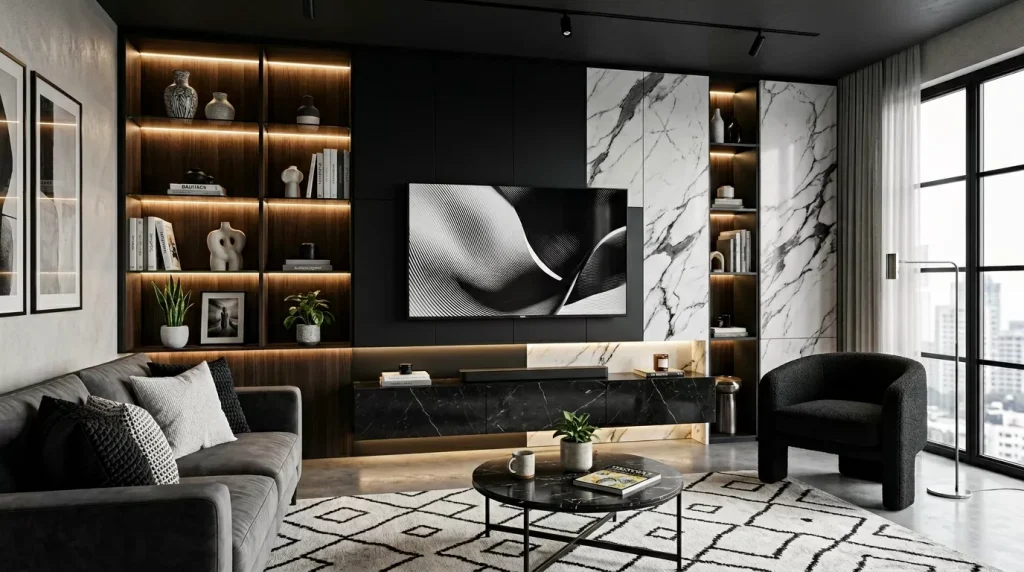
Think a white sofa against a matte black accent wall, paired with a simple black steel coffee table and a single piece of abstract art. No clutter, no distraction. The palette does the heavy lifting so everything else can breathe.
Key elements to include:
- Flat-front cabinetry in matte black or white
- Large-format white or light grey marble flooring
- Monochrome throw cushions in geometric prints
- Recessed or track lighting to keep the ceiling clean
2. Classic and Traditional Black and White Decor
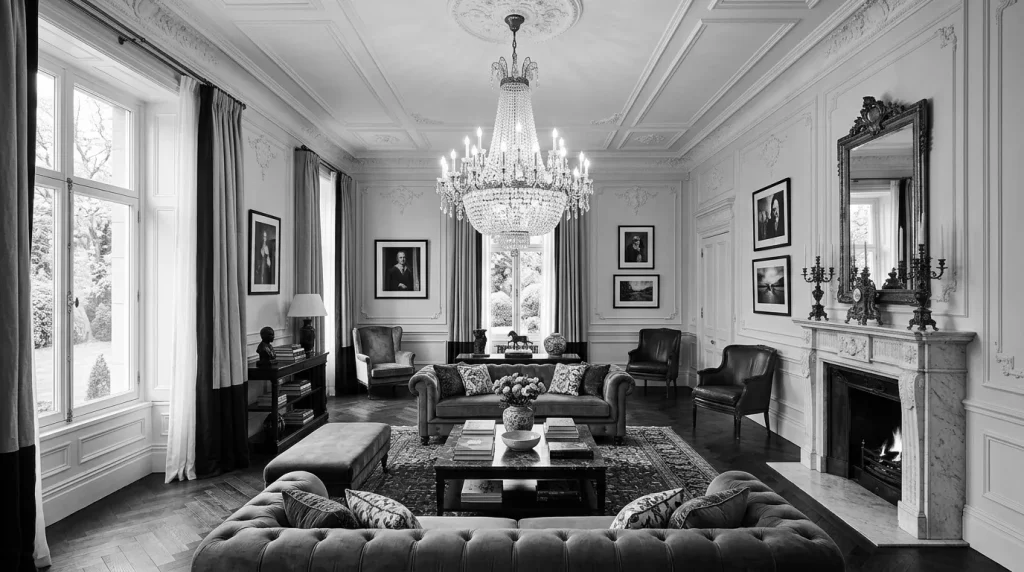
This approach leans into heritage references — think herringbone floors, tufted sofas, and panelled walls. The contrast between black and white takes on a more formal, polished quality here.
Crown molding painted in a crisp white against dark walls works beautifully. Pairing a black leather Chesterfield sofa with a white fireplace surround creates that elegant tension this style thrives on.
3. Monochrome Boho Living Room
Yes, bohemian style and monochrome can absolutely coexist. The key is layering texture and pattern. Think black macramé wall hangings, white shag rugs, woven baskets in natural fibers, and trailing plants in matte black pots.
The pattern mixing that defines boho style actually works even better in black and white because there’s no color clash to manage.
4. Modern Industrial Black and White Aesthetic
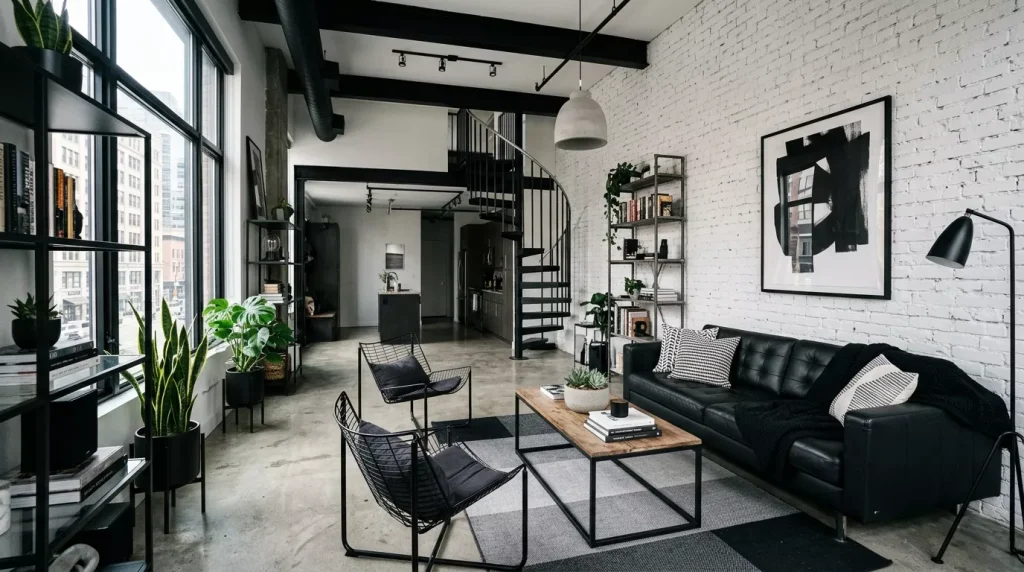
Exposed brick, concrete floors, steel-framed windows — an industrial space is practically begging for a black and white treatment. Black metal shelving against white brick walls. White pendant lights with matte black hardware. Leather upholstery in deep charcoal or near-black tones.
This aesthetic embraces imperfection and raw texture, which adds warmth to what might otherwise feel like a cold palette.
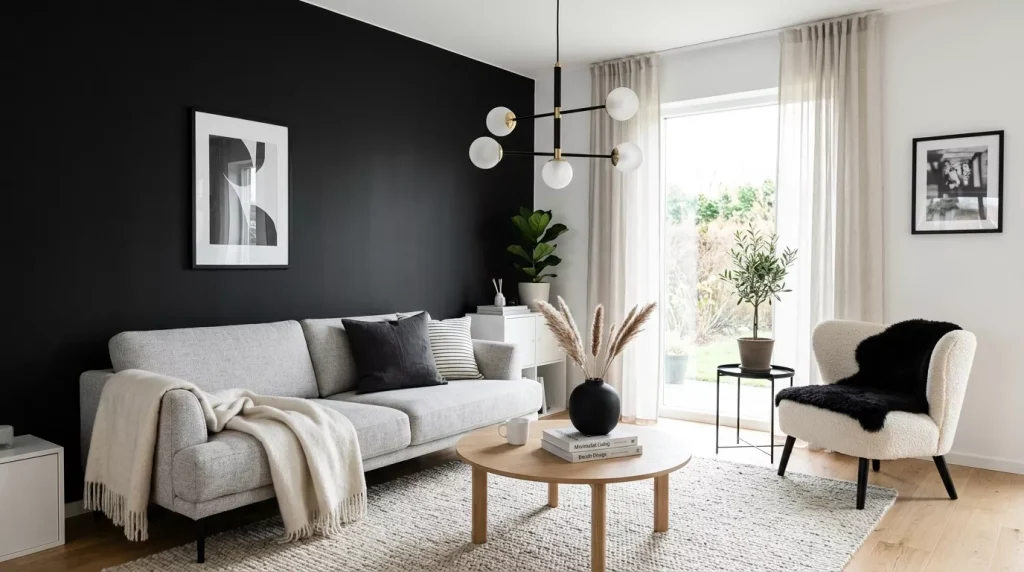
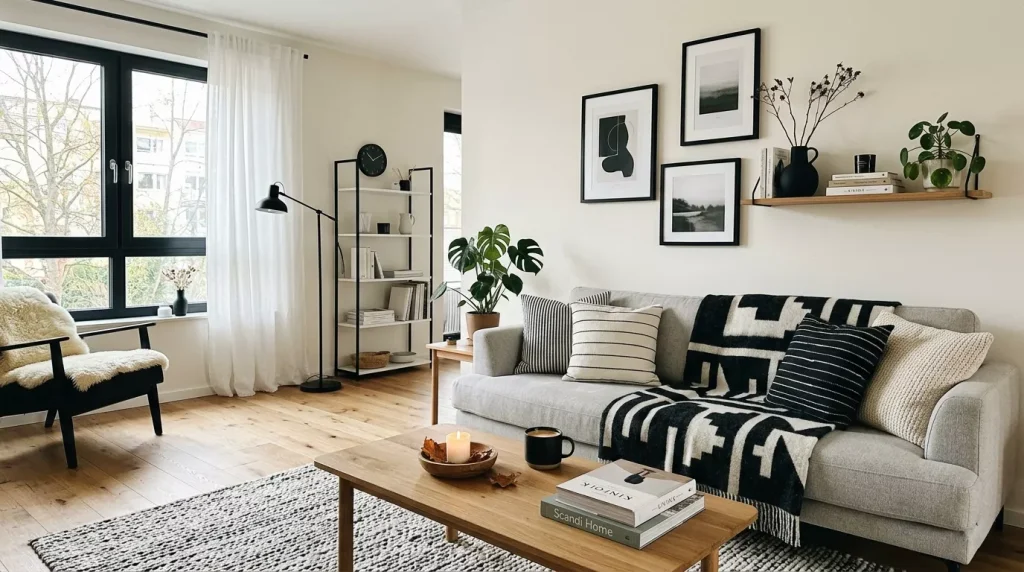
5. Scandi-Inspired Monochrome Living Room
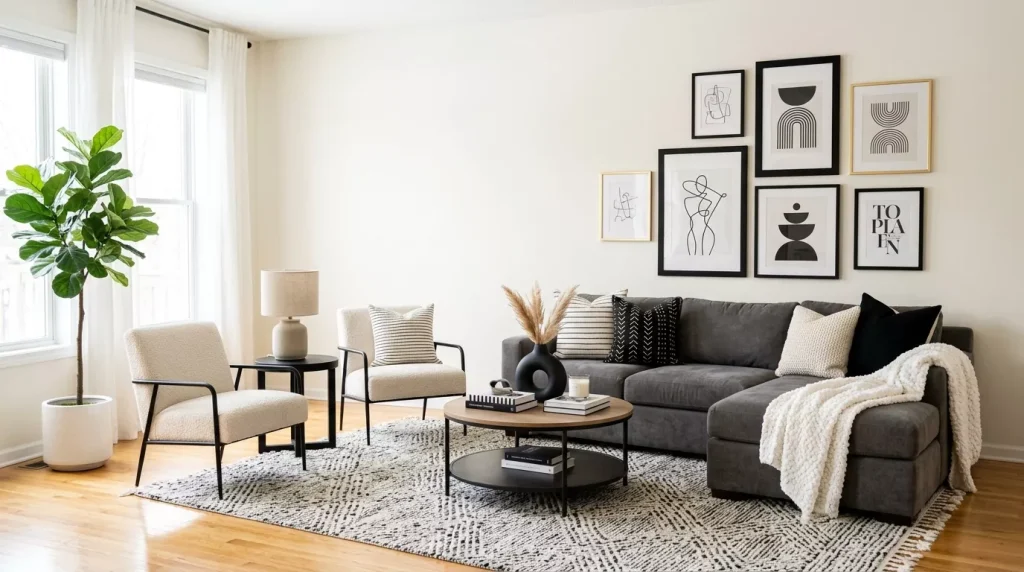
Scandinavian design principles — functionality, warmth, simplicity — translate wonderfully into a black and white scheme. Pale wood flooring softens the contrast. Chunky knit throws in off-white add tactile comfort. Black typographic prints keep it clean and considered.
The Scandi approach avoids anything too stark by leaning on warm whites and soft greys as transitional tones.

How to Balance Black and White in Your Living Room
Getting the ratio right is the single most important decision you’ll make when working with this palette. Too much white and the room feels clinical. Too much black and it becomes oppressive.
The 60/30/10 Rule (Adapted for Monochrome)
| Element | Proportion | Example |
|---|---|---|
| Dominant Color | 60% | White walls, ceiling, large sofa |
| Secondary Color | 30% | Black furniture, rugs, shelving |
| Accent | 10% | Metallics, plants, single colorful cushion |
This formula keeps things balanced without making the room feel formulaic.
Using Grey as a Bridge
Grey is your best friend in a black and white living room. It prevents the contrast from feeling too sharp and adds a layer of sophistication. Light greys work well as a wall color when pure white feels too cold. Charcoal acts as a softer transition before going full black on furniture.
Adding Texture to Prevent Flatness
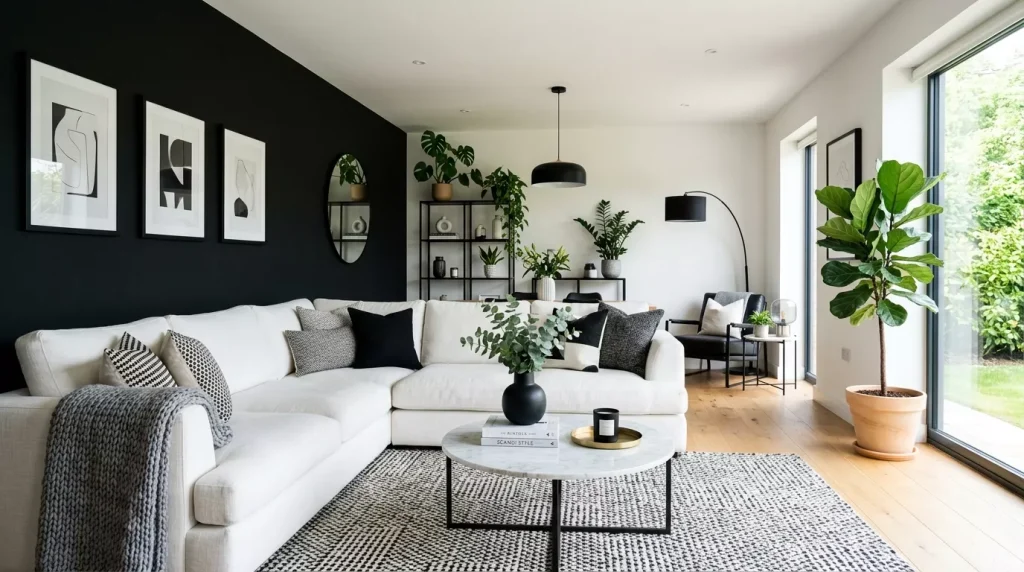
A room decorated entirely in flat black and white can feel two-dimensional. Texture is what gives it life. Consider:
- Velvet cushions in black or ivory
- A bouclé or shaggy white area rug
- Linen curtains in off-white
- Rattan or cane-back chairs in natural tones
- Glossy black vases or matte white ceramics
Step-by-Step Guide to Decorating a Black and White Living Room
If you’re starting from scratch or giving your current living room a refresh, follow this process.
Step 1: Choose Your Base (Walls and Floors) Decide whether you want white walls with dark floors, or dark walls with lighter floors. This sets the entire mood. For smaller rooms, lighter walls almost always work better.
Step 2: Select Your Statement Furniture Piece Whether it’s a black velvet sofa or a white marble coffee table, anchor the room around one showstopper piece and build everything else around it.
Step 3: Layer in Rugs and Soft Furnishings Area rugs define zones and soften acoustics. A black and white geometric rug is a classic choice. For a more organic feel, try an abstract watercolor-print rug in monochrome tones.
Step 4: Add Lighting Thoughtfully Lighting dramatically changes how black and white reads. Warm-toned bulbs soften the contrast and add coziness. Statement black pendant lights serve as sculptural accents.
Step 5: Curate Your Accessories This is where personality enters. Books, candles, art, plants — keep it intentional. A few impactful pieces always beat a cluttered collection of small items.
Step 6: Introduce One Wildcard A single unexpected element — a terracotta pot, brass hardware, a deep green plant — stops the space from feeling like a showroom and makes it feel lived-in and real.
Pros and Cons of Black and White Living Room Decor
Pros
- Timeless appeal — won’t feel dated in five years
- Versatile — suits modern, traditional, boho, and industrial styles
- Easy to update — accessory swaps are cheap and effective
- Visually striking — high-contrast rooms photograph and present beautifully
- Mix-friendly — pairs naturally with wood, metal, stone, and soft textiles
Cons
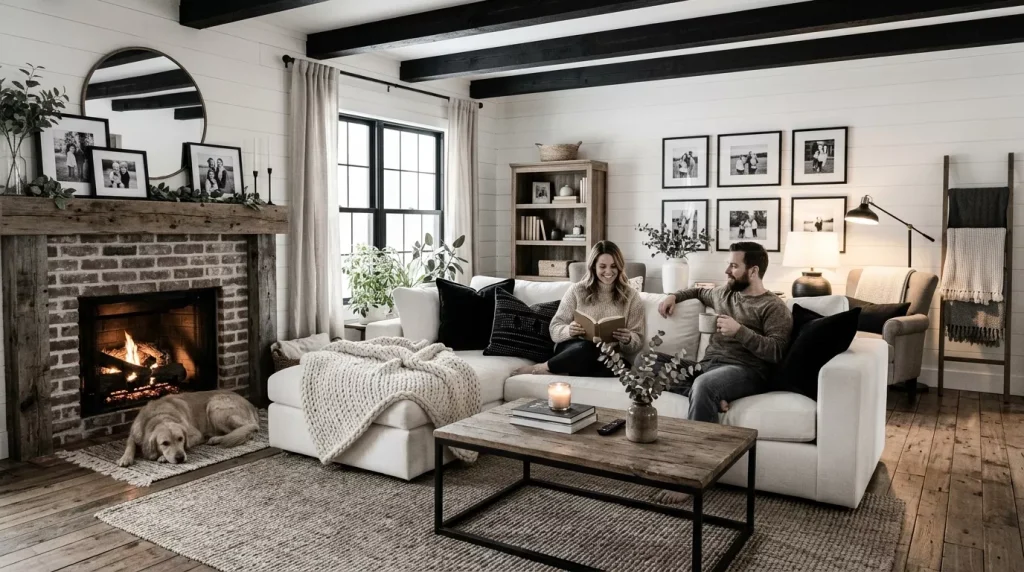
- White shows dirt — especially with kids or pets in the house
- Can feel cold — without texture, the room risks feeling clinical
- Overwhelming if imbalanced — too much black in a small space is draining
- Limited spontaneity — random color additions can feel jarring
- Maintenance — white upholstery requires more care than colored alternatives
Black and White vs. Other Neutral Palettes: A Comparison
| Palette | Mood | Versatility | Maintenance | Best For |
|---|---|---|---|---|
| Black & White | Bold, dramatic, timeless | Very high | Moderate | Modern, eclectic, traditional |
| Grey & White | Calm, airy, soft | High | Low | Minimalist, Scandi |
| Beige & Brown | Warm, earthy, cozy | High | Low | Rustic, traditional |
| Navy & White | Crisp, fresh, classic | Moderate | Moderate | Coastal, preppy |
| All White | Pure, serene, spa-like | Moderate | High | Minimalist, bridal |
Black and white stands out in this comparison for its dramatic impact and extreme versatility. Unlike more muted palettes, it makes a visual statement while still functioning as a neutral foundation.
Tips for Getting the Most Out of Your Monochrome Living Room
- Don’t skip the plants. A trailing pothos or fiddle-leaf fig in a matte black planter adds life and prevents the room from feeling too stark.
- Mix black finishes. Matte black, glossy black, and blackened bronze all read differently. Using a mix adds visual depth.
- Frame your art thoughtfully. Black frames on a white wall create crisp definition. White or natural wood frames on a dark wall have an equally beautiful effect.
- Use mirrors strategically. A large mirror in a black or chrome frame bounces light and visually doubles the space — critical in smaller rooms.
- Vary your whites. Pure white, off-white, warm ivory, and cool grey-white are all different. Mixing them intentionally adds warmth and prevents a sterile feel.
- Don’t forget the ceiling. A white ceiling on a room with dark walls feels instantly taller. A dark ceiling in an otherwise white room creates an intimate, cozy effect.
Common Mistakes to Avoid
1. Going Too Dark Too Fast Painting all four walls black in a small room is a recipe for regret. Start with one accent wall and see how it feels before committing further.
2. Ignoring Undertones Not all whites are created equal. A cool blue-white next to a warm yellow-white looks mismatched. Always check undertones before mixing products.
3. Skipping Texture A flat monochrome room looks cheap, not chic. Texture is what separates a well-designed space from a showroom mock-up.
4. Overdoing the Pattern Geometric prints, stripes, and graphic art all work in a black and white room — but mix too many patterns and the room becomes chaotic rather than curated.
5. Neglecting Lighting Harsh overhead lighting kills the warmth in any room. Layer your light sources — floor lamps, table lamps, wall sconces — to create atmosphere.
6. Choosing White Upholstery Without a Plan A white sofa looks stunning in a showroom and terrifying the moment a glass of red wine enters the picture. If you love white upholstery, invest in professional protective treatments or choose stain-resistant fabrics.
Frequently Asked Questions
Q1: Is a black and white living room a good idea for small spaces?
Yes, but with some adjustments. In smaller rooms, keep walls and large surfaces light (white or off-white) and introduce black through furniture and accessories rather than walls. This preserves the illusion of space while still delivering the contrast you’re after.
Q2: What colors can I add to a black and white living room without ruining the look?
Metallics (gold, brass, silver, chrome) are universally compatible and add warmth without disrupting the palette. Natural tones like wood, rattan, and terracotta also integrate beautifully. If you want to introduce an actual color, keep it to one small accent — a blush pink vase or a deep teal cushion works as a statement without overwhelming the scheme.
Q3: How do I make a black and white living room feel cozy and not sterile?
Texture is everything here. Layer soft textiles — chunky knit blankets, velvet cushions, linen curtains, shaggy rugs. Warm-toned lighting (2700K–3000K bulbs) also softens the contrast significantly. Adding natural elements like houseplants and wood tones brings organic warmth into an otherwise graphic palette
Q4: What kind of flooring works best in a black and white living room?
Light wood floors (like blonde oak or whitewashed wood) balance a darker room beautifully. Dark hardwood or ebonized floors create a dramatic effect that suits more formal or moody aesthetics. White marble or large-format grey tiles work well for a sleek, contemporary feel. The key is making sure your floor doesn’t fight with the walls — one should be light, one can afford to be dark.
Q5: Can black and white living room decor work with kids and pets?
It can, with smart choices. Opt for performance fabrics on upholstery (Crypton, Sunbrella, or other stain-resistant options). Choose darker grey or charcoal for sofas rather than pure white. Keep accessories minimal so there’s less to break. Washable slipcovers are also a genuinely practical solution that many families swear by.
Q6: How do I avoid a black and white living room looking like a chessboard?
The chessboard effect usually happens when patterns are used carelessly or at similar scales. Mix pattern scales — a large geometric rug with small-scale chevron cushions, for example. Also break up pattern-heavy zones with solid, textured pieces. A big expanse of solid-colored wall or upholstery gives the eye somewhere to rest.
Conclusion: Your Turn to Go Monochrome
Black and white living room decor isn’t just a trend — it’s a design philosophy. It asks you to be intentional, to rely on form and texture rather than color, and to trust that simplicity can be stunning.
Whether you go all-in with a dramatic black accent wall and graphic art, or take a quieter approach with white walls and black accessories layered over natural wood, the palette gives you a framework that genuinely cannot fail if you respect the basics: balance, texture, and lighting.
The ideas in this guide are starting points. The best version of your black and white living room is the one that reflects how you actually live — not a Pinterest board, not a showroom, but a real space with personality and warmth baked in.
Ready to start? Pick one change — a single black cushion on a white sofa, a new accent wall, a statement light fixture — and build from there. The most beautiful rooms are built one considered decision at a time.