Neutral Home Decor: Create a Calm, Timeless Space

Neutral Home Decor: Create a Calm, Timeless Space at Home
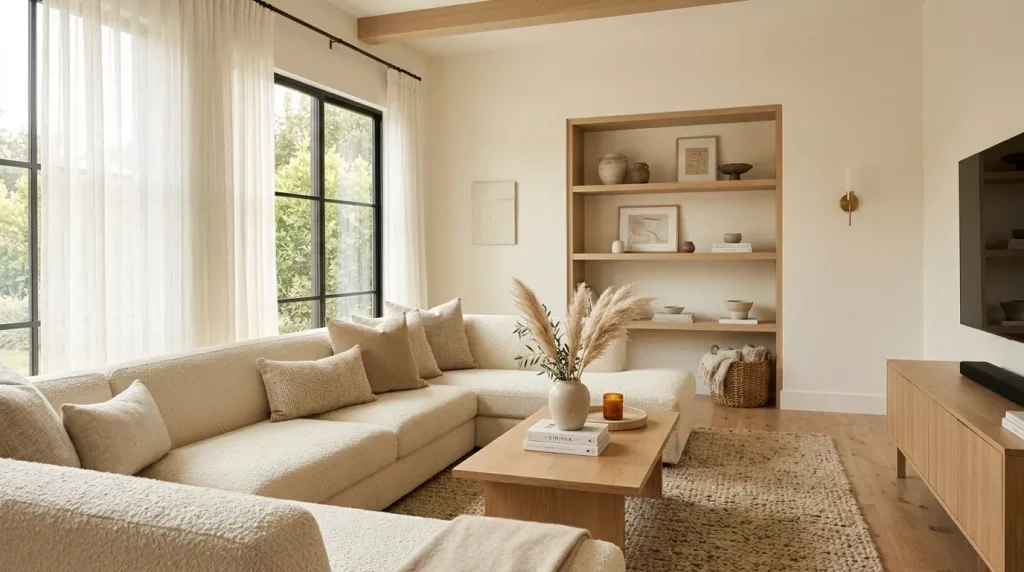
Neutral home decor has become one of the most enduring trends in interior design — and it’s not hard to understand why. Walk into a room layered in warm creams, soft taupes, and muted linen tones, and something almost immediately shifts. You breathe a little deeper. Your shoulders drop. It just feels… right.
Whether you’re redesigning a single room or rethinking your entire home from the ground up, neutral decor is one of the most rewarding directions you can take. It’s flexible, timeless, and — when done well — anything but boring.
This guide breaks it all down for you: what it really means, how to build it step by step, which colors to choose, what mistakes to avoid, and everything in between.
What Does Neutral Home Decor Actually Mean?
Most people hear “neutral” and picture a plain white box. That’s a misconception worth clearing up right away.
In interior design, a neutral color is one that doesn’t dominate the visual field. It works as a background, as a connector, as a complement — never as the loudest voice in the room. That leaves a surprisingly wide range of options:
- Whites and off-whites — crisp, airy, and clean (or warm and creamy, depending on undertone)
- Beiges and tans — inviting, comfortable, and very livable
- Greiges — the gray-beige hybrid that’s been a designer favorite for years
- Warm grays and taupes — sophisticated without being cold
- Earthy tones — mushroom, sand, clay, and warm terracotta
- Deep naturals — charcoal, warm black, moody stone
What makes neutral home decor special is the versatility hidden in this palette. You’re not stuck choosing between bold and plain. You’re choosing between rich layering and visual calm — two things that aren’t mutually exclusive when you approach them correctly.
Why Neutral Home Decor Is Worth the Investment
Let’s be honest — neutral decor gets dismissed as “playing it safe.” But that’s a surface-level take. Here’s what actually makes it worth committing to:
It ages gracefully. Trendy colors get exhausting. That deep teal accent wall you loved in 2020 might already feel dated. Neutral spaces don’t date themselves the same way. They evolve with you.
It’s easy to refresh without starting over. New throw pillows, a different rug, a swap of art on the wall — and your neutral room feels brand new. No repainting, no furniture overhaul. The neutral backdrop is the gift that keeps giving.
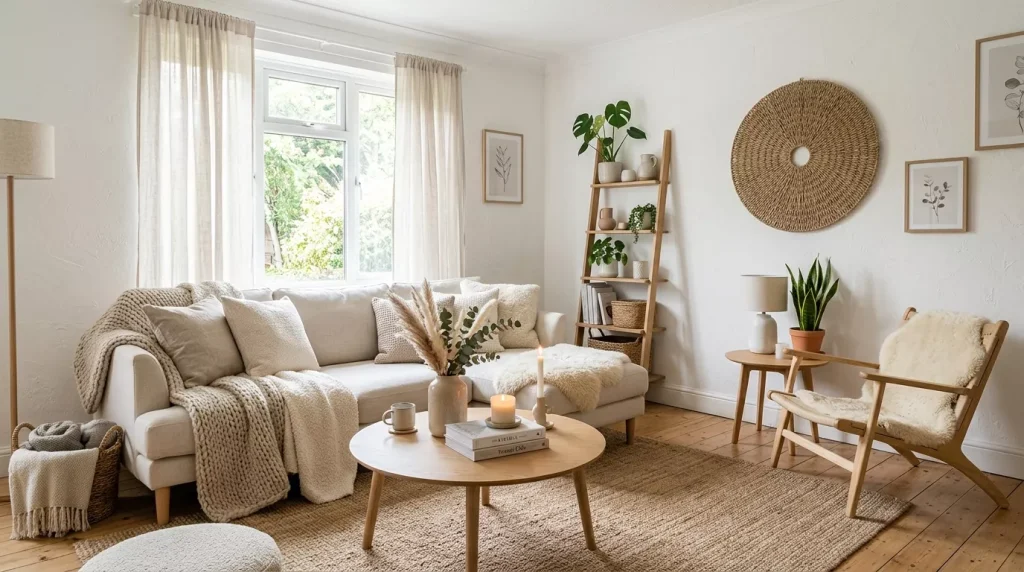
It supports mental well-being. Visual noise is more taxing than people realize. Spaces with restrained color palettes have been consistently linked to lower stress and greater ease of focus. Your home should work for your nervous system, not against it.
It photographs beautifully. Light behaves differently in neutral rooms. It bounces, pools, and layers in ways that create atmosphere. Whether you’re snapping a quick photo or seriously thinking about staging your home someday, neutral decor works in your favor.
It suits any style. From Scandinavian minimalism to coastal relaxed, rustic farmhouse to modern organic — neutral color palettes fit into every aesthetic framework. It’s not a style itself so much as a foundation that supports any style.
Pros and Cons of Neutral Home Decor
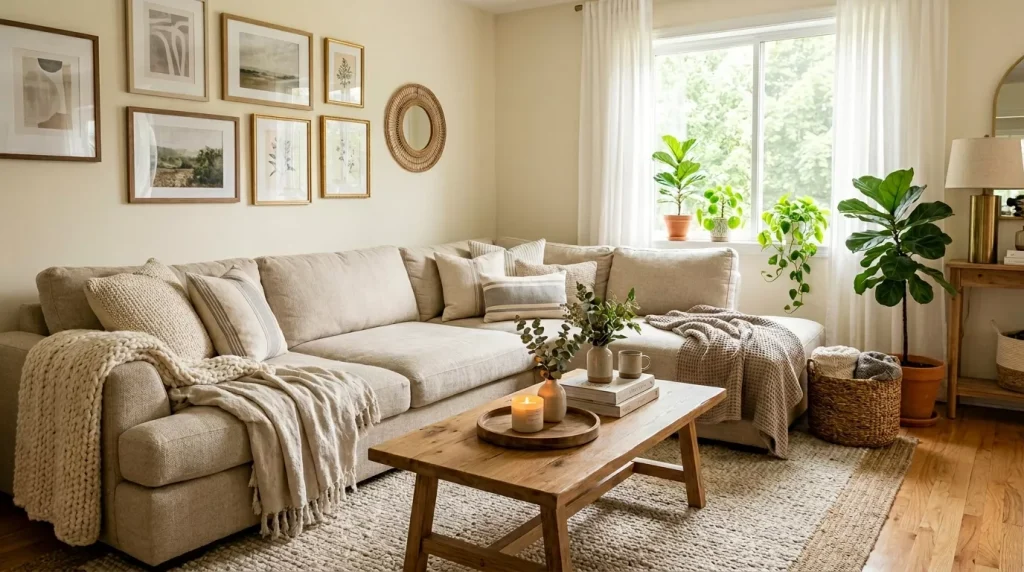
Before you dive in, here’s an honest look at both sides:
| Pros | Cons |
|---|---|
| Timeless — won’t feel dated in five years | Requires layering or it feels flat |
| Easy to update with seasonal accessories | Light surfaces show dust and dirt more readily |
| Creates a genuinely calm, restful atmosphere | Can feel cold without warm accents or texture |
| Works with any furniture style or era | Personality requires more intentionality to express |
| Strong resale appeal for buyers | All-white schemes can feel clinical without warmth |
| Pairs with almost any artwork or textiles | Beginner mistakes (like going too matchy) are common |
The bottom line: neutral home decor rewards thoughtfulness. Put in the intention, and the results are remarkable. Rush it, and it can fall flat. This guide will make sure you don’t fall into that second camp.
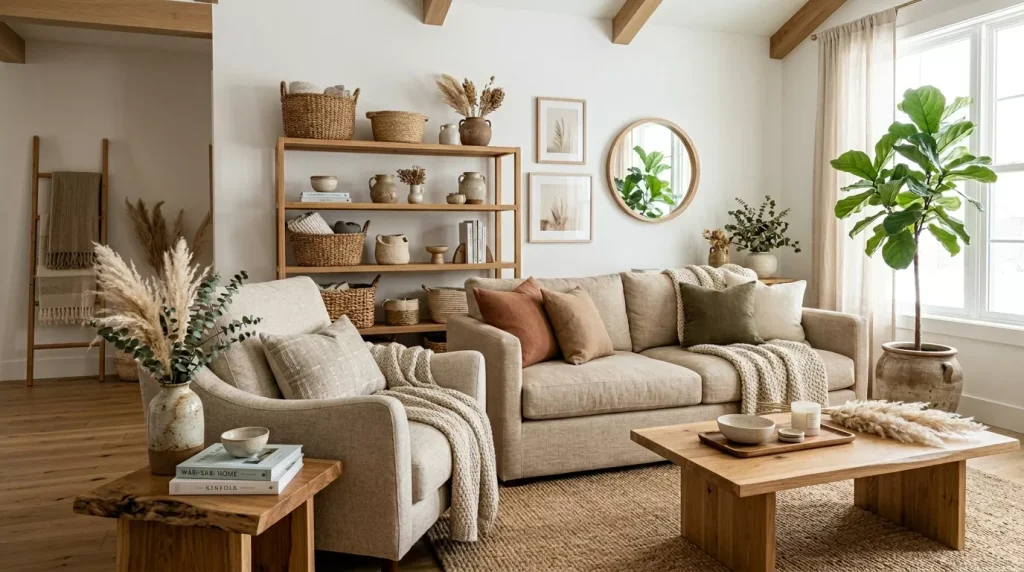
How to Build a Neutral Home Decor Scheme: Step-by-Step
Step 1: Pick Your Base Neutral
Every room starts with a foundation color — usually the walls. This single decision shapes the entire feel of the space.
Warm vs. cool matters more than shade.
Warm neutrals (cream, ivory, warm beige, greige leaning toward tan) make a room feel cozy, soft, and wrapped-in. They suit living rooms, bedrooms, and dining spaces particularly well.
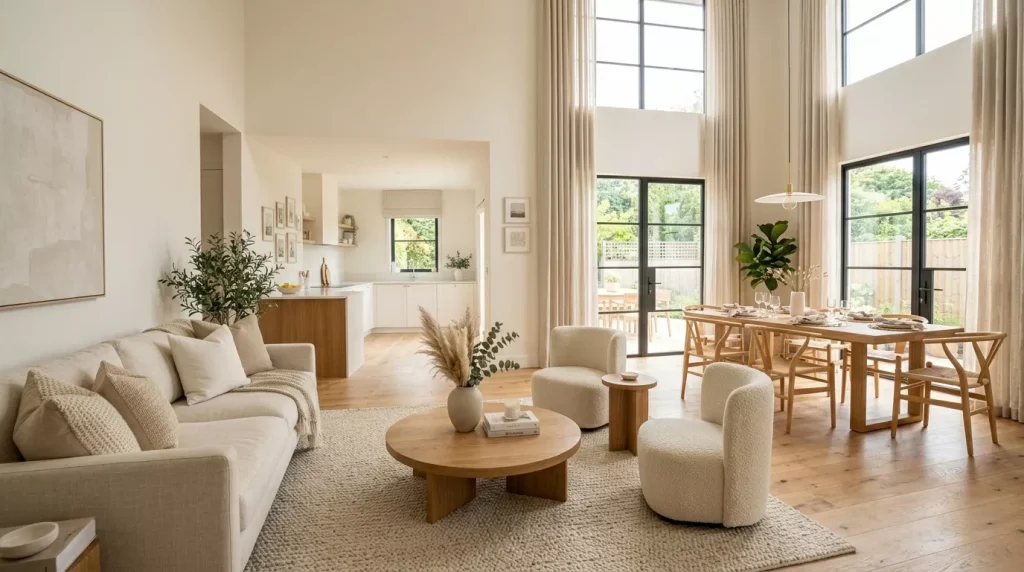
Cool neutrals (pure white, soft gray, blue-tinted greige) feel cleaner and more modern. They work well in kitchens, bathrooms, and contemporary spaces.
Practical tip: Buy sample pots and paint large swatches — at least A4 size — on different walls. Live with them for two or three days before committing. The same paint chip can look pink in morning light and orange in the evening.
Step 2: Layer Multiple Shades of Neutral
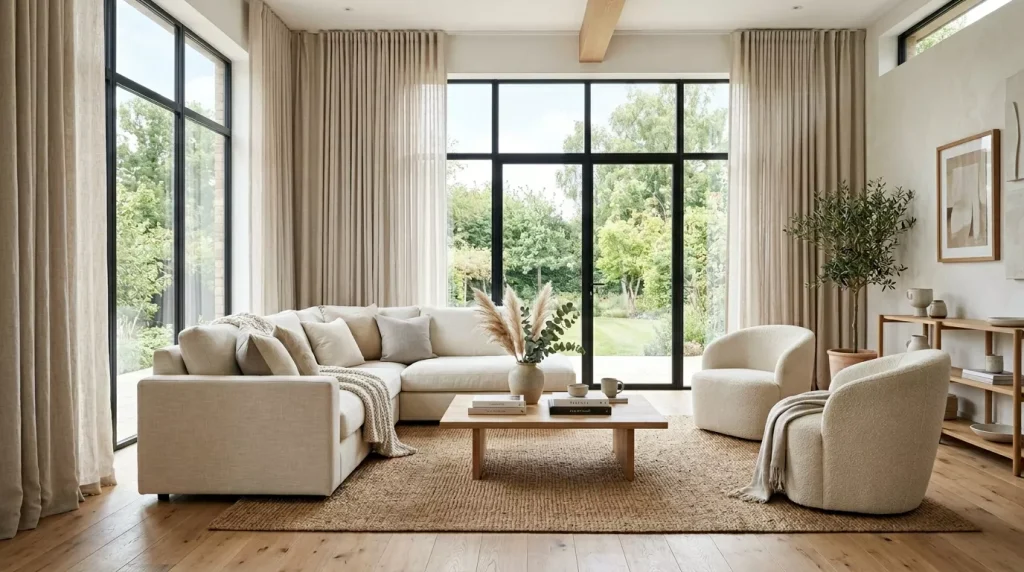
One flat neutral tone on every surface is where most neutral rooms go wrong. The secret is to use several neutrals that are close in temperature but vary in depth.
Think of it like this:
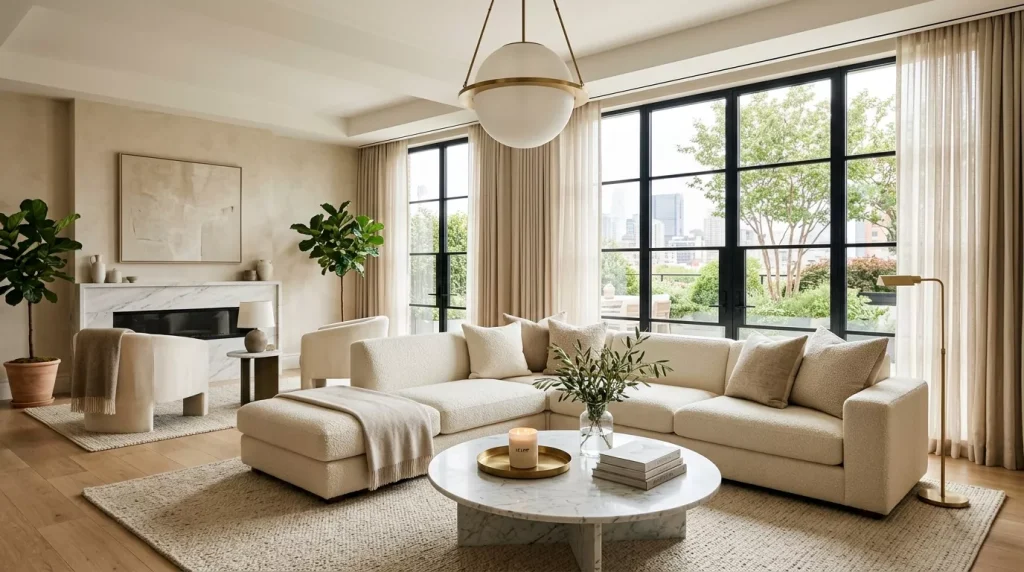
- Lightest layer → walls and ceiling (soft cream, warm white)
- Mid layer → main furniture pieces (oatmeal sofa, sand armchair, linen-toned curtains)
- Deeper layer → rugs, throws, cushions (warm taupe, mocha, clay, stone)
The interplay between these tones creates a sense of depth and richness that a single neutral could never achieve on its own.
Step 3: Commit to Texture — Seriously
If there’s one rule of neutral home decor that outranks every other, it’s this: texture is your color.
In a room without bold hues, texture does all the visual work. It catches light differently. It creates contrast between materials. It keeps the eye moving and interested.
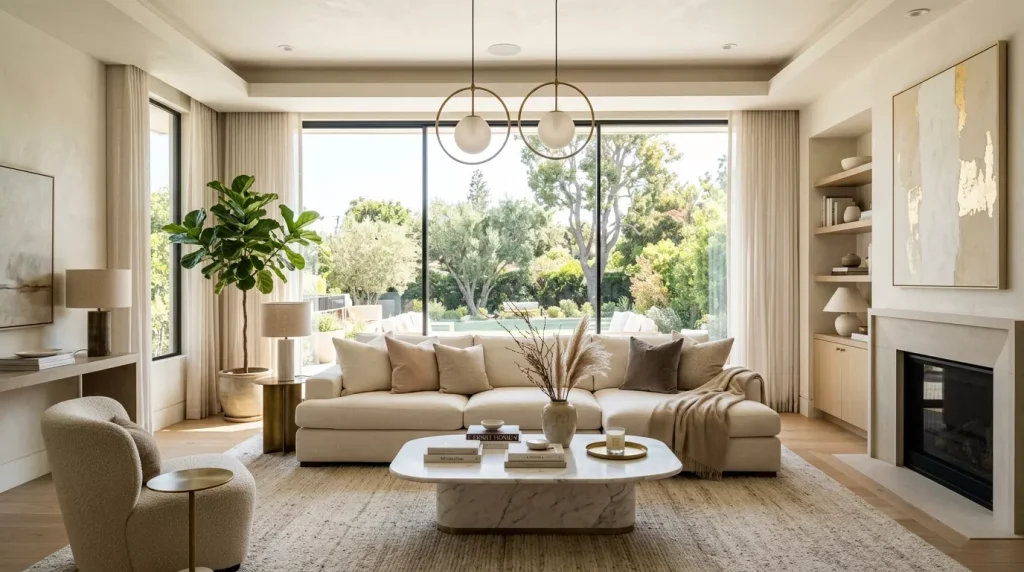
Try combining:
- Rough linen with smooth velvet
- Matte ceramic with gloss-glazed pottery
- Raw wood with polished stone
- Chunky knit throws with silk or satin cushions
- Jute and sisal alongside softer wool rugs
The variety doesn’t disrupt the calm — it enriches it. A neutral room with five different textures looks intentional and luxurious. The same room with no texture variation looks like a waiting room.
Step 4: Bring in Natural Materials
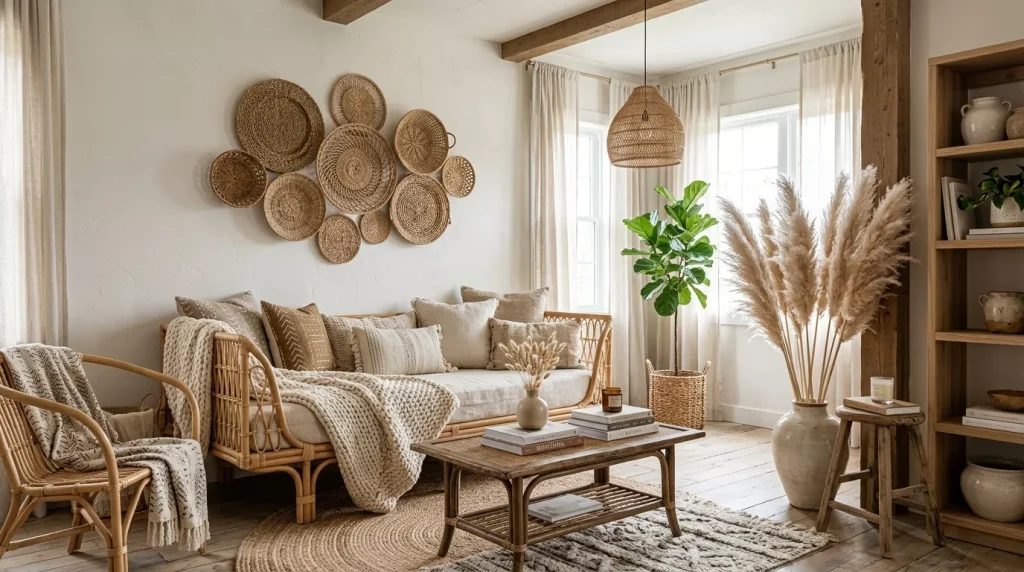
Organic and natural materials are practically made for neutral interiors. They carry their own tonal variation — grain patterns in wood, veining in stone, weave variation in rattan — which means they add visual complexity while staying within your palette.
Great additions to any neutral scheme include:
- Rattan, cane, and wicker — baskets, chairs, pendant shades
- Raw and reclaimed wood — shelving, coffee tables, side tables, trays
- Stone — travertine, marble, limestone in coasters, vessels, trays, or tiled surfaces
- Terracotta — pots, tiles, decorative objects
- Linen and cotton — soft furnishings, curtains, bedding
- Dried botanicals — pampas grass, dried eucalyptus, cotton stems
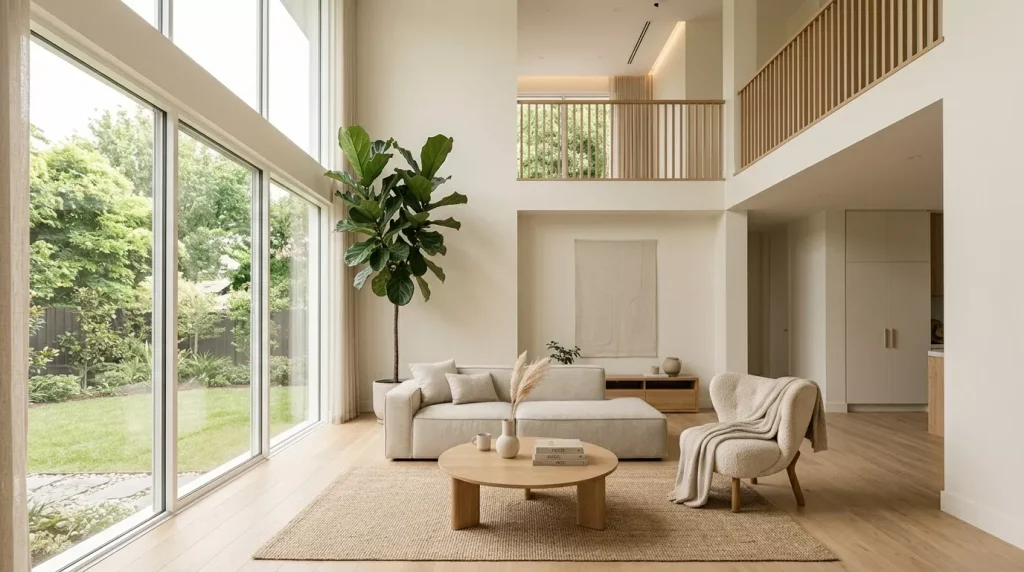
These don’t just add beauty — they add soul to a room. And soul is something neutral decor absolutely needs.
Step 5: Master the Lighting
Lighting in a neutral room is not an afterthought. It’s practically a design element in its own right.
Warm bulbs (between 2700K and 3000K) bring out the golden undertones in cream, wood, and linen. They make neutral rooms glow in the evening in a way that cool white bulbs simply can’t replicate.
Layered lighting matters here more than in any other style:
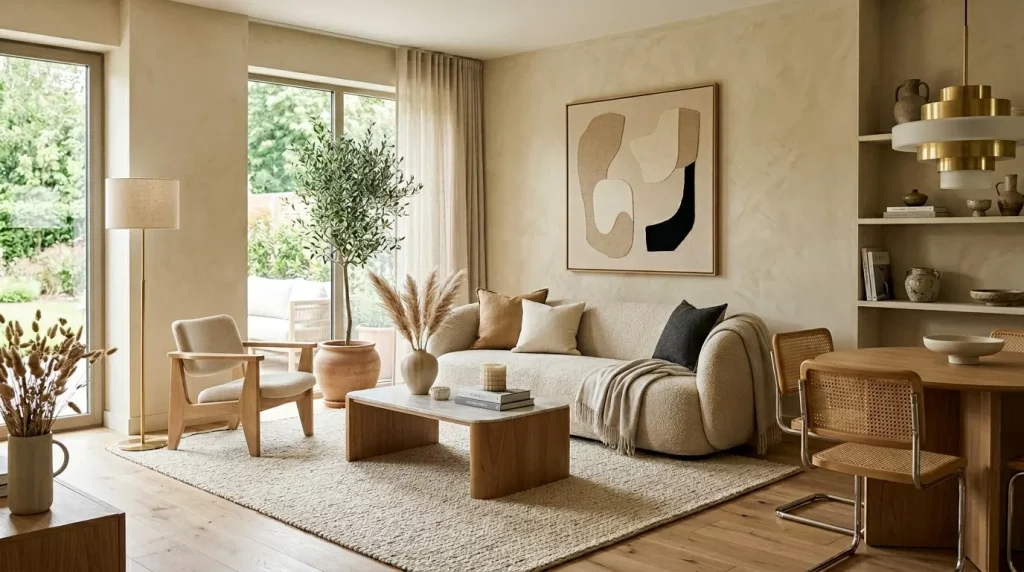
- Ambient overhead lighting for general function
- Table lamps and floor lamps for intimate, pooled warmth
- Task lighting under shelves or beside reading spots
Natural light is the ultimate asset. Sheer or semi-sheer curtains in a neutral linen or cotton filter daylight beautifully without darkening the room. Avoid heavy block-out drapes in rooms you want to feel airy.
Step 6: Edit, Curate, and Simplify
The final — and arguably most important — step is editing.
Neutral rooms don’t hide clutter the way bold rooms do. A dark, maximalist space can absorb visual chaos. A neutral room exposes it immediately.
Walk through your space and ask of each item: does this belong here? If an object is the wrong tone, the wrong texture, or it’s simply one too many things on a shelf, remove it. You can always reintroduce items gradually. Starting lean is easier than scaling back.
Neutral Color Comparison: Which Shade Is Right for You?
| Neutral | Undertone | Room Vibe | Best Paired With |
|---|---|---|---|
| Pure White | Cool/Crisp | Minimalist, editorial | Black, natural wood, chrome |
| Warm White / Ivory | Warm | Soft, romantic, classic | Cream, linen, warm gold |
| Cream / Off-White | Warm | Cozy and timeless | Beige, natural oak, brass |
| Greige | Warm/Neutral | Versatile, modern | Warm wood, charcoal, rust |
| Warm Gray | Slightly Cool | Sleek and contemporary | White, walnut, steel |
| Beige / Sand | Warm | Earthy, grounded, welcoming | Terracotta, olive, rattan |
| Taupe | Warm/Brown | Refined and layered | Mushroom, cognac, warm rust |
| Mushroom | Warm/Neutral | Muted Scandi, understated | Blush, clay, ivory, blond wood |
| Warm Charcoal | Deep/Neutral | Grounding and dramatic | Cream, natural stone, brass |
Neutral Home Decor by Room
Living Room
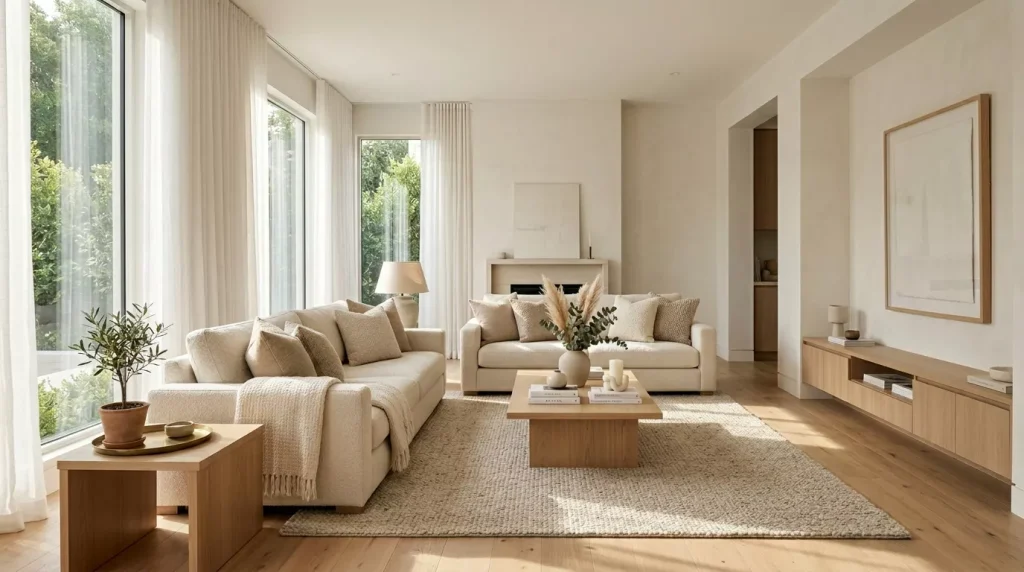
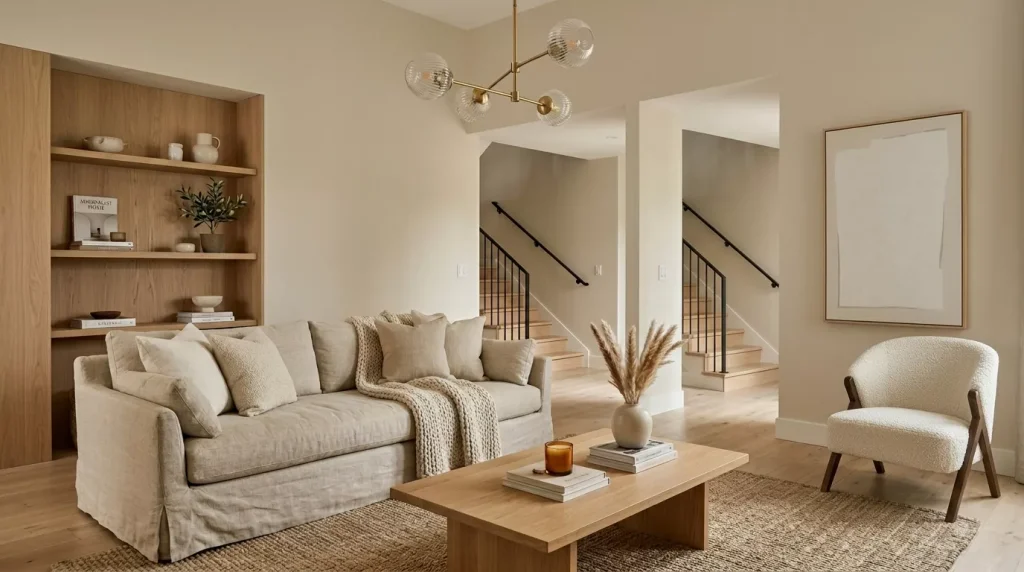
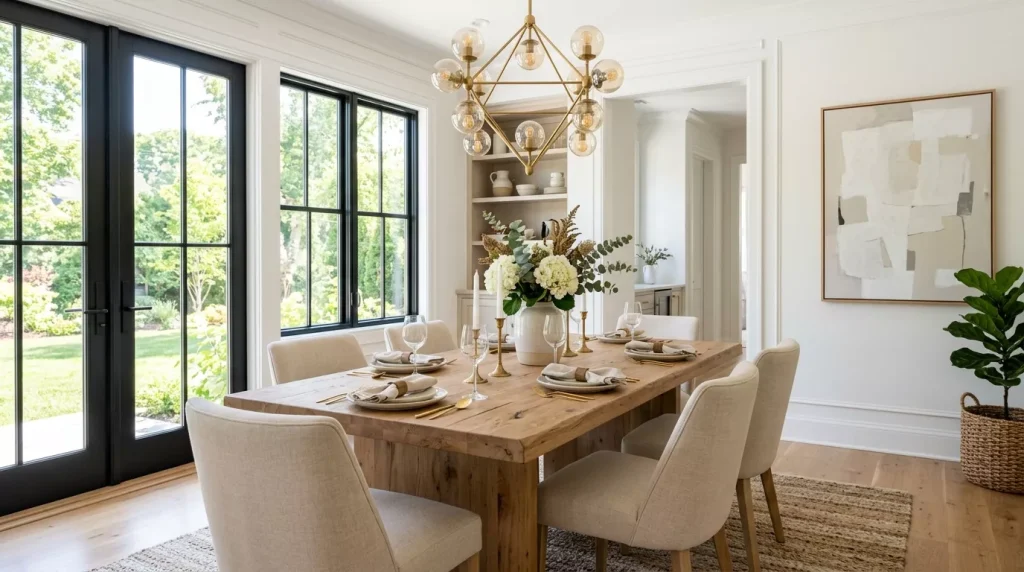
The living room is your showpiece. A large sofa in oatmeal linen or warm sand anchors the space. Layer rugs — jute underneath, a softer wool layer on top. Add textured cushions in varying depths of cream and taupe. A travertine or reclaimed wood coffee table brings natural material interest. Keep shelving curated: a few ceramics, a plant, some stacked books. Warm pendant lighting ties it all together.
Bedroom
The bedroom should feel like a retreat, and neutral decor makes that effortless. Soft linen bedding in white or ecru creates an immediate sense of calm. Wooden bedside tables with warm-toned lamps give the room a grounded, lived-in quality. A chunky knit throw at the foot of the bed adds texture. Keep surfaces largely clear. Let the room breathe.
Kitchen
Neutral kitchens are defined by material quality. Cream or greige cabinetry with brushed brass or matte black hardware looks quietly luxurious. Stone or quartz countertops in white, cream, or warm gray add sophistication. Open shelves styled with cream ceramics, wooden boards, and simple glassware feel curated without being fussy.
Bathroom
In bathrooms, neutrals become spa-like instantly. Warm white subway tile, a stone or terrazzo basin, aged brass fixtures, and a woven basket for towels — it doesn’t take much. Add a large mirror to bounce light, and the room transforms.
Common Mistakes to Avoid in Neutral Home Decor
1. Matching every neutral to the same shade. This is the most common mistake. Using only one neutral — even a nice one — makes a room feel flat and mass-produced. Variation in shade depth is what gives the room dimension.
2. Skipping texture entirely. A room all in smooth, matte finishes will feel dull no matter how beautiful the color palette is. Rough, smooth, soft, and structured surfaces working together is what makes neutral rooms visually rich.
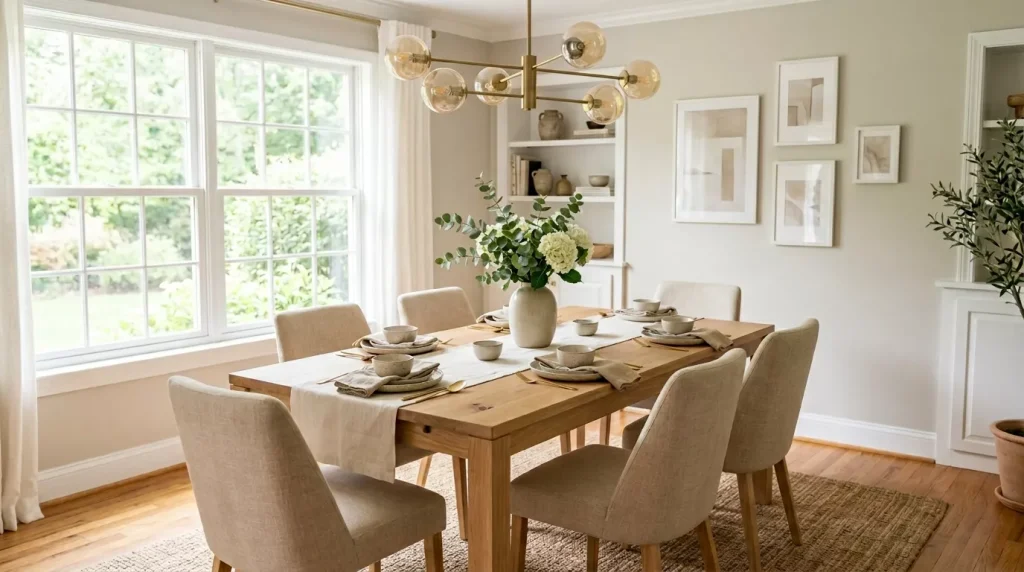
3. Over-relying on cool whites without warm counterbalance. Pure white walls in a north-facing room can feel clinical and cold. Always balance cool tones with warm accessories — amber glass, warm wood, a beige throw.
4. Clutter in a neutral room. Bold, pattern-heavy spaces can carry more objects. A neutral room can’t. Edit ruthlessly. Every item on display should be intentional.
5. Ignoring the ceiling. Many people forget the ceiling is the fifth wall. A ceiling painted in a very soft version of your wall tone (or even the same color) wraps the room beautifully. Leaving a warm room with a stark white ceiling can feel abrupt.
6. Buying everything new at once. Neutral rooms benefit enormously from pieces with history — a slightly worn leather armchair, a vintage ceramic, an aged wooden bowl. New items can look too uniform. Mix eras.
Tips for Getting Neutral Home Decor Right
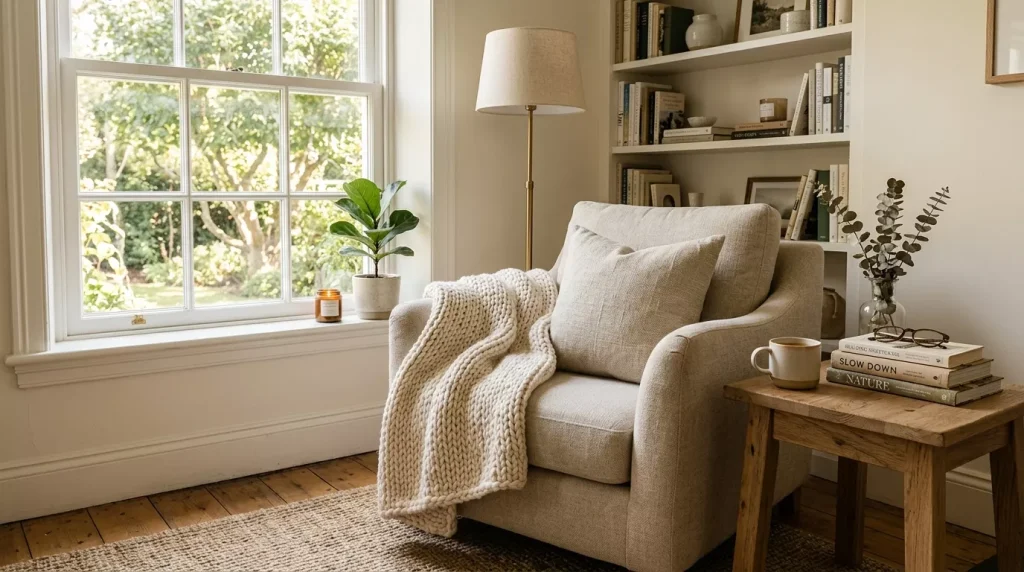
- Start with one room and master it before spreading the approach throughout your home.
- Invest in quality textiles — linen, cotton, and wool look and feel significantly better than synthetics in neutral spaces.
- Don’t fear depth — charcoal, warm black, and deep taupe are still neutrals. Use them to create anchoring contrast.
- Add living greenery — a single sculptural plant adds life and color without breaking the palette.
- Shop vintage and secondhand — old ceramics, worn wood, and patinated metals add irreplaceable character.
- Update seasonally — light linens and dried florals in summer; deeper tones and chunky knits come autumn.
- Use scent — candles and reed diffusers in warm, natural scents (cedarwood, amber, sandalwood) reinforce the sensory calm of a neutral room.
Neutral Home Decor vs. Minimalism: Clearing Up the Confusion
These two concepts overlap enough to cause confusion, but they’re not the same thing.
Minimalism is about quantity — having fewer possessions, removing the unnecessary, embracing simplicity as a philosophy of life. A minimalist room might have three objects in it.
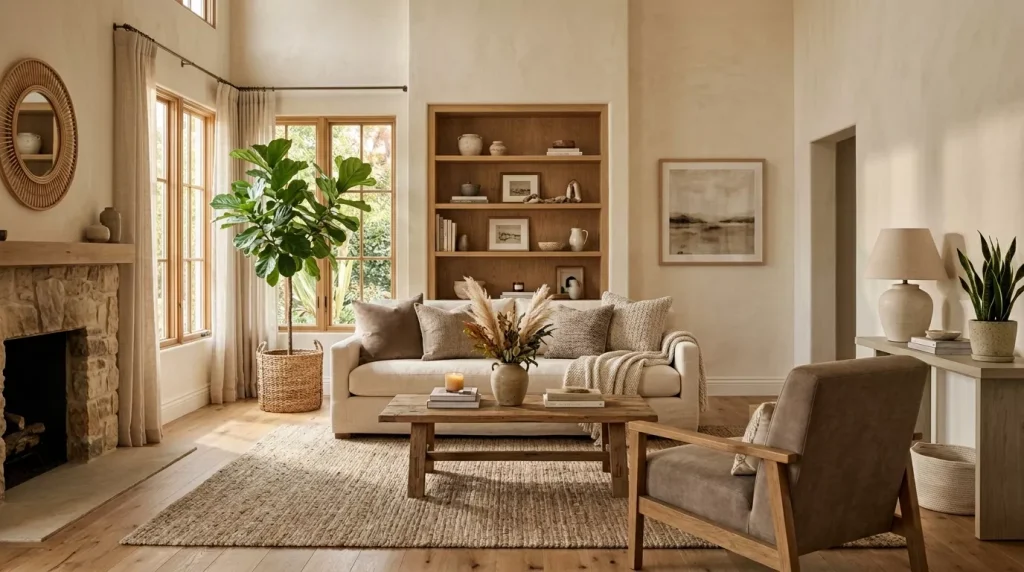
Neutral home decor is about color and tone. You can have a richly accessorized, layered, maximalist room that is entirely neutral in its color palette.
They often go hand in hand — minimalist spaces frequently use neutral palettes, and neutral decor often benefits from thoughtful editing. But choosing neutral decor doesn’t require you to own less or live sparingly. It simply asks that what you own fits the tonal story you’re telling.
Conclusion: Make Your Home a Place You Actually Want to Be
Neutral home decor, done with intention and care, creates spaces that feel genuinely livable. Not just visually appealing for a photo — but actually, deeply comfortable to exist in day after day.
The real power of neutral home decor isn’t in playing it safe. It’s in creating a space where light, texture, material, and tone do the work that loud color often masks. When you strip away the distraction, what’s left has to be good. And when it is, it’s extraordinary.
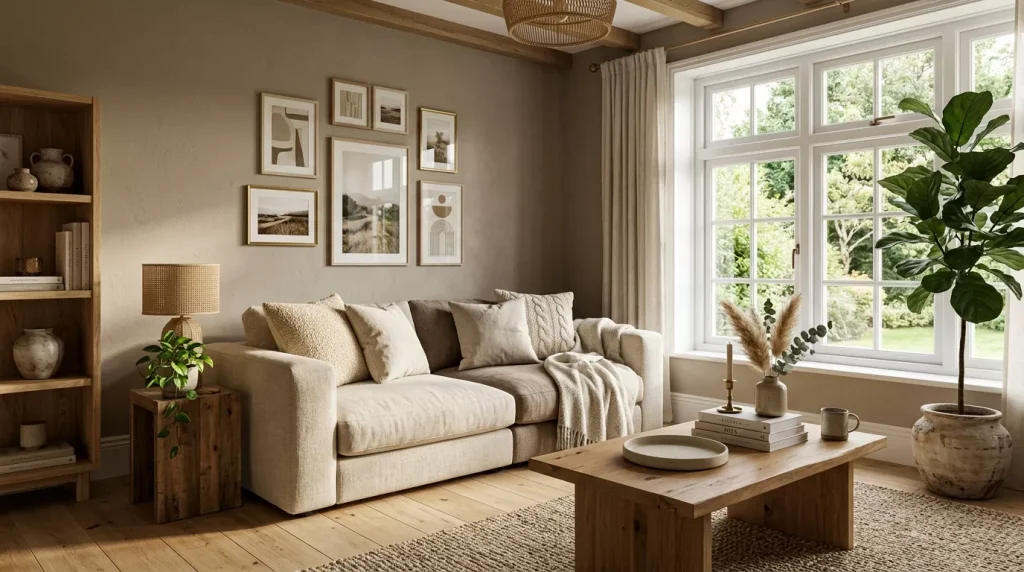
You don’t need to overhaul everything at once. Start with one wall. One room. One rug swap. See how it feels. Most people, once they begin, find that neutral decor doesn’t just change how their home looks — it changes how they feel inside it.
Ready to start your neutral home decor transformation? Pick one room, choose one base neutral, and begin layering from there. Your calm, beautiful space is closer than you think.
FAQs About Neutral Home Decor
Q1: What are the best neutral colors for small rooms?
Warm whites and soft creams are ideal for small rooms because they reflect light and make the space feel larger. Avoid very dark neutrals in small, light-challenged rooms — save those for rooms with generous natural light or as accent tones rather than the dominant wall color. Consistent flooring tone throughout a small space also makes it feel more open.
Q2: How do I stop my neutral room from looking boring?
Texture is your most powerful tool. A neutral room with varied textures — rough linen, smooth marble, aged wood, soft wool — is never boring. Beyond that, vary the depth of your neutrals (don’t use one shade everywhere), incorporate organic materials like rattan and terracotta, and use warm lighting to add atmosphere. A few well-chosen plants help enormously too.
Q3: Can neutral home decor work in a rented home?
Absolutely. If you can’t repaint, focus on what you can change: textiles, rugs, cushions, lighting, curtains, and accessories. A warm-toned rug over a beige carpet, linen curtains replacing synthetic ones, and a set of natural ceramics on a shelf can transform the feeling of a rented room without touching a single wall.
Q4: How do I add personality to a neutral room without adding color?
Personality in a neutral room comes through texture, materials, and objects with history. An interesting piece of artwork in black and white or warm tones, a stack of books, a vintage wooden bowl, a sculptural ceramic — these things say something about who lives in the room. Personal mementos, collected objects, and items with visible handcraft or imperfection all add character within a neutral palette.
Q5: Is neutral home decor suitable for families with young children?
Yes, though with some practical adjustments. Opt for performance fabrics (performance linen or indoor-outdoor weaves) on upholstered furniture — they’re stain-resistant and cleanable. Layer rugs so you can swap out the top layer easily. Choose mid-tone neutrals like warm greige or sand over stark white for walls and soft furnishings — they hide daily life better while keeping the calm aesthetic intact.
Q6: What’s the difference between warm and cool neutrals, and how do I know which to choose?
Warm neutrals have underlying tones of red, yellow, or orange (cream, beige, greige). Cool neutrals have underlying tones of blue or green (gray, pure white, some taupes). To decide which suits your space, look at the light your room gets. North-facing rooms with cool, indirect light often benefit from warm neutrals to counterbalance. South-facing rooms with warm, bright light can handle cool neutrals without feeling cold. Most rooms fall somewhere in between — the best approach is to test samples in real lighting conditions before committing.
Q7: How many neutral shades should I use in one room?
There’s no hard rule, but a working formula is: one light base (walls), two to three mid-tones (main furniture, curtains, rug), and one or two deeper accents (cushions, throws, accessories). That’s roughly four to six distinct neutral shades working together — enough to create depth without disruption. The key is that they should all share a similar temperature (all warm, or all cool) so the room feels cohesive.