How to Choose the Right Sofa Color for Your Living Room

How to Choose the Right Sofa Color for Your Living Room
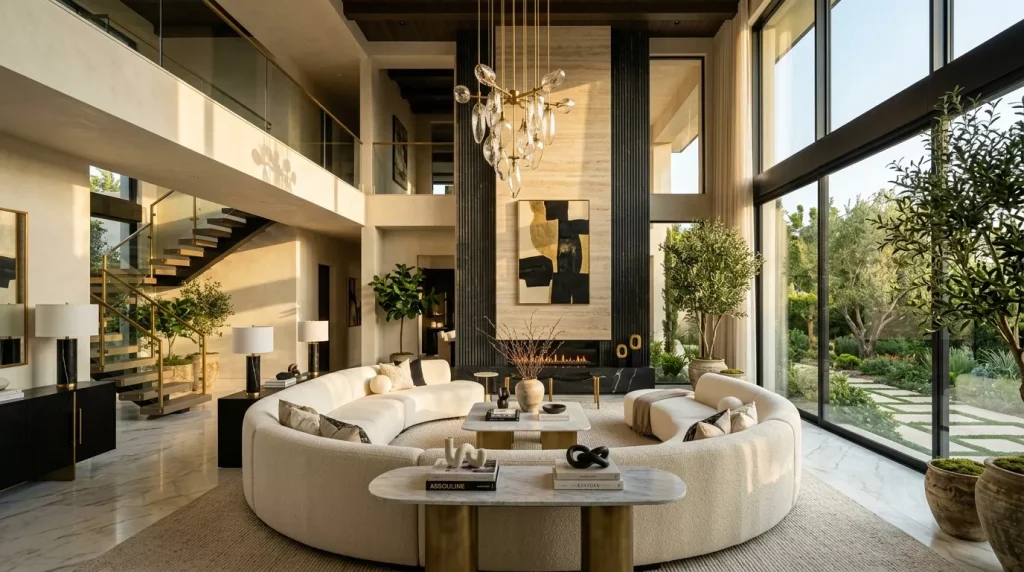
Picking a sofa color sounds simple until you’re standing in a showroom, staring at forty shades of gray, wondering why this feels so hard. Learning how to choose the right sofa color for your living room isn’t just about picking something pretty. It’s about matching your lifestyle, your lighting, and the mood you actually want to feel when you walk into the room.
This guide walks you through it step by step, no design degree required.
Why Sofa Color Matters More Than You Think
Your sofa is usually the biggest piece of furniture in the room. It anchors everything else.
Get the color wrong, and even a beautifully decorated living room can feel off. Get it right, and suddenly the whole space clicks into place.
Color affects more than looks, too. It influences mood, how clean the room feels, and how long the piece stays relevant as trends shift.
A poorly chosen sofa color can:
- Clash with existing decor
- Show stains or wear faster
- Make a small room feel cramped
- Feel outdated within a couple of years
A well-chosen one does the opposite. It ties the room together and quietly does its job for a decade or more.
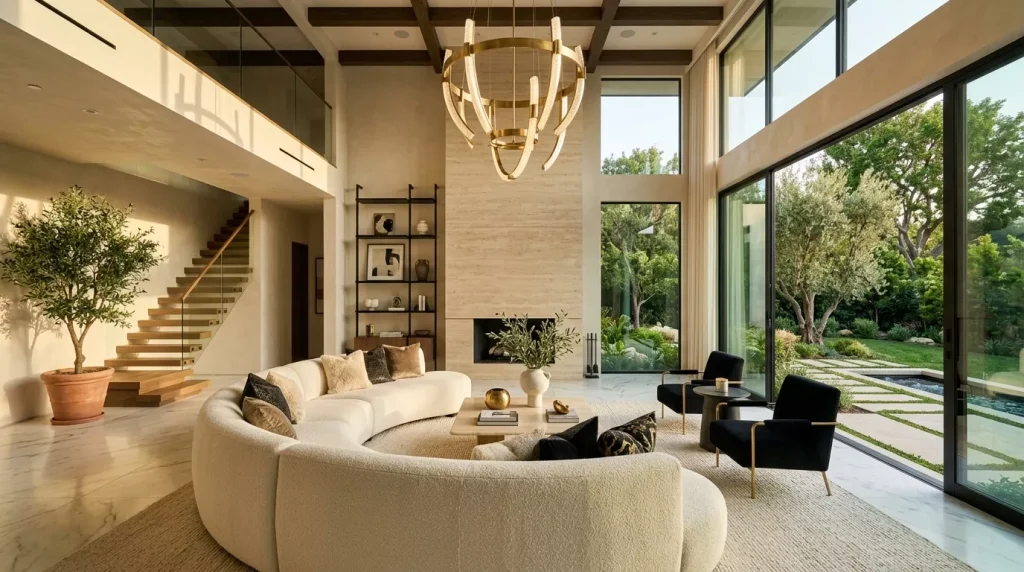
Step-by-Step Guide to Choosing the Right Sofa Color
Here’s a practical process you can actually follow, whether you’re furnishing a new apartment or replacing an old couch.
Step 1: Study Your Room’s Natural Light
Light changes how color reads. A sofa that looks warm and inviting in a sunlit showroom might look cold and gray in your dim-lit apartment.
Before buying anything, notice:
- Which direction your windows face
- How much natural light the room gets during the day
- Whether your lighting is warm (yellow-toned) or cool (blue-toned) at night
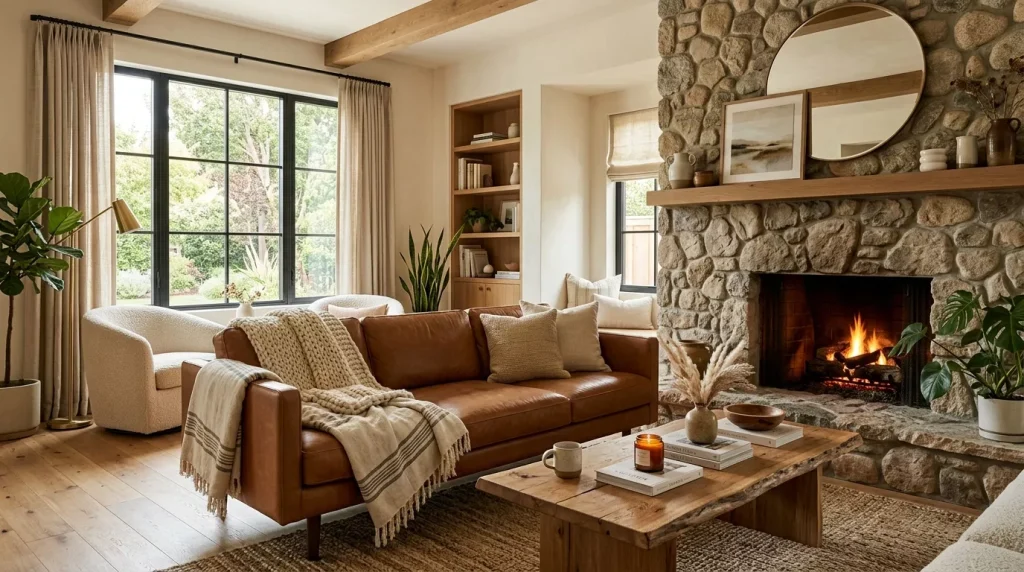
North-facing rooms tend to get cooler light, so warmer sofa tones like camel, rust, or warm gray often balance them out nicely. South-facing rooms get warmer light and can handle cooler tones like navy or charcoal without feeling flat.
Step 2: Decide Between Neutral and Bold
This is usually the first big fork in the road. Do you want a safe, flexible base, or a statement piece that becomes the room’s focal point?
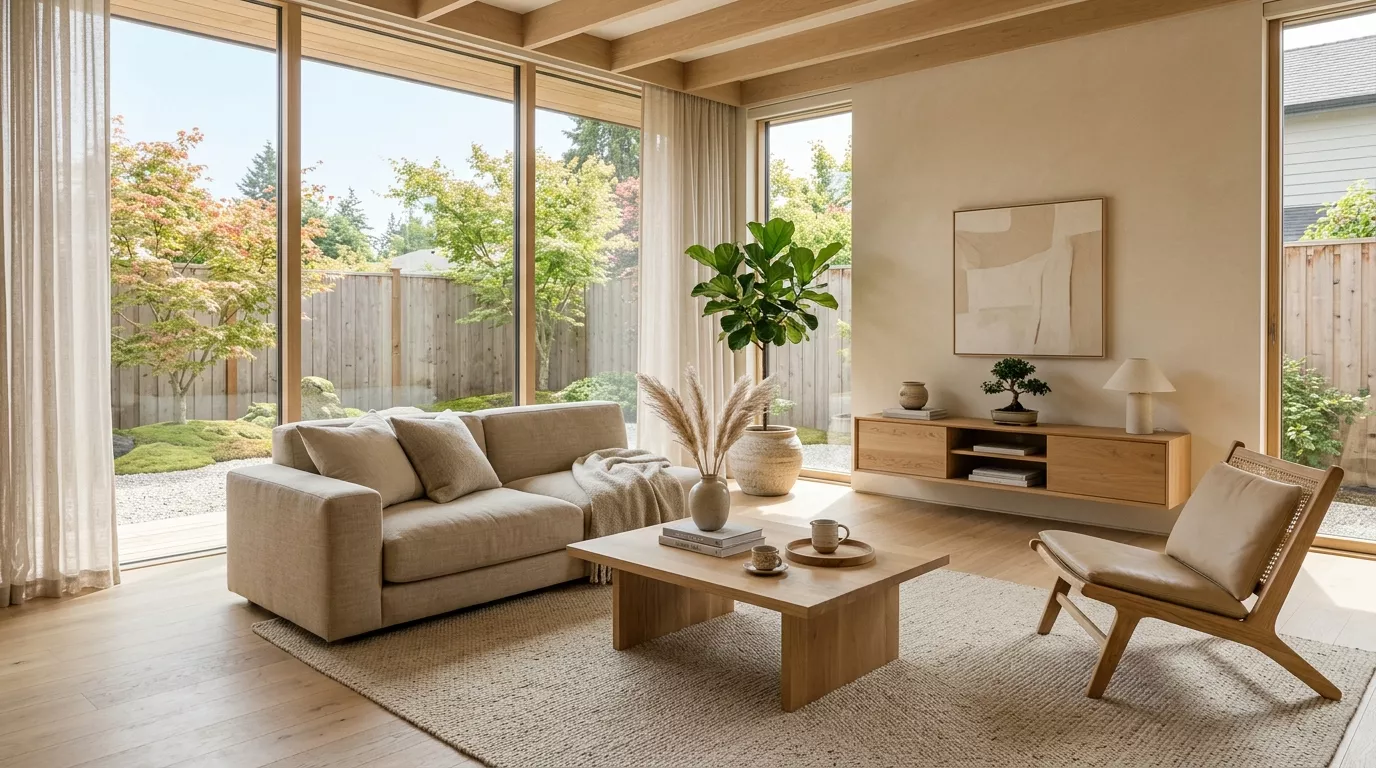
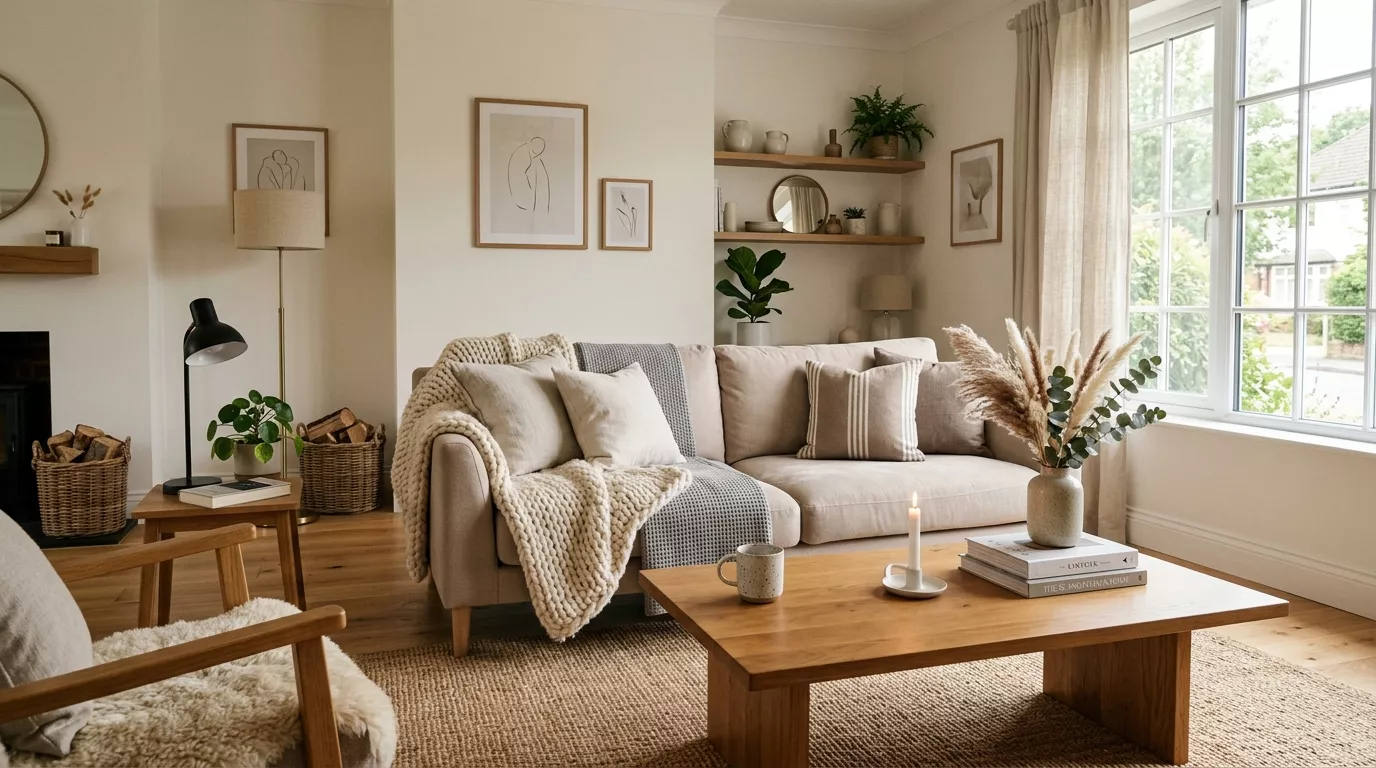
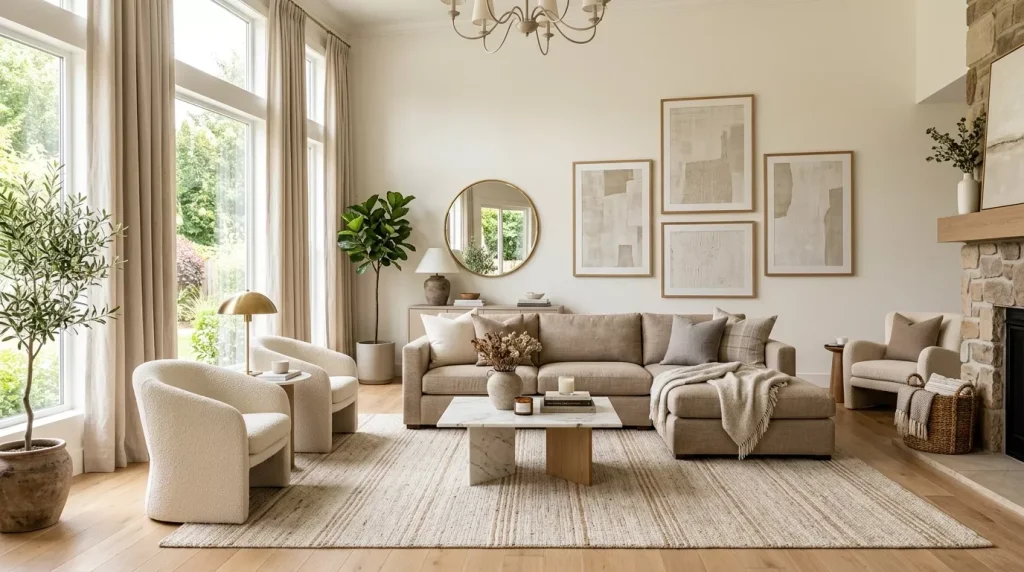
Neutral sofas (beige, gray, cream, taupe) work well if you like to change accent decor often or if you’re renting and might move soon.
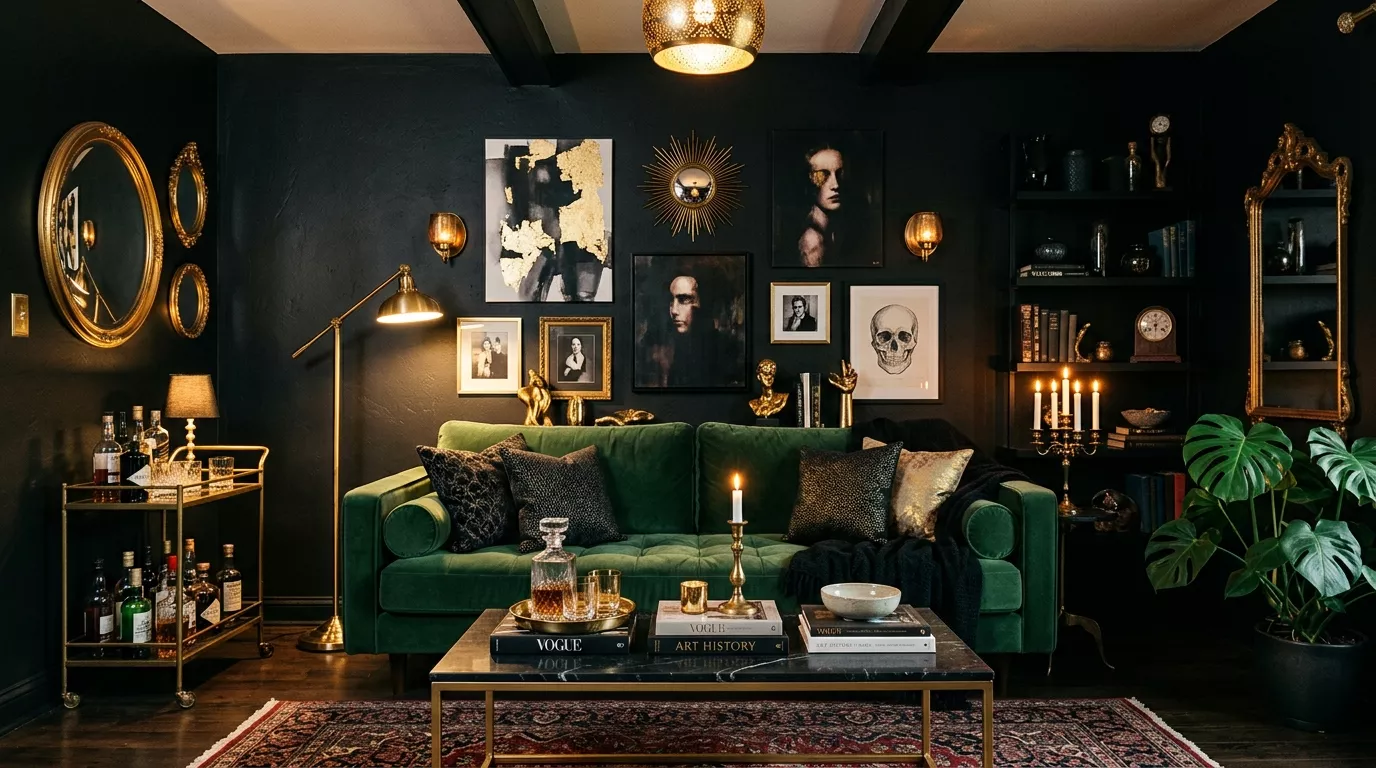
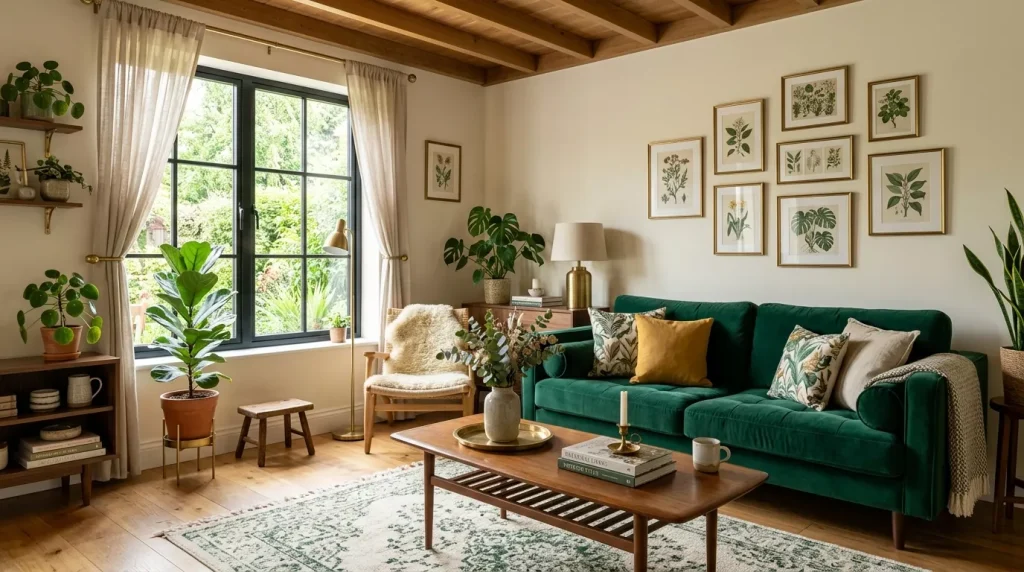
Bold sofas (emerald, mustard, navy, terracotta) make a stronger design statement but require more thought around the rest of the room.
Neither choice is wrong. It depends on how often you like to refresh your space and how confident you feel styling around color.
Step 3: Consider Your Existing Furniture and Flooring
Your sofa doesn’t exist in isolation. It has to work with your flooring, walls, curtains, and other furniture pieces already in the room.
A simple trick: take a photo of your room and look at it in black and white. This removes color bias and lets you focus purely on contrast and balance.
If your flooring is dark hardwood, a lighter sofa color creates helpful contrast. If your walls are already a strong color, a neutral sofa often keeps things from feeling overwhelming.
Step 4: Think About Lifestyle and Practicality
This step gets skipped far too often, and it’s where a lot of buyer’s remorse comes from.
Ask yourself honestly:
- Do you have kids or pets?
- Do you eat or drink on the sofa often?
- How much time do you realistically have for upkeep?
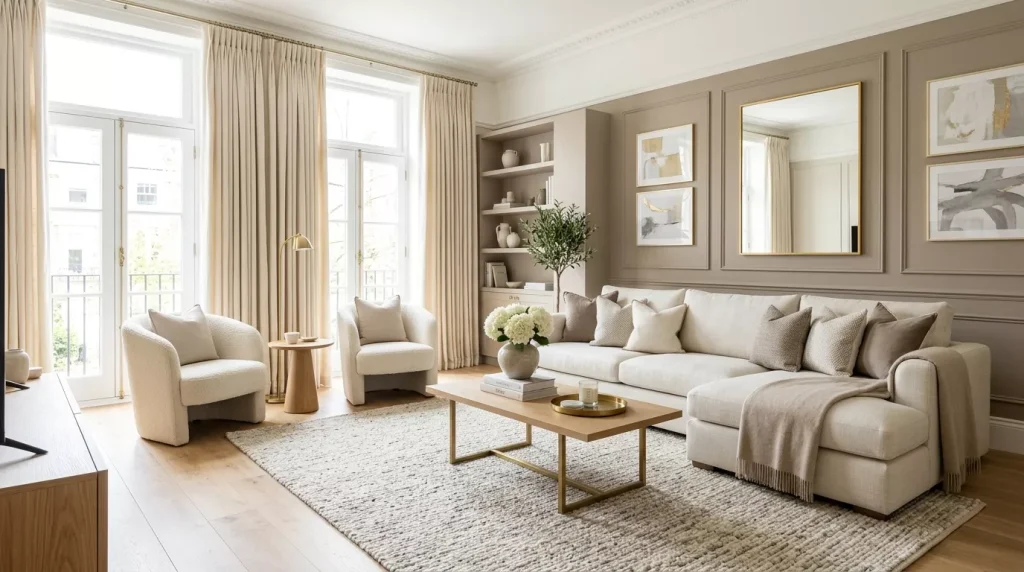
Light colors like cream or pale gray show stains and pet hair more visibly. Darker tones and patterned fabrics tend to hide daily wear far better.
Step 5: Test Swatches in Your Actual Space
Never trust a color swatch under showroom lighting alone. Bring fabric samples home if possible, or order swatches online before committing.
Place them near the window, under your lamp, and against your wall color. Look at them morning, afternoon, and evening. Colors shift dramatically depending on the hour.
Step 6: Think Long-Term, Not Just Trendy
Trendy colors come and go fast. Sofas are a bigger investment than throw pillows, so it’s worth choosing something you’ll still like in five years.
A safer approach: choose a timeless base color for the sofa itself, then bring in trendy colors through cushions, throws, and rugs that are cheaper and easier to swap out.
Popular Sofa Colors and What They Say About Your Space
Different colors create different feelings in a room. Here’s a quick breakdown to help you match color to mood.
This isn’t a strict rulebook. It’s simply a starting point to help narrow your options based on the mood you’re going for.
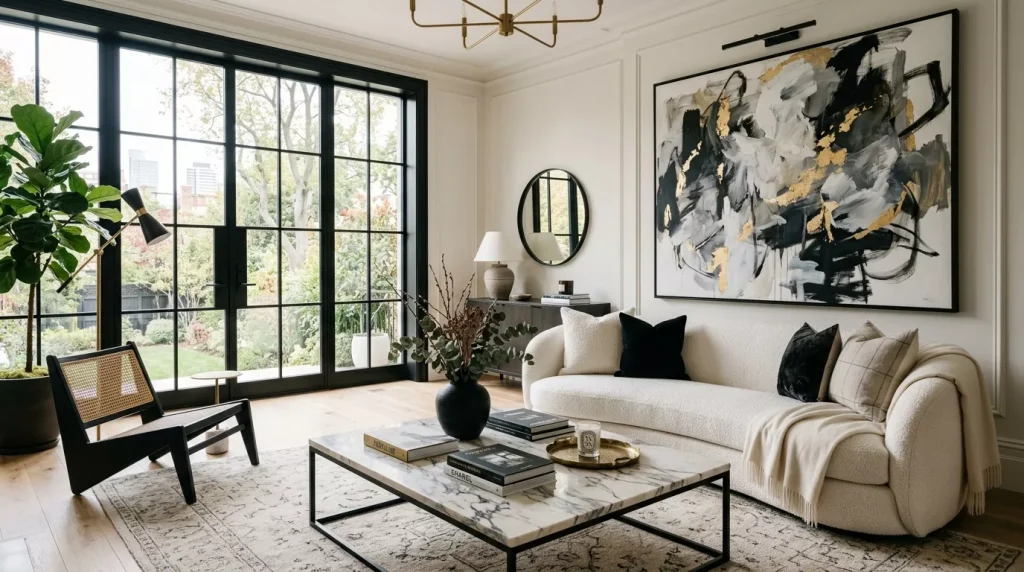
Comparison: Neutral Sofa vs. Bold Colored Sofa
Still torn between playing it safe and going bold? Here’s a side-by-side look.
| Factor | Neutral Sofa | Bold Colored Sofa |
|---|---|---|
| Flexibility with decor changes | Very high | Lower, requires planning |
| Resale/rental appeal | High | Moderate, more personal taste |
| Visual impact | Subtle | Strong, becomes a focal point |
| Stain visibility | Depends on shade | Often better at hiding stains |
| Long-term trend risk | Low | Higher for very trendy shades |
| Styling difficulty | Easier for beginners | Requires more design confidence |
If you’re unsure, a neutral base with bold accent pieces gives you the best of both worlds.
Pros and Cons of Common Sofa Color Choices
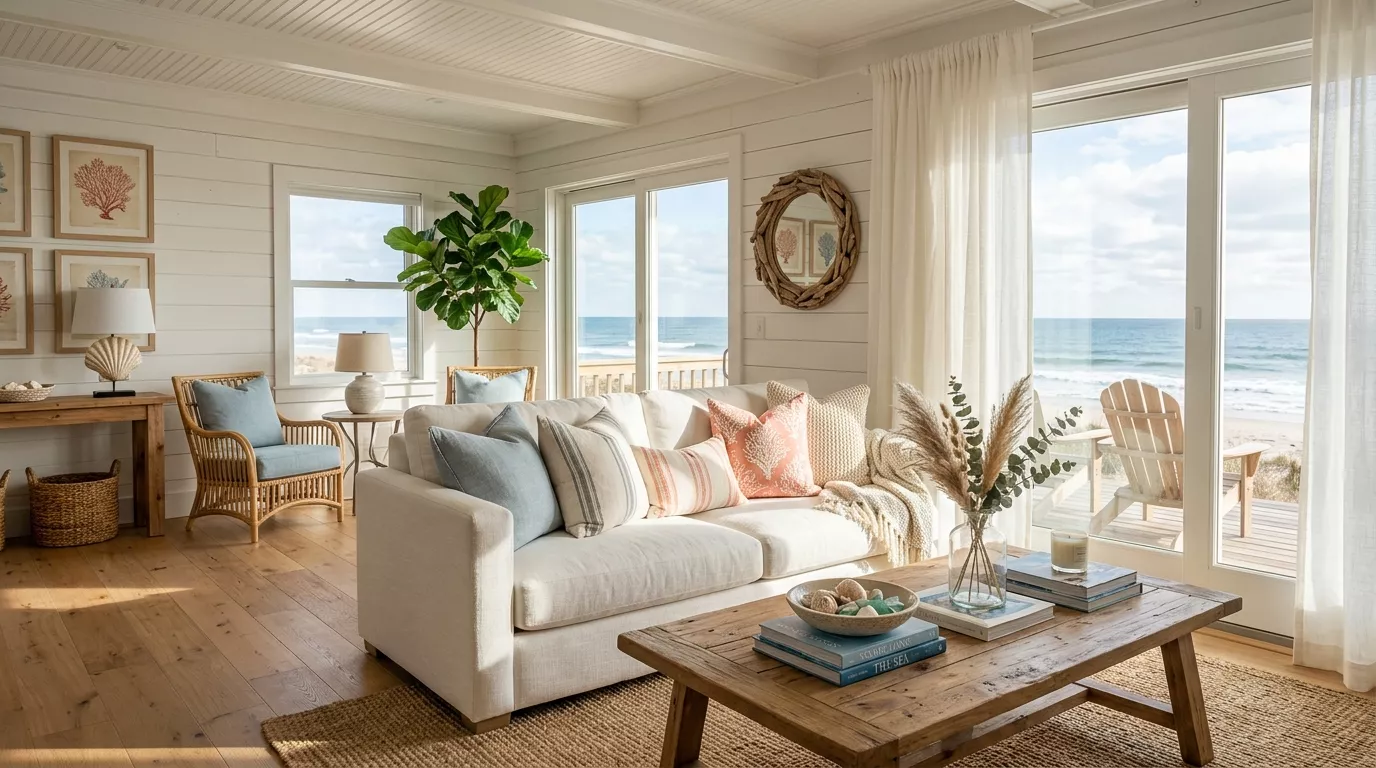
Light-Colored Sofas (White, Cream, Light Gray)
Pros:
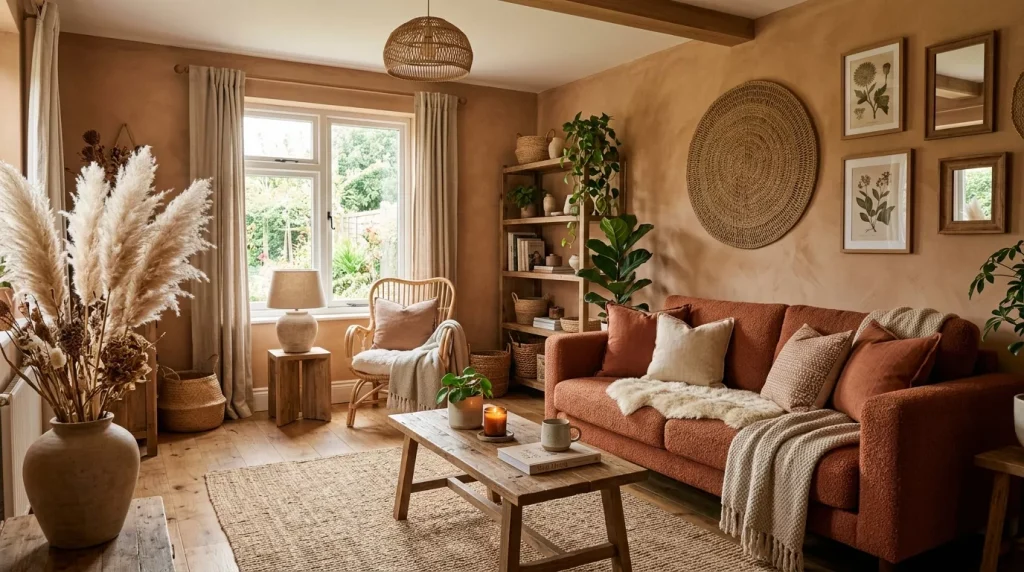
- Make small rooms feel bigger and airier
- Pair easily with almost any decor style
- Reflect light beautifully in sunny rooms
Cons:
- Show stains and dirt quickly
- May feel cold in rooms with poor natural light
- Require more frequent cleaning
Dark-Colored Sofas (Navy, Charcoal, Black)
Pros:
- Hide stains and daily wear well
- Add a sense of depth and sophistication
- Work well in high-traffic households
Cons:
- Can make small rooms feel smaller
- May absorb light in already dim rooms
- Show dust and lint more visibly on some fabrics
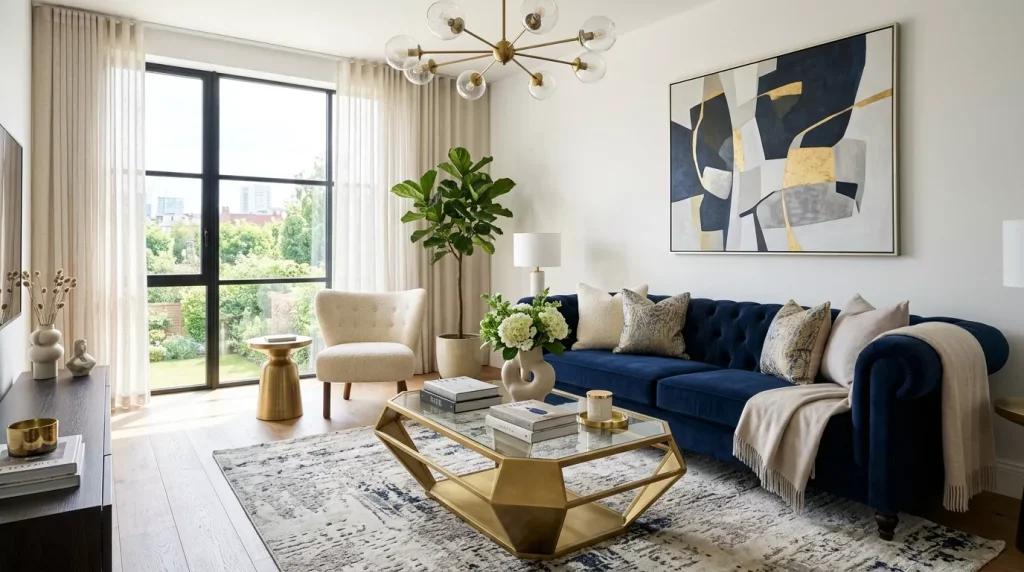
Bold-Colored Sofas (Green, Mustard, Terracotta)
Pros:
- Instantly add personality and warmth
- Great for making a plain room feel designed
- Easy to build a color theme around
Cons:
- Can clash if not planned carefully
- Trends may shift faster than with neutrals
- Harder to change your mind later without a full redesign
Tips for Choosing Your Sofa Color With Confidence
A few extra pointers that make the whole process smoother:
- Start with your wall color first, then work backward to the sofa.
- If in doubt, choose a shade one tone lighter or darker than what feels “safe” — pure middle-of-the-road choices can feel flat.
- Consider fabric texture alongside color; a boucle or velvet changes how the same color feels.
- Use your rug as a bridge between wall color and sofa color if they don’t naturally connect.
- Don’t forget to check how the color looks under your actual light bulbs, not just daylight.
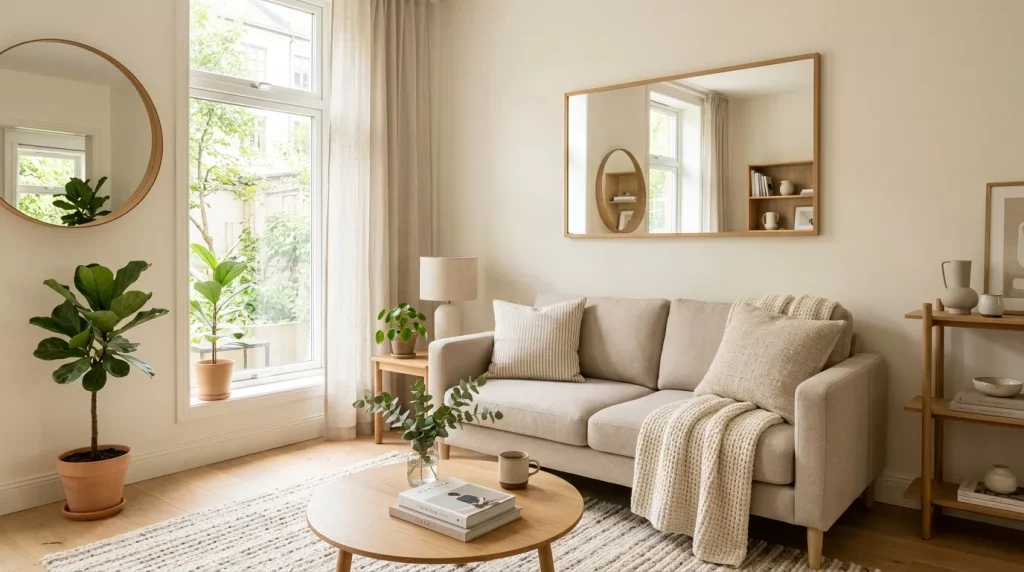
Common Mistakes to Avoid
Even careful shoppers fall into these traps. Watch out for them.
- Choosing based on showroom lighting alone. Store lighting is designed to make everything look flattering.
- Ignoring lifestyle factors. A white sofa and a house full of toddlers rarely mix well long-term.
- Matching too perfectly. A sofa that matches your walls exactly can make the room feel flat and one-dimensional.
- Chasing trends over timelessness. Trendy colors on a big-ticket item can feel dated fast.
- Forgetting about future flexibility. If you plan to repaint or redecorate soon, factor that into your sofa color choice now.
Final Thoughts: Choosing the Right Sofa Color for Your Living Room
At the end of the day, learning how to choose the right sofa color for your living room comes down to balancing three things: your lighting, your lifestyle, and your personal taste. There’s no single “correct” answer — just the right fit for your space and how you actually live in it.
Take your time, test your options in real lighting, and don’t be afraid to trust your gut once you’ve done the groundwork. A sofa is a long-term investment, and the right color will make your living room feel like home every single day.
Ready to start shopping? Pull up your room photos, check your lighting, and use this guide as your checklist before you commit.
Frequently Asked Questions
1. What is the safest sofa color for a small living room?
Light neutral shades like beige, light gray, or cream tend to work best in small living rooms. They reflect light well and make the space feel more open rather than closed in.
2. Should my sofa color match my walls?
Not exactly. A sofa that closely matches your wall color can make the room feel flat. It’s usually better to choose a complementary or contrasting shade for visual depth.
3. What sofa color hides stains best?
Darker colors and patterned fabrics tend to hide stains and daily wear far better than solid light colors. Gray, navy, and textured fabrics are popular practical choices for busy households.
4. Is a bold-colored sofa a bad idea for resale value?
Not necessarily, but neutral sofas generally appeal to a wider range of tastes if you’re renting or planning to sell furniture later. Bold colors are more of a personal style investment.
5. How do I know if my room has warm or cool lighting?
Look at your light bulbs and window direction. Yellow-toned bulbs and south-facing windows usually mean warmer light, while blue-toned bulbs and north-facing windows tend to create cooler light.
6. Can I change my sofa color choice using accessories instead?
Yes. If you’re unsure about committing to a bold sofa color, choose a neutral sofa and introduce color through cushions, throws, and rugs instead. It’s a flexible, lower-risk approach.
7. How often should I replace my sofa color choice or the sofa itself?
Most sofas last 7–15 years depending on quality and use. Choosing a timeless base color helps ensure it still feels relevant well into that lifespan.