Bold Jewel Tone Living Room Ideas That Wow

Bold Jewel Tone Living Room Ideas to Transform Your Space

If your living room feels a little flat, a little “builder beige,” you’re not alone. So many of us play it safe with color because we’re scared of getting it wrong. That’s exactly where bold jewel tone living room ideas come in — they take the guesswork out of “interesting” and replace it with rich, saturated color that actually feels intentional.
Jewel tones aren’t a passing trend. They’re the colors of emeralds, sapphires, rubies, and amethysts — deep, glowing hues that make a room feel expensive without an expensive budget. In this guide, I’ll walk you through exactly how to bring this look into your own space, step by step.
What Exactly Are Jewel Tones?
Jewel tones are deep, saturated colors named after precious gemstones. Think emerald green, sapphire blue, ruby red, amethyst purple, and topaz gold.
Unlike pastels, which are light and airy, jewel tones have depth. They sit closer to the dark end of the color wheel, which is why they instantly add warmth and coziness to a room.

The key difference between jewel tones and just “dark colors” is saturation. A jewel tone is vivid and rich, not muddy or washed out. That vibrancy is what gives a living room its glow.
Why Jewel Tone Living Rooms Are Having a Moment
For years, gray and white dominated living room design. People are now craving spaces that feel personal, layered, and a little dramatic.
Here’s why this style keeps showing up in design feeds and home tours:
- It photographs beautifully. Deep colors create contrast that neutral rooms simply can’t match.
- It hides imperfections well. Scuffs and shadows blend into darker walls far more than they do on white ones.
- It pairs effortlessly with vintage and antique pieces. Jewel tones have an old-world richness that suits heirloom furniture, brass lamps, and ornate mirrors.
- It works in small and large rooms alike. Done right, a deep color can make a small room feel cocooning rather than cramped.

Best Jewel Tone Colors for Living Rooms
Not every jewel tone behaves the same way in a living space. Some lean cool, some lean warm, and that affects how the room feels day to day.
| Jewel Tone | Mood It Creates | Best Paired With |
|---|---|---|
| Emerald Green | Lush, grounded, calming | Brass, cream, blush pink |
| Sapphire Blue | Moody, elegant, cool | Gold, white, charcoal |
| Ruby Red | Warm, energetic, bold | Black, ivory, walnut wood |
| Amethyst Purple | Luxurious, romantic, dramatic | Silver, gray, soft pink |
| Topaz/Amber | Cozy, inviting, sunny | Olive green, terracotta, cream |

Emerald Green
Emerald is probably the most popular jewel tone for living rooms right now, and for good reason. It works as a wall color, a velvet sofa, or even just a set of throw pillows.
It pairs beautifully with natural wood tones and warm metallics, which makes it feel grounded rather than cold.
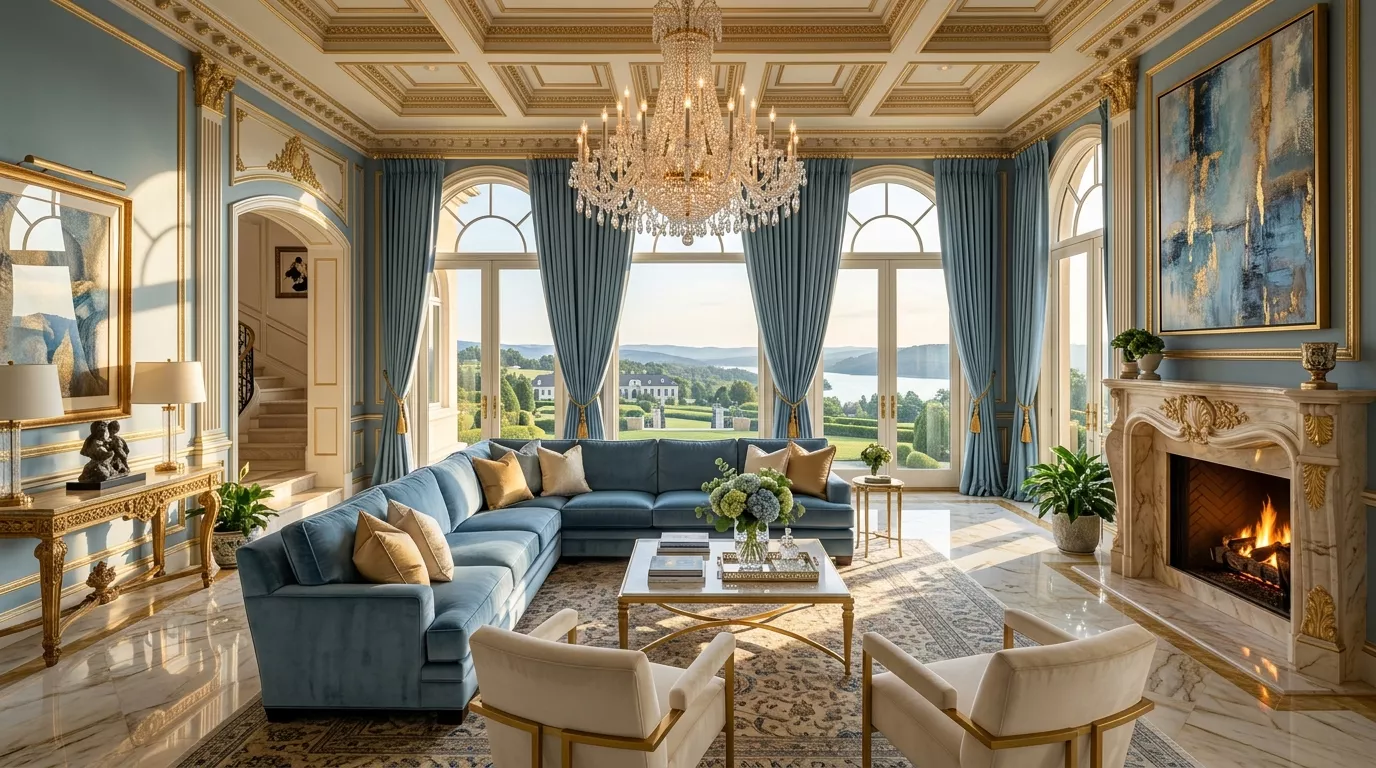
Sapphire Blue
Sapphire blue brings a quiet kind of drama. It’s the color you reach for if you want the room to feel sophisticated but still calm enough to relax in.
It tends to look its best in rooms with good natural light, since deep blues can absorb light rather than reflect it.

Ruby Red
Ruby is the boldest of the bunch. A little goes a long way here — think one accent wall, a statement chair, or a patterned rug, rather than red on every surface.
This tone works especially well in living rooms used for entertaining, since it naturally feels lively and social.
Amethyst Purple
Amethyst is often the most underused jewel tone, which is a shame because it’s incredibly versatile. Lighter shades feel romantic, while deeper plum tones feel rich and moody.
It’s a great choice if you want something different from the usual green-or-blue route.

Topaz and Amber
Warm golden tones bring a different kind of richness — less “gemstone glam” and more “golden hour glow.” They’re especially good in living rooms that get a lot of natural light, since the warmth amplifies sunlight beautifully.
How to Add Jewel Tones to Your Living Room: Step-by-Step
You don’t need to repaint every wall to get this look. Here’s a practical approach that works whether you’re renting or renovating.
Step 1: Pick one dominant jewel tone. Choose a single color to anchor the room — emerald, sapphire, or ruby are great starting points. Trying to balance two bold colors at once usually backfires for beginners.
Step 2: Decide where the color lives. You have options here: an accent wall, a sofa, curtains, or a large area rug. If you’re nervous about commitment, start with textiles instead of paint.

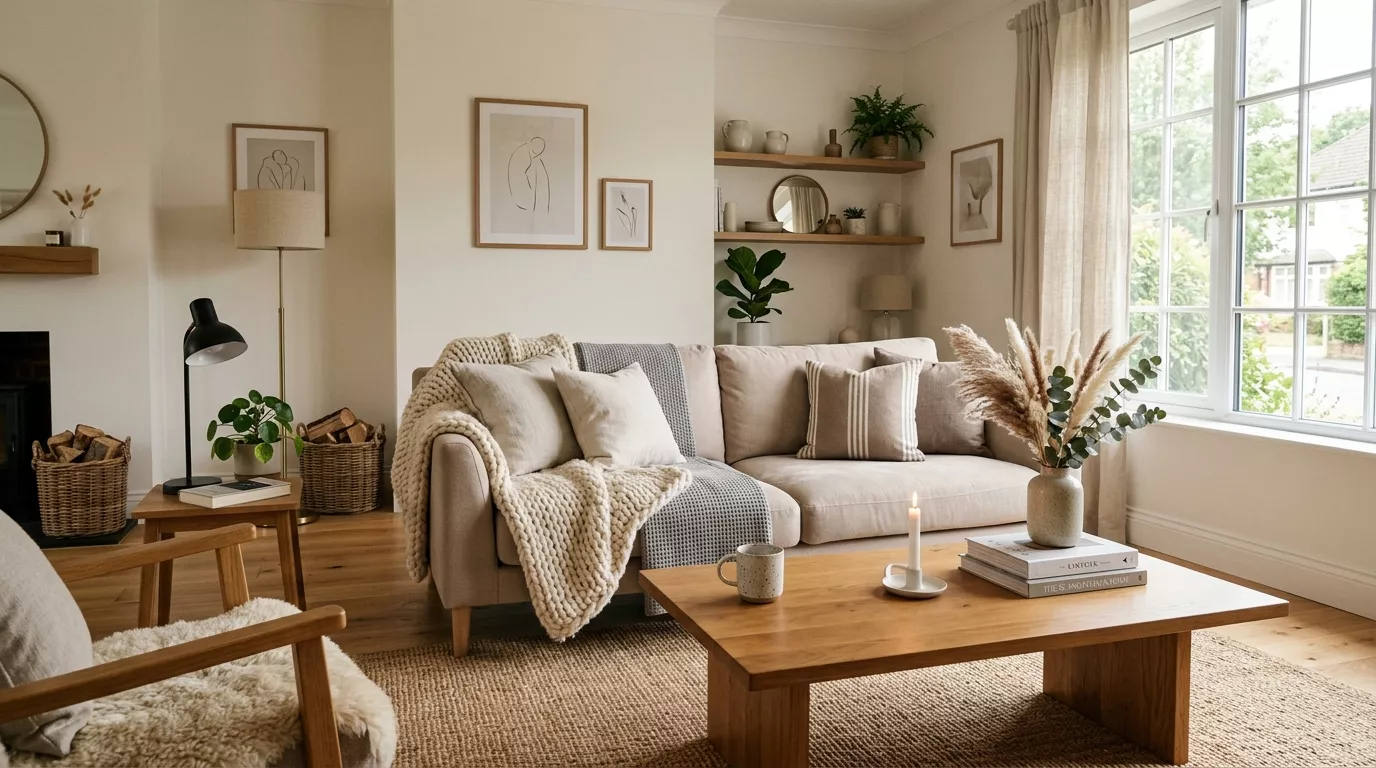
Step 3: Build a neutral base around it. Keep your walls, flooring, and large furniture pieces in neutral tones like cream, ivory, charcoal, or warm white. This lets the jewel tone do the talking.
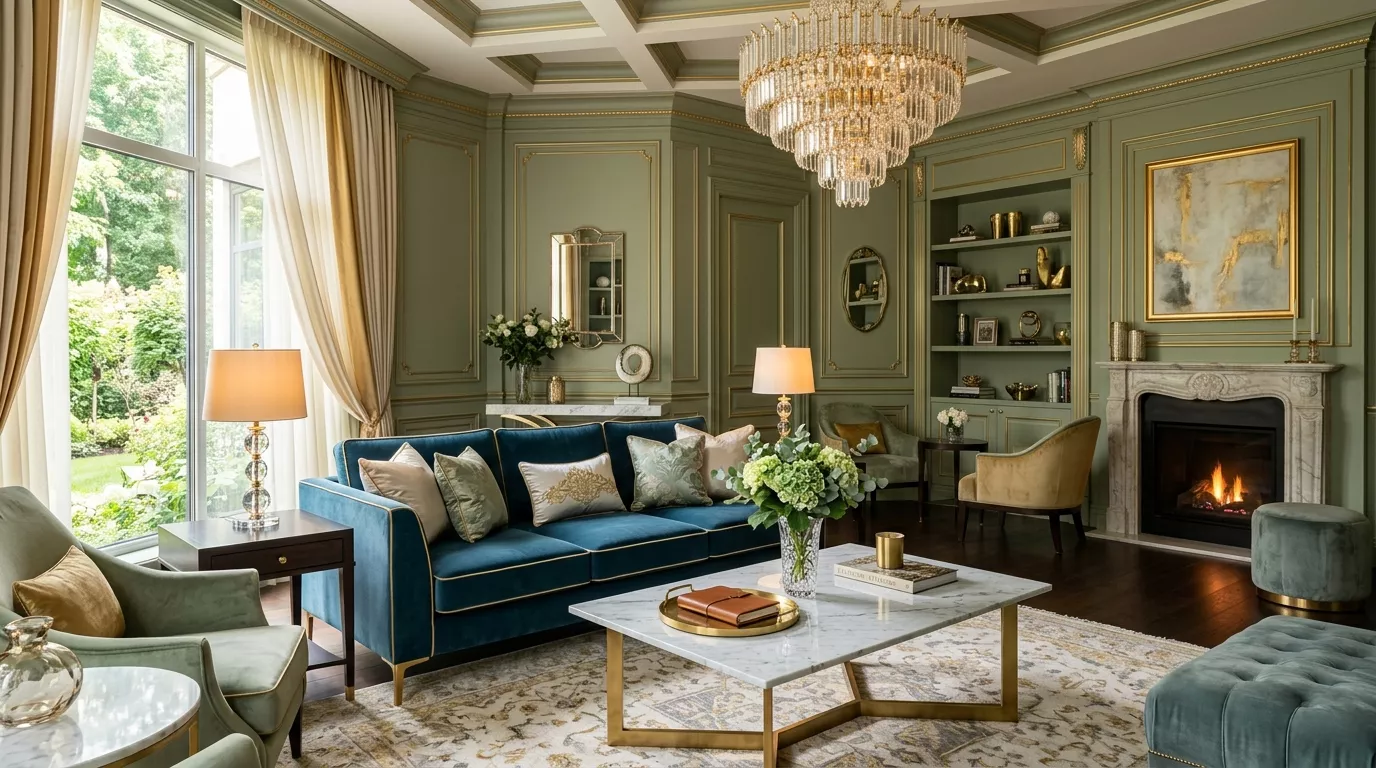
Step 4: Add metallic accents. Brass, gold, or aged bronze hardware and lighting instantly elevate jewel tones. This pairing is what gives the room that “luxury hotel” feeling.
Step 5: Layer in texture. Velvet, linen, and boucle fabrics make jewel tones look intentional rather than flat. A glossy paint finish can also help a deep color catch the light.
Step 6: Balance with greenery and natural light. Live plants soften the richness of jewel tones and keep the room from feeling too heavy or formal.
Step 7: Edit before you finish. Once everything is in place, remove one item. Jewel tone rooms look best when they’re rich but not cluttered.

Jewel Tones vs. Pastel and Neutral Tones
A lot of people ask whether jewel tones are “too much” compared to safer color schemes. Here’s an honest comparison.
| Factor | Jewel Tones | Pastels/Neutrals |
|---|---|---|
| Visual Impact | High drama, statement-making | Soft, calm, understated |
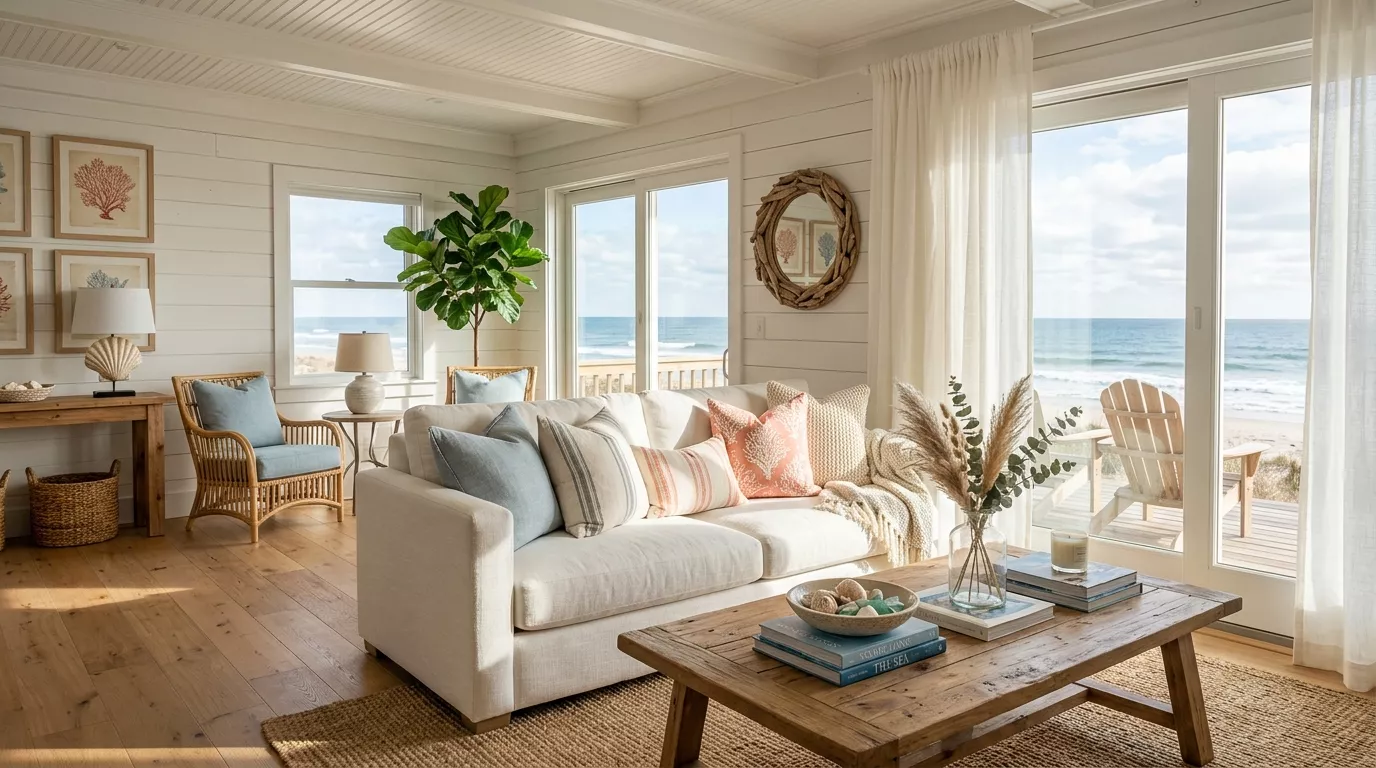
| Best For | Bold personalities, formal rooms | Minimalist or coastal styles |
| Resale Value | Can be polarizing if overdone | Generally safer for resale |
| Mood | Cozy, energetic, luxurious | Airy, light, relaxed |
| Maintenance Look | Hides marks and shadows well | Shows dust and scuffs more |
| Lighting Needs | Works best with layered lighting | Works well in any light |

Neither option is objectively better — it really comes down to how you want the room to feel. Jewel tones tend to suit people who like their home to feel like an experience, not just a backdrop.
Pros and Cons of a Jewel Tone Living Room
Like any bold design choice, this style has real trade-offs worth knowing before you commit.
Pros:
- Creates an instantly cozy, lived-in atmosphere
- Hides everyday wear and tear better than light colors
- Pairs beautifully with vintage, antique, or mixed-era furniture
- Photographs and shows beautifully in any lighting
- Easy to refresh seasonally with pillows, throws, or art

Cons:
- Can make a small, dark room feel even smaller if overdone
- Harder to resell to buyers who prefer neutral palettes
- Requires more thoughtful lighting planning
- Bold colors can clash if too many jewel tones are mixed carelessly
- Repainting later (if used on walls) takes more coats than lighter colors
Materials and Textures That Make Jewel Tones Pop
The color itself is only half the story. Texture is what makes a jewel tone living room feel rich instead of flat.

- Velvet: The classic choice for jewel tone sofas and chairs because it catches light beautifully.
- Brass and gold metals: Lamps, frames, and hardware add warmth and shine.
- Dark wood furniture: Walnut or mahogany grounds the brightness of the color.
- Patterned rugs: Persian or botanical-print rugs tie multiple jewel tones together.
- Linen curtains: A softer texture that balances out heavier velvet pieces.
Tips for Styling a Bold Jewel Tone Living Room
A few small decisions make a big difference in how polished the final room feels.

- Start small with pillows or a throw blanket if you’re unsure about commitment.
- Use the 60-30-10 rule: 60% neutral, 30% jewel tone, 10% accent color or metallic.
- Add a statement mirror to bounce light around darker color schemes.
- Stick to warm white or soft daylight bulbs, since cool lighting can wash out jewel tones.
- Mix in at least one natural material, like a wood coffee table or woven basket, to keep the room from feeling too “styled.”
Common Mistakes to Avoid
Even a great color palette can fall flat if a few basics get overlooked.

- Using too many jewel tones at once. One dominant color with smaller accents almost always looks better than three competing hues.
- Skipping the lighting plan. Deep colors absorb light, so a single overhead fixture usually isn’t enough — add lamps and accent lighting.
- Forgetting texture. A flat-finish jewel tone wall with no fabric variety can look heavy instead of luxurious.
- Going too dark in a small, low-light room. Consider a lighter jewel tone or limit the color to furniture rather than walls.
- Ignoring the undertones. Mixing a cool sapphire with a warm gold accent wall, for example, can clash if not balanced carefully.
Jewel Tone Living Room Ideas by Design Style
One of the best things about jewel tones is how flexible they are. The same emerald or sapphire can look completely different depending on the style you build around it.

Modern: Keep furniture lines clean and simple, then let one jewel tone sofa or rug do the heavy lifting. Pair it with matte black or brushed nickel hardware instead of ornate brass for a more contemporary edge.
Traditional: This is where jewel tones really shine. Tufted velvet chairs, carved wood furniture, and gold-framed art all feel right at home with rich sapphire or ruby walls.
Bohemian: Layer multiple jewel tones through textiles — think a topaz rug, amethyst throw pillows, and emerald curtains — rather than committing to one wall color. Mix in rattan and woven textures for balance.
Art Deco: Pair jewel tones with bold geometric patterns, mirrored furniture, and plenty of gold accents. This combination leans into the glamour that jewel tones do best.
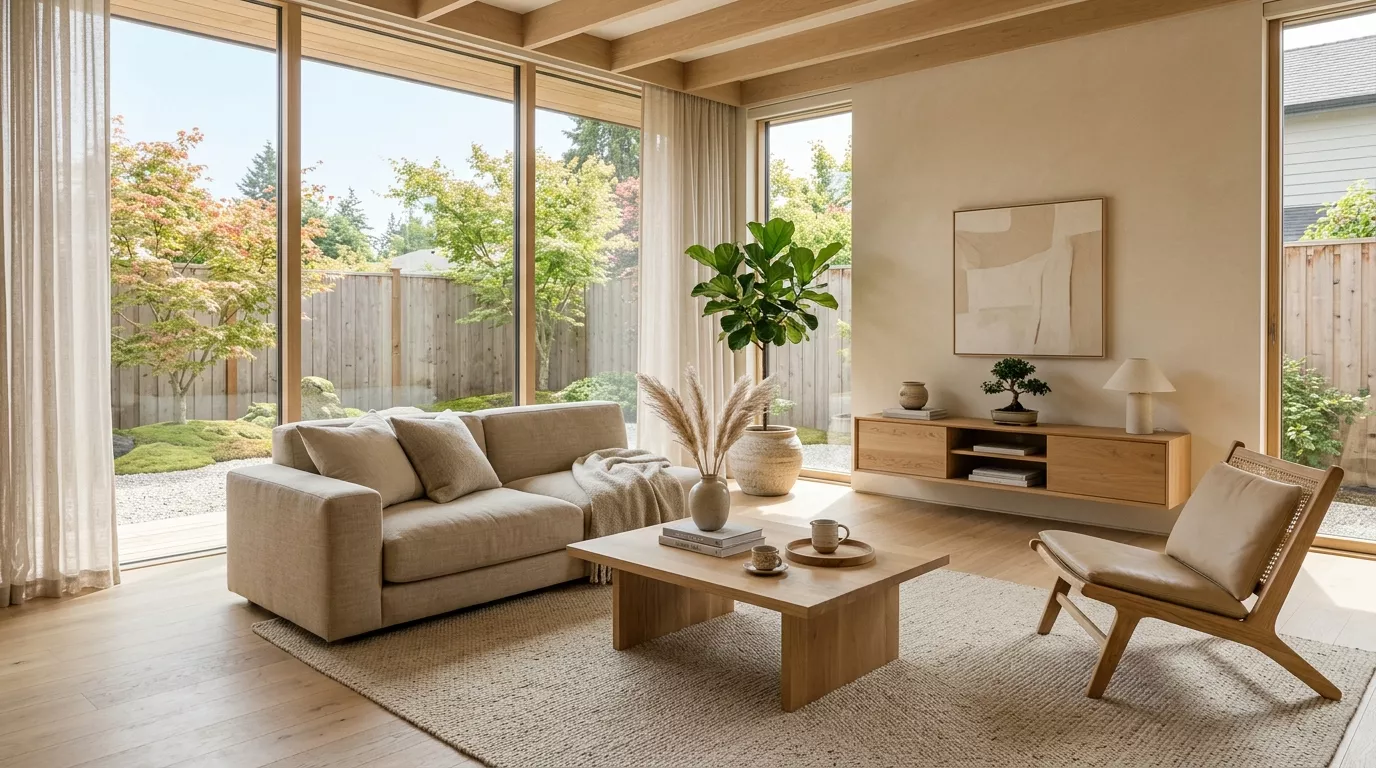
Minimalist: If you love clean spaces but still want some color, use jewel tones sparingly — one statement chair or a single piece of art — against an otherwise neutral, uncluttered room.
Choosing the Right Jewel Tone for Your Room’s Light and Size
Not every jewel tone suits every room, and getting this part right makes a bigger difference than people expect.
- North-facing or low-light rooms: Stick to warmer jewel tones like ruby, amber, or topaz, since cooler tones like sapphire can feel flat without strong natural light.
- South-facing or bright rooms: Cooler jewel tones such as sapphire and emerald tend to glow beautifully here, since they have plenty of light to reflect.
- Small living rooms: Use jewel tones on furniture and textiles rather than full walls, and keep the ceiling and trim lighter to maintain a sense of height.
- Large, open living rooms: Full accent walls or even an entire room painted in a jewel tone can work well, since there’s enough space for the color to feel intentional rather than overwhelming.
A simple rule of thumb: the less natural light a room gets, the warmer your jewel tone should lean.
Final Thoughts
Bold jewel tone living room ideas are proof that a living room doesn’t have to be neutral to feel welcoming. Done thoughtfully, these colors create a space that feels warm, layered, and genuinely yours.
Start small if you need to — a velvet pillow, a single accent wall, a patterned rug — and build from there. The goal isn’t to copy a showroom; it’s to create a room you actually want to sit in at the end of the day.
If you’re ready to try it, pick one jewel tone from this guide and bring it into your space this week. Your living room is allowed to have a little personality.
FAQs
1. Are jewel tone living rooms still in style?
Yes. Jewel tones have moved from a passing trend to a long-term design staple, especially as more people move away from all-neutral interiors toward warmer, more personal spaces.
2. What jewel tone is best for a small living room?
Emerald green and topaz tend to work best in smaller spaces because they read as rich rather than cavernous, especially when paired with good lighting and a few lighter accents.
3. Do jewel tones make a room feel smaller?
They can, but only if overused. Limiting the color to one wall, a piece of furniture, or textiles — rather than every surface — keeps the room feeling open.
4. What colors pair well with jewel tones?
Cream, ivory, charcoal, and warm white work as reliable neutral bases. Brass, gold, and aged bronze metals add the finishing touch.
5. Can I use jewel tones if I rent my home?
Absolutely. Stick to furniture, curtains, rugs, and pillows in jewel tones instead of painting the walls, so you can take the look with you when you move.
6. Is it better to use one jewel tone or mix several?
For most living rooms, one dominant jewel tone with smaller accents in a second tone looks more cohesive than mixing three or more bold colors together.
7. What lighting works best with jewel tone walls?
Warm white bulbs (around 2700K-3000K) bring out the richness of jewel tones, while layered lighting — lamps plus overhead fixtures — prevents the room from feeling too dark.