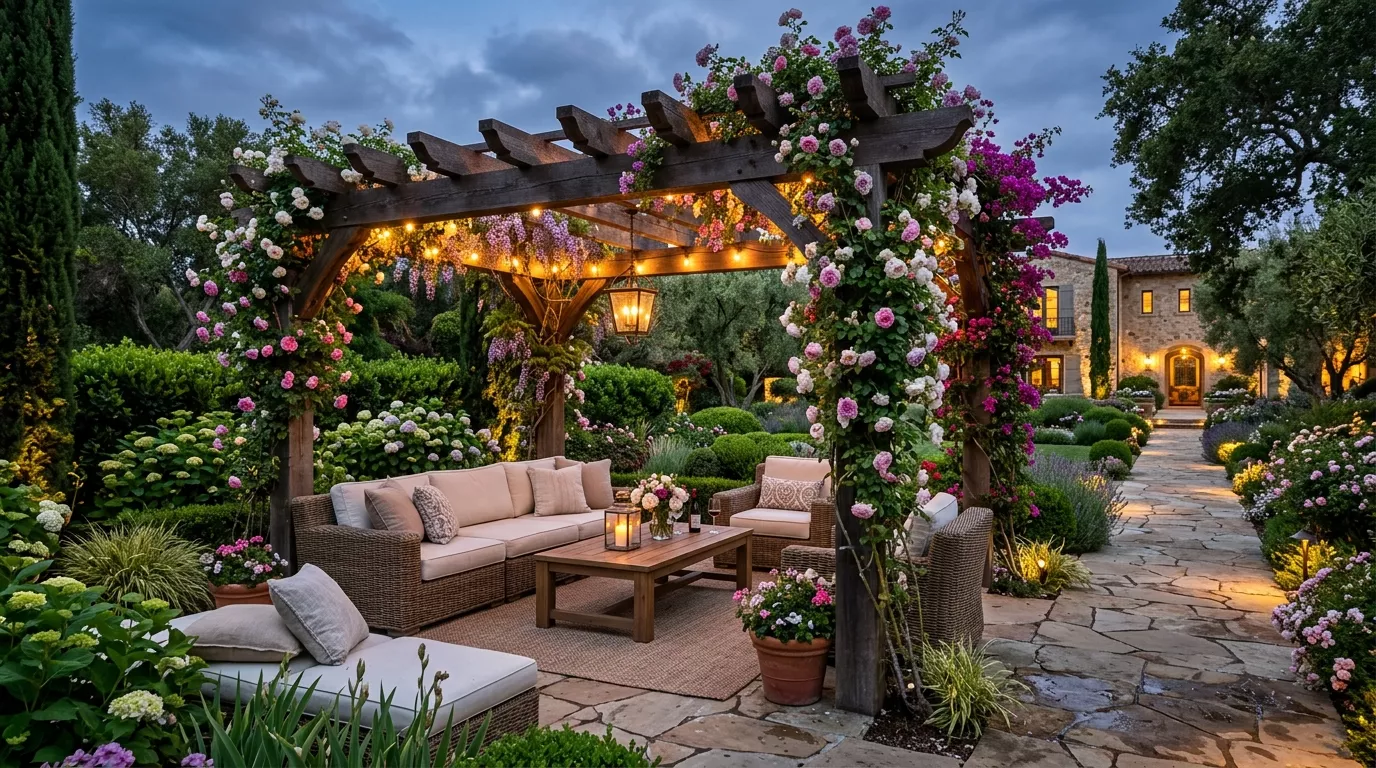
Balcony Garden Ideas to Green Up Any Outdoor Space

Balcony Garden Ideas That Turn a Small Outdoor Space Into Something Special
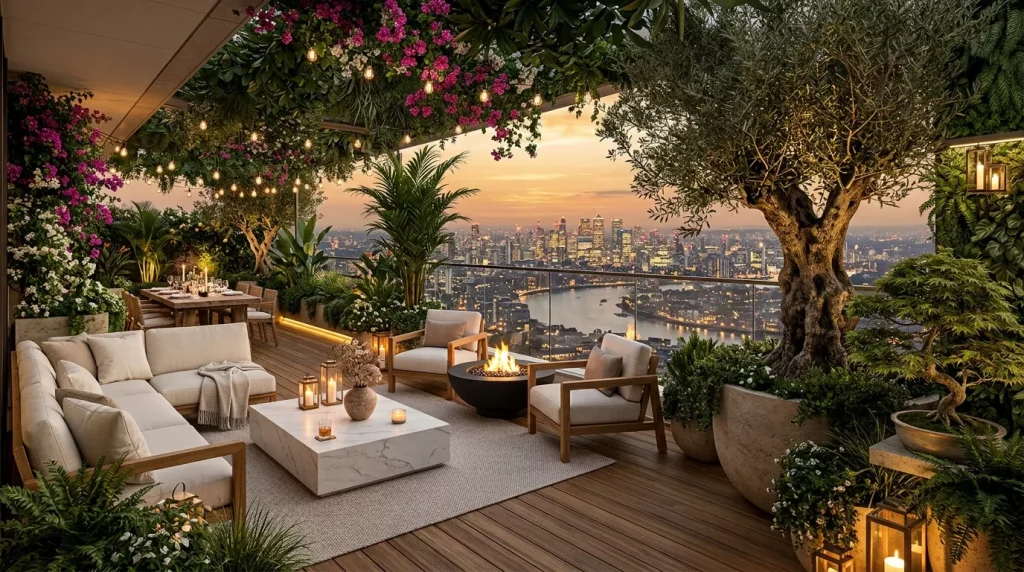
Most people underestimate what a balcony can become. It starts as a place to store a folding chair and maybe a dying succulent, and somehow it stays that way for years. But balcony garden ideas have the power to completely change how you use — and feel about — your home.
Whether you have a narrow apartment ledge or a generous wraparound terrace, there’s a version of a balcony garden that works for your space, your budget, and your lifestyle. The best ones don’t require a green thumb or a large investment. They just require a little intention and a plan.
This guide covers everything from choosing the right plants and containers to setting up irrigation, maximizing small spaces, and avoiding the mistakes that kill most balcony gardens before they really get started.
Why a Balcony Garden Is Worth the Effort
Before we get into the how, it helps to understand why so many people who’ve tried it never go back to a bare balcony.
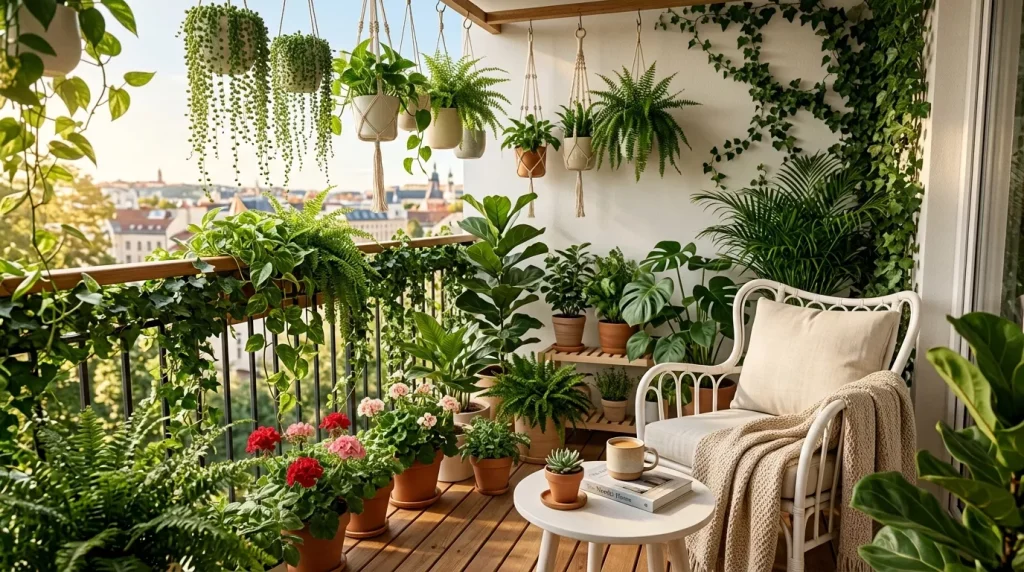
The most obvious reason is visual — a balcony garden transforms an overlooked corner of your home into a genuine living space. Plants add color, texture, and movement in a way that outdoor furniture alone never can.
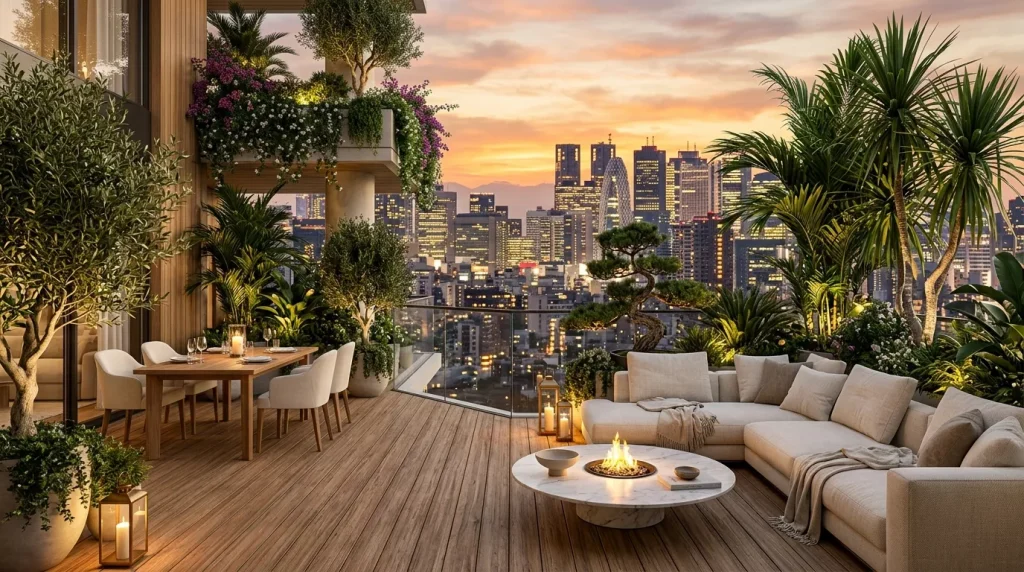
But there’s also something deeply practical about it. Growing herbs and even vegetables on a balcony means you’re cutting fresh basil into your pasta from three feet away. That’s a quality of life upgrade that doesn’t get talked about enough.
And then there’s the mental health angle, which research consistently backs up. Regular contact with plants — even just tending to them daily — reduces stress and improves mood. Your balcony garden becomes less a decorative project and more a daily ritual.
Assessing Your Balcony Before You Start
This is the step most people skip, and it causes problems later. Before you buy a single plant or pot, spend a few days observing your balcony.
Sunlight
How many hours of direct sunlight does your balcony get? This single factor determines more about what you can grow than anything else.
- Full sun (6+ hours): You can grow almost anything — tomatoes, herbs, lavender, most flowering plants.
- Partial sun (3–6 hours): Herbs like mint and parsley, ferns, begonias, and many vegetables still work well.
- Shade (under 3 hours): Focus on ferns, hostas, peace lilies, impatiens, and shade-tolerant foliage plants.
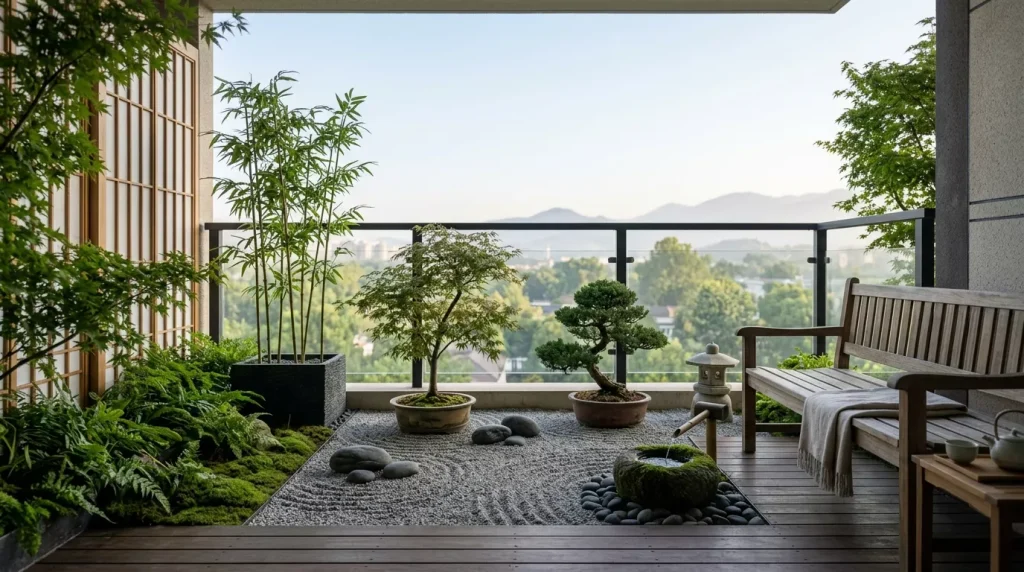
Wind Exposure
High-rise balconies in particular can be surprisingly windy. Strong wind dries out soil quickly, snaps fragile stems, and can knock over containers. If your balcony is exposed, choose compact, low-growing plants and use heavier pots that won’t tip.
Weight Limits
This one is critical and often ignored. Most residential balconies have a weight limit — typically 40–60 lbs per square foot, but this varies widely by building and construction type. Wet soil is heavy. Large ceramic pots are heavy. If you’re planning extensive container gardening, check with your building management or a structural engineer before loading up the space.
Railing and Floor Type
Some balconies have railings that allow for railing planters or hanging baskets. Others have solid concrete balustrades that limit vertical growing options. Take note of what your railing can support and what your floor is made of — some surfaces drain poorly and puddles can become a problem.
Balcony Garden Ideas by Space Size
Not all balconies are created equal. Here’s how to approach the design depending on what you’re working with.
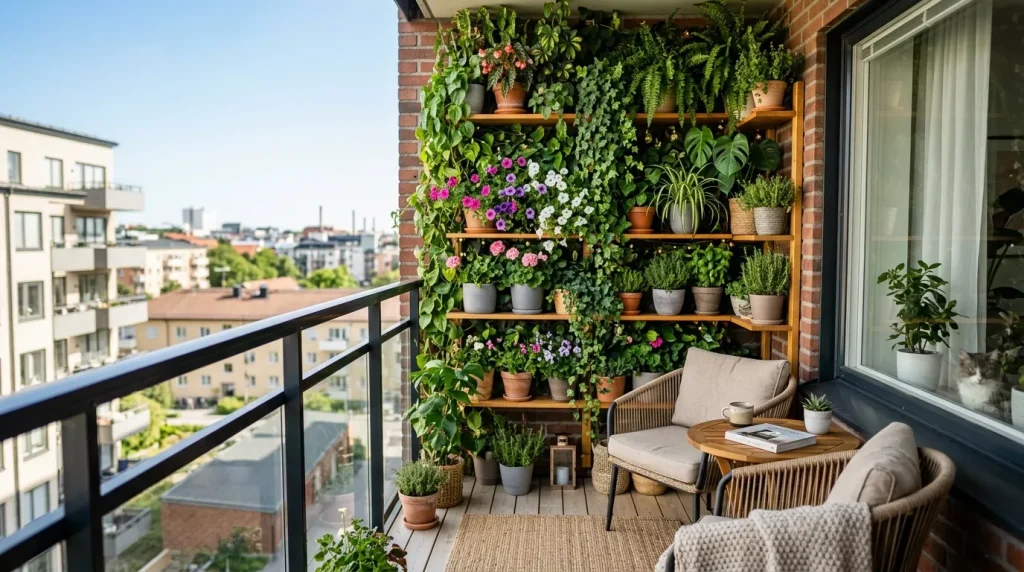
Small Balcony Garden Ideas (Under 40 sq ft)
Small balconies call for vertical thinking. When you can’t spread out, go up.
- Wall-mounted planters in a grid pattern create a living wall effect without taking up floor space.
- Railing planters that clip or hook onto your balcony rail are one of the highest-ROI purchases for small spaces — they add greenery without touching the floor at all.
- A single tall planter with a trellis for climbing plants like jasmine or sweet peas gives you height and fragrance in a small footprint.
- Tiered plant stands let you stack multiple pots vertically without needing wall mounting.
Keep furniture minimal — a folding bistro table and two chairs, or even just a single comfortable chair with a small side table. Let the plants do the visual work.
Medium Balcony Garden Ideas (40–100 sq ft)
This is where you have real options. You can create distinct zones — a seating area, a growing area, and maybe even a small herb bed.
Consider defining the growing zone with a raised planter box along one wall or railing. These can be built from cedar or bought prefabricated, and they give you significantly more soil volume than individual pots — which means healthier, more productive plants.
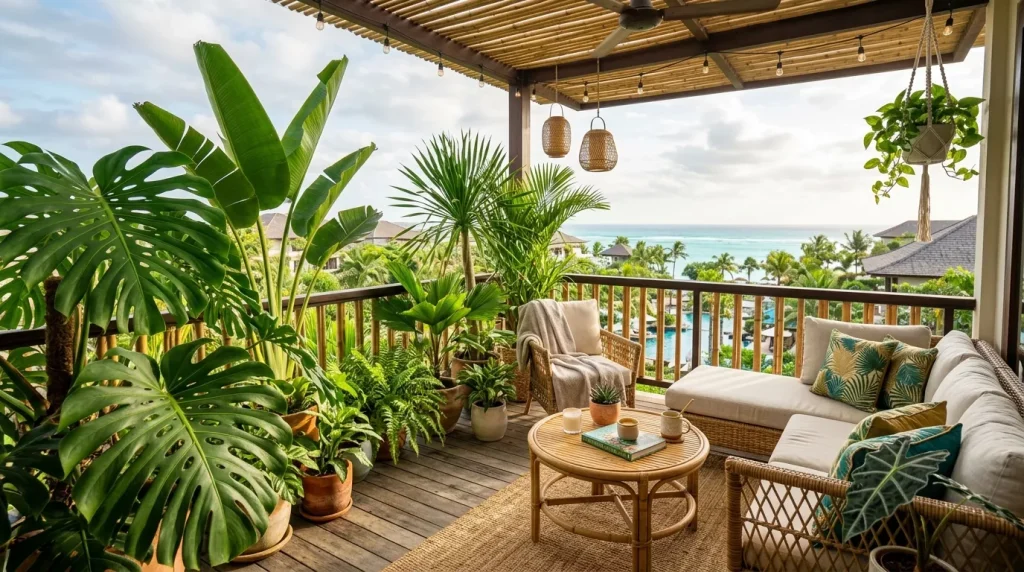
Add a vertical element on at least one wall. A wooden trellis with climbing roses or a DIY pallet planter filled with trailing plants and herbs creates instant depth.
Large Balcony Garden Ideas (Over 100 sq ft)
A large balcony gives you the opportunity to think like a landscape designer, not just a container gardener.
Divide the space intentionally — a social seating area, a dedicated growing section, and maybe a small dining table. Use large planters (15+ gallon) as natural dividers between zones.
Consider a pergola or sail shade overhead to create a sense of enclosure that makes the outdoor space feel like a true room. Climbing plants on a pergola structure — wisteria, bougainvillea, or grapevine — add drama and provide dappled shade.
Best Plants for Balcony Gardens
Plant selection is where everything either succeeds or fails. Here’s a practical breakdown by purpose and condition.
Herbs (Almost Always a Good Idea)
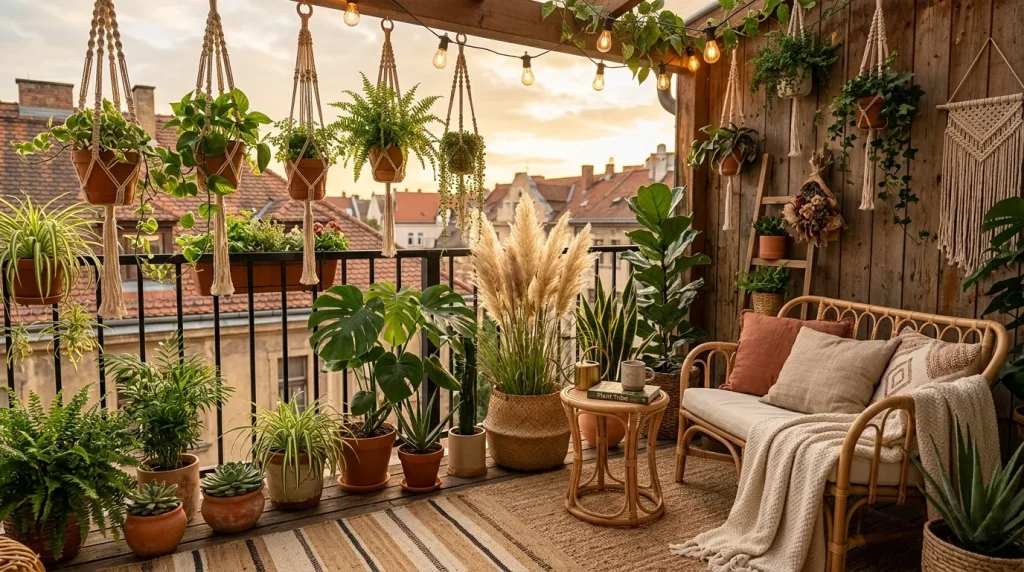
Herbs are the gateway plant for balcony gardening — they’re useful, they smell good, they grow fast, and most of them do well in containers.
Best balcony herbs:
- Basil (full sun, warm temperatures)
- Mint (partial shade, grows aggressively — keep in its own pot)
- Rosemary (drought tolerant, loves sun)
- Thyme (compact, sun-loving, very low maintenance)
- Chives (tolerates partial shade, regrows after cutting)
- Parsley (partial sun works fine)
Vegetables
Yes, you can grow vegetables on a balcony. The key is choosing compact or container-friendly varieties.
Best balcony vegetables:
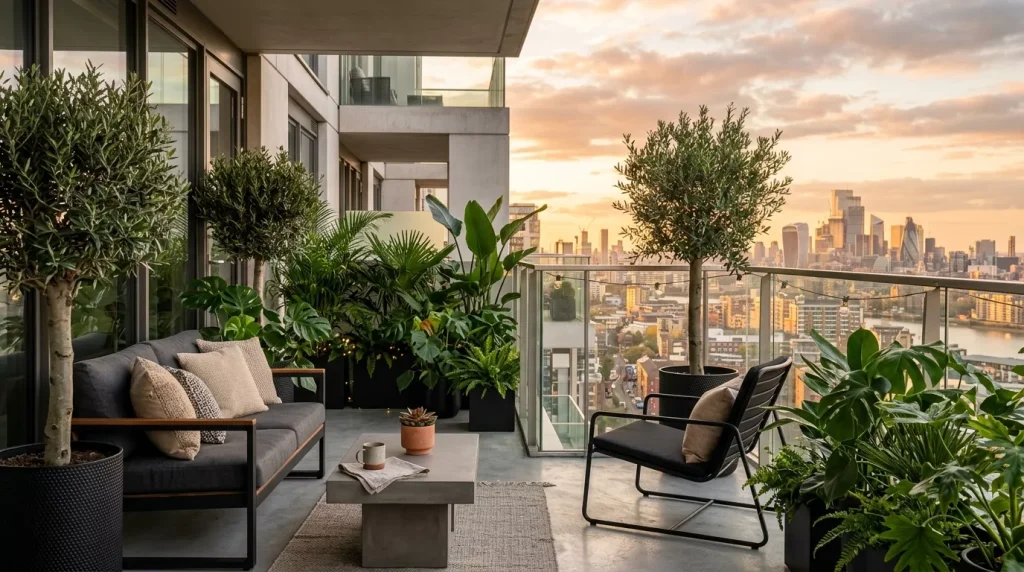
- Cherry tomatoes (compact varieties like Tumbling Tom or Sweet Million)
- Lettuce and salad greens (fast-growing, tolerates partial shade)
- Radishes (ready in 3–4 weeks, great for beginners)
- Peppers (love heat and full sun)
- Dwarf beans (bush varieties work better than climbers in small spaces)
- Spinach (partial shade tolerant, bolts in strong heat)
Flowers for Color and Atmosphere
A balcony garden that’s only edible plants can feel a little functional. Flowers add joy.
Best balcony flowers:
- Geraniums (sun-loving, long-blooming, extremely low maintenance)
- Petunias (trailing varieties look stunning in hanging baskets)
- Lavender (fragrant, drought tolerant, attracts pollinators)
- Fuchsias (excellent for shade balconies)
- Marigolds (pest-repelling and cheerful)
- Bougainvillea (for warm climates with full sun — dramatic color)
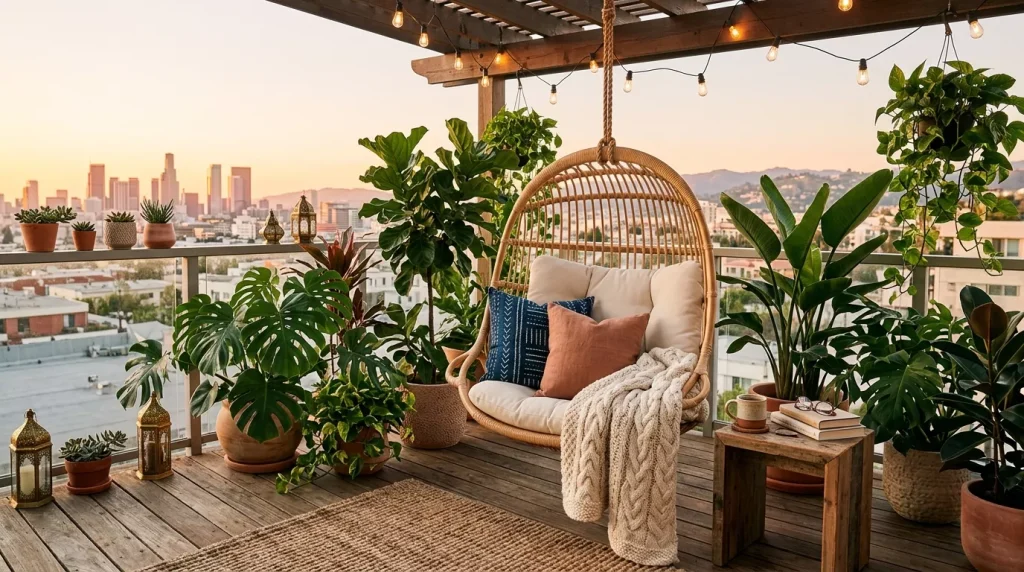
Foliage and Structural Plants
These provide year-round greenery and structure even when nothing is in bloom.
- Ornamental grasses (movement and texture)
- Boxwood (neat, sculptural, evergreen)
- Japanese maple (dwarf varieties in large containers)
- Ferns (for shaded balconies — lush and tropical-looking)
Container and Planter Guide for Balcony Gardens
Your container choice affects plant health, aesthetic, and balcony weight load more than most people realize.

| Container Type | Weight | Best For | Drainage | Durability |
|---|---|---|---|---|
| Terracotta | Heavy | Herbs, succulents | Excellent | Medium |
| Glazed ceramic | Heavy | Statement plants | Good | High |
| Plastic | Light | All-purpose | Varies | Medium |
| Fabric grow bags | Very light | Vegetables, tomatoes | Excellent | Low-medium |
| Fiberglass | Light | Large specimens | Good | High |
| Wooden planter box | Medium | Raised beds, herbs | Good | Medium-high |
| Metal / galvanized | Medium | Herbs, flowers | Poor (add holes) | High |
Key rule: Every container needs drainage holes. Without them, roots sit in water and rot. If you love a pot that doesn’t have holes, use it as a cachepot — place a pot with drainage inside it and empty the cachepot after watering.

Step-by-Step Guide: Setting Up Your Balcony Garden
Here’s how to go from bare concrete to thriving green space, in order.
Step 1: Measure and map your balcony. Sketch a rough layout with dimensions. Note where sun falls at different times of day. Mark where your water source is (hose bib, outdoor tap, or interior access point) — this will influence where your heaviest planters go.
Step 2: Set a realistic budget. A basic starter balcony garden can be done for $100–$200 (a few planters, quality potting mix, plants or seeds). A fully designed medium balcony setup realistically runs $400–$800. Large or elaborate setups with pergola structures, irrigation, and premium planters can exceed $2,000.
Step 3: Choose your plants based on your sunlight assessment. Don’t buy plants you love if they need conditions you can’t provide. A full-sun tomato plant on a north-facing shaded balcony is a slow, expensive disappointment.
Step 4: Select your containers. Match container size to plant root depth. Herbs and lettuce can thrive in 6–8 inch pots. Tomatoes and peppers need 5-gallon (12+ inch) containers minimum. Dwarf fruit trees need 15–25 gallon containers.

Step 5: Use quality potting mix — not garden soil. This is non-negotiable. Garden soil compacts in containers, drains poorly, and often carries pests. Buy a quality container-specific potting mix. Add slow-release fertilizer granules at planting time.
Step 6: Set up watering. Container plants dry out much faster than in-ground plants — sometimes needing daily watering in hot weather. Consider a drip irrigation system on a timer if you travel or have a busy schedule. Self-watering planters with reservoirs are another excellent option.
Step 7: Arrange and style the space. Place taller plants toward the back or center. Trail plants over the edges of elevated surfaces. Use varying heights to create visual interest. Add outdoor lighting — string lights, solar lanterns, or LED strip lights — to extend the usability of the space into evenings.
Step 8: Maintain consistently. Feed container plants with a liquid fertilizer every 2–3 weeks during the growing season. Check for pests weekly. Deadhead spent flowers to encourage continued blooming. Rotate pots occasionally so all sides of the plant get light.
Pros and Cons of Balcony Gardening
Pros
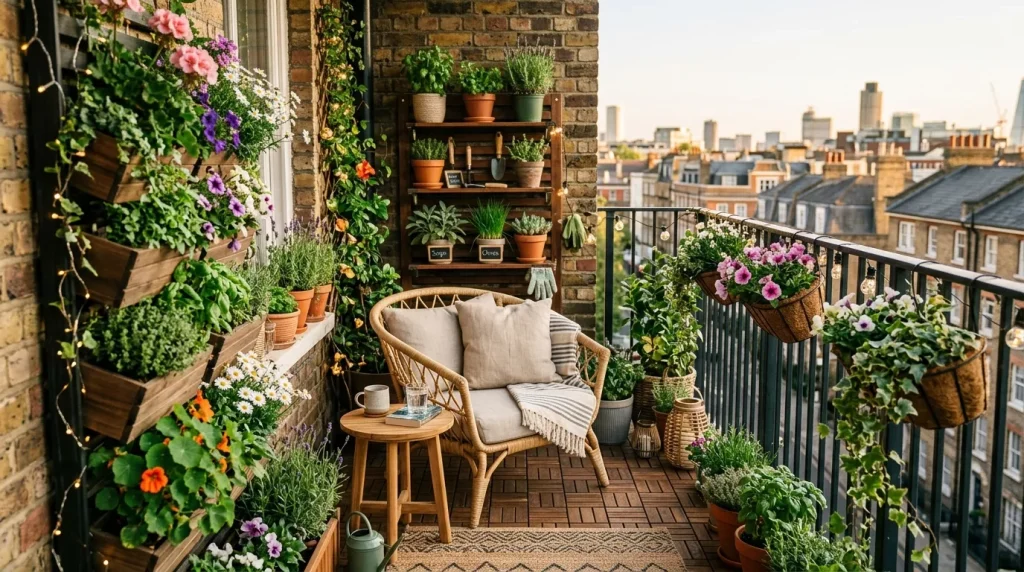
- No outdoor space required — works in apartments and high-rise living
- Flexible and moveable — containers can be rearranged or taken when you move
- Grows edible food — herbs and vegetables within arm’s reach
- Improves air quality — plants filter and humidify the air around them
- Creates a private outdoor sanctuary — plants act as natural screens
- Low barrier to entry — you can start small and scale up gradually
Cons
- Container plants need frequent watering — more maintenance than in-ground gardens
- Limited root space — restricts what you can grow without large containers
- Weight concerns — heavy planters can be a structural issue
- Wind and temperature extremes — balconies can be harsher environments than garden beds
- Cost of quality containers adds up — good pots and potting mix aren’t cheap
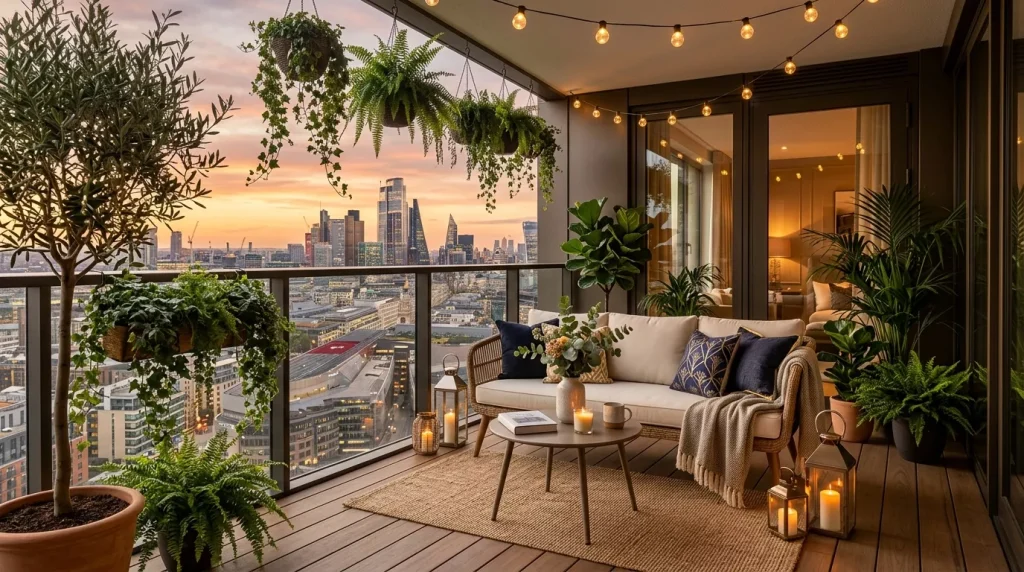
Tips for a Thriving Balcony Garden
- Group pots together to create a humid microclimate — plants naturally release moisture, and grouping them helps each plant benefit from the others.
- Elevate pots off the floor using pot feet or wooden slats to improve drainage and air circulation, and to protect your balcony floor from moisture damage.
- Water in the morning when possible. Morning watering lets foliage dry during the day, which reduces fungal disease. Evening watering in hot summers can work too, but avoid leaving foliage wet overnight in cool, damp climates.
- Use a moisture meter rather than guessing when to water. Stick your finger 2 inches into the soil — if it feels dry, water. If it still feels damp, wait.
- Line the inside of terracotta pots with a plastic liner or coconut coir to slow moisture loss. Terracotta is porous and dries out faster than other materials.
- Add a drip tray under every pot to protect your balcony floor — but empty them regularly so roots don’t sit in standing water.
Common Mistakes That Kill Balcony Gardens
Buying plants without checking sun requirements. It happens constantly. Someone falls in love with a tomato plant at the garden center, brings it home to a shaded north-facing balcony, and wonders why it limps along and produces nothing. Always know your light conditions first.
Using garden soil in containers. Garden soil compacts into a brick in pots, suffocates roots, and drains terribly. Always use container-specific potting mix, even if it costs more.
Overcrowding pots. More plants in one pot is not more garden. It’s competition for nutrients, water, and root space. Give plants room to breathe and grow.
Skipping fertilizer. Unlike in-ground gardens where soil biology replenishes nutrients, container plants rely entirely on what you give them. Without regular feeding during the growing season, plants exhaust available nutrients and stall.
Watering on a fixed schedule regardless of weather. Plants need water based on soil moisture, not the calendar. Watering every two days in a cool wet week drowns roots. Skipping a day in a heatwave stresses plants significantly. Check the soil, not the clock.
Choosing pots that are too small. A plant that looks fine in a 4-inch pot at the nursery will be root-bound and stressed within weeks if you don’t repot it into something larger. Size up generously.
Balcony Garden vs. Indoor Plant Setup: A Quick Comparison
| Factor | Balcony Garden | Indoor Plant Setup |
|---|---|---|
| Light availability | Natural sunlight | Artificial or limited natural |
| Edible growing potential | High | Low-medium |
| Maintenance level | Higher | Lower |
| Weather impact | Yes (wind, rain, heat) | None |
| Space flexibility | Fixed outdoor space | Any indoor room |
| Air quality benefit | Outdoor air | Direct indoor benefit |
| Aesthetic impact | Dramatic | Subtle to moderate |
Conclusion: Start Your Balcony Garden Ideas Today
The thing about balcony garden ideas is that they tend to grow alongside you. You start with a pot of basil and a few geraniums, and two seasons later you’ve built a container vegetable patch, installed railing planters along the whole perimeter, and hung string lights above a bistro table surrounded by trailing petunias and climbing jasmine.
It happens gradually, and it happens because the rewards are immediate and tangible — a green view when you open the door in the morning, fresh herbs in your cooking, and a private outdoor space that actually feels worth spending time in.
The most important thing is to start somewhere. One plant in one pot is a balcony garden. Assess your sunlight, choose plants that match it, use good potting mix, and water consistently. Everything else builds from there.
Ready to get started? Spend 10 minutes today assessing your balcony’s sunlight and jot down three plants you’d love to grow. Then start there. Your outdoor sanctuary is one growing season away.
FAQs About Balcony Garden Ideas
Q1: What are the best plants for a shaded balcony?
Shaded balconies aren’t a lost cause — they just need shade-tolerant plants. Ferns, hostas, impatiens, begonias, peace lilies, and mint all thrive in low-light conditions. For edibles, lettuce, spinach, parsley, and chives can manage with just 2–3 hours of indirect light. Avoid tomatoes, peppers, basil, and most fruiting plants in deep shade — they simply won’t produce.
Q2: How do I keep balcony plants watered when I travel?
Self-watering planters with built-in reservoirs are the simplest solution — they can sustain plants for up to a week without intervention. Drip irrigation systems on a timer are the most reliable for longer trips. You can also make a DIY slow-drip system using an inverted water bottle pressed into the soil, which releases water slowly over several days. Grouping pots together also slows evaporation.
Q3: Can I grow vegetables on a small balcony?
Absolutely. The key is choosing compact or container-appropriate varieties. Cherry tomatoes, dwarf peppers, lettuce, radishes, herbs, and bush beans all do well in containers on a balcony. Prioritize varieties bred specifically for container growing — they’re labeled accordingly in most seed catalogues and garden centers. A 40-square-foot balcony with full sun can produce a meaningful amount of edible food through the growing season.
Q4: How often should I fertilize balcony container plants?
During the active growing season (spring through early autumn), most container plants benefit from liquid fertilizer every 2–3 weeks. Slow-release granular fertilizer added at planting time provides a baseline, but liquid feeding supplements it. In winter, most plants slow down significantly and don’t need feeding. Heavy-feeding plants like tomatoes and peppers may need weekly feeding once they start producing fruit.
Q5: What’s the best way to add privacy to a balcony garden?
Tall container plants and vertical growing structures are your best options. Bamboo in large pots grows quickly and creates a dense natural screen. Tall ornamental grasses, climbing plants on a trellis, and dense hedging plants like boxwood can all provide visual privacy without requiring permanent installation. Outdoor fabric screens and bamboo roll blinds are good structural solutions that can complement the plants.
Q6: How do I deal with pests on a balcony garden?
Balcony gardens are generally less pest-prone than ground-level gardens, but aphids, spider mites, fungus gnats, and whiteflies can still appear. Inspect plants weekly, especially the undersides of leaves. For minor infestations, a strong spray of water dislodges most soft-bodied pests. Neem oil solution is effective for a wide range of pests and is safe for edible plants. Sticky yellow traps catch flying pests like fungus gnats and whiteflies. Preventive measures — good air circulation, avoiding overwatering, and removing dead plant material promptly — go a long way.
Q7: Do I need permission from my landlord or building management to create a balcony garden?
This varies by location and building rules. In most apartment buildings, light container gardening is allowed, but permanent installations (like built-in planter boxes that attach to walls or railings), heavy weight loads, or structures like pergolas may require approval. It’s always worth checking your lease and building regulations before making structural changes. Most landlords are fine with potted plants — it’s structural alterations that typically need sign-off.