Patio Garden Ideas to Create Your Perfect Outdoor Space

Patio Garden Ideas to Create Your Perfect Outdoor Space

A patio is often the most underused space in a home, even though it has the potential to become your favorite room. With the right patio garden ideas, that slab of concrete or pavers can turn into a green, inviting retreat you actually want to spend time in.
The good news is you don’t need acres of land or a professional landscaper to pull this off. Whether you have a tiny apartment balcony or a full backyard patio, there’s a way to layer in plants, seating, and personality without breaking your budget.
In this guide, we’ll walk through layout options, plant choices, and practical setup steps so you can build a patio garden that actually fits how you live.
Why a Patio Garden Is Worth the Effort
Patios tend to get treated as an afterthought, mostly used for a grill and a couple of folding chairs. Adding greenery changes that dynamic completely.
Plants soften hard surfaces like concrete and stone, making the whole area feel less exposed and more like an extension of your home. They also help block noise and provide shade during warmer months.
There’s a practical side too. A well-planned patio garden can boost curb appeal and add real value if you ever decide to sell your home.
Key Elements of a Successful Patio Garden
Before diving into specific ideas, it helps to understand the basic building blocks that make these spaces work.

- Containers and raised beds – since most patios don’t have direct soil access
- Vertical growing space – trellises, wall planters, and hanging baskets
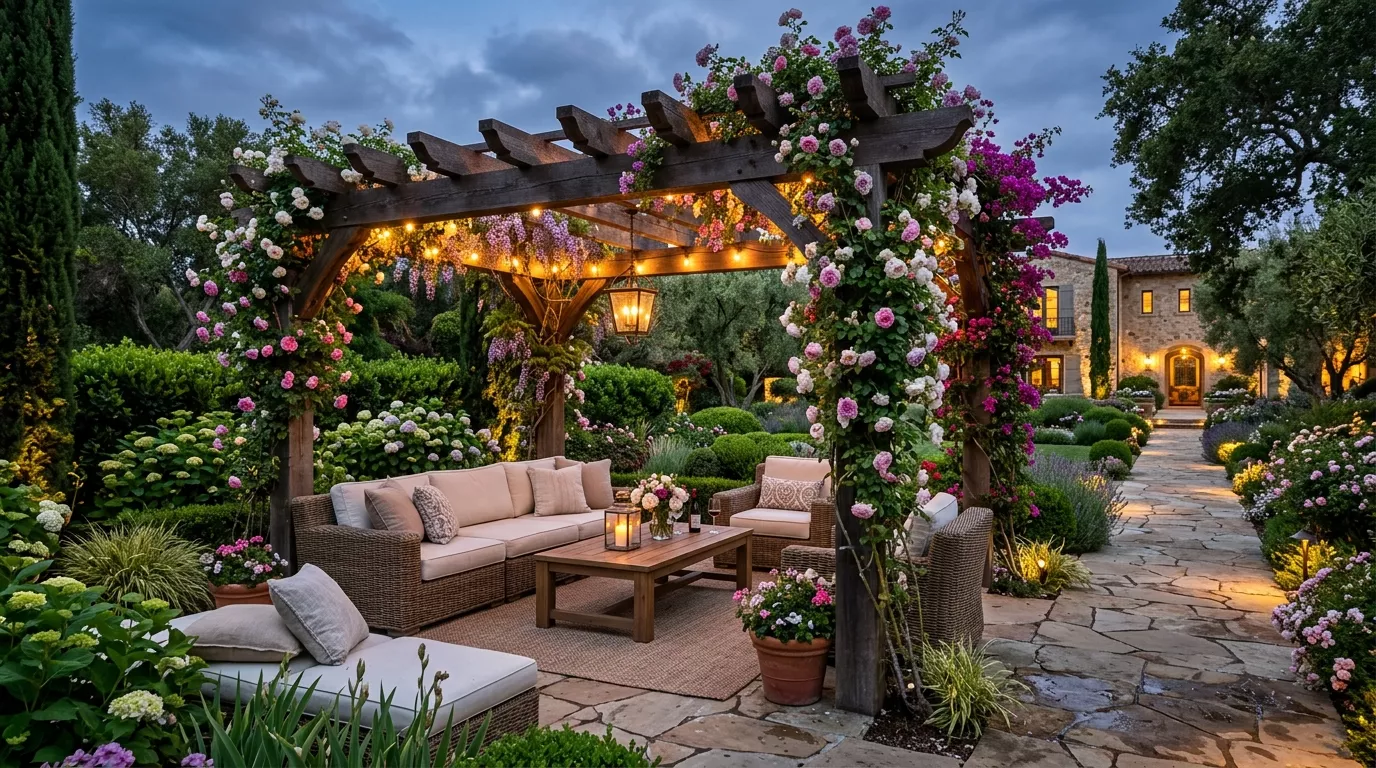
- Seating and shade – benches, bistro sets, umbrellas, or pergolas
- Lighting – string lights, lanterns, or solar path lights
- Privacy features – tall planters, screens, or climbing vines
Patio Garden Ideas by Space Size
The size of your patio has a huge impact on which ideas will actually work. Here’s how to approach different footprints.
Small Balconies and Apartment Patios
Space is tight, so vertical growing is your best friend here. Wall-mounted planters and hanging baskets let you grow herbs, flowers, and even small vegetables without eating up floor space.
A single folding bistro table with two chairs usually fits comfortably, leaving room for a cluster of pots near the railing.
Medium-Sized Backyard Patios
This is where you have room to get a little more creative. Consider mixing raised planter boxes along the perimeter with a small seating area in the center.

A mix of heights works well here, using tall plants near the edges and shorter ones closer to the seating to avoid feeling boxed in.
Large Patios and Outdoor Living Spaces
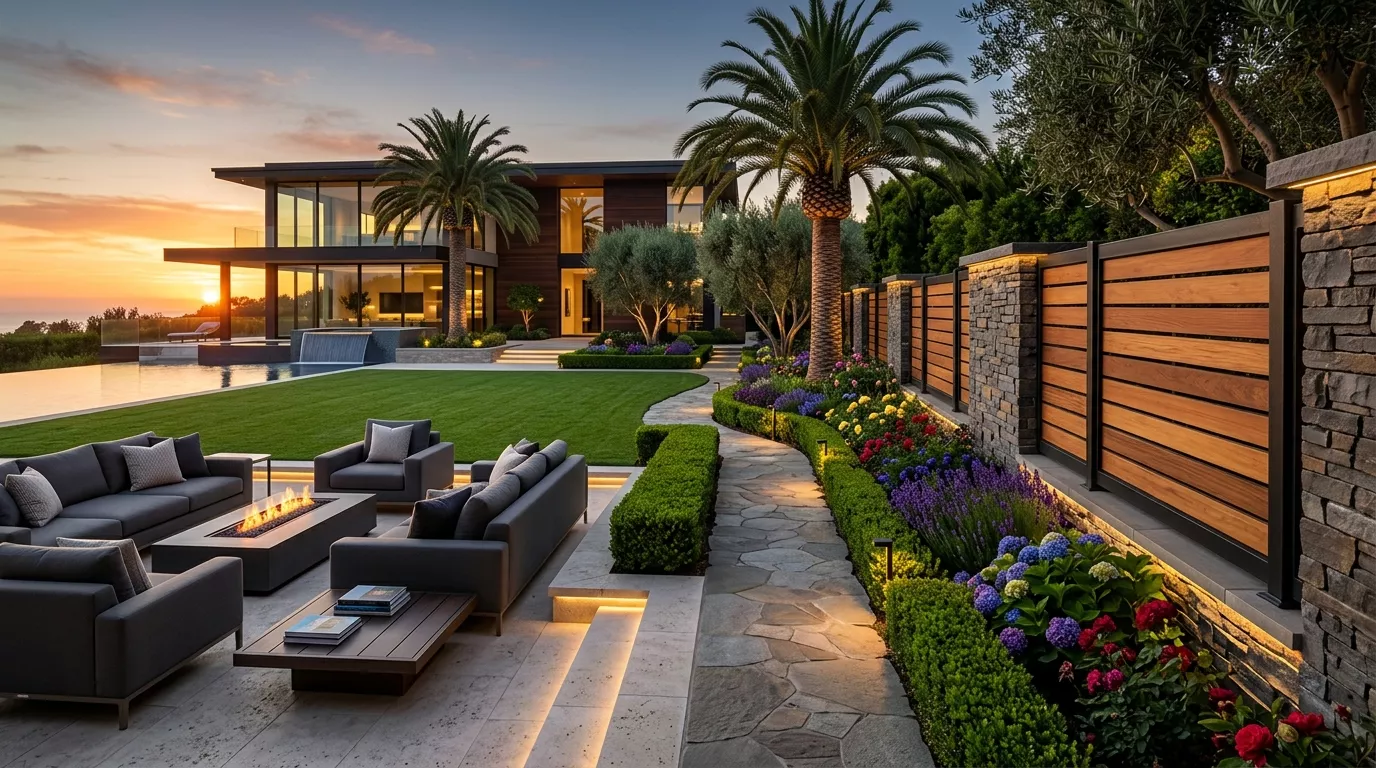
With more square footage, you can create distinct zones, like a dining area, a lounge corner, and a dedicated garden bed section. Pergolas or shade sails become practical here since they define each zone visually.
Larger patios can also support small trees in oversized containers, adding real height and shade that smaller spaces simply can’t accommodate.
Container Gardening vs. In-Ground Patio Beds
Many patios sit on concrete or pavers, which means you’ll likely choose between containers or building actual in-ground beds nearby. Here’s how they compare.

| Feature | Container Gardening | In-Ground Patio Beds |
|---|---|---|
| Best for | Patios, balconies, rented homes | Patios with adjacent soil access |
| Mobility | Fully movable, easy to rearrange | Permanent, fixed location |
| Soil control | Full control over soil quality | Depends on existing yard soil |
| Watering needs | Dries out faster, needs frequent watering | Retains moisture longer |
| Initial cost | Lower, especially with reused containers | Higher, involves digging and edging |
| Plant variety | Limited by pot size for larger plants | Supports larger shrubs and trees |
If you’re renting or working with a concrete-only patio, containers are almost always the more practical choice.
Best Plants for Patio Gardens
Not every plant thrives in a patio setting, especially with limited soil depth and more exposure to reflected heat from concrete or pavers. Here are reliable options grouped by purpose.

For color and easy care:
- Petunias
- Marigolds
- Geraniums
- Zinnias
For herbs and edible gardening:
- Basil
- Rosemary
- Mint (best kept contained, since it spreads aggressively)
- Cherry tomatoes in large containers
For privacy and vertical interest:
- Climbing jasmine
- Clematis
- Boston ivy on a trellis
- Bamboo in large, sturdy pots

For low-maintenance greenery:
- Succulents
- Ornamental grasses
- Boxwood in containers
Step-by-Step Guide to Planning Your Patio Garden
If you’re starting from a completely blank patio, this process will help you avoid a disorganized, piecemeal result.
- Measure your space first. Note sun exposure throughout the day, since this determines which plants will actually survive.
- Sketch a rough layout. Decide where seating, planters, and pathways will go before buying anything.
- Choose your containers or beds. Match container material to your climate, since some materials crack in freezing temperatures.
- Pick plants based on light and maintenance level. Be honest about how much time you’ll realistically spend watering and pruning.
- Add vertical elements next. Trellises or wall planters should go in before you finalize furniture placement.
- Bring in furniture and shade. Choose pieces sized appropriately for your space so pathways stay clear.
- Finish with lighting and accessories. String lights, lanterns, and outdoor rugs tie the whole space together.

Pros and Cons of Building a Patio Garden
Like any home project, patio gardens come with real benefits alongside a few honest trade-offs.
Pros:
- Transforms unused space into a functional, relaxing area
- Works for almost any budget, from a few pots to a full redesign
- Adds privacy and shade naturally over time
- Can include edible plants, reducing grocery costs slightly
- Flexible and easy to rearrange compared to traditional yard landscaping
Cons:
- Container plants require more frequent watering than in-ground gardens
- Initial setup costs can add up if you’re buying furniture and planters at once
- Limited soil depth restricts which plants will thrive long-term
- Requires regular maintenance to avoid a cluttered, neglected look
- Heat reflected off concrete or pavers can stress certain plants in summer

Tips for a Better Patio Garden Experience
A few practical habits make a noticeable difference in how well your patio garden performs over time.
- Group containers with similar watering needs together so you’re not overwatering some plants while underwatering others.
- Use a soil mix formulated for containers rather than regular garden soil, since it drains better and prevents root rot.
- Rotate pots occasionally so all sides of your plants get even sun exposure.
- Add mulch on top of container soil to help retain moisture during hot months.
- Choose furniture with weather-resistant materials if your patio doesn’t have overhead cover.
Common Mistakes to Avoid
A lot of patio gardens fail not because of bad plant choices, but because of a few avoidable planning errors.
- Overcrowding the space with too many containers. This makes watering and maintenance harder and can make the patio feel cluttered instead of relaxing.
- Ignoring drainage. Containers without proper drainage holes lead to root rot, even with careful watering.
- Choosing plants that need more sun or shade than your patio provides. Always check actual sun exposure hours before purchasing.
- Skipping a layout plan entirely. Buying furniture and plants randomly often results in an awkward, unbalanced space.
- Forgetting about wind exposure. Elevated patios and balconies often experience stronger wind, which can topple tall plants or lightweight furniture.

Budget-Friendly vs. High-End Patio Garden Ideas
You can build a patio garden at nearly any price point. Here’s a general idea of what different budgets typically include.
| Price Range | What You Get |
|---|---|
| Budget (under $200) | A few terracotta pots, basic annuals, a small bistro set |
| Mid-range ($200–$800) | Raised planters, mixed perennial and annual plants, string lighting |
| High-end ($800–$2,500) | Custom built-in planters, pergola or shade structure, quality furniture |
| Luxury/Custom ($2,500+) | Full outdoor living design, irrigation system, professional landscaping |
Even a modest budget can create a noticeably different patio when the layout and plant choices are thoughtful.
Final Thoughts on Patio Garden Ideas
A patio garden doesn’t need to be complicated to make a real difference in how your outdoor space feels. Whether you’re working with a small apartment balcony or a spacious backyard patio, thoughtful plant choices and a simple layout plan go a long way.
Start small if you need to. A few well-chosen containers and a bit of vertical greenery can completely change the mood of a plain patio.

Ready to get started? Walk outside and track how much sun your patio actually gets over a full day, then pick two or three plants suited to that light level. That small first step often leads to a space you’ll actually want to sit in.
5. FAQs
1. Do I need a lot of space to create a patio garden?
No, even a small balcony can support a patio garden using vertical planters, hanging baskets, and compact containers. The key is choosing plants and furniture sized appropriately for your space.
2. What’s the easiest way to add privacy to a patio garden?
Tall planters with climbing vines like clematis or jasmine on a trellis create natural privacy screens over time. Bamboo in sturdy containers is another fast-growing option for blocking sightlines.
3. How often should I water container plants on a patio?
Container plants typically need watering every one to two days during warm months, since pots dry out faster than in-ground soil. Always check the top inch of soil before watering to avoid overdoing it.

4. Can I grow vegetables on a patio with no yard access?
Yes, many vegetables like cherry tomatoes, peppers, and leafy greens do well in large containers with good drainage. Just make sure the patio gets enough direct sunlight, usually six or more hours daily for most vegetables.
5. What furniture works best for a small patio garden?
A compact bistro set or a foldable table and chairs works well for small spaces, since it can be tucked away when not in use. Choosing furniture with a slim profile also keeps walkways clear around your plants.
6. How do I keep my patio garden looking neat with minimal effort?
Choose low-maintenance plants like succulents and ornamental grasses, and stick to a simple color palette rather than mixing too many varieties. Regular deadheading and occasional trimming also keep things looking tidy without much time investment.

7. Is it better to use pots or build raised planter boxes on a patio?
Pots offer more flexibility since they can be rearranged or moved seasonally, while raised planter boxes create a more permanent, built-in look. If you’re renting or unsure about your long-term plans, pots are usually the safer choice.