Vertical Garden Ideas: Turn Any Wall Into a Green Paradise

Vertical Garden Ideas That Turn Bare Walls Into Something Beautiful

If you’ve been staring at a blank fence, a boring balcony wall, or an empty corner in your living room — good news: you’re looking at a garden that hasn’t happened yet. Vertical garden ideas have exploded in popularity over the last few years, and honestly, it’s not hard to see why. They solve the eternal problem of wanting more greenery with less floor space.
Whether you’re working with a tiny apartment balcony or a full backyard wall, a vertical garden can completely transform how a space feels. In this guide, we’re breaking down everything — types, plant picks, a step-by-step setup guide, and the mistakes most beginners make.
What Exactly Is a Vertical Garden?
A vertical garden — sometimes called a living wall or green wall — is simply a planting system that grows upward instead of outward. Instead of spreading plants across the ground, you stack, mount, or train them along a vertical surface: a wall, fence, trellis, frame, or freestanding structure.
The concept isn’t new. Hanging plants have existed for centuries. But modern vertical gardening has evolved far beyond a few pots on a hook. Today’s systems range from DIY pallet gardens to sophisticated hydroponic wall panels used in commercial spaces.
Why Vertical Garden Ideas Are Worth Your Attention
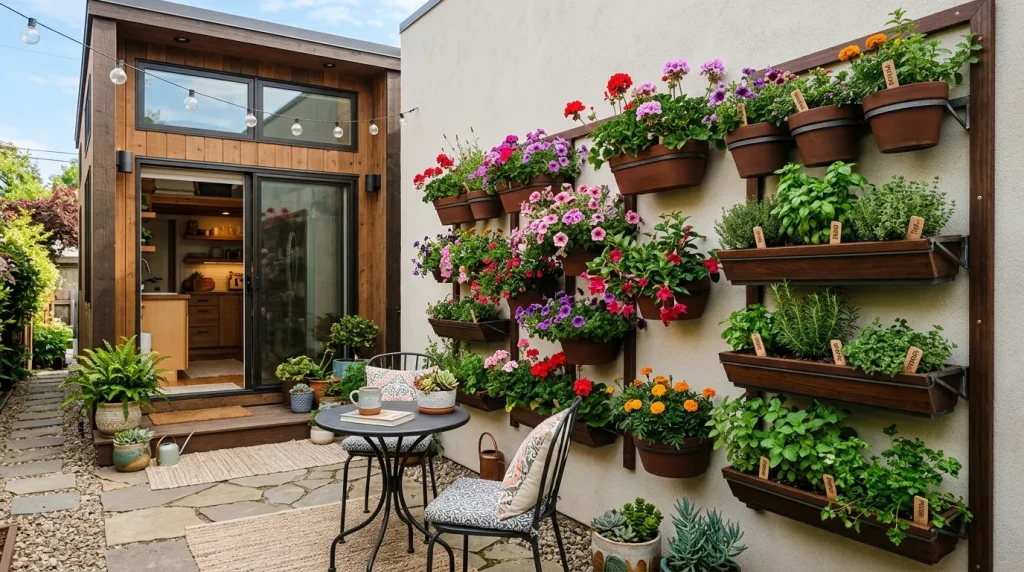
Before we get into the how, let’s talk about why. People don’t build vertical gardens just because they look good — though they absolutely do. There are some genuinely practical reasons behind the trend.
- Space efficiency: You can grow 20 plants in the footprint of a single pot.
- Air quality: Plants naturally filter toxins and improve indoor air.
- Thermal insulation: Outdoor green walls reduce wall temperature in summer.
- Noise reduction: Dense plant growth absorbs sound — a real bonus in urban areas.
- Mental health: Studies consistently show that being around plants reduces stress.
- Curb appeal and property value: A well-maintained living wall is a genuine selling point.
Types of Vertical Garden Ideas: A Quick Comparison
Picking the right system depends on your space, budget, and how much maintenance you want to take on. Here’s a clear breakdown:
–$$–$$
| Type | Best For | Skill Level | Cost Range |
|---|---|---|---|
| Pocket/Felt Planters | Herbs, small flowers | Beginner | $ |
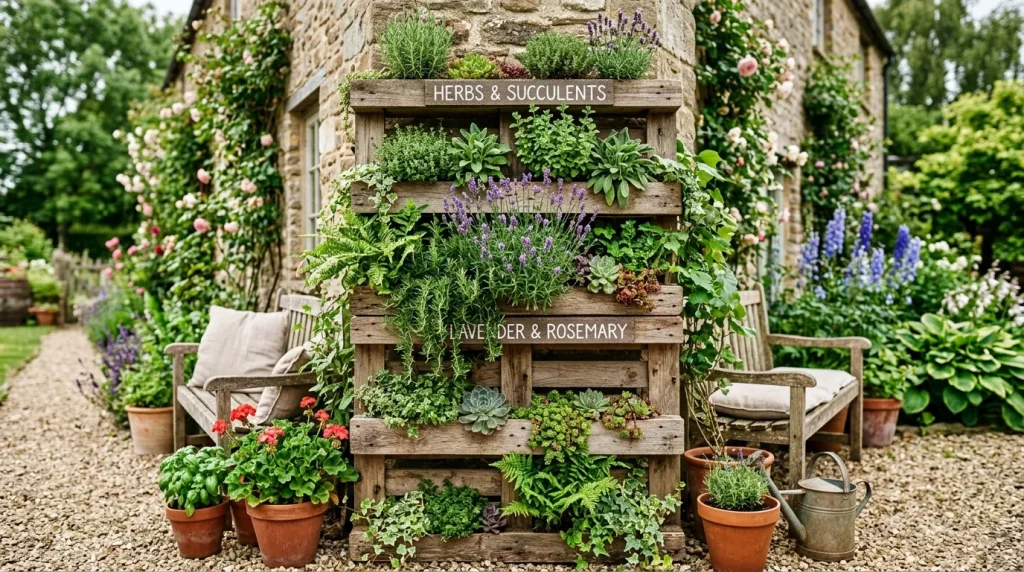
| Wooden Pallet Garden | Succulents, strawberries | Beginner | $ |
| Trellis + Climbing Plants | Vines, roses, beans | Beginner | –$ |
| Modular Panel System | Large walls, statement pieces | Intermediate | |
| PVC Pipe Planter | Herbs, lettuce, small veggies | Intermediate | $ |
| Hydroponic Living Wall | Modern interiors, tech-forward | Advanced | |
| Ladder/Shelf Planters | Balconies, patios | Beginner | –$ |
Each of these has its own personality. A pallet garden feels rustic and warm. A hydroponic wall feels architectural and sleek. Choose based on the vibe you’re going for, not just the budget.
10 Creative Vertical Garden Ideas to Inspire You
1. Herb Wall in the Kitchen
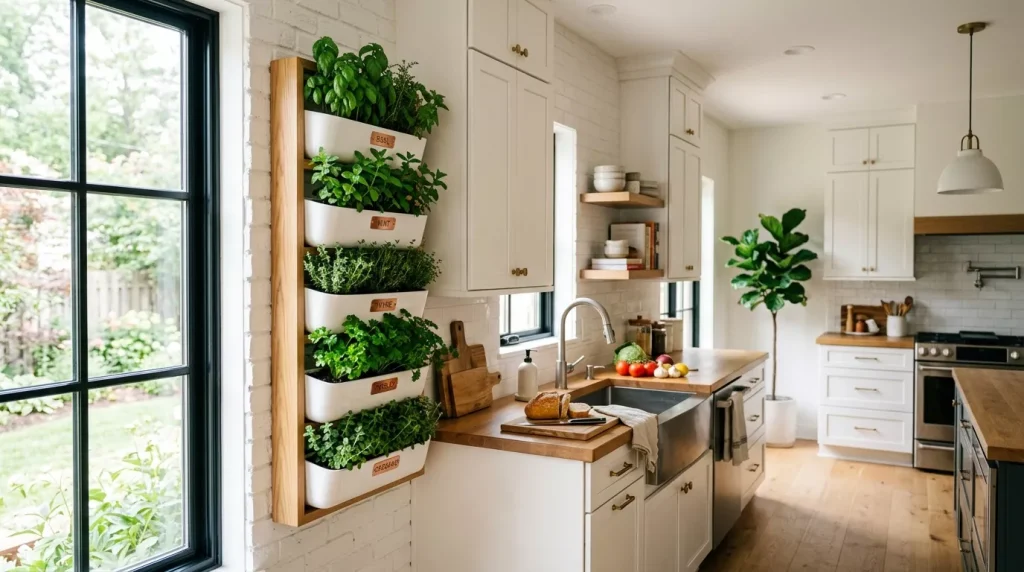
Mount a set of small wall planters near your kitchen window and fill them with basil, thyme, rosemary, and mint. It’s functional, fragrant, and saves you from buying those overpriced herb packs at the grocery store.
2. Pallet Garden for the Patio
Sand down an old wooden pallet, attach landscape fabric to the back, fill it with potting mix, and plant away. Succulents, trailing petunias, and strawberries all thrive in pallet setups.
3. Hanging Bottle Garden
Repurpose plastic bottles or wine bottles as individual planters hung in a row along a fence or wall. Thread wire or jute rope through them at different heights for a casual, creative look.
4. Trellis with Climbing Vines
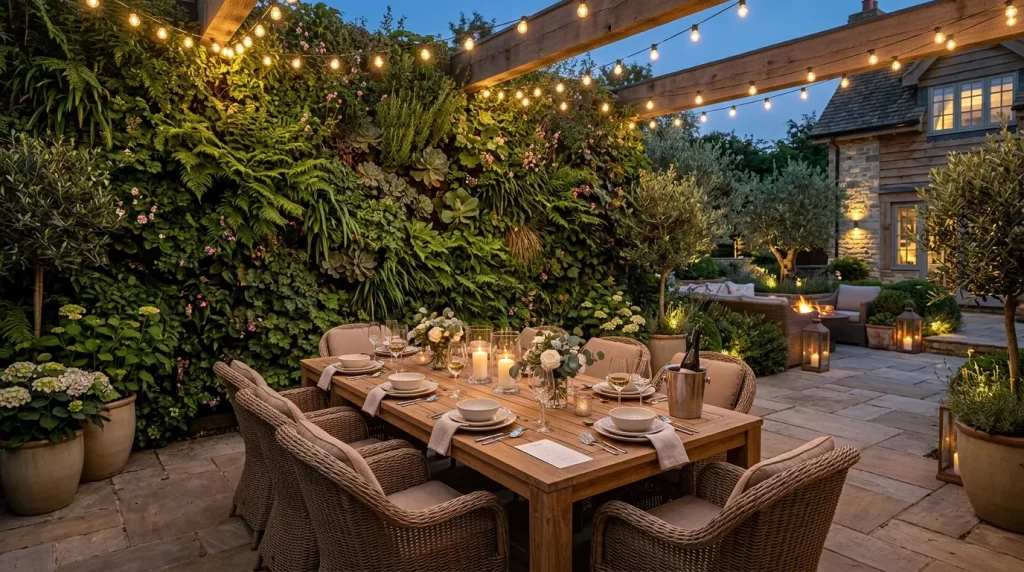
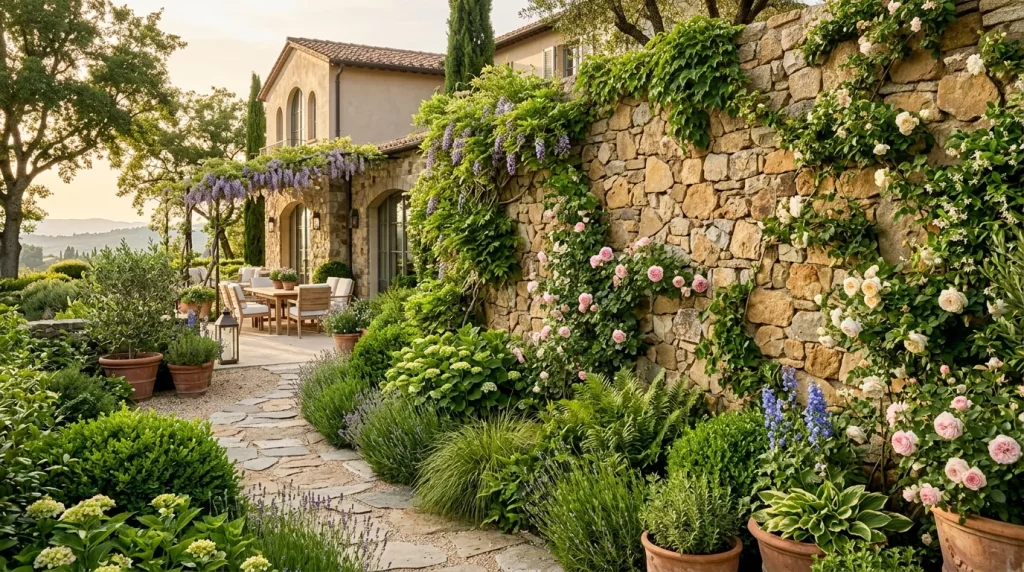
A simple wooden or metal trellis mounted against a wall and planted with jasmine, clematis, or ivy creates a lush green screen in a single growing season. Fast, affordable, and beautiful.
5. Living Moss Wall (Indoor)
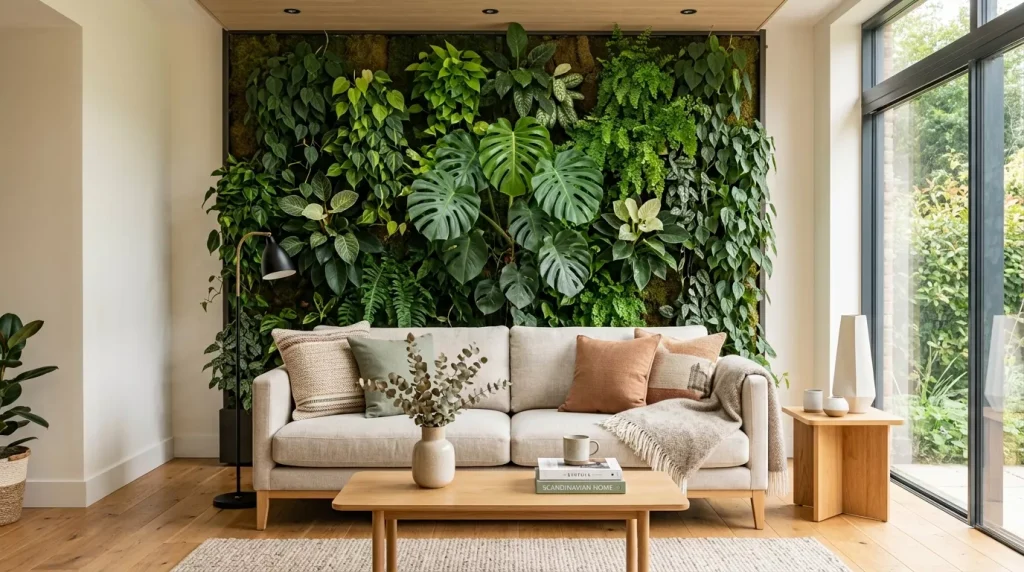
Preserved moss panels don’t need watering or sunlight — they’re already dried and treated. They look stunning in living rooms, offices, and restaurant interiors. Zero maintenance, maximum visual impact.
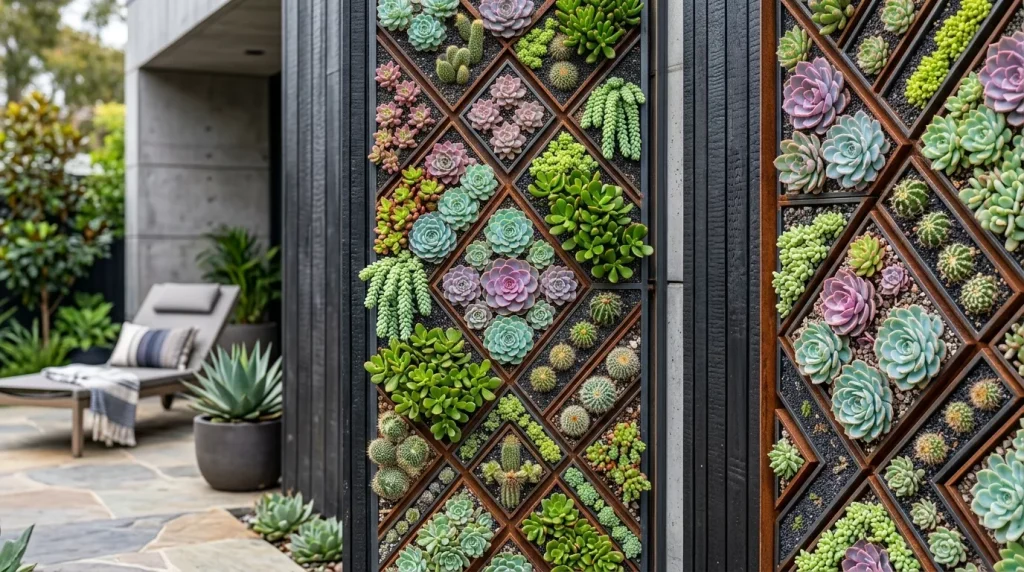
6. Vertical Succulent Frame
Build or buy a shadow box frame, fill it with a mix of fast-draining soil, and press in a variety of succulents. Hang it like a painting. Water once every two weeks. Done.
7. PVC Pipe Tower for Vegetables
Cut PVC pipes into sections with staggered holes, stack them vertically, and grow lettuce, spinach, or strawberries in each opening. Great for balconies where floor space is at a premium.
8. Shoe Organizer Planter
A fabric over-the-door shoe organizer hung on a sunny fence makes a surprisingly effective planter. Each pocket holds a small plant. Use it for herbs, flowers, or even small vegetables.
9. Modular Tile Planter System
Commercial-style modular planting systems let you click together individual planting cells and build a wall to any shape or size. Most come with drip irrigation built in.
10. Repurposed Wooden Crate Wall
Stack and secure wooden fruit crates in a staggered pattern against a wall. Each crate becomes a planting box. Paint them all the same color for a clean, intentional look.
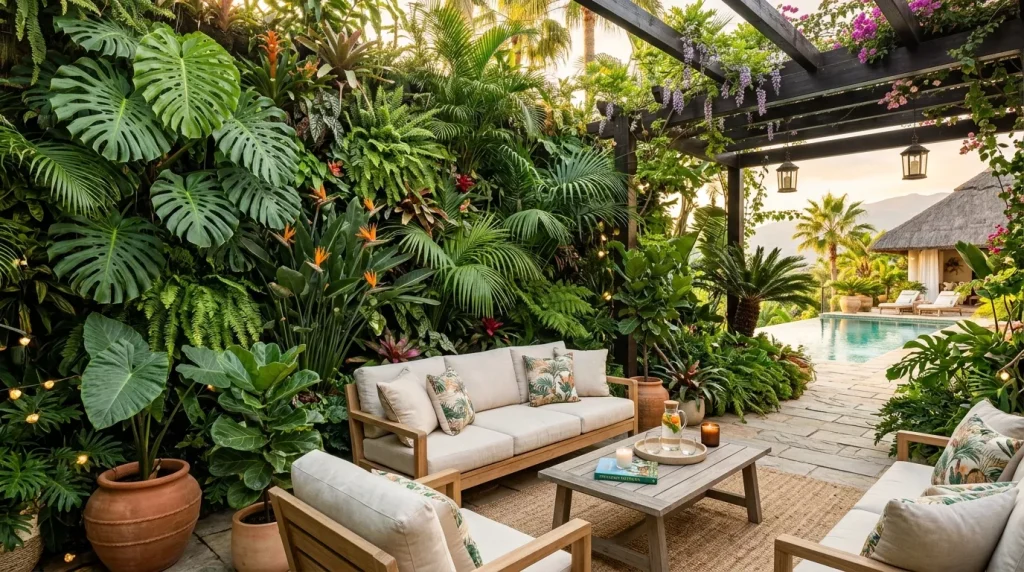
Best Plants for Vertical Garden Ideas
Choosing the wrong plant is the fastest way to end up with a sad, dying wall. Here’s what actually works well in vertical setups:
For Outdoors:
- Climbing roses
- Clematis and wisteria
- English ivy
- Nasturtiums (edible too)
- Ferns and hostas (shady walls)
- Lavender
For Indoors:
- Pothos (basically indestructible)
- Spider plants
- Heartleaf philodendron
- Peace lily
- Snake plant
- Boston fern
For Edible Walls:
- Herbs: basil, mint, parsley, thyme
- Lettuce and spinach
- Strawberries
- Chili peppers
- Green onions
Step-by-Step Guide: Building Your First Vertical Garden
Step 1: Choose Your Location
Identify where the garden will go. Measure the wall or surface area. Check sun exposure — south or east-facing walls get the most light. North-facing works for shade-lovers like ferns.
Step 2: Pick Your System
Based on your budget and skill level, choose from the types listed in the comparison table above. For beginners, a pocket planter or pallet garden is the easiest starting point.
Step 3: Prepare the Surface
If you’re mounting something to a wall, use appropriate fixings for your wall type (masonry anchors for brick or concrete, timber screws for wooden fences). Make sure whatever holds the planter is rated for the weight — soil gets heavy when wet.
Step 4: Install a Waterproof Barrier
If your garden is mounted directly on a house wall, add a waterproof membrane behind the planting structure. Moisture damage to walls is the most common preventable problem in vertical gardening.
Step 5: Fill With the Right Growing Medium
Standard garden soil is too heavy. Use a lightweight potting mix — ideally one formulated for containers. For hydroponic setups, skip soil entirely.
Step 6: Plant With Purpose
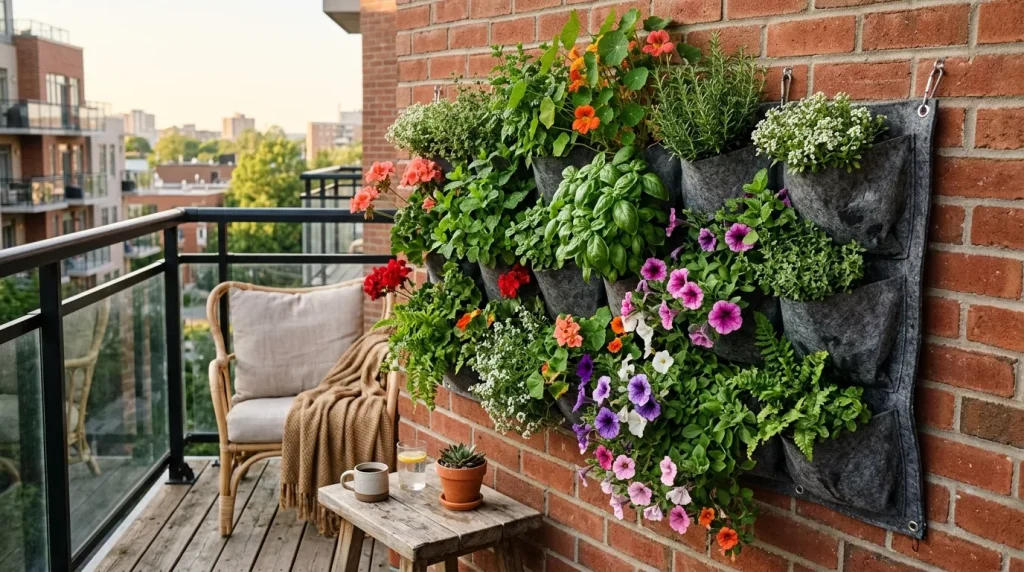
Tall or trailing plants go at the top. Dense, compact growers fill the middle. Low-growing varieties sit at the bottom. Think about how the whole wall will look, not just individual pockets.
Step 7: Set Up a Watering System
This is where most people underestimate the work involved. Vertical gardens dry out faster than ground beds. A simple drip irrigation system with a timer is a worthwhile investment, especially for larger walls.
Step 8: Fertilize Regularly
Because water flushes through vertical systems quickly, nutrients deplete faster. Use a slow-release granular fertilizer or add a diluted liquid feed every two to three weeks during growing season.
Pros and Cons of Vertical Garden Ideas
Pros
- Maximizes growing area in small spaces
- Improves aesthetics immediately
- Can reduce heating and cooling costs on exterior walls
- Doubles as privacy screening
- Makes gardening accessible to people without a backyard
- Encourages growing your own food
Cons
- Can be expensive to set up initially (especially modular systems)
- Watering requires more attention than traditional gardens
- Heavy installations need strong wall structures
- Plants in pockets have limited root space — need regular feeding
- Some systems aren’t frost-resistant and must be moved or protected in winter
- Not every plant adapts well to vertical growing

Indoor vs. Outdoor Vertical Garden Ideas
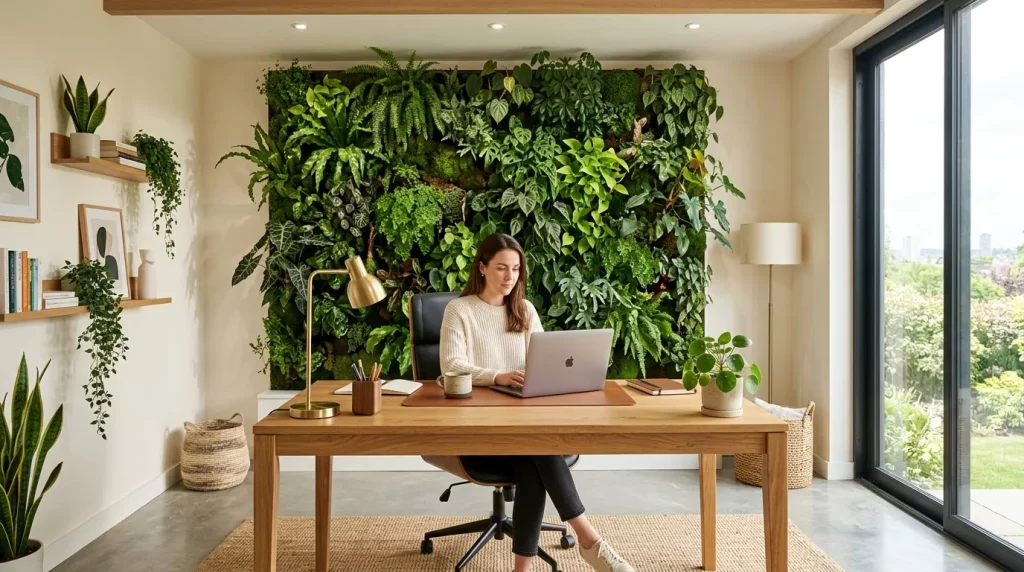
Indoor: Indoor living walls focus on air-purifying plants and aesthetics. They’re usually smaller — a 1m x 1m panel in a living room or a small herb wall in a kitchen. Lighting is the main challenge indoors. If natural light is limited, invest in a grow light.
Outdoor: Outdoor vertical gardens are tougher by nature. They handle wind, rain, and temperature fluctuations. Climbing vines on trellises, pallet gardens on patios, and fence-mounted planters all perform well outside. Just pick plants suited to your local climate.
Tips for Getting the Most Out of Your Vertical Garden
- Start small. A 6-pocket felt planter is a much better first project than a 3-metre modular wall.
- Weight matters. Wet soil is three to four times heavier than dry. Always anchor properly.
- Group plants by water needs. Mixing drought-tolerant succulents with thirsty herbs leads to one overwatered and one underwatered every time.
- Face the wall toward sunlight. Most plants need at least 4–6 hours of direct sun daily.
- Refresh tired plants. Don’t try to rescue a failing plant in a pocket — swap it out.
- Use slow-release fertilizer. It significantly reduces how often you need to feed manually.
- Season your system. Let the wall settle for two weeks before judging results.

Common Mistakes to Avoid
1. Ignoring drainage. Pockets and closed containers without drainage holes lead to root rot. Every compartment needs somewhere for water to go.
2. Planting too densely at the start. Young plants need room to grow. Overcrowding early leads to competition for light and nutrients. Give roots space.
3. Choosing plants purely for looks. A beautiful plant that hates vertical growing or your local climate will fail no matter how good it looks in the shop.
4. Skipping irrigation planning. Hand-watering a 20-pocket vertical garden every day gets old very fast. Plan your watering system before you plant, not after.
5. Mounting on a weak surface. A saturated vertical garden can weigh significantly more than expected. Fences, lightweight brackets, and old walls may not support the load safely.

6. Forgetting about the view from below. Most people plant for a straight-on view, but vertical gardens are often seen from below. Make sure trailing plants hang attractively at the bottom.
FAQs About Vertical Garden Ideas
Q1: Can a vertical garden survive winter?
It depends on the plants and your climate. Hardy perennials and evergreen climbers generally manage well. However, pocket-planter systems and modular walls should be moved indoors or replanted each spring if you’re in a frost-prone area. Protect exposed roots with fleece or bubble wrap if temperatures drop below freezing.
Q2: How often do vertical gardens need watering?
More often than you might expect. Most vertical setups need watering every one to two days in warm weather. Pockets dry out quickly because air circulates around all sides of the soil. A drip irrigation timer is genuinely useful here — not just a luxury.

Q3: Are vertical gardens suitable for apartment balconies?
Absolutely. Balconies are one of the best places for vertical gardens because floor space is so limited. Go for a freestanding trellis system or hanging pocket planters if you can’t drill into walls. Always check the weight load your balcony can handle.
Q4: What is the cheapest DIY vertical garden idea?
A fabric shoe organizer hung on a sunny fence or railing is probably the most budget-friendly option — it can cost as little as a few dollars. Pallet gardens are another excellent low-cost option if you can source a free or cheap pallet.
Q5: Do vertical gardens damage walls?
They can, if moisture is allowed to sit against the wall surface. Always use a waterproof barrier between the planting structure and your wall. Also, mounting brackets and fixings should be removed and filled properly if the garden is ever taken down, to prevent water ingress through the holes.
Q6: How long does a vertical garden last?
The planting structure (frame, pallet, modular system) can last years to decades if well maintained. Individual plants will come and go based on species and growing conditions. The beauty of pocket-based systems is how easy it is to replace individual plants without disturbing the whole setup.
Conclusion: Start Your Vertical Garden Journey Today
Vertical garden ideas aren’t just for people with deep pockets or professional landscapers. Whether you nail a single pocket herb planter to your kitchen window or build a full living wall on your backyard fence, you’re doing something genuinely worthwhile — making your space greener, your air cleaner, and your everyday environment more alive.
The key is to start simple, plant what suits your space and climate, and build from there. Mistakes will happen, a plant or two will disappoint you, and you’ll figure out what works. That’s just gardening.
So pick a wall. Any wall. And start growing upward.