Best Sofa Colors for Every Living Room Style

Sofa color shapes your entire room’s mood. It’s the first thing guests notice. It also anchors your whole design scheme. A blue sofa living room says something different than beige. The right shade balances comfort and visual style. It also needs to suit your daily life. This guide breaks down the best modern options. You’ll find ideas for every room style. Maybe you want a bold navy blue couch living room. Or maybe a soft beige couch living room feels better.
You don’t need a huge budget to start. You also don’t need a design degree. You just need a clear plan first. This guide gives you exactly that. We’ll walk through tones, pairings, and materials. By the end, you’ll know what fits.
Why Sofa Color Matters So Much
Color affects mood more than people realize. Warm tones create cozy, inviting energy. Cool tones create calm, restful energy. Your sofa sets that tone instantly.
Sofa color also influences perceived room size. Light shades make rooms feel larger. Dark shades make rooms feel more intimate. Both effects can work in your favor.
Color choice impacts long-term satisfaction too. Trendy shades can feel dated quickly. Timeless shades tend to age gracefully. Choose based on lasting personal preference.
Blue Sofas for a Calming Living Room
Classic Navy Blue Couches
A navy blue couch living room feels instantly sophisticated. Navy pairs beautifully with countless other colors. It reads as both bold and neutral. This versatility makes it hugely popular.
Navy works well with warm wood tones. It also pairs nicely with brass accents. Cream and white walls make navy pop. The contrast feels crisp and intentional.
This shade suits both small and large rooms. It hides everyday stains reasonably well too. A navy blue couch living room rarely feels dated. That makes it a smart long-term investment.

Light Blue Sofas for a Soft Look
A light blue sofa living room feels airy and fresh. This shade suits coastal and cottage styles well. It brings a gentle, relaxed energy indoors. Pastel tones soften the entire room.
Light blue pairs beautifully with white trim. It also works with natural rattan textures. Soft gray accents complement this shade nicely. The overall look feels light and breezy.
This color suits bedrooms and sunrooms too. It creates a calming, restful atmosphere generally. A light blue sofa living room photographs beautifully in daylight. Morning light makes this shade glow.

Bold Cobalt and Royal Blue Statements
Some rooms call for bolder blue tones. A blue sofa living room can go dramatic too. Cobalt and royal blue create real impact. These shades work best as focal points.
Pair bold blue with simple, neutral backgrounds. White or light gray walls work well. Avoid competing with other saturated colors nearby. Let the sofa remain the visual hero.
This approach suits confident, design-forward homeowners. It also works great in larger rooms. Guests notice it the moment they enter. It’s a memorable, personality-driven design choice.

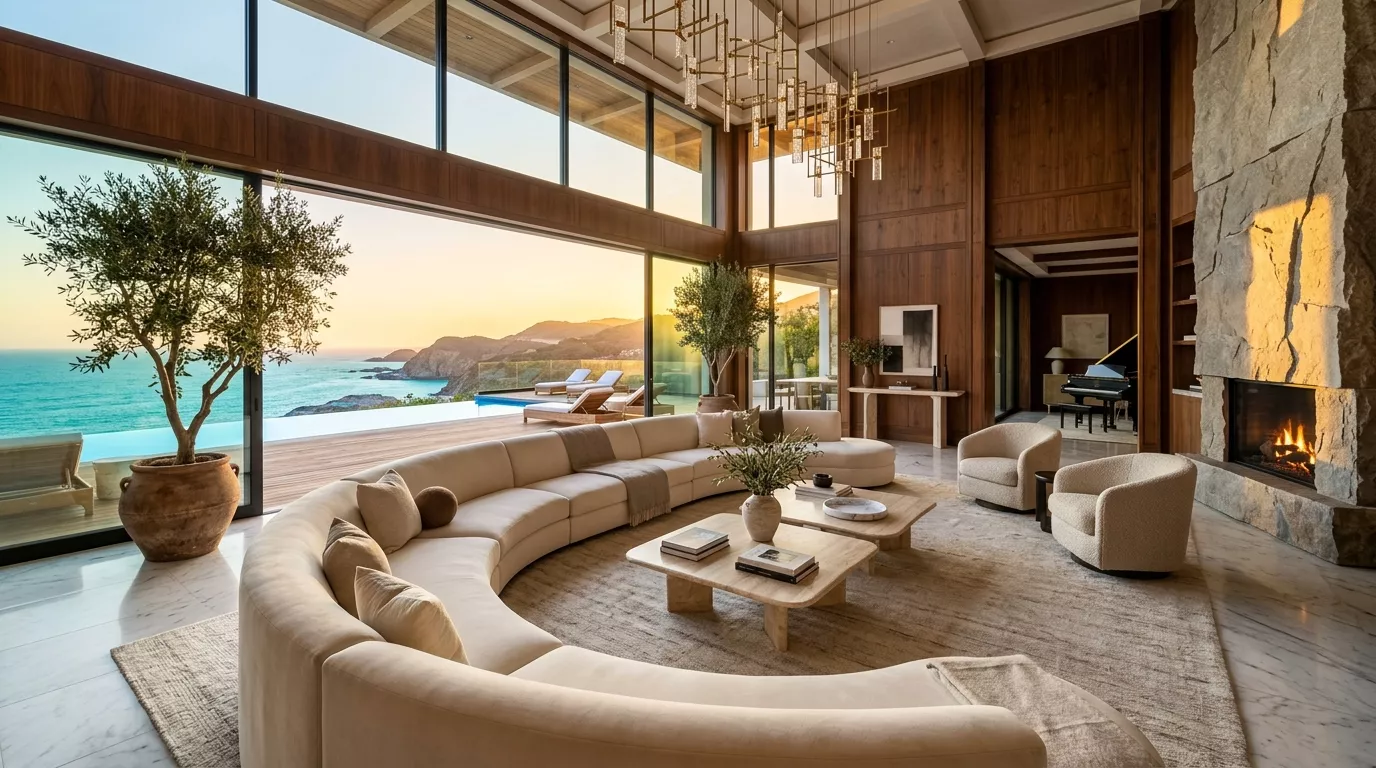
Beige and Neutral Sofas for Timeless Style
Warm Beige for Everyday Comfort
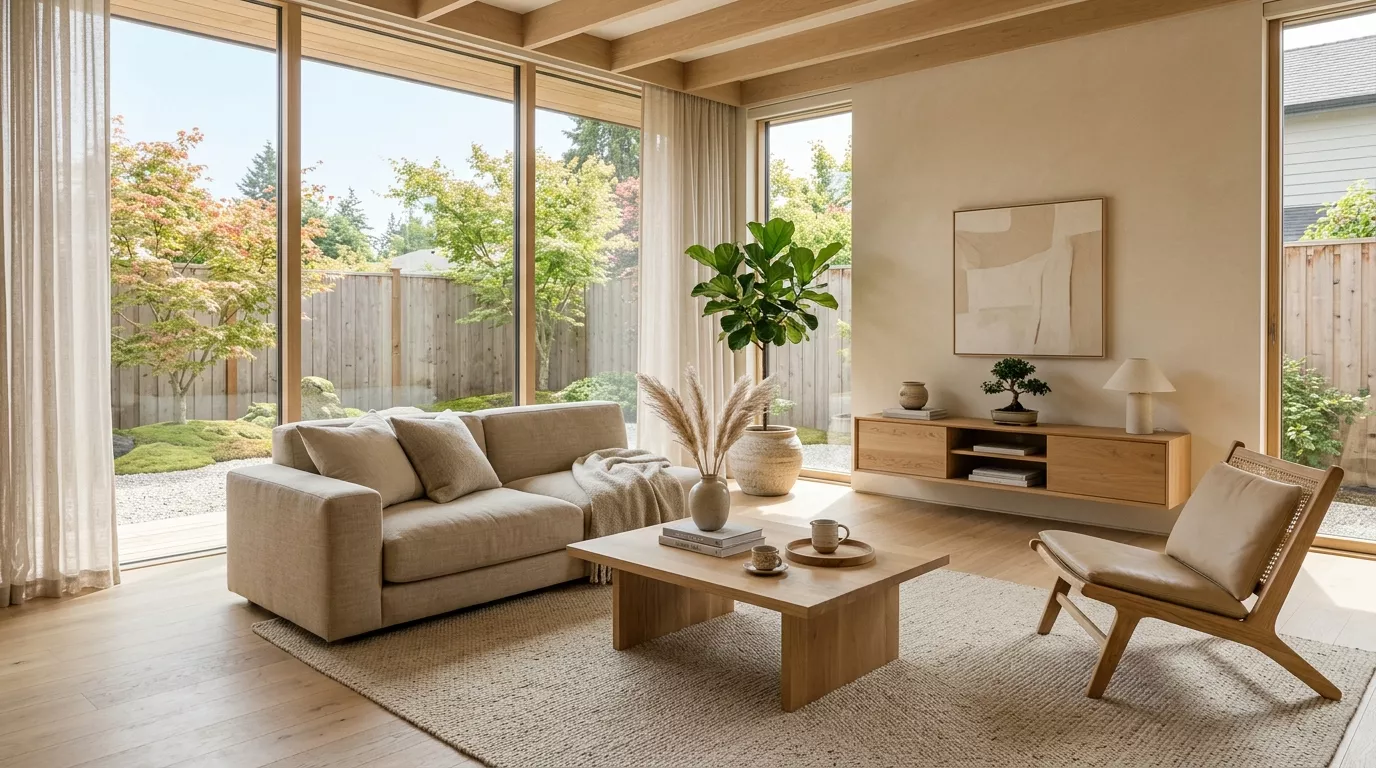
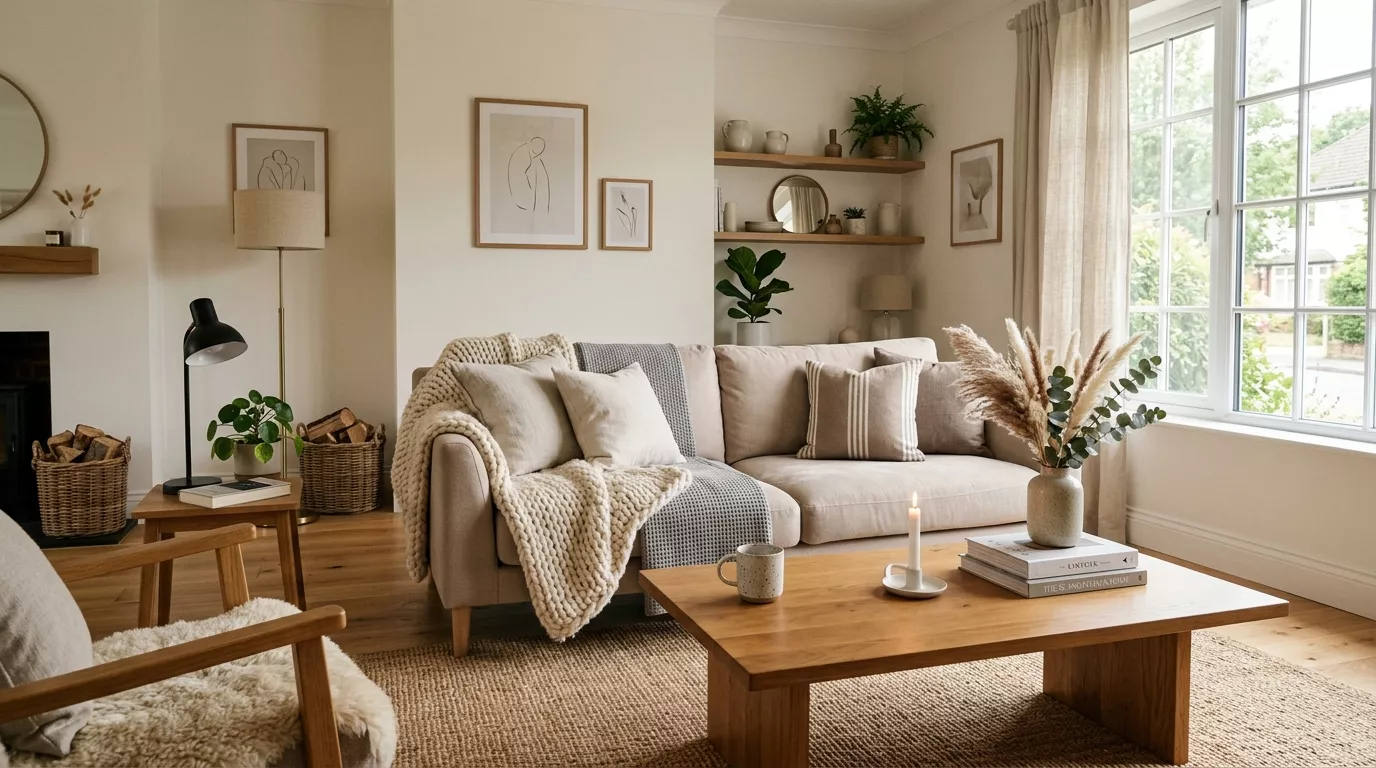
A beige couch living room feels endlessly versatile. Beige works with nearly every color scheme. It’s the safest choice for frequent redecorating. This neutrality never truly goes out of style.
Pair beige with rich, warm wood tones. Add texture through woven or knit throws. Bold accent pillows can introduce seasonal color. The base stays calm and adaptable always.
This shade suits families who redecorate often. Stains show less on textured beige fabric. A beige couch living room rarely feels wrong. It’s a genuinely low-risk color decision.

Gray as a Modern Neutral Alternative
Gray offers a cooler alternative to beige. It suits sleeker, more contemporary interiors well. Charcoal and light gray both work beautifully. The tone depends on your room’s overall mood.
Gray pairs naturally with black metal accents. It also complements white and cream walls. Bright accent colors stand out against gray easily. This makes styling changes simple over time.
This shade suits urban, minimalist living spaces. It photographs well in natural or artificial light. Gray sofas remain a dependable modern choice. They rarely clash with existing decor.

Teal Sofas for a Distinctive Statement
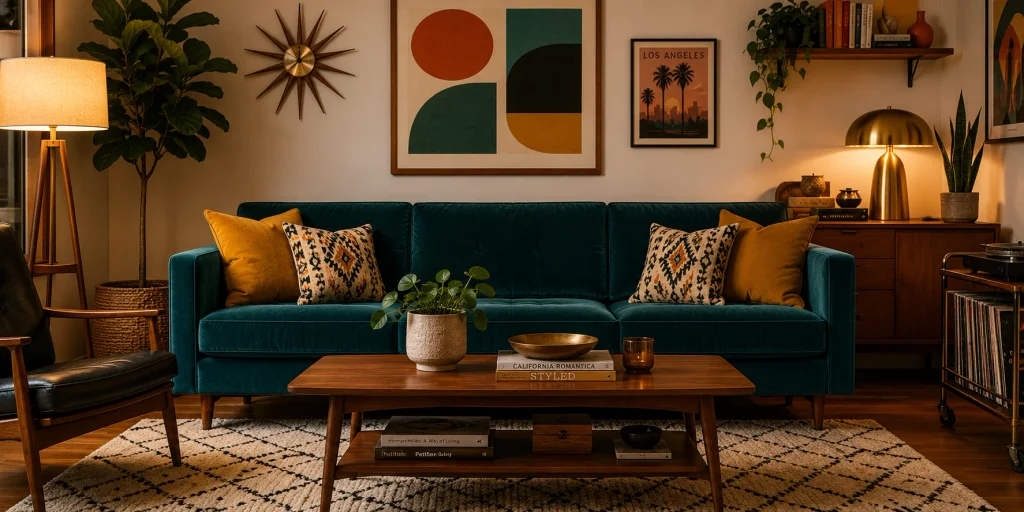
A teal sofa blends blue and green beautifully. It feels both bold and surprisingly versatile. This shade suits eclectic and mid-century styles. It also works in more traditional rooms.
Teal pairs wonderfully with mustard yellow accents. Blush pink pillows create a softer contrast. Natural wood tones ground the boldness nicely. The combination feels curated and intentional.
This color rewards confident styling choices. It stands out without feeling overwhelming usually. A teal sofa becomes a genuine conversation piece. Guests often ask where you found it.
Green Sofas for an Earthy, Natural Feel
Green sofas bring nature indoors effortlessly. Sage and forest green feel especially calming. This shade pairs beautifully with wood and rattan. It suits Scandinavian and biophilic design styles.
Lighter greens work well in small rooms. Darker greens suit larger, more dramatic spaces. Both tones pair nicely with brass accents. Natural light enhances green’s organic quality.
This color rewards homeowners wanting a natural feel. It brings warmth without feeling overly bold. Green sofas remain relatively rare in most homes. That rarity makes them feel distinctive.

Black and White Sofas for Bold Contrast
Black sofas create instant, dramatic sophistication. They suit modern and industrial interior styles. Pair black with white walls for contrast. Add metallic accents to prevent heaviness.
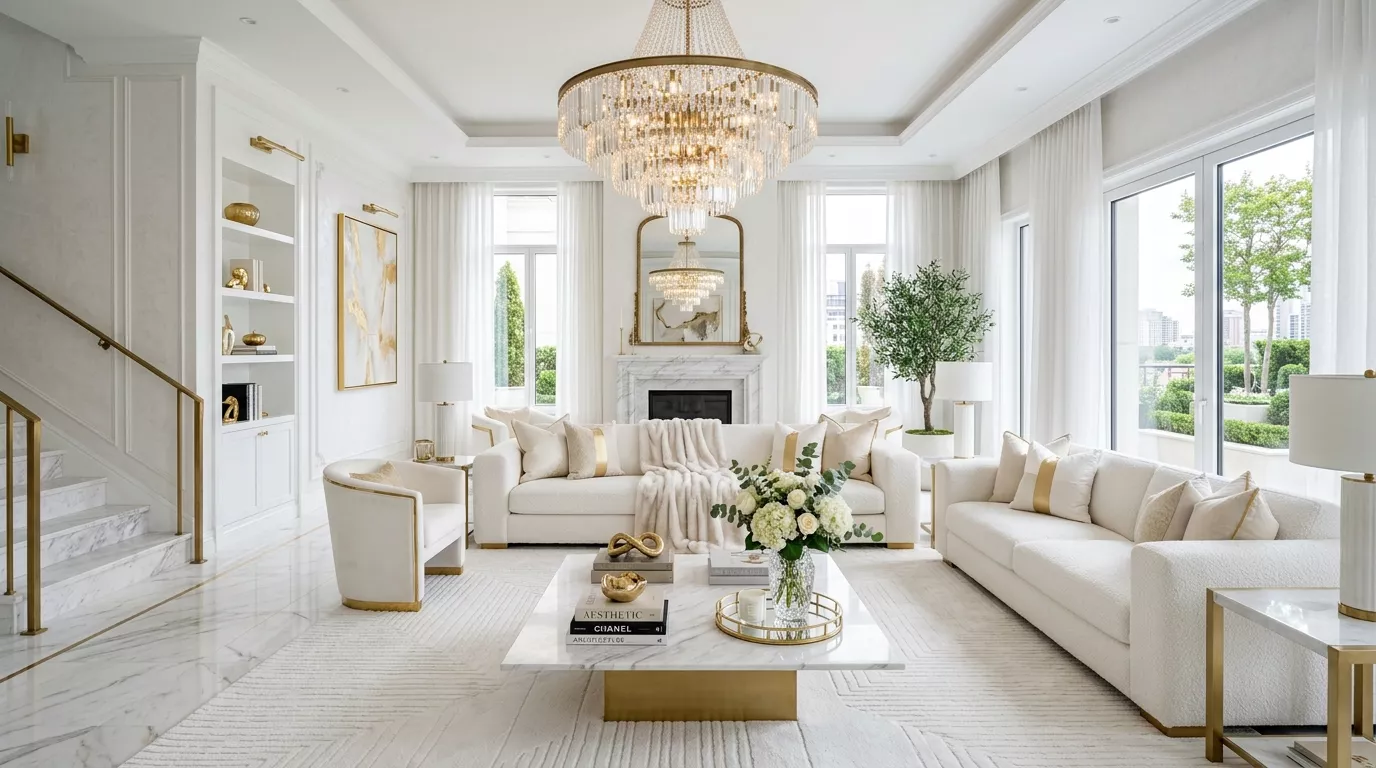
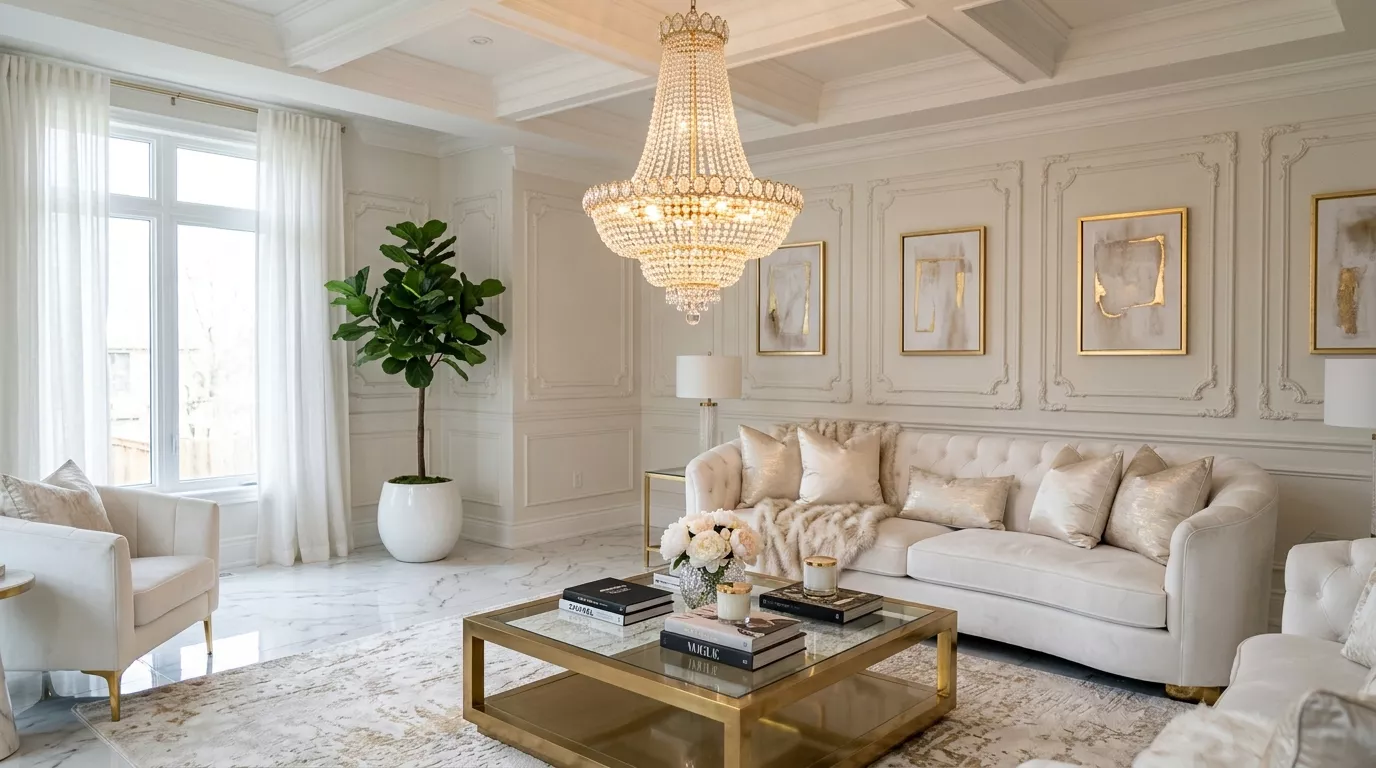
White sofas feel bright and expansive instead. They suit minimalist and coastal design styles. Performance fabric helps manage everyday stains easily. White reflects light beautifully in most rooms.
Both shades demand thoughtful styling around them. Black needs warmth through lighting and texture. White needs durability through smart fabric choices. Either can anchor a striking modern room.

Gray and Greige Sofas for Understated Elegance
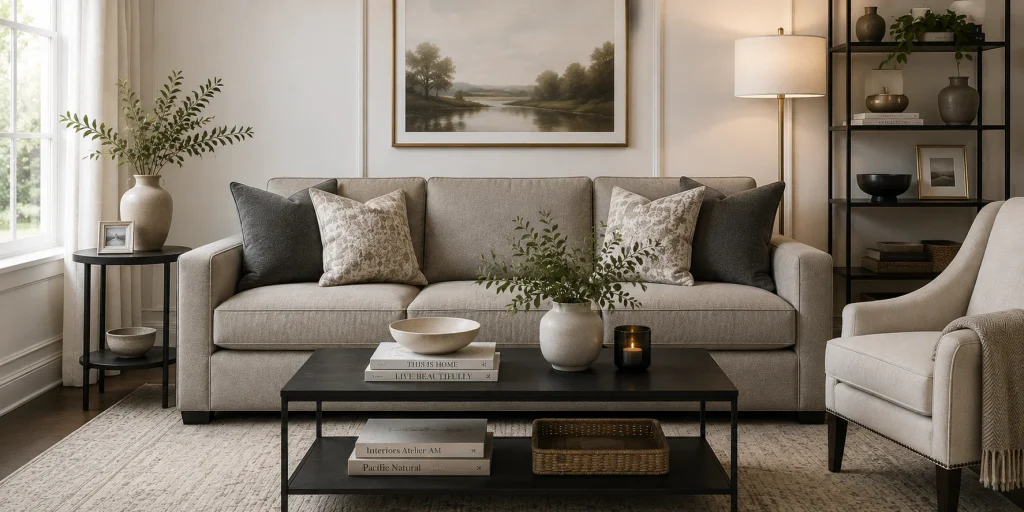
Greige blends gray and beige seamlessly together. It offers warmth without feeling overly beige. This shade suits transitional and modern-farmhouse styles. It bridges cool and warm palettes easily.
Greige pairs well with both black and brass. It also complements natural wood tones nicely. Cream walls make greige feel soft and inviting. Darker walls make it feel grounded and calm.
This shade rewards indecisive, cautious decorators well. It rarely clashes with existing furniture pieces. A greige sofa adapts as your decor evolves. That flexibility makes it genuinely practical long-term.
Patterned and Textured Sofas for Visual Depth
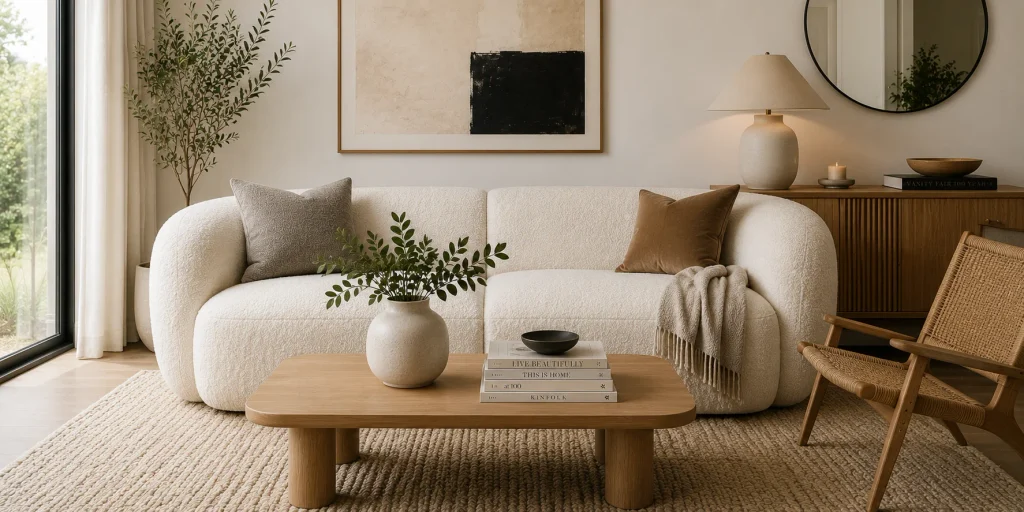
Solid colors aren’t your only real option. Patterned sofas add depth without extra furniture. Subtle textures like bouclé feel tactile and inviting. Bold patterns like stripes feel more playful.
Choose pattern scale based on room size. Small rooms suit smaller, subtler pattern repeats. Larger rooms can handle bolder, graphic patterns. Balance pattern against otherwise calm surroundings nearby.
This approach suits homeowners wanting texture over color. It photographs beautifully in natural daylight settings. A textured sofa still needs a cohesive color story. Keep surrounding pieces relatively simple and calm.
Balancing Sofa Color With Accent Pieces
Your sofa doesn’t need to do everything alone. Pillows, throws, and rugs share the load. A neutral sofa allows bolder accent choices. A bold sofa needs calmer supporting pieces.
Limit your palette to three main colors. One neutral, one accent, one supporting tone. This keeps rooms feeling curated, not chaotic. Too many competing colors feel visually exhausting.
Rotate accent pieces seasonally for easy refreshes. Swap pillow covers instead of buying new furniture. This keeps your room feeling current affordably. Your sofa color remains the stable foundation.

How to Choose the Right Sofa Color for Your Style
Matching Color to Your Room’s Lighting
Natural light changes how sofa colors appear. North-facing rooms receive cooler, bluer light. South-facing rooms receive warmer, golden light. Test fabric swatches at different times daily.
Artificial lighting shifts color perception too. Warm bulbs make cool colors appear muted. Cool bulbs make warm colors appear flatter. Always view swatches under your actual lighting.
This step prevents costly color mistakes later. Beige can look pink or gray in changing light. Testing first saves real disappointment down the road.
Matching Color to Existing Furniture
Consider your flooring before choosing sofa color. Dark floors pair well with lighter sofas. Light floors can handle darker, bolder shades. Balance always creates visual harmony overall.
Look at your existing wall color too. Bold walls suit calmer, neutral sofa tones. Neutral walls can support a bolder sofa color. This relationship shapes the whole room’s balance.
Think about pieces you already own. Your sofa should complement existing rugs or art. Cohesion matters more than matching everything exactly.
Comparing Popular Sofa Color Choices
| Sofa Color | Best For | Style Match | Maintenance Level |
|---|---|---|---|
| Navy Blue | Sophisticated, versatile rooms | Traditional, transitional | Moderate |
| Light Blue | Airy, coastal spaces | Coastal, cottage | Moderate |
| Beige | Frequent redecorating | Any style | Easy with texture |
| Teal | Bold, eclectic statements | Mid-century, eclectic | Moderate |
| Black | Dramatic, modern rooms | Modern, industrial | Easy |
This table helps narrow down your options quickly. Match your color to your room’s style. Consider your household’s daily habits too. High-traffic homes often suit textured neutrals better. Statement rooms suit bolder, saturated color choices.
Pros and Cons of Bold Versus Neutral Sofa Colors
Pros of Bold Colors:
- Creates a memorable, distinctive focal point
- Expresses personality and design confidence
- Elevates otherwise simple, plain rooms
- Works beautifully as a conversation starter
- Photographs strikingly well for social media
Cons of Bold Colors:
- Can feel dated as trends shift
- Limits future decor flexibility somewhat
- Harder to resell or repurpose later
- Requires more careful accent coordination
- Not ideal for frequent redecorators
Common Mistakes to Avoid When Choosing Sofa Color
Many shoppers rush this decision unfortunately. Here are frequent mistakes worth avoiding.
- Skipping the lighting test entirely. Always view fabric swatches under your actual lighting.
- Ignoring existing decor completely. Your sofa should complement, not clash, with everything.
- Choosing trend over personal taste. You’ll live here daily, choose what you genuinely love.
- Forgetting about fabric durability. Pets and kids demand more resilient, forgiving colors.
- Buying without seeing a real swatch. Screen colors rarely match true fabric tones.
Budget-Friendly Tips for Trying Bold Sofa Colors
You don’t need to commit permanently for color. Start with bold throw pillows first. Add a colorful accent chair instead. This tests boldness without major financial risk.
Consider slipcovers for rented or shared spaces. They offer color flexibility without reupholstering costs. Many brands now offer washable, stylish options. This keeps your setup adaptable and affordable.
Secondhand and vintage markets offer hidden gems. Reupholstering an older sofa often costs less. It also lets you choose truly custom colors. Don’t overlook this budget-friendly design strategy.
Frequently Asked Questions
What is the most versatile sofa color for any room?
Beige and gray remain the most versatile choices. Both pair easily with nearly any color scheme.
Is a navy blue couch a safe long-term choice?
Yes, navy rarely feels dated over time. It balances boldness with genuine neutrality well.
Do light blue sofas work outside coastal homes?
Absolutely, light blue suits many relaxed, airy styles. It isn’t limited to coastal design alone.
How do I test a sofa color before buying?
Request fabric swatches and view them at home. Check appearance under both natural and artificial light.
Are teal sofas hard to style around?
Not necessarily, teal pairs well with mustard and blush. Natural wood tones also ground the color nicely.
Should I match my sofa color to my walls?
Not exactly match, but they should complement each other. Balance bold walls with calmer sofa tones instead.
What sofa color hides stains best?
Textured fabrics in beige, gray, or navy hide stains well. Performance fabric adds extra everyday protection too.
Final Thoughts: Choosing a Sofa Color You’ll Love
Choosing the best sofa color doesn’t need to overwhelm. Start with your room’s natural lighting. Then decide which tone feels most authentic. Comfort should always guide your final decision.
Maybe you choose a bold navy blue couch. Or maybe a soft beige couch living room fits better. Either way, the goal stays the same. Create a space that feels genuinely yours. Function and beauty can absolutely coexist together.
Test a few swatches this week if possible. Browse styles and colors that excite you. Small, intentional steps lead somewhere great. Your ideal living room color is closer than you think.