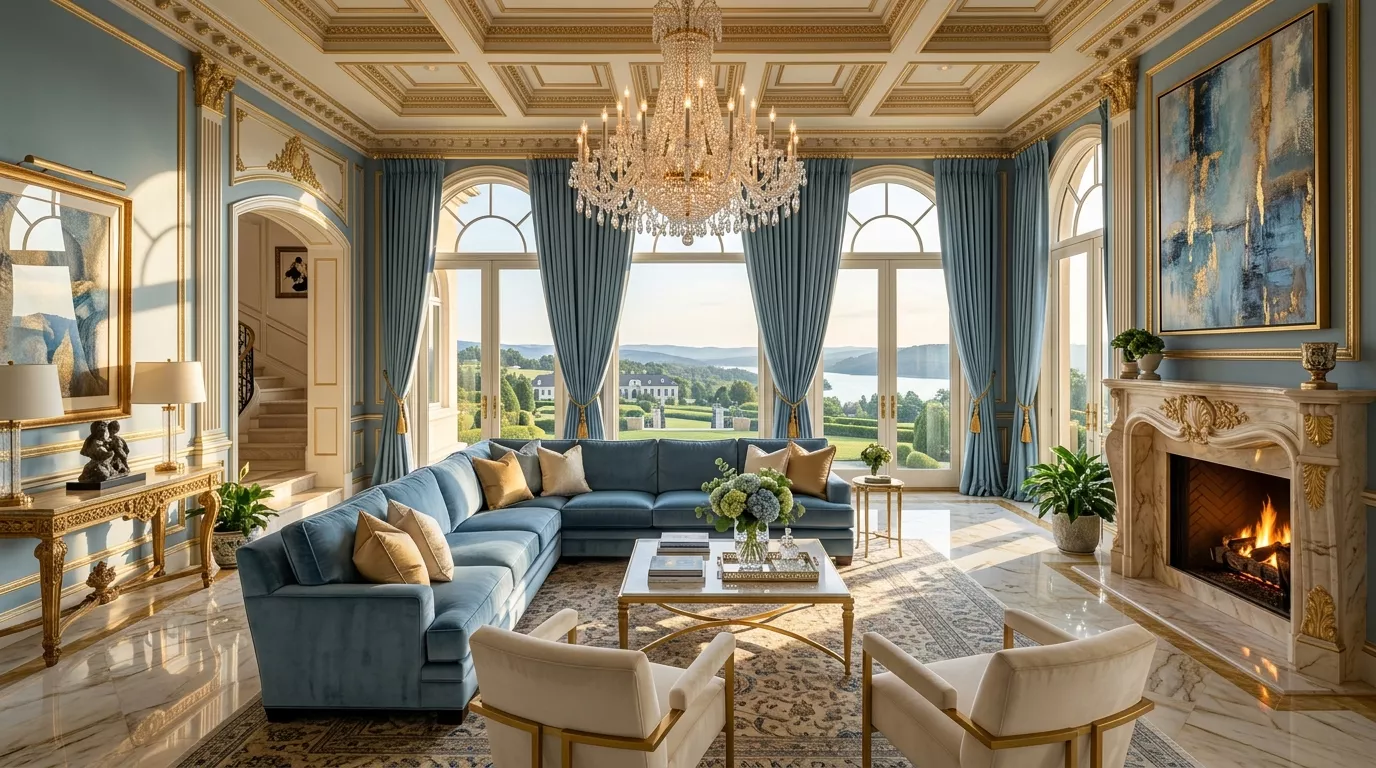
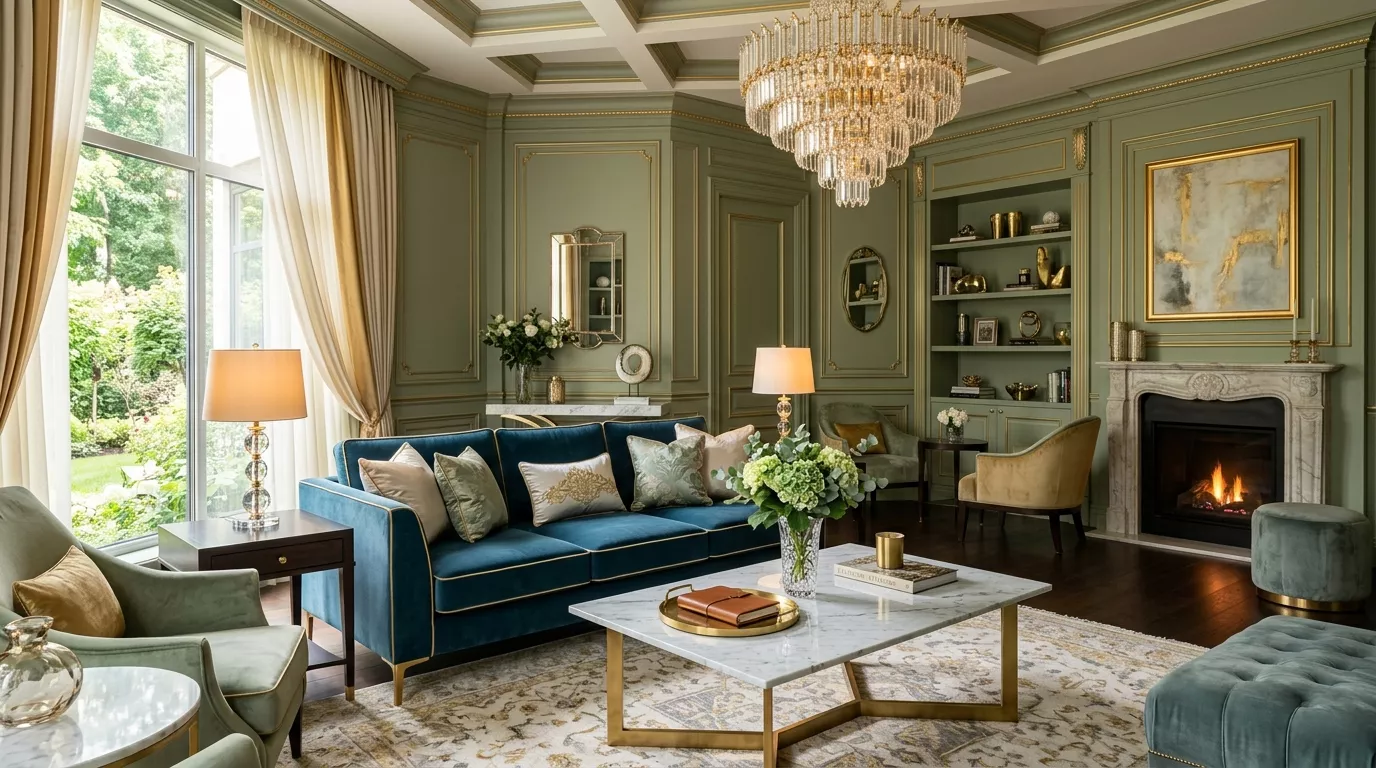
Cabinets & Storage: Stylish Solutions for Every Room

Why Every Room Deserves Better Storage
Open floor plans have removed many of the walls builders once used for closets. Homes feel smaller than they used to, even when square footage stays the same. Storage can no longer sit at the bottom of the design priority list.
A tidy room changes how people feel the moment they walk in. Guests notice a clear coffee table before they notice paint color or furniture brand. A cluttered entryway makes a home feel chaotic within seconds, while a single closed cabinet near the door can erase that impression entirely.
Real estate agents see this pattern constantly during showings. Buyers walk through a home and form an opinion in the first ninety seconds. A kitchen with generous cabinetry reads as move-in ready. A mudroom with built-in cubbies reads as thoughtful, considered design. A living room with a dedicated storage cabinet reads as a home that was actually lived in with care, not just decorated for photos.
There’s a practical side too. Furniture and belongings last longer when they’re protected from dust, sunlight, and daily handling. A closed cabinet door does more for the lifespan of your board games, linens, and electronics than an open shelf ever will.
How Cabinets & Storage Shape Every Room
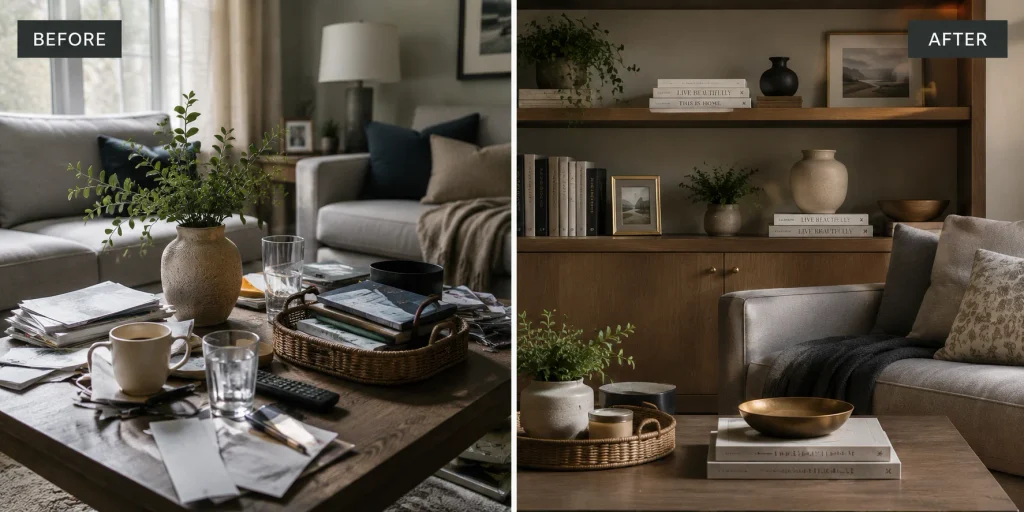
Smart Cabinets & Storage planning solves three problems at once. It clears visual noise from a room. It protects belongings from dust, moisture, and daily wear. It gives every item in the house a fixed, predictable address.
A living room without a storage plan collects remotes, chargers, mail, and stray toys within days. The same living room with the right cabinet keeps every one of those items behind a single closed door. The furniture barely changes in that scenario. The feeling of the room changes completely.
This effect compounds across an entire house. A kitchen with deep pantry cabinets means fewer countertop appliances left out permanently. A bedroom with a proper wardrobe means fewer clothes draped over chairs. A bathroom with a tall linen cabinet means fewer half-empty bottles crowding the shower ledge. Cabinets & Storage decisions in one room tend to influence habits in the next.
Cost matters here as well. Custom cabinetry sits at the higher end of a renovation budget, but semi-custom and ready-made options now cover nearly every price point. A homeowner can start with one well-chosen living room cabinet and expand the plan room by room as budget allows, rather than tackling the entire house at once.
Living Room Cabinet Ideas Worth Copying
The living room sees more daily traffic than almost any other room in the house. A living room cabinet consolidates media equipment, books, board games, and seasonal décor into a single, attractive footprint instead of scattering them across shelves and side tables.
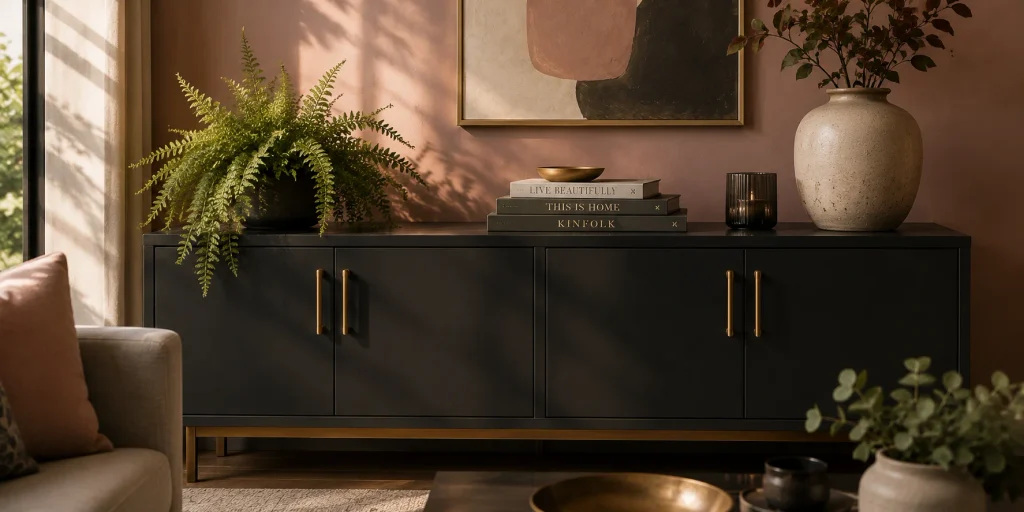
Low, wide media cabinets remain the most popular choice for a reason. They keep the television at a comfortable eye level for seated viewing while hiding cords, streaming boxes, and gaming consoles behind clean cabinet doors. Taller living room cabinets work well when a family needs mixed storage: open shelves near the top for displayed items, closed cabinets lower down for anything better kept out of sight.
A few practical rules make the shopping process much easier:
- Measure your seating distance before buying, so the finished screen height stays comfortable rather than forcing an awkward viewing angle.
- Look specifically for cable-management cutouts in the back panel of the cabinet; tidy cords make a bigger visual difference than most people expect.
- Choose a finish that contrasts slightly with your flooring instead of matching it exactly, since a small contrast adds depth to the room.
- Prioritize soft-close hinges and rounded edges if young children or pets share the space regularly.
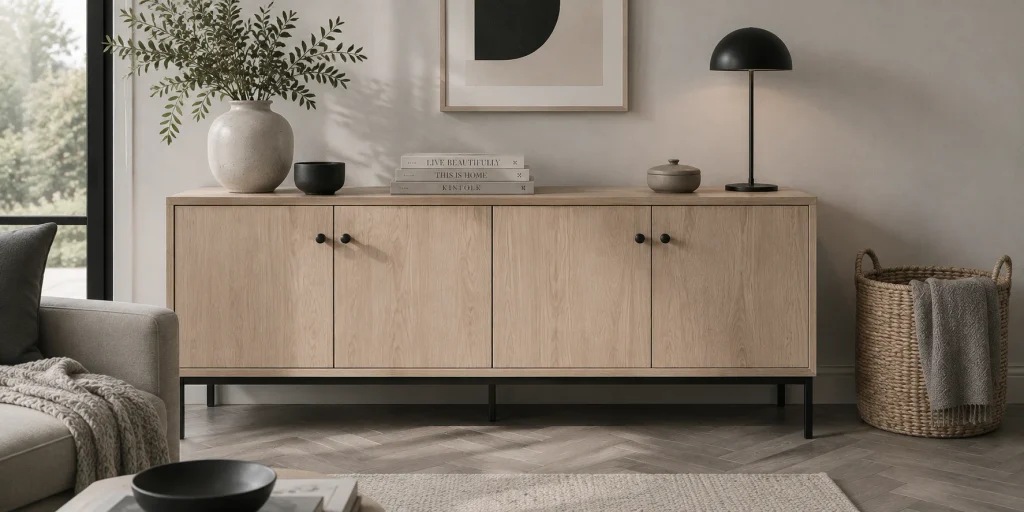
Living room cabinets built from warm wood tones suit the widest range of layouts. They pair easily with both light, airy upholstery and darker, moodier color schemes, which makes them a safer long-term investment than a highly trend-driven finish.
Built In Cabinets Living Room Owners Love
Built in cabinets living room installations are constructed to fit one specific wall or alcove, which means nothing gets wasted and nothing looks like an afterthought bolted onto the wall. Unlike freestanding furniture, every measurement is tailored to the exact space it will occupy.
Fireplace alcoves are the classic spot for this kind of project. Those awkward side gaps next to a fireplace sit empty or half-used in most standard furniture layouts. Floor-to-ceiling cabinetry fills them with real, usable storage capacity while creating a balanced, symmetrical focal wall that anchors the whole room.
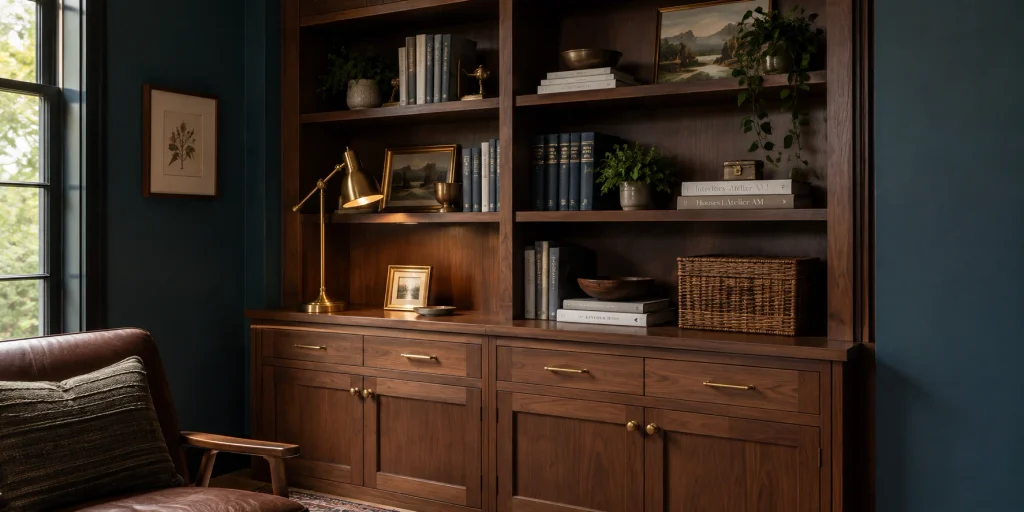
Because built-ins are fully custom, homeowners get complete control over every detail. Soft-close drawers, adjustable interior shelving, integrated LED lighting, and glass-front doors for displaying a collection are all standard options at this level. Some owners even add a hidden pull-out desk or a fold-down bar tucked inside one section of the cabinetry.
The upfront cost of built in cabinets living room projects sits noticeably higher than off-the-shelf furniture, since it involves custom measuring, building, and installation. The payoff is a living room that looks like it belongs in a design magazine rather than a furniture catalog, and one that tends to increase a home’s resale value in the process.
Renters and anyone hesitant about permanent construction still have options. Modular stacking cabinet systems are designed to be assembled in sequence to mimic the appearance of custom millwork, without requiring any actual construction work or long-term commitment to the wall.
Living Room Storage Cabinet Style Guide
Not every home has the budget, or the wall space, for a full built-in system, and that’s completely fine. A well-chosen living room storage cabinet can deliver much of the same practical benefit for a fraction of the cost and effort involved in custom carpentry.
The key is matching the cabinet’s style to the room’s existing aesthetic so it feels like an intentional design choice rather than an afterthought purchase.
Minimalist and Scandinavian-inspired rooms tend to suit cabinets with clean lines, light wood tones such as ash or birch, and minimal visible hardware. Push-to-open mechanisms often replace traditional handles entirely in this style, and slim tapered legs keep the whole piece feeling light rather than heavy against the floor.
Traditional and transitional spaces generally suit cabinets with raised-panel doors, warm wood stains, and classic bronze or brass hardware. These details echo the upholstered furniture and patterned textiles already common in that kind of room.
Eclectic or maximalist interiors can handle a genuine statement piece without it feeling out of place. A bold lacquered finish in emerald green or deep navy, rattan-front doors, or a vintage credenza sourced secondhand can all become the centerpiece of the room instead of something quietly hidden in a corner.
Corners deserve special attention here, since they’re so often wasted space in a typical living room layout. A tall corner living room storage cabinet can hold everything from board games to spare blankets while barely intruding on the usable floor plan of the room.
Smart Blanket Storage For Living Rooms
Throw blankets create one of the biggest small-scale messes in most living rooms. They’re essential for cozy movie nights and cool evenings, but left loose on the sofa or draped over a chair arm, they quickly shift from inviting to messy. Real blanket storage for living room comfort solves this problem without sacrificing that cozy factor at all.
A lidded ottoman is one of the most popular solutions available, and it earns that spot. It doubles as extra seating or a footrest during the day while hiding blankets, throw pillows, and remote controls completely out of sight inside. Many modern ottomans now come with a hinged top specifically designed for this kind of everyday storage.
A woven basket placed beside the sofa or tucked under a console table keeps blankets within easy reach while adding warm, textural interest to the room. This option works especially well in rustic, coastal, or bohemian-styled spaces where a slightly relaxed, lived-in look is part of the design goal.
A cabinet with deep drawers offers a third path. If a living room storage cabinet already exists in the room, dedicating the bottom drawer specifically to folded blankets keeps them dust-free and completely out of view when they’re not being used. This works particularly well in smaller apartments where every piece of furniture needs to serve more than one function.
Built-in bench seating near a window can hide an entire household’s worth of throws inside a single lift-top lid, and it adds a second seating area to the room at the same time. Blanket storage for living room spaces only earns its keep when it’s genuinely effortless to use; a system that’s too complicated to reach quickly will send blankets right back to the sofa arm within a week.
Cabinet Storage Ideas For Other Rooms
Kitchens need cabinetry that survives daily heat, grease, and moisture without breaking down. Full-height pantry cabinets consolidate dry goods, small appliances, and bulky items into a single column instead of scattering them across multiple lower cabinets throughout the room. Pull-out drawers consistently outperform fixed shelves in deep base cabinets, since they make items stored toward the back far easier to see and reach.
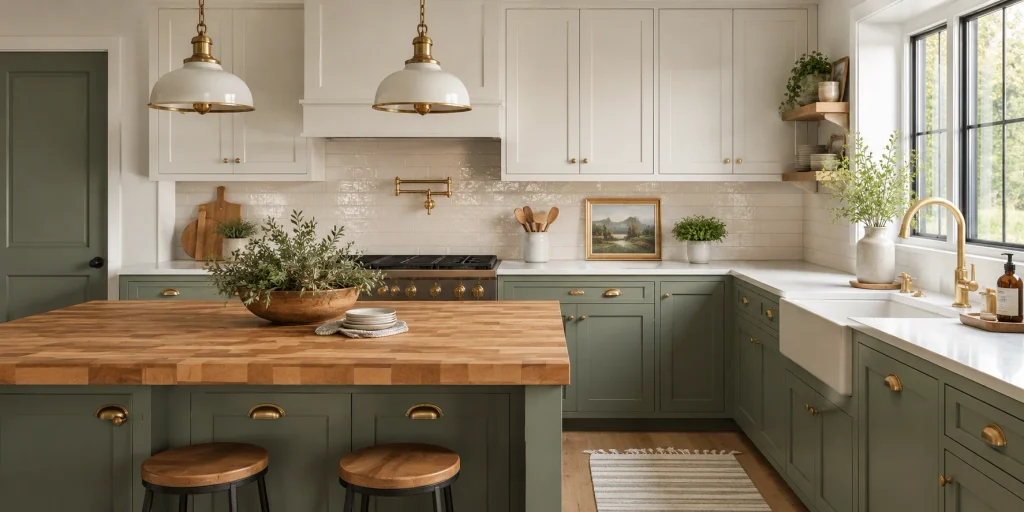
Upper cabinets extending all the way to the ceiling add real storage capacity while eliminating the dust-collecting gap that forms above standard-height cabinets. Two-tone kitchens, often a darker base cabinet paired with lighter upper cabinets, have grown popular because they add visual depth to a smaller kitchen without overwhelming it.
Bedrooms benefit most from storage that stays visually quiet, since the room’s purpose is rest rather than display. Sliding-door wardrobes suit tight bedrooms particularly well, since they don’t require floor clearance to swing open the way a hinged door does. Under-bed drawers or simple rolling bins can hold off-season clothing without using any additional floor space at all.
Bathrooms need moisture-resistant materials above almost every other consideration, since they’re the most humid rooms in a typical home. Floating vanities have grown popular partly because they visually open up a small bathroom’s floor space, even though their actual storage capacity stays roughly the same as a traditional vanity. A mirrored medicine cabinet mounted above the sink uses vertical wall space that would otherwise sit completely empty.
Materials, Colors, and Finish Choices
Cabinet material affects both appearance and long-term durability, which makes it worth researching before committing to a large purchase. Solid wood offers the strongest lifespan and can be refinished repeatedly over several decades, but it costs more upfront and can expand or contract slightly with humidity changes throughout the year.
Plywood provides a strong, moisture-resistant middle-ground option, and it’s often used for cabinet boxes even when the visible doors are made from a different material entirely. MDF, or medium-density fiberboard, takes paint exceptionally smoothly, which makes it a popular choice for painted, flat-front cabinet doors, though it tolerates moisture less well than plywood does over time. Laminate remains the most budget-friendly and low-maintenance option of the four, and it holds up especially well in high-traffic kitchens or rental properties that need to survive frequent turnover.
Color choices matter just as much as material selection. A neutral base, whether warm white, soft gray, or a natural wood tone, tends to age the most gracefully over time. Personality can still enter the room through hardware, a single accent color, or one standout piece rather than committing an entire kitchen or living room to a fast-moving trend.
That said, saturated colors continue trending upward for statement pieces specifically. Deep forest green, navy blue, and warm terracotta all remain strong choices for a kitchen island, a bar cart, or a single freestanding living room cabinet that’s meant to draw the eye.
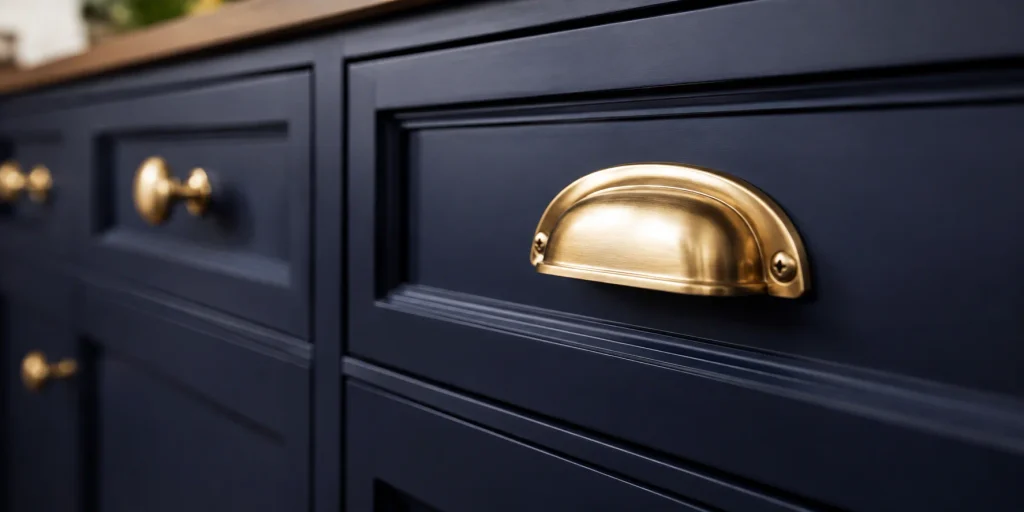
Hardware is a small detail with an outsized visual impact on the finished result. Brushed brass and matte black remain the two most requested finishes across nearly every design style. Mixing metals within a single room, brass on a cabinet paired with black on nearby light fixtures, now reads as an intentional, layered design choice rather than a mismatch to avoid.
Layout Tricks That Maximize Storage Space
Furniture choice matters, but placement inside a room matters just as much for maximizing usable storage. A handful of layout principles apply across almost any room in the house, regardless of its size or shape.
Going vertical before going wide is usually the single highest-impact change available. A tall, narrow cabinet frequently holds more than a short, wide one while taking up noticeably less floor space in a room that’s already tight on square footage.
Corners deserve intentional planning rather than being treated as leftover space. Angled cabinets, lazy Susan inserts, and diagonal shelving units all turn a typically wasted corner into functional, accessible storage that fits naturally into the surrounding layout.
Keeping frequently used items at eye level saves real time on a daily basis. The highest and lowest shelves in any cabinet are best reserved for seasonal or rarely used belongings that don’t need constant access.
Cabinet depth should match the traffic flow of the room it sits in. In narrow hallways or smaller living rooms, a shallow cabinet between twelve and sixteen inches deep prevents the whole space from feeling cramped or difficult to walk through.
Grouping similar items together, rather than storing them wherever there happens to be empty space, gives every category a single predictable home. Media equipment belongs in one cabinet, games and books in another, and once that structure is set, the whole system tends to maintain itself with far less daily effort.
Frequently Asked Questions
What Size Cabinet Fits A Small Living Room?
Measure the available wall first, then look for a shallower depth, typically between twelve and sixteen inches, so the walking path through the room stays clear. A tall, narrow cabinet almost always holds more than a short, wide one while using less floor space overall.
Are Built In Cabinets Worth The Cost?
For homeowners planning to stay long-term, the investment usually pays off. Built in cabinets living room installs use every inch of available space, including awkward alcoves that standard furniture simply can’t fill, and they tend to increase resale value. Renters or those expecting to move soon often do better with a high-quality freestanding cabinet instead.
Best Blanket Storage For Tight Spaces?
A lidded ottoman wins in most tight rooms, since it adds functional seating while hiding blankets completely from view. A slim woven basket beside the sofa works nearly as well and requires no assembly or floor clearance at all.
Should Kitchen Cabinets Match The House?
They don’t need to match exactly, but keeping a consistent undertone throughout, whether warm wood or a shared neutral palette, helps every room flow naturally into the next. A single accent color on one piece can add personality without breaking that overall sense of harmony.
How Often Should Cabinet Hardware Change?
There’s no fixed timeline for this kind of update. Many homeowners swap their cabinet hardware every five to eight years as finishes shift in and out of style. Since hardware is inexpensive relative to replacing the cabinets themselves, it’s worth updating whenever the current look starts to feel dated.
Final Thoughts on Your Cabinets & Storage
Effective Cabinets & Storage design ultimately matches form to function, one room at a time. A living room cabinet consolidates daily clutter into a single clean footprint. Built in cabinets living room installs turn dead alcoves into custom, gallery-worthy storage. A living room storage cabinet or a simple basket solves the ongoing challenge of blanket storage for living room comfort without losing any of the coziness that makes a space feel welcoming.
The same principles carry through the kitchen, bedroom, and bathroom: choose durable materials, plan storage vertically wherever possible, and select colors and finishes that will still feel current a decade from now, not just for a single season.
The best storage never announces itself. It simply makes daily life easier, quieter, and considerably more organized. Start with whichever room frustrates you the most, apply one idea from this guide, and let the transformation spread outward from there.