Beige & White Home Decor: Style Guide & Ideas

Beige & White HoBeige & White Home Decor Aesthetic: Style Guide & Timeless Inspiration

If you’ve spent any time browsing interior design content lately, you’ve noticed the pattern — warm ivory walls, sandy linen sofas, cream ceramic vases, bare wooden floors, and soft cotton throws draped just so. The beige and white home decor aesthetic has genuinely taken over, and it isn’t hard to understand why.
This palette is warm without being dramatic. Elegant without feeling cold. Inviting without being cluttered. It works in a compact studio apartment and in a sweeping countryside home equally well. It flatters modern architecture and softens older, traditional spaces. Best of all, it’s one of those design directions that grows more beautiful over time rather than feeling dated the moment a trend shifts.
This guide covers everything — the colors, textures, furniture, room-by-room inspiration, and all the small decisions that turn a plain beige room into something that feels genuinely considered and alive.

What Is the Beige & White Home Decor Aesthetic?
At its core, the beige and white aesthetic is a design philosophy built around a warm, soft, and restrained color palette. It draws from the natural world — sand, stone, bone, cream, unbleached cotton, pale driftwood — and translates those tones into interiors that feel grounded and peaceful.
It isn’t a single style. The beige and white home decor aesthetic appears across several interior movements:

- Warm minimalism — clean lines, low-profile furniture, generous empty space, quality over quantity
- Organic modern — natural materials, irregular forms, a sense of something handmade and imperfect
- Quiet luxury — understated refinement, elevated textures, nothing flashy but everything fine
- Japandi — the Japanese-Scandinavian blend that values simplicity, natural warmth, and deep calm
- Modern farmhouse — a softer, more refined take on rustic living, all linen and aged wood and fresh cream paint
- French country — soft whites with patina, wicker chairs, ceramic pitchers, and a sense of unhurried living

What unites all of them is the palette — a commitment to warm whites, creamy off-whites, sandy beiges, and the earthy tones that sit between them.
Breaking Down the Beige & White Color Palette
Not all beiges and whites are created equal, and understanding their differences is genuinely important before you start painting walls or buying sofas.

Understanding Undertones
Every beige has an undertone — pink, yellow, green, or orange. Every white has one too — blue, grey, yellow, or pink. When those undertones conflict in the same room, the result looks “off” in a way that’s hard to identify but immediately felt.
The most harmonious beige and white interiors match undertones. Warm whites (slightly creamy, slightly yellow) pair beautifully with warm beiges (sandy, caramel-leaning). Cool whites (with grey or blue undertones) suit cooler, more muted greige tones.

| Color Name | How It Reads | Pairs Best With |
|---|---|---|
| Warm White | Creamy, soft, slightly ivory | Sandy beige, natural wood, linen |
| Pure White | Crisp and clean | Warm beige accents, matte textures |
| Cream | Rich, warm, slightly yellow | Taupe, soft brown, aged wood |
| Ivory | Between white and cream | Stone, warm grey, natural rattan |
| Beige | Classic sandy neutral | Cream, off-white, brass hardware |
| Greige | Grey-beige, balanced | Warm white, pale wood, linen |
| Warm Sand | Golden-leaning neutral | Ivory, oak, terracotta accents |
| Taupe | Deeper brown-grey neutral | Off-white, cotton, natural stone |
The golden rule: test every paint colour and fabric sample in the actual room under your actual lighting before committing. Undertones shift dramatically between showroom lighting and the light in your home.

Beige & White Home Decor Aesthetic Room by Room
This aesthetic works in every room, but each space has its own considerations. Here’s how to approach each one:
Living Room
The living room is where the beige and white aesthetic really gets to shine. It’s the room with the most surface area and the most styling potential.

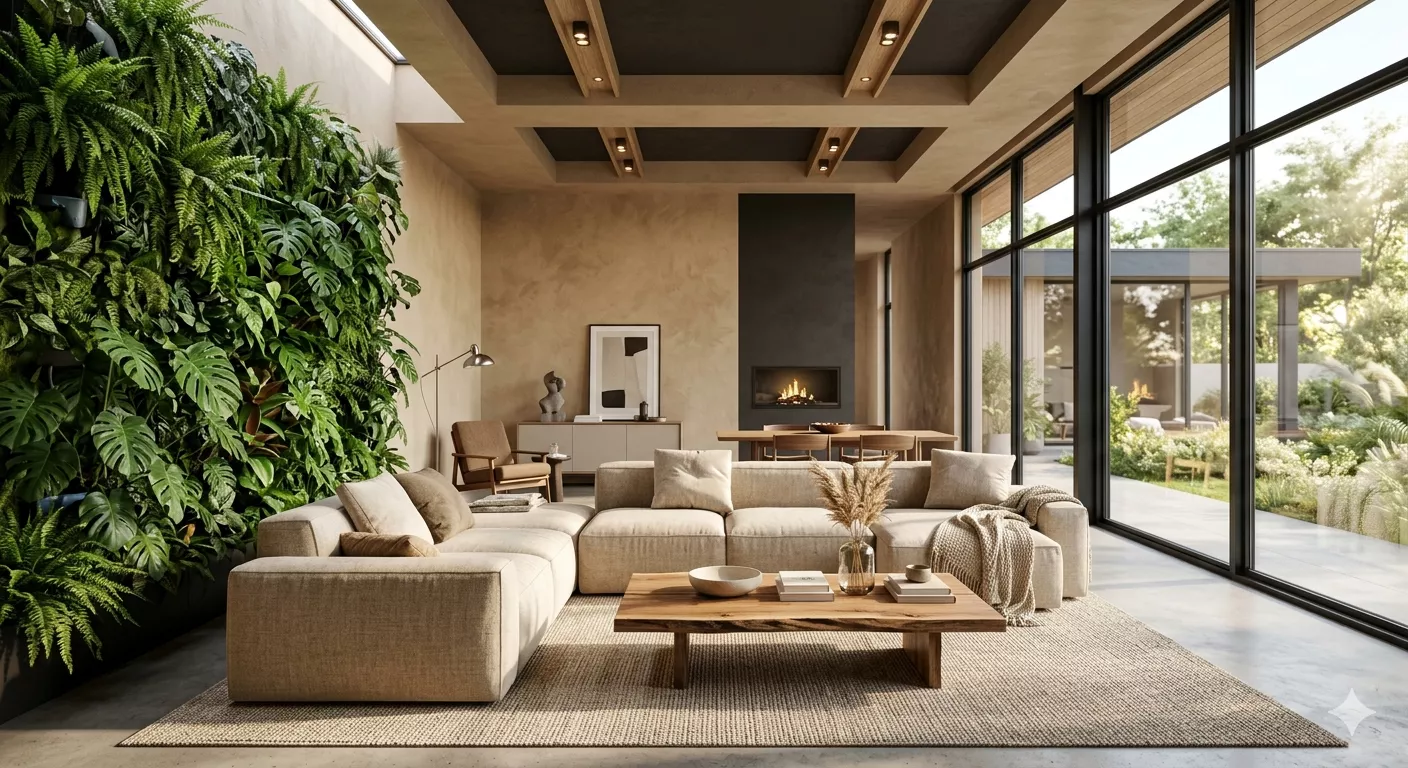
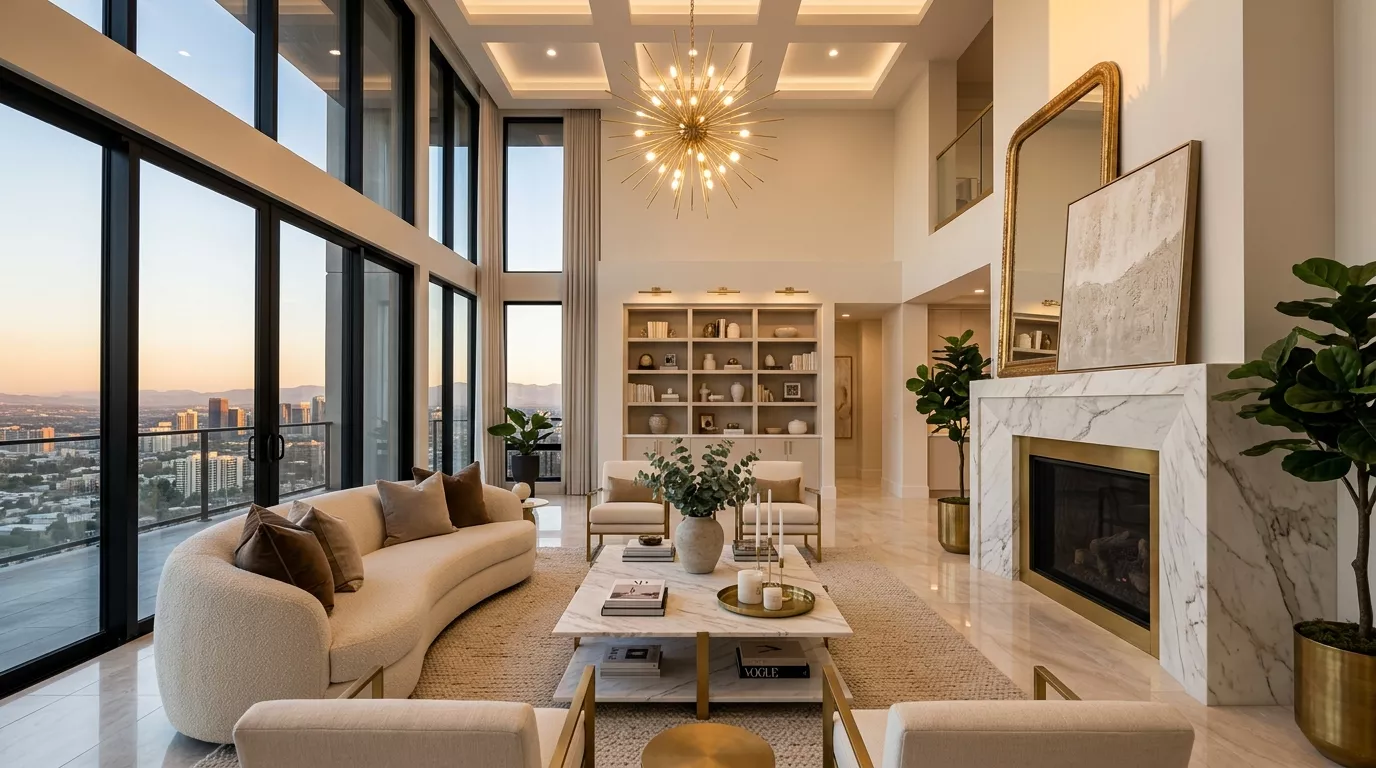
Start with the sofa. A large linen or cotton sofa in warm white, oatmeal, or natural beige anchors the entire room. Avoid synthetic fabrics — they never quite read as natural, and the aesthetic depends on materials that feel genuine. Layer with textured cushions in cream, warm stone, and sandy tones, varying the textures: a knit, a boucle, a woven cotton.
Use wood to add warmth. Without wood tones, a beige and white living room can tip into feeling clinical. A natural oak coffee table, a raw wood side table, or even just wooden picture frames introduce the organic warmth that keeps the space feeling alive rather than sterile.
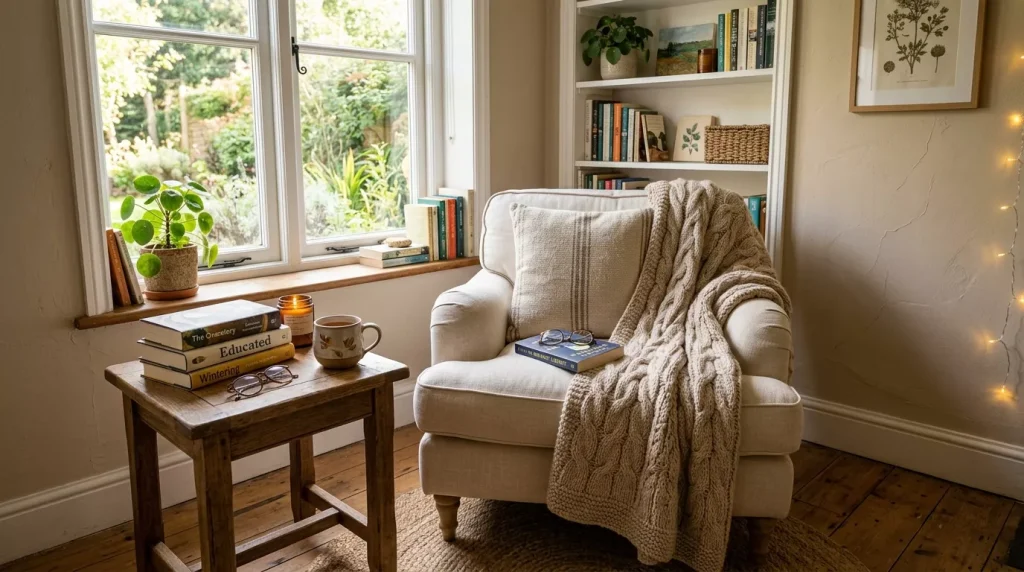
Let the walls breathe. Paint walls in a warm white or soft creamy off-white and resist the urge to fill every inch of them. A single large-scale piece of abstract art in warm tones, or a simple grid of woven wall panels, is all the wall decoration this aesthetic typically needs.
Bedroom
The beige and white home decor aesthetic is arguably at its most powerful in the bedroom, where calm and comfort are the entire point.
Bedding is the centrepiece. Invest in quality linen or washed cotton bedding in warm white or oatmeal — it makes the whole room feel more luxurious. Layer a cream quilt or waffle-weave throw across the foot of the bed. Use European pillows in a tone slightly darker than the sheets to create gentle depth.

Choose furniture with warm finishes. Pale oak, washed pine, or natural rattan bedside tables keep the palette cohesive. Avoid very dark wood — it creates too much contrast and breaks the soft, continuous feel that makes a beige and white bedroom so restful.
Add texture through soft furnishings. A sheepskin or cotton loop rug beside the bed, sheer linen curtains that pool slightly on the floor, a boucle or knit throw on a chair in the corner — these sensory layers are what give this bedroom aesthetic its quiet depth.
Kitchen

A beige and white kitchen feels like the kind of space where people naturally want to gather — it’s warm, clean, and grounded.
Cabinetry choices matter most. Shaker-style cabinets in warm white, off-white, or soft clay are the foundation of this aesthetic. Pair lower cabinets in a slightly warmer or slightly deeper tone (warm putty, pale taupe) and upper cabinets in cream or warm white for a layered, curated look.
Hardware makes the difference. Brushed brass or aged brass knobs and pulls are the perfect complement to a beige and white kitchen — they add warmth and a hint of quiet luxury without dominating. Avoid chrome — it reads too cool and commercial for this aesthetic.

Benchtops and splashbacks. White marble or marble-effect stone with warm grey veining is a classic choice. Alternatively, handmade ceramic tiles in off-white or warm ivory introduce texture and a handcrafted quality that fits the organic feel of this aesthetic beautifully.
Bathroom
The bathroom is where the beige and white aesthetic meets its wellness influence most naturally.

Use large-format stone-effect tiles in sandy travertine or warm limestone tones for the floor and walls. A freestanding bath in matte white or stone resin with brushed brass taps is the quintessential fixture choice. Add linen hand towels, a wooden bath tray, and a small stone soap dish — and the room does the rest.
Key Textures and Materials That Define This Aesthetic
The beige and white palette would be flat and uninteresting without the right textures. The materials you choose introduce the depth, warmth, and organic character that make this aesthetic so appealing.

Must-use textures and materials:
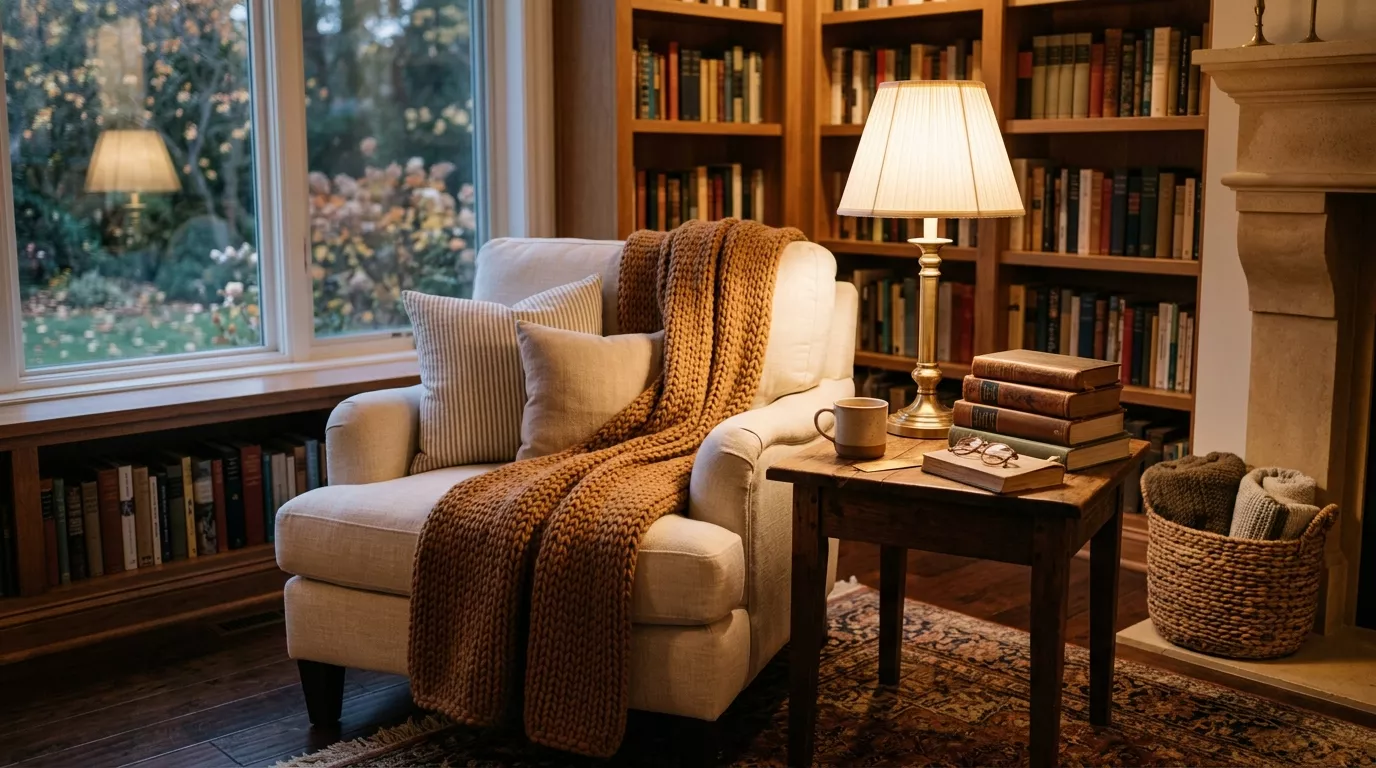
- Linen — The backbone of this aesthetic. Sofas, curtains, cushions, bedding, table runners — linen in natural, warm white, or oatmeal tones belongs everywhere.
- Boucle — Looped, curly, and wonderfully tactile. A boucle armchair or cushion adds softness and visual interest that flat fabrics can’t.
- Rattan and wicker — Lampshades, chairs, baskets, headboards — rattan brings a natural, handcrafted quality that anchors the aesthetic in the organic world.
- Natural wood — Oak, ash, pine, and driftwood. Use it on floors, shelving, furniture legs, picture frames, and decorative objects.

- Ceramic and stoneware — Handmade ceramic vases, stoneware bowls, clay plant pots. Imperfect forms and matte glazes in cream, beige, and stone tones.
- Cotton and waffle weave — Throws, towels, and bath mats in waffle or honeycomb weave add quiet texture without visual noise.
- Stone and marble — Coffee table tops, bathroom surfaces, kitchen benchtops, decorative trays. Natural stone veining adds organic pattern within the neutral palette.
- Jute and sisal — Rugs and matting in jute or sisal add earthy grounding to a room and work beautifully under a layered linen sofa.

Beige & White Aesthetic vs. Other Neutral Aesthetics: A Comparison
The beige and white home decor aesthetic is often confused with or compared to other neutral design directions. Here’s how they differ:
| Aesthetic | Core Palette | Key Materials | Mood | Best For |
|---|---|---|---|---|
| Beige & White | Cream, ivory, sandy beige | Linen, wood, rattan, ceramic | Warm, organic, layered | Every room in almost any home |
| All-White Minimalist | Pure white, bright white | Concrete, glass, steel | Cool, clinical, stark | Modern architecture with good light |
| Grey & White | Cool grey, charcoal, white | Stone, chrome, glass | Modern, urban, sharp | City apartments, contemporary homes |
| Black & White | Stark black, pure white | Marble, metal, lacquer | Bold, graphic, dramatic | Statement interiors, high contrast |
| Greige Neutral | Balanced grey-beige | Mixed natural materials | Versatile, safe | Transitional spaces |
| Earthy Boho | Rust, clay, warm brown | Macramé, raw wood, terracotta | Relaxed, eclectic | Creative, casual living spaces |
The verdict? The beige and white aesthetic occupies a uniquely warm and versatile position. It’s warmer than a grey-and-white interior but more refined than an earthy boho one. It’s effortlessly liveable, and that livability is exactly what makes it so enduring.

How to Achieve the Beige & White Home Decor Aesthetic: A Step-by-Step Guide
Follow this sequence to build the aesthetic deliberately rather than accumulating random pieces that don’t quite cohesive together.
Step 1: Choose your palette anchor Decide whether you want your space to lean warmer (cream, ivory, sandy beige) or slightly cooler (greige, pale stone). This decision shapes every subsequent choice.
Step 2: Start with the largest surfaces Walls, floors, and large furniture are your canvas. Get these right before moving to smaller elements. A warm white or soft cream on the walls, natural timber or stone-effect flooring, and a linen sofa in oatmeal or natural are the foundation.

Step 3: Introduce texture through soft furnishings Layer cushions, throws, and rugs in varying textures within your chosen palette. Aim for at least three different textures at each visual layer (seating, floor, window).
Step 4: Add organic materials Bring in rattan, natural wood, ceramic, and stone at different scales — from large (a wooden dining table) through medium (a rattan pendant lamp) to small (a stoneware vase on a shelf).
Step 5: Hang your window treatments Sheer linen curtains hung close to the ceiling and falling to the floor are the signature window treatment of this aesthetic. They diffuse light softly and add vertical height to any room.
Step 6: Layer your lighting Warm-white bulbs only (2700–3000K). A statement rattan or woven pendant, bedside lamps with linen shades, and perhaps a brass floor lamp in a reading corner.
Step 7: Style with intention — then edit Add plants, books, ceramics, candles, and trays. Then step back and remove anything that feels unnecessary. The most beautiful beige and white spaces always have a little room left to breathe.
Pros and Cons of the Beige & White Home Decor Aesthetic
✅ Pros
- Timeless — won’t feel dated when trends shift
- Creates a genuinely calm and restorative home environment
- Works across all room types, home sizes, and architectural styles
- Incredibly versatile — small accessory changes refresh it completely
- Photographs beautifully — ideal for anyone who documents their home
- Warm tones are flattering under both natural and artificial light
- Broad resale appeal — almost universally liked by buyers
❌ Cons
- Light fabrics and pale upholstery require more maintenance in high-traffic homes
- Can feel flat or uninspiring if texture and material variety are neglected
- Getting undertones wrong creates visual disharmony that’s subtle but distracting
- Less immediately expressive or personality-forward than bolder design choices
- Natural materials (linen, rattan, wood) can come at a higher price point than synthetic alternatives
Common Mistakes People Make With This Aesthetic
1. Using Too Many Shades of Beige Without Coordinating Undertones Pulling together five different beige tones that all have different undertones creates visual discord. It doesn’t read as layered and sophisticated — it reads as unresolved. Stick to two or three tones with matching undertones.
2. Forgetting Texture Entirely A flat, untextured beige and white room is just a beige room. The richness of this aesthetic comes entirely from varied materials. If everything is smooth and matte and similar, the room looks unfinished.
3. Choosing Bright White Over Warm White Brilliant white (the bright, stark white most people default to) looks harsh and cold next to warm beige tones. Always opt for warm white, off-white, or cream — something with a slightly yellow or sandy undertone.
4. Buying Synthetic Fabric in Neutral Tones A synthetic sofa in beige does not achieve this aesthetic. Natural fibres — linen, cotton, wool, boucle — look and feel entirely different to polyester, and the difference is obvious. Where possible, prioritise natural materials, especially for large pieces.
5. Adding Too Much Contrast One black accent object, one very dark piece of furniture, or one graphic patterned cushion can pull the eye strongly enough to disrupt the softness of the whole palette. If you want contrast, use tonal depth — a slightly darker beige rather than black, a caramel rather than chocolate.
6. Ignoring the Ceiling The ceiling is often painted brilliant white reflexively. In a beige and white interior, this can look disconnected. Take your wall colour onto the ceiling or choose a warm white for it — the room will feel more enveloping and cohesive.
Tips for Perfecting the Beige & White Aesthetic
- Use the rule of odd numbers when grouping objects — clusters of three or five decorative items look more natural and considered than pairs or even numbers
- Add one warm metal finish consistently — brushed brass or aged gold hardware, lamp bases, candle holders, and picture frames create a quiet thread of warmth that ties the room together
- Invest in one beautiful rug — a natural jute, a vintage-style Moroccan in cream and sand, or a simple boucle rug anchors the room and adds enormous warmth underfoot
- Use plants sparingly but strategically — a large fiddle-leaf fig, a trailing pothos, or a simple bunch of dried pampas grass in a cream ceramic vase; keep it natural and unhurried
- Layer your lighting — the palette depends on warm light to look its best; a single overhead light source will always make a beige and white room feel flat
- Keep a consistent metal finish — choose one (brass, bronze, nickel) and use it in every room for a cohesive flow through the home
- Display books with spines facing in — a shelf of neutral book spines or forward-facing covers adds to the aesthetic beautifully; it’s a small styling detail that photographs extremely well
- Use candles as both scent and decor — cream or white pillar candles on a stone or wooden tray are a classic beige and white styling prop that also adds warmth and atmosphere at night
Conclusion
The beige and white home decor aesthetic isn’t just a color choice — it’s a decision about how you want to feel in your home. Calm rather than stimulated. At ease rather than alert. Surrounded by things that are beautiful in a quiet, unhurried way rather than things that demand constant attention.
When done thoughtfully — with the right balance of warm tones, varied textures, natural materials, and intentional negative space — a beige and white interior becomes one of those rare spaces that looks good in every light, in every season, and at every stage of life.
It grows with you. It forgives small changes. It never exhausts you.
Start somewhere small today. Pick up a linen throw, paint one wall in a warm cream, swap a synthetic cushion for something in natural cotton, or simply move a piece of furniture so the room has room to breathe. The beige and white home decor aesthetic is less about a single transformation and more about a series of small, deliberate choices — and the first one is always the most important.
Frequently Asked Questions (FAQs)
Q1: Is the beige and white home decor aesthetic the same as minimalism?
Not exactly — though there’s significant overlap. Minimalism prioritises the removal of unnecessary objects and an almost strict approach to clutter. The beige and white aesthetic, by contrast, embraces layering — multiple textures, varied materials, decorative objects — it just does so within a restrained, cohesive colour palette. You can have a rich, layered, textural beige and white room that is nothing like a minimal space. The shared quality is intentionality: nothing accidental, nothing without purpose.
Q2: How do I stop my beige and white home from looking boring?
Texture is the most powerful answer. Flat, same-finish neutrals without material variety look dull. But a warm white wall beside a boucle cushion beside a linen curtain beside a rattan lamp beside a wooden shelf beside a ceramic vase — that’s the same palette rendered rich and sensory through material contrast. Vary the scale of your objects too: one large statement plant, a mid-sized wooden bowl, and three small stoneware pieces together create visual depth that a flat, uniform space never achieves.
Q3: What accent colors work with a beige and white interior?
The most complementary accents stay within the organic, earthy family: warm terracotta, muted sage green, dusty blush, pale amber, aged brass, and soft caramel brown. These tones harmonise with the underlying warmth of a beige and white palette rather than competing with it. Avoid cold accents — icy blue, stark black, or silver — as they interrupt the warmth that gives this aesthetic its particular appeal. If you want contrast, achieve it through tone (slightly darker beige or honey wood) rather than hue.
Q4: Does the beige and white aesthetic work in a dark or north-facing room?
Yes, but it requires a slightly different approach. In a low-light room, lean toward the warmer end of the palette — cream, ivory, and sandy beige rather than cool greige or pale stone tones. These warmer shades hold their warmth even without strong natural light, whereas cooler neutrals can look flat and grey in dim conditions. Supplement natural light generously with warm-toned artificial lighting (2700K bulbs), layered at multiple heights. Mirrors strategically placed opposite windows also help distribute whatever natural light the room does receive.
Q5: What are the best fabrics for a beige and white home decor look?
Natural fibres are the foundation of this aesthetic. Linen is probably the most important single fabric — it works for sofas, curtains, bedding, cushions, and table runners, and it has an inherently relaxed, organic quality that synthetic fabrics never quite replicate. Boucle (looped wool or cotton) adds wonderful tactile interest. Waffle-weave cotton is excellent for throws and towels. Jute and sisal work beautifully for rugs. Where budget is a concern, a cotton-linen blend is a practical middle ground that still reads as natural and authentic.
Q6: How do I maintain a beige and white home with children or pets?
This is the most common practical concern about the aesthetic — and it’s a fair one. A few strategies help significantly. Choose performance fabrics (there are excellent linen-look performance weaves now) for high-traffic upholstery. Use washable loose covers on sofas where possible. Layer rugs so the top layer can be cleaned or replaced easily. Keep slipcovers on chairs in family rooms. Accept some imperfection — a lived-in beige and white home with a few softened edges actually looks warmer and more authentic than a pristine showroom version.
Q7: What is the difference between the beige and white aesthetic and greige interiors?
Greige is a specific neutral tone — a blend of grey and beige — and a “greige interior” typically describes a palette dominated by that single balanced tone. The beige and white home decor aesthetic is broader — it encompasses the full range of warm neutrals from pure cream through ivory, beige, sand, and taupe, and is as much about material choices and layering as it is about a single color. Greige spaces often feel more modern and urban; beige and white interiors tend to feel warmer, more organic, and more overtly textural. Both are excellent design choices — they simply carry slightly different moods.