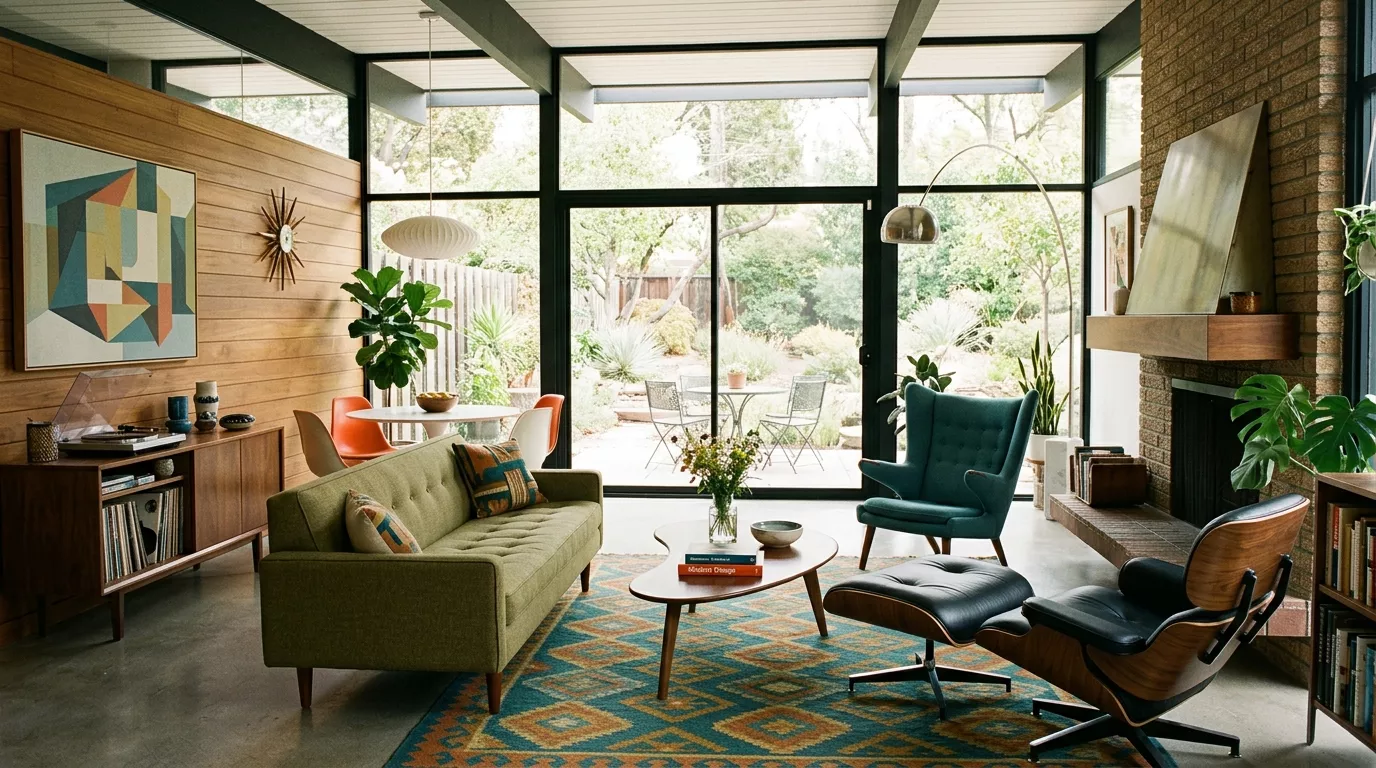
Budget Friendly Home Decor Ideas That Actually Work

Budget Friendly Home Decor Ideas That Actually Transform Your Home

There’s a persistent myth that a beautiful home requires a large budget. Walk through any beautifully decorated space and you might assume thousands were spent pulling it together. The truth is usually far less dramatic — and far more accessible than most people realize. Budget friendly home decor ideas are everywhere once you know what to look for, and the best ones don’t look cheap. They look thoughtful.
This guide is for anyone who wants their home to feel genuinely put-together without draining a savings account. Whether you’re furnishing your first apartment, refreshing a tired room, or just looking for ways to decorate more intentionally without spending more money, what follows is a practical, room-by-room roadmap that actually works in real life.
Why Budget Decorating Doesn’t Mean Settling for Less
The assumption that spending more automatically equals looking better is one of the most expensive decorating myths in existence. Some of the most visually stunning homes in design circles are assembled on remarkably modest budgets — the difference is restraint, intentionality, and a clear sense of personal style.

What budget decorating actually requires isn’t money. It requires:
- Clarity — knowing the look you want before you start spending
- Patience — finding the right pieces rather than buying the first available option
- Creativity — seeing potential in things others overlook
- Strategy — knowing where to splurge and where to save
Once you internalize these four qualities, budget decorating stops feeling like a limitation and starts feeling like a creative challenge — one with genuinely satisfying results.
Step-by-Step Guide: How to Decorate Your Home on a Budget
Step 1 — Audit What You Already Have

Before spending a single dollar, walk through your home with fresh eyes. Pull things out of storage. Look at pieces that have been in the same spot so long you’ve stopped seeing them. Often, the most impactful early change is simply rearranging what you already own — a side table moved from the bedroom to the living room, a piece of art rehung in a new spot, a throw blanket repositioned.
This step costs nothing and frequently transforms spaces in ways people don’t expect.
Step 2 — Define Your Style Direction
Vague intentions lead to impulse purchases that don’t work together. Before you shop anywhere, spend thirty minutes looking at rooms you genuinely love — not rooms you think you should like, rooms that actually appeal to you personally. Notice what they have in common: warm vs. cool tones, minimal vs. layered, natural materials vs. polished finishes.
Write down three to five descriptive words for the feeling you’re after. Cozy and warm. Clean and airy. Bold and eclectic. These words become your filter for every purchase decision that follows.
Step 3 — Prioritize by Room Impact

Not every room in your home needs the same level of attention. Focus your budget on the spaces you spend the most time in and the ones guests see first. For most homes, that means the living room, entryway, and kitchen.
Bedrooms matter too — but the bar for budget transformation is actually lower there, because layered bedding and warm lighting do an enormous amount of heavy lifting at relatively low cost.
Step 4 — Shop in the Right Order
Smart budget decorating follows this sequence:
- Things you already own (free — rearrange and repurpose)
- Thrift stores, estate sales, and marketplaces (secondhand at a fraction of retail)
- DIY and upcycling (materials cost, labor is free)
- Budget retail (new items from affordable but quality-conscious retailers)
- Splurge items (one or two investment pieces that anchor the room)

Working through this sequence prevents the most common budget decorating trap: spending the entire budget on lower-priority items and having nothing left for the pieces that actually make the biggest difference.
Step 5 — Execute Room by Room
Don’t try to do the whole house at once. Choose one room, complete it to a level you’re genuinely happy with, then move on. This approach is more satisfying, easier to manage financially, and produces better results than spreading thin attention and thin budget across every space simultaneously.
Budget Friendly Home Decor Ideas by Room
Living Room: Maximum Impact, Minimum Spend
The living room is where most budget decorating energy should go — it’s the room most people see and the one that sets the tone for the entire home.
Repaint the walls. Paint is the single highest-impact, lowest-cost change available in any room. A gallon of quality paint costs between $30 and $60 and can completely transform the feeling of a space. A warm white, a soft sage green, or a deep navy can do more for a living room than $500 worth of accessories.

Rearrange the furniture. As mentioned in the step-by-step guide, this costs nothing and the results can be dramatic. Float the sofa away from the wall. Try the armchair in a new corner. Angle the rug differently.
Refresh your throw pillows and blankets. You don’t need a new sofa — you need new throw pillow covers. Pillow covers (not whole pillows) are among the most affordable and highest-impact accessories in home decor. A set of three linen pillow covers in complementary tones costs $20–$40 and can completely change the feeling of an existing sofa.
Create a gallery wall with what you own. Print favorite photos at a drugstore, frame them in mismatched thrift-store frames painted the same color, and create a gallery wall arrangement on a blank wall. The result looks intentional and personal at very low cost.
Add a large area rug. A properly sized area rug is transformative — it anchors the furniture, defines the seating zone, and immediately makes a room feel finished. Budget options from discount home stores or online marketplaces can be genuinely beautiful. Look for solid colors or simple geometric patterns in neutral tones that will work long-term.
Bedroom: Cozy and Affordable

The bedroom is where layering and lighting do the most work. You don’t need new furniture to have a bedroom that feels like a retreat.
Invest in good bedding. This is one area worth a moderate splurge within a budget. Good quality sheets (400 thread count cotton or linen) in a neutral tone feel luxurious and last for years. A duvet in a solid color with textured pillowcases looks hotel-quality at a fraction of hotel cost.
Add bedside lighting. Overhead bedroom lighting is almost always unflattering and too bright for a relaxing bedroom atmosphere. A pair of secondhand table lamps with warm-toned bulbs on either side of the bed changes the feeling of the entire room for under $30 total.
Hang curtains high and wide. Curtain rods mounted near the ceiling and wider than the window frame create the illusion of taller ceilings and larger windows. This is a decorating trick used by professional designers constantly — and the curtains themselves can come from discount stores or be made from fabric purchased inexpensively.
Use plants. A snake plant, pothos, or small succulent on a windowsill or bedside table adds life, color, and organic texture to a bedroom at very low cost. Plants also genuinely improve air quality and make a room feel more alive in a way that decorative objects alone can’t replicate.

Kitchen: Small Changes, Big Difference
Kitchens are expensive to renovate but surprisingly affordable to refresh when you know which details make the biggest visual difference.
Replace cabinet hardware. Swapping out cabinet knobs and drawer pulls is a $30–$80 project that makes a kitchen look substantially more updated and intentional. Matte black, brushed brass, or brushed nickel hardware immediately modernizes older cabinetry without touching a single cabinet door.
Add open shelving with inexpensive brackets. A length of wood mounted on two wall brackets creates display space for dishes, plants, and kitchen items that makes a kitchen feel more designed and personal. Total cost is typically under $50.
Organize countertops deliberately. Kitchens that look styled are usually just organized. A ceramic crock for utensils, a wooden cutting board leaned against the backsplash, a small potted herb on the windowsill, and a clean countertop free of appliance clutter — this costs almost nothing and makes an enormous difference.
Paint or replace a backsplash. Peel-and-stick tile is now genuinely convincing and very affordable. It goes up in an afternoon, requires no professional installation, and can completely update the look of a kitchen backsplash for under $100.

Entryway: First Impressions for Almost Nothing
The entryway is the first thing people see when they enter your home — and it’s almost always the most neglected room in terms of decorating attention.
Add a mirror. A secondhand mirror — even an ornate one with a frame you repaint — makes an entryway feel larger, brighter, and more deliberate. Found at thrift stores for $5–$20 regularly.
Create a functional hook station. A simple row of wall hooks for bags and coats, a small bench or stool for sitting to remove shoes, and a tray or basket for keys and mail instantly makes an entryway feel designed rather than chaotic.
Bring in a plant. A tall plant in a simple pot beside an entryway door makes the space feel welcoming in a way that is immediately noticed by anyone who walks through the door.
Budget Decor: DIY Ideas That Look Expensive
Some of the most effective budget friendly home decor ideas require a little effort but produce results that look significantly more expensive than they are.

- Paint old furniture. A coat of chalk paint or spray paint transforms a thrifted side table, an old dresser, or a dated bookshelf. Total cost: $15–$25.
- Frame fabric or wallpaper samples. A large piece of fabric or even a remnant of interesting wallpaper in a simple frame makes a striking piece of wall art for under $20.
- Create floating shelves from reclaimed wood. Simple wood shelves mounted on wall brackets cost a fraction of store-bought shelving and look more custom and characterful.
- Recover old chair cushions. Buying fabric and re-covering dining chair cushions or a bench seat costs under $30 and makes old furniture look current.
- Make your own candle arrangements. A collection of pillar candles in varying heights on a decorative tray or in a grouping on a surface is one of the easiest and most affordable ways to add warmth and ambiance to any room.
- Paint an accent wall. One bold wall in a bedroom or living room adds dramatic impact for the cost of one can of paint and an afternoon’s effort.
Where to Shop for Budget Friendly Home Decor

| Source | Best For | Typical Savings vs. Retail |
|---|---|---|
| Thrift stores | Furniture, frames, vases, artwork, lamps | 70–90% |
| Estate sales | Higher-quality vintage furniture, art, rugs | 50–80% |
| Online marketplaces | Everything, especially large furniture | 40–80% |
| Discount home stores | New accessories, textiles, small furniture | 30–50% |
| Dollar stores | Seasonal decor, basic containers, candles | 60–80% |
| IKEA / budget retailers | Basics: frames, storage, simple furniture | 20–40% vs. mid-range |
| Craft stores | DIY materials, seasonal items, frames | Varies |
| Your own home | Rearranging and repurposing | Free |

Pros and Cons of Budget Home Decorating
Pros
- Forces creativity. Constraints produce creative solutions that expensive decorating rarely demands — and often the results are more interesting.
- Lower financial risk. Experimenting with a $15 thrift store lamp costs nothing if it doesn’t work out. Experimenting with a $400 designer version is a much higher-stakes mistake.
- More personal results. Budget decorating — especially with secondhand and DIY elements — produces rooms that reflect personal history and taste rather than catalog aesthetics.
- Teaches transferable skills. Learning to spot potential in a rough piece, to paint furniture confidently, or to style a surface well are skills that improve every decorating decision going forward.
- Sustainable by default. Buying secondhand and repurposing existing pieces is significantly better for the environment than buying all new.
Cons
- More time investment. Thrifting, DIYing, and hunting for the right piece requires time that a straightforward retail purchase doesn’t.
- Less immediate. Budget decorating rarely happens all at once. Building a room incrementally takes patience that not everyone finds comfortable.
- Quality variability. Secondhand and budget-retail pieces vary widely in quality. Learning to assess what’s worth buying takes experience and some early mistakes.
- DIY risk. Not every DIY project goes as planned. Some involve a learning curve, material waste, or a result that needs to be redone.

Splurge vs. Save: Knowing Where Each Dollar Works Hardest
| Item | Splurge or Save? | Reason |
|---|---|---|
| Sofa | Splurge (used is fine) | Daily use — quality shows in comfort and longevity |
| Throw pillows | Save | Easy to replace as style changes |
| Area rug | Moderate spend | Highly visible, heavily used — quality matters |
| Wall art | Save / DIY | Personal and creative solutions often outperform retail |
| Curtains | Save | Simple panels work as well as expensive ones |
| Bedding | Moderate splurge | Felt every night — quality cotton repays the investment |
| Side tables | Save / thrift | Easily refreshed with paint |
| Lighting | Moderate | Good light transforms a space — worth prioritizing |
| Cabinet hardware | Save | Low cost, high impact — easy to update hardware affordably |
| Plants | Save | Inexpensive and high-impact — choose low-maintenance species |
Common Mistakes in Budget Home Decorating

1. Buying Cheap Without Buying Smart
There’s a difference between affordable and low quality. A $15 thrift store side table is an excellent find. A $15 new side table from a discount retailer is often a piece that will break within a year. Budget decorating requires distinguishing between the two.
2. No Color Cohesion
Buying decor items one at a time without a clear color palette produces rooms that look assembled by accident. Define your palette — two or three core colors and one accent — before you buy anything.
3. Scaling Wrong
A rug that’s too small, a lamp that’s too short, art that’s too tiny for the wall — scale errors make budget rooms look obviously budget. Measure before buying, and when in doubt, go larger.
4. Overcrowding
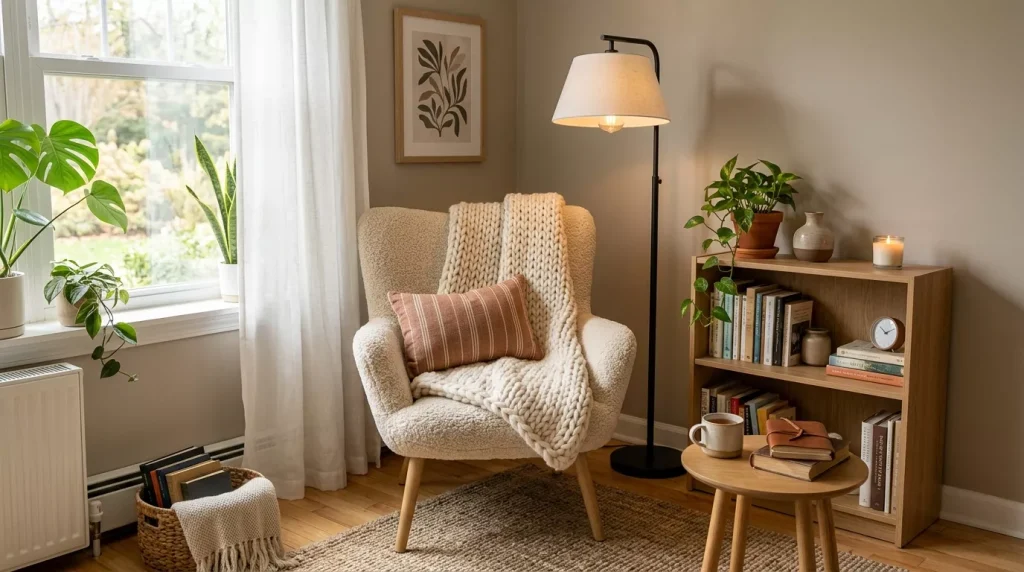
Budget decorating sometimes slides into accumulating too many inexpensive items because each one feels harmless to add. The result is a cluttered space that reads as overwhelming. Restraint is always more sophisticated than abundance.
5. Neglecting Lighting
Decor in bad lighting always looks worse than it is. Decor in warm, well-layered lighting always looks better. Investing in the right light bulbs (warm white, 2700K) and layering light sources is one of the highest-return budget improvements in any room.
6. Ignoring Texture
Budget-friendly rooms often fall flat because everything has the same texture — smooth, flat, matte. Add texture deliberately: a woven basket, a chunky knit throw, a rough ceramic vase, a velvet cushion. Texture adds richness that color alone can’t provide.
Practical Tips for Smart Budget Decorating
Tip 1: Before buying anything, check your own home first. Storage areas, spare rooms, and forgotten shelves are full of objects that could work elsewhere in the house with fresh eyes.
Tip 2: Paint is your highest-return investment in any room. One gallon of paint transforms a space more dramatically than almost any decorative purchase at the same price point.
Tip 3: Shop thrift stores during weekday mornings — stock is freshest and competition is lowest. Estate sales on the last day often offer 50% off everything remaining.
Tip 4: Use odd numbers in decorative groupings. Three candles, five books, seven small objects on a shelf — odd groupings always look more natural and curated than even ones.
Tip 5: Warm light bulbs are a free upgrade. Replace cool daylight bulbs throughout your home with warm white (2700K) equivalents and the entire atmosphere of every room improves immediately.
Tip 6: A consistent color palette across your home creates cohesion that makes even mismatched or inexpensive furniture look intentional. Pick two or three colors that repeat in every room.
Tip 7: When thrifting, look for bones, not surface. A great shape in terrible color is a five-minute paint project. A terrible shape in great color is still a terrible shape.
FAQs: Budget Friendly Home Decor Ideas
Q1. What is the cheapest way to make a home look more expensive?
Paint is consistently the most cost-effective transformation available in any room — it costs $30–$60 per gallon and changes everything. Beyond paint, the highest-return low-cost changes are: warm light bulbs (under $10 to replace a room), throw pillow covers rather than whole pillows ($20–$40 for a set), rearranging existing furniture (free), and adding plants ($5–$15 each). Together, these five changes cost under $100 and can make a room look genuinely well-considered.
Q2. How do I decorate my home when I have very little money?
Start with what you already own. Rearrange furniture, move art to new walls, bring objects from storage into active use. Then focus on the one change that would make the biggest visual difference — often paint — and save toward that first. Thrift stores and online marketplaces offer quality furniture and decor for a fraction of retail cost. DIY projects like painting furniture, creating gallery walls from printed photos, and making simple throw pillow covers from fabric extend a very small budget further than most people expect.
Q3. Is it worth buying secondhand furniture for home decor?
Absolutely — and often the quality of secondhand furniture exceeds what the same budget buys at retail. Older furniture was frequently built with solid wood and more durable joinery than contemporary budget furniture. A secondhand solid wood dresser for $40 that needs paint is almost always a better investment than a new particleboard dresser at the same price. The skill is in assessing structural integrity — check that drawers slide, joints are solid, and the piece is level — before worrying about its surface appearance.
Q4. What are the best thrift store items to look for when decorating?
The highest-value thrift store finds for home decorating are: solid wood furniture (always worth painting or refinishing), mirrors in any condition (frame can be repainted), lamps with good bones but dated shades (replace the shade), picture frames (paint them all the same color for a cohesive gallery wall), ceramic and glass vases, and artwork (especially large-scale pieces, which retail expensively). Avoid upholstered pieces that show significant wear, as reupholstering can exceed the cost of buying new.
Q5. How do I create a cohesive look when decorating on a budget?
The single most effective way to create cohesion on a budget is to define a clear, consistent color palette before buying anything and then stick to it. Choose two or three colors that appear in every room — in different proportions and forms, but consistently — and the most eclectic collection of inexpensive objects will look intentional together. Mixing metals (all brass, or all matte black) and sticking to two or three main textures (natural wood, linen, ceramic) also creates cohesion across varied and budget-priced pieces.
Q6. How do I make a rental apartment look nice without spending a lot?
Focus on what you can take with you when you leave: textiles, lighting, plants, art, and accessories. A great rug, quality bedding, warm-toned lamps, curtains hung with removable hooks, a gallery wall using damage-free picture strips, and abundant plants transform a rental without touching anything permanent. Avoid painting (unless your lease allows it) and focus instead on what sits on, hangs from, or stands in the space. The result can look just as intentional and personal as owned spaces — often more so.
Conclusion: Beautiful Homes Don’t Require Big Budgets
The most important thing this guide can leave you with is this: budget friendly home decor ideas work not because they’re cheap shortcuts, but because they require more thought than throwing money at a problem. And thoughtfulness, in interior design as in most things, almost always produces better results than spending.
Start where you are. Use what you have. Define what you want the space to feel like, not just look like. Then make one change at a time — a coat of paint, a rearranged room, a well-chosen thrift store find — and let the home build gradually into something that genuinely reflects who you are.
The homes that feel the most personal, the most lived-in, and the most beautiful are rarely the ones where money was spent freely. They’re the ones where every choice was made intentionally.
Ready to start? Walk through one room today, clear the clutter, and ask yourself what single change would make the biggest difference. That one question — and the action that follows it — is where every great budget home transformation begins.