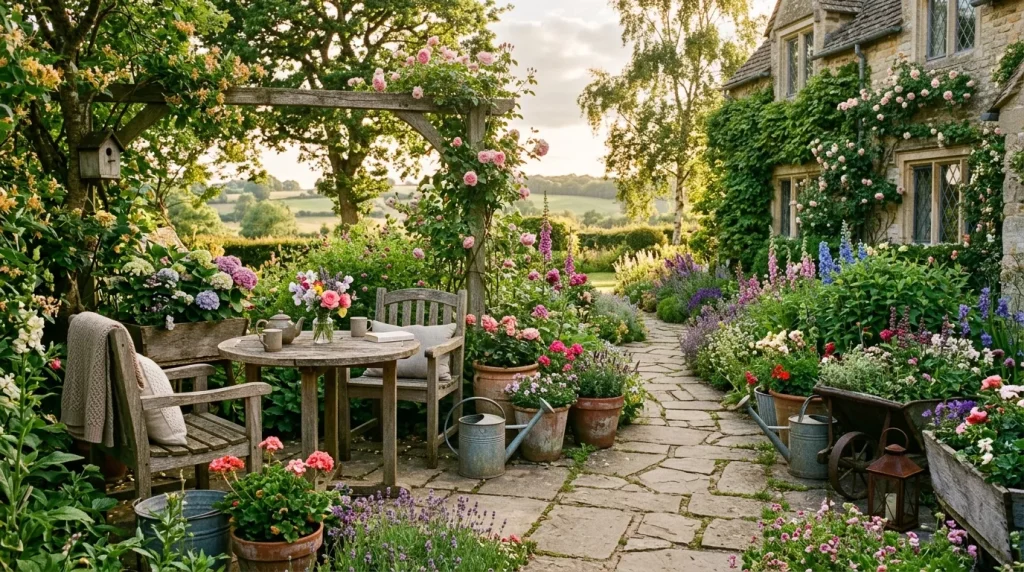
Vegetable Garden Ideas: Grow More, Stress Less

Vegetable Garden Ideas: Grow More, Stress Less
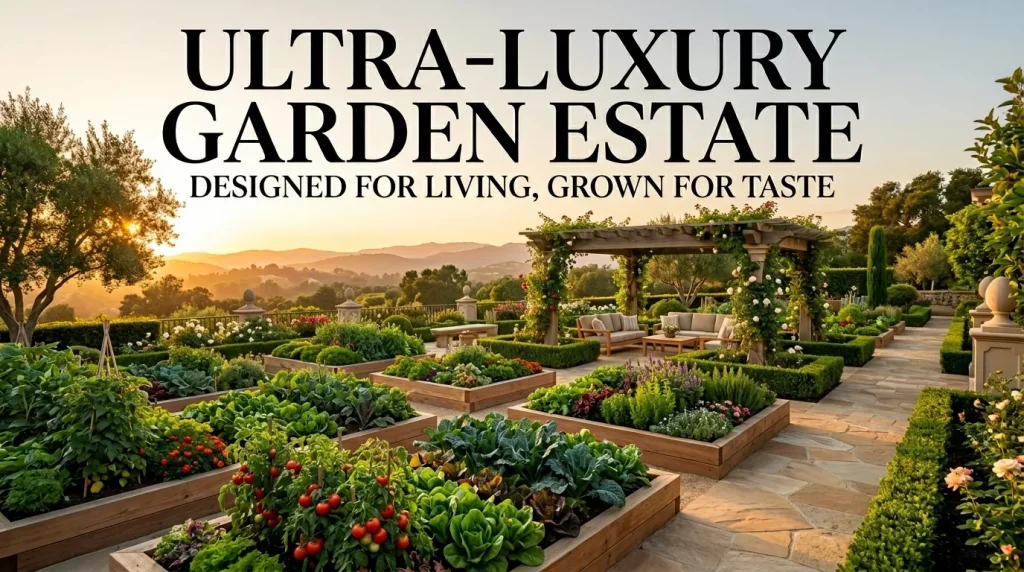
There’s something genuinely satisfying about walking outside and picking your own tomatoes, snipping fresh basil, or pulling a carrot straight from the ground. Vegetable garden ideas are having a massive resurgence right now — and it’s not hard to see why. People want to know where their food comes from, cut their grocery bills, and do something that feels productive and grounding at the same time.
The best part? You don’t need a sprawling backyard or years of gardening experience. Whether you have a balcony, a postage-stamp lawn, or a half-acre plot, there’s a vegetable gardening approach that fits your life. This guide covers everything from layout ideas and beginner-friendly crops to the mistakes that trip up most first-time growers.
Why Growing Your Own Vegetables Is Actually Worth It
A lot of people think about starting a kitchen garden but never quite get around to it. They assume it’s complicated, time-consuming, or only worthwhile if you have a lot of space. None of those things are really true.
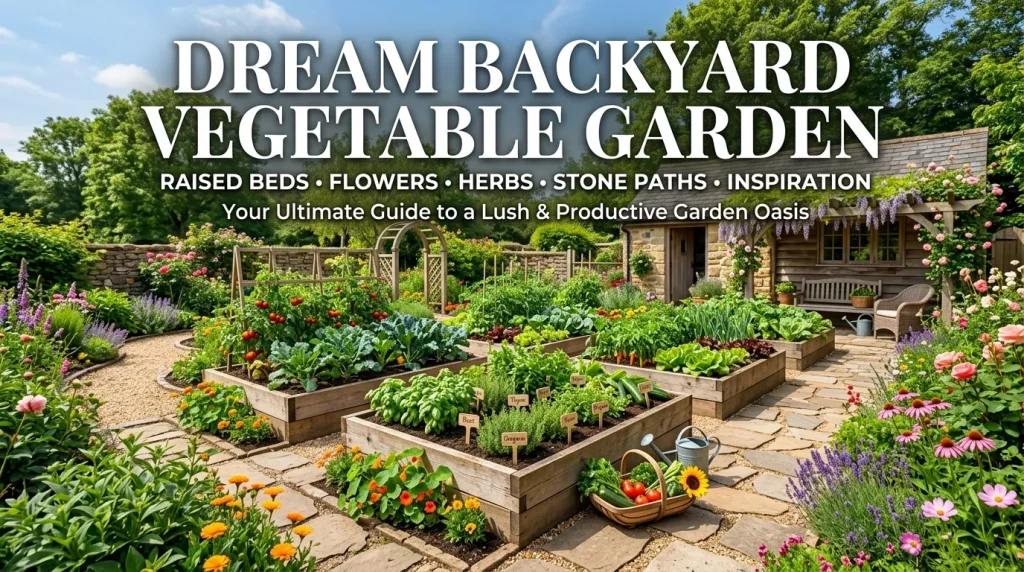
The reality is that even a small vegetable garden — a few containers on a patio, or a single 4×4 raised bed — can produce a meaningful amount of food across a growing season. Salad greens, herbs, cherry tomatoes, zucchini — these crops produce prolifically in a compact footprint.
Beyond the practical side, there’s the wellbeing angle. Gardening is consistently linked to reduced stress and improved mood. It gives you a reason to be outside, to observe, to slow down. That’s not a small thing.
And from a cost perspective? A packet of seeds typically costs less than two dollars and can produce dozens of plants. The return on investment is remarkable once your garden is established.
Best Vegetable Garden Ideas for Every Space
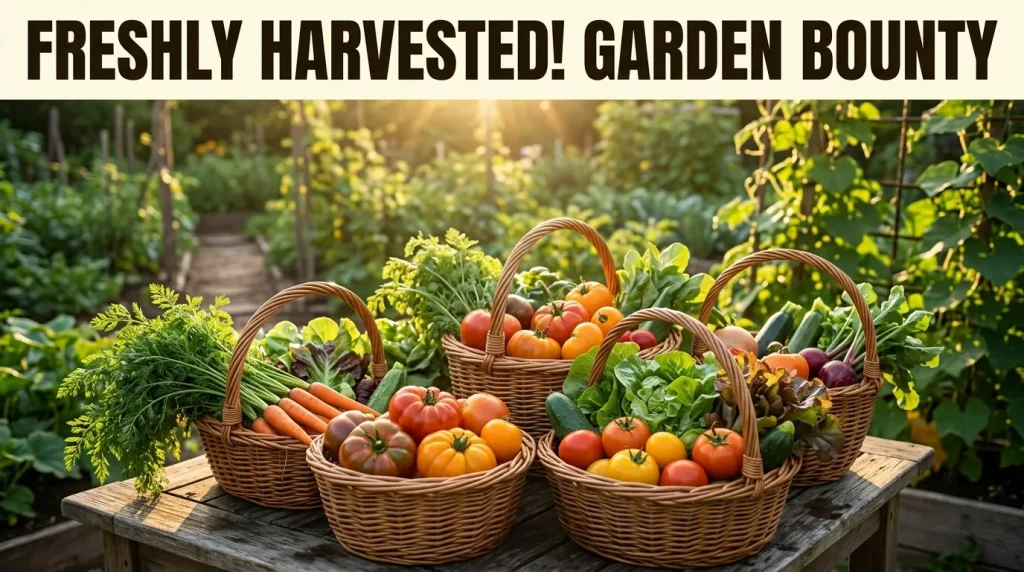
There’s no single right way to grow vegetables. The best setup for you depends on your available space, your budget, and how much time you want to invest. Here are the most effective approaches — including options for tiny spaces.
Raised Bed Vegetable Gardens
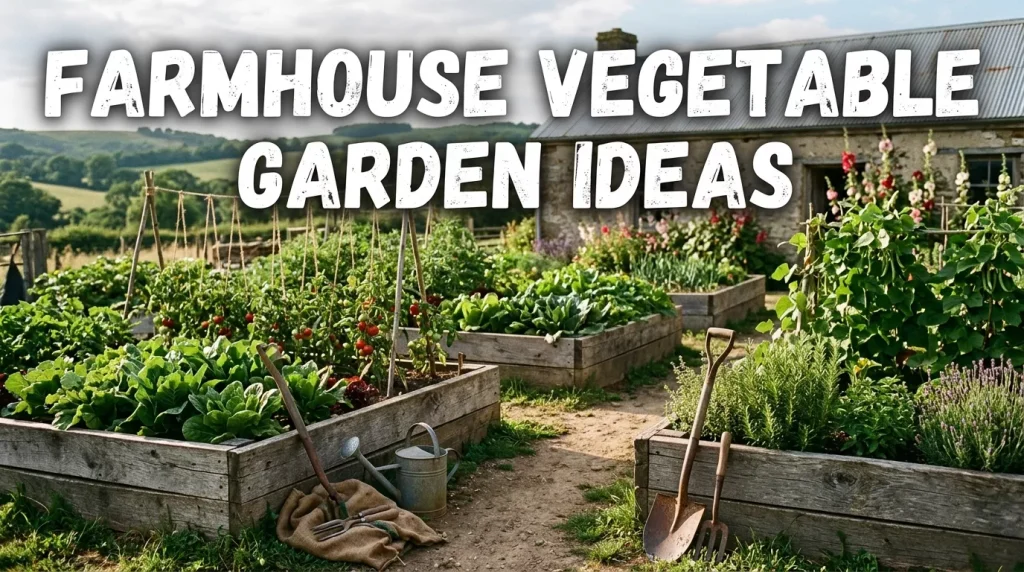
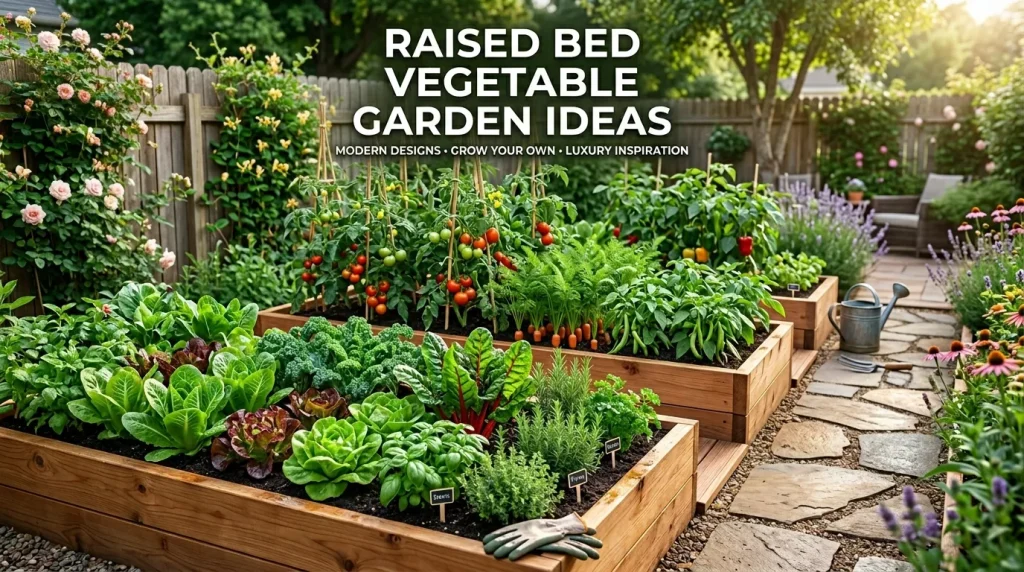
Raised beds are the most popular vegetable gardening option right now, and they’ve earned that reputation. You fill them with your own quality soil mix, so you’re not fighting whatever poor or compacted soil you might have in your yard. Drainage is better. Weeds are easier to manage. And because the soil warms up faster in spring, you can start planting earlier.
A standard raised bed is 4 feet wide — the reason being that you can reach the center from either side without stepping on and compacting the growing area. Length is flexible. Eight to twelve feet is a common starting point for most home gardens.
Raised beds can be made from cedar (naturally rot-resistant), pine, galvanized steel, or composite materials. Cedar is the classic choice — it looks great and lasts 10-20 years without treatment.
Container and Pot Gardening
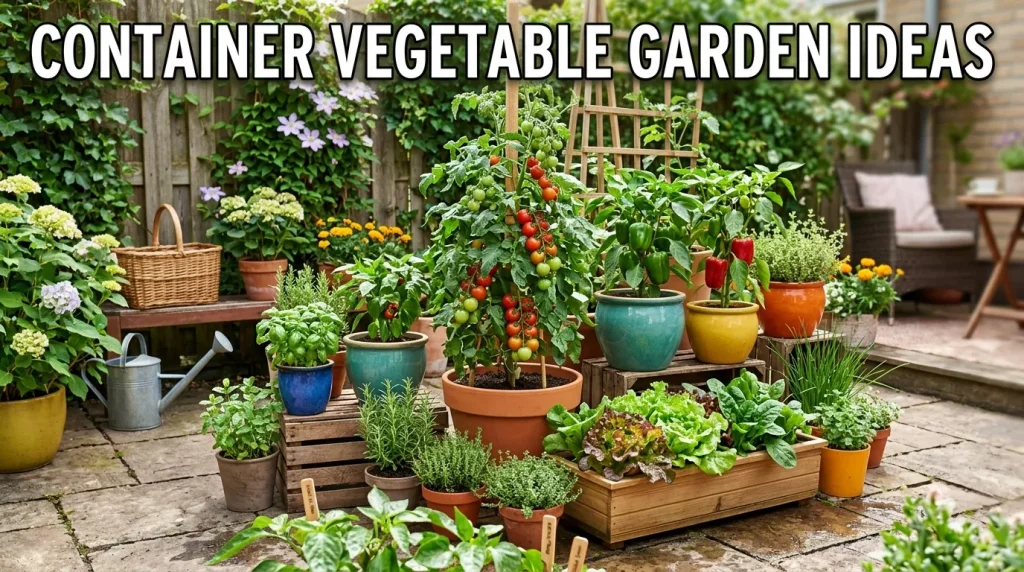
If outdoor space is limited, containers are your best friend. Almost any vegetable can be grown in a container with the right pot size and soil mix. Balcony gardeners and urban growers use this method to produce impressive amounts of food in tiny footprints.
What works well in containers: tomatoes (especially dwarf or bush varieties), peppers, lettuce, spinach, herbs, radishes, and dwarf beans. What doesn’t work as well: large sprawling crops like melons, full-size pumpkins, or sweet corn.
The most common mistake with container growing is using pots that are too small. A tomato plant needs at least a 15-20 liter pot to thrive. Go bigger when in doubt — more soil volume means more moisture retention and more room for roots.
In-Ground Row Gardens
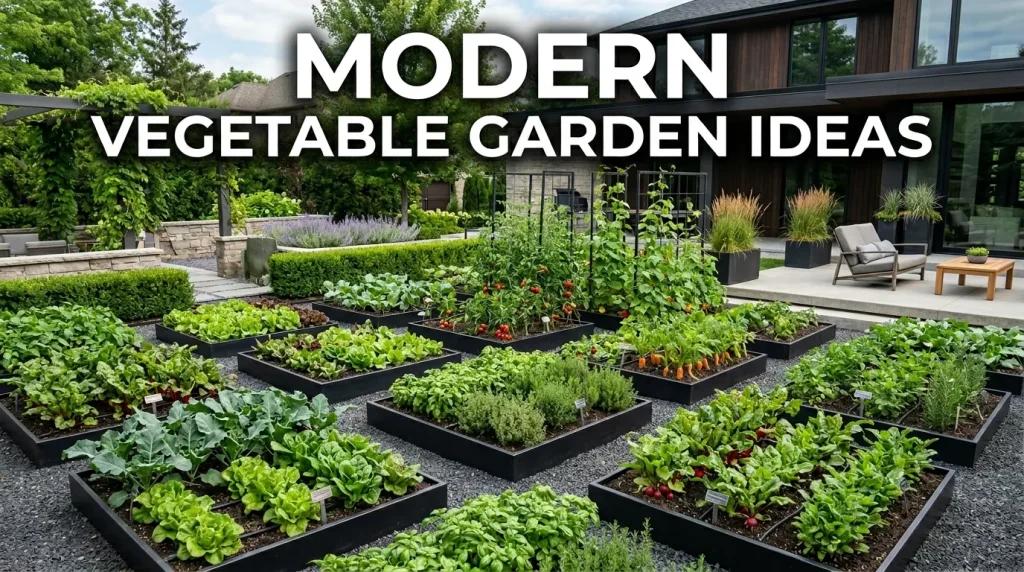
The classic approach — and still a solid one for those with enough space. In-ground row gardens are lower cost to establish (no raised bed materials needed) and well-suited for growing larger quantities of vegetables.
The trade-off is that in-ground gardens require more soil preparation upfront — especially if your soil is heavy clay, very sandy, or low in nutrients. Regular amendments with compost are non-negotiable for getting good results from an in-ground plot.
Row gardening also tends to make sense for crops you want a lot of — green beans, peas, potatoes, sweet corn — where you’re growing in volume rather than for diversity.
Vertical Vegetable Gardens
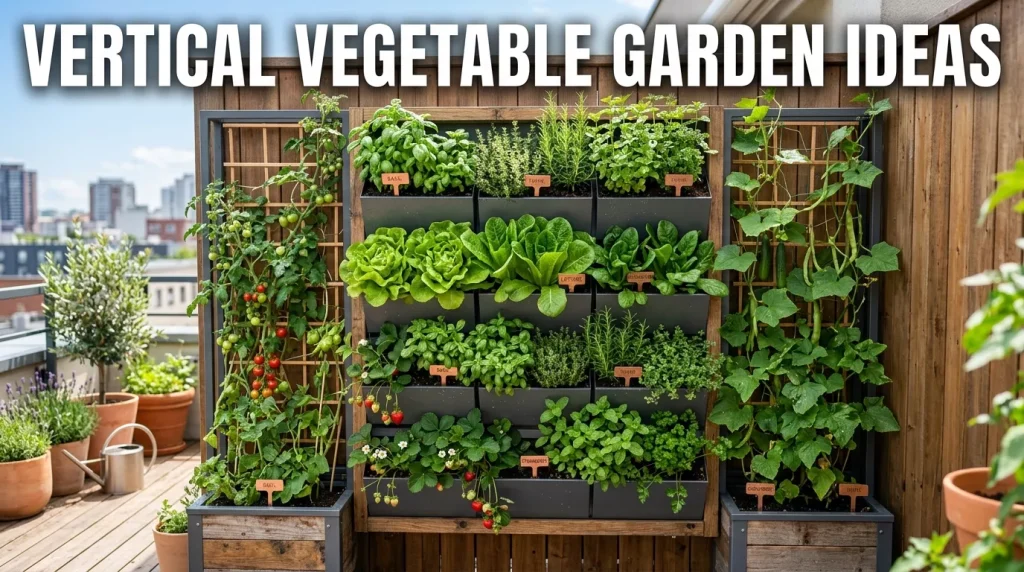
Growing upward is genuinely one of the smartest vegetable garden ideas for small spaces. Trellises, wall-mounted planters, stacked tiered systems, and pallet gardens all use vertical space that would otherwise go to waste.
Vining crops are natural candidates for vertical growing: cucumbers, pole beans, peas, and even indeterminate tomatoes trained up a support. A trellis along a fence or wall takes up minimal footprint while giving you a surprisingly large growing surface.
Vertical gardens also improve airflow around plants, which reduces the risk of fungal disease — a real benefit, not just a space-saving trick.
Square Foot Gardening
If you’ve never heard of square foot gardening, it’s worth getting familiar with. The concept is simple: divide your raised bed into a grid of one-foot squares and plant a set number of each crop per square based on its spacing requirements. Carrots get 16 per square, lettuce gets 4, a tomato gets one.
This method maximizes productivity in a small footprint and makes garden planning much more intuitive for beginners. It also makes succession planting — replanting a square as soon as one crop finishes — easy to track.
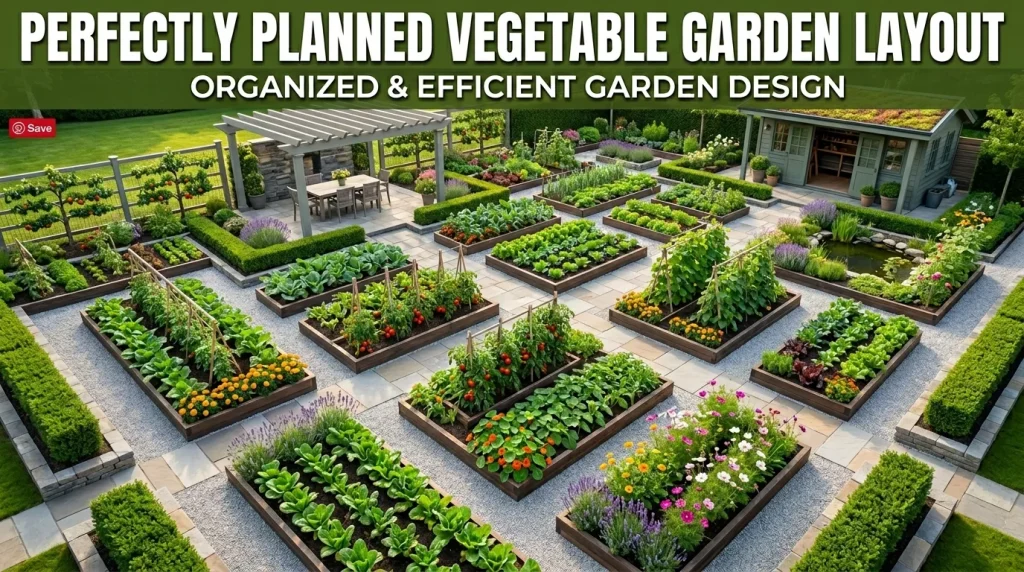
Vegetable Garden Layout Ideas That Actually Work
How you arrange your garden affects how well everything grows. A few layout principles go a long way.
Sun mapping is essential. Before you put anything in the ground, observe your space throughout the day. Most vegetables need 6-8 hours of direct sunlight. Place taller crops (like corn or trellised tomatoes) on the north side of the garden so they don’t shade shorter crops to their south.
Group by water needs. Thirsty crops like tomatoes and squash together; drought-tolerant herbs like rosemary and thyme in a drier spot. It makes irrigation far more efficient.
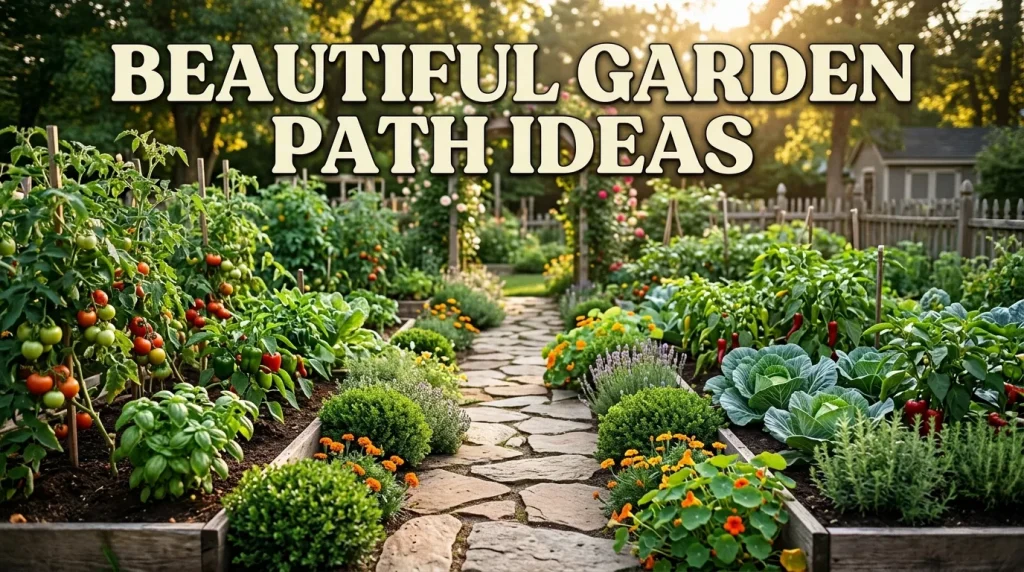
Leave room to move. Leaving a path of at least 45-60 cm between growing areas isn’t wasted space — it’s where you walk when watering, weeding, and harvesting. Trying to reach everything without a path leads to compacted soil and damaged plants.
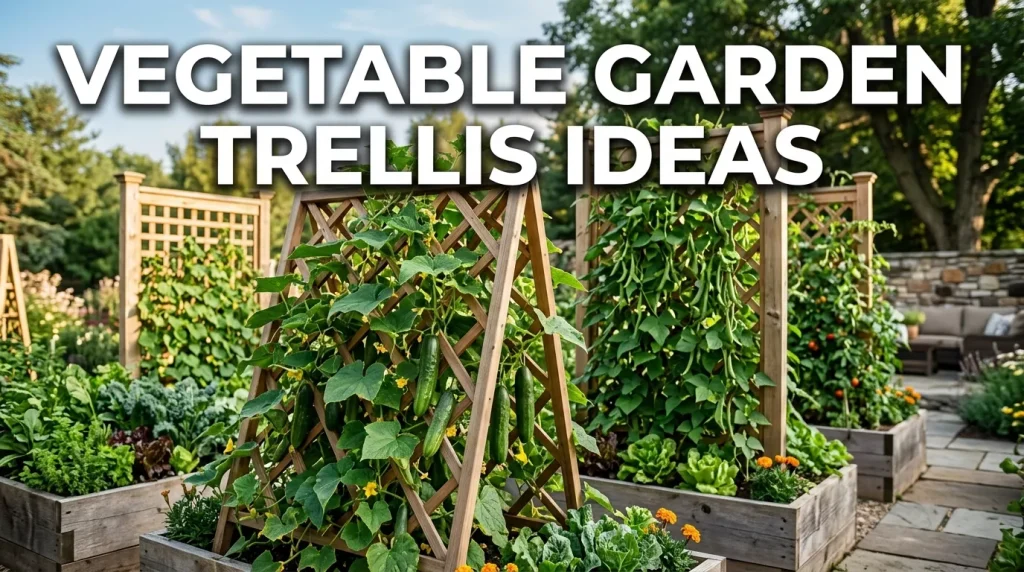
Consider the visual element too. A vegetable garden doesn’t have to be purely functional. Mixing in edible flowers like nasturtiums or marigolds adds color, attracts pollinators, and deters pests. A garden that looks appealing is one you’ll spend more time in — which means better care and better results.
Best Vegetables to Grow for Beginners
Not all vegetables are equally beginner-friendly. Start with crops that are forgiving, fast-growing, and rewarding — you’ll build confidence quickly and won’t get discouraged by a difficult first season.
Best beginner vegetables:
- Salad greens (lettuce, spinach, rocket): Fast-growing, can be picked leaf by leaf, grow well in containers. Ready in as little as 4-6 weeks.
- Zucchini/courgette: Extremely productive, almost impossible to kill in summer, and gives you the satisfaction of a large harvest from just one or two plants.
- Cherry tomatoes: More forgiving than large beefsteak varieties. Produce abundantly from mid-summer through autumn.
- Green beans: Bush beans are particularly simple — direct sow the seeds, water regularly, and harvest in about 8 weeks.
- Radishes: The fastest vegetable you can grow. Ready in 3-4 weeks, great for filling gaps in the garden between slower crops.
- Herbs (basil, chives, parsley, mint): Easy to grow, used constantly in the kitchen, and they make the whole garden smell wonderful.
- Peas: Perfect for cooler seasons, grow up a simple stick trellis, and kids love picking them straight off the plant.
Step-by-Step Guide to Starting a Vegetable Garden
Whether this is your first garden or your first in a long while, here’s a practical process to follow.
Step 1: Assess Your Space and Sun Walk your outdoor space on a clear day and note where sunlight falls and for how long. Identify your sunniest spot — that’s where your vegetable garden goes.
Step 2: Choose Your Garden Type Based on your space and budget, decide whether you’re going with raised beds, containers, in-ground rows, or a vertical setup. Most beginners do best starting with a single 4×8 raised bed or a cluster of containers.
Step 3: Build or Buy and Fill Construct or purchase your raised bed, or gather your containers. Fill with a high-quality growing mix — ideally a combination of topsoil, compost, and a coarse material like perlite for drainage. Avoid using straight garden soil in raised beds or containers.
Step 4: Plan What You’ll Grow Decide on 5-8 crops for your first season. Don’t try to grow everything at once. A focused first garden teaches you far more than an ambitious one that gets out of control.
Step 5: Source Seeds or Seedlings Seeds are more economical; seedlings (transplants) give you a head start. For beginners, using seedlings for crops like tomatoes, peppers, and zucchini while sowing seeds directly for beans, salad greens, and radishes is a practical middle ground.
Step 6: Plant at the Right Time Timing matters enormously. Frost-sensitive crops (tomatoes, peppers, beans, zucchini) go in after your last frost date. Cool-season crops (salad greens, peas, spinach) can go in earlier and do better in cooler temperatures.
Step 7: Water, Mulch, and Monitor Water consistently — most vegetables prefer deep, infrequent watering over light daily sprinkles. Mulch around plants to retain moisture and reduce weeds. Check your plants every couple of days for signs of pests or disease and address issues early.
Step 8: Harvest Regularly This is the one beginners often miss. Regular harvesting encourages plants to keep producing. A zucchini left too long becomes a marrow and signals the plant to slow down. Pick crops at their peak and keep picking.
Companion Planting: The Most Underused Vegetable Garden Idea
Companion planting is the practice of growing certain plants near each other because they benefit one another in some way — whether through pest deterrence, improved pollination, or nutrient sharing.
It’s one of the most impactful and underused vegetable garden ideas around.
Classic companion plant pairings:
| Plant | Companion | Benefit |
|---|---|---|
| Tomatoes | Basil | Repels aphids and whitefly; improves flavor |
| Beans | Carrots | Beans fix nitrogen; carrots benefit from the nutrients |
| Cucumbers | Nasturtiums | Nasturtiums trap aphids away from cucumbers |
| Brassicas (cabbage, broccoli) | Dill | Attracts beneficial insects that prey on caterpillars |
| Courgette/Zucchini | Marigolds | Marigolds deter pests and attract pollinators |
| Peas | Spinach | Peas provide light shade that spinach prefers |
Even adding a border of marigolds around your vegetable garden makes a meaningful difference in pest pressure. They’re easy to grow, bright and cheerful, and pull serious weight as pest deterrents.
Vegetable Garden Types: A Practical Comparison
| Garden Type | Space Required | Setup Cost | Maintenance Level | Best For |
|---|---|---|---|---|
| Raised Beds | Medium–Large | Medium | Low–Medium | Most gardeners, best all-round option |
| Containers | Minimal | Low–Medium | Medium | Balconies, patios, renters |
| In-Ground Rows | Large | Low | Medium–High | Growing in volume, large gardens |
| Vertical Garden | Minimal | Low–Medium | Low–Medium | Urban gardeners, small spaces |
| Square Foot Garden | Small–Medium | Medium | Low | Beginners, compact productivity |
Pros and Cons of Growing a Vegetable Garden
Pros:
- Reduces grocery bills noticeably over a full growing season
- Gives you access to fresher, tastier produce than most supermarkets offer
- Encourages outdoor time and physical activity
- Helps children understand where food comes from
- Reduces packaging waste associated with shop-bought produce
- Can improve biodiversity in your garden through companion planting
- Incredibly satisfying — growing your own food is one of life’s simple pleasures
Cons:
- Requires consistent time and attention — especially during peak season
- Upfront setup costs for beds, soil, tools, and seeds
- Learning curve — first seasons involve trial and error
- Pests, disease, and weather can cause crop losses
- Some crops need more space than beginners anticipate
- Seasonal availability — most crops don’t produce year-round without effort
Tips for a More Productive Vegetable Garden
- Succession plant. Instead of sowing all your lettuce at once, sow a small batch every two to three weeks. This gives you a continuous harvest rather than a glut followed by nothing.
- Feed your soil, not just your plants. Healthy soil is the foundation of everything. Add compost at the start of each season and your soil improves year over year.
- Keep a garden journal. Note what you planted, when, where, and how it performed. This information is invaluable when planning the following year.
- Don’t overwater. More vegetable gardens fail from overwatering than underwatering. Water deeply and less frequently rather than lightly and daily.
- Mulch generously. A 5-7cm layer of straw or wood chip mulch around your plants retains moisture, regulates soil temperature, and suppresses weeds simultaneously.
- Grow what you actually eat. This sounds obvious but many beginners grow what seems impressive rather than what they’ll use in the kitchen. Grow what your household genuinely eats and you’ll actually use your harvest.
Common Mistakes to Avoid
1. Starting Too Big The most common first-season mistake. An overly ambitious garden becomes overwhelming quickly, especially in summer when maintenance peaks. One or two raised beds is plenty for year one.
2. Ignoring Soil Quality You can’t grow good vegetables in poor soil. If your soil is hard, compacted, or depleted, no amount of watering or feeding will fully compensate. Invest in quality compost and soil amendment before you plant anything.
3. Planting Too Close Together Seed packets and plant labels give spacing recommendations for a reason. Overcrowded plants compete for light, water, and nutrients, and they’re far more susceptible to disease due to restricted airflow. Resist the urge to squeeze everything in.
4. Planting at the Wrong Time Putting frost-sensitive crops in too early is one of the fastest ways to lose plants. Conversely, planting cool-season crops too late means they’ll bolt in summer heat. Know your last frost date and use it as your planting anchor.
5. Neglecting Pest Management Until It’s Too Late Pests rarely arrive in force overnight — they build gradually. Check your plants regularly and deal with small problems before they become large ones. Catching an aphid colony early is very different from dealing with an infestation.
6. Not Harvesting Often Enough Vegetables left on the plant past their peak don’t just go to waste — they signal the plant to stop producing. Regular harvesting keeps plants in productive mode throughout the season.
FAQs About Vegetable Garden Ideas
Q1: What is the easiest vegetable garden to start?
A single raised bed measuring 4×8 feet, filled with quality growing mix and planted with 5-6 beginner-friendly crops, is genuinely the easiest starting point. Salad greens, cherry tomatoes, zucchini, green beans, and fresh herbs will give you a productive, manageable first season without overwhelming you.
Q2: How much sunlight does a vegetable garden need?
Most vegetables require a minimum of 6 hours of direct sunlight per day, with 8 hours being ideal. Leafy greens and some herbs are the exception — they can manage with 4-5 hours and actually prefer a bit of shade in summer to prevent bolting. If your space gets less than 4 hours of direct sun, growing food successfully becomes very challenging.
Q3: Can I grow vegetables without a garden?
Absolutely. Containers on a balcony or patio can produce a surprising amount of food. Cherry tomatoes, peppers, lettuce, spinach, herbs, radishes, and dwarf beans all grow well in pots. The key is choosing the right container size for each crop and using a high-quality potting mix rather than garden soil.
Q4: When should I start a vegetable garden?
The timing depends on your climate and what you want to grow. As a general guide, cool-season crops (lettuce, peas, spinach, broccoli) can be planted in early spring or autumn. Warm-season crops (tomatoes, peppers, beans, courgette) go in after the last frost date in your area. Starting seeds indoors 6-8 weeks before your last frost date gives you a significant head start on the season.
Q5: How often should I water my vegetable garden?
This depends on your climate, soil, and the time of year, but a good rule of thumb is to water deeply 2-3 times per week rather than lightly every day. Deep watering encourages roots to grow down into the soil where moisture is more consistent. In hot weather, containers may need daily watering. The best test: push your finger into the soil to the second knuckle — if it’s dry, water deeply; if it’s still moist, wait.
Q6: Do I need to rotate my vegetable crops each year?
Yes, and it matters more than most beginners realize. Growing the same crop in the same spot year after year depletes specific nutrients and allows crop-specific pests and diseases to build up in the soil. A simple rotation is to divide your crops into four groups — roots, brassicas, legumes, and everything else — and move each group to a new spot each year.
Q7: What’s the best soil for a vegetable garden?
The ideal vegetable garden soil is rich in organic matter, drains well while retaining some moisture, and has a slightly acidic to neutral pH (around 6.0-7.0). For raised beds, a mix of one-third topsoil, one-third compost, and one-third coarse material (perlite or coarse sand) is a reliable starting formula. Adding compost every season keeps the soil productive year after year.
Conclusion: Your Vegetable Garden Starts With One Decision
A great vegetable garden doesn’t happen all at once. It starts with one bed, one container, one decision to give it a go. From there, each season teaches you something new — what works in your soil, what your family actually eats, which crops reward the least effort with the most harvest.
Vegetable garden ideas are only useful if they lead somewhere. So don’t spend all year planning the perfect setup. Pick an approach that fits your space — raised bed, container cluster, or vertical wall — choose five to six crops you love eating, and plant something this season.
The first tomato you grow yourself will taste better than anything you’ve ever bought from a shop. That’s not an exaggeration. It’s just what happens when food is genuinely fresh and you grew it yourself.
Start with one bed. Plant this weekend. Your vegetable garden is closer than you think — all it needs is for you to begin.