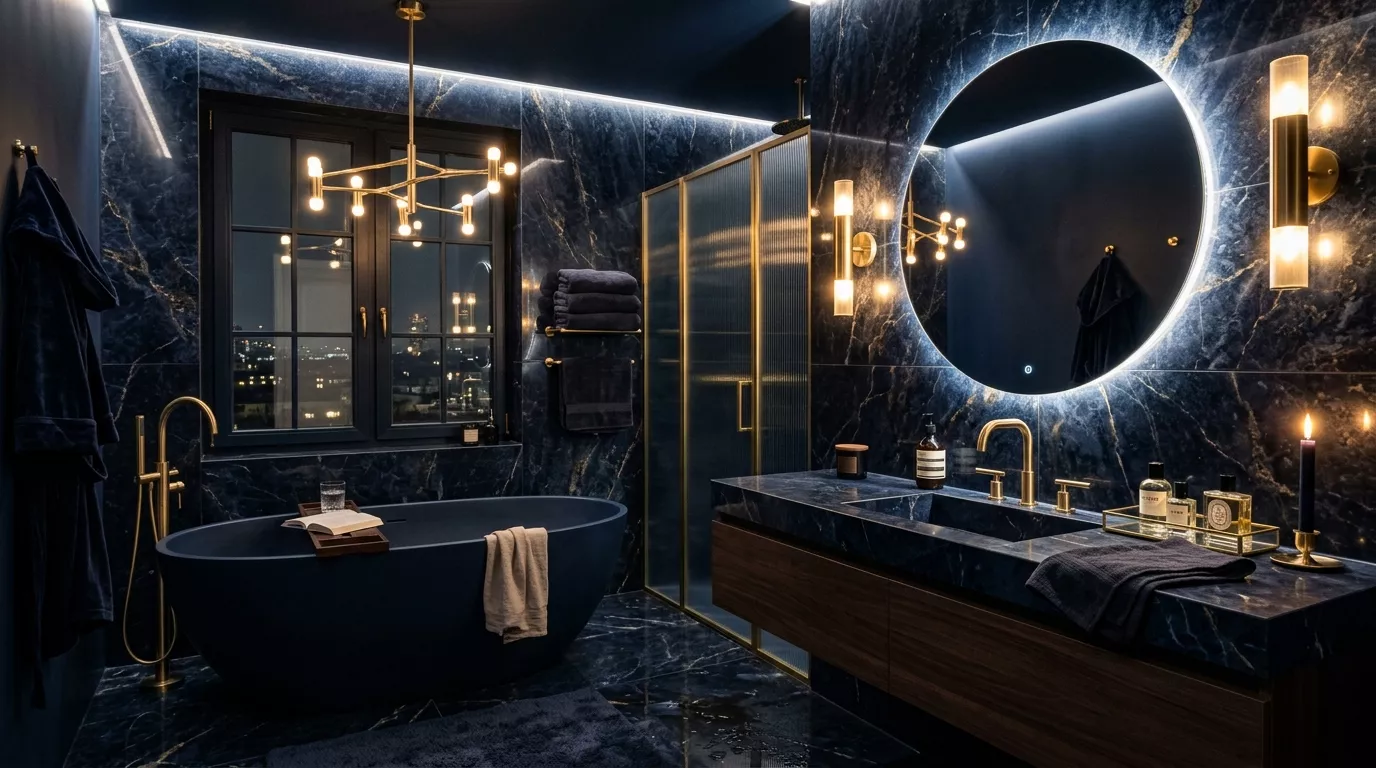
Bathroom Cabinet Ideas to Maximize Style & Storage

Bathroom Cabinet Ideas: 20+ Ways to Maximize Style and Storage

If your bathroom feels cluttered, cramped, or just plain boring, the fix might be simpler than a full renovation. The right bathroom cabinet ideas can completely transform how your space looks and functions — without knocking down a single wall.
Whether you’re working with a tiny powder room or a spacious master bath, choosing the right cabinet style, placement, and finish makes a world of difference. In this guide, we’ll walk you through every option worth considering, from floating vanity units to recessed medicine cabinets, so you can make a smart, confident decision.
Let’s get into it.
Why Your Bathroom Cabinet Matters More Than You Think
Most people treat bathroom cabinets as an afterthought. They pick whatever fits the budget and move on. But your bathroom cabinet does a lot of heavy lifting — it stores your daily essentials, sets the visual tone of the room, and determines whether your mornings run smoothly or turn into a frustrating hunt for the toothpaste.

A well-chosen cabinet can:
- Eliminate clutter and create a cleaner, calmer atmosphere
- Add perceived square footage to a small bathroom
- Become a design focal point that ties the whole room together
- Increase your home’s resale value
Think of it less like a storage box and more like a functional piece of furniture — because that’s exactly what it is.
Types of Bathroom Cabinet Ideas to Consider
Before you fall in love with a style, it helps to understand your options. Here’s a breakdown of the most popular cabinet types and where each one shines.

1. Floating Wall-Mounted Cabinets
Wall-mounted or floating cabinets are fixed directly to the wall with no legs touching the floor. They give the bathroom a sleek, modern look and make mopping the floor much easier.
Best for: Modern, minimalist, and contemporary bathrooms
Ideal space: Any size bathroom, especially smaller ones where floor space is limited
2. Over-the-Toilet Cabinets
Also called “etagere” cabinets, these units sit above the toilet — using one of the most wasted vertical spaces in any bathroom. They’re usually open or semi-open and perfect for displaying towels, baskets, and decorative items.
Best for: Small bathrooms that need extra storage without sacrificing floor space
Ideal space: Narrow bathrooms or half-baths

3. Recessed Medicine Cabinets
Recessed cabinets are built into the wall itself, creating a flush, seamless look. They’re incredibly space-efficient and usually include a mirrored door — two functions in one.
Best for: Anyone who wants a clean, built-in look without bulky furniture
Ideal space: Small to medium bathrooms
4. Under-Sink Vanity Cabinets
The classic choice. These cabinets wrap around the plumbing under your bathroom sink and offer significant storage for cleaning products, extra toilet paper, and toiletries. They come in a wide range of styles, from shaker to slab-front to ornate traditional designs.
Best for: Every bathroom type
Ideal space: Any size — it’s the most versatile option

5. Freestanding Bathroom Cabinets
No installation required — these simply sit on the floor and can be moved whenever you like. They’re great for renters or anyone who doesn’t want to drill into walls.
Best for: Renters, flexible layouts, vintage or eclectic styles
Ideal space: Larger bathrooms or as a supplementary storage piece
6. Corner Cabinets
Corner cabinets tuck neatly into unused angles, making them perfect for tight or awkwardly shaped bathrooms. They’re available in both wall-mounted and floor-standing versions.
Best for: Maximizing every inch of space
Ideal space: Small or irregularly shaped bathrooms

Bathroom Cabinet Ideas by Style
Once you know the type, the next step is finding the right aesthetic. Here are some of the most popular design directions:
Modern and Minimalist Bathroom Cabinets
Think handleless doors, flat surfaces, and a muted color palette — whites, charcoals, warm grays, or matte black. Floating wall cabinets with integrated LED lighting underneath look especially stunning in this style.
Keep the look cohesive by matching your cabinet finish to your faucets and fixtures.
Rustic and Farmhouse Bathroom Cabinets
Reclaimed wood finishes, shiplap detailing, vintage bin-pull hardware, and warm earthy tones define this style. A farmhouse cabinet doesn’t need to look rough or unfinished — it just needs to feel lived-in and warm.

Pair with open shelving, wicker baskets, and mason jars for a full farmhouse effect.
Traditional and Classic Bathroom Cabinets
Raised-panel doors, crown molding, antique brass hardware, and rich wood stains like cherry or walnut bring a timeless elegance to any bathroom. These cabinets are ideal if you want a bathroom that feels permanent and well-appointed.
Industrial Bathroom Cabinets
Metal frames, pipe-style hardware, raw wood shelves, and a matte black finish give industrial cabinets an edgy, urban feel. They work especially well in loft-style bathrooms or spaces with exposed brick or concrete.
Small Bathroom Cabinet Ideas That Actually Work
Small bathrooms require smart thinking. Here are ideas specifically designed for compact spaces:

- Go vertical: Use tall, narrow cabinets that draw the eye upward and use wall height instead of floor space
- Recessed beats protruding: A recessed medicine cabinet adds zero depth to the room
- Mirrored fronts: Mirrored cabinet doors reflect light and make the room feel twice as large
- Open shelving: Swap a closed lower cabinet for open shelves to create visual breathing room
- Ladder cabinets: Leaning ladder-style shelves add storage without mounting anything to the wall
- Multipurpose units: Choose a cabinet that combines a mirror, storage, and lighting in one sleek frame
Comparison Table: Which Bathroom Cabinet Type Is Right for You?

| Cabinet Type | Best For | Difficulty to Install | Space Needed | Approx. Cost Range |
|---|---|---|---|---|
| Floating Wall Cabinet | Modern styles, small bathrooms | Moderate | Medium wall space | $150–$800 |
| Over-the-Toilet Cabinet | Extra vertical storage | Easy | Vertical above toilet | $50–$300 |
| Recessed Medicine Cabinet | Clean, seamless look | Hard (wall cutting required) | Inside wall cavity | $100–$600 |
| Under-Sink Vanity | All bathroom types | Moderate | Around plumbing | $200–$1,500+ |
| Freestanding Cabinet | Renters, flexible spaces | Very Easy | Floor footprint | $80–$700 |
| Corner Cabinet | Tight or awkward spaces | Easy–Moderate | Corner angle | $60–$400 |
Pros and Cons of Popular Bathroom Cabinet Styles
Floating / Wall-Mounted Cabinets
Pros:

- Easy to clean underneath
- Creates the illusion of more space
- Modern and stylish appearance
- Adjustable height during installation
Cons:
- Requires solid wall anchoring (drywall alone isn’t enough)
- Doesn’t suit all décor styles
- Limited weight capacity compared to floor units
Recessed Medicine Cabinets

Pros:
- Zero protrusion from the wall
- Built-in mirror included in most models
- Very space-efficient
- Clean, architectural look
Cons:
- Must cut into the wall (tricky near electrical wiring or plumbing)
- Installation is more complex
- Limited depth for storage
Freestanding Cabinets

Pros:
- No installation needed
- Portable — move it anytime
- Tons of style options available
- Great for renters
Cons:
- Takes up floor space
- Can feel bulky in small bathrooms
- Less stable than wall-fixed options
Step-by-Step Guide: How to Choose the Right Bathroom Cabinet

Follow these steps to find the perfect fit for your space and lifestyle.
Step 1: Measure your bathroom
Before anything else, measure the space where you plan to install the cabinet. Note ceiling height, the distance between the toilet and sink, and the location of plumbing.
Step 2: Identify your storage needs
Are you storing medications, makeup, cleaning products, or towels? Make a list of what needs to go inside so you can choose the right size and number of shelves.
Step 3: Set a realistic budget
Decide what you’re comfortable spending, including installation costs. A beautiful cabinet with expensive installation can easily exceed your original budget.
Step 4: Choose a style that matches your bathroom
Look at your existing tiles, fixtures, and color scheme. Your new cabinet should complement these — not clash with them.

Step 5: Check the materials
In a bathroom, moisture resistance matters. Look for moisture-resistant MDF, solid wood with a waterproof seal, PVC, or metal. Avoid untreated particleboard, which swells and warps over time.
Step 6: Decide on hardware and finish
Knobs and pulls might seem minor, but they tie the whole look together. Match your hardware finish to other metals in the room (faucets, towel bars, etc.) for a polished result.
Step 7: Think about lighting
Some bathroom cabinets come with integrated lighting. Even if yours doesn’t, think about how light will hit the cabinet and whether it will create shadows that affect visibility.
Step 8: Install carefully (or hire a pro)
If you’re comfortable with DIY, floating and freestanding cabinets are fairly approachable. Recessed cabinets, however, are best left to professionals unless you have solid wall experience.

Creative Bathroom Cabinet Storage Ideas
Getting more out of the cabinet you already have — or planning better for the one you’re buying — is just smart design.
- Use door organizers: Small baskets or magnetic strips on the inside of cabinet doors are perfect for holding hair accessories, cotton balls, or medications
- Stackable bins inside shelves: Clear stackable bins let you see everything at a glance and use the full vertical height of each shelf
- Label everything: Simple labels on bins and baskets turn a disorganized cabinet into a functional system
- Lazy Susans in corner cabinets: A spinning organizer inside a corner cabinet means nothing gets lost in the back
- Drawer dividers: If your vanity has drawers, dividers prevent the chaos of mixed-up makeup and tools
Common Mistakes to Avoid When Buying Bathroom Cabinets
Even experienced homeowners make these errors. Save yourself the headache.
- Buying before measuring: A cabinet that’s two inches too wide turns into a very expensive problem.
- Ignoring moisture resistance: Regular furniture wood will warp, peel, and mold in a humid bathroom environment.
- Choosing style over storage: A beautiful cabinet with minimal shelving won’t solve your clutter problem.
- Forgetting about plumbing clearance: Under-sink cabinets must accommodate pipes — not every cabinet is designed the same way.
- Skipping the hardware check: Cheap hinges and slides wear out fast. Look for soft-close hinges and full-extension drawer slides.
- Underestimating installation complexity: Recessed cabinets look simple but involve cutting into walls, which can mean dealing with insulation, studs, or wiring.
- Matching the trend, not the room: A fashionable finish that clashes with everything else in the bathroom will stick out for years.
Tips for Getting the Most Out of Your Bathroom Cabinet
Here are a few final practical tips to help you get the best results:
- Paint the inside of a cabinet in a contrasting color — it makes it feel intentional and helps you see things more clearly
- Add peel-and-stick shelf liners to protect surfaces and make spills easy to wipe up
- Use tension rods inside deep cabinets to hang spray bottles vertically, freeing up shelf space
- Declutter every six months — cabinets become graveyards for expired products without regular maintenance
- Install a small nightlight or LED strip inside deep cabinets to make midnight trips less of a stumble-in-the-dark adventure
- Choose soft-close doors if you share a bathroom — you’ll thank yourself at 6 a.m. every single day
FAQs: Bathroom Cabinet Ideas
Q1: What is the most popular bathroom cabinet style right now?
Floating wall-mounted vanity cabinets with a matte finish are among the most sought-after choices right now. The look is clean, modern, and pairs beautifully with large-format floor tiles and frameless shower screens. Shaker-style under-sink cabinets remain evergreen in traditional and transitional homes.
Q2: How do I add bathroom storage without renovating?
Freestanding cabinets, over-the-toilet shelving, and corner ladder shelves all add significant storage without any permanent installation. You can also use magnetic organizers on the inside of existing cabinet doors or add pull-out organizers inside existing under-sink spaces.
Q3: What material is best for bathroom cabinets?
Solid wood with a moisture-resistant finish, marine-grade plywood, PVC, and moisture-resistant MDF are the top choices. Avoid raw particleboard or untreated wood in humid environments — it swells, discolors, and eventually falls apart.
Q4: Can I install a recessed medicine cabinet myself?
It depends on your skill level and your wall type. If you’re comfortable using a stud finder, cutting drywall, and working around electrical wiring, it’s doable as a DIY project. However, if you’re unsure about what’s behind your walls, hiring a professional is the safer and smarter call.
Q5: What color bathroom cabinet is easiest to keep clean?
Mid-tone colors — warm grays, soft greiges, navy, and matte white — hide fingerprints and light dust better than either very dark or very light extremes. Gloss finishes show smudges more than matte or satin finishes, so consider a satin sheen if keeping things looking spotless is a priority.
Q6: How do I maximize storage in a small bathroom with limited wall space?
Think vertically. Choose a tall, narrow cabinet that goes floor to ceiling rather than a wide, short one. Recessed medicine cabinets use wall depth instead of room depth. Over-the-door organizers add storage without using any wall or floor space at all.
Q7: Should bathroom cabinet hardware match the faucets?
It doesn’t have to match exactly, but it should coordinate. Most designers recommend keeping all metals in the same finish family — for example, all warm-toned metals (gold, brass, bronze) or all cool-toned metals (chrome, nickel, stainless). Mixing too many different metals can make a bathroom feel disjointed.
Conclusion: Your Bathroom, Your Rules — Now Make It Work
Good bathroom cabinet ideas aren’t just about what looks great in a magazine — they’re about what actually works in your daily life. Whether you’re drawn to the sleek lines of a floating cabinet, the cozy warmth of a farmhouse vanity, or the clever efficiency of a recessed medicine cabinet, the key is to match the style to your space and the function to your needs.
Start with your measurements, be honest about your storage requirements, choose moisture-resistant materials, and don’t ignore the hardware. The details make all the difference.
Ready to transform your bathroom? Start with one change — even just a new cabinet — and watch how quickly the whole room comes to life. You don’t need a total overhaul to feel like your bathroom got a completely fresh start.