Bathroom Tile Ideas That Instantly Upgrade Any Space

Bathroom Tile Ideas That Instantly Upgrade Any Space
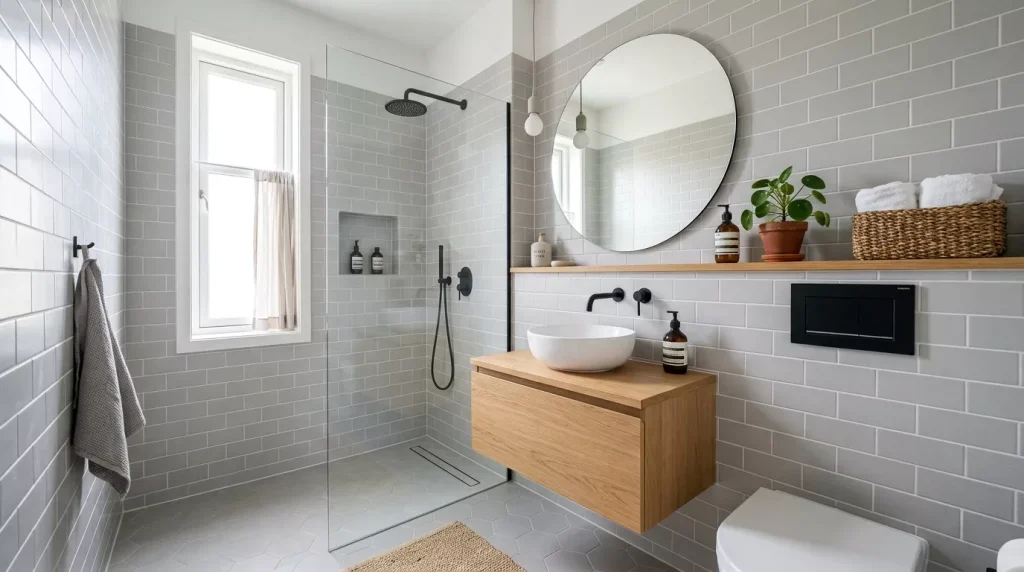
Tile is one of those decisions that quietly makes or breaks a bathroom. Choose well, and the room feels fresh and put-together for years. Choose poorly, and you’re stuck staring at a mistake every single day until the next renovation. These bathroom tile ideas will help you avoid that regret and find a look that actually fits your space and your budget.
Whether you’re doing a full remodel or just refreshing a small powder room, this guide covers the practical details that actually matter.
Why Tile Choice Matters So Much in Bathrooms
Bathrooms deal with constant moisture, temperature changes, and heavy daily use. That makes tile selection different from choosing flooring for, say, a living room.
The right tile handles water exposure well, resists slipping, and still looks good years down the line.
The wrong choice can lead to:
- Slippery floors that become a safety hazard
- Grout lines that stain or mildew quickly
- A look that feels dated within a couple of years
- Higher long-term maintenance than expected
Getting this right upfront saves both money and frustration later.
Types of Bathroom Tile to Consider
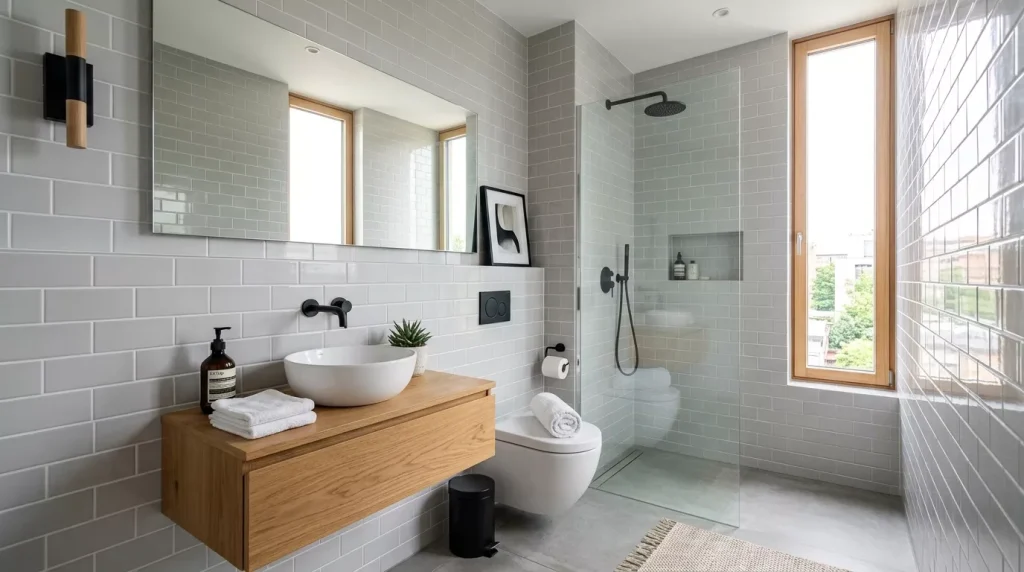
There isn’t a single “best” tile material. Each option has strengths depending on your budget, style, and how the space gets used.
Ceramic Tile
Ceramic is one of the most common and budget-friendly options. It’s durable, easy to clean, and available in nearly endless colors and patterns.
It works well for both walls and floors, though it can be more prone to cracking under heavy impact compared to porcelain.
Porcelain Tile
Porcelain is denser and more water-resistant than standard ceramic, making it a popular choice for bathroom floors specifically.
It tends to cost a bit more but holds up exceptionally well over time, even in high-moisture areas like showers.
Natural Stone Tile
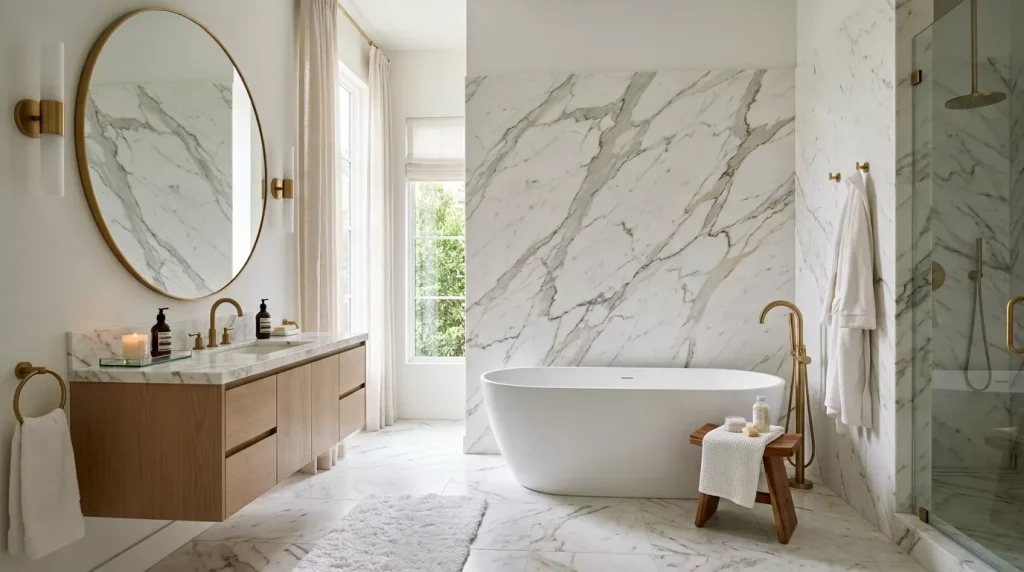
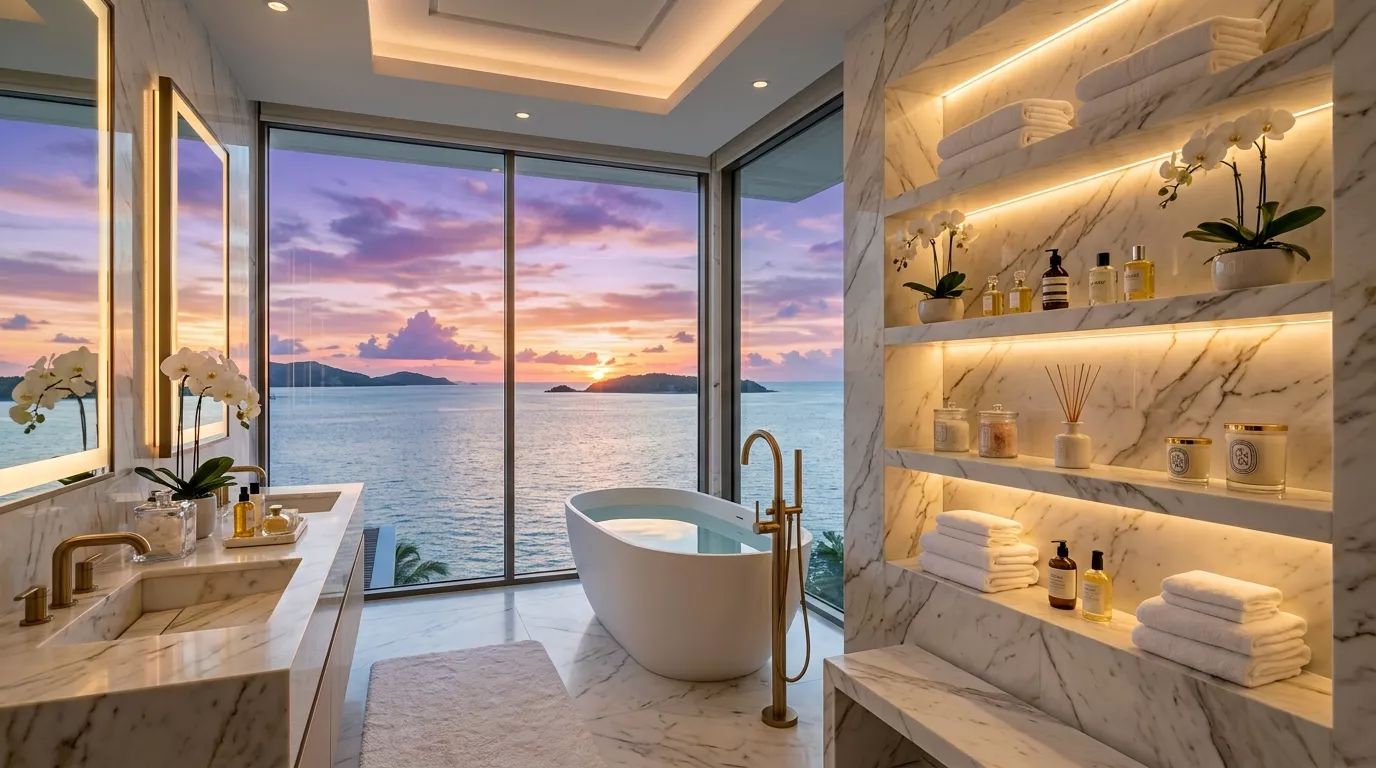
Materials like marble, travertine, and slate bring a high-end, organic look to a bathroom. Each piece has natural variation, so no two installations look exactly alike.
Stone requires more maintenance, including periodic sealing, to prevent staining and water damage.
Glass Tile
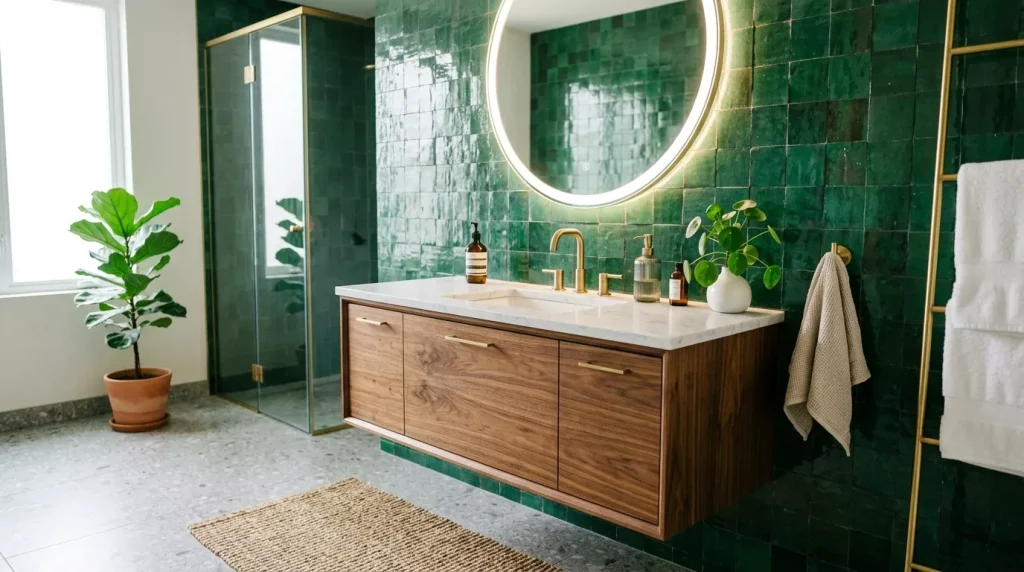
Often used as an accent rather than covering an entire surface, glass tile adds shine and depth, especially in shower niches or backsplash areas.
It reflects light beautifully but can show water spots more easily than matte materials.
Mosaic Tile
Small tile pieces arranged in patterns, often used for shower floors or decorative borders. Mosaic offers excellent slip resistance due to the higher number of grout lines.
It’s a great way to add visual interest without covering an entire room in a bold pattern.
Step-by-Step Guide to Planning Your Bathroom Tile Layout
Here’s a simple process to follow before making any final tile decisions.
Step 1: Set Your Budget First
Tile costs vary dramatically, from budget ceramic to premium natural stone. Decide your overall budget before falling in love with a specific material.
This also helps determine whether you’ll tile the whole room or use accent tiles strategically to stretch your budget further.
Step 2: Consider the Room’s Size and Light
Small bathrooms generally benefit from lighter tile tones and larger tile formats, since they create a sense of openness.
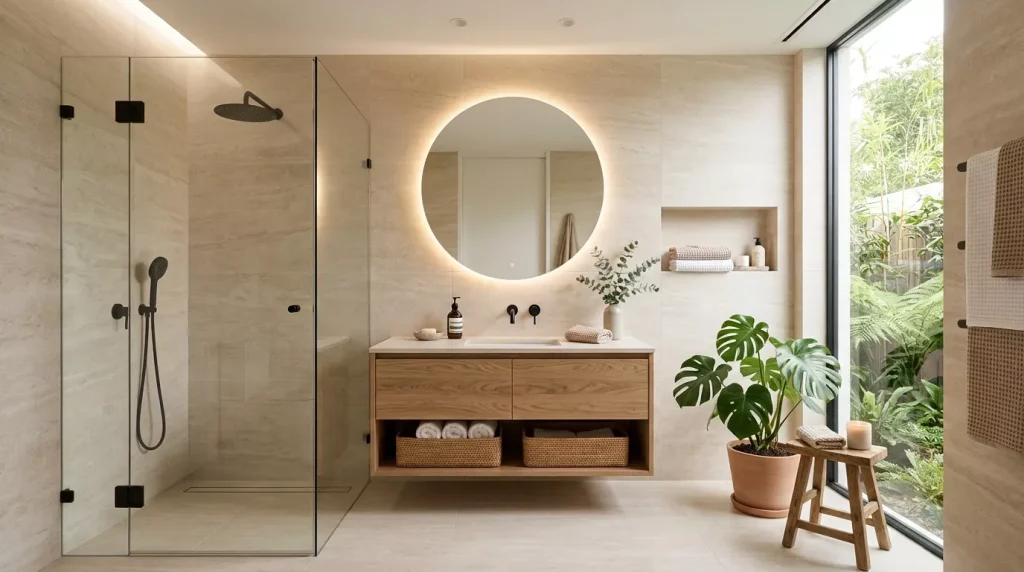
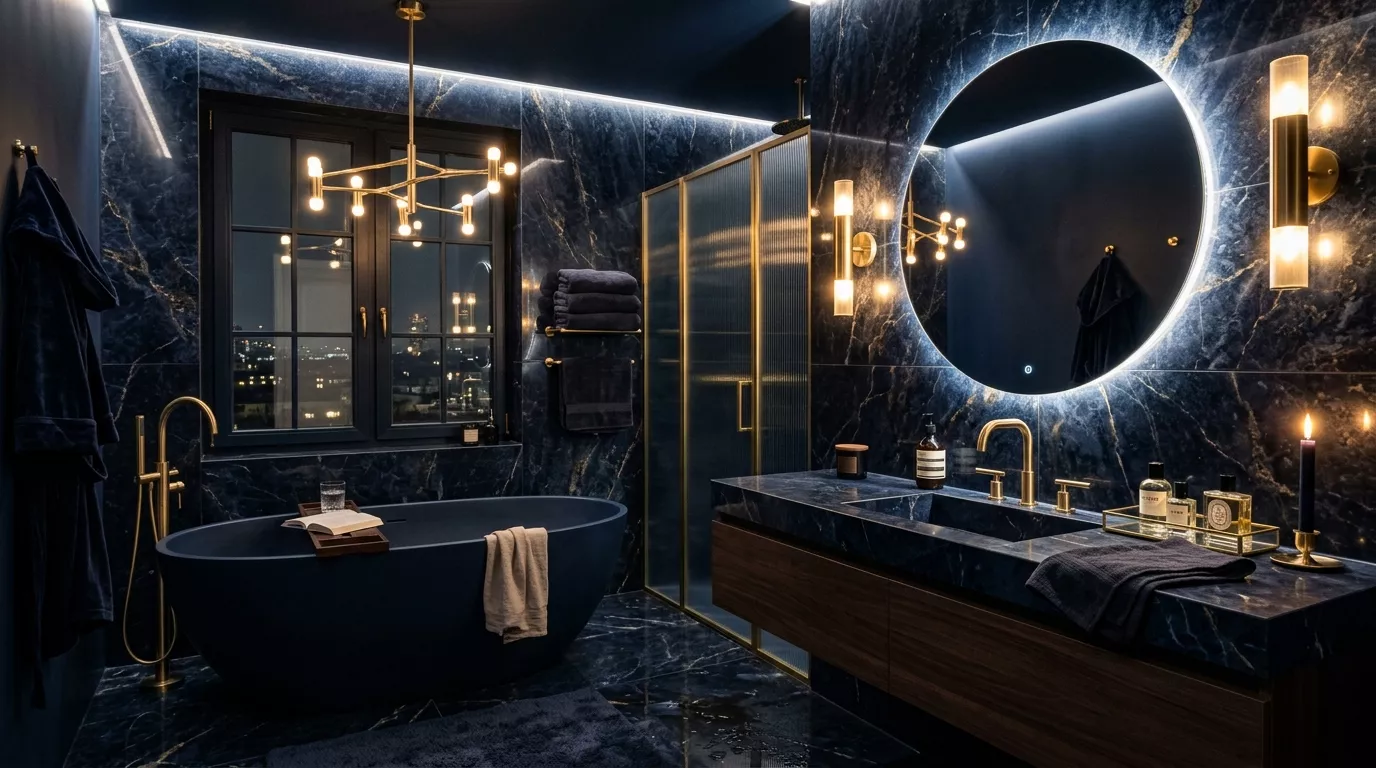
Larger bathrooms have more flexibility to handle bold patterns, dark tones, or intricate mosaic work without feeling cramped.
Step 3: Choose Floor Tile With Slip Resistance in Mind
Bathroom floors get wet constantly, so slip resistance should be a top priority, not an afterthought.
Look for tiles labeled with a higher slip-resistance rating, and avoid highly polished, glossy finishes for floor applications specifically.
Step 4: Decide on Wall Coverage
You don’t have to tile every wall from floor to ceiling. Common approaches include:
- Full wall tiling in the shower or tub area only
- Half-wall tiling with paint above
- Accent walls using bold or textured tile
- Full-room tiling for a more luxurious, cohesive look
Step 5: Pick a Grout Color Strategically
Grout color affects the overall look more than people expect. Matching grout to tile creates a seamless appearance, while contrasting grout highlights the tile pattern itself.
Lighter grout shows dirt more easily, so consider a mid-tone grout for busy bathrooms.
Step 6: Plan the Layout Pattern
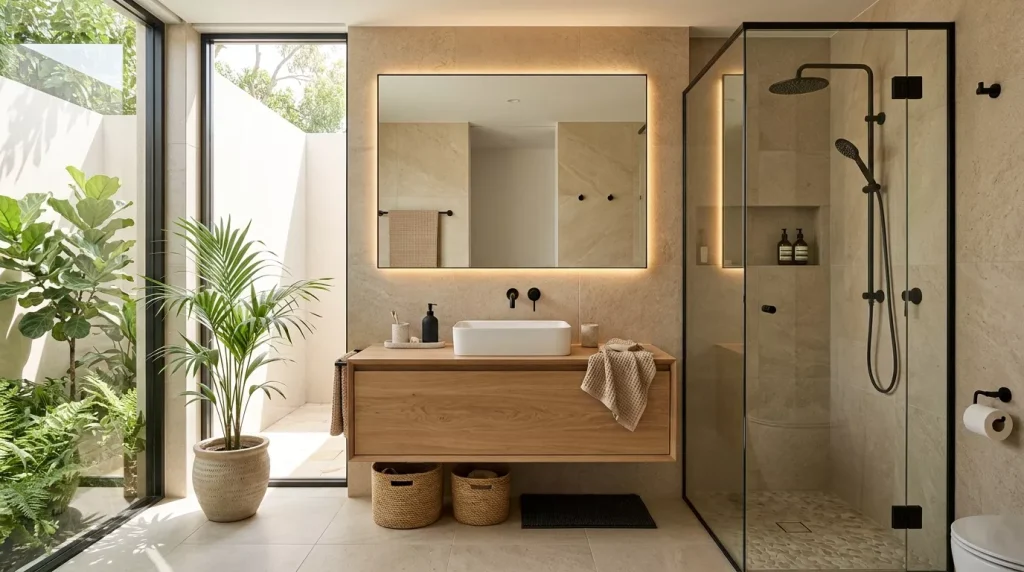
Beyond material and color, the actual layout pattern changes the whole feel of the room. Popular layout options include classic straight-set, diagonal, herringbone, and subway-style running bond patterns.
Bathroom Tile Comparison: Which Material Fits Your Space?
| Tile Type | Durability | Water Resistance | Maintenance Level | Typical Cost |
|---|---|---|---|---|
| Ceramic | Moderate | Good | Low | Budget-friendly |
| Porcelain | High | Excellent | Low | Mid-range |
| Natural Stone | Moderate to High | Moderate | High | Higher-end |
| Glass | Moderate | Good | Moderate | Mid to high |
| Mosaic | Varies by material | Good | Moderate | Varies widely |
For most everyday bathrooms, porcelain tends to offer the best balance of durability, water resistance, and reasonable upkeep.
Pros and Cons of Popular Bathroom Tile Choices
Ceramic Tile
Pros:
- Budget-friendly compared to many alternatives
- Wide variety of colors, patterns, and finishes
- Simple to clean with routine maintenance
Cons:
- More prone to chipping or cracking under heavy impact
- Less water-resistant than porcelain in constant-moisture areas
- Lower-end options can look less premium
Porcelain Tile
Pros:
- Extremely durable and long-lasting
- Excellent water resistance for showers and floors
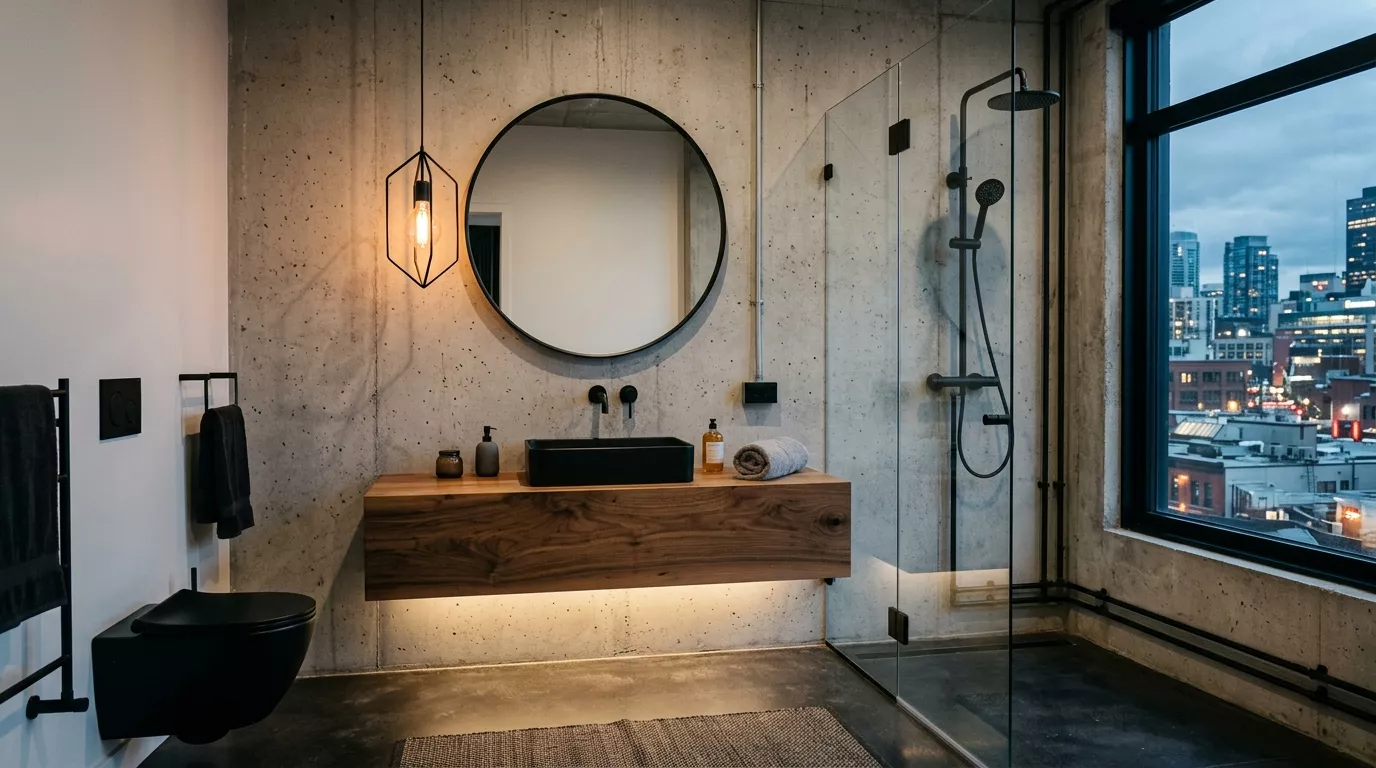
- Available in styles that mimic wood, stone, or concrete
Cons:
- Slightly higher cost than basic ceramic
- Heavier and harder to cut during installation
- Some styles require professional installation for best results
Natural Stone Tile
Pros:
- Unique, high-end appearance with natural variation
- Adds significant resale and aesthetic value
- Available in a wide range of finishes and colors
Cons:
- Requires regular sealing to prevent staining
- Generally more expensive than manufactured tile
- Can be more slippery depending on the finish chosen
Bathroom Tile Color and Pattern Ideas Worth Trying
Once you’ve chosen a material, color and pattern bring the design to life.
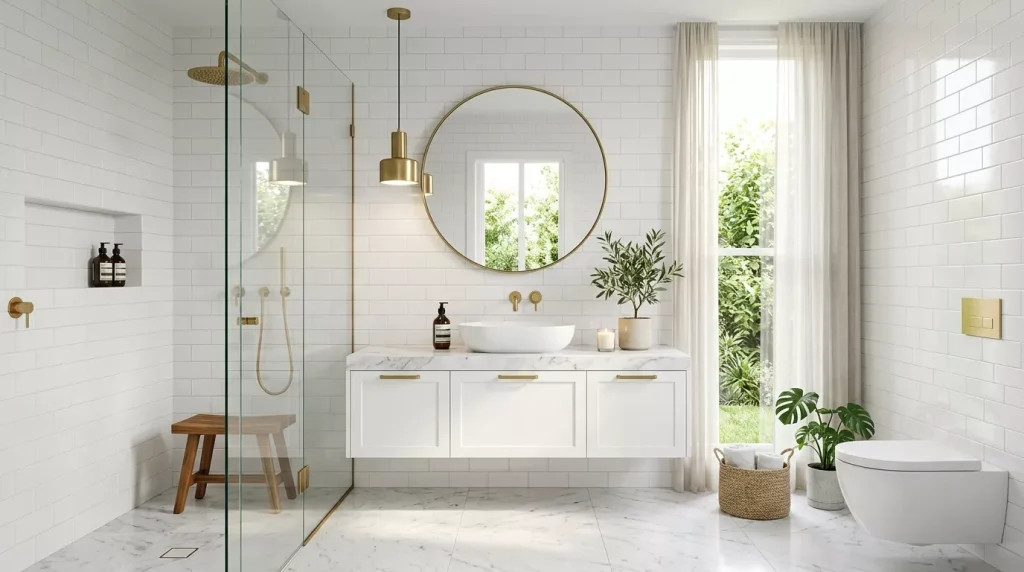
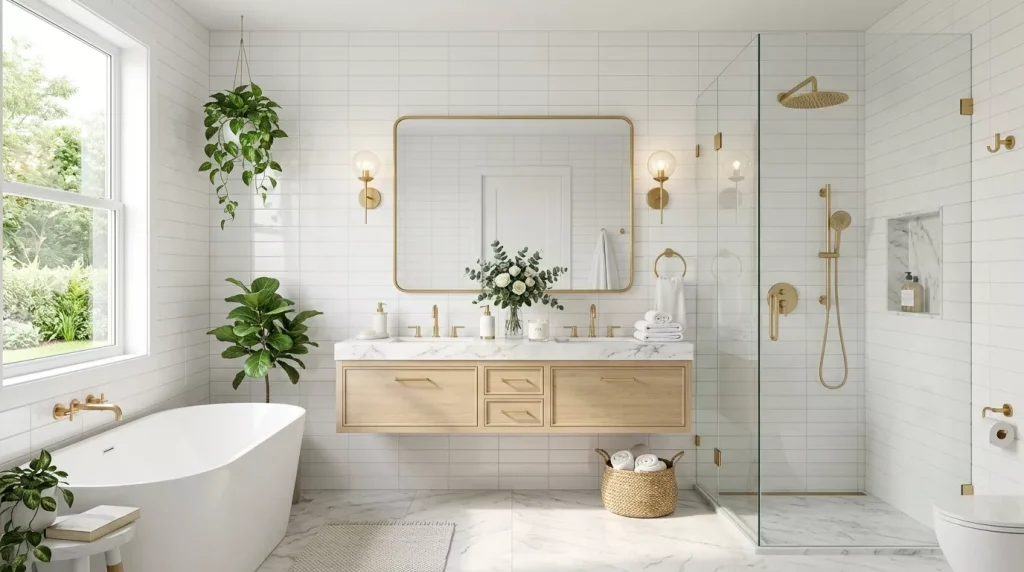
- All-white subway tile for a timeless, classic bathroom look.
- Bold black and white checkerboard floors for a retro-inspired statement.
- Warm terracotta tones for an earthy, spa-like feel.
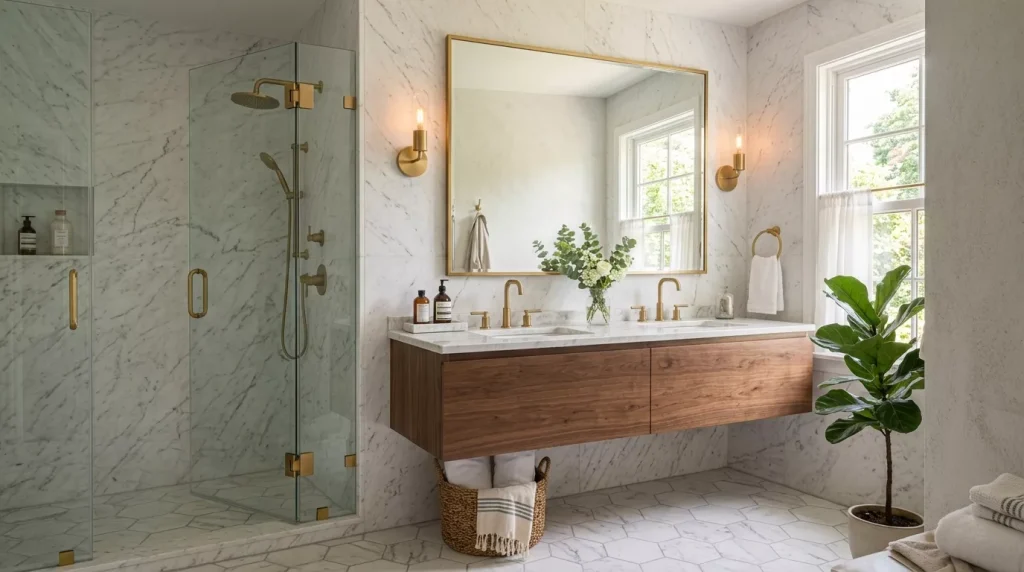
- Herringbone-laid marble for a touch of understated luxury.
- Textured matte tile in soft green or blue for a calming, nature-inspired palette.
- Large-format neutral tile to make small bathrooms feel more spacious.
Tips for Choosing the Right Bathroom Tile
A few extra pointers that make the decision-making process smoother:
- Always request physical samples before committing; tile color often looks different in person versus online photos.
- Consider how the tile will look under your bathroom’s specific lighting, both natural and artificial.
- If using a bold pattern, balance it with simpler fixtures and neutral paint elsewhere in the room.
- Order slightly more tile than your calculated square footage to account for cuts and future repairs.
- Think about long-term cleaning habits honestly before choosing high-maintenance materials like natural stone.
Common Mistakes to Avoid With Bathroom Tile
Even well-planned renovations run into these avoidable issues.
- Choosing glossy tile for the floor. It looks great but becomes dangerously slippery when wet.
- Ignoring grout maintenance. Poor grout choice or upkeep leads to staining and mildew over time.
- Overcomplicating small spaces. Too many patterns or colors in a tiny bathroom can feel chaotic rather than stylish.
- Skipping tile samples. Lighting in your bathroom can change how a tile color actually appears once installed.
- Underestimating tile quantity needed. Running short mid-project often means dealing with dye-lot color differences later.
Final Thoughts: Bringing Your Bathroom Tile Vision to Life
At the end of the day, the best bathroom tile ideas are the ones that balance style with practicality for your specific space. Material, color, layout, and maintenance all play a role in how satisfied you’ll feel with the final result.
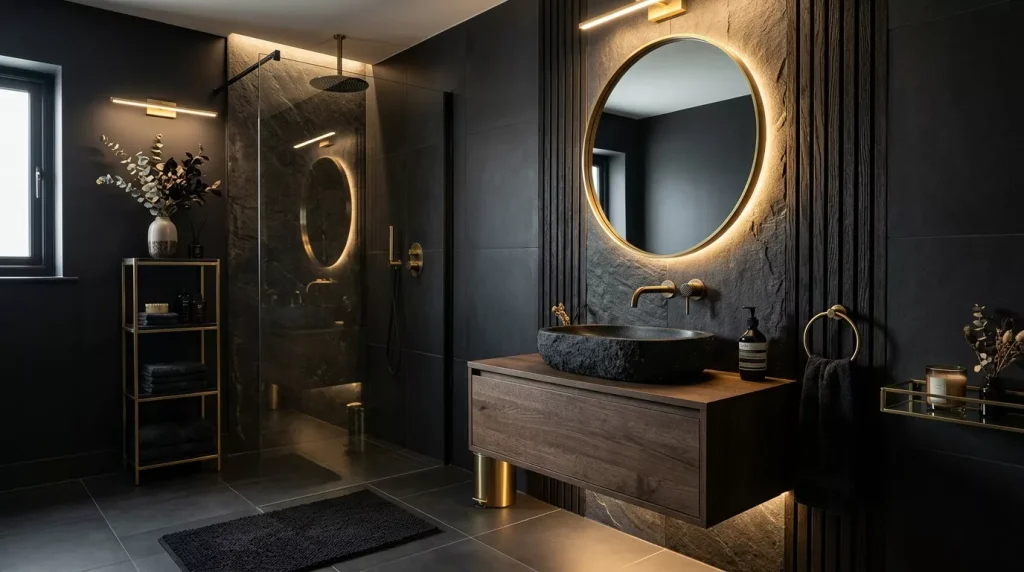
Take time to compare samples in your actual lighting, set a realistic budget, and think honestly about your household’s daily habits before deciding.
Once the right tile is in place, your bathroom can feel like a completely different, more polished space for years to come.
Ready to get started? Gather a few samples this week and start narrowing down the material and pattern that feels right for your home.
Frequently Asked Questions
1. What is the best tile for a small bathroom?
Large-format tile in light, neutral tones generally works best in small bathrooms, since it creates fewer grout lines and makes the space feel more open.
2. Is porcelain or ceramic tile better for bathroom floors?
Porcelain is typically the better choice for bathroom floors due to its superior water resistance and durability, though ceramic remains a solid budget-friendly alternative.
3. What tile is least slippery for bathroom floors?
Matte-finished tiles and smaller mosaic tiles with more grout lines tend to offer better slip resistance than large, glossy tile surfaces.
4. Should bathroom wall and floor tile match?
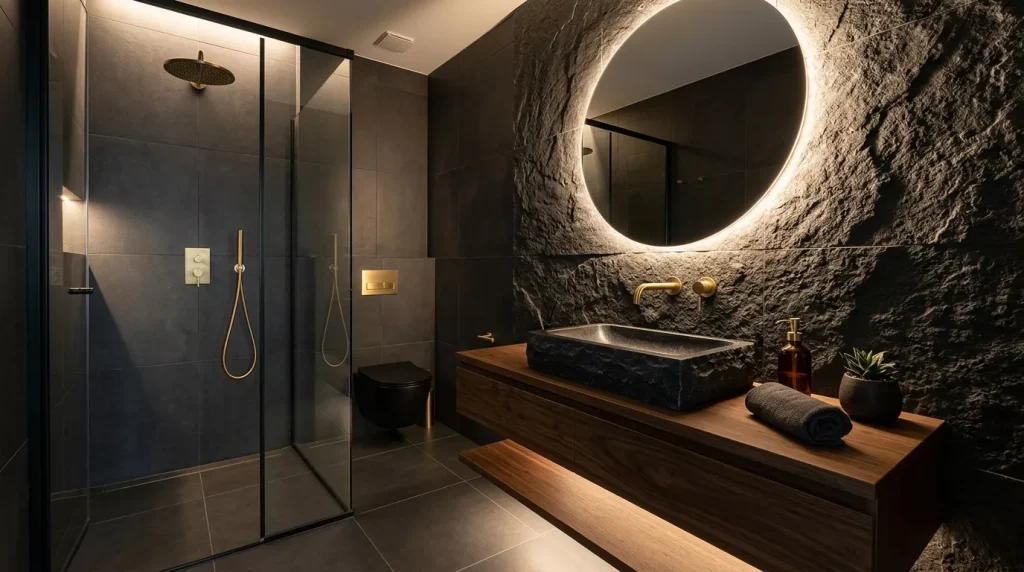
They don’t have to match exactly, but they should complement each other in tone and style for a cohesive, intentional look throughout the room.
5. How much does bathroom tile typically cost to install?
Costs vary widely depending on material and labor, ranging from budget ceramic options to significantly higher costs for natural stone and complex layout patterns.
6. What grout color is best for bathroom tile?
Mid-tone grout is often the most practical choice, as it hides dirt better than very light grout while still keeping the overall look clean and balanced.
7. Can I mix different tile types in one bathroom?
Yes, many bathrooms combine materials, such as porcelain flooring with a natural stone accent wall, as long as the overall palette stays cohesive.