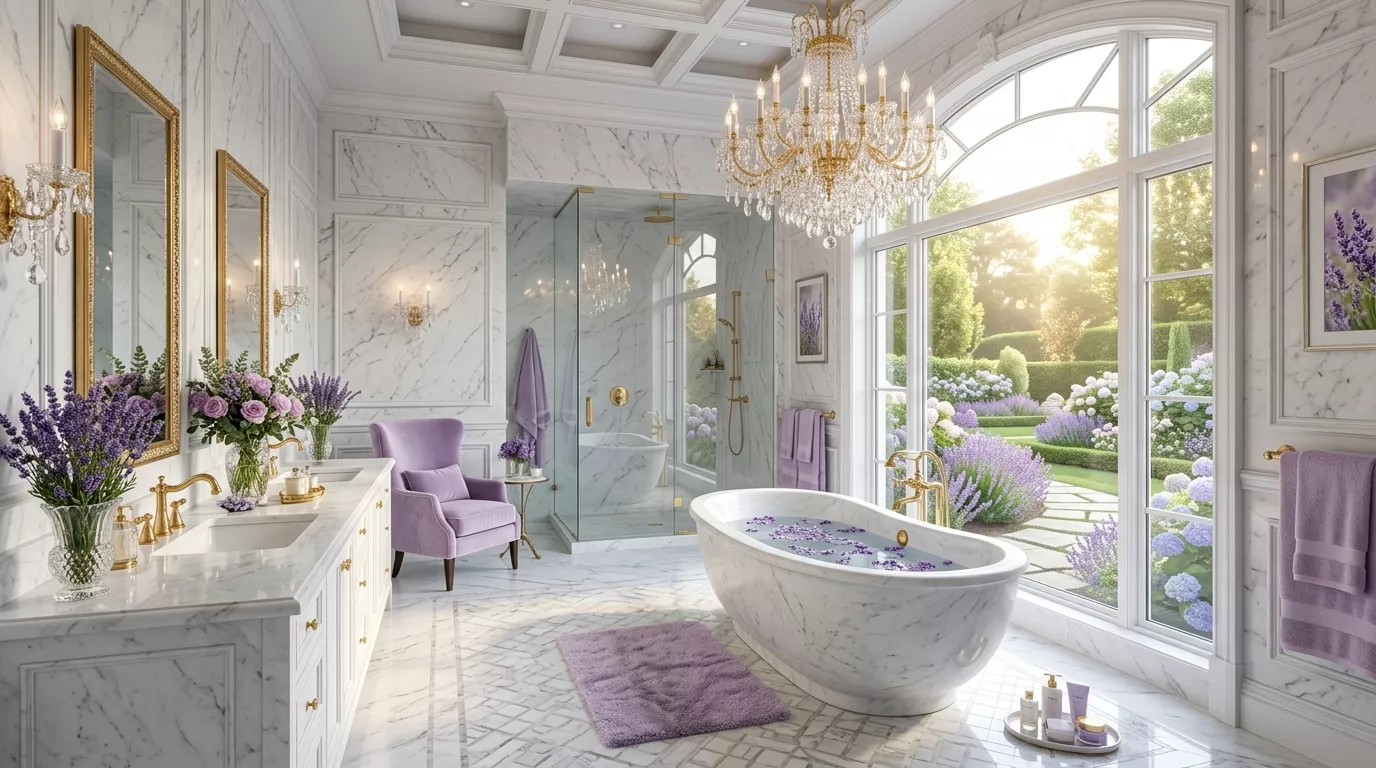
Double Sink Vanity Ideas for Master Bathrooms

Double Sink Vanity Ideas for Master Bathrooms That Actually Work

If you’re redesigning your master bathroom and sharing the space with a partner, double sink vanity ideas for master bathrooms should be at the top of your planning list. Nothing causes more morning chaos than two people fighting over a single sink, a cramped countertop, and one small mirror. A double sink vanity solves all of that — and it does so with style.
But beyond just convenience, a double vanity can completely transform the look and feel of your bathroom. It adds architectural presence, creates symmetry, and gives each person their own defined space — which, honestly, is a small luxury that makes a huge everyday difference.
In this guide, you’ll find fresh design ideas, practical tips, layout advice, and honest pros and cons to help you make the right decision for your space and budget.
Why a Double Sink Vanity Is Worth the Investment

Let’s be real — a master bathroom remodel isn’t cheap. So before you commit, it helps to understand exactly why a double sink vanity earns its keep.
The most obvious reason is functionality. Shared spaces work better when each person has their own zone. You’re not reaching over each other for the toothpaste or waiting for the faucet to be free. That alone reduces morning friction by a surprising amount.
The second reason is resale value. Real estate agents consistently point out that an upgraded master bathroom — especially one with dual sinks — is a strong selling point for buyers. It signals a thoughtful, livable home.
Third, a well-designed double vanity elevates the entire bathroom’s aesthetic. It anchors the room visually, creates a focal point, and gives you a chance to express your personal style through materials, finishes, and hardware choices.
Top Double Sink Vanity Ideas for Master Bathrooms

There’s no single “right” design here. The best double sink vanity for your master bathroom depends on your space, your style, and your storage needs. Here are some of the most popular and practical ideas to consider.
1. Floating Double Vanity with Vessel Sinks
A wall-mounted (floating) vanity is one of the sleekest options available right now. With vessel sinks sitting on top, it creates that ultra-modern, spa-like look that feels expensive without always being so.
The biggest practical win here is floor space. Because the cabinet doesn’t touch the ground, the bathroom feels visually larger. It’s also much easier to clean the floor underneath — no getting on your hands and knees to scrub around cabinet legs.
Pair this with matte black faucets and a large frameless mirror for a high-end, contemporary feel.
Best for: Modern and minimalist master bathrooms, smaller square footage.

2. Farmhouse Double Vanity with Wood Cabinets
If your home leans more traditional or rustic, a farmhouse-style double sink vanity delivers serious character. Think warm wood tones, shaker-style cabinet doors, apron-front sinks, and oil-rubbed bronze hardware.
What makes this style so appealing is its warmth. Bathrooms can easily feel cold and clinical, but a wood vanity — especially in a honey oak, walnut, or white-painted finish — brings in a cozy, lived-in quality.
Pair it with subway tiles, a wooden-framed mirror, and woven baskets for storage to complete the look.
Best for: Traditional, cottage, or transitional-style homes.
3. His and Hers Bathroom Vanity with Tower Cabinets
The classic “his and hers” setup takes functionality to the next level. Here, each sink is positioned on either end of a long vanity run, with a tall tower cabinet between them. Each person gets their own sink, their own mirror section, and their own storage drawers and shelves.

This is especially popular in larger master bathrooms where you have the wall length to pull it off — typically 84 to 96 inches or more.
It’s incredibly practical for couples with different schedules or routines. You can be getting ready at the same time without ever being in each other’s way.
Best for: Spacious master bathrooms, couples with different morning routines.
4. Marble Countertop Double Vanity
Few materials command attention in a bathroom quite like marble. A double sink vanity topped with a honed or polished marble slab immediately signals luxury — and it pairs beautifully with both contemporary and traditional cabinet styles.
You don’t have to go full marble everywhere. Even a marble-look quartz countertop gives you the visual drama with far less maintenance. Real marble is stunning but does require sealing and care to prevent staining.

Pair with white or charcoal gray cabinetry, brushed gold faucets, and large-format floor tiles for a cohesive, upscale look.
Best for: Luxury master bathrooms, buyers who want a high-end feel.
5. Freestanding Double Vanity with Legs
Furniture-style vanities with exposed legs give a bathroom a more relaxed, designer-curated look. They blur the line between bathroom fixture and actual furniture, which is a trend that’s been growing steadily in interior design.
These vanities typically have a narrower depth, making them a good choice for medium-sized bathrooms. The open space beneath them also contributes to a lighter, airier feel.
Look for versions in navy blue, sage green, or charcoal — bold colors that make the vanity a true design statement.
Best for: Transitional, vintage, or eclectic bathroom styles.

6. Under-Mount Double Sink with Integrated Countertop
For a super-clean, contemporary look, undermount sinks set into a seamless quartz or solid surface countertop are hard to beat. There are no lips or ridges where bacteria or grime can collect, making daily cleaning almost effortless.
This style works beautifully in minimalist designs where you want clean lines and an uncluttered visual flow. The countertop appears as one continuous slab, which is visually very appealing.
Best for: Modern bathrooms, homeowners who prioritize easy maintenance.
Comparing Double Vanity Styles at a Glance

–$–$$–$$$–$$–$–$
| Style | Best Feature | Space Required | Price Range |
|---|---|---|---|
| Floating / Wall-Mount | Opens up floor space | Medium | |
| Farmhouse / Wood | Warm, cozy aesthetic | Medium–Large | |
| His & Hers with Tower | Maximum storage | Large | |
| Marble Countertop | Luxury look | Medium–Large | |
| Freestanding with Legs | Designer furniture feel | Medium | |
| Undermount Integrated | Easiest to clean | Medium |

Choosing the Right Size for Double Sink Vanity Ideas for Master Bathrooms
Size is where many people go wrong. You pick a vanity that looks great in the showroom, only to find out it overwhelms your space — or worse, doesn’t fit through the door.
Standard double vanity widths:
- 60 inches: The minimum for a double sink — sinks will be closer together
- 72 inches: The sweet spot for most master bathrooms
- 84–96 inches: Ideal for larger or his-and-hers configurations
Depth considerations:
- Standard depth is 21–22 inches
- Shallow options (18 inches) exist for tighter spaces
- Always leave at least 36 inches of clearance in front of the vanity

Height options:
- Standard: 32–34 inches (older homes)
- Comfort height: 36 inches (more common in newer builds, easier on the back)
Materials and Finishes That Complement Double Sink Vanities
The cabinet material matters — both for looks and for longevity in a humid environment.
Cabinet materials to consider:
- Solid wood: Beautiful and durable, but needs good ventilation
- Plywood with veneer: More moisture-resistant than solid wood
- MDF with paint: Affordable, smooth finish, but sensitive to moisture
- PVC or thermofoil: Excellent moisture resistance, budget-friendly

Popular countertop materials:
- Quartz (most popular for low maintenance)
- Marble (luxurious but requires sealing)
- Granite (durable, naturally unique patterns)
- Solid surface (seamless look, easy to repair)
Hardware finishes trending right now:
- Matte black (modern, dramatic)
- Brushed gold (warm, elevated)
- Brushed nickel (timeless, versatile)
- Polished chrome (classic, reflective)

Pros and Cons of Double Sink Vanities
Before you finalize your decision, it’s worth being honest with yourself about the trade-offs.
Pros
- Morning harmony — Two people can get ready simultaneously without conflict
- Personal storage — Each person gets their own drawers and cabinet space
- Increased resale value — Doubles vanities are a sought-after feature for buyers
- Visual impact — Creates a strong focal point and adds architectural weight to the room
- Better organization — Two sinks naturally encourage better personal organization

Cons
- Requires more wall space — You need at least 60 inches of uninterrupted wall
- More plumbing work — Two drain lines and two supply connections cost more to install
- Higher upfront cost — Both the fixture and installation run higher than single vanity setups
- Not ideal for solo users — If only one person uses the bathroom, some space is wasted
Step-by-Step Guide to Planning Your Double Sink Vanity
You don’t need to be a contractor to plan this properly. Follow these steps before you buy anything.
Step 1: Measure your wall space Use a tape measure to get the exact width of the available wall. Account for any doors, windows, or light switches nearby.

Step 2: Check your existing plumbing location Knowing where the current drain and supply lines are will affect your layout options. Moving plumbing adds significant cost.
Step 3: Set your budget Include the vanity unit, countertop, sinks, faucets, mirror, lighting, and installation. Budget overruns almost always come from forgetting these add-ons.
Step 4: Choose your style Narrow down your look (modern, farmhouse, transitional, etc.) before shopping. This prevents decision fatigue in the store.
Step 5: Select your sink type Vessel, undermount, or drop-in — each has different installation requirements and countertop thickness needs.
Step 6: Pick complementary mirrors and lighting The vanity is only part of the picture. A pair of sconces flanking each sink, or a long LED mirror spanning both sinks, completes the design properly.

Step 7: Hire a licensed plumber for installation Even handy homeowners often underestimate the plumbing complexity of a double vanity. Get at least two quotes.
Common Mistakes to Avoid
Even the best design ideas can go sideways if you make these common errors.
- Buying too small: A 60-inch double vanity with large undermount sinks leaves almost no usable counter space. Go larger if your bathroom allows.
- Ignoring the lighting: A stunning vanity under poor lighting still looks mediocre. Plan your lighting in parallel.
- Forgetting overflow plumbing: Each sink needs its own trap and vent — don’t assume the existing single-sink setup handles two.
- Mismatching metals: Using brushed nickel faucets with matte black towel bars and chrome light fixtures creates visual chaos. Stick to one or two finishes.
- Skipping the mock-up: Before finalizing, tape out the vanity dimensions on your floor and wall. You’d be surprised how differently it looks in real space versus on paper.
- Choosing style over storage: A gorgeous vanity that doesn’t have enough drawers will frustrate you daily. Always check the storage layout before buying.
Tips for Getting the Most from Your Double Sink Vanity
A few thoughtful additions can turn a good vanity into a great bathroom experience.
- Install drawer dividers right away — don’t wait until clutter builds up
- Use separate medicine cabinets or mirrors above each sink to double personal storage
- Add a small countertop tray on each side to corral everyday items (toothbrush, face wash, etc.)
- Choose soft-close hinges and drawer glides — you’ll thank yourself at 6 AM
- Go for a deeper sink bowl (6–8 inches) if you tend to splash — it saves cleanup time
- Light each sink zone separately if possible — individual sconces or a long LED mirror strip that spans both sinks works beautifully
- Seal your countertop (especially marble or granite) annually to prevent staining and etching
Double Sink Vanity Ideas for Master Bathrooms: Lighting and Mirror Pairings
Getting the vanity right is only half the job. The mirror and lighting above it either pull the room together or let it fall apart.
Mirror options for double vanities:
- One large frameless mirror spanning both sinks (modern, seamless)
- Two individual framed mirrors (more traditional, great for symmetry)
- Two medicine cabinet mirrors (practical and stylish)
- A single backlit LED mirror (contemporary and flattering for grooming)
Lighting rules to follow:
- Light should fall on your face, not from directly above — overhead-only lighting creates shadows
- Sconces mounted at eye level (around 65–70 inches from the floor) on either side of each mirror work best
- Warm white LED bulbs (2700K–3000K) are most flattering for makeup and grooming tasks
Conclusion: Make Your Master Bathroom Work as Hard as It Looks
The right double sink vanity for your master bathroom isn’t just about appearances — though, admittedly, a beautiful vanity does make every morning a little better. It’s about designing a space that actually works for your lifestyle, reduces friction, and adds lasting value to your home.
Whether you go with a sleek floating vanity with vessel sinks, a warm farmhouse design with shaker cabinets, or a full his-and-hers configuration with tower storage, the key is to start with your space, set a realistic budget, and build outward from there.
The double sink vanity ideas for master bathrooms covered in this guide give you plenty of directions to explore — from budget-friendly options to full luxury upgrades. Don’t rush the decision. Measure twice, plan thoroughly, and when you’re ready, invest in a design that you and your partner will genuinely enjoy every single day.
Ready to start planning? Begin with your wall measurements, set a budget range, and choose one design direction that speaks to your personal style. The rest falls into place from there.
Frequently Asked Questions (FAQs)
Q1: What is the minimum size bathroom for a double sink vanity?
A: You’ll want at least 8 feet of total bathroom width to comfortably accommodate a 60-inch double vanity and still have clearance space in front of it. Ideally, a 10×10 foot master bathroom or larger makes the layout feel balanced rather than cramped. If your bathroom is narrower, consider a slimmer 60-inch vanity with smaller undermount sinks to maximize the usable counter space.
Q2: How much does it cost to install a double sink vanity?
A: The total cost varies widely depending on materials and plumbing complexity. A mid-range double sink vanity (including the cabinet, countertop, and sinks) typically runs between $1,500 and $4,500. Add plumbing labor costs of $300–$800 for a straightforward installation, or significantly more if drain lines need to be relocated. High-end vanities with marble tops and custom cabinetry can push the total past $8,000–$10,000.
Q3: Can I convert a single sink vanity to a double sink vanity?
A: Yes, but it usually requires more than just swapping the fixture. You’ll likely need to extend the plumbing (adding a second drain line and supply connections), replace the countertop, and potentially expand the cabinet run. In some cases, it’s more cost-effective to do a full vanity replacement rather than modify an existing one. Always consult a licensed plumber before starting.
Q4: What type of sink works best with a double vanity — vessel or undermount?
A: Both work well, but they suit different styles. Undermount sinks give a cleaner, more streamlined look and are much easier to keep clean since there’s no rim collecting grime. Vessel sinks (those that sit above the counter) are more dramatic and modern-looking, but they require taller faucets and can feel less functional for people who prefer a lower sink height. Choose based on your daily habits and your design aesthetic.
Q5: Do both sinks in a double vanity need their own faucet?
A: Yes, absolutely. Each sink requires its own dedicated faucet, its own hot and cold supply lines, and its own drain assembly. There’s no shared-faucet option for two separate sinks. When budgeting, remember to account for two complete faucet sets, which can add anywhere from $150 to $600+ depending on the brand and finish you choose.
Q6: What’s the best countertop material for a double sink vanity in a high-use bathroom?
A: Quartz is the most practical choice for a busy master bathroom. It’s non-porous, so it resists water staining, mold, and bacteria without any sealing required. It also holds up well to daily cosmetic products, hairsprays, and cleaning chemicals. Marble is stunning but requires more maintenance, and laminate, while budget-friendly, can delaminate over time in a moist environment. For the best balance of beauty and function, quartz wins for most households.
Q7: Should the two mirrors above a double vanity match?
A: Matching mirrors create a clean, symmetrical look — which is ideal for modern and transitional styles. However, in eclectic or more relaxed designs, two complementary mirrors that share a similar frame material or finish (but differ slightly in shape) can add personality without looking mismatched. The key rule is intentionality: whatever you choose should look deliberate, not accidental.