Platform Bed Ideas for a Modern Bedroom

Platform Bed Ideas for a Modern Bedroom: Styles, Tips & Design Guide

If you’ve ever walked into a bedroom that immediately felt calmer and more intentional than expected, there’s a good chance a platform bed was sitting at the center of it. Low to the ground, clean-lined, and architecturally grounded — the platform bed is one of those furniture choices that shapes an entire room’s personality without trying too hard. Exploring platform bed ideas for a modern bedroom is genuinely one of the best starting points for anyone who wants a sleeping space that feels designed rather than assembled.
This guide covers everything from the core styles and materials to layout tips, storage solutions, and the real-world pros and cons that showrooms never tell you. Whether you’re starting from scratch or rethinking an existing bedroom, you’ll leave with a clear picture of how to make a platform bed work beautifully in your specific space.
What Is a Platform Bed — and Why Does It Suit Modern Bedrooms So Well?

A platform bed, at its most basic, is a bed frame with a solid or slatted base that supports a mattress directly — no box spring required. The frame sits relatively low to the ground and extends beyond the mattress edges, creating a distinct horizontal profile that is clean, grounded, and visually quiet.
That low, horizontal quality is exactly what makes platform beds so naturally compatible with modern interior design. Modern bedrooms tend to prioritize:
- Uncluttered visual lines — platform beds eliminate the visual bulk of a box spring
- Intentional simplicity — a strong, simple shape makes a more confident statement than ornate detail
- Functional design — many platform beds incorporate storage, making them genuinely multi-purpose
- Connection to the ground — the low profile of a platform bed gives a bedroom a grounded, calm feeling that taller bed frames rarely achieve
The style has roots in Japanese and Scandinavian design traditions — both of which have deeply influenced contemporary interior aesthetics — which gives it a design pedigree that feels current without chasing trends.

Platform Bed Styles: Which One Fits Your Modern Bedroom?
There’s far more variety within the platform bed category than most people initially realize. The style you choose will shape the overall feel of your bedroom just as much as the color of your walls.
1. The Floating Platform Bed
The floating platform bed is the most architecturally dramatic option in this category. The frame is wall-mounted or engineered to appear as though it’s suspended above the floor — no visible legs, no visible support structure.
The visual effect is striking: the bed appears to float above the floor, creating a sense of lightness that plays beautifully against the typically solid, grounded quality of platform beds. Underneath the floating frame, a band of shadow creates the illusion of the bed hovering — an effect that photographs extraordinarily well and looks just as impressive in person.
Floating platforms work best in minimalist and contemporary modern bedrooms where the visual impact of the bed as an architectural element is the whole point. They require solid wall installation and are generally best planned as part of a renovation rather than a quick swap.
Best for: Minimalist, contemporary, and Japanese-influenced bedroom styles
2. The Storage Platform Bed
The storage platform bed combines the visual appeal of the low-profile silhouette with deeply practical under-bed storage. There are two main configurations:
- Drawer storage: Built-in drawers on one or both sides of the frame, typically two to four per side. These are the most practical and most common storage option — great for clothing, bedding, or seasonal items.
- Hydraulic lift storage: The mattress and upper frame lift on a gas piston mechanism to reveal a full under-bed storage compartment. More storage volume than drawers, slightly more mechanical complexity.
For anyone living in a smaller home or apartment where bedroom storage is a genuine challenge, a storage platform bed is one of the smartest furniture decisions available. It consolidates bed and dresser functions into one piece, freeing significant floor space.
Best for: Small to medium modern bedrooms, apartments, anyone who needs to maximize storage without adding freestanding furniture

3. The Upholstered Platform Bed
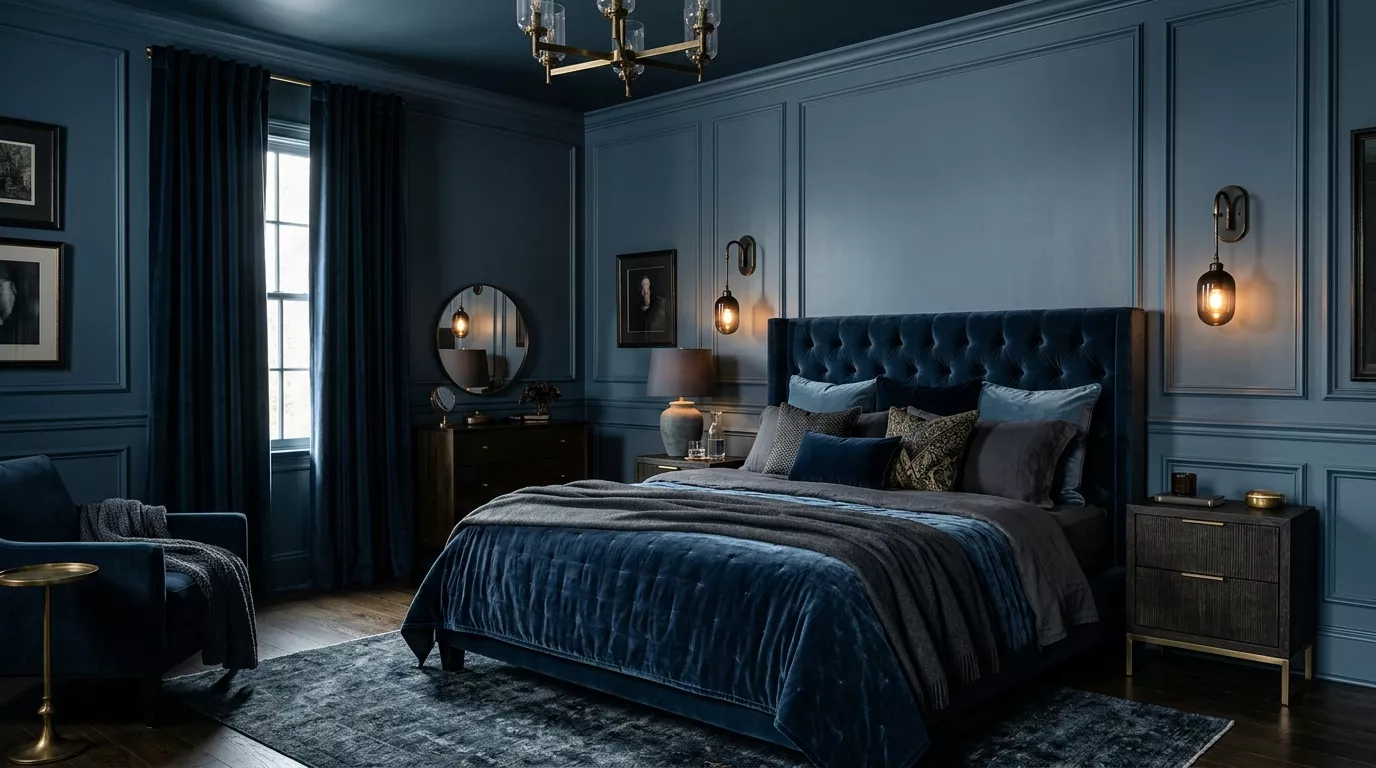
An upholstered platform bed combines the low-profile platform frame with a padded fabric headboard — and sometimes a fully upholstered frame that wraps around the sides and foot as well. The result is a warmer, softer version of the platform silhouette that adds texture and visual weight without abandoning the clean-lined quality that makes platform beds modern.
Velvet, linen, boucle, and performance fabric are the most popular upholstery choices for contemporary bedrooms. The headboard shape matters enormously here: a low, wide rectangular headboard reads as modern; a tall curved headboard creates a more romantic, sculptural feel; a simple square-edged headboard is the most versatile.
Upholstered platform beds are one of the most popular bedroom choices right now — they soften the sometimes-severe quality of a purely minimal platform without sacrificing modern sensibility.
Best for: Modern romantic, transitional, and warm contemporary bedroom styles

4. The Solid Wood Platform Bed
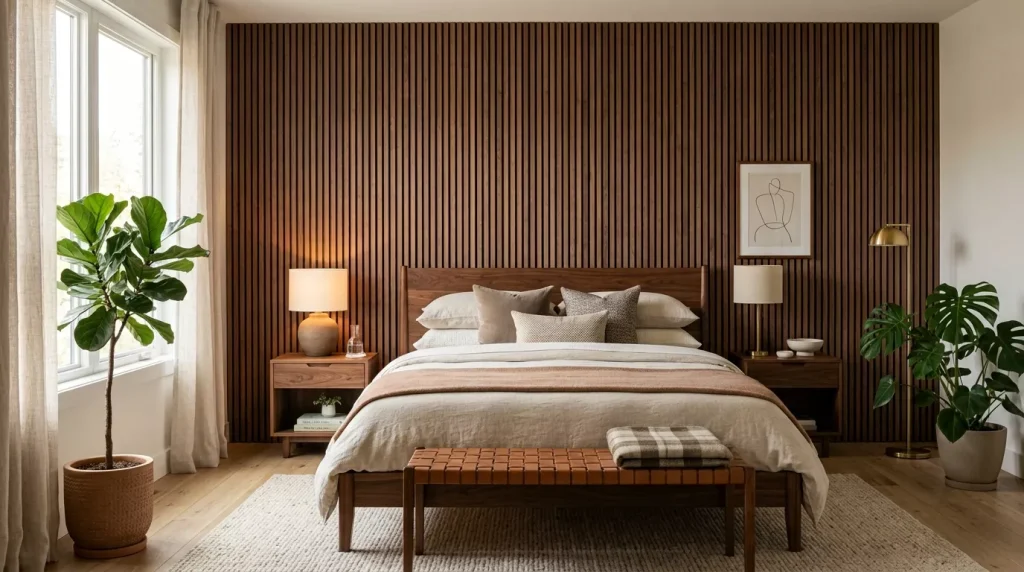
A solid wood platform bed in a natural or stained finish brings warmth and organic character to a modern bedroom in a way that metal and upholstered frames sometimes can’t. Walnut, oak, ash, and teak are the most commonly used species — each bringing a slightly different quality of grain, color, and warmth.
The design language of a wood platform bed typically references Scandinavian, Japanese, or mid-century modern aesthetics — all of which remain highly influential in contemporary interior design. Clean joints, minimal detailing, and honest material expression are the hallmarks.
A well-made solid wood platform bed is also one of the more durable investments in the bedroom furniture category — these are pieces that, with basic care, last decades rather than years.
Best for: Scandinavian, Japandi, mid-century modern, and warm contemporary bedroom styles

5. The Metal Platform Bed
Metal platform beds bring industrial edge and graphic visual clarity to a modern bedroom. Matte black is the dominant finish choice — it reads as bold without being aggressive — though brushed gold and gunmetal grey are growing in popularity.
The profile of a metal platform bed tends to be the most visually lightweight of all the options: thin metal rails and legs allow a great deal of floor and wall to show through, making these beds a strong choice for smaller rooms where visual heaviness would feel oppressive.
Best for: Industrial, contemporary, eclectic modern, and smaller bedroom spaces
6. The Japanese-Inspired (Tatami-Style) Platform Bed

Extremely low to the ground — sometimes barely six inches off the floor — the Japanese-inspired or tatami-style platform bed prioritizes floor-level living and a profound sense of calm. Often built from natural wood, sometimes with clean lacquered finishes or simple unfinished grain, these beds reflect the Japanese design philosophy of ma — the value of empty space and deliberate restraint.
In a modern bedroom, this style creates a meditative atmosphere that is unlike anything a taller bed frame can achieve. The trade-off is practicality: getting in and out of a very low bed requires more physical effort, which makes this less ideal for older adults or anyone with mobility considerations.
Best for: Minimalist, Japandi, and zen-influenced modern bedroom styles
Step-by-Step Guide: Choosing the Right Platform Bed for Your Modern Bedroom

Step 1 — Measure Your Room and Ceiling Height
Platform beds are low, so ceiling height matters less than with canopy or tester beds — but room dimensions matter enormously. A king-size platform frame in a small room will overwhelm the space. Measure the room’s length and width, note clearance on each side, and determine the largest frame size that allows at least 24 inches of walking clearance on each accessible side.
Step 2 — Decide Whether Storage Is a Priority
If you have limited bedroom storage, make this decision before choosing a style. Storage platform beds (drawer or hydraulic) limit some of your aesthetic options but solve a real functional problem. If storage isn’t a pressing need, you have full freedom to choose any style purely on design grounds.
Step 3 — Choose Your Material and Finish
Your material choice should connect to the broader design direction of the bedroom:

| Material | Aesthetic Direction | Warmth Level | Durability |
|---|---|---|---|
| Solid walnut | Scandinavian, mid-century, Japandi | High | Excellent |
| Solid oak | Scandinavian, natural modern | High | Excellent |
| Matte black metal | Contemporary, industrial | Low | Good |
| Upholstered linen | Warm contemporary, transitional | High | Good |
| Upholstered velvet | Modern romantic, luxe | High | Moderate |
| Lacquered wood | Minimalist, Japanese-inspired | Medium | Good |
| Brushed gold metal | Glamorous modern, eclectic | Medium | Good |

Step 4 — Decide on Headboard Style
The headboard defines the bed’s visual personality more than any other single element. Consider:
- No headboard: Maximum minimalism — the mattress and frame are the statement. Works best with floating or very low platform beds.
- Low, wide panel: Clean and modern — the most versatile choice for contemporary bedrooms.
- Tall upholstered: Adds drama and coziness — makes the bed feel like a destination.
- Slatted wood: Natural, airy, and distinctly Scandinavian or Japandi in character.
- Curved: Sculptural and romantic — a growing trend in contemporary bedroom design.
Step 5 — Choose Your Bedding to Complement the Frame
Platform beds have a particular relationship with bedding that most traditional bed frames don’t. Because the frame and mattress sit low, the bedding is a more prominent visual element than it is on a taller frame. A crisply made bed with layered linen in complementary tones will look intentional and sophisticated. Overly fluffy or decoratively excessive bedding can overwhelm the clean lines of a platform frame.

For modern bedrooms, linen duvet covers in solid or subtle tonal patterns, understated throw pillows, and a single textured throw folded at the foot of the bed is a reliable formula that works with virtually every platform bed style.
Step 6 — Plan the Surrounding Layout
A platform bed’s low profile affects how the rest of the room’s furniture should be scaled. Very tall nightstands look top-heavy next to a low platform frame — choose bedside tables with a surface height that approximates the mattress top height. Shorter dressers and lower shelving units tend to maintain the horizontal, grounded quality of the overall room better than towering furniture.
Platform Bed vs. Traditional Bed Frame: Key Differences

| Feature | Platform Bed | Traditional Bed Frame |
|---|---|---|
| Box spring required | No | Usually yes |
| Profile height | Low (6–14 inches) | Higher (14–24+ inches) |
| Modern aesthetic | Naturally suits modern design | Better for traditional styles |
| Storage under bed | Limited (unless built-in drawers) | More natural space underneath |
| Visual weight | Light and grounded | Variable — can feel heavy |
| Getting in and out | Lower — easier for some, harder for others | Higher — easier for older adults |
| Cost | Varies widely | Varies widely |
| Mattress types compatible | Most — memory foam especially | Most — with box spring |

Pros and Cons of Platform Beds in a Modern Bedroom
Pros
- No box spring needed. This saves $150–$400 immediately and reduces the overall height and bulk of the bed setup.
- Modern aesthetic built in. The clean, low-profile silhouette is inherently compatible with contemporary, minimalist, and Japandi design styles.
- Storage options. Platform beds with built-in drawers or lift storage are among the most space-efficient bedroom furniture choices available.
- Better mattress ventilation. Slatted platform bases allow air to circulate under the mattress more effectively than a solid box spring.
- Visually grounds the room. The low profile anchors the bedroom and makes ceilings feel taller by contrast — a significant benefit in rooms with standard or lower ceiling heights.
- Wide style range. Wood, metal, upholstered, floating, storage — the variety within the platform category is genuinely broad.
Cons
- Lower height can be difficult. For older adults, people with knee or hip issues, or anyone who simply prefers a higher bed height, a very low platform bed can be genuinely challenging to get in and out of comfortably.
- Limited under-bed storage (non-storage versions). Unlike traditional frames with open space underneath for boxes or bins, platform beds without built-in storage often offer very little under-bed clearance.
- Weight. Solid wood and storage platform beds are heavy. Moving them requires effort and sometimes partial disassembly.
- Mattress compatibility. While most mattresses work on a platform base, some warranties require slat spacing of no more than three inches apart. Always check the mattress manufacturer’s requirements.
Common Mistakes When Choosing or Styling a Platform Bed
1. Going Too Low for the Room’s Proportions
An extremely low platform bed in a room with high ceilings can look oddly sunken — as though the furniture is disappearing into the floor. In rooms with 9-foot or higher ceilings, a platform bed with some visible leg height or a slightly taller profile maintains better proportional balance.
2. Choosing Nightstands That Are Too Tall
A standard nightstand at 28–30 inches looks awkward beside a platform bed where the mattress surface sits at 18–22 inches. Match your bedside table height to the mattress surface for both visual coherence and practical reach.
3. Ignoring Slat Spacing Requirements
Many memory foam and hybrid mattresses require slat spacing of three inches or less to maintain their structural integrity and warranty. Always verify slat specifications before purchasing a platform frame.
4. Over-Piling the Bedding
Platform beds have clean, architectural lines that heavy, fussy bedding contradicts. Too many decorative pillows, overly thick comforters, or elaborate bed skirts fight the visual simplicity that makes platform beds look the way they do in design inspiration photos.
5. Choosing a Frame That’s Undersized for the Room
A twin or full-size platform frame in a medium or large bedroom reads as timid. The platform bed’s proportional impact comes from its width and horizontal presence — a frame that’s too narrow or too short for the room loses that quality entirely.
6. Forgetting About Lighting
The low profile of a platform bed means that standard tall floor lamps can feel disconnected from the bed area. Wall-mounted reading lights, pendant lights hung beside the bed, or short, wide table lamps on low nightstands work better both practically and aesthetically.
Quick Tips for Getting Your Platform Bed Right
Tip 1: If you’re unsure about the very low-to-ground option, look for platform beds with legs rather than a full slab base. Legs that are 4–6 inches high give you the modern silhouette with a more accessible height.
Tip 2: Pair a platform bed with linen bedding. The natural texture and relaxed drape of linen is the most compatible fabric choice for the modern, unfussy aesthetic that platform beds embody.
Tip 3: Wall-mount your bedside lighting. With a low platform frame, lighting integrated into the wall rather than standing on a table keeps the space beside the bed clear and the overall composition clean.
Tip 4: In a small bedroom, choose a metal platform frame. The visual lightness of thin metal rails allows more of the floor and wall to show — making the room feel significantly more spacious than a solid wood or upholstered frame at the same size.
Tip 5: Use a large area rug extending well beyond all sides of the platform frame. Platform beds sit low, and a rug that stops at the edge of the frame looks awkward. Extend 18–24 inches beyond the frame on each side.
Tip 6: Keep your nightstand surface genuinely minimal. One lamp, one book, one small plant or object. A platform bed’s visual success depends on the entire area reading as uncluttered — the nightstands are part of that composition.
FAQs: Platform Bed Ideas for a Modern Bedroom
Q1. Do you need a special mattress for a platform bed?
Most mattress types work well on a platform bed — memory foam, latex, and hybrid mattresses in particular perform excellently on the solid or slatted support a platform base provides. The main consideration is slat spacing: slats more than three inches apart can cause some foam mattresses to sag or deteriorate prematurely. If your chosen platform uses widely spaced slats, a bunkie board or solid panel insert solves this instantly. Always check the mattress manufacturer’s base requirements before pairing with a platform frame.
Q2. Are platform beds good for small bedrooms?
Platform beds are often an excellent choice for small bedrooms, particularly metal or minimalist wood versions whose visual lightness prevents the room from feeling overwhelmed by the bed’s footprint. Storage platform beds with built-in drawers are especially valuable in small spaces — they eliminate the need for a separate dresser, freeing significant floor area. The main caution is choosing the right size frame: a king-size platform in a 10×10 room creates a different problem than a full or queen.
Q3. What is the best headboard style for a modern platform bed?
For a genuinely modern look, the most versatile headboard styles are: a low, wide upholstered panel (creates warmth without drama), a natural wood slatted headboard (clean and Scandinavian in quality), and no headboard at all (maximum minimalism, works best with floating or very low designs). Tall, curved upholstered headboards are also very current in contemporary design and work beautifully with platform frames — they add softness and visual height to balance the bed’s horizontal emphasis.
Q4. How high off the ground should a platform bed be?
Platform beds typically range from 6 to 18 inches from floor to mattress surface. The most common modern platform height is 12–14 inches, which provides the low-profile visual characteristic of the style while remaining reasonably accessible. For people with mobility considerations — knee issues, hip problems, or older adults — beds at the lower end of this range can be challenging. A platform with visible legs in the 4–6-inch range provides a workable compromise: it looks modern and clean without being uncomfortably low.
Q5. Can a platform bed work in a traditional or non-modern bedroom?
While platform beds are most naturally at home in modern, minimalist, or Japandi spaces, an upholstered platform bed in a warm fabric — particularly with a curved or tufted headboard — can work beautifully in transitional and even some traditional bedroom settings. The key is selecting a finish and material that connects to the room’s broader aesthetic: a linen-upholstered platform frame with warm wood legs can sit comfortably in a room that isn’t strictly “modern” without looking out of place.
Q6. What’s the difference between a platform bed and a low-profile bed?
The terms are sometimes used interchangeably, but there is a distinction: a platform bed refers specifically to a frame with a built-in mattress support base (solid or slatted), requiring no box spring. A low-profile bed frame refers to height rather than construction — it can still require a box spring but uses a shallower one to achieve a lower overall bed height. Platform beds are inherently low-profile by nature; low-profile beds are not necessarily platform beds by construction
Conclusion: The Right Platform Bed Changes the Whole Room
A well-chosen platform bed for a modern bedroom doesn’t just give you somewhere to sleep. It gives the room an architectural anchor, a clear design direction, and a calm horizontal presence that shapes every other decision in the space — from the nightstands to the lighting to the bedding and beyond.
The range of options within this category is genuinely wide: floating and dramatic, practical with storage, warm and upholstered, spare and Japanese-inspired, graphically bold in matte metal. There’s a platform bed for every modern bedroom sensibility, every budget, and every practical requirement.
The process of finding the right one comes down to knowing your room’s dimensions, your style direction, and your daily practical needs — and working through those three filters in order.
Start with your room measurements today. Sketch the space, note what you genuinely need from a bed frame beyond just sleeping in it, and let those two things guide you toward the style that makes the most sense. The bedroom you’ve been imagining — calm, modern, genuinely restful — is usually closer than it seems.