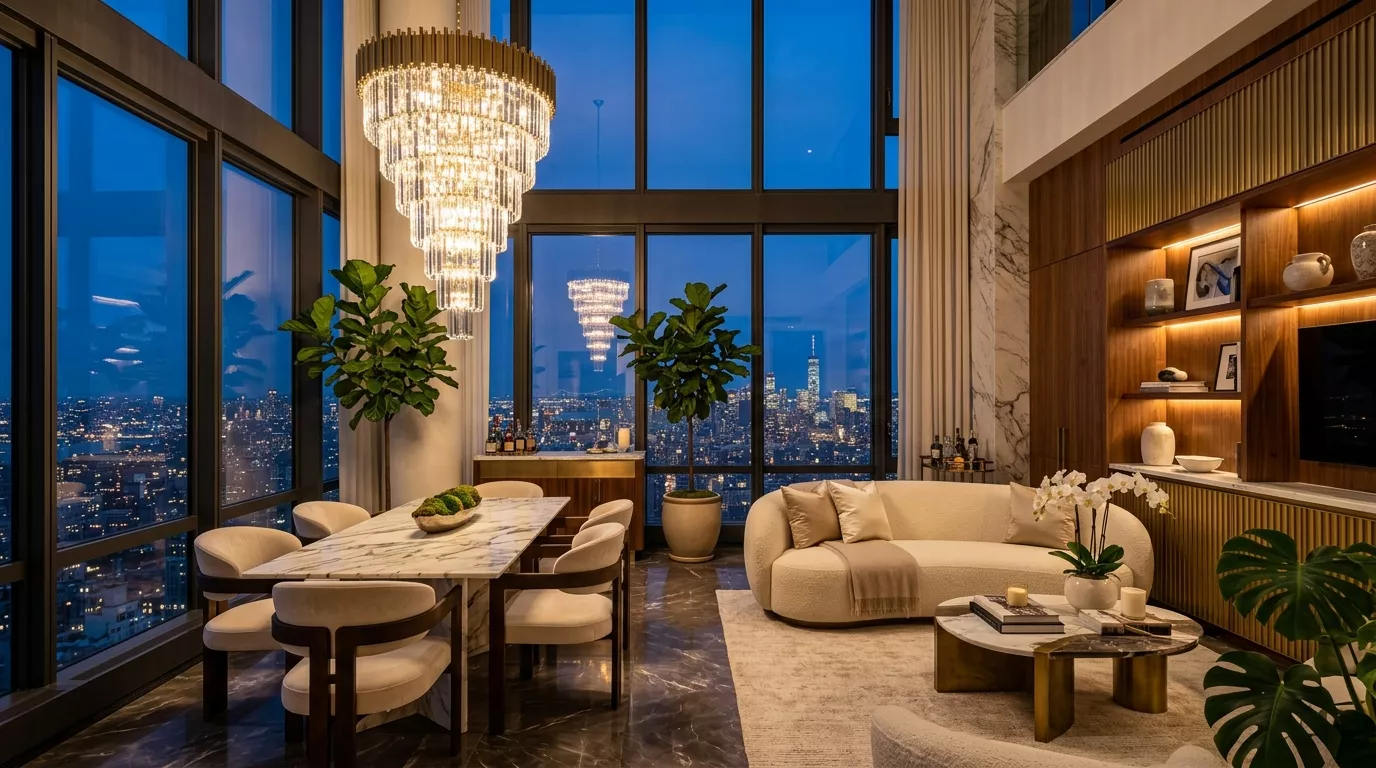
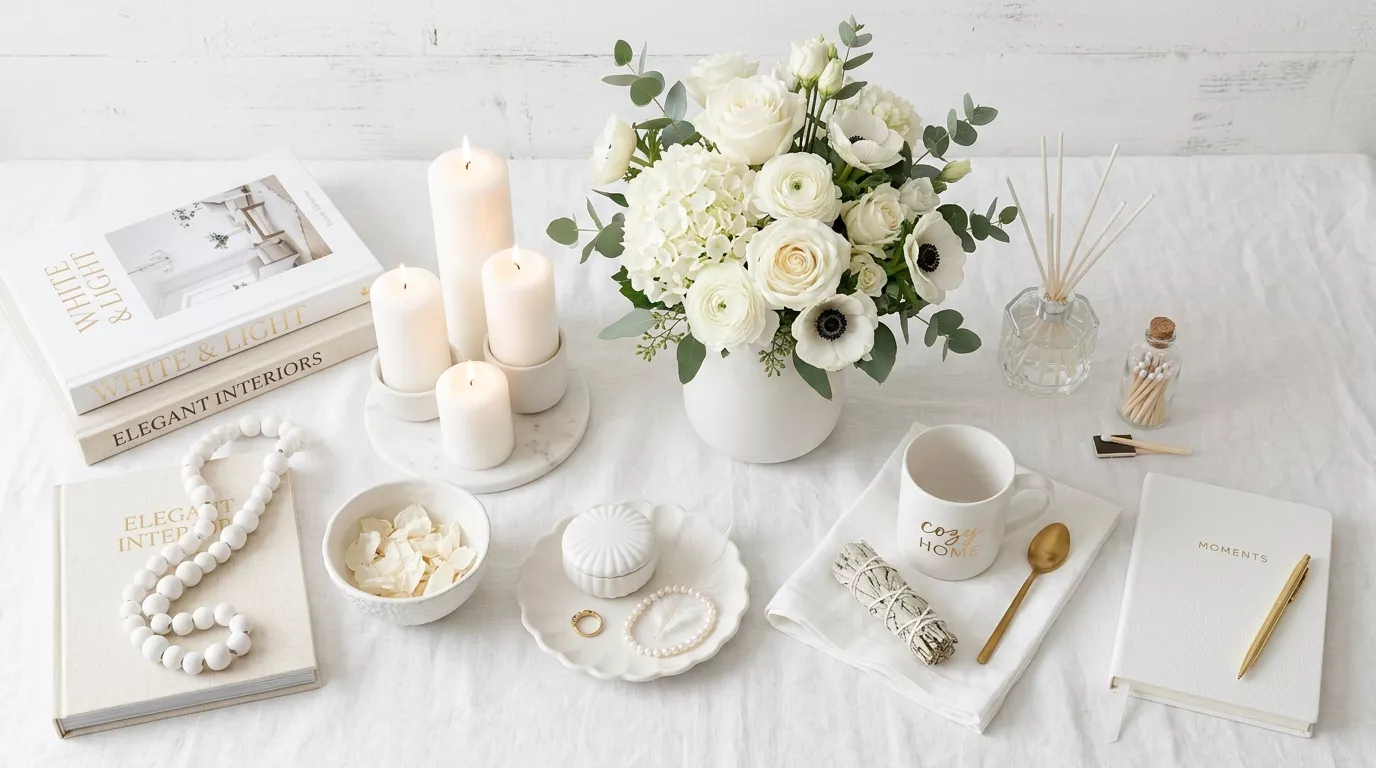
Caramel & Cream Home Decor Ideas for Every Room

Caramel & Cream Home Decor Ideas: The Complete Guide to a Warm, Timeless Interior
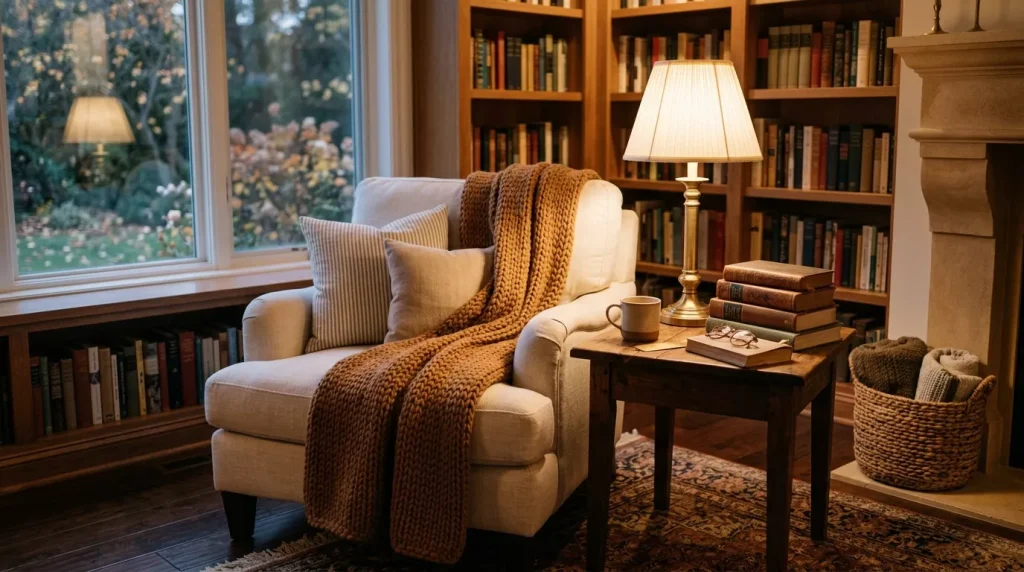
There’s something deeply satisfying about a home dressed in caramel and cream. It doesn’t shout for attention. It doesn’t chase trends. It simply feels warm, inviting, and put-together in a way that’s remarkably hard to achieve with bolder color choices. Caramel and cream home decor ideas have been gaining serious ground in interior design circles — and unlike some trends, this one has staying power rooted in genuine visual logic.
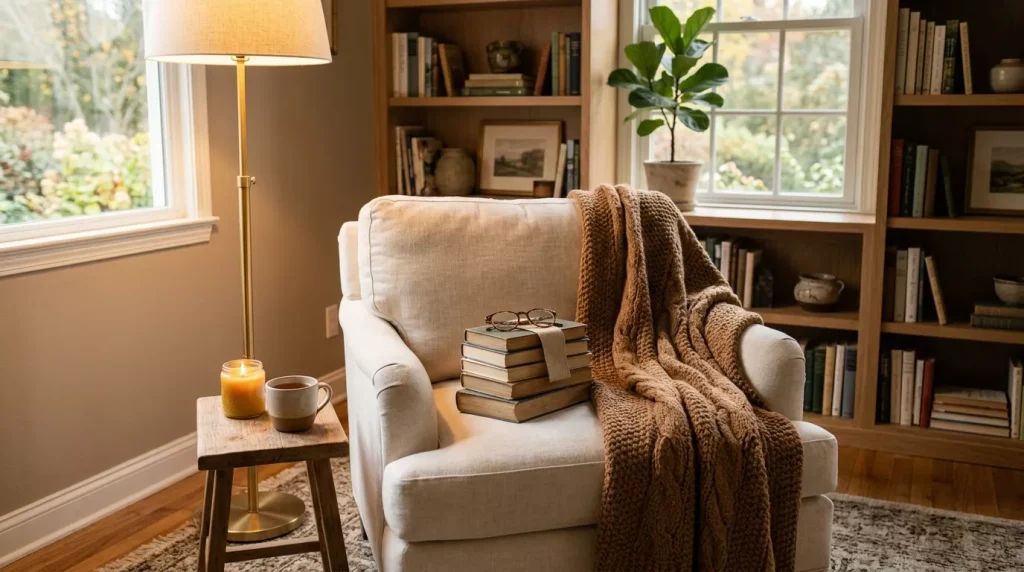
The combination works because both tones belong to the same warm neutral family. Cream grounds the palette with lightness. Caramel brings depth, richness, and that particular honeyed warmth that makes a room feel wrapped rather than decorated. Together, they create interiors that feel simultaneously elegant and lived-in — which is, frankly, the hardest combination to pull off in home design.
Whether you’re starting from a blank room or trying to warm up a space that’s feeling cold and flat, this guide gives you everything you need to do it well.
H2: Understanding the Caramel and Cream Color Relationship
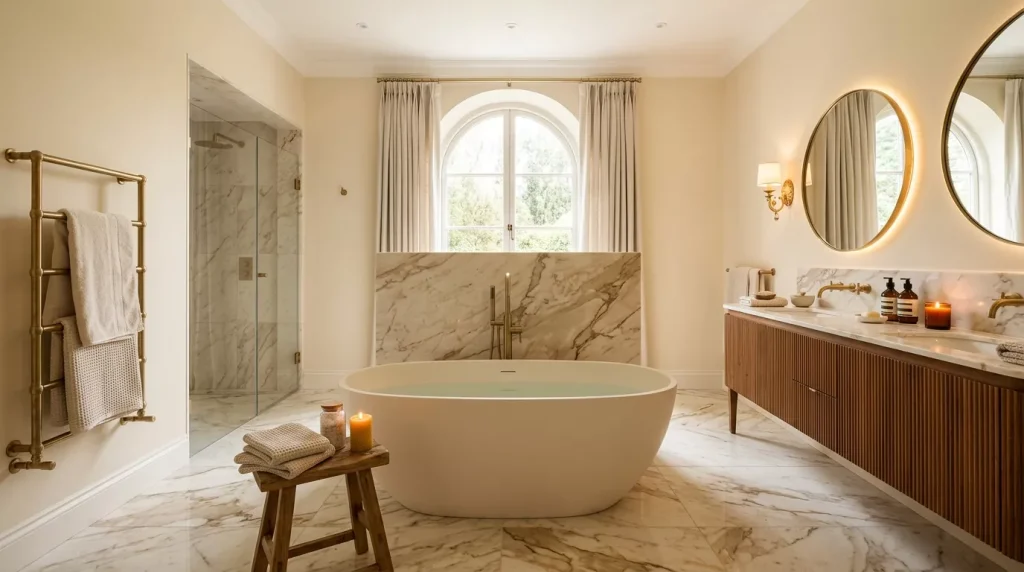
Before diving into room-by-room ideas, it helps to understand what makes this pairing work on a technical level — because not every shade of caramel plays nicely with every shade of cream, and getting it wrong looks muddy rather than warm.
Caramel sits in the warm amber-brown family. At its lightest, it’s a pale toffee or golden tan. At its richest, it deepens into a dark honey or leather brown. The key is that it always carries a yellow-orange warmth — never grey, never blue, never cool.
Cream, on the other hand, is white with warmth — typically with yellow, peach, or golden undertones. The distinction between cream and white matters enormously here. True white next to caramel can look stark and cold. Cream acts as a softening bridge, keeping the whole palette harmonious.
H3: Caramel and Cream Tones at a Glance
| Shade | Description | Works Best As |
|---|---|---|
| Pale cream | Warm white with soft yellow undertone | Walls, ceilings, trim, large upholstery |
| Ivory | Slightly yellow cream; warmer than cream | Curtains, bedding, painted furniture |
| Caramel | Mid warm amber-brown | Accent furniture, leather, cushions |
| Toffee | Deeper, slightly darker caramel | Statement pieces, rugs, wood tones |
| Butterscotch | Rich yellow-amber; more saturated | Accent walls, decorative objects |
| Dark honey | Deep warm brown; almost leather-toned | Anchoring furniture, flooring, frames |
Getting comfortable with this spectrum lets you layer multiple versions of the same tone without the room feeling flat or confused.
H3: What Colors Pair Well With Caramel and Cream?
The palette doesn’t have to stop at two tones. These additions integrate beautifully without disrupting the warmth:
- Warm white — for walls and ceilings; keeps things bright without going cold
- Terracotta — earthy and complementary; adds life without clashing
- Sage green — a quiet, warm-leaning green that feels natural alongside caramel
- Dusty rose or blush — adds femininity and softness without sweetness
- Warm black or charcoal — for contrast and grounding; use sparingly
- Brass and gold — the metallic equivalent of caramel; an essential pairing
- Natural oak and walnut wood — both reinforce the warm amber tones of caramel
Avoid cool greys, icy blues, stark white, and silver metallics. They fight with the warmth you’re building and make the palette look like an accident rather than a choice.
H2: Caramel and Cream Home Decor Ideas Room by Room
Now for the practical part — how this palette translates across different rooms in the home, each with its own function and mood.
H3: Living Room — Where Caramel and Cream Shine Brightest
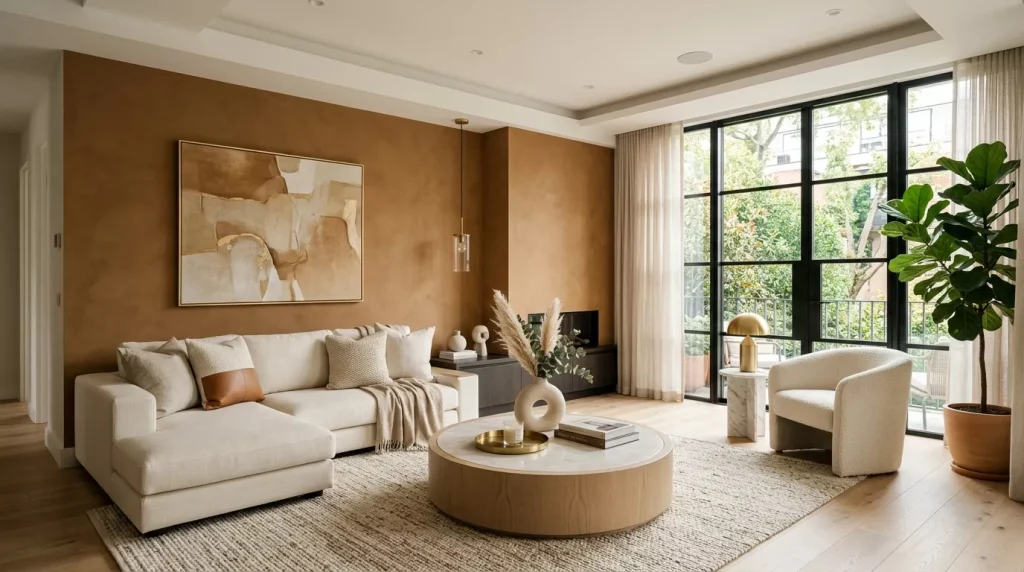
The living room is where this combination does its best work. It’s the space where warmth and comfort are most important, and caramel and cream deliver both in abundance.
Key elements to focus on:
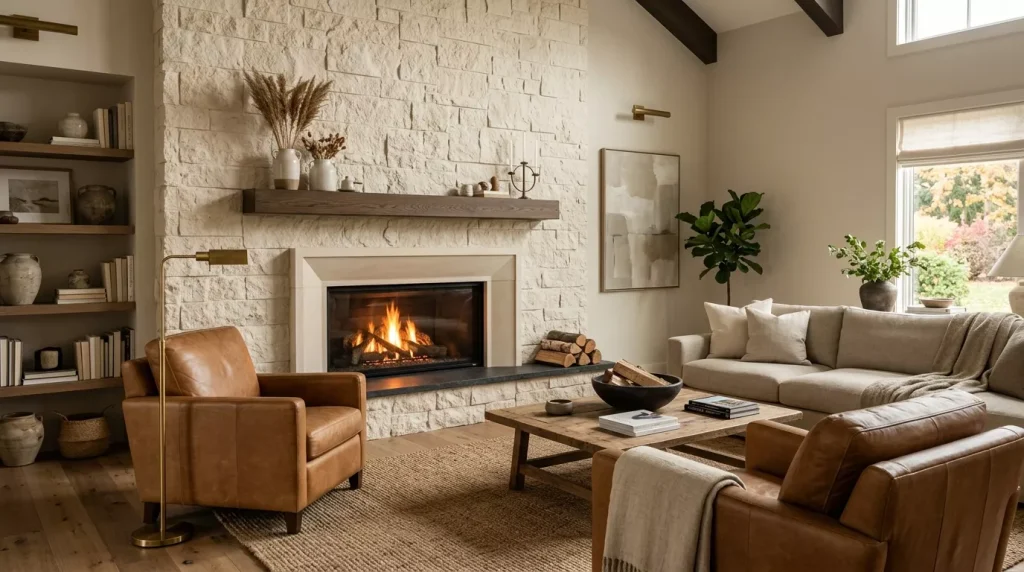
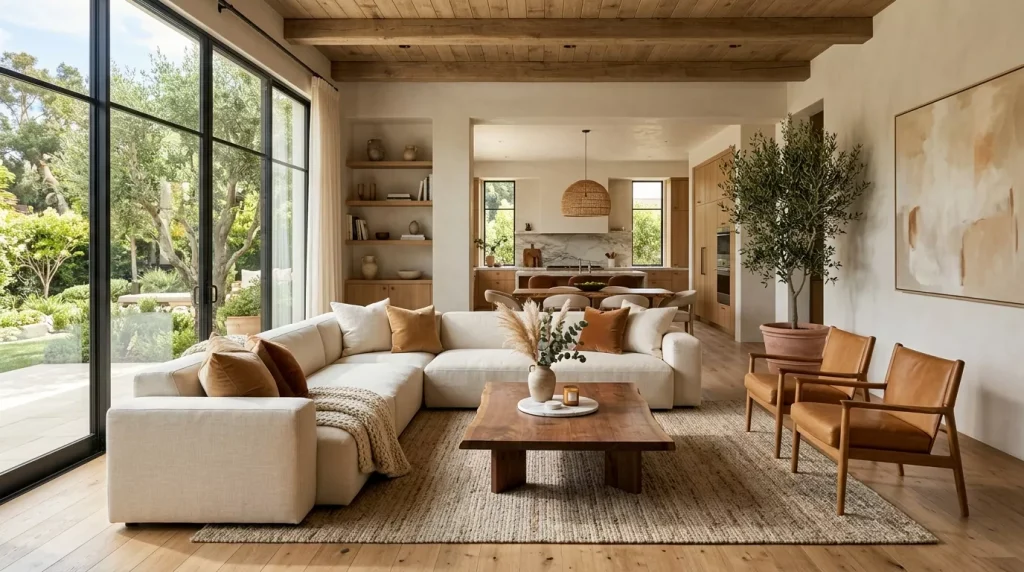
- Sofa — A cream or ivory linen sofa is the traditional choice. But a caramel leather sofa works brilliantly as the anchor piece, with cream walls and accessories doing the softening work around it.
- Rug — A cream or natural wool rug with toffee-toned detailing or a simple geometric in caramel and cream grounds the seating area. Jute and sisal rugs also work beautifully — their natural colour sits right in the caramel-cream spectrum.
- Curtains — Floor-length linen or cotton curtains in ivory or warm cream add softness and height to the space. Keep them simple — the texture does the talking.
- Coffee table — Natural oak, travertine stone in warm beige, or a rattan-frame piece with a glass top all reinforce the palette without competing with it.
Accent pieces to add warmth:
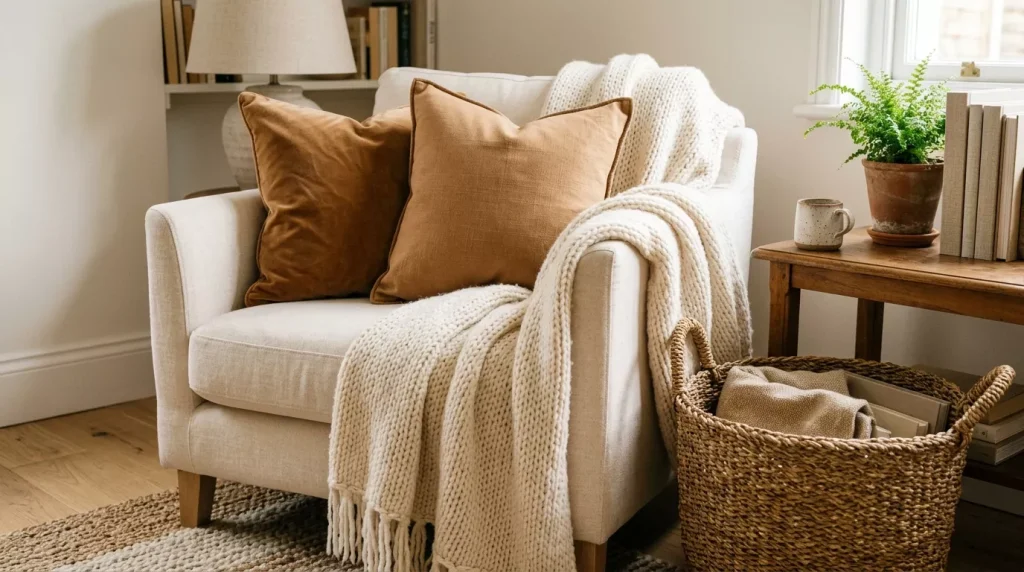
- Caramel velvet cushions against a cream sofa
- A ceramic lamp in a warm ivory glaze with a linen shade
- Wooden candle holders in honey or walnut tones
- Dried botanicals in a terracotta or cream stoneware vase
H3: Bedroom — Calm, Cocoon-Like Comfort
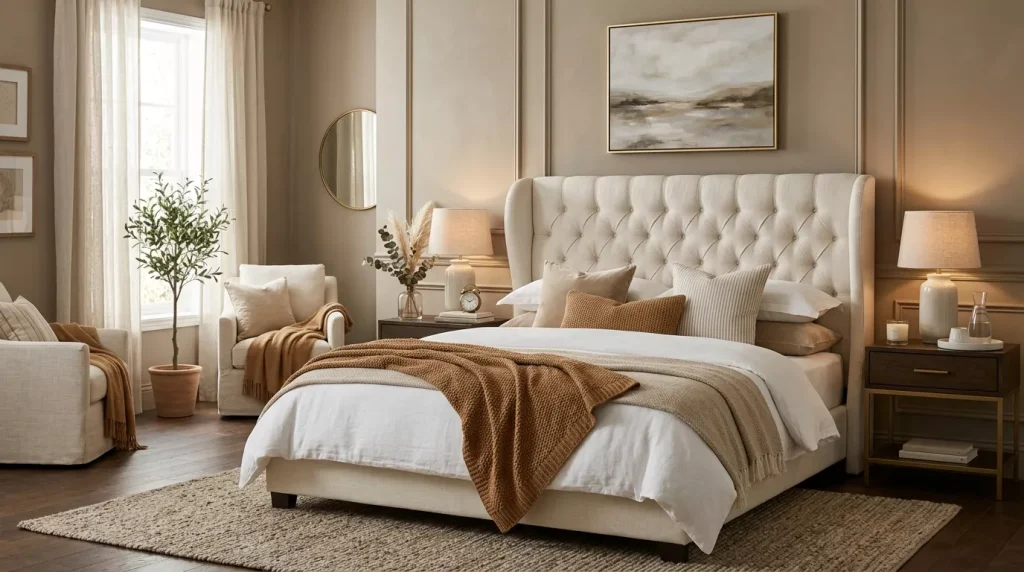
In the bedroom, caramel and cream create something that feels genuinely luxurious — the kind of room you’d find in a boutique hotel that understands what comfort actually means.
The key in a bedroom is softness. Every texture should invite you to sink in.
Bedding: Layer cream cotton or linen bedding with a caramel or toffee-toned waffle throw draped across the foot. Add cushions in varying tones — pale cream, deeper caramel, even a hint of dusty rose if you want a slightly feminine edge.
Headboard: An upholstered headboard in caramel boucle, toffee velvet, or a natural linen is the single most impactful upgrade you can make to a bedroom in this palette. It becomes the focal point and sets the tone for everything else.
Walls and flooring: Warm cream or ivory walls keep the room bright. Natural wood flooring in light oak or pale pine adds texture at ground level. A large cream wool rug softens the space between the bed and the walls.
Lighting: Table lamps with warm ceramic bases in ivory or caramel glaze, topped with natural linen shades, create exactly the right quality of evening light. Wall-mounted reading lights in brass or aged gold complete the picture.
H3: Kitchen and Dining — Warmth Where You Need It Most
Kitchens are often overlooked in the caramel and cream conversation, but they’re one of the best rooms to apply this palette.
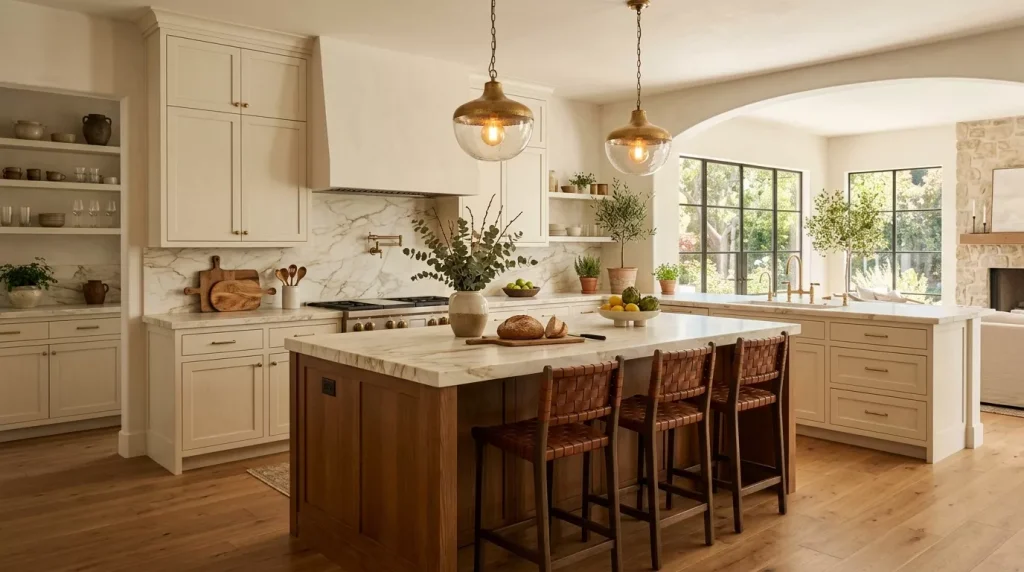
Cabinetry: Cream or warm white painted cabinets with caramel-toned wood open shelving create a kitchen that feels both functional and beautiful. Alternatively, caramel or toffee-toned lower cabinets with cream upper cabinets give a two-tone look with natural elegance.
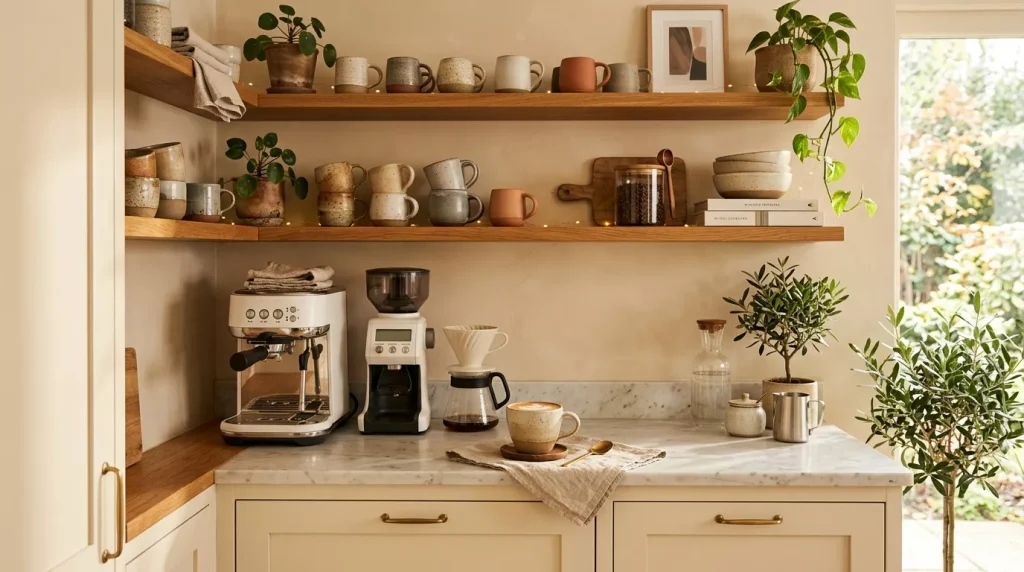
Countertops: Warm cream or beige quartz, Calacatta marble with warm gold veining, or butcher block timber all sit perfectly within this palette. Avoid cold white marble or grey concrete — they pull the room out of its warmth.
Hardware: Unlacquered brass or brushed gold is the obvious choice here — it’s essentially a metallic caramel. Matte black can work if you want contrast, but keep it minimal.
Dining area: A round or oval dining table in natural oak or a warm walnut finish anchors the space. Pair with chairs upholstered in cream linen or caramel leather — mixing the two across the chair set adds relaxed sophistication.
H2: Caramel and Cream Home Decor Ideas Through Texture and Material
Color alone doesn’t make a caramel and cream interior. The materials and textures you choose are equally important — they’re what gives this palette its depth and keeps it from looking flat or monochromatic.
The Essential Material Palette
Linen — the backbone of caramel and cream interiors. Its slightly textured, slightly imperfect surface is the antithesis of synthetic fabrics. Use it for curtains, sofa upholstery, cushion covers, bedding, and table runners.
Leather — caramel leather is essentially the pinnacle of this color expressed in material form. A leather sofa, armchair, or even a leather-bound ottoman brings warmth, character, and an aging quality that only improves over years of use.
Boucle — the curved, looped texture of boucle fabric in cream or off-white has become one of the defining textures of contemporary warm interior design. Use it on chairs, headboards, or cushions for luxurious tactility.
Wool — in throws and rugs, wool brings a warmth that synthetic alternatives simply can’t replicate. A chunky cream wool throw over a caramel leather sofa is one of those interior combinations that just works.
Natural wood — oak, pine, walnut, and rattan all carry natural amber and honey tones that slot directly into a caramel and cream palette. Avoid dark-stained or cold-toned wood.
Travertine and natural stone — in cream, beige, and warm ivory tones, travertine tiles and stone accessories connect the interior palette to something ancient and geological. Even a small travertine tray or coaster set reinforces the natural warmth.
Rattan and wicker — baskets, pendant lights, mirror frames, and chair backs in rattan all carry a warm honey-brown color that blends naturally into this palette while adding organic, artisanal texture.
Brass and gold metals — satin brass, unlacquered brass, aged gold, and antique bronze are all the metallic embodiment of the caramel tone. Use them in light fittings, cabinet hardware, picture frames, and decorative objects.
Step-by-Step Guide: How to Decorate With Caramel and Cream
Use this sequence whether you’re decorating a full home or just one room.
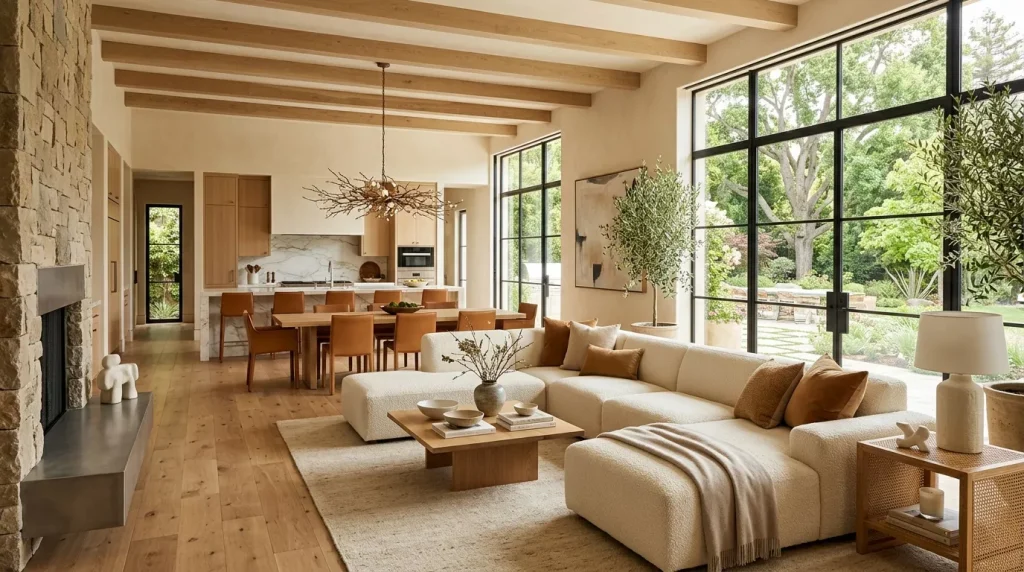
Step 1: Decide on Your Cream Base Choose your primary cream — this will likely be your wall color, your largest sofa, or your bedding. Make sure it reads genuinely warm in your room’s light. Sample test before committing.
Step 2: Choose Your Caramel Anchor This is your primary caramel element — the leather sofa, the upholstered headboard, the rug, the key piece of furniture. Everything else responds to this decision.
Step 3: Add Natural Wood Tones Choose a wood finish — light oak for a Scandinavian-influenced warmth, walnut or teak for something richer. Use this throughout the room in flooring, furniture legs, shelving, and decorative objects.
Step 4: Select Your Metals Commit to either brass/gold or matte black (or a considered mix of both). Replace any chrome or silver hardware with your chosen metal. This single step can transform a room’s cohesion.
Step 5: Layer Your Textiles Add at least three different textile textures in cream and caramel tones — linen curtains, wool throw, boucle cushion, leather ottoman. Vary the tone slightly between them for natural depth.
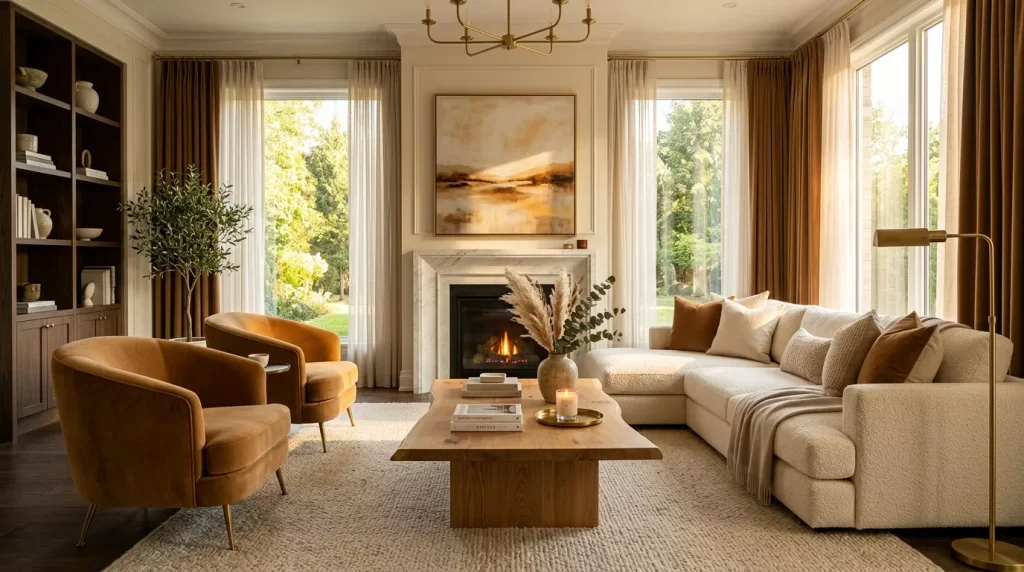
Step 6: Bring in Organic Elements Plants, dried flowers, wooden bowls, ceramic vessels, woven baskets — these ground the palette and prevent it from feeling too polished or precious. Even a simple terracotta pot with a trailing plant adds essential life.
Step 7: Edit and Breathe Step back and remove anything that doesn’t earn its place. Caramel and cream interiors work because they feel curated. Empty surfaces aren’t mistakes — they’re breathing room.
Pros and Cons of Caramel and Cream Home Decor
Pros
- Universally flattering — warms skin tones and looks beautiful in both natural and artificial light
- Timeless — has never been out of style and isn’t tied to any single decade or trend cycle
- Easy to layer — almost every natural material sits comfortably within this palette
- Works in any room — as effective in a kitchen as in a bedroom or living room
- Elevates inexpensive pieces — a cheap cushion in caramel velvet looks far more expensive than it is
- Adaptable across styles — suits Scandi minimalism, boho warmth, classic elegance, and modern organic design equally well
- Photography-friendly — this palette looks beautiful in both daylight and candlelight photos
Cons
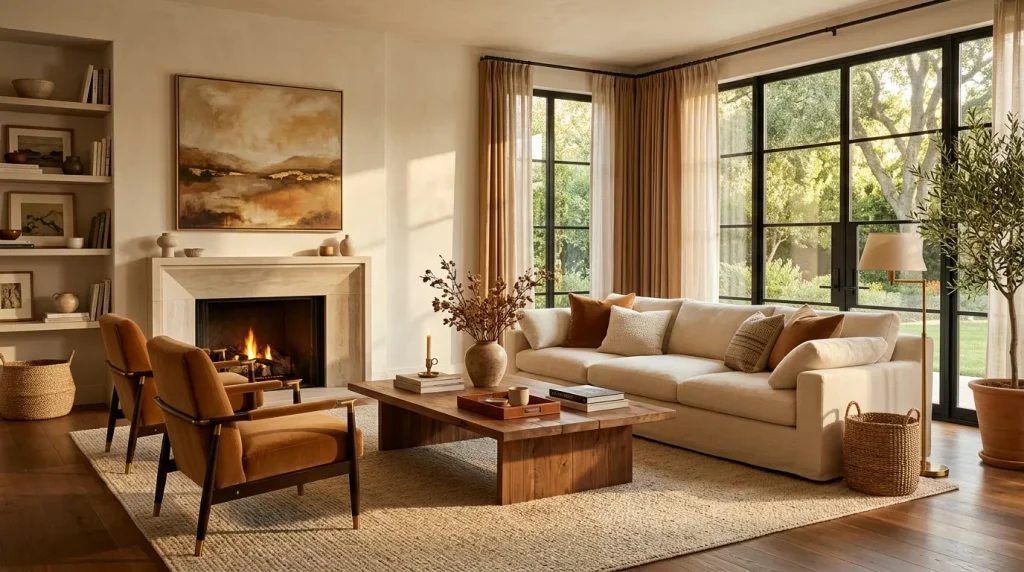
- Shows dirt on cream elements — cream upholstery, rugs, and bedding require more maintenance than darker tones
- Can feel monotone if poorly layered — without varied texture, similar tones can blend into sameness
- Difficult to introduce cool colors — once you’ve committed to this warmth, cooler additions tend to look out of place
- Overwhelming in small, dark rooms — without adequate light, caramel tones can feel oppressive rather than cozy
- Expensive to do well — quality linen, leather, natural wood, and brass hardware cost more than synthetic alternatives
Tips for Getting Caramel and Cream Decor Right
- Always test paint in your actual room before committing. Cream shades with pink undertones look very different from those with yellow or peach undertones — and that difference is invisible on a paint chip but obvious on a wall.
- Vary the depth of your caramel tones. If your sofa is a mid caramel, choose a deeper toffee for the rug and a paler honey for accent accessories. Same family, different depths — that’s what creates dimension.
- Don’t underestimate the power of contrast. A single element in warm charcoal or deep walnut stops the palette from looking washed out and makes the lighter tones pop.
- Use real materials wherever possible. Faux leather, synthetic linen-look fabrics, and plastic rattan all read as cheap in this palette. Natural materials are non-negotiable if you want the full effect.
- Layer your lighting generously. Warm bulbs (2700K) in multiple sources — table lamp, floor lamp, pendant, candles — make caramel and cream interiors glow in the evening in a way that overhead lighting alone never achieves.
Common Mistakes to Avoid
Using stark white instead of cream. This is the most common error. Bright white walls next to caramel accessories look harsh and disconnected. Always choose warm white or cream as your light base.
Matching too precisely. When every element is exactly the same shade of caramel, the room looks like a furniture showroom. Vary your tones, textures, and depths deliberately.
Forgetting the floor. Cold grey tiles or very dark wood floors sit oddly under a caramel and cream scheme. Wherever possible, choose warm-toned flooring — light oak, warm stone, or natural cork.
Overloading with accessories. The caramel and cream aesthetic is quiet and considered, not maximalist. A few beautiful objects with negative space between them look infinitely more intentional than every surface covered.
Ignoring scale. Large rooms need large-scale elements in this palette to avoid looking empty. Small rooms need restraint. Scale your furniture and accessories to the room, not just to the palette.
Choosing cool-toned metallic accents. Chrome, brushed nickel, and polished silver all fight with caramel and cream. Commit to brass, gold, aged bronze, or matte black — any of which will complement rather than compete.
Frequently Asked Questions
Q1: Is caramel and cream decor suitable for small rooms?
Yes, but with care. Use cream as the dominant tone on walls and large surfaces to keep the room bright and open. Reserve caramel for furniture and accessories rather than walls. Mirrors in warm wood or brass frames help bounce light around the space. Avoid heavy caramel tones on multiple walls, which can make a small room feel enclosed.
Q2: What style of home suits caramel and cream decor best?
This palette is genuinely style-agnostic. It feels at home in modern organic interiors, Scandinavian-influenced minimalism, classic European elegance, boho warmth, and rustic farmhouse settings. The style is determined more by the shapes and textures you choose than by the colors themselves — curved boucle furniture reads modern; rustic timber and linen reads farmhouse; clean lines with brass reads classic contemporary.
Q3: How do I prevent cream upholstery from looking dirty quickly?
Choose performance fabrics where practicable — many modern linens and woven fabrics now come with stain-resistant treatments without sacrificing their natural look. Slipcover-style sofas are also worth considering — the covers can be removed and washed. Regular light vacuuming and prompt attention to spills prevents most staining. And accept that some slight weathering in natural fabrics actually adds to their character over time.
Q4: Can caramel and cream work in a home with children or pets?
It can, with realistic planning. Keep cream reserved for higher elements — walls, curtains, upper cabinet paint — and use caramel and mid-toned tones for lower furniture where wear and contact are highest. Leather, performance fabrics, and washable slipcovers are practical allies. Darker rugs in the active areas of the room hide more than pale jute alternatives.
Q5: What plants work best in a caramel and cream interior?
Plants with rich green or warm-toned leaves look stunning against this palette. Consider fiddle-leaf figs, rubber plants, olive trees (indoors), trailing pothos, snake plants, and monstera. For dried botanicals, pampas grass in a cream or terracotta vase is a natural pairing. Terracotta and cream ceramic pots reinforce the palette rather than interrupting it.
Q6: How do I add pattern without disrupting the caramel and cream palette?
Stay within the warm neutral family when introducing pattern. Geometric rugs in caramel and cream, floral linen cushions with botanical motifs in warm tones, or a subtle stripe in ivory and toffee all add visual interest without pulling the palette in a different direction. Avoid bold contrasting colors in pattern — they’ll dominate rather than complement.
Q7: What type of lighting suits a caramel and cream home interior?
Warm white lighting at 2700K to 3000K is essential. At this color temperature, cream walls glow softly and caramel tones deepen beautifully in the evening. Layer your sources — pendant, table lamp, floor lamp, sconce, and candle — rather than relying on overhead light alone. Shades in linen, natural cotton, or rattan diffuse light softly and add to the material palette at the same time.
Conclusion: Build Your Caramel and Cream Home One Layer at a Time
The magic of caramel and cream home decor ideas is that they reward patience. This isn’t a palette you throw together in a weekend shopping trip and call finished. It’s one you build gradually — starting with a quality cream wall or a beautiful caramel leather piece, then adding natural textures, warm metals, organic elements, and considered lighting until the room finds its own equilibrium.
And when it does, you’ll know. There’s a particular feeling when a caramel and cream room comes together — it stops being a decorated space and starts being a home. Unhurried. Warm. Genuinely inviting in a way that’s hard to put into words and even harder to walk away from.
Start today with one piece that feels right — a linen cushion, a brass lamp, a cream paint sample on the wall. The room will tell you what comes next.