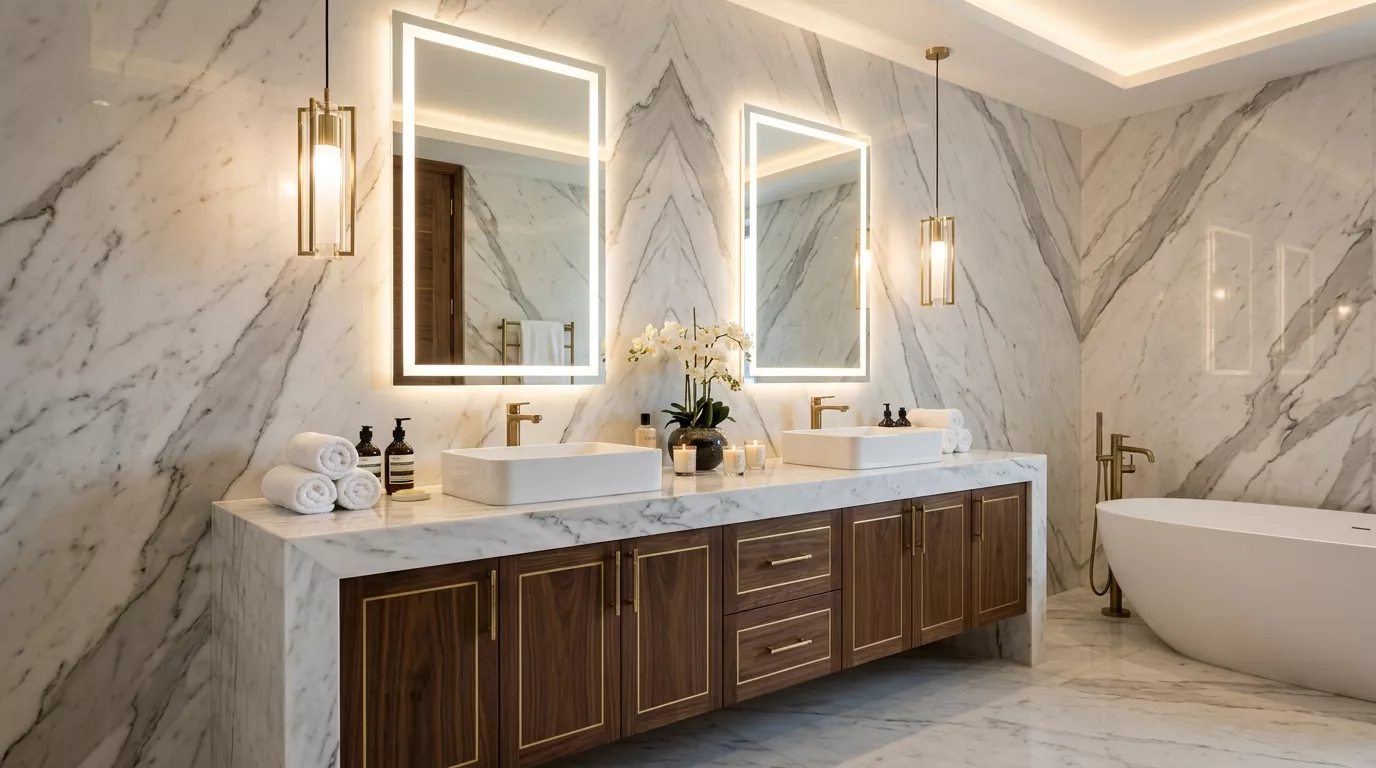
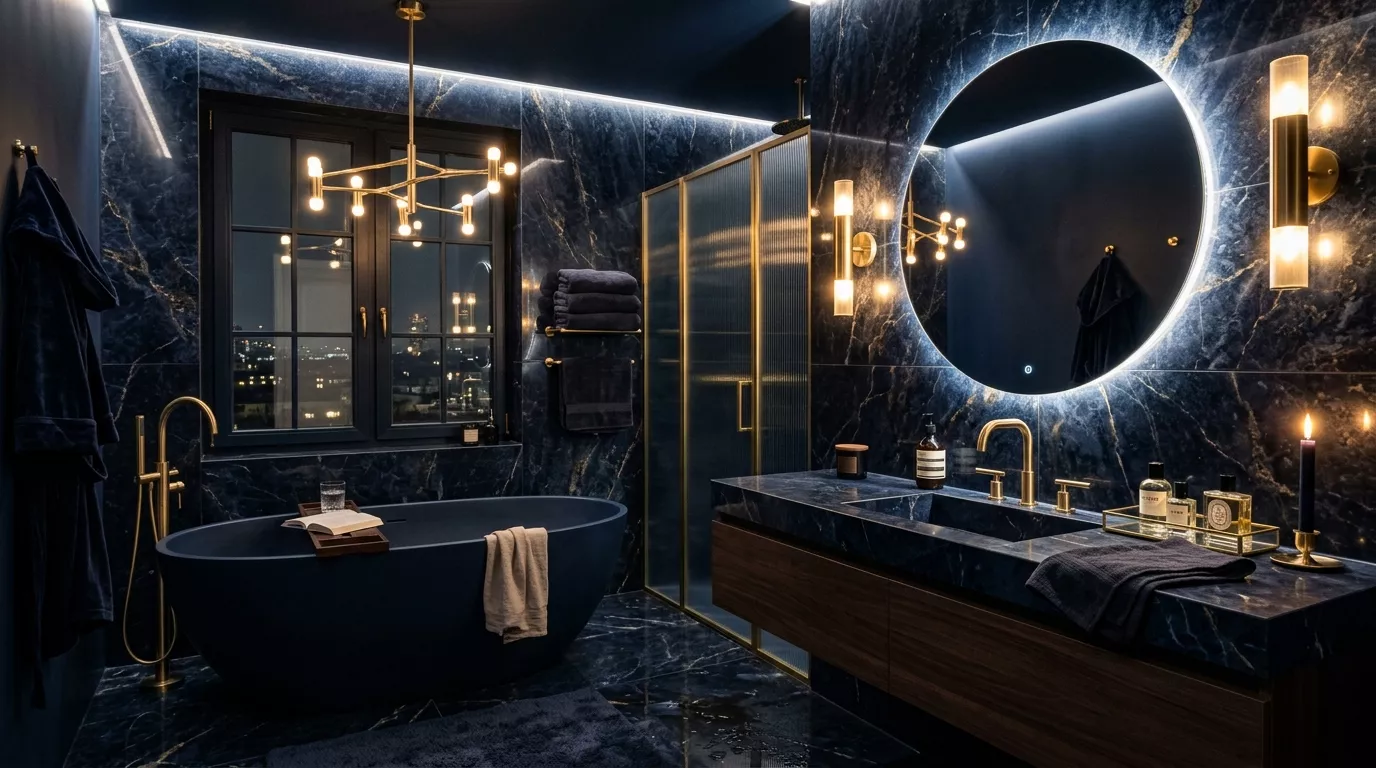
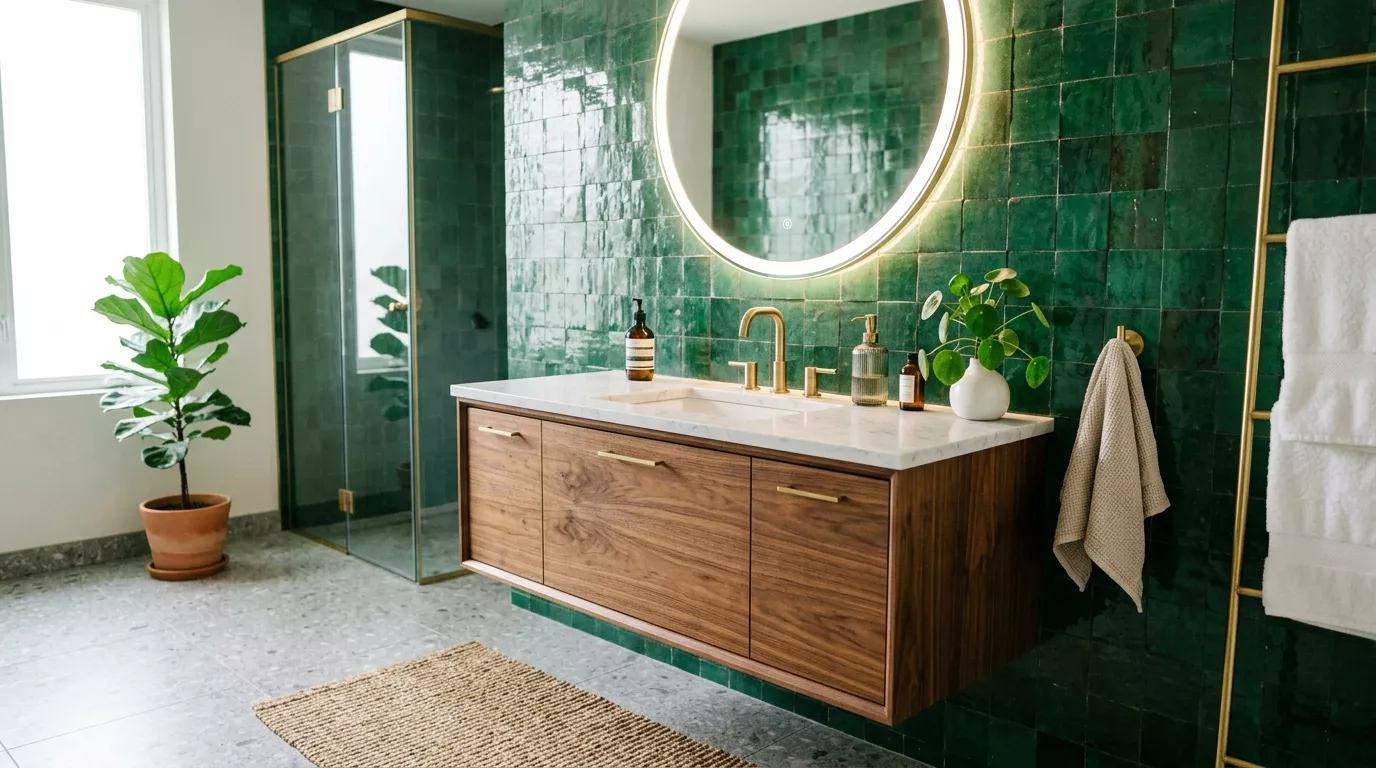
Floating Vanity for a Modern Bathroom: Ideas & Inspiration

Floating Vanity for a Modern Bathroom — Transform Your Space with Style

If you’ve been scrolling through home renovation photos lately, you’ve probably noticed one thing popping up everywhere: the floating vanity for a modern bathroom. Wall-mounted, sleek, and surprisingly functional, these vanities have completely changed how people think about bathroom design.
But here’s the thing — they’re not just about looks.
A floating vanity opens up floor space, makes your bathroom feel larger, and gives you that clean, hotel-like aesthetic that’s tough to achieve with traditional freestanding furniture. Whether you’re doing a full bathroom remodel or just swapping out an old cabinet, understanding how a floating vanity works — and how to choose the right one — makes all the difference.
Let’s walk through everything you need to know.

Why Floating Vanities Are Taking Over Modern Bathrooms
There’s a reason interior designers keep coming back to wall-mounted vanities. They hit a rare sweet spot between beauty and practicality.
Traditional floor-standing vanities are fine, but they create visual weight in a room. Your eye gets pulled down to the base, and suddenly your bathroom feels heavier and smaller than it actually is. A floating bathroom vanity does the opposite — it lifts the furniture off the floor, creating an uninterrupted visual line that makes the whole room breathe.
And that’s just the visual side of it.
From a cleaning standpoint, not having a base means you can mop and sweep the entire floor without moving anything. It sounds like a small thing until you’ve spent twenty minutes working around a pedestal sink with a mop.

Functionally, modern floating vanities come packed with smart storage options — soft-close drawers, hidden compartments, integrated lighting, and even built-in USB charging ports in some high-end versions.
H2: Types of Floating Vanities for Modern Bathrooms
Not all floating vanities are created equal. Before you buy, it helps to understand the main categories so you can pick what actually works for your space.
Single Sink vs. Double Sink Floating Vanity
Single sink vanities are ideal for smaller bathrooms or powder rooms. They typically range from 24 inches to 48 inches wide, which makes them manageable in tight spaces.
Double sink vanities are more appropriate for master bathrooms or shared bathrooms. They usually start at 60 inches and go up to 72 inches or wider. If two people are getting ready at the same time, a double sink floating vanity is a game-changer.

By Material
| Material | Durability | Water Resistance | Best For |
|---|---|---|---|
| Solid Wood | High | Medium | Warm, natural aesthetics |
| MDF with Veneer | Medium | Low-Medium | Budget-friendly options |
| PVC / Thermofoil | Medium | High | Humid bathrooms |
| Plywood with Laminate | High | Medium-High | Mid-range builds |
| Teak Wood | Very High | Very High | Spa-style bathrooms |
| Lacquered MDF | Medium | Medium | Glossy, minimalist looks |

By Style
- Minimalist/Scandinavian — Clean lines, muted tones, handle-free drawers
- Mid-Century Modern — Walnut finishes, tapered accents, warm tones
- Industrial — Matte black hardware, concrete-look surfaces
- Japandi (Japanese + Scandinavian) — Natural wood paired with neutral palettes
- Glam/Contemporary — High-gloss finishes, mirrored accents, LED lighting
H2: How to Choose the Right Floating Vanity for a Modern Bathroom
This is where most people get stuck. The options feel overwhelming. But if you break it down into a few key decisions, it becomes much more manageable.

Step 1: Measure Your Space
Start with the basics. Measure the wall where the vanity will hang, and note the distance to the toilet, door, and shower. Leave at least 15–18 inches of clearance on each side of the sink.
Also measure the ceiling height. Floating vanities can be installed at any height, but the sweet spot is typically 32 to 36 inches from the floor to the top of the vanity — comfortable for most adults.
Step 2: Know Your Wall Type
This matters more than people realize. Floating vanities are heavy, especially with a stone countertop and a sink. You need to confirm what’s behind your drywall.

- Stud walls — Great. Attach directly into studs using heavy-duty bolts.
- Concrete or masonry walls — Also workable with the right anchors and drill bit.
- Hollow partition walls — Require special toggle bolts or a horizontal backing board installed first.
If you’re unsure, have a contractor look at it before you buy anything.
Step 3: Choose the Right Countertop
The countertop material impacts both the look and the long-term maintenance of your vanity.
- Quartz — Low maintenance, durable, non-porous. Popular for good reason.
- Marble — Stunning but needs sealing and careful upkeep.
- Porcelain — Budget-friendly, easy to clean, resistant to heat.
- Concrete — Unique, industrial look. Needs sealing to prevent water damage.
- Solid surface — Seamless, great for undermount sinks.

Step 4: Pick Your Sink Type
The sink you choose affects how the entire vanity looks from above and how easy it is to clean.
- Undermount — Clean, seamless look. Countertop easy to wipe down.
- Vessel sink — Sits on top of the countertop. Bold and modern.
- Integrated sink — Sink and countertop are one piece. Easiest to clean.
- Drop-in/top-mount — Affordable and easy to install, but rim can collect grime.
H2: Floating Vanity Ideas and Design Inspiration
Here’s where things get fun. Once you understand the practical side, you can start getting creative with the design.

The Monochrome Look
One of the most popular approaches right now is going all-in on a single color family. Think an all-white floating vanity with a white quartz countertop, white wall tiles, and matte white faucets. It reads as incredibly calm and spa-like.
Add warmth with a wooden mirror frame or a small indoor plant to break the monotony.
The Two-Tone Bathroom Vanity
Pair a dark lower vanity — deep navy, charcoal, or forest green — with lighter upper cabinetry or a bright countertop. This contrast adds depth without making the space feel chaotic.
Matte black hardware pulls everything together and anchors the look.

Floating Vanity with Open Shelving
Instead of a fully enclosed cabinet, consider a vanity with a mix of drawers and open shelving underneath. You can style the shelves with rolled towels, small plants, or decorative baskets. It’s functional storage that also doubles as décor.
Backlit Floating Vanity
Install LED strip lights underneath the vanity to create a soft glow along the floor. Combined with a lighted mirror above, this creates a layered lighting effect that makes your bathroom feel intentional and upscale. It also works as a low-level nightlight if you get up during the night.
Natural Wood Floating Vanity
A walnut or oak finish brings warmth to an otherwise cold, modern bathroom. Pair it with matte brass or bronze fixtures, a woven towel ring, and a stone or terrazzo countertop for a relaxed, organic look that still feels pulled together.

Pros and Cons of a Floating Vanity
Before you commit, it’s worth looking at both sides honestly.
Pros
- Opens up floor space — Makes small bathrooms feel larger
- Easy floor cleaning — No base to mop around
- Fully adjustable height — Can be installed where it suits you
- Modern, clean aesthetic — Difficult to achieve with floor-standing units
- Works in small and large bathrooms — Scalable to any size
- Can be customized easily — Finishes, handles, and countertops are flexible

Cons
- Installation requires wall knowledge — Not a beginner DIY job in most cases
- Limited storage compared to floor units — Especially true for smaller widths
- Plumbing needs to be routed correctly — Pipes must be rerouted if moving from a floor vanity
- Weight limits apply — Heavy countertops may need extra wall reinforcement
- Can be pricier upfront — Quality floating vanities cost more than basic freestanding ones
H3: Step-by-Step Guide to Installing a Floating Vanity
Installing a floating vanity is absolutely doable if you have some DIY confidence. Here’s how the process generally works.
Step 1: Turn off the water supply Always disconnect the water before removing your old vanity.

Step 2: Remove the existing vanity Disconnect the drain, remove the old countertop, and detach the base from the wall and floor.
Step 3: Locate the wall studs Use a stud finder to mark stud locations. This is where your weight-bearing brackets will go.
Step 4: Install the mounting bracket or French cleat Most floating vanities come with a mounting system. Secure it to the studs with heavy-duty lag bolts. Use a level to make sure it’s perfectly horizontal.
Step 5: Hang the vanity cabinet Lift and slide the cabinet onto the mounting bracket. Have someone help you — these can be heavy.
Step 6: Reconnect the plumbing Install the faucet, drain assembly, and connect the supply lines. Use plumber’s tape on threaded connections.

Step 7: Seal and finish Apply silicone caulk along the back and sides where the vanity meets the wall. Let it cure before using the sink.
Common Mistakes to Avoid
A lot of bathroom remodels go sideways because of small oversights. Here are the ones that come up most often.
- Not checking the wall structure first — Installing into drywall alone is a recipe for the vanity pulling away from the wall within months.
- Buying the wrong size — Always measure twice. A vanity that’s two inches too wide won’t clear the door swing.
- Forgetting about plumbing access — Your drain and supply lines need to line up with the cabinet’s cutouts.
- Skipping the level check — Even a slight tilt looks obvious on a floating vanity. Always use a spirit level.
- Ignoring humidity — Not all wood finishes hold up well in steamy bathrooms. Choose moisture-resistant materials or properly seal your vanity.
- Undersizing the mirror — The mirror should be at least as wide as the vanity. Going wider is usually even better.
Pro Tips for Getting the Most from Your Floating Vanity
A few thoughtful additions can take a good bathroom design to a great one.
- Add under-vanity lighting — LED strip lights create ambiance and serve as a practical nightlight.
- Use drawer organizers — Floating vanities often have deep drawers. Organizers inside keep things from becoming a jumbled mess.
- Go handleless if possible — Push-to-open or recessed grip drawers maintain the clean, modern look better than exposed hardware.
- Pair with a frameless mirror — A borderless mirror above makes the bathroom feel seamless.
- Consider a matching medicine cabinet — If storage is a concern, a recessed medicine cabinet above adds significant capacity without cluttering the countertop.
- Use waterproof paint behind the vanity — Even with caulking, moisture can work its way to the wall over time. Primer and waterproof paint add a protective layer.
- Think about the toe kick height — Leaving 6–8 inches of floor visible gives you enough room to see the floor material underneath, which enhances the floating effect visually.
Floating Vanity vs. Freestanding Vanity: A Quick Comparison
| Feature | Floating Vanity | Freestanding Vanity |
|---|---|---|
| Floor space appearance | Roomier, open | More grounded, traditional |
| Cleaning ease | Very easy | Harder around the base |
| Height adjustability | Fully adjustable | Fixed height |
| Storage capacity | Moderate | Typically more |
| Installation difficulty | Moderate to hard | Easy |
| Modern aesthetic | Strong | Neutral |
| Cost | Medium–High | Low–High |
| Resale value impact | Positive | Neutral |
Conclusion: Make Your Bathroom Work for You
A floating vanity for a modern bathroom is more than just a design trend — it’s a genuinely smart upgrade that improves how your bathroom looks, feels, and functions every single day.
From choosing the right material and sink type to understanding your wall structure and installation process, every decision you make adds up to a result that’s either satisfying or frustrating. But when it comes together properly, there’s nothing quite like walking into a bathroom that feels intentional, clean, and uniquely yours.
If you’re ready to take the next step, start with your measurements, figure out your wall type, and then let your personal style guide the rest. Whether you go bold with a deep-colored vanity and matte black fixtures or keep it light and airy with a white oak finish, the right floating vanity will completely change how you feel about your bathroom.
Ready to get started? Pull out that tape measure today and see what size works for your space. The bathroom you’ve been picturing is closer than you think.
FAQs: Floating Vanity for a Modern Bathroom
Q1: How much weight can a floating vanity hold?
It depends on how it’s installed. When properly mounted into wall studs with the correct lag bolts and brackets, a floating vanity can typically support 200–300 pounds or more. The wall type, stud spacing, and mounting hardware all affect the load capacity. Always follow the manufacturer’s installation guidelines.
Q2: Are floating vanities good for small bathrooms?
Yes, they’re actually one of the best choices for small bathrooms. Because they’re elevated off the floor, they create the illusion of more space. The visible floor beneath the vanity makes the room feel open and less cluttered than a floor-standing unit would.
Q3: Can I install a floating vanity myself, or do I need a professional?
Confident DIYers with experience in basic plumbing and carpentry can handle this. However, if you’re not sure about your wall structure, need to reroute plumbing, or are dealing with a heavy stone countertop, hiring a professional installer is worth the cost. Getting it wrong the first time is more expensive than doing it right from the start.
Q4: What is the best height to install a floating vanity?
The standard recommendation is 32 to 36 inches from the finished floor to the top of the countertop. However, because it’s wall-mounted, you can adjust this to suit whoever will be using it most. Taller households often prefer 36 inches, while lower heights are better for children or those with mobility concerns.
Q5: How do I keep a floating vanity looking clean and maintained?
Daily wiping with a damp cloth keeps the surface looking fresh. Avoid harsh chemical cleaners on wood or lacquer finishes — they strip the protective coating over time. Reseal stone or marble countertops once a year. Check the caulk line along the wall every six months and reapply if it’s cracking or pulling away.
Q6: Do floating vanities increase home resale value?
Generally, yes. Modern, well-designed bathrooms are one of the top factors buyers consider. A floating vanity that’s installed well and fits the overall bathroom aesthetic contributes positively to buyer perception and can help support a higher asking price.
Q7: What’s the most durable material for a floating vanity in a humid bathroom?
Teak and PVC are the top performers in high-humidity environments. Solid plywood with a moisture-resistant lacquer finish is also a strong option. Avoid MDF without a proper waterproof seal — it swells and degrades quickly when exposed to repeated moisture.