Freestanding Bathtub Ideas to Transform Your Bathroom

Freestanding Bathtub Ideas to Transform Your Bathroom

There’s something undeniably special about walking into a bathroom centered around a beautifully chosen freestanding bathtub. It changes the entire feeling of the room — suddenly a purely functional space becomes somewhere you actually want to spend time.
Freestanding bathtub ideas have exploded in popularity over the past decade, and for good reason. Whether you’re doing a full bathroom renovation or simply upgrading the tub, a standalone soaking tub can become the most talked-about feature in your home. The best part? You don’t need a mansion-sized bathroom or a limitless budget to pull it off.
This guide covers everything — styles, materials, placement, a step-by-step buying process, comparisons, and the mistakes most people make. By the end, you’ll have a clear picture of exactly what works for your space.
What Exactly Is a Freestanding Bathtub?

A freestanding bathtub is a self-contained tub that stands independently — not recessed into a wall, dropped into a platform, or enclosed by tile surround. It’s finished on all sides, which means it can technically sit anywhere in the room that your plumbing allows.
Unlike alcove or drop-in models, freestanding tubs are intentionally designed to be seen from every angle. They function as a focal point, not just a bathing fixture.
Common materials used in freestanding tubs:
- Acrylic — Lightweight, affordable, retains heat reasonably well, easiest to maintain
- Cast Iron — Extremely durable, excellent heat retention, very heavy
- Stone Resin — Luxurious feel, sculpted shapes, heavy, premium price point
- Copper — Naturally antimicrobial, unique vintage look, requires polishing
- Fiberglass — Most budget-friendly option, lightweight but less durable long-term
- Solid Surface — Non-porous, versatile finishes, mid-range cost

Each material carries different trade-offs between cost, weight, maintenance, and feel. Knowing which matters most to you narrows the decision significantly.
Top Freestanding Bathtub Ideas for Every Bathroom Style
Let’s get into the actual styles. These are the options worth knowing, along with honest takes on who each one suits best.
1. The Classic Clawfoot Tub
If one style has genuinely stood the test of time, it’s the clawfoot tub. The ball-and-claw feet, the deep body, the slightly curved rim — it’s practically a piece of furniture as much as a bathing fixture.
Originally popular in the Victorian era, clawfoot tubs have found their way into farmhouse bathrooms, cottage-style retreats, and even some bold contemporary spaces where the contrast between old and new is the whole point.

Works best in: Victorian, farmhouse, traditional, and cottagecore-inspired bathrooms
What to know: Cast iron versions are heavier but hold heat better. If your floor can’t support the weight, acrylic clawfoot replicas deliver a very similar look at a fraction of the mass.
2. Modern Oval Freestanding Tub
Clean silhouette. No ornamental details. Just a smooth, flowing oval shape that looks right at home in a minimalist or contemporary bathroom.
This is arguably the most versatile freestanding tub style on the market today. The oval form is ergonomic — it naturally cradles the body during a soak — and the lack of visual noise means it pairs beautifully with almost any tile or vanity choice.
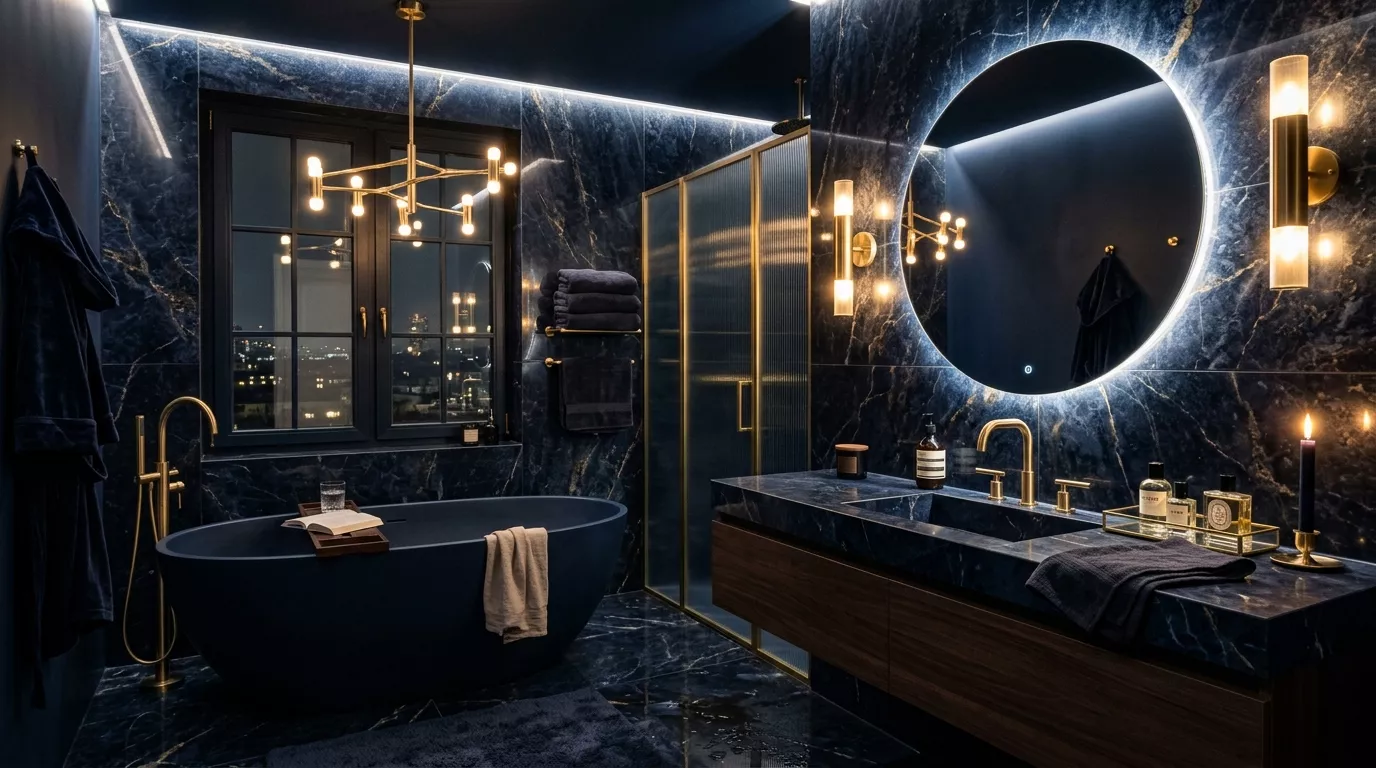
Matte white remains the classic finish, but matte black, warm greige, and even terrazzo-effect surfaces have become increasingly popular.
Works best in: Modern, Scandinavian, minimalist, transitional bathrooms

3. Japanese Soaking Tub (Ofuro Style)
Completely different from a Western bathtub in both form and function. The Japanese ofuro is deeper than it is long — designed for sitting upright, not lying down. You fill it with very hot water and sit, usually up to chest height, and let the heat do the therapeutic work.
This style is ideal for smaller bathrooms because the footprint is compact. It makes up in depth what it lacks in length. Cedar is the traditional material, though acrylic and stone resin versions are widely available.
Works best in: Zen-inspired, spa bathrooms, or any space where floor area is limited
4. Sculptural Stone Resin Tub
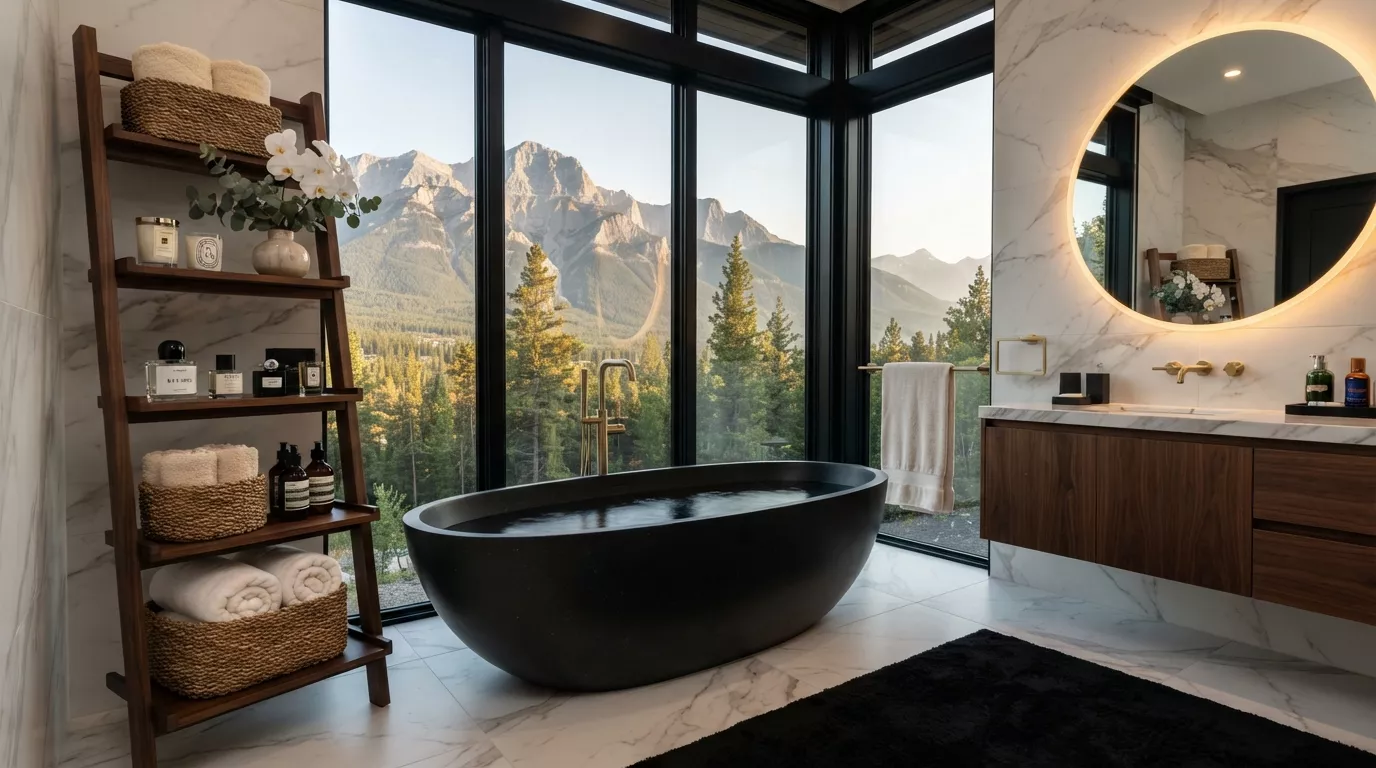
This is the one you see in high-end bathroom renovation magazines. Stone resin tubs are molded into organic, almost sculptural shapes — curved in unexpected ways, sitting low to the ground, looking more like an art installation than a bath fixture.

They’re genuinely heavy (300–600 lbs when empty), so structural floor assessment is essential before purchasing. But nothing else delivers quite the same visual impact.
Available in matte white, volcanic black, nude clay tones, and even custom colors from some manufacturers.
Works best in: Luxury, spa-inspired, contemporary, and statement-piece bathrooms
5. Pedestal-Style Freestanding Tub
Instead of legs, a pedestal tub sits on a solid integrated base. This creates a grounded, seamless look — the tub and its support appear to be one continuous form. It reads as more contemporary than a clawfoot and works beautifully in transitional spaces that blend traditional shapes with modern finishes.
Works best in: Transitional, contemporary, and upscale traditional bathrooms

Matching Freestanding Bathtub Ideas to Your Room Size
Space constraints are real. Here’s a practical guide to matching tub size with bathroom dimensions:
| Bathroom Size | Best Tub Style | Ideal Dimensions |
|---|---|---|
| Small (under 50 sq ft) | Japanese soaking tub | ~24″ × 24″ footprint |
| Medium (50–80 sq ft) | Compact oval or round | 55″–62″ in length |
| Large (80–120 sq ft) | Standard oval or pedestal | 62″–67″ in length |
| Master Suite (120+ sq ft) | Sculptural, clawfoot, double-ended | 67″–72″+ in length |
The 24-inch rule: Always leave at least 24 inches of clear floor space around any accessible side of the tub. This makes cleaning easier and prevents the space from feeling cramped. On non-accessible sides (against a wall), 6–12 inches of clearance is generally fine.
How to Choose the Right Freestanding Bathtub: A Step-by-Step Guide
Shopping for a freestanding tub without a plan can get expensive quickly. Here’s a practical process that keeps things on track.
Step 1: Map Your Bathroom Layout Before anything else, draw a floor plan with accurate measurements. Note where windows, doors, and existing plumbing are located. This defines what’s actually possible before you fall in love with something impractical.
Step 2: Set a Real Budget Freestanding tubs range from $400 for entry-level acrylic to $12,000+ for custom stone resin or hand-hammered copper. A good mid-range sweet spot ($1,200–$3,500) gets you quality construction and solid aesthetics without the luxury markup.
Step 3: Choose Your Material Prioritize what matters most: budget, heat retention, weight limits, or visual impact. See the materials table in the introduction for a quick reference.

Step 4: Lock in a Style Your tub should complement your tile choices, vanity finish, and the general feel of the room. A sculptural black stone tub will look out of place in a floral Victorian bathroom. Think about the full picture.
Step 5: Plan Your Faucet Setup Most freestanding tubs use either a floor-mounted faucet (pipe comes up through the floor) or a freestanding faucet tower. Floor-mounted is cleaner and more popular, but it requires plumbing to be planned before flooring goes down. Wall-mounted tub fillers are an option when the tub is positioned near a wall.
Step 6: Check Structural Support Cast iron and stone resin tubs are heavy — especially when filled with water and a person. On upper floors, consult a contractor or structural engineer before committing to a heavy tub. This isn’t something to skip.
Freestanding Tub vs. Built-In Tub: An Honest Comparison
This is a question most homeowners wrestle with. Here’s a clear breakdown:

| Feature | Freestanding Tub | Built-In Alcove Tub |
|---|---|---|
| Visual Impact | High — a true focal point | Low — blends into the surround |
| Installation Cost | Higher (floor plumbing) | Lower (wall-mounted faucet) |
| Cleaning Ease | Accessible all sides | Grout lines collect mold |
| Space Efficiency | Requires clearance around it | Maximizes a smaller footprint |
| Soaking Depth | Often deeper | Usually shallower |
| Resale Value | Generally adds more | Standard expectation |
| Material Options | Vast (stone, copper, resin, iron) | More limited |
| Cost Range | $500 – $12,000+ | $200 – $3,000+ |
The honest take: If you have the square footage and can accommodate floor plumbing, a freestanding tub is worth the investment. If your bathroom is small or your budget is tight, a quality built-in with good tile work can still look exceptional.
Pros and Cons of Freestanding Bathtubs
Pros
- Creates an immediate design statement — guests always notice it
- Can be placed anywhere plumbing allows, giving more layout flexibility
- Easier to clean than tiled surrounds (no grout, no corners)
- Wide range of styles, from vintage to ultra-contemporary
- Deeper soaking options, especially with Japanese-style models
- Can significantly boost perceived home value

Cons
- Higher upfront cost compared to built-in alternatives
- Requires floor-mounted plumbing, which adds installation complexity
- Heavy models (cast iron, stone resin) may need floor reinforcement
- No built-in ledge for shampoo, soap, or candles — accessories needed
- Acrylic models can feel cold at first and may flex underfoot
- Larger footprint means it’s not suitable for every bathroom
Smart Placement Ideas for Freestanding Bathtubs
Where you put the tub is just as important as which tub you choose. These placements consistently work:
Centered Against a Feature Wall: Pull the tub away from the wall by 12–18 inches and center it visually. This is the most hotel-like arrangement, especially effective with large-format stone tile behind it.

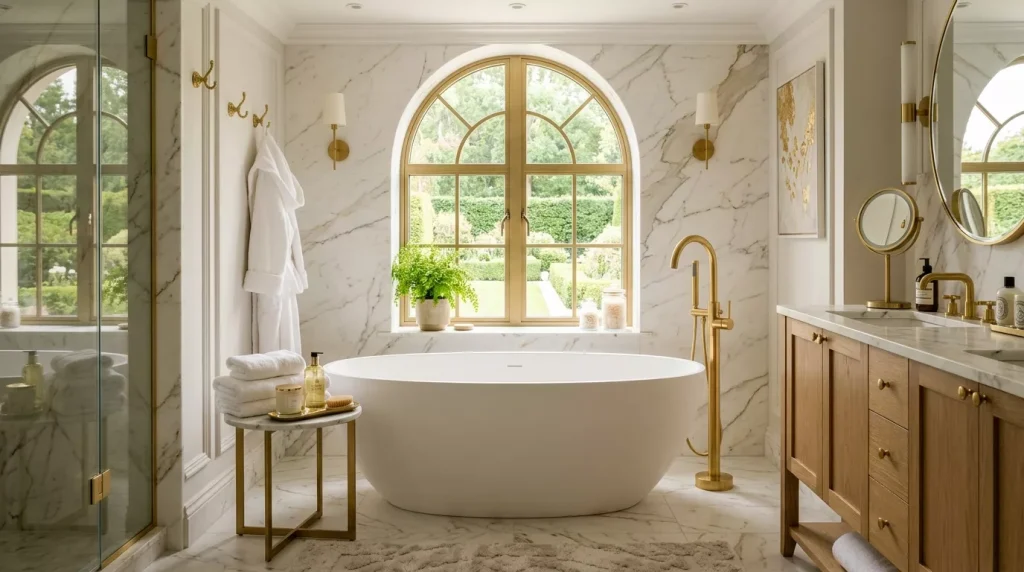
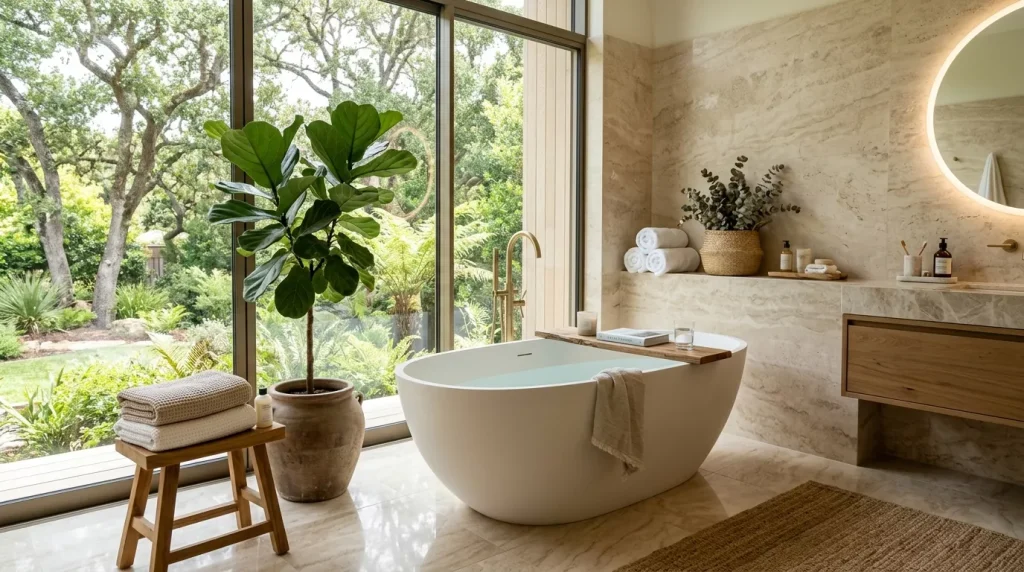
Beneath a Window: Natural light while soaking is one of those small luxuries that sounds simple but feels incredible. A garden view adds to the experience. Use frosted glass if privacy is a concern.
In the Corner: Not every bathroom allows a centered placement. A corner position with a round or oval tub still looks intentional and elegant without eating the whole room.
Centered in a Large Bathroom: For bigger spaces, floating the tub in the middle of the room surrounded by large-format tile or warmed hardwood creates a genuine spa atmosphere.
Visible from the Bedroom: Open-plan master suites where the tub is partially visible from the bedroom are a growing trend in luxury home design. It requires a thoughtful layout, but the visual payoff is significant.

Tips for Getting the Most From Your Freestanding Bathtub
Small details that genuinely upgrade the experience:
- Add a tub caddy tray — holds your book, candles, or a glass of wine without slipping
- Install heated tile flooring around the tub area — stepping out of a warm bath onto warm tiles is a completely different experience
- Choose dimmable lighting — ambient lighting transforms a functional bath into a relaxing ritual
- Pick a floor faucet with an integrated handheld shower head — practical for rinsing the tub and doubling as a shower in a pinch
- Add a side table or small stool — keeps bath products, towels, and accessories within reach
- Invest in a proper bath pillow — ergonomic support makes a long soak genuinely comfortable
- Consider under-tub LED strip lighting — creates a floating effect that looks stunning at night
Common Mistakes to Avoid With Freestanding Bathtubs

Even experienced renovators stumble on these:
Mistake #1: Planning plumbing after choosing the tub location Floor-mounted plumbing needs to be roughed in before tile goes down. Figure out placement first. This is the single most common and costly sequencing mistake.
Mistake #2: Ignoring weight limits A stone resin tub + water + bather can easily reach 800 lbs or more. Upper-floor bathrooms in older homes may not handle that without reinforcement. Always check.
Mistake #3: Buying oversized without measuring first A tub looks very different in a large showroom than in your actual bathroom. Work strictly from dimensions and use painter’s tape on your floor to visualize the footprint before ordering.
Mistake #4: Choosing looks over comfort Some beautifully photographed tubs are genuinely uncomfortable to soak in. Read user reviews specifically about soaking comfort. If possible, test a floor model at a showroom.
Mistake #5: Neglecting lighting A stunning tub in a poorly lit bathroom loses most of its impact. Plan pendant lights, wall sconces, or accent lighting as part of the overall bathroom design — not as an afterthought.
Mistake #6: Skipping the manufacturer’s maintenance guide Stone resin tubs may need sealing. Copper tubs require specific cleaning products. Acrylic tubs scratch if you use abrasive cleaners. Read the care instructions before day one.
Conclusion: The Right Freestanding Bathtub Is Out There for You
Freestanding bathtub ideas aren’t just about aesthetics — they’re about creating a space in your home where you can actually unwind. Whether that means a sculptural matte black stone tub in a minimalist spa bathroom or a vintage cast iron clawfoot in a warm, farmhouse-style retreat, there’s a style that fits your vision.
The most important things: get your measurements right, plan plumbing early, understand the weight implications, and choose a style that genuinely complements the rest of your bathroom rather than competing with it.
Ready to transform your bathroom? Start with your floor plan today. Mark out the footprint of the tub you’re considering with painter’s tape and live with it for a few days before committing. You’ll know pretty quickly whether it feels right — and when it does, the whole project gets a lot more exciting.
Your perfect soak is closer than you think.
Frequently Asked Questions (FAQs)
Q1: Are freestanding bathtubs actually worth the extra cost?
For most homeowners, yes — particularly if you use the bath regularly. The design impact is significant, maintenance is often easier than tiled alcove surrounds, and the soaking experience tends to be better due to greater depth. They also carry real resale value, especially in mid-to-upper market homes where buyers expect elevated finishes.
Q2: How much does it cost to install a freestanding bathtub, including plumbing?
The tub itself ranges from around $500 for a basic acrylic model to $12,000+ for custom stone resin or copper. Installation costs — mainly floor plumbing for the faucet — typically run an additional $500 to $2,500 depending on your location and existing plumbing. Budget $2,500 to $6,000 total for a quality mid-range setup including labor.
Q3: Can a freestanding bathtub work in a small bathroom?
Yes, but you need the right style. A Japanese soaking tub or a compact oval with a footprint under 30 inches wide can work in tighter spaces. The key is maintaining at least 24 inches of clearance on the entry side and 12 inches on other accessible sides. Avoid wide, double-ended styles in small rooms — they’ll overwhelm the space.
Q4: Which material is the best choice for a freestanding bathtub?
Depends entirely on your priorities. For the best heat retention, cast iron is unmatched. For premium aesthetics and durability, stone resin is the top choice. For affordability and light weight, acrylic gets the job done well. Copper is unique and beautiful but requires more upkeep. There’s no universal best — only what fits your specific needs and budget.
Q5: Do freestanding tubs require special plumbing?
Yes. Unlike wall-mounted faucets used with alcove tubs, most freestanding models require floor-mounted faucets where the supply lines run through the floor. This is best done during a renovation before flooring is installed. Wall-mounted tub fillers are a workable alternative when the tub is positioned close to a wall. Always involve a licensed plumber early in the planning process.
Q6: How do I clean underneath a freestanding bathtub?
Leg-style tubs (like clawfoot) are easiest — a flat-head mop or microfiber duster slides right under. Pedestal and base-style tubs are sealed to the floor on a solid base, meaning the underneath isn’t accessible and doesn’t require cleaning. For leg-style tubs, weekly dusting and monthly mopping underneath prevents moisture and dust buildup.
Q7: Will adding a freestanding bathtub increase my home’s resale value?
Generally, yes. Bathroom renovations consistently rank among the highest ROI home improvements, and a well-chosen freestanding tub is one of the most impactful upgrades within that space. Buyers in the mid-to-upper price range often cite the primary bathroom as a key decision factor, and a beautiful soaking tub tends to be a memorable selling point during viewings.